

Jitish Kallat
Jitish Kallat’s practice is deeply preoccupied with measuring planetary phenomena. He does this through his own self-invented parameters. His work in recent years has often taken the form of studies conducted over defined periods of time that mark interactions between earth’s elements and the forces that constantly reshape it.
Since 2015, he has been conducting Wind Study (The Hour of the Day of the Month of the Season) drawings that he refers to as the transcript of a conversation between fire and wind. From 2016, he began making drawings titled Rain Study (The Hour of the Day of the Month of the Season) using paper overlaid with fast-drying pigment momentarily exposed to rain. In the second half of 2020 under constraints imposed by the global lock-down, he carried out Circadian Study (Contact Tracing) as a series of observations of the sun’s cyclical rhythms made by tracing the contours of moving light and shadows cast by fallen twigs. Upon completion, these studies simultaneously take on telescopic and microscopic proportions executed through self-devised studio regimens that Kallat refers to as a “vocabulary of studio rituals”.
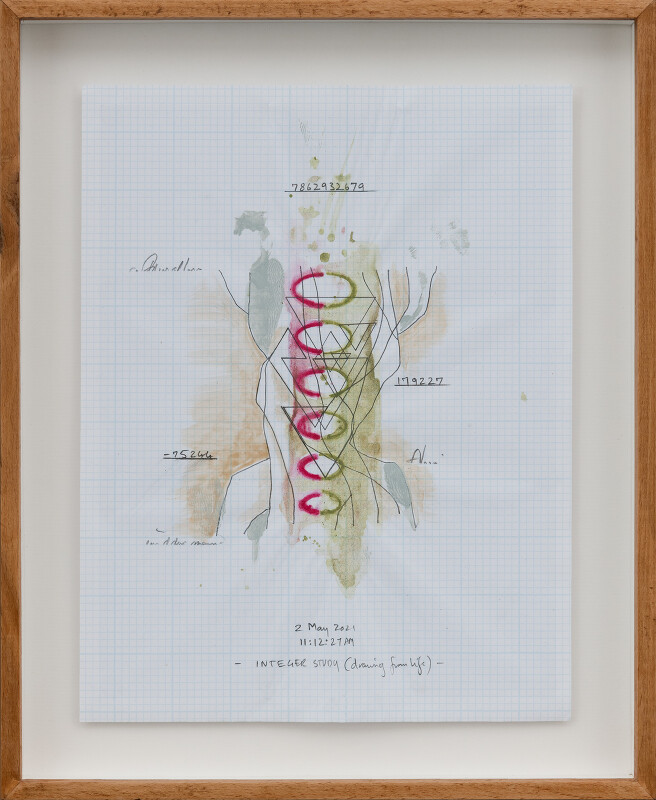
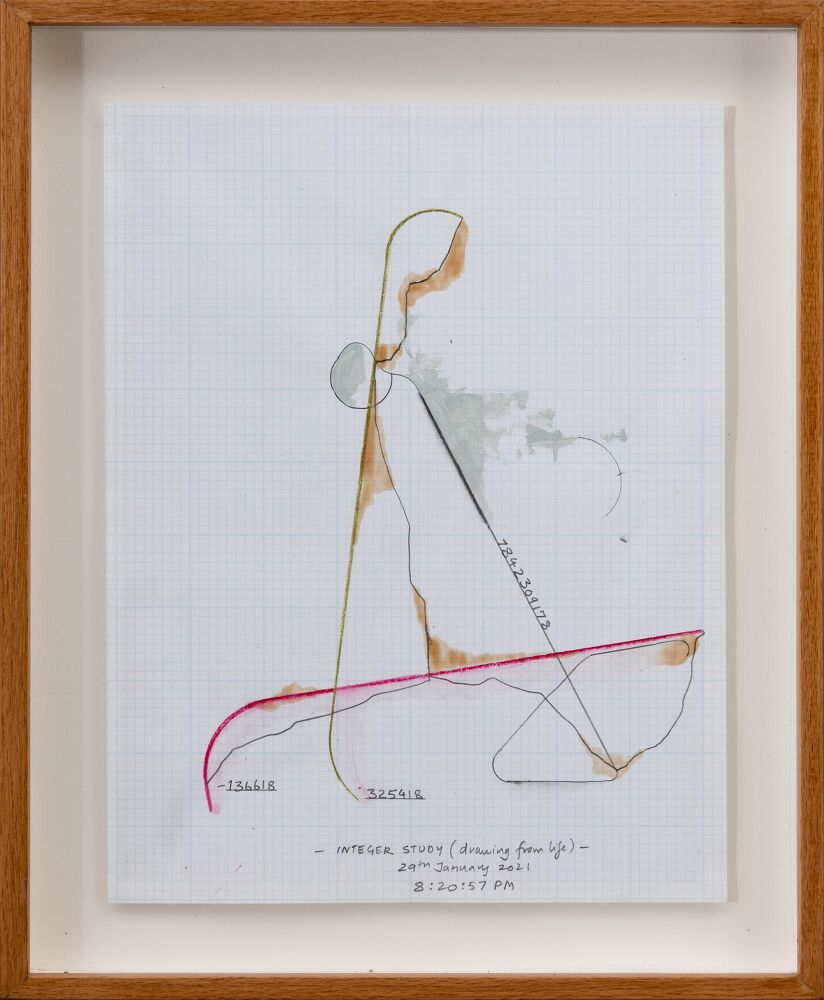
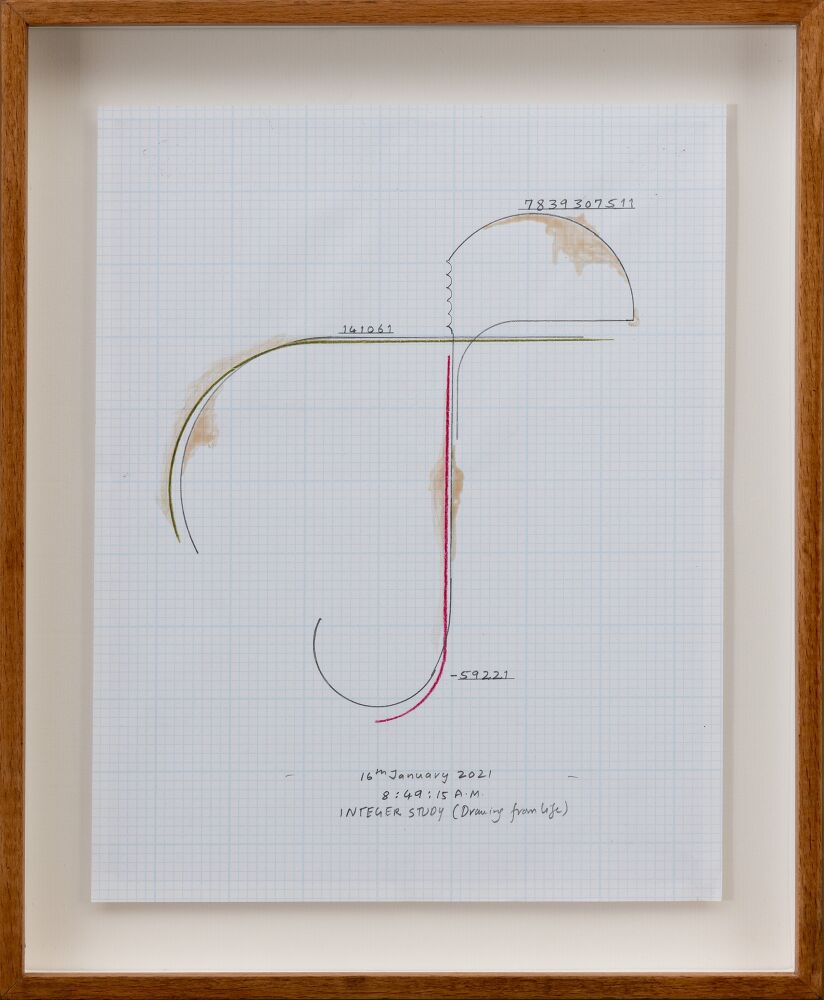
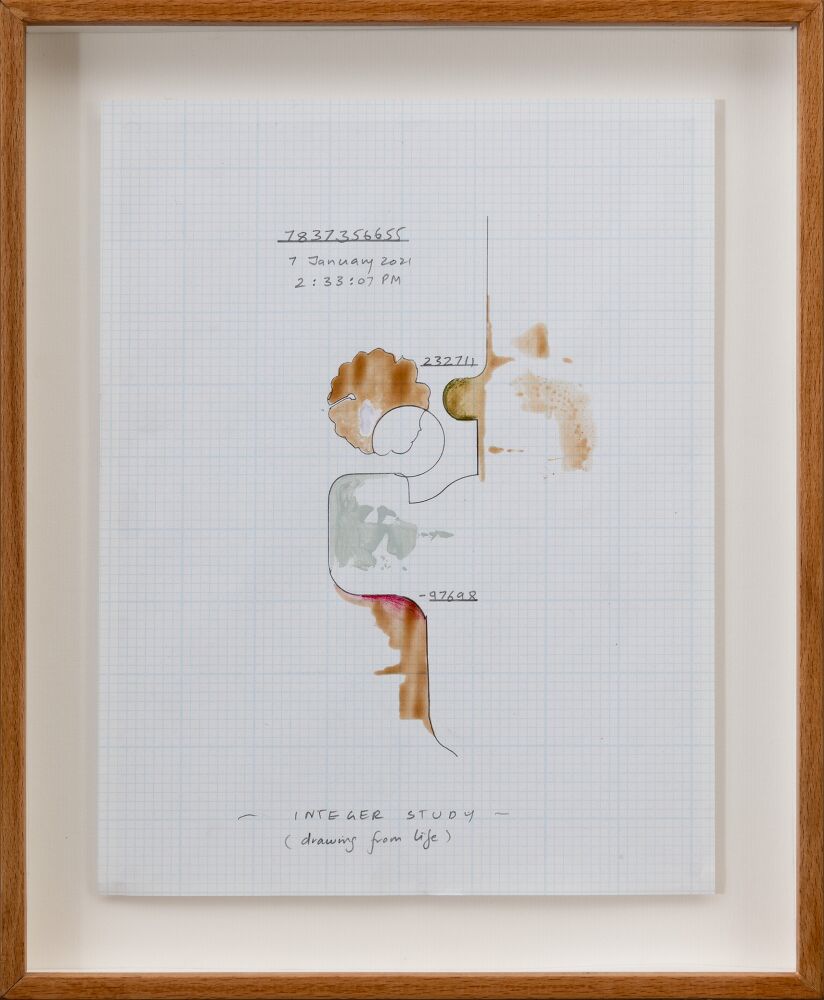
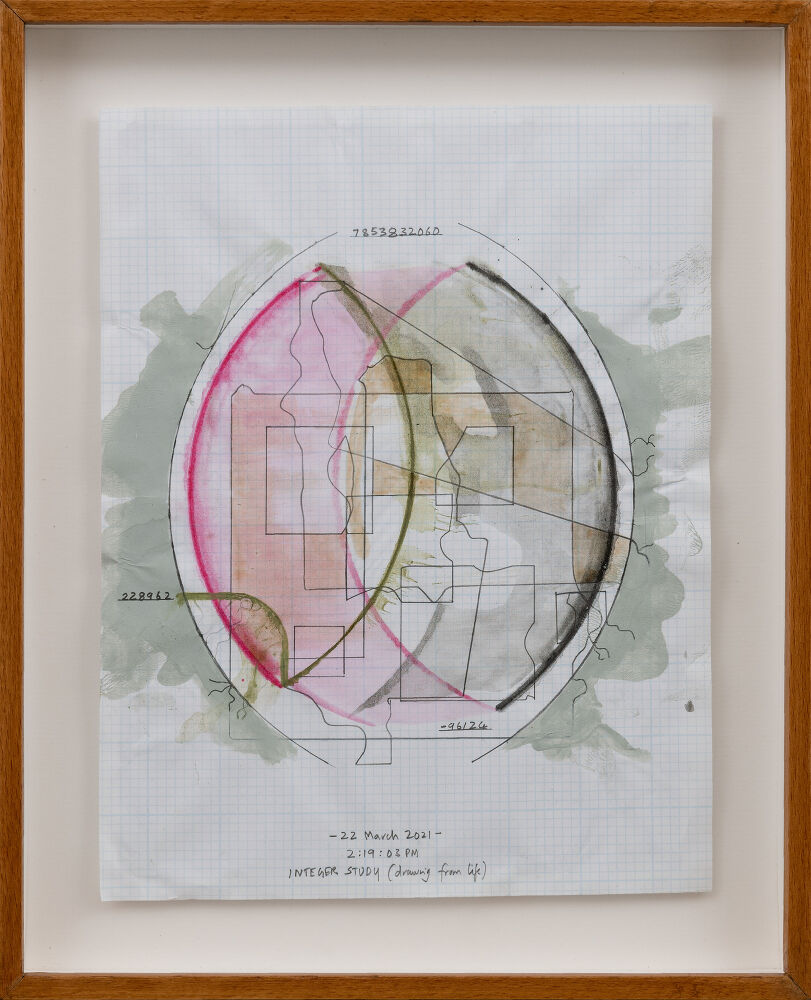
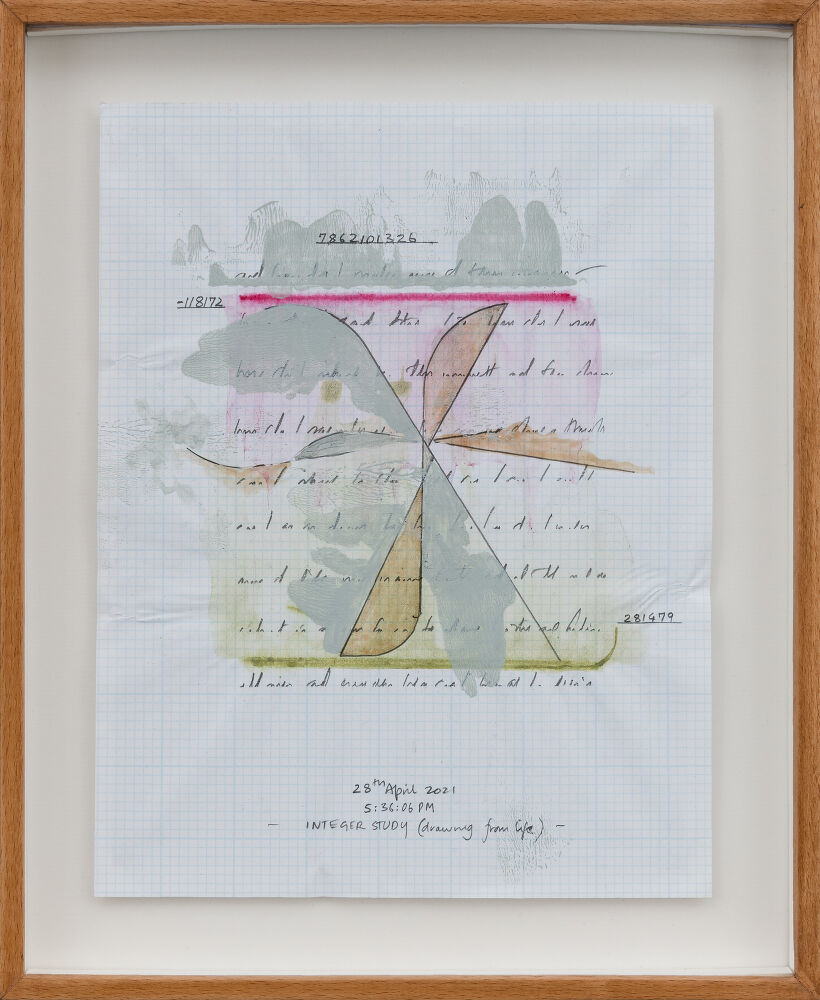
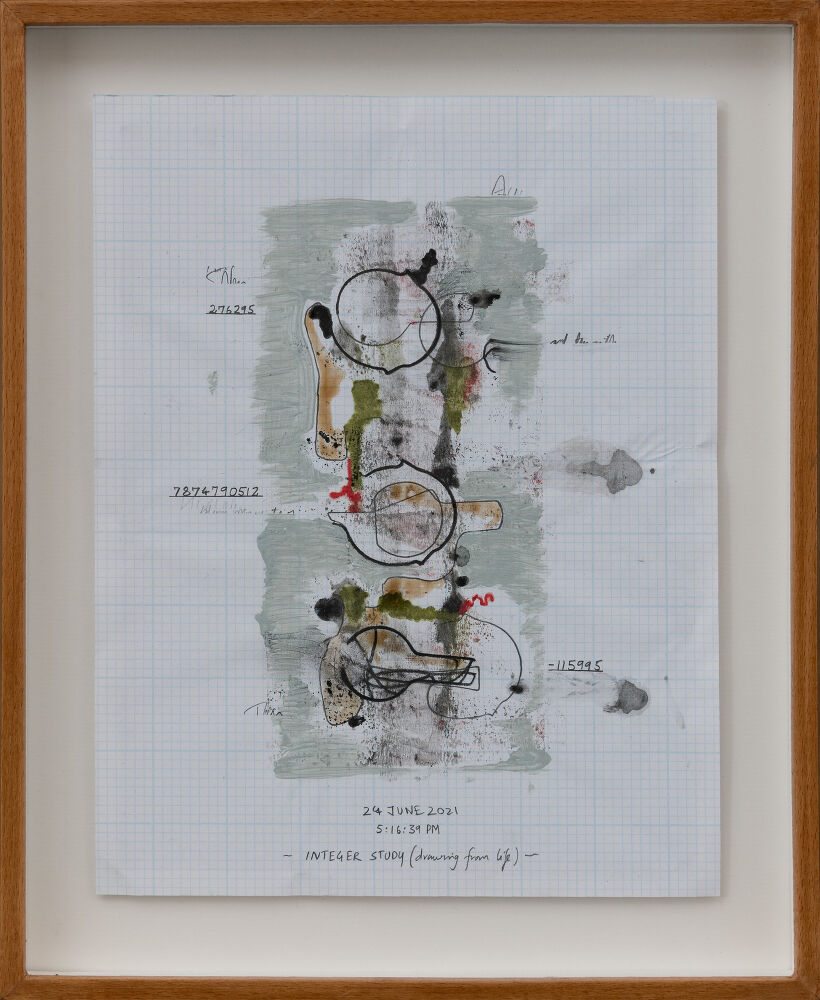
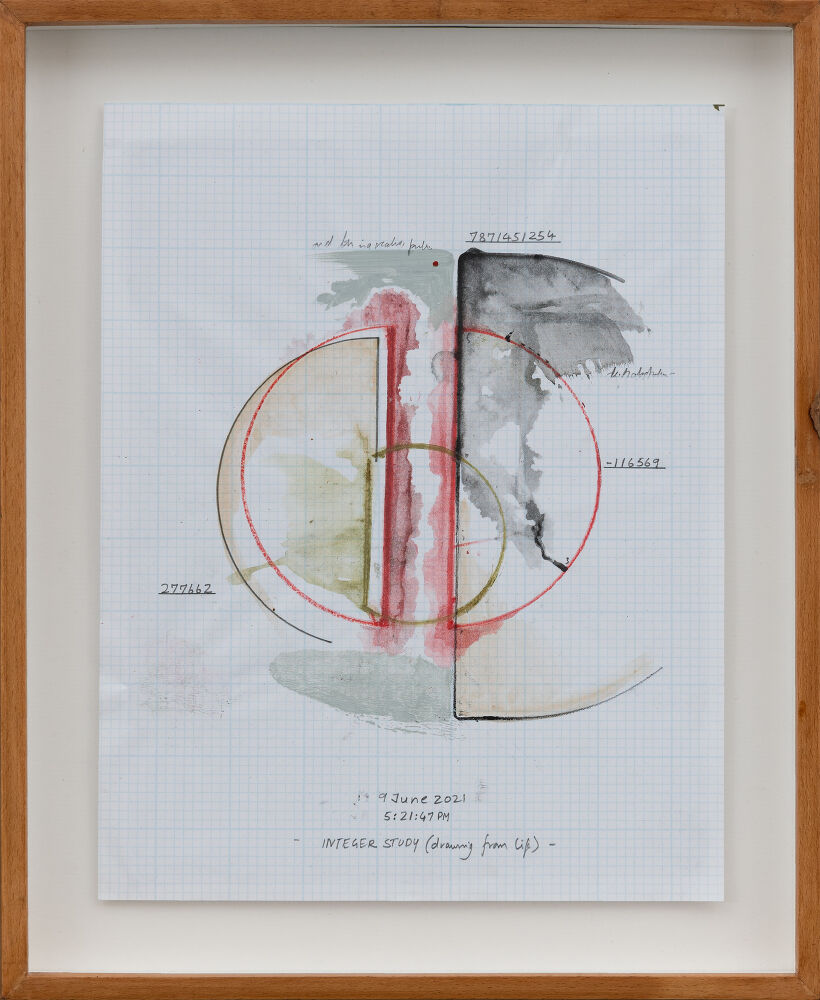
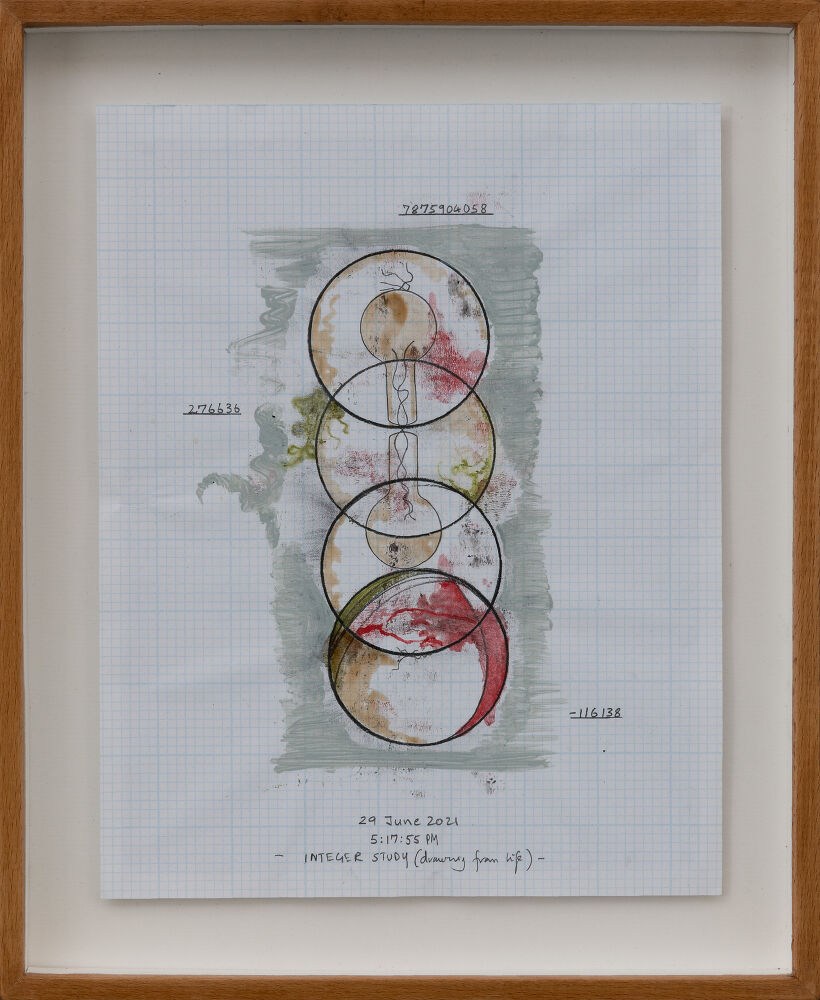
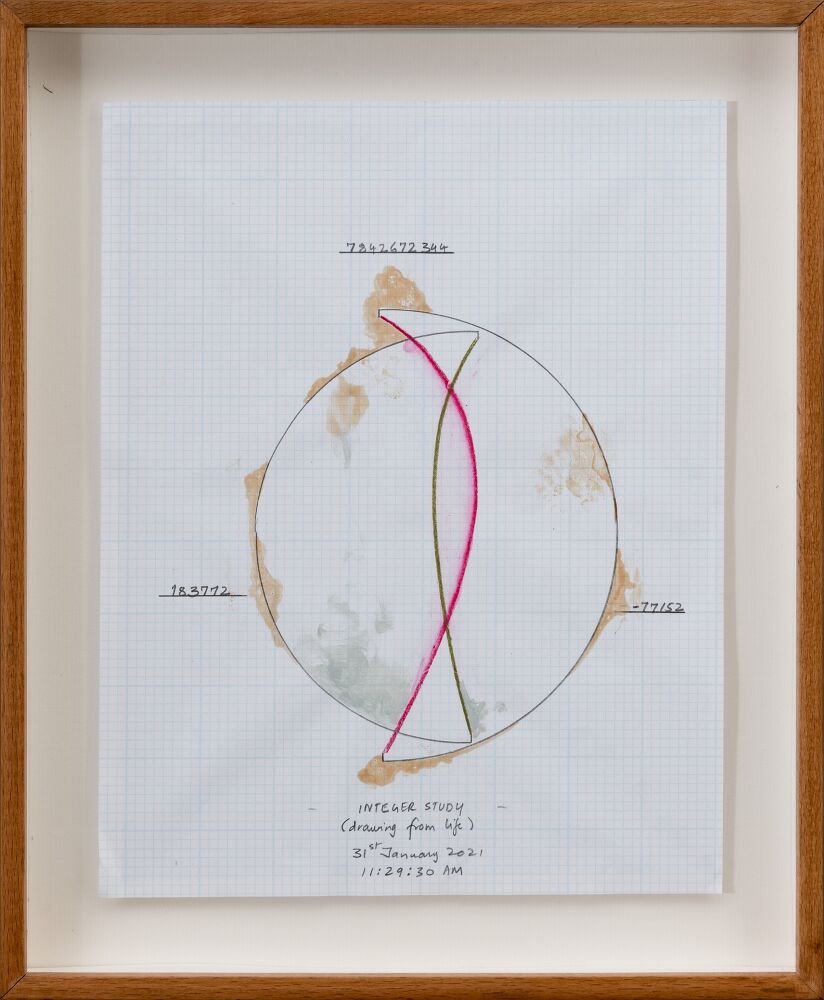
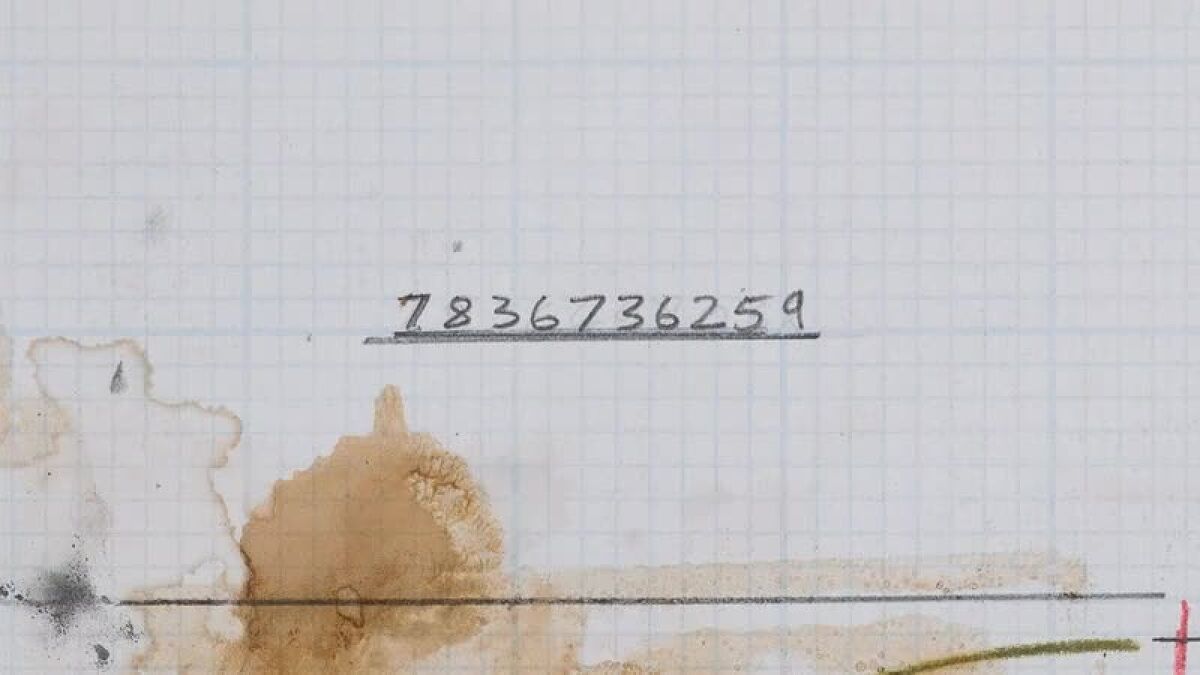
Over the past months, Kallat has been measuring the planetary present mediated through the algorithmic count of the current world population. Titled Integer Study (Drawing From Life), these studies emerge out of a hyper-abstraction of human lives rendered as numerical figures via big data centres harnessing real-time information from around the world. Since the 1st of January Kallat created one drawing each day carrying a combination of marks and three sets of integers, along with the time-stamp of the moment in the day when they were taken.
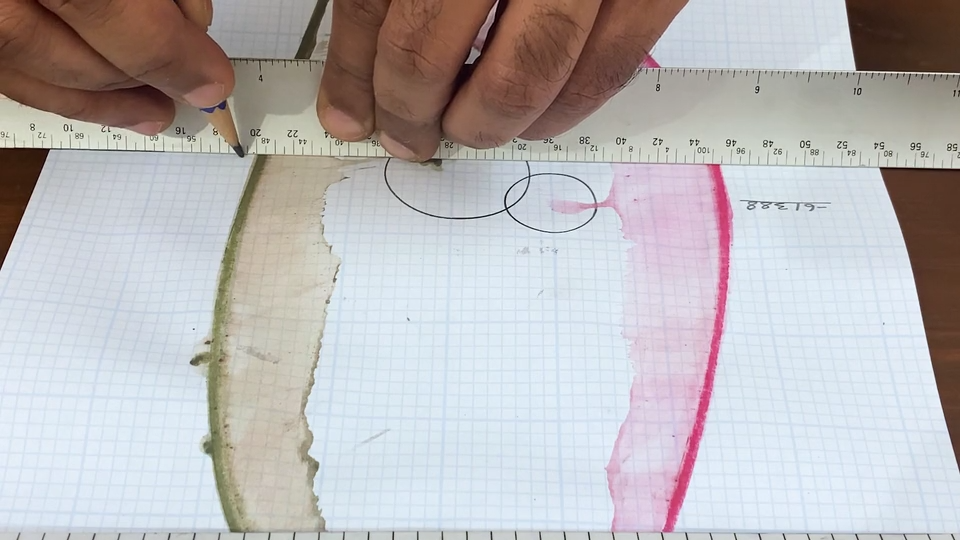
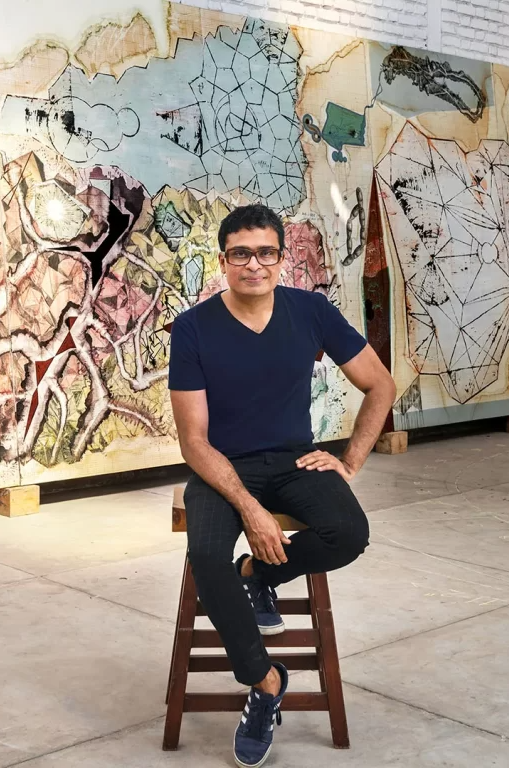
IN THE STUDIO
“While drawing I feel that the coming together of these numbers, which have a peculiar density of meaning to them, seem like the heaviest elements in the work…and they produce a reflective condition that allows for forms to gradually appear through this triangulation of life: through the tropes of birth, death, and time."
Jitish Kallat
ABOUT JITISH KALLAT
Jitish Kallat was born in Mumbai in 1974, the city where he continues to live and work. Kallat has exhibited widely at museums and institutions including Tate Modern (London), Martin Gorpius Bau (Berlin), Gallery of Modern Art (Brisbane), Kunstmuseum (Bern), Serpentine Galleries (London), Mori Art Museum (Tokyo), BOZAR: Centre For Fine Arts (Brussels), Pirelli Hangar Bicocca (Milan), Busan Museum of Modern Art, Astrup Fearnley Museum of Modern Art (Oslo), ZKM Museum (Karlsruhe), Henie Onstad Kunstsenter (Oslo), Arken Museum of Modern Art (Copenhagen), Valencia Institute of Modern Art (Spain), Mori Art Museum (Tokyo), Art Gallery of Ontario (Toronto), Museum Tinguley (Basel) and the Gemeente Museum (The Hague) amongst many others. Kallat’s work has been part of the Venice Biennale, Havana Biennale, Gwangju Biennale, Asia Pacific Triennale, Fukuoka Asian Art Triennale, Asian Art Biennale, Curitiba Biennale, Guangzhou Triennale and the Kiev Biennale amongst others. His solo exhibitions at museums include institutions such as the Art Institute of Chicago, Bhau Daji Lad Museum (Mumbai), the Ian Potter Museum of Art (Melbourne), CSMVS Museum (Mumbai), the San Jose Museum of Art, Art Gallery of New South Wales (Sydney), Frist Art Museum (Nashville) and the Philadelphia Museum of Art.
In 2017, the National Gallery of Modern Art (New Delhi) presented a mid-career survey of his work titled Here After Here 1992–2017, curated by Catherine David. Kallat was also the curator and artistic director of Kochi-Muziris Biennale 2014.