

London
Frieze London 2024
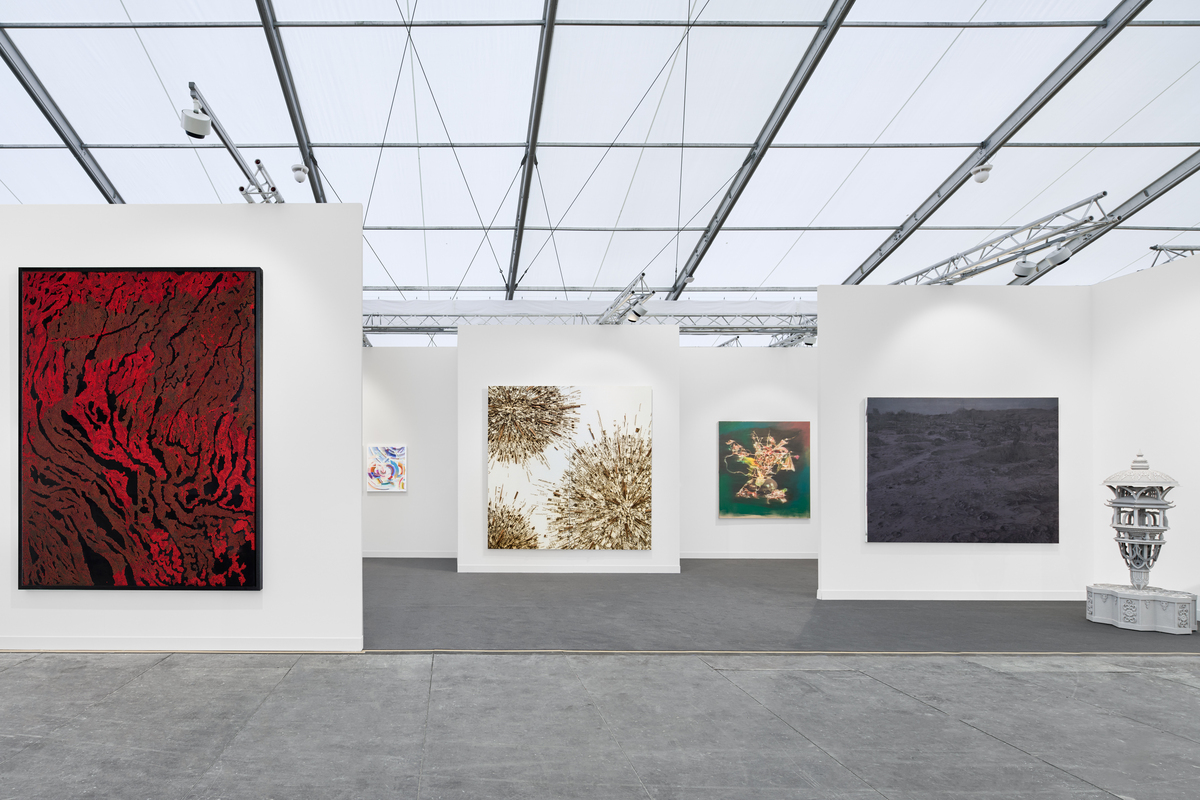
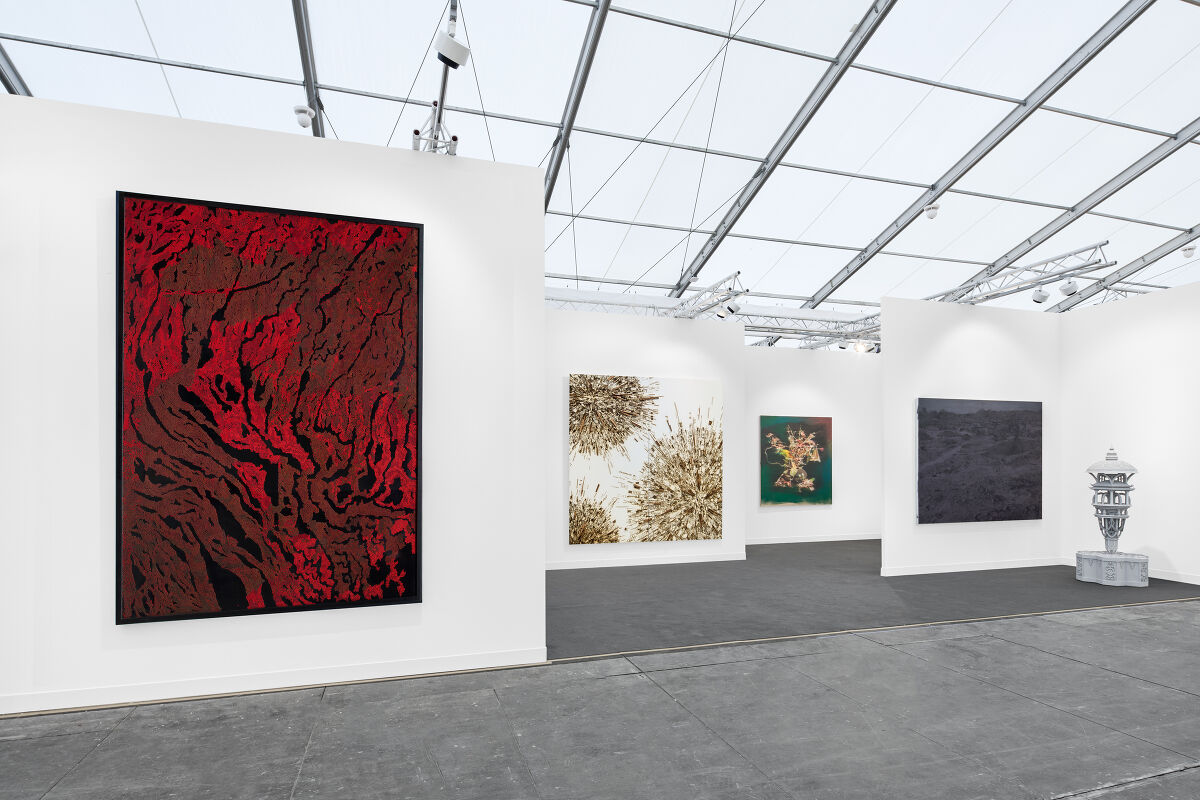
At the core of Nature Morte’s presentation at Frieze London 2024 is an exploration of transformation—not as a fixed moment, but as a continuous, evolving process. The artworks presented here capture moments of flux, where materials, symbols, and spaces are in constant states of reformation, shaped by time, memory, and human intervention.
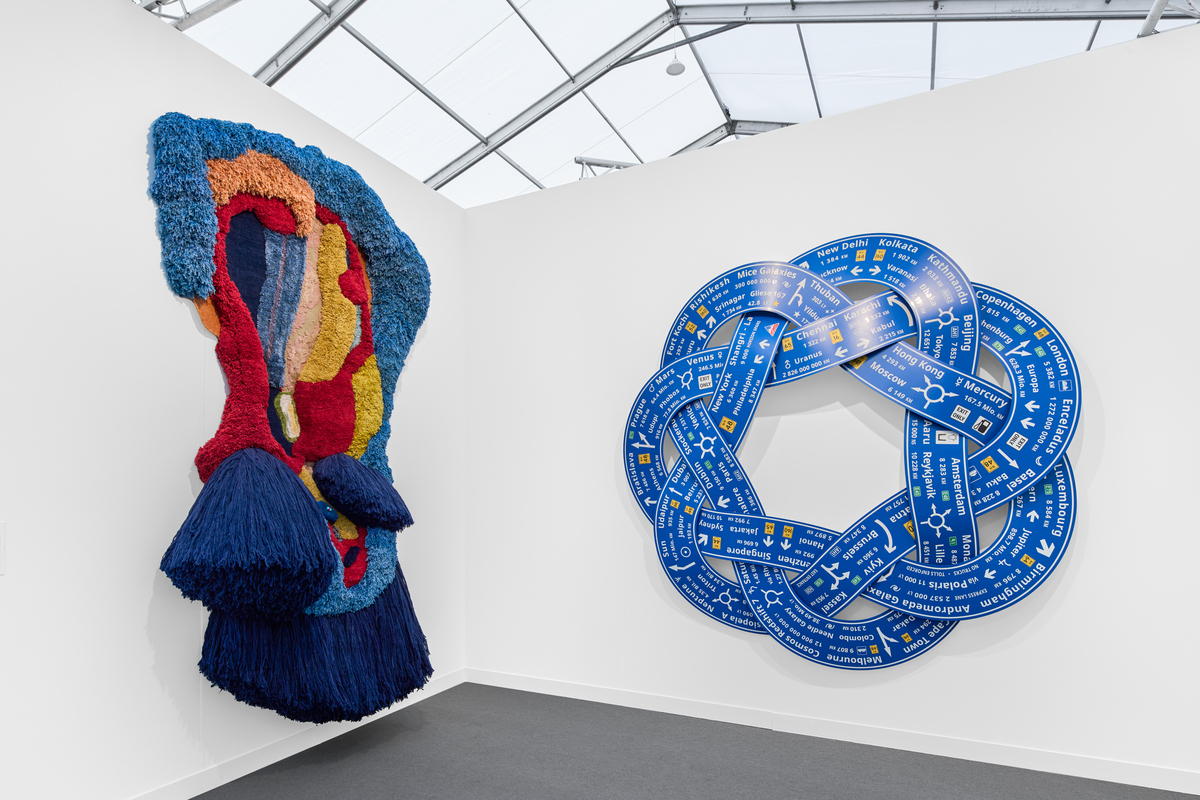
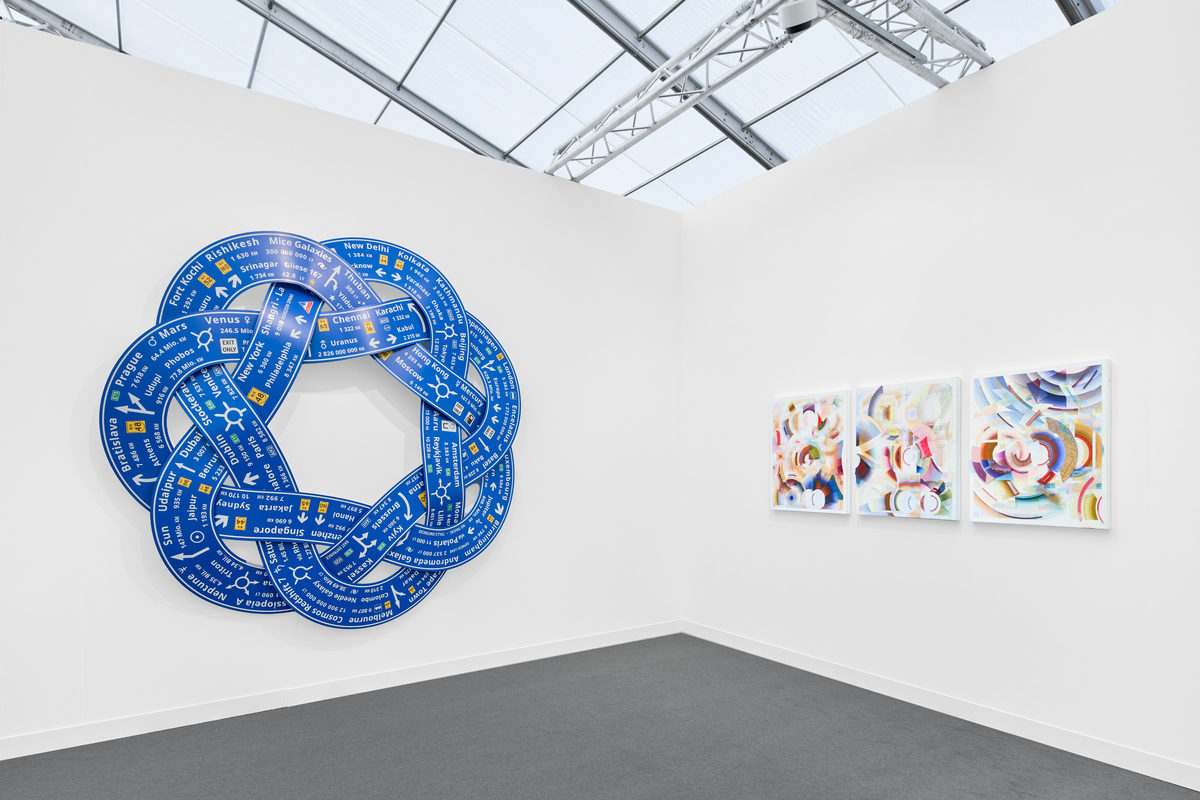
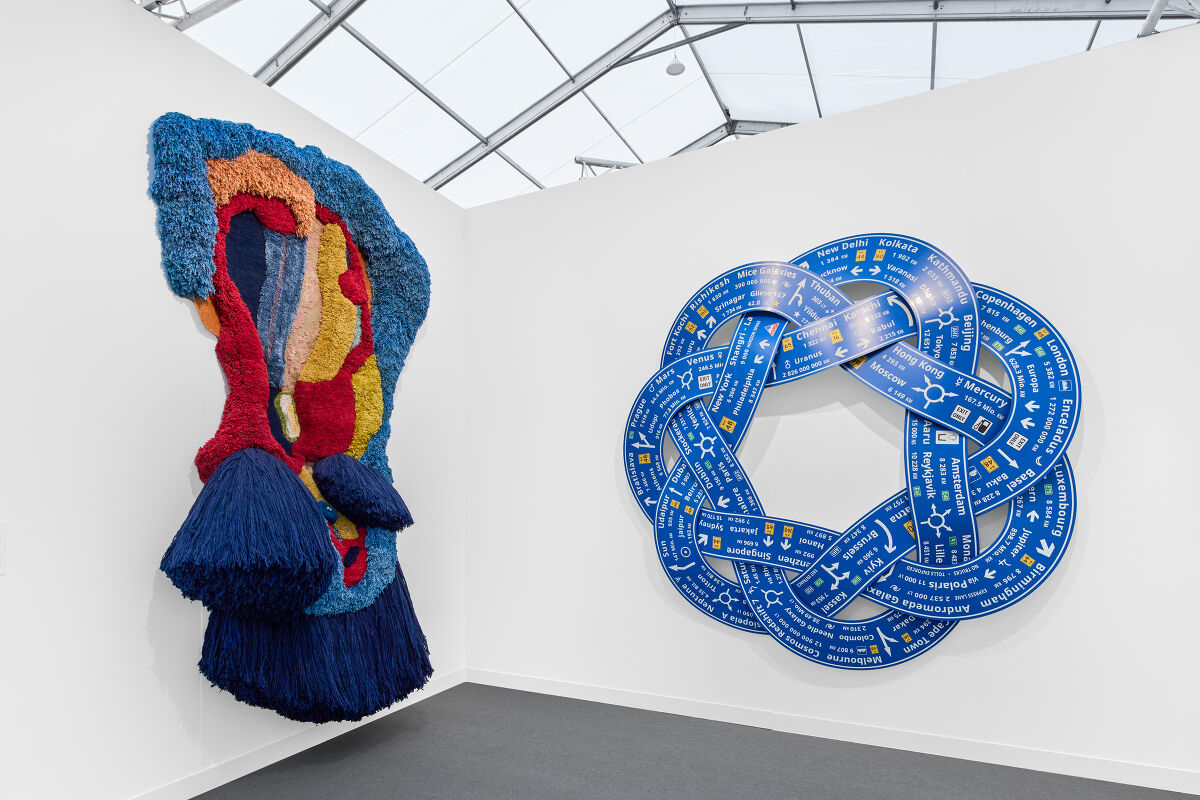
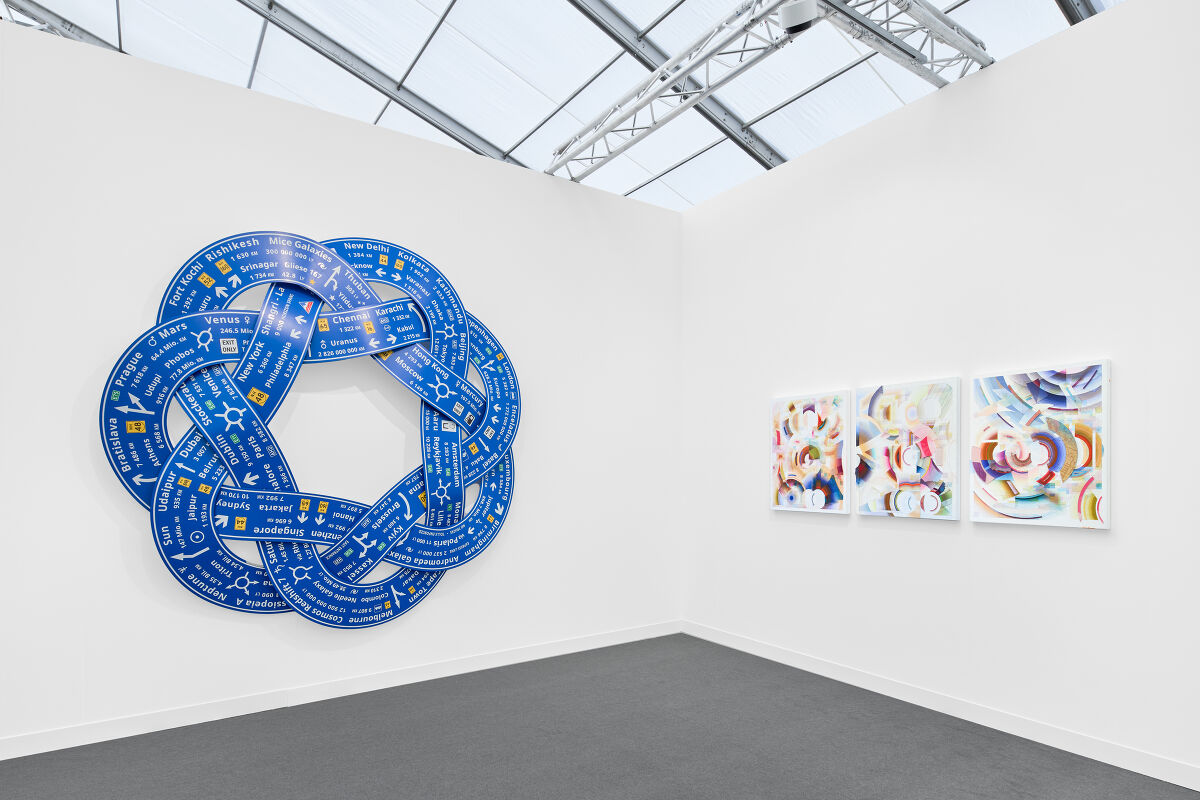
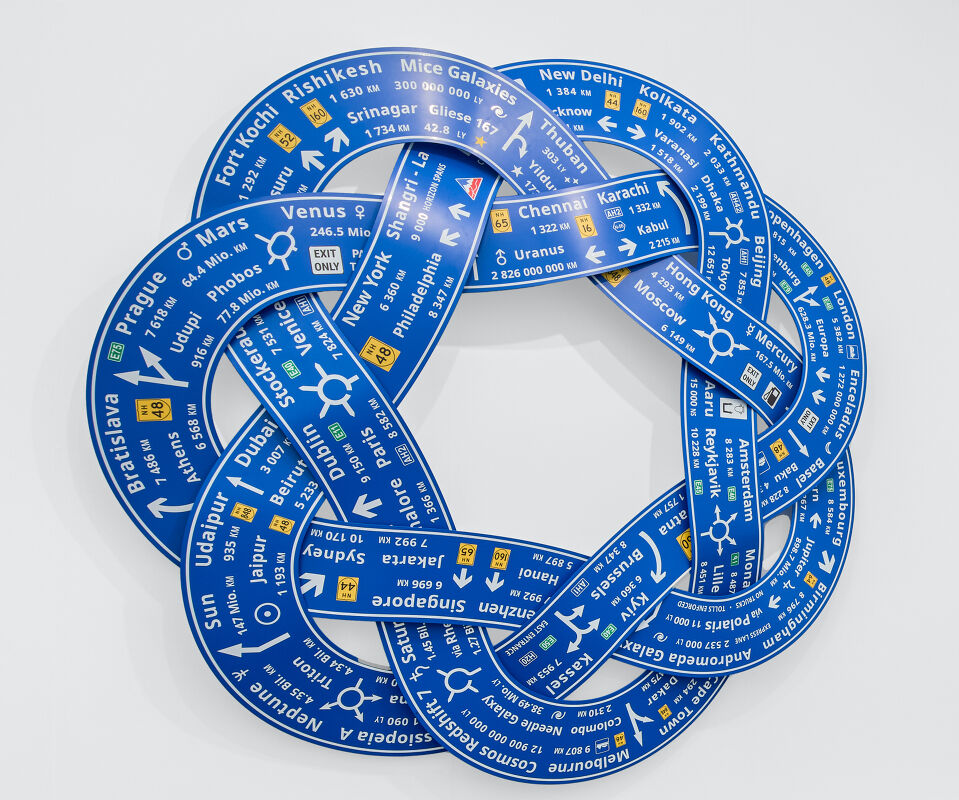
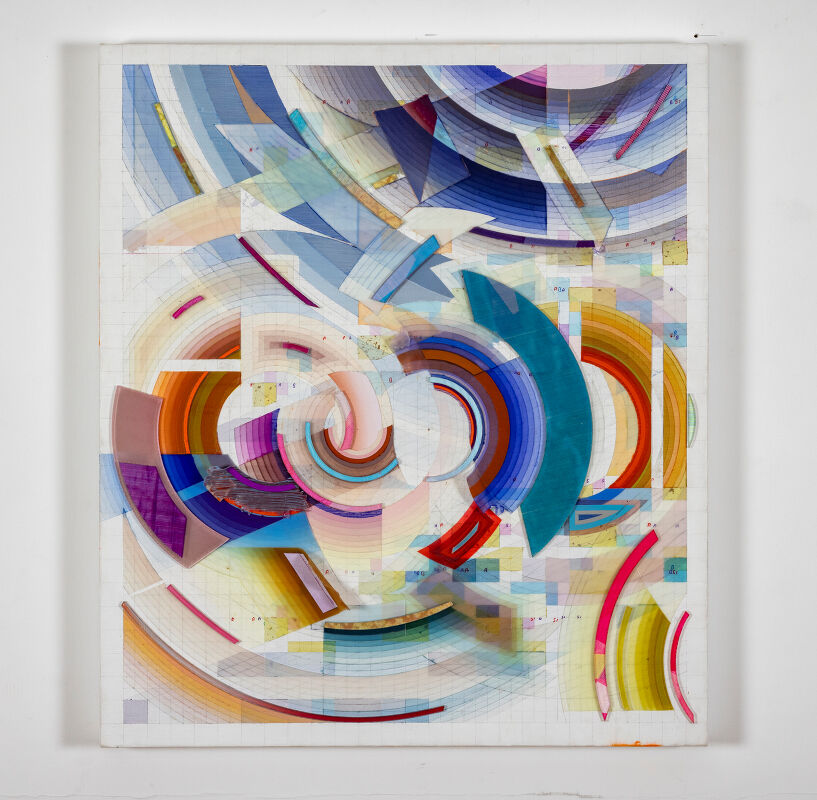
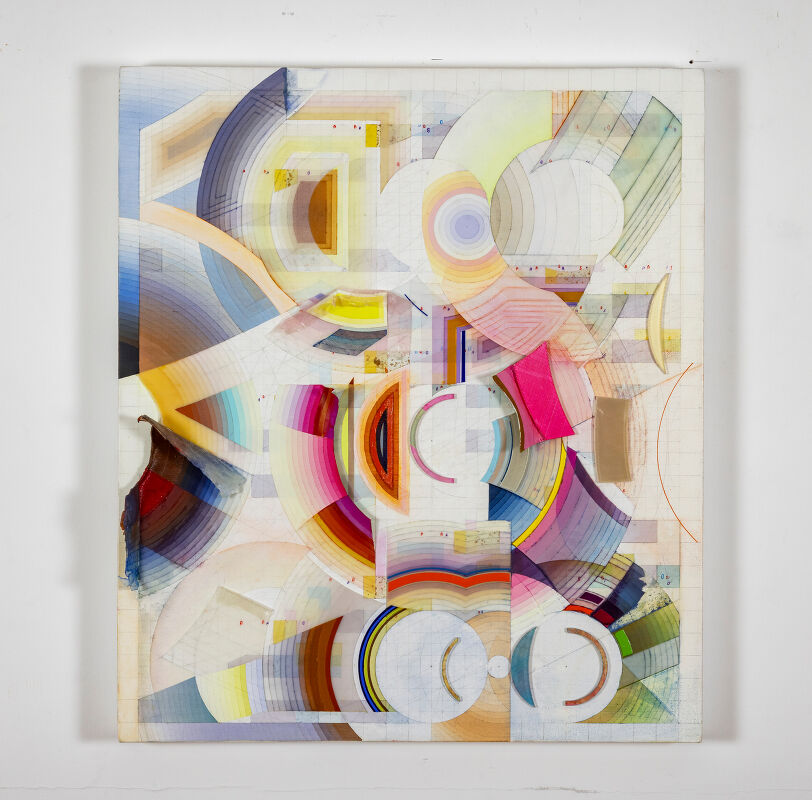
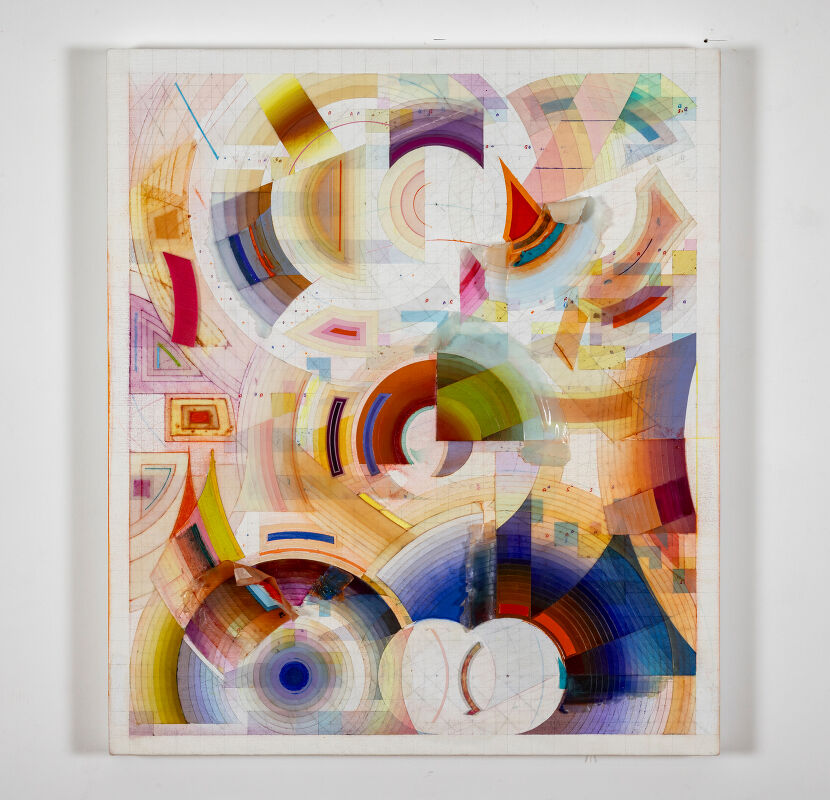
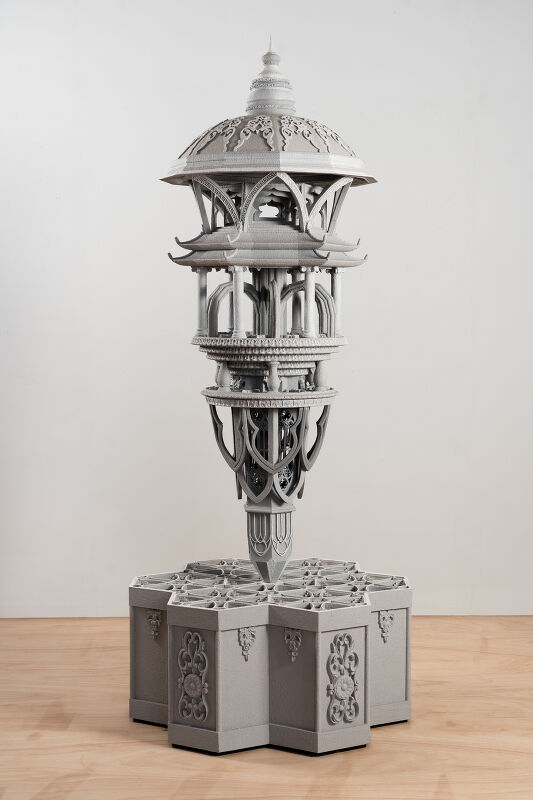
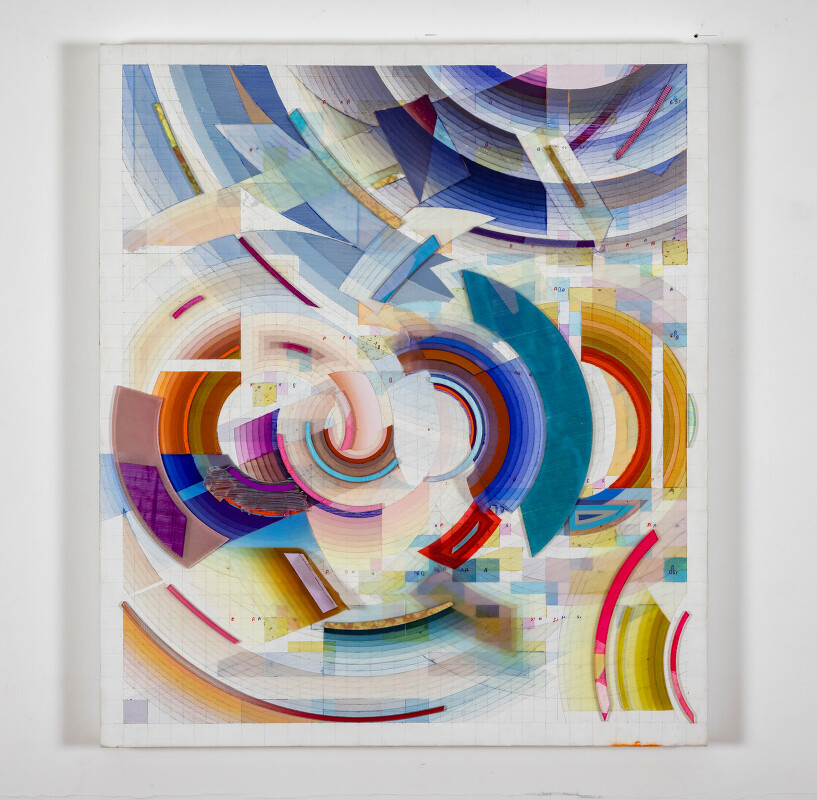
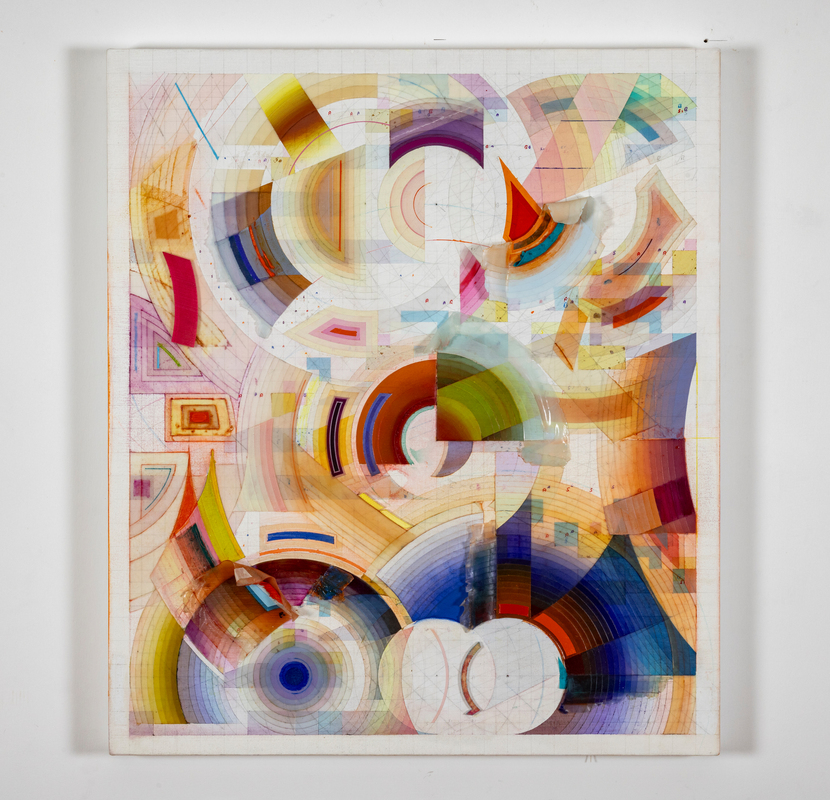
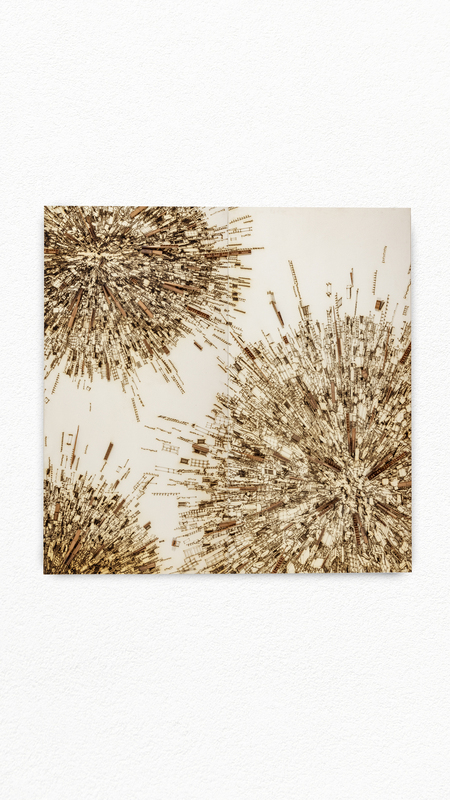
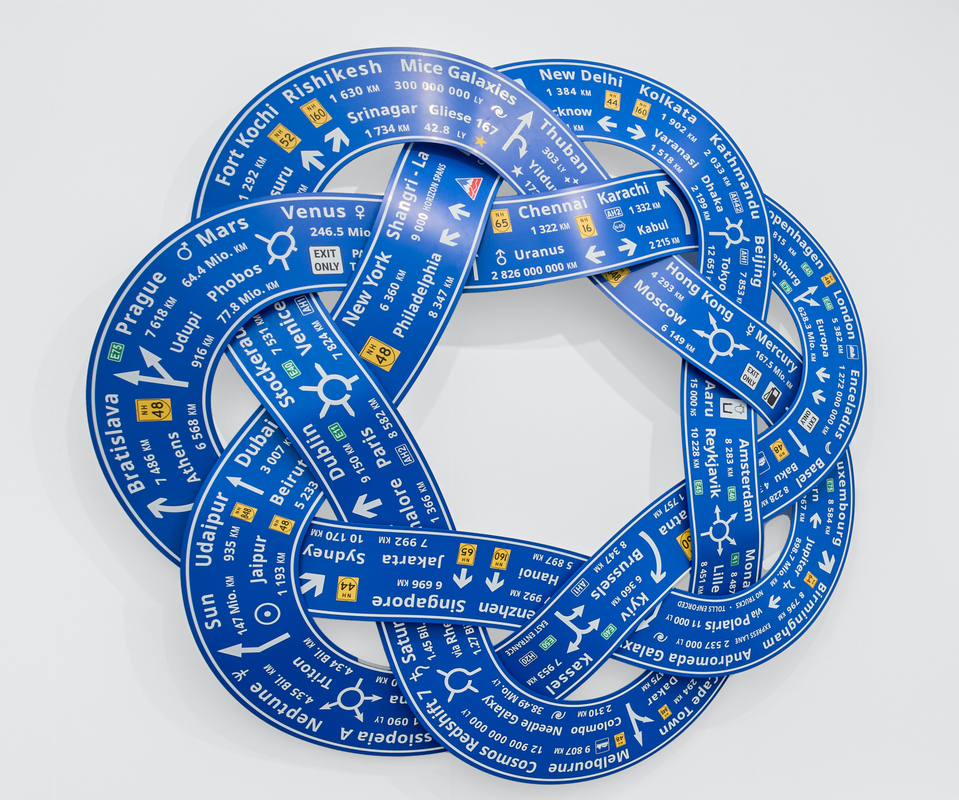
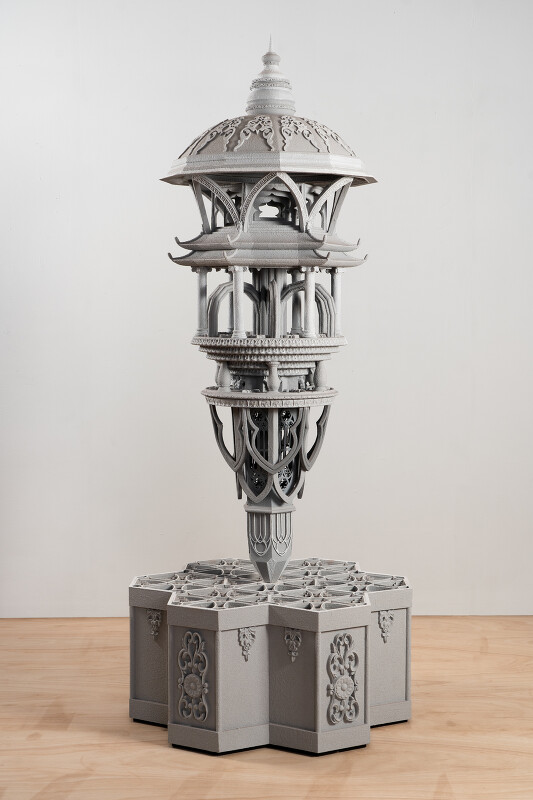
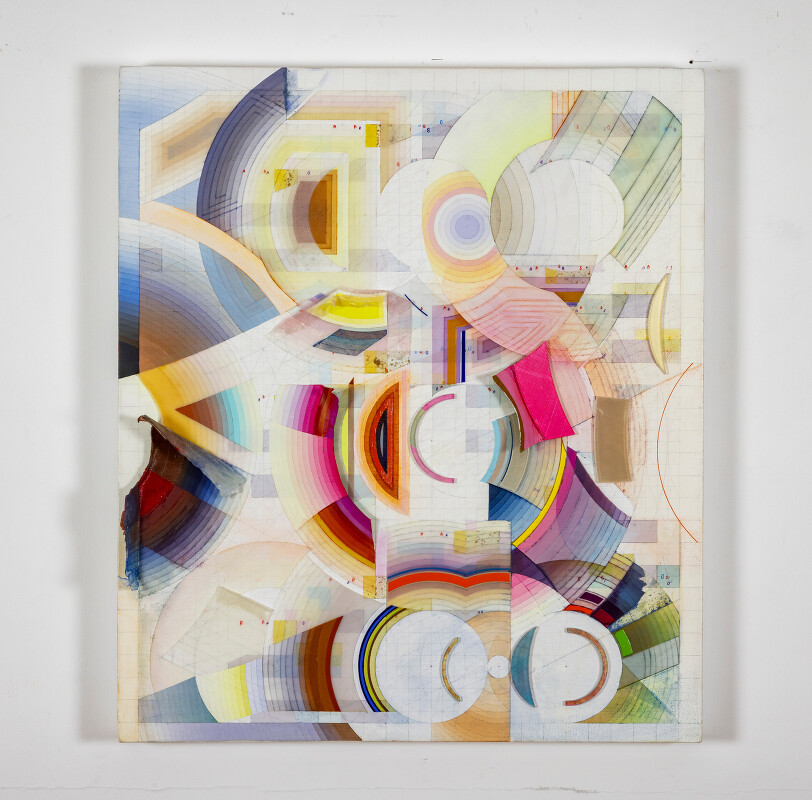
Transformation is an ever-present force, a natural state in which objects, ideas, and identities are perpetually remade and reinterpreted. The participating artists—Saad Qureshi, Tanya Goel, Lorenzo Vitturi, Aditya Pande, Martand Khosla, Vibha Galhotra, Jitish Kallat, Bharti Kher, and Subodh Gupta—invite us to witness these shifts as they unfold across their diverse practices. Each work exemplifies the fluid interplay between material and meaning. Saad Qureshi’s Meld (2024), for example, fuses architectural motifs into a dynamic, imagined geography that evokes memories of places while simultaneously dissolving them. Jitish Kallat’s Here after Here after Here (2024), cosmic and earthly distances collapse into a continuous road sign, reminding us that transformation connects the immediate with the infinite, the physical with the cosmic. Tanya Goel’s Mechanisms (Fragments) series (2024) compresses complex geometries into textured, abstract systems, revealing the tension between the order of structure and the inevitable chaos that emerges over time.
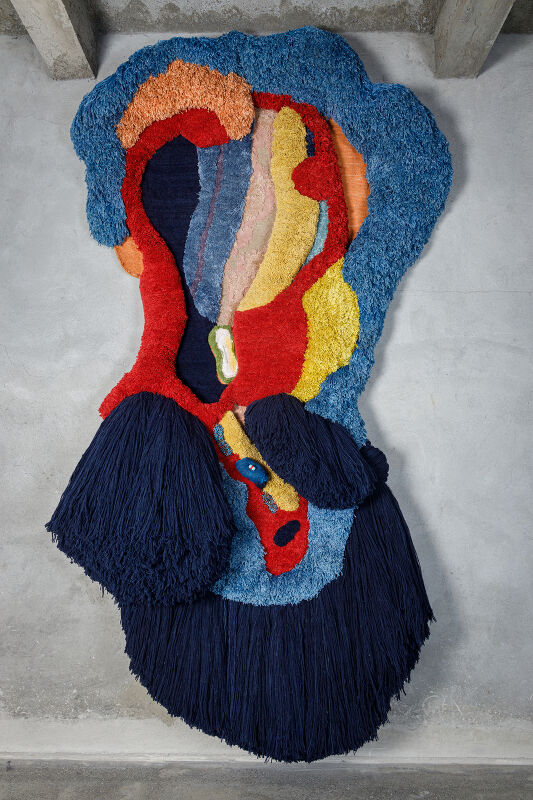
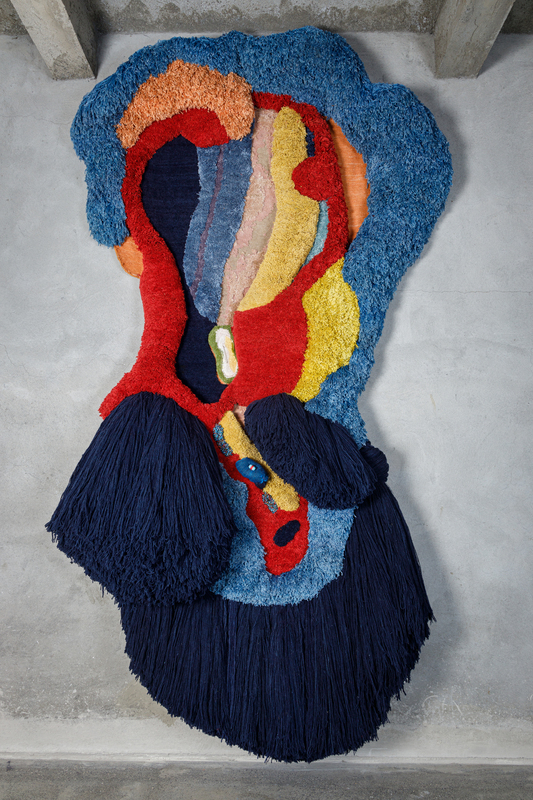
Lorenzo Vitturi’s Fractal #1 (2023), in collaboration with weavers from India, melds materials from his personal journey, transforming raw elements into a narrative that speaks to the intersection of cultures and identity. In Aditya Pande’s Knowable Dreams (2024), chance and gravity shape form, creating a piece that reflects how memory and action intertwine to produce transformation, often in unexpected ways.
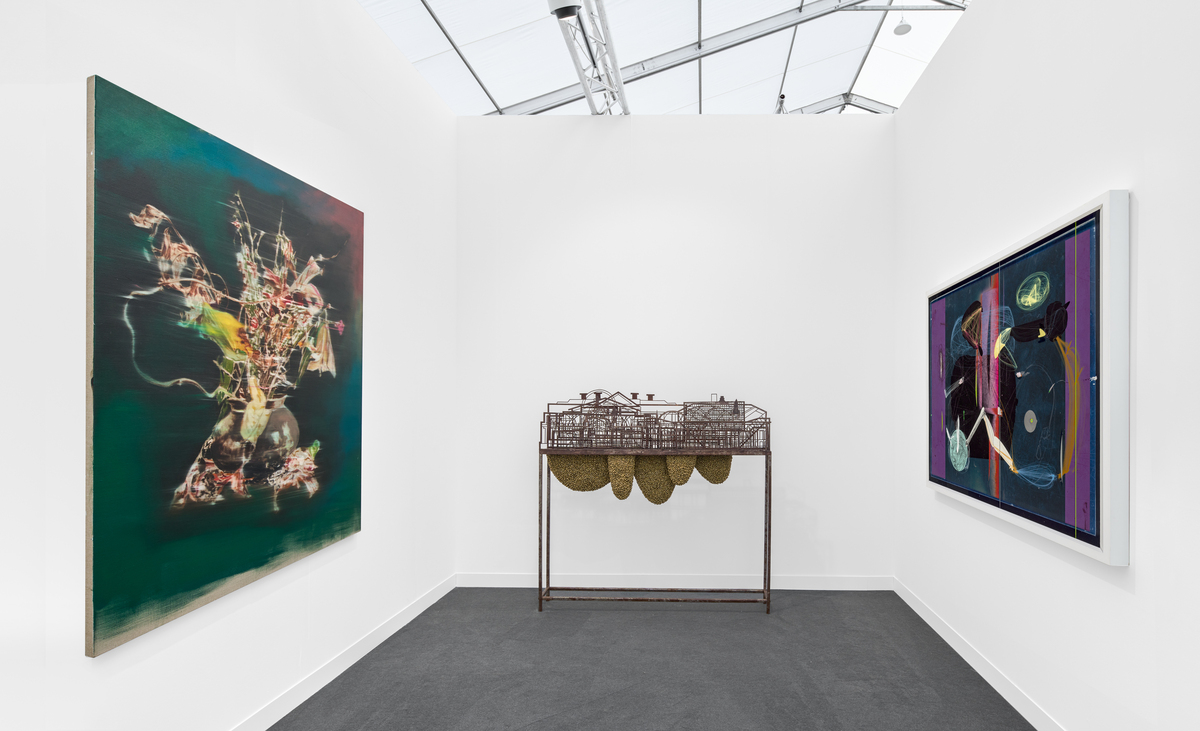
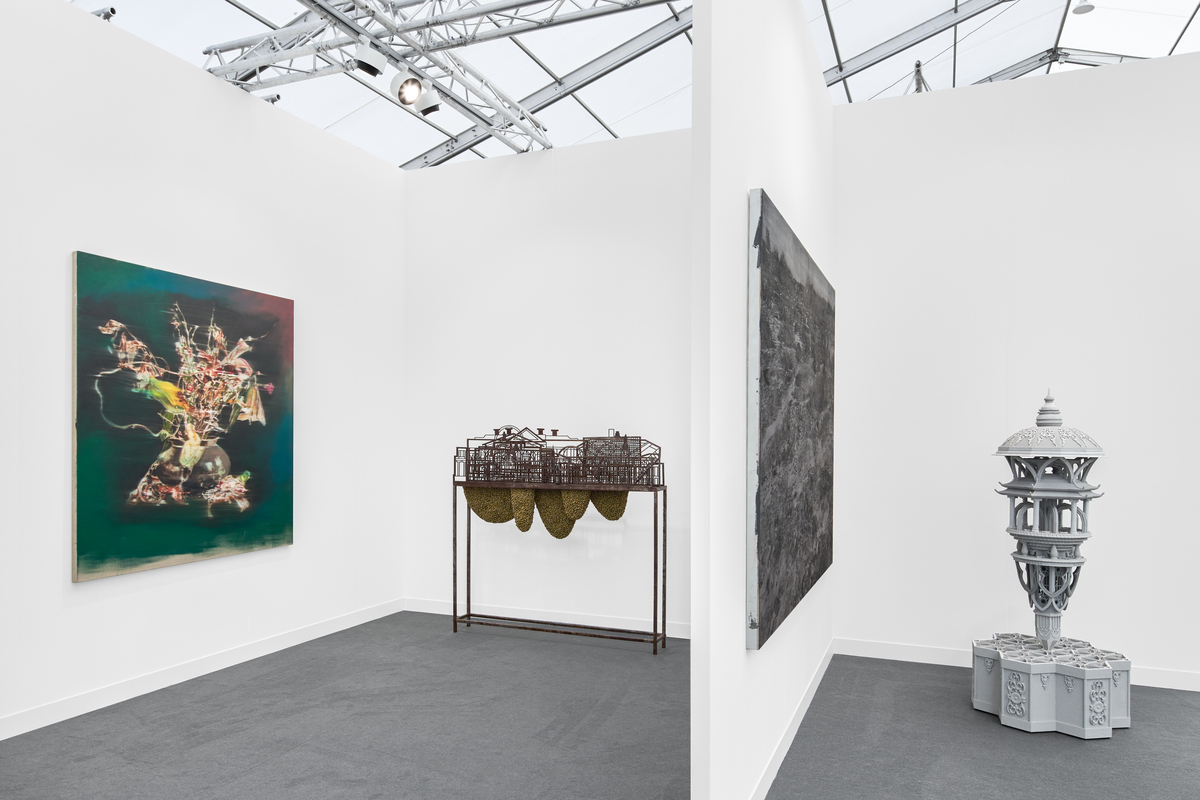
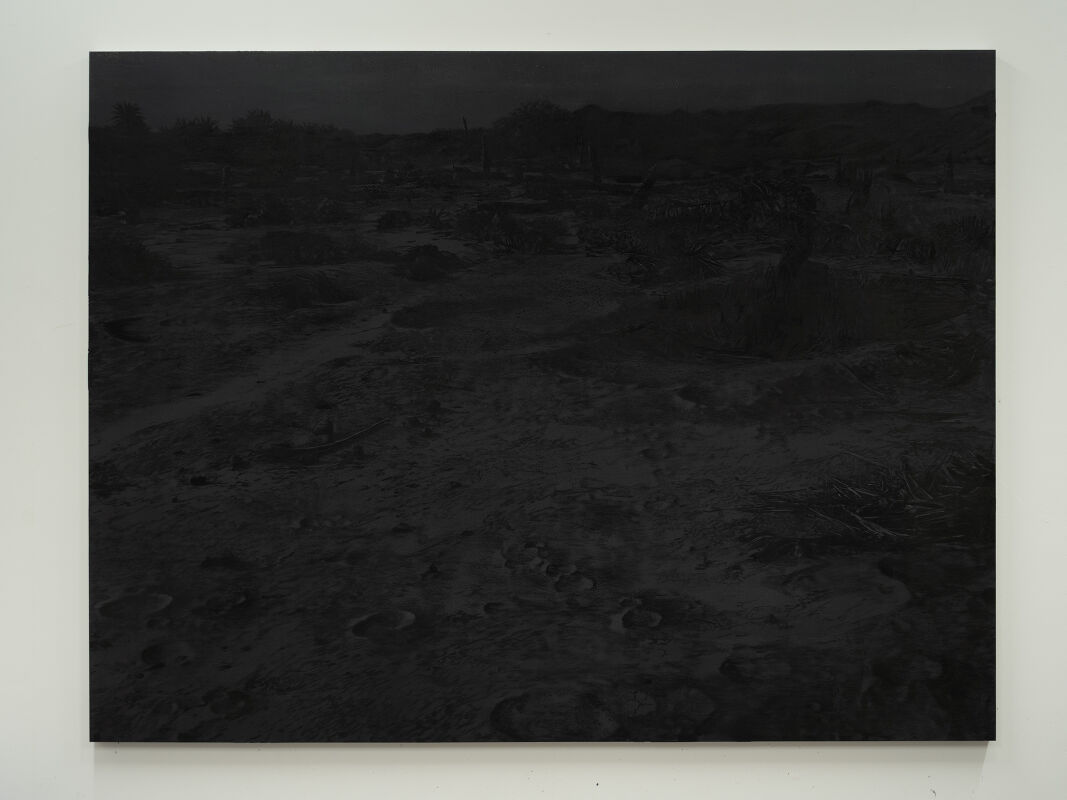
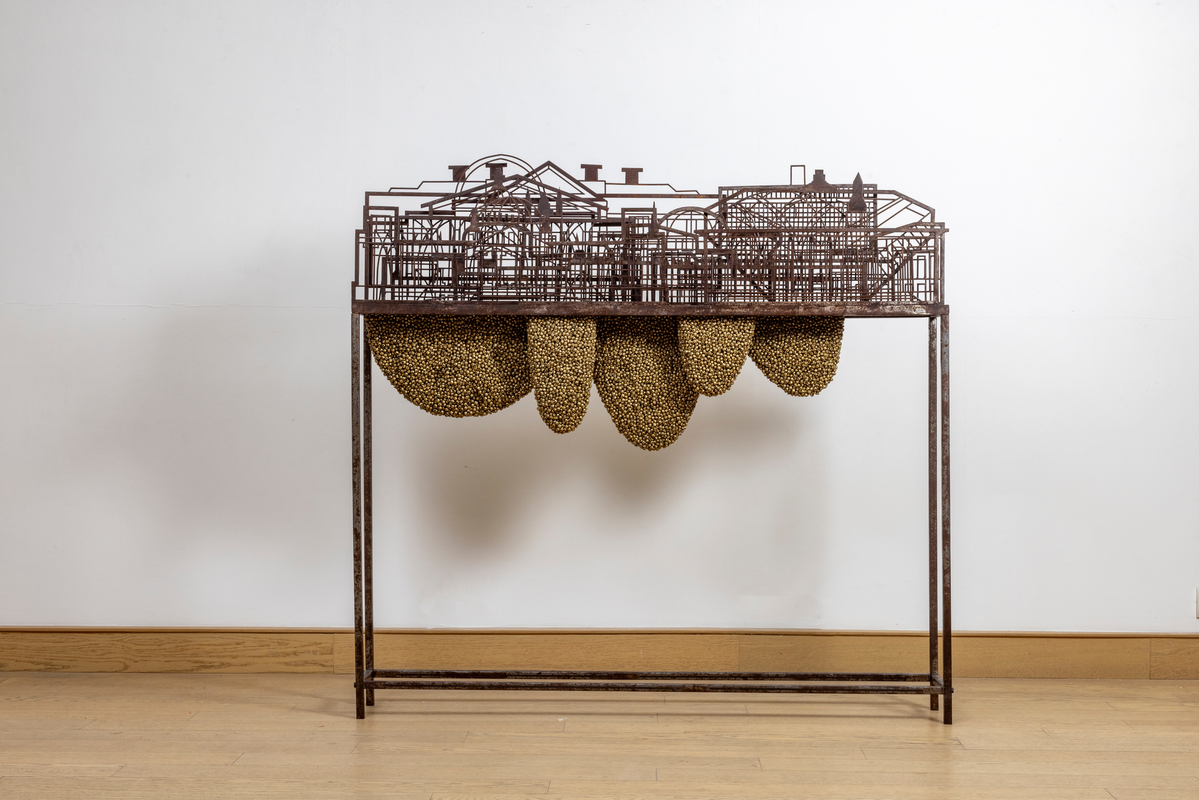
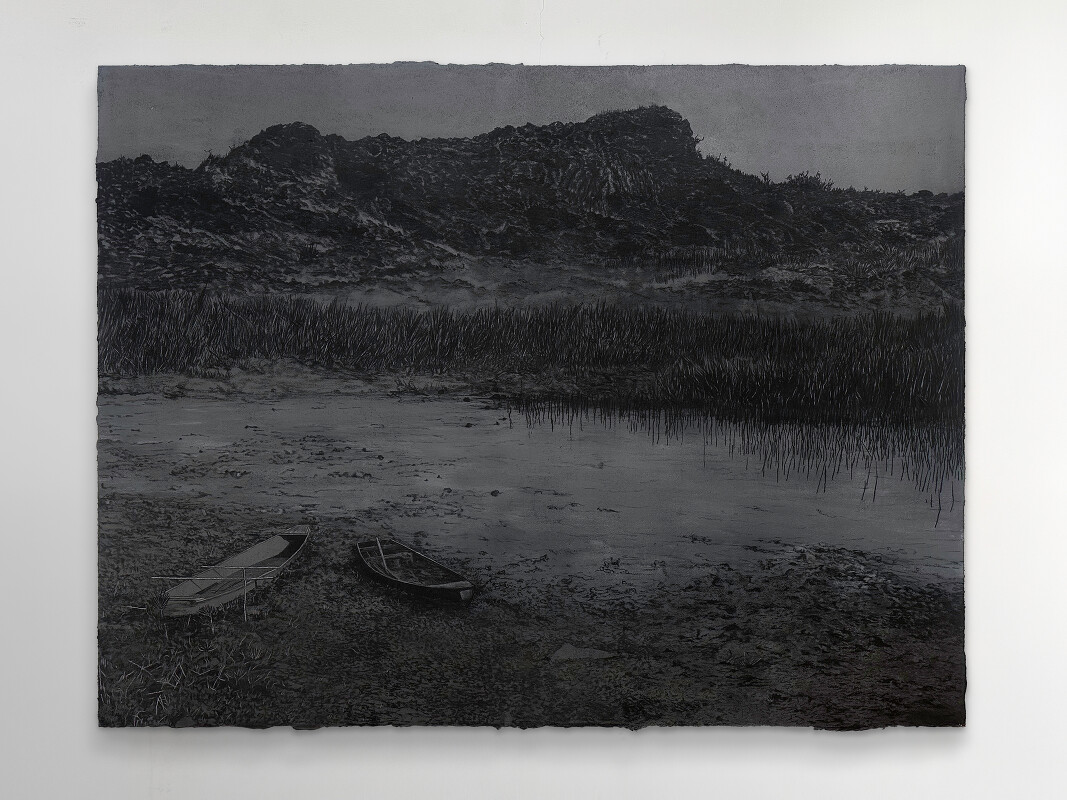
Martand Khosla’s Depopulate - VII (2024) captures the fragile balance between construction and destruction, where urban materials can embody the cyclical processes of simultaneous growth and disintegration. Vibha Galhotra’s Vanishing of Flags and Rise of Roots (2024) juxtaposes architectural symbols of state with organic hive forms, emphasizing nature’s quiet yet inevitable reclamation of human spaces, and the power play inherent in the same. In
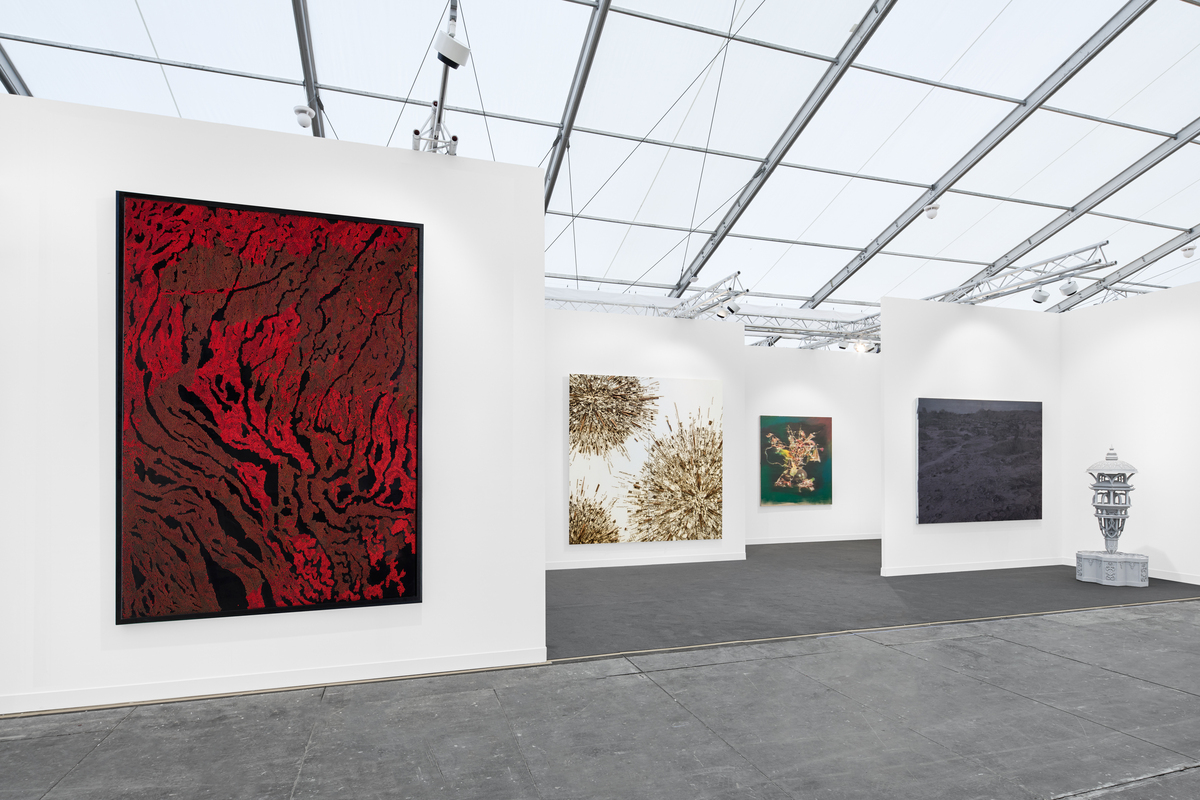
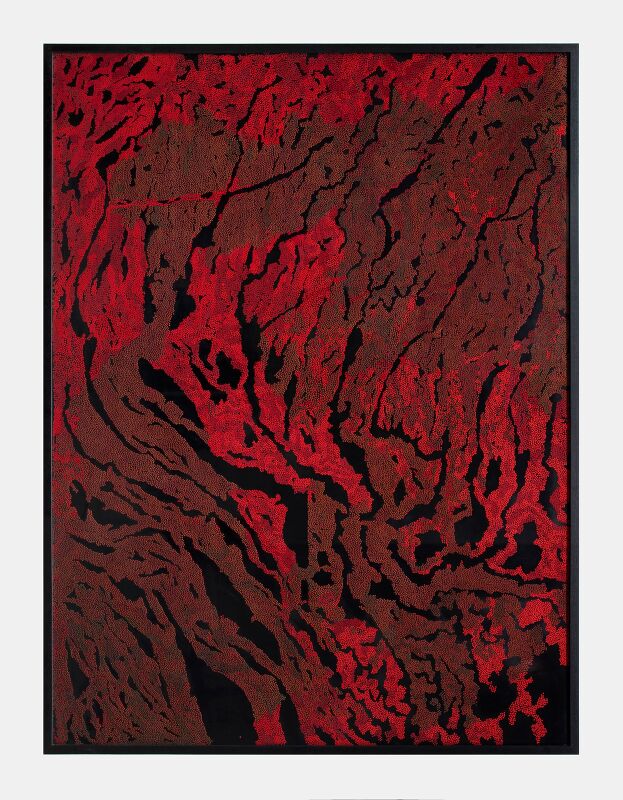
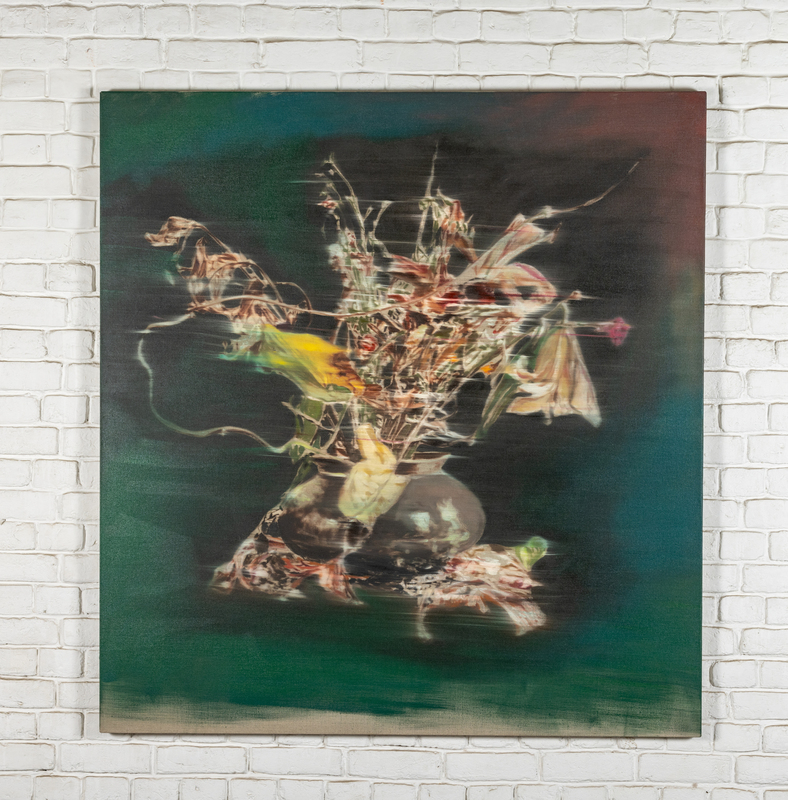
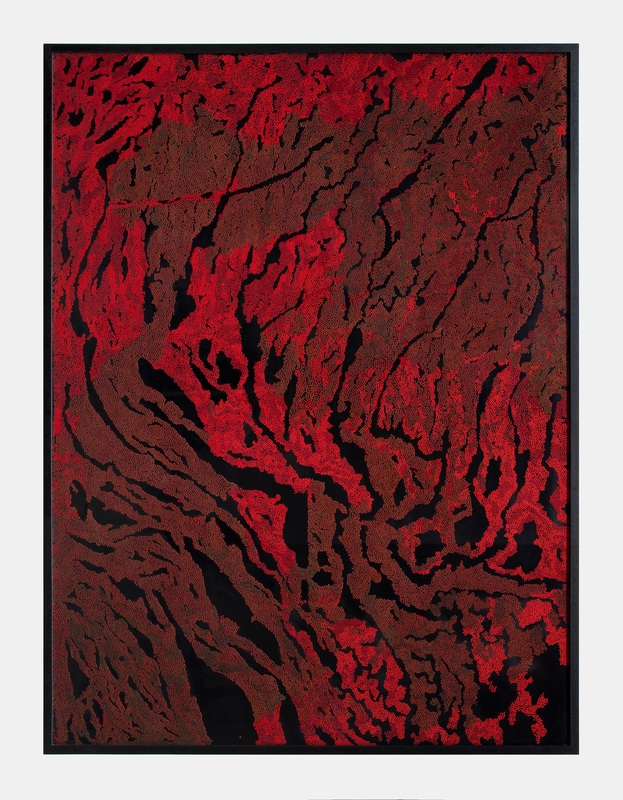
Bharti Kher’s Drunken Frenzy (2011), using thousands of bindis, evokes the rhythms of bodily and emotional states, where abstraction serves as a metaphor for internal transformations. Meanwhile, Subodh Gupta’s Inner Garden VI (2024) reflects on the transience of life through the depiction of withering flowers, encapsulating the delicate balance between decay and renewal.
As viewers, we are invited to reflect on the nature of transformation itself—not merely as a passage from one state to another, but as a condition of existence. The materials and forms in these works—whether they be wood, pigment, bindis, or fibers—are caught in a constant dance of becoming. Through this presentation, the artists offer us glimpses of how the world around us and within us is perpetually shaped by forces of time, memory, and nature.
Artworks
Fair Photographs