

Mumbai
Art Mumbai 2024
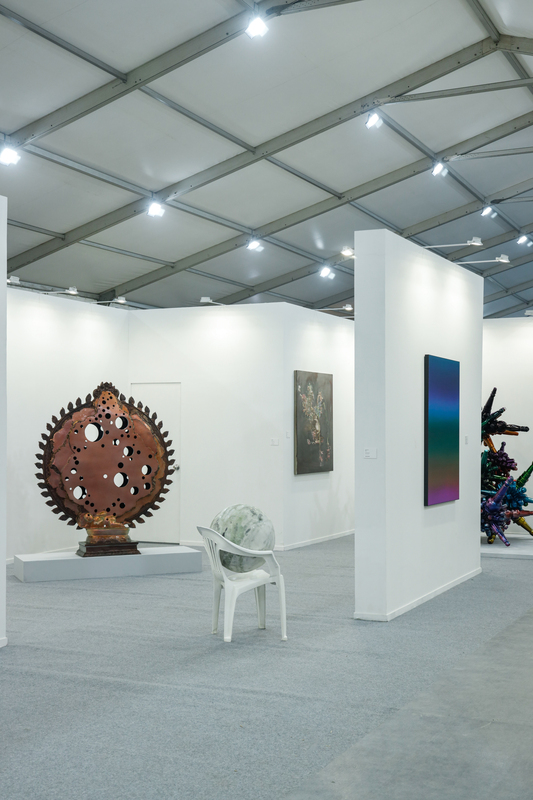
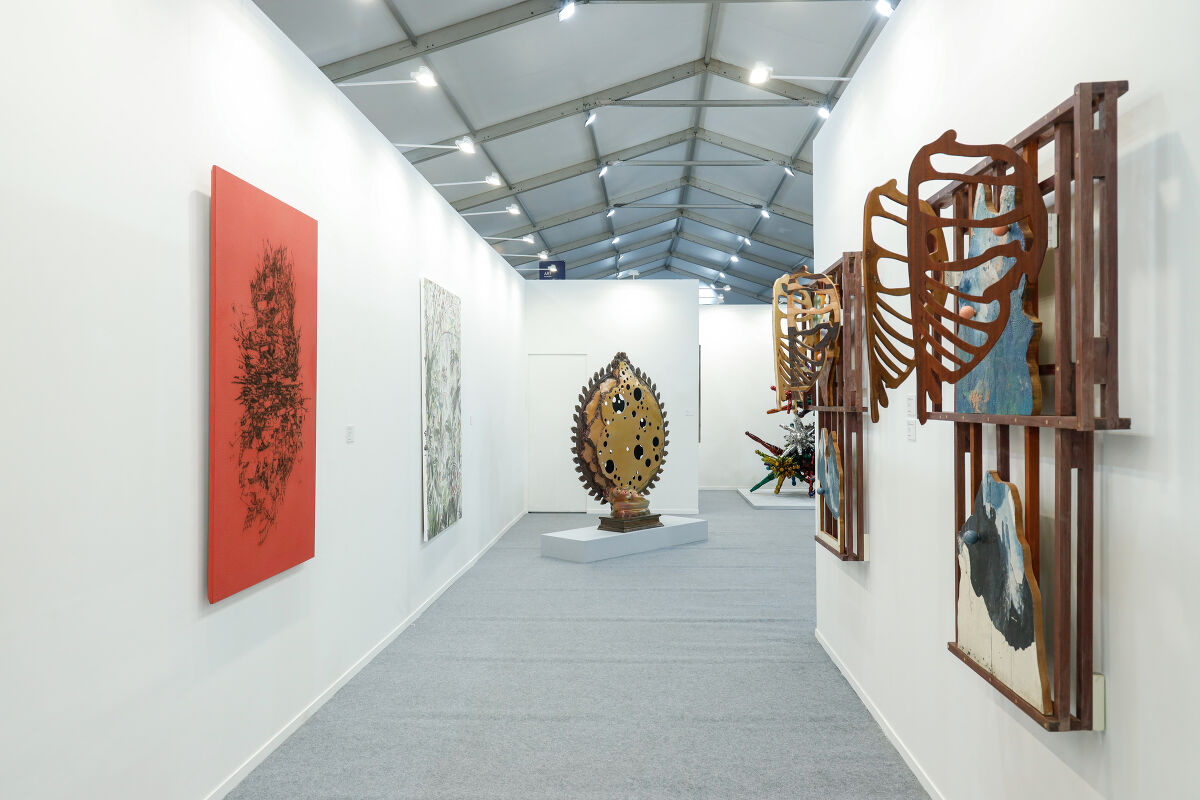
The selection of artworks at this edition of Art Mumbai celebrates the diversity and depth of contemporary art practices, showcasing a wide range of artistic voices from both emerging and established artists. Through different mediums and approaches, these works reveal the myriad ways in which our artists interrogate personal, cultural, and universal themes. The pieces explore notions of temporality, memory, materiality, and social commentary while challenging established boundaries and norms across various artistic traditions.
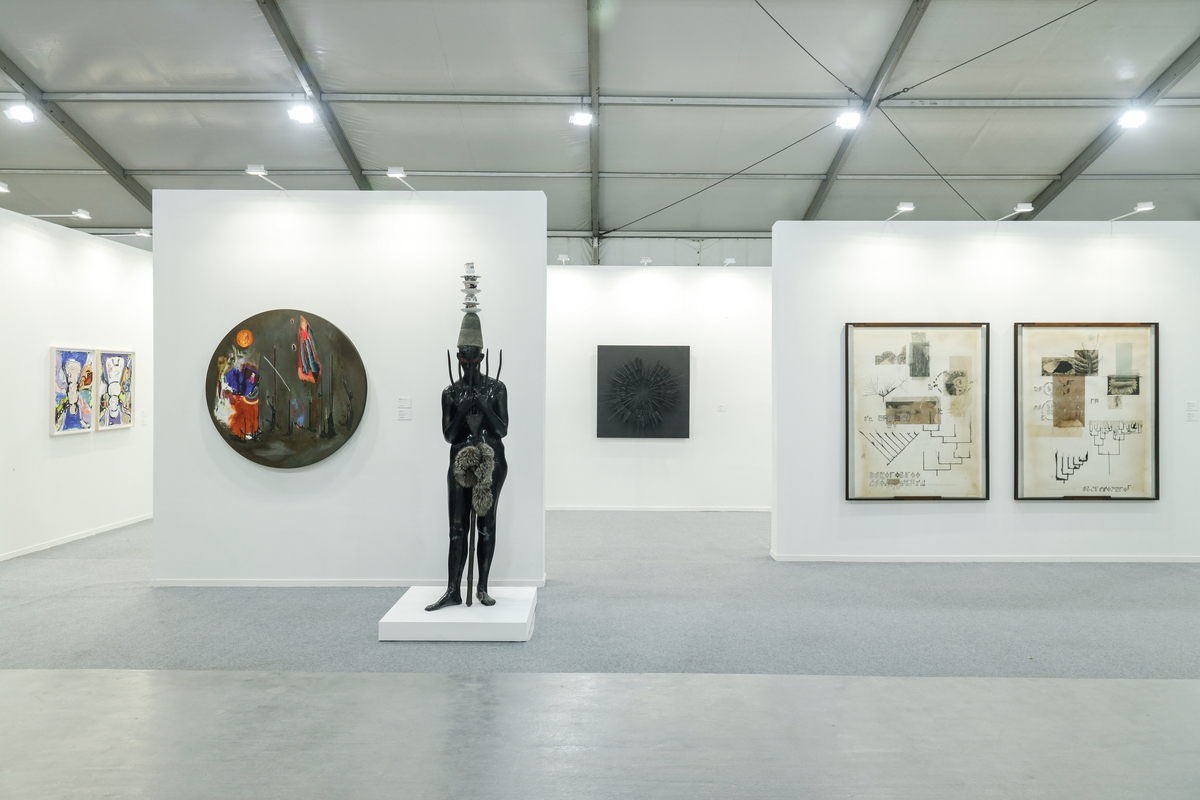
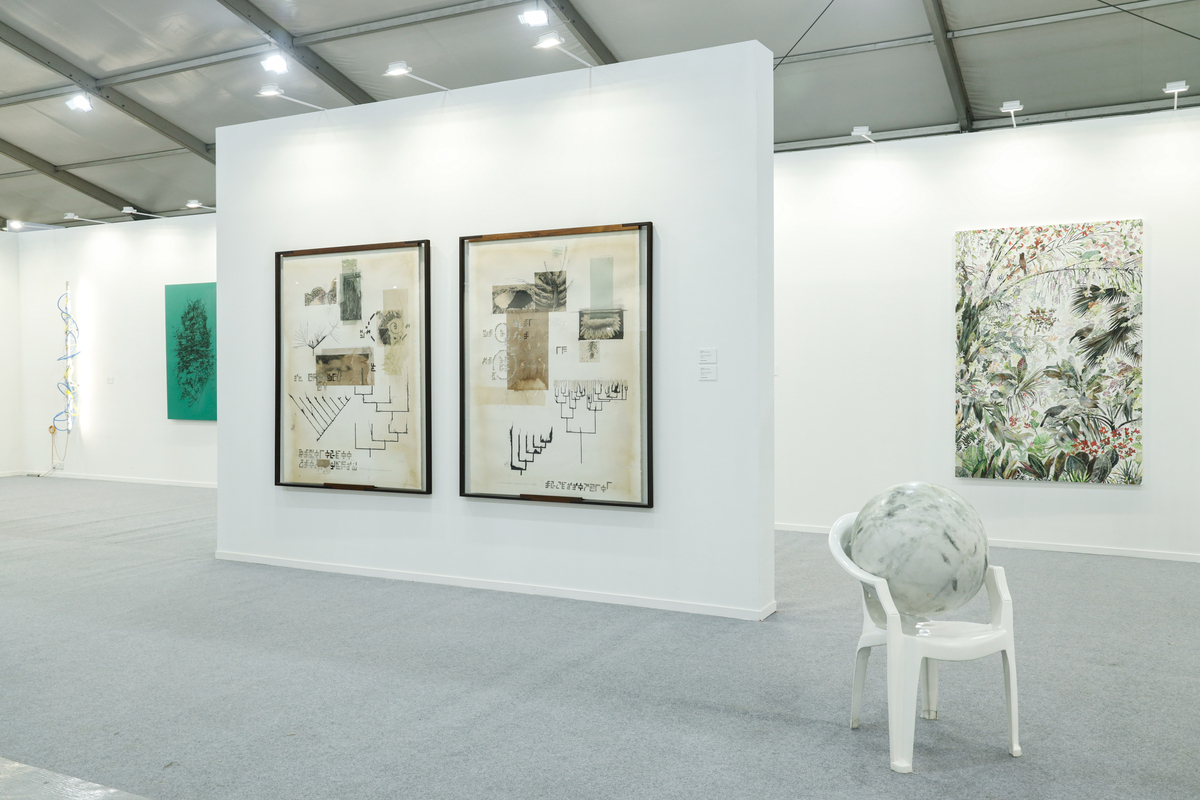
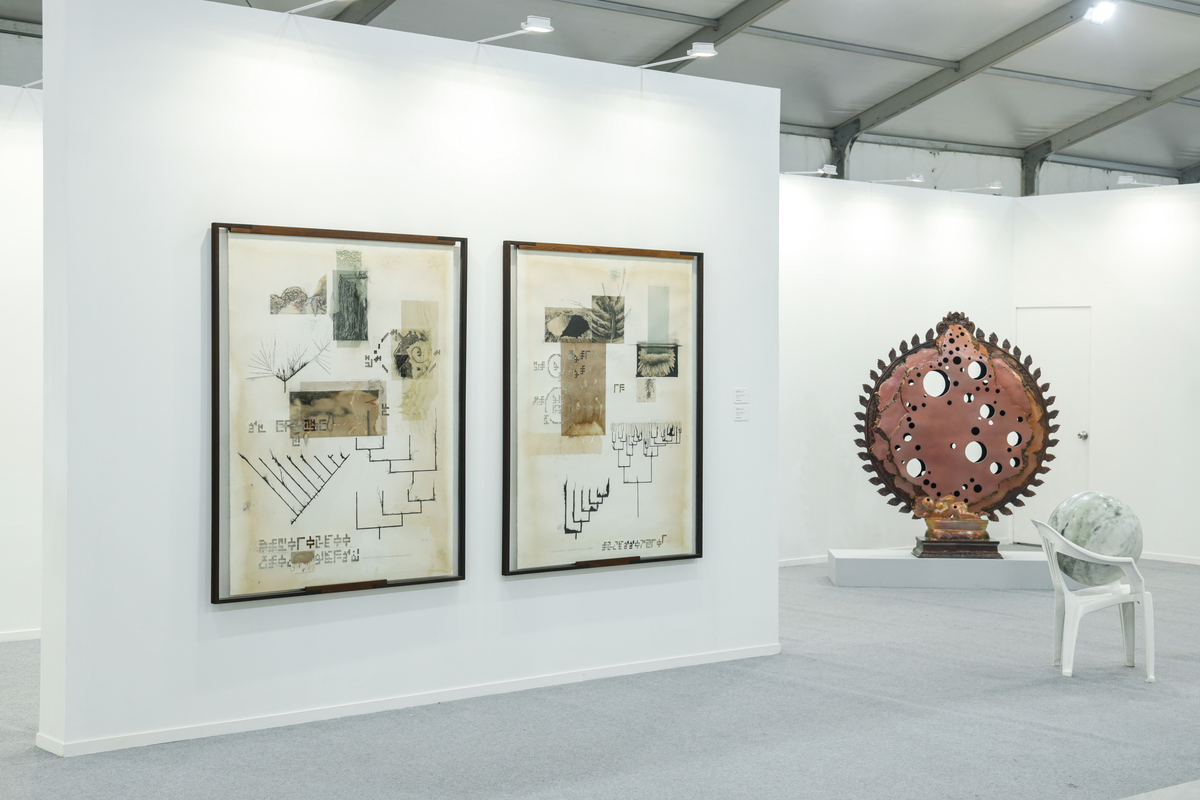
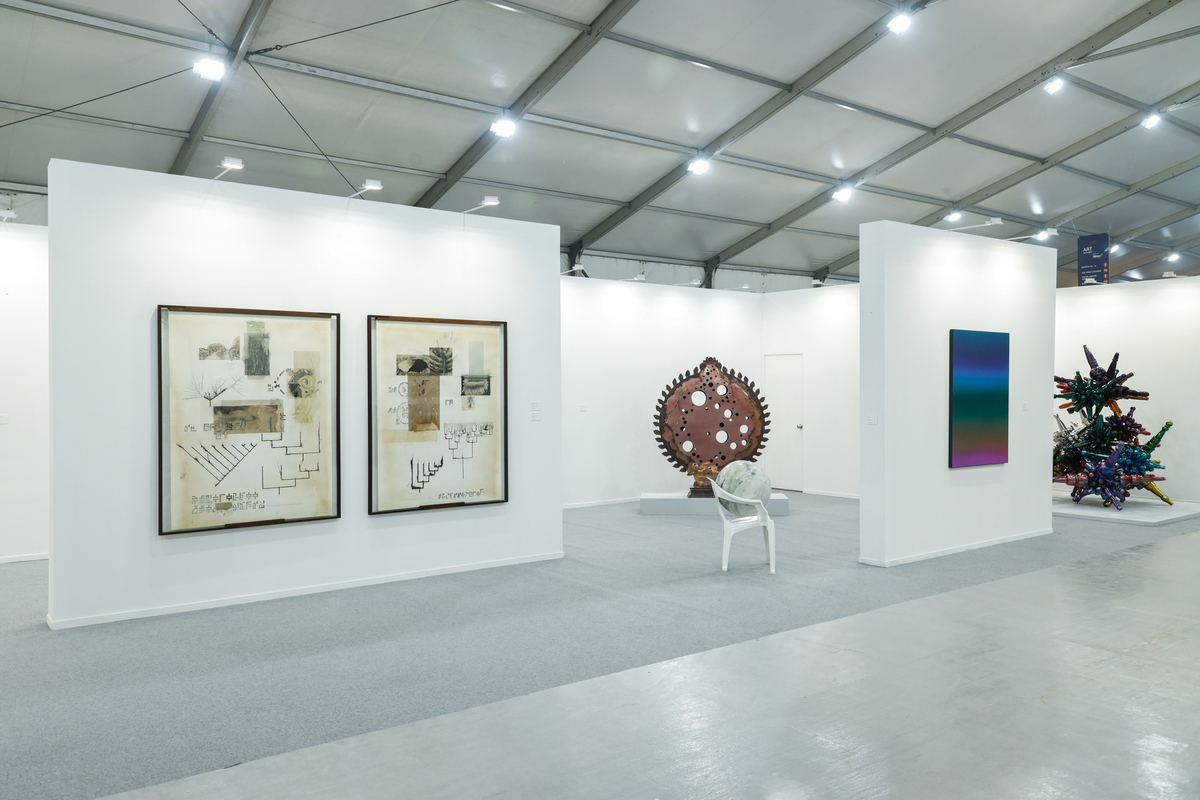
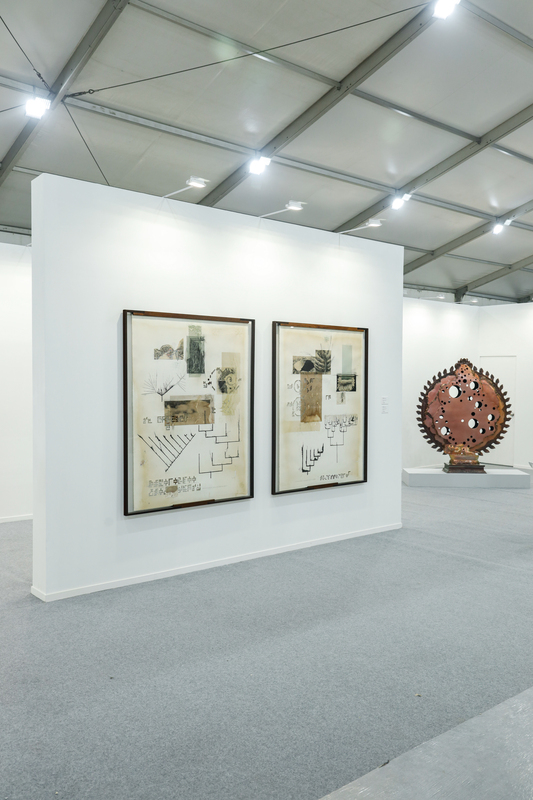
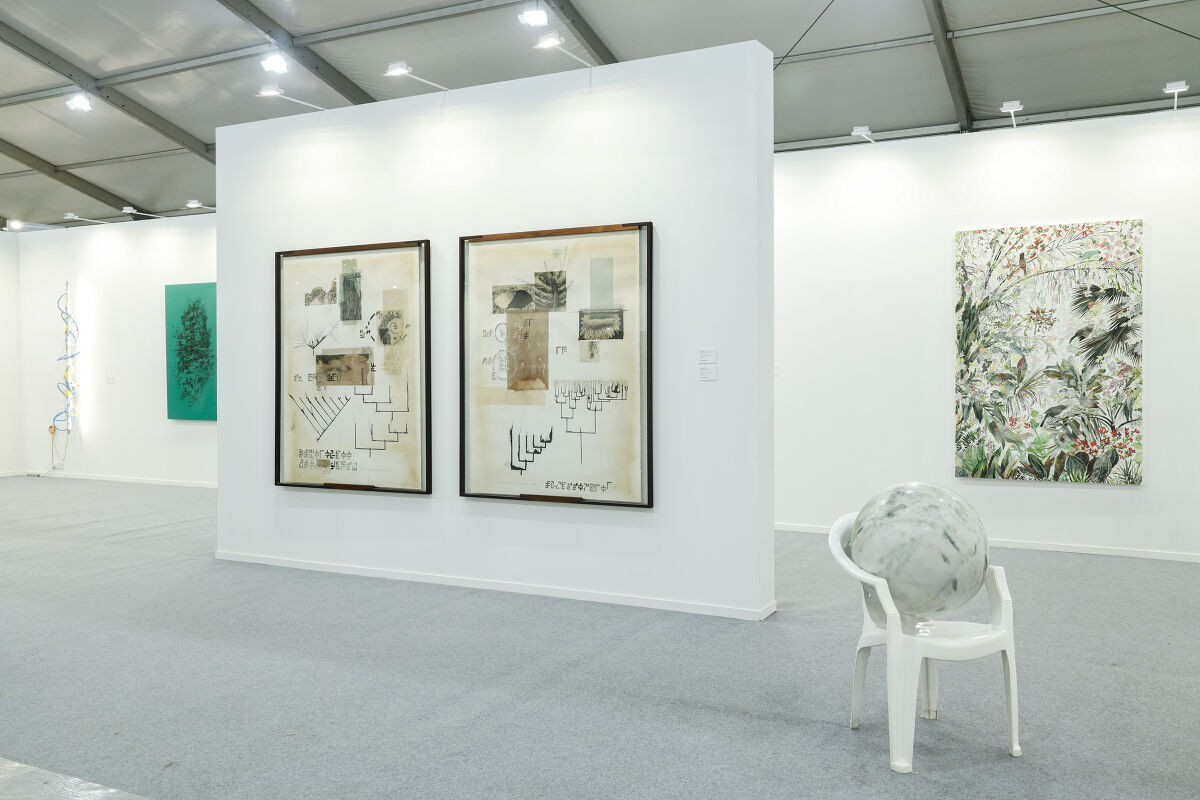
Suhasini Kejriwal's painting delves into the lushness and chaos of urban and natural landscapes, her work unfolding as layered investigations into India's dense visual culture. Her contemplative style draws from narrative figuration yet extends into a unique dialogue with the viewer through meticulously rendered details. While Jitish Kallat’s Hexalemma (Earthling Chant) blends forms and gestures from his research, creating speculative compositions that probe themes of ancestry, planetary upheaval, and human frailty. A recurring motif, the evolutionary tree, sways within his compositions as a symbol of humanity’s drive for connection amidst conflict and ecological fragility.
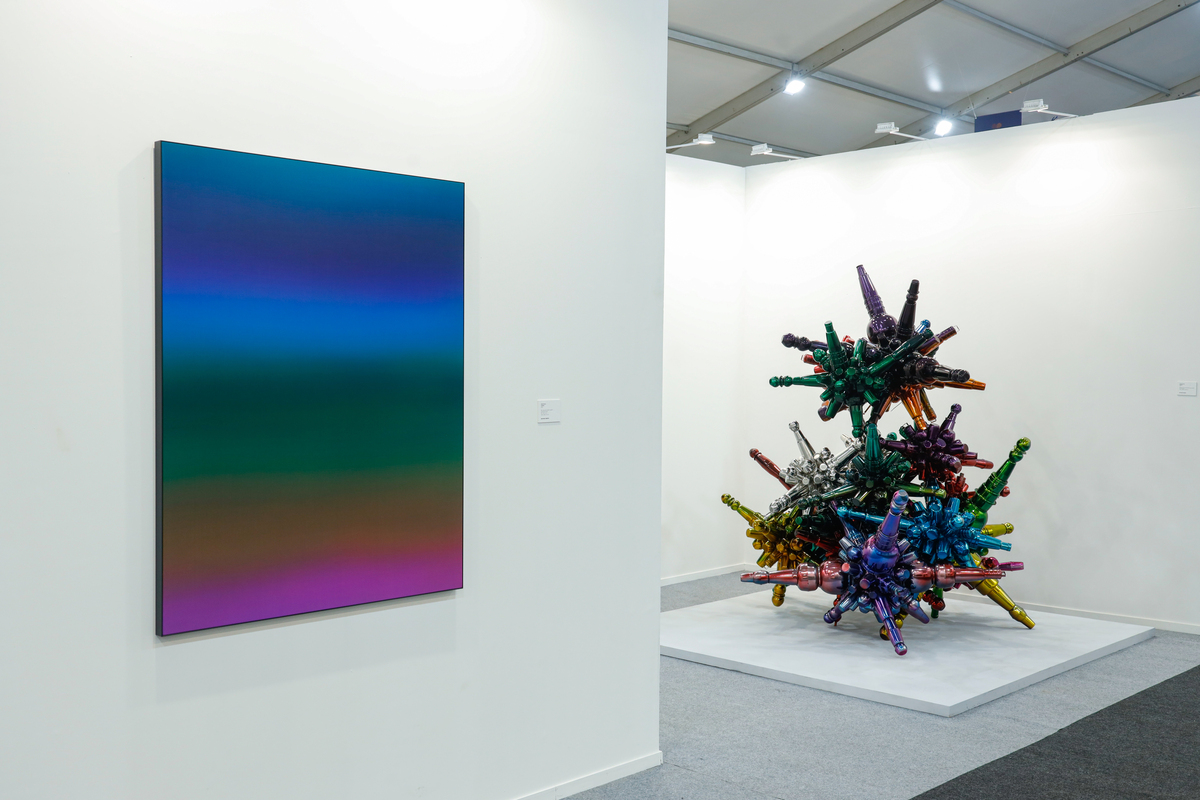
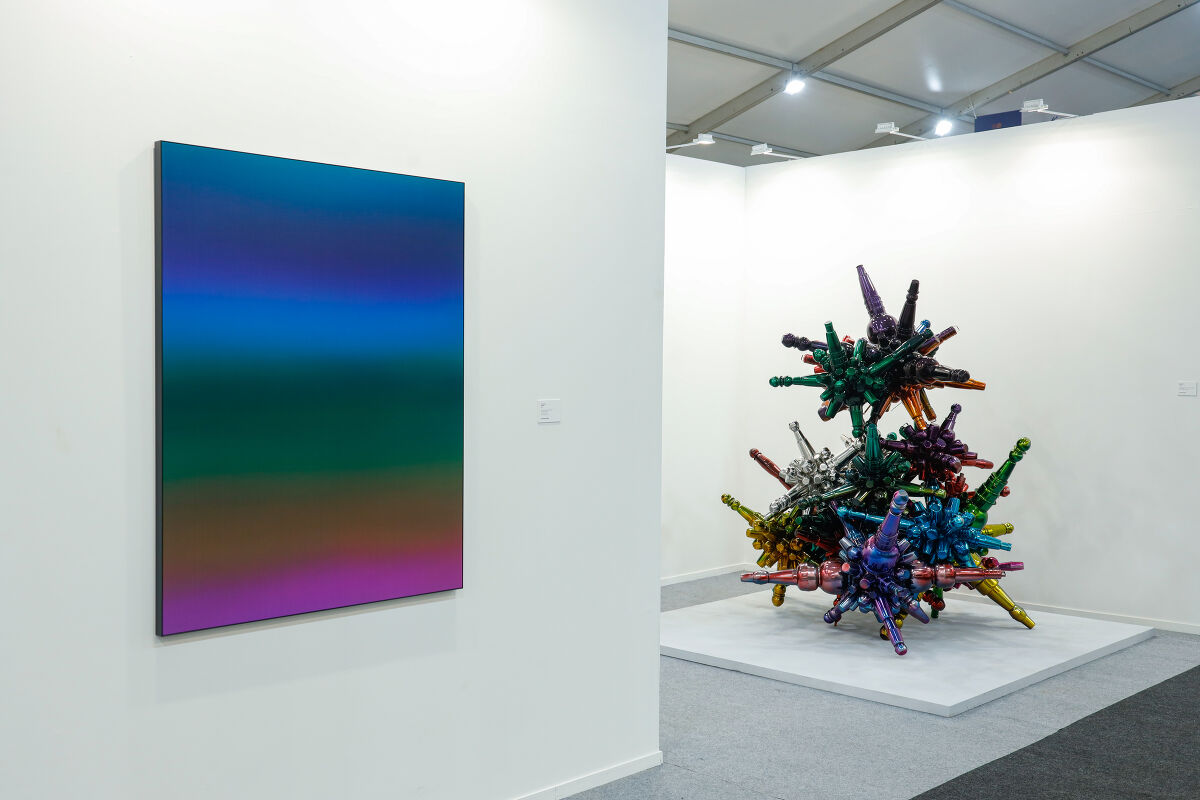
Meanwhile, the transient beauty of everyday life is foregrounded in Subodh Gupta’s Inner Garden (X), where familiar utensils capture the ephemerality of aesthetics and life itself. In contrast, Martand Khosla’s layered architectural compositions encapsulate the historical, social, and organic turbulence of urban spaces, employing formal and visual languages from Surrealism to Science Fiction.
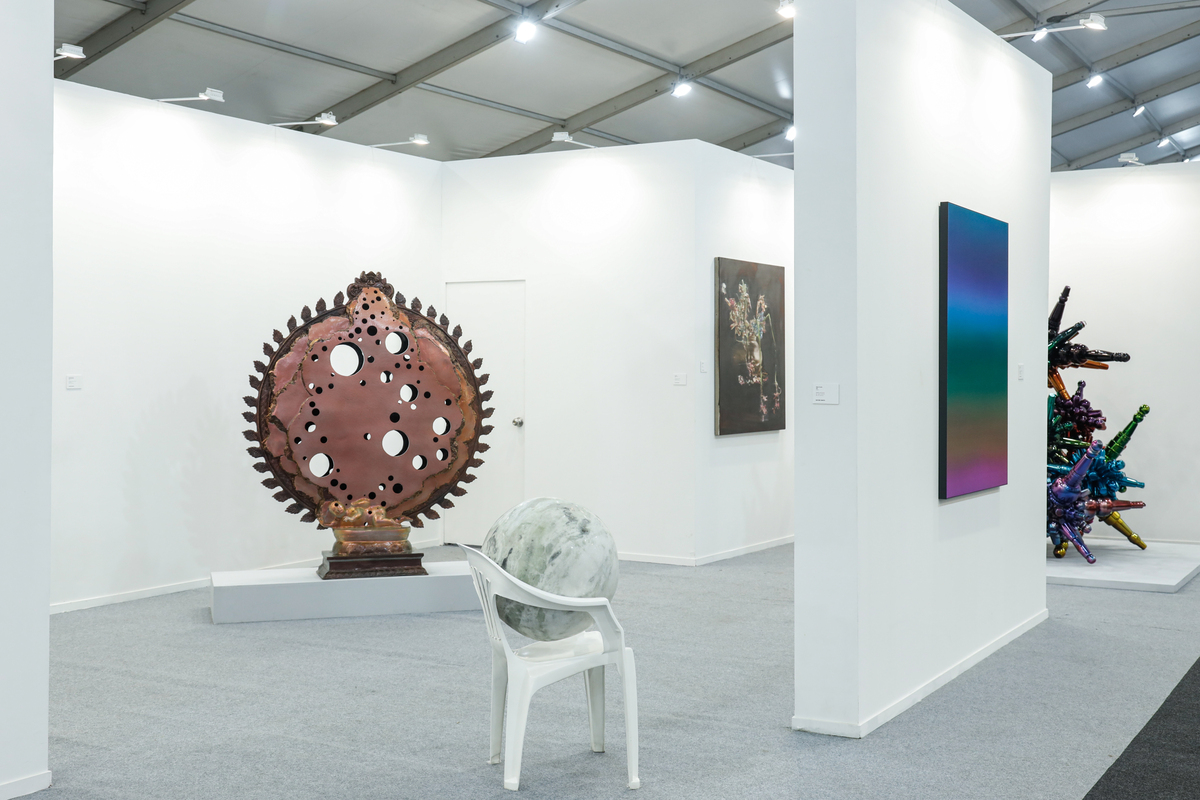
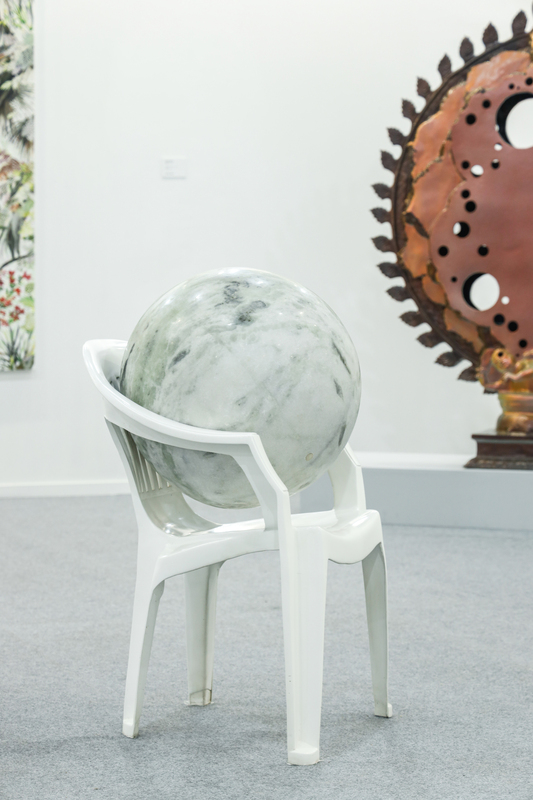
Alicja Kwade applies a scientific lens to her examination of temporality, rendering the vastness of the cosmos and the constraints of human experience as complementary yet contrasting forces. Similarly, Dhruvi Acharya uses intricate narratives to present the psychological complexities of urban women, inviting viewers to confront both the dark and hopeful elements of existence.
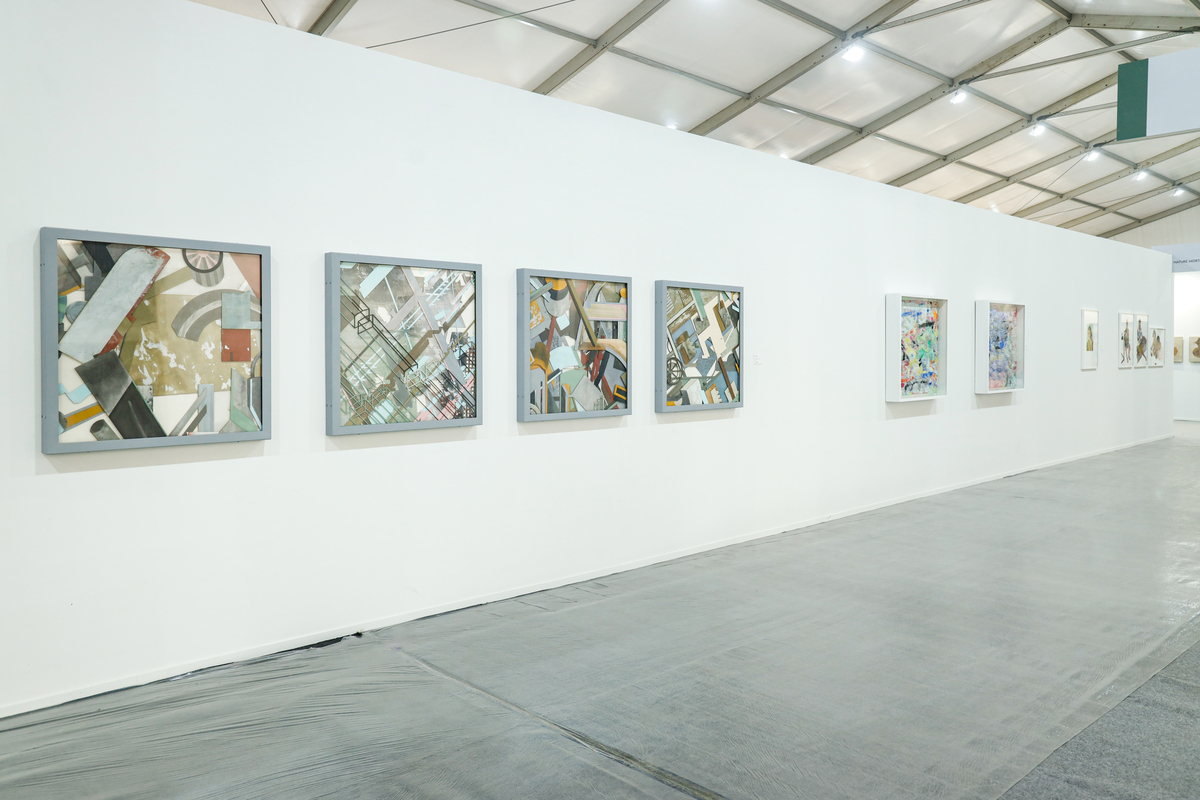
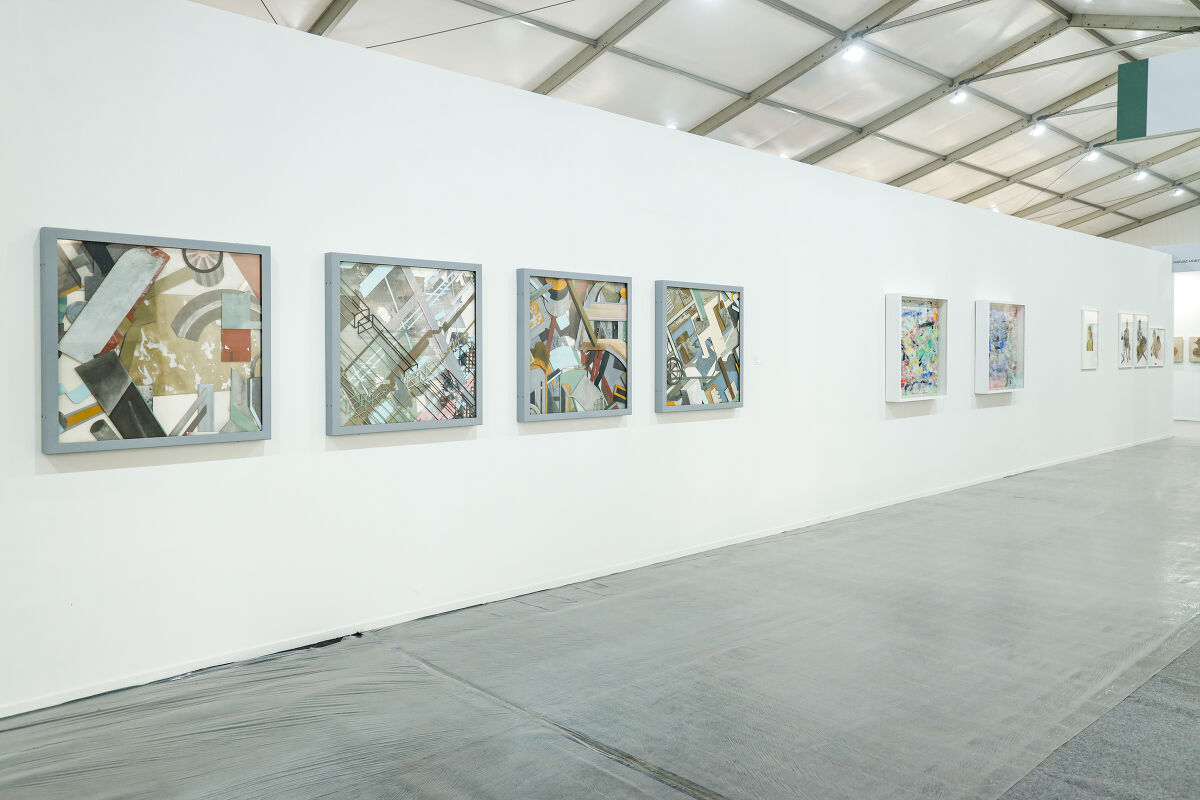
Informed by diverse art historical influences, Kamrooz Aram’s work challenges the dichotomy between ornament and abstraction, merging Modernist ideologies with non-Western design motifs to question hierarchies within art. This exploration of materiality is mirrored in Tanya Goel’s work, which combines mathematical rigor and visual chaos to achieve a nuanced language of abstraction, merging painting and collage.
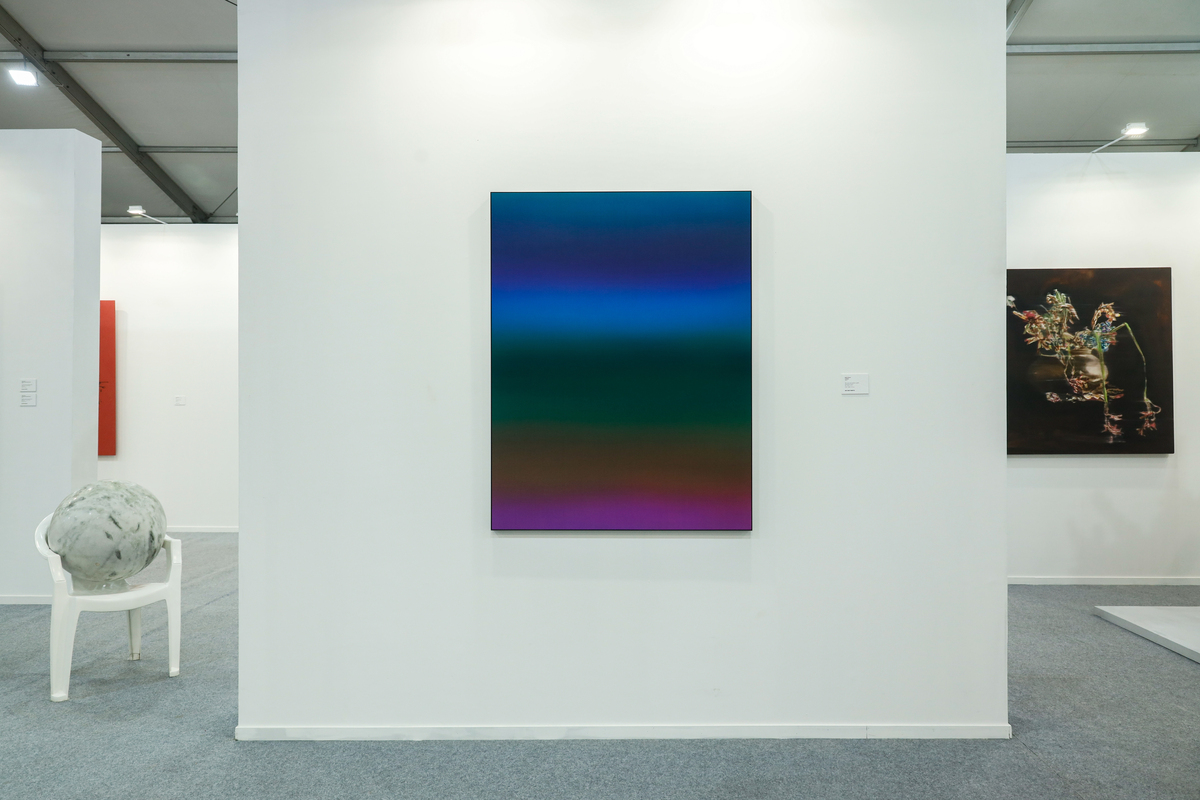
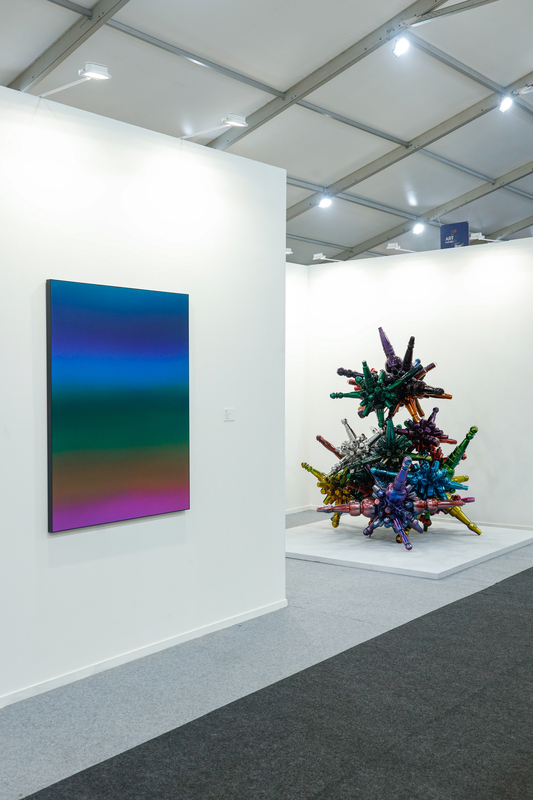
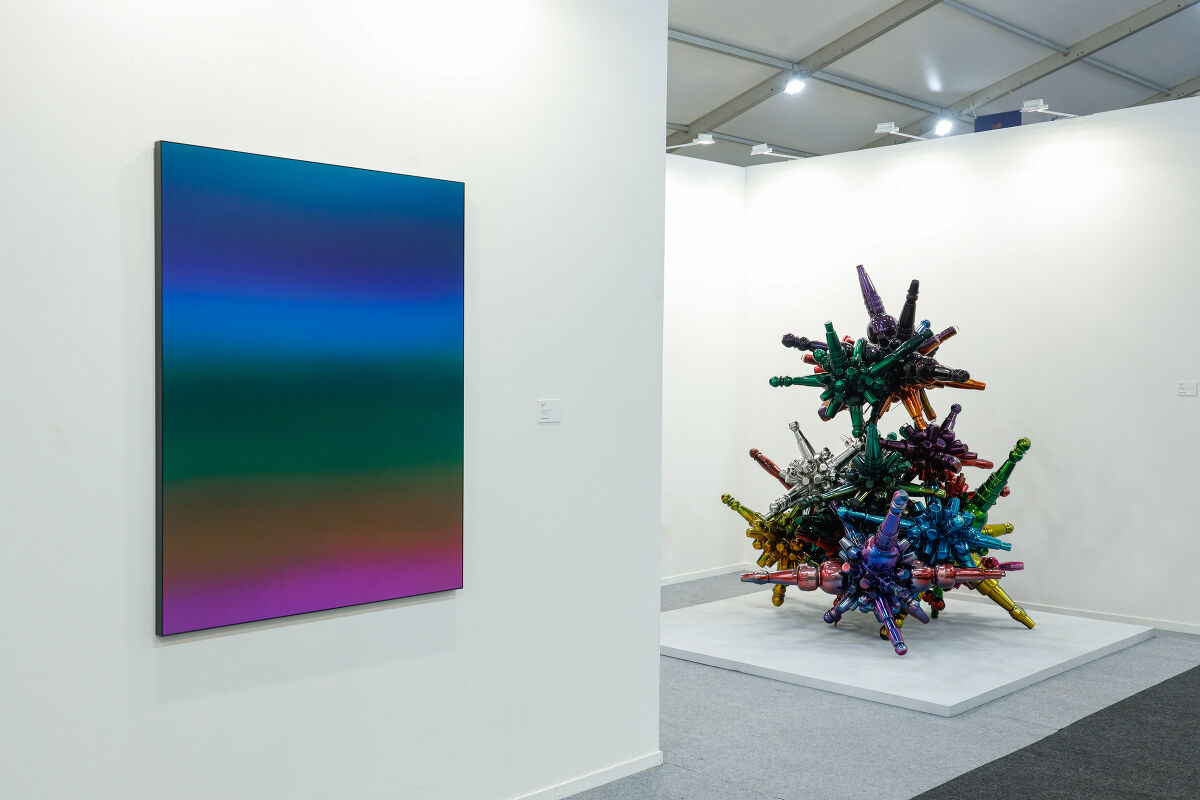
Matti Braun’s work invites the viewer into contemplations of cultural exchange and reinterpretation, often informed by his fascination with mythologies and scientific ideas. Braun’s silk panel, marked by deep, saturated hues, drawn from traditional textile techniques, reimagined to evoke both cultural heritage and abstraction. His meticulous process produces gradients that nod to sacred and ritualistic practices, bridging aesthetics and material history.
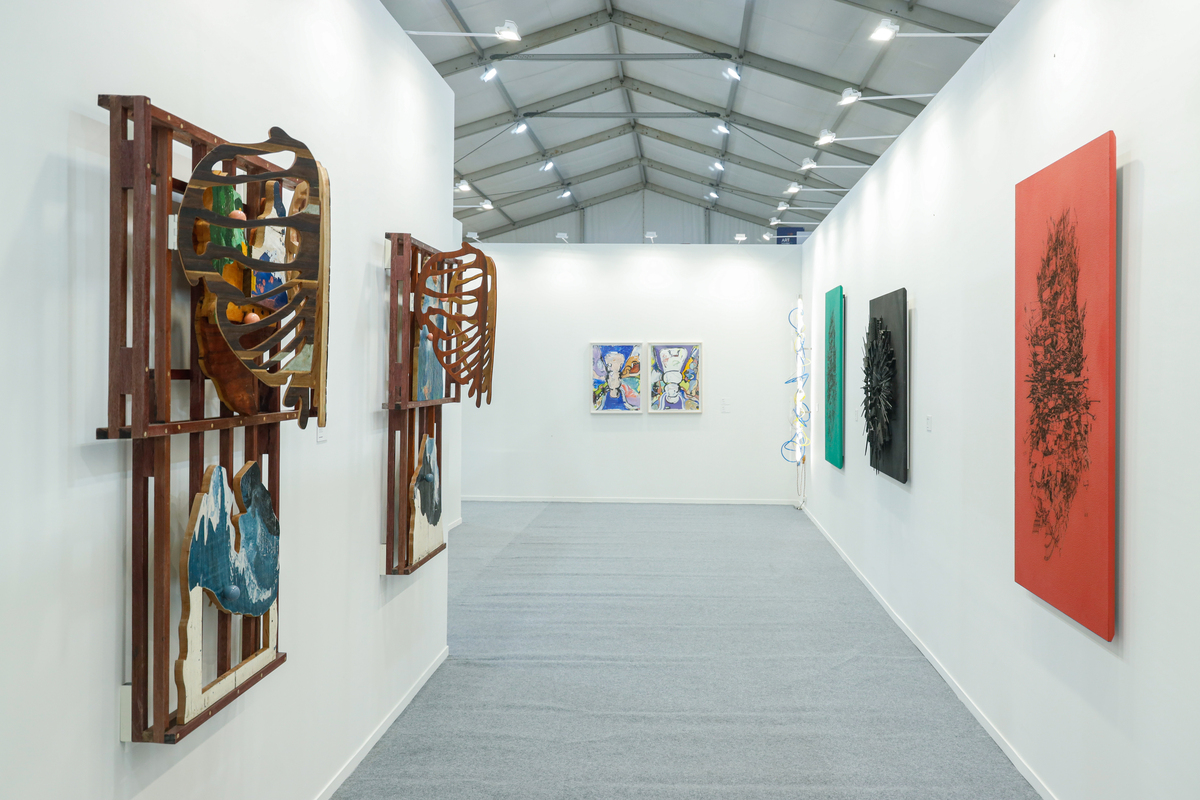
Blending hyper-realistic techniques with unconventional canvas shapes, Thukral & Tagra’s works map the artists’ reflections on trees as symbols witnessing social and political transitions. Drawing from diverse landscapes—Kashmir’s chinar trees, Japan’s tranquil vistas, and their home in Gurgaon—the duo explores themes of conflict, self-grounding, and belonging, bridging the natural and digital realms in a poignant meditation on nature and identity.
Eddie Martinez’s “Buflies” series, inspired by his young son’s fascination with butterflies, radiates joy and warmth, drawing on bold colors and textures to evoke the innocence and wonder of childhood. Mark Prime, in his use of recycled materials to construct “dystopian tower structures,” bridges the historical with the futuristic, hinting at humanity’s quest to push boundaries—both earthly and celestial.
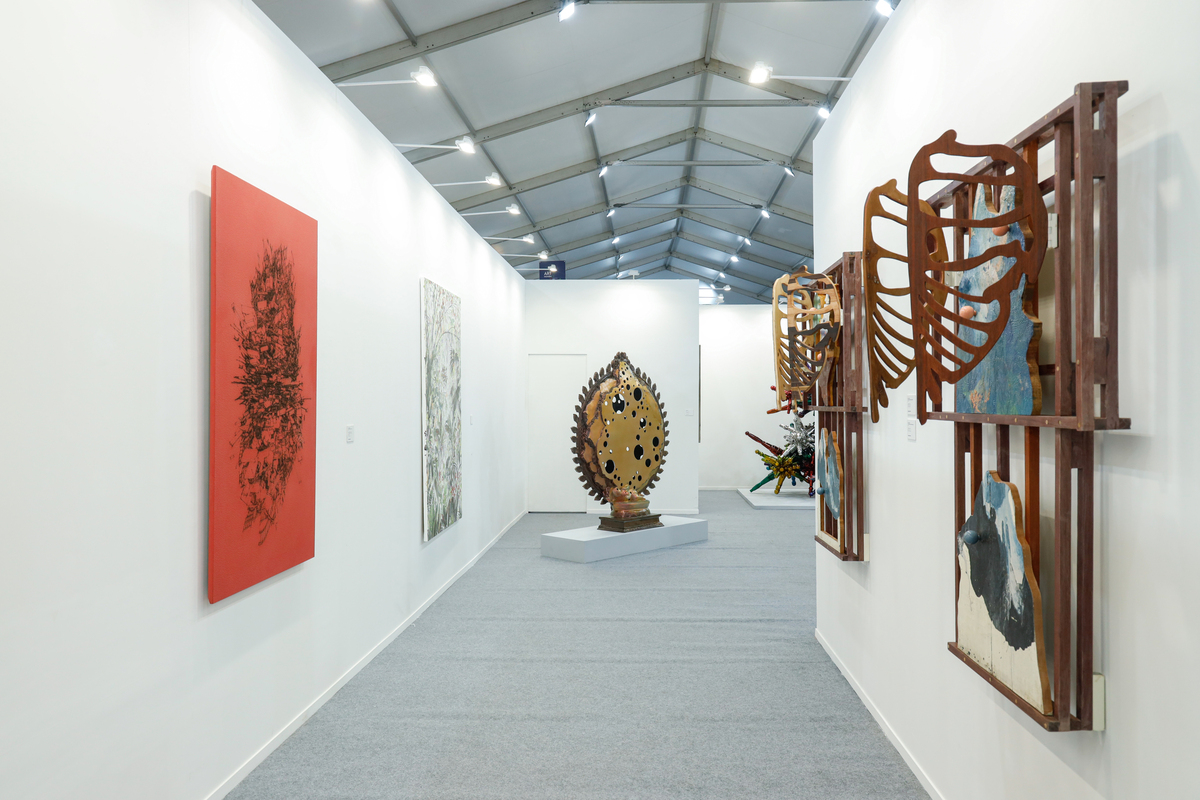
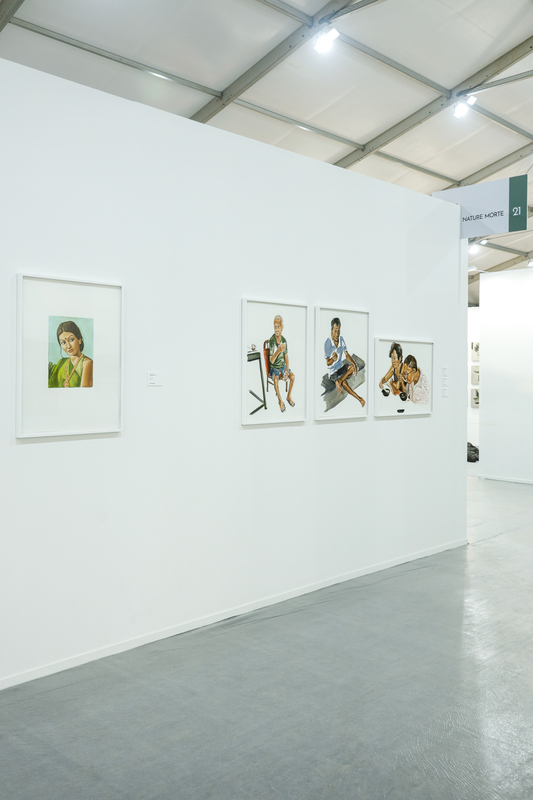
Raghav Babbar’s paintings reveal a sensitive exploration of identity and community, often through a close observation of individuals encountered in daily life. His focus on light and form, influenced by his interest in modern portraiture, constructs an intimate yet universal affirmation of India’s pluralism, encouraging viewers to reflect on the shared human experience within this complexity. While Neeraj Patel’s Industrial Landscapes depict a world caught in interstitial moments of obsolescence and transformation, inspired by the artist’s investigations into repurposed industrial sites around Baroda. Composed of cut and layered paper, these low-relief works evoke a sense of abandonment and renewal, drawing attention to the transient life cycles of human-made environments.
Each artist in this exhibition engages with contemporary issues through unique materials and methods, from Navin Thomas’ aural explorations and Aaditi Joshi’s work with recycled plastic, to Bharti Kher’s sculpture of found objects that explore human fragility. L.N. Tallur’s blending of traditional Asian forms with AI concepts captures the intersection of technology, spirituality, and cultural memory.
Together, these works invite viewers into a dynamic space where individual experiences converge with collective concerns, exploring the intersections of art, life, and environment in ways that are both local and universal. The booth ultimately gestures toward the potential for art to transform our understanding of identity, materiality, and the human condition in a rapidly changing world.
Fair Photographs