

Dhan Mill
Reena Saini Kallat
Zero Horizon
Nature Morte is pleased to present an exhibition of new works by the artist Reena Saini Kallat, marking a significant return to New Delhi after her exhibition, re at our Neeti Bagh gallery (November 27, 2015–January 9, 2016).
The exhibition brings together four new bodies of work, which vividly capture the intertwined crises of human migration and ecological disruption. Kallat examines the parameters of these changes, demonstrating through sculptures, paintings, prints, and installations, the confluences between the population flows and their inter-related effects.
Kallat’s work explores the conditions of migration around the world. For humans, these movements are deeply personal and usually political, instigated by long-simmering historical disputes, communal tensions, and military violence. For animals and plants, centuries-old migratory patterns are being disrupted by climate change, over urbanization, and environmental degradation.
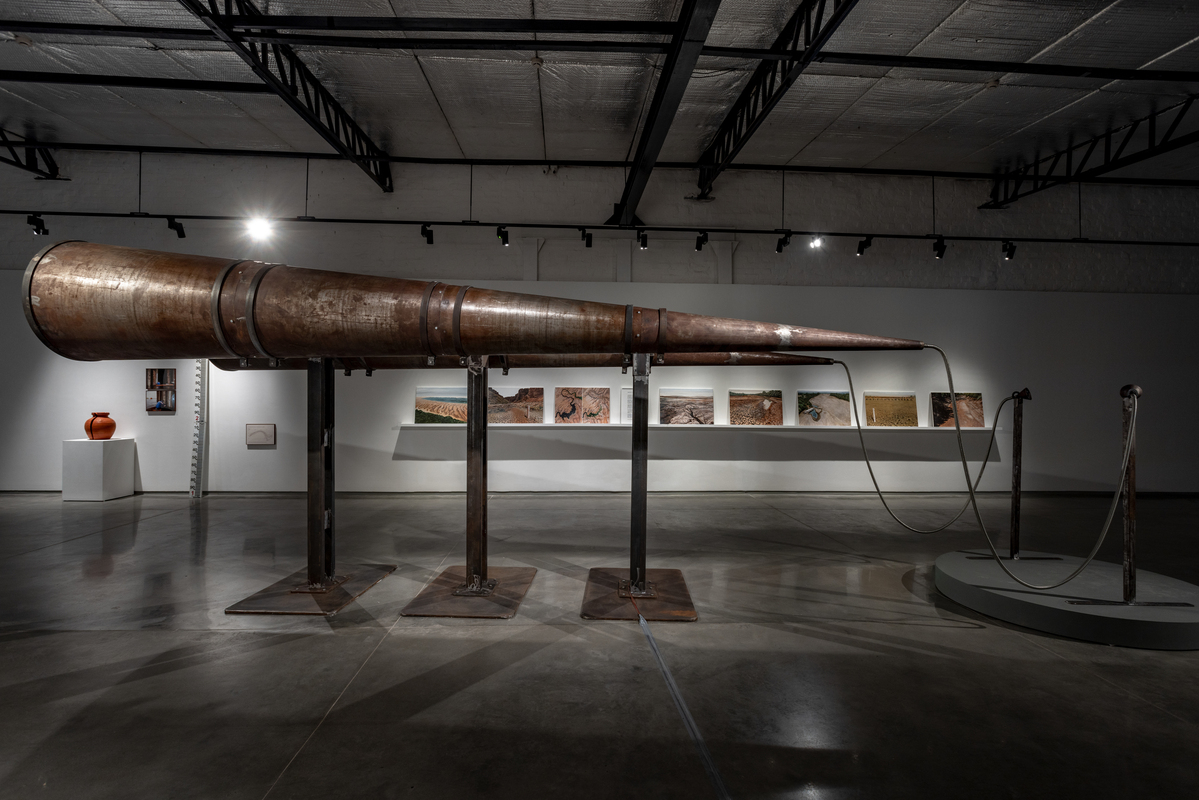
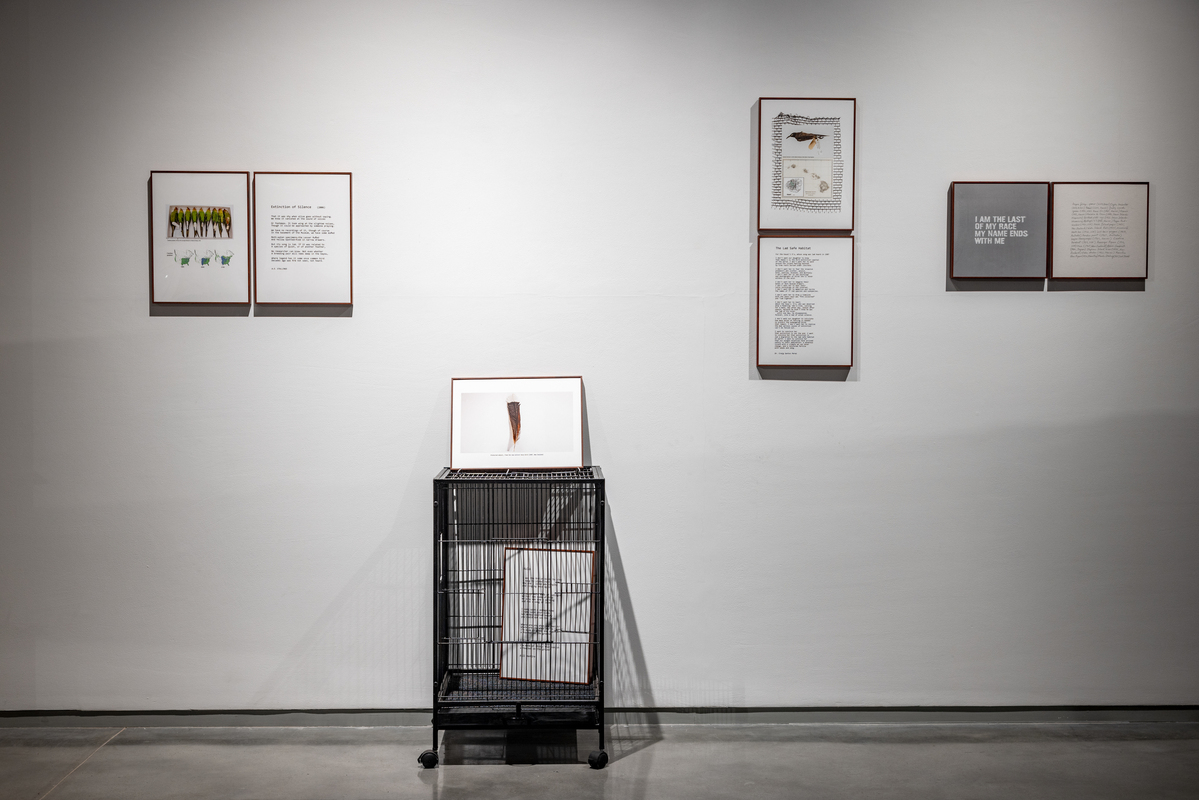
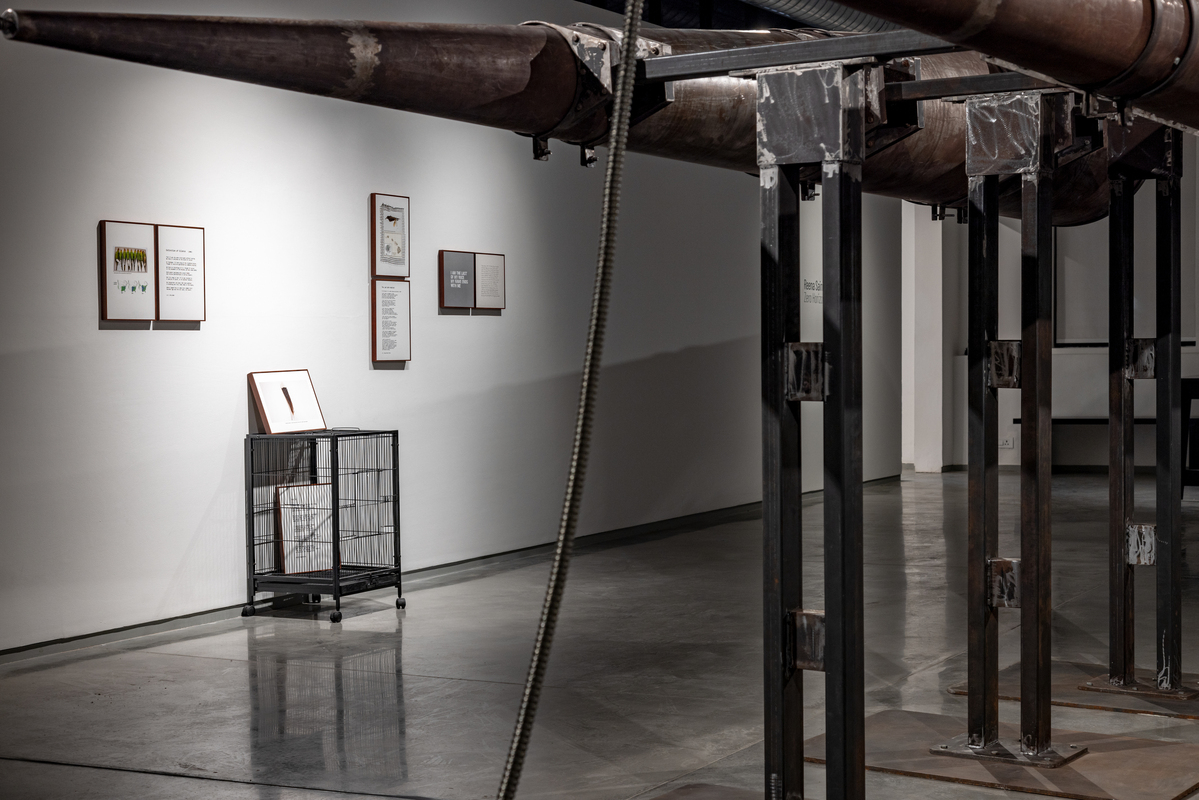
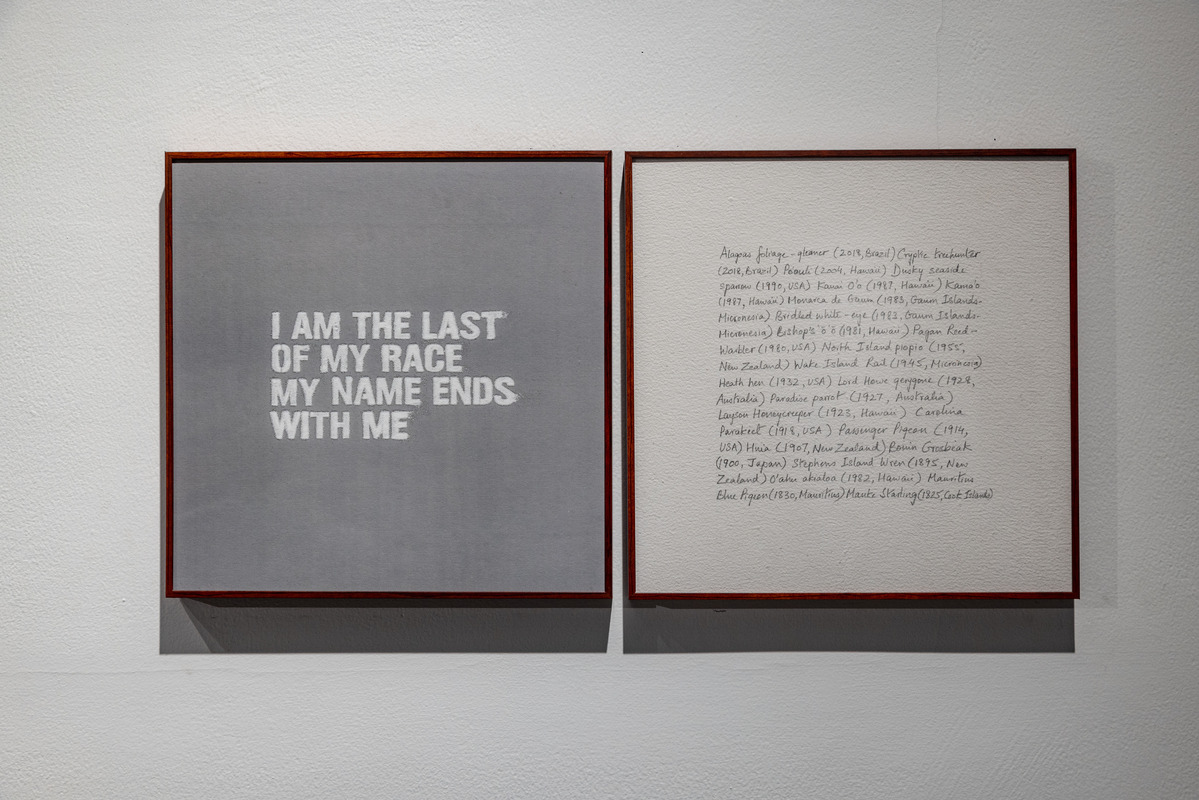
The centerpiece of the exhibition is a large-scale sculpture entitled Requiem (The Last Call), a continuation of a series of sound pieces resembling antiquated audio technologies that the artist began in 2017. The subjects of the work are recordings of bird calls from different parts of the world from eleven species that are now extinct. Viewers will step onto a pedestal, enabling them to hear these recordings from the sculpture itself. The work is a poignant artifact of simple creatures now lost, available to us only as historical archives, when in 2023 the International Union for Conservation of Nature decreed that 9,760 species are at extremely high risk of extinction in the wild.
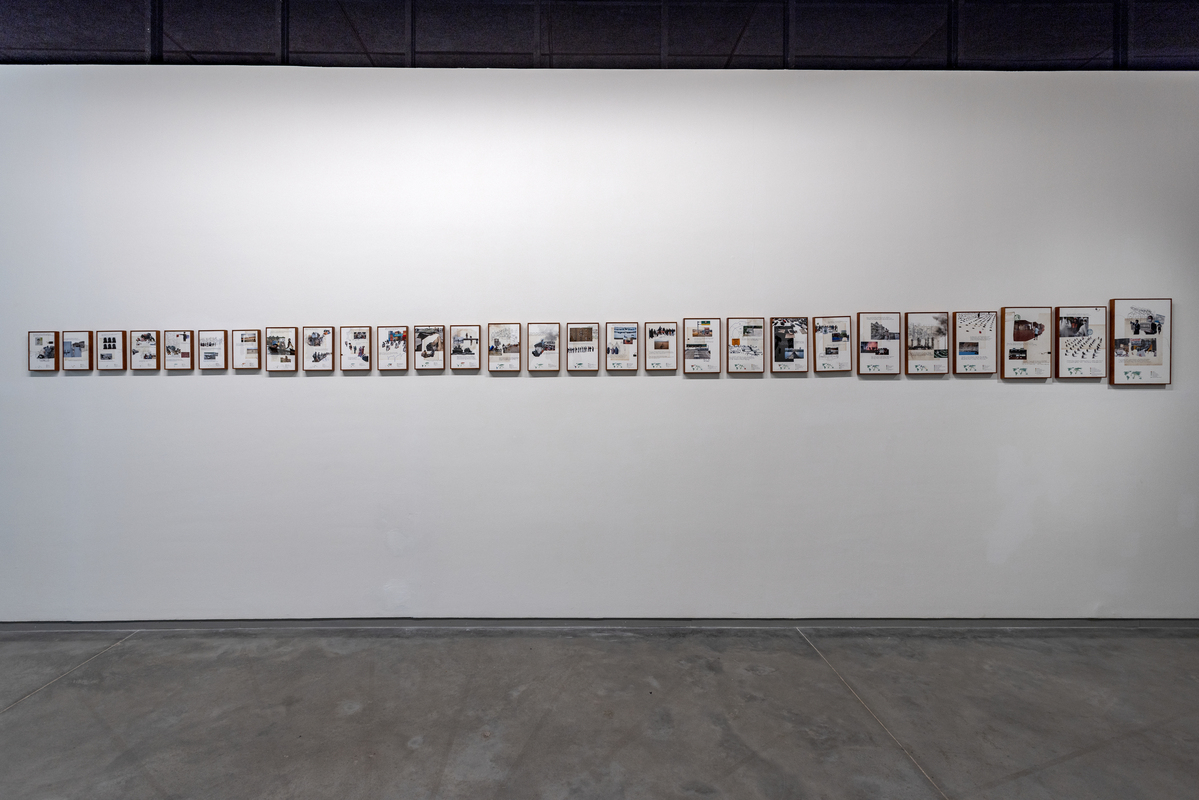
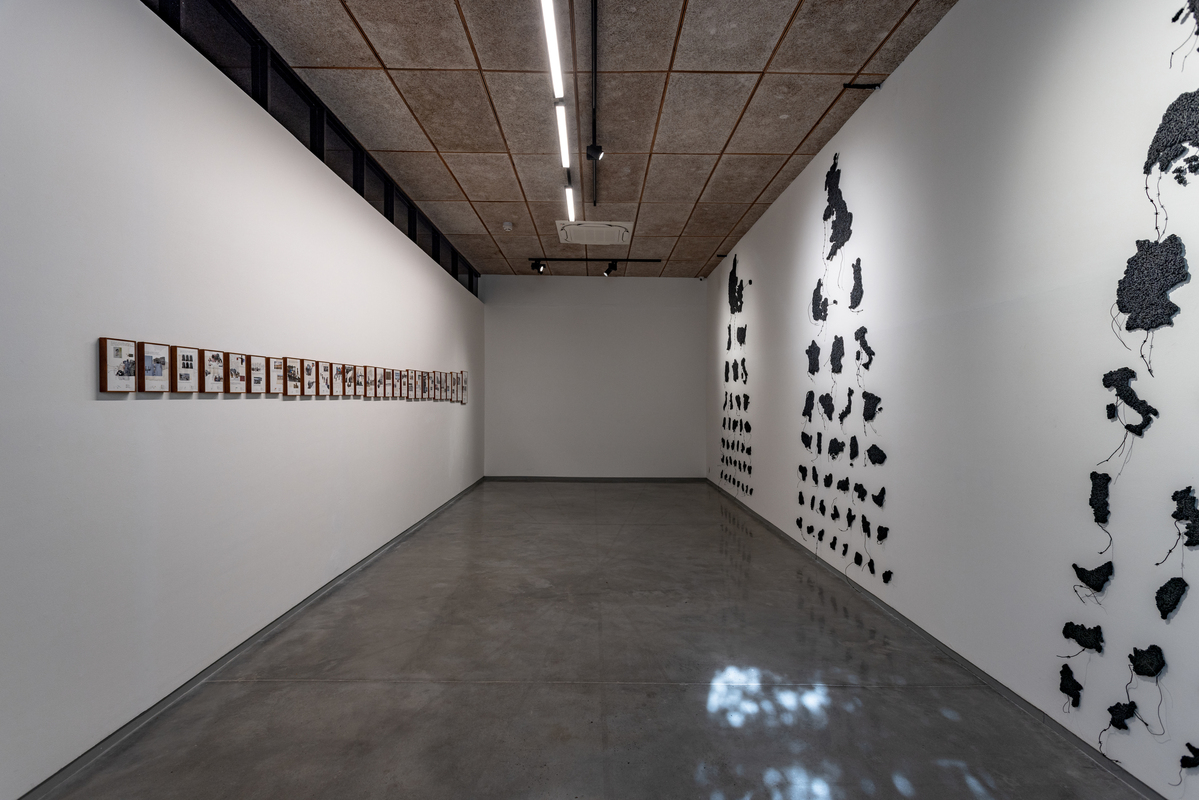
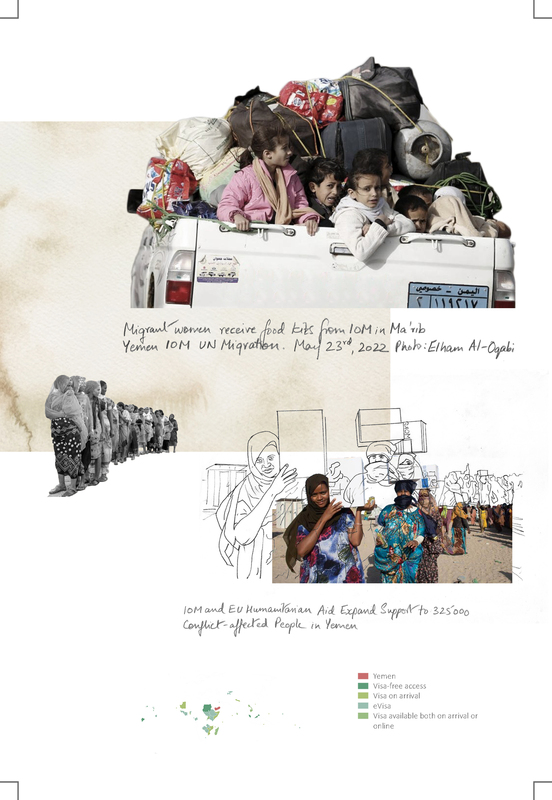
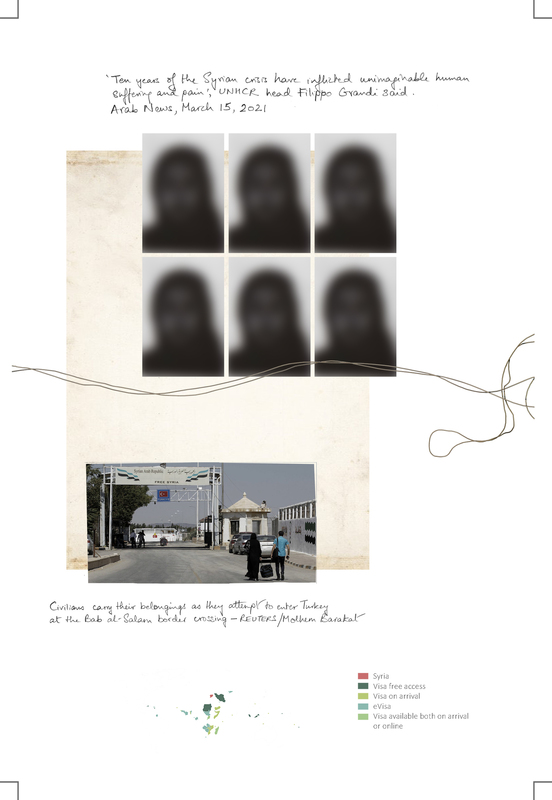
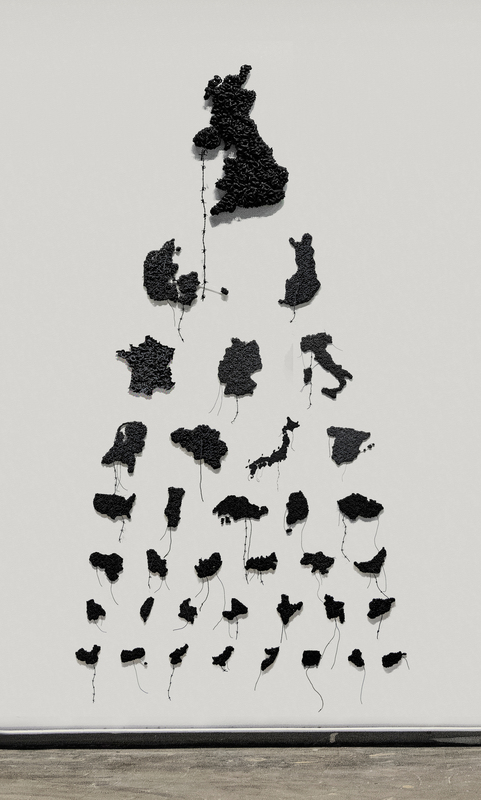
A large-scale wall triptych entitled Pattern Recognition consists of three pyramidal constructions which document the international mobility available to citizens of different countries. Small bundles of electrical cords are formed into the shapes of nations, some are recognizable (such as Japan, the US, Spain, etc.), while most remain indistinct and abstract blobs. The citizens of the nation at the top of each pyramid enjoy the most freedom as to how many other countries they can travel to without the need of a specialized visa in their passport. Those in the bottom rows require the most number of visas. India is in the second-to-last row in all cases. The work records the strange, almost irrational, privileges that certain humans have over others. Complementing the work is a set of photographs the artist sourced from mass media, registering actual human conflicts that are both the causes and effects of social unrest (such as climate change, the pandemic, and political turmoil).
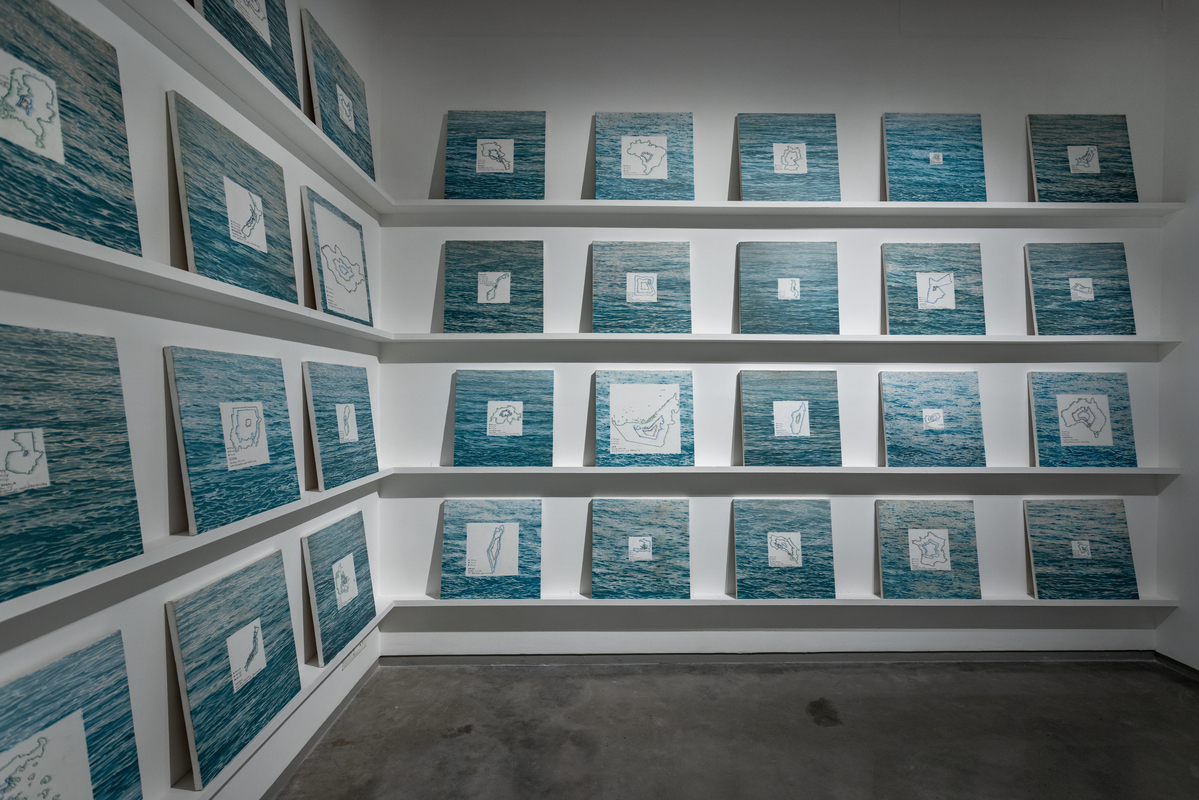
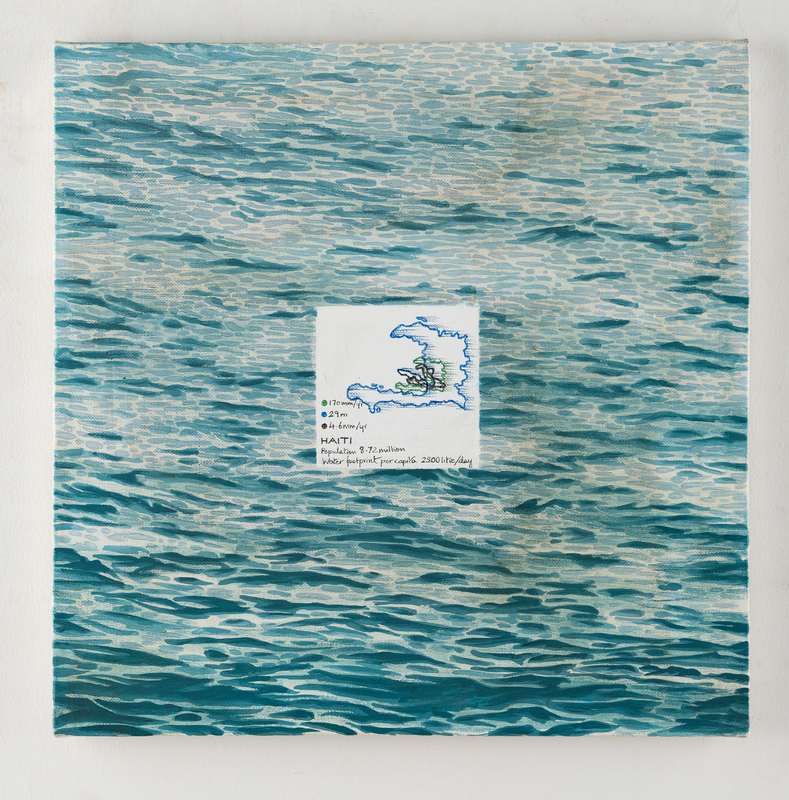
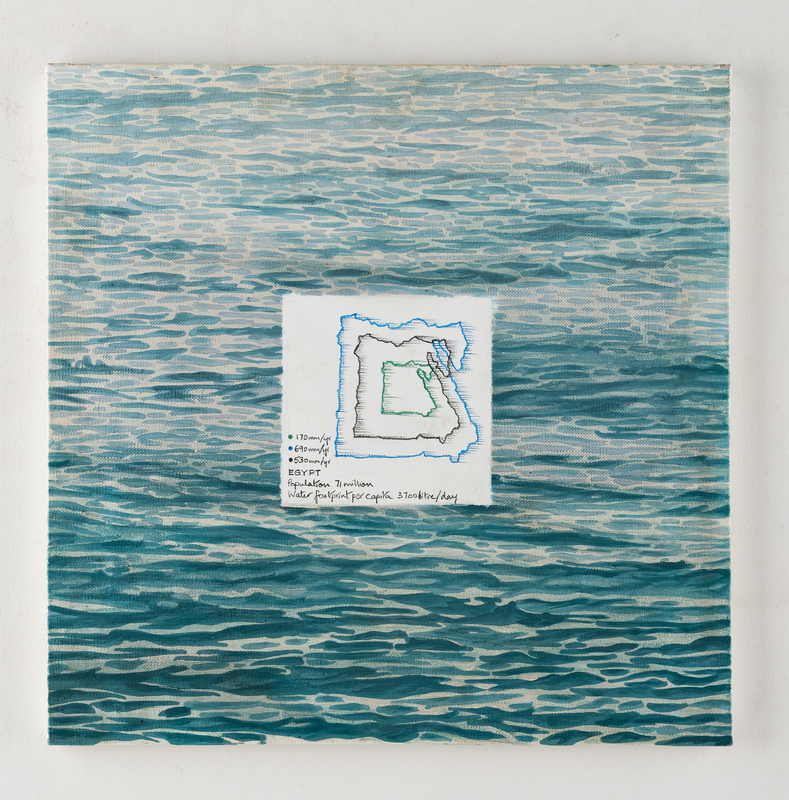
The wall installation entitled AquaAtlas comprises a series of 18 x 18 inch paintings. Each panel documents the water footprint of a particular nation through a graphic translation of found numerical data. A water footprint is a scientific tool showing the extent of water usage in relation to its consumption by its population. Kallat conflates the languages of hyper-realistic painting and conceptual graphics to convey a more nuanced portrait of the situations.
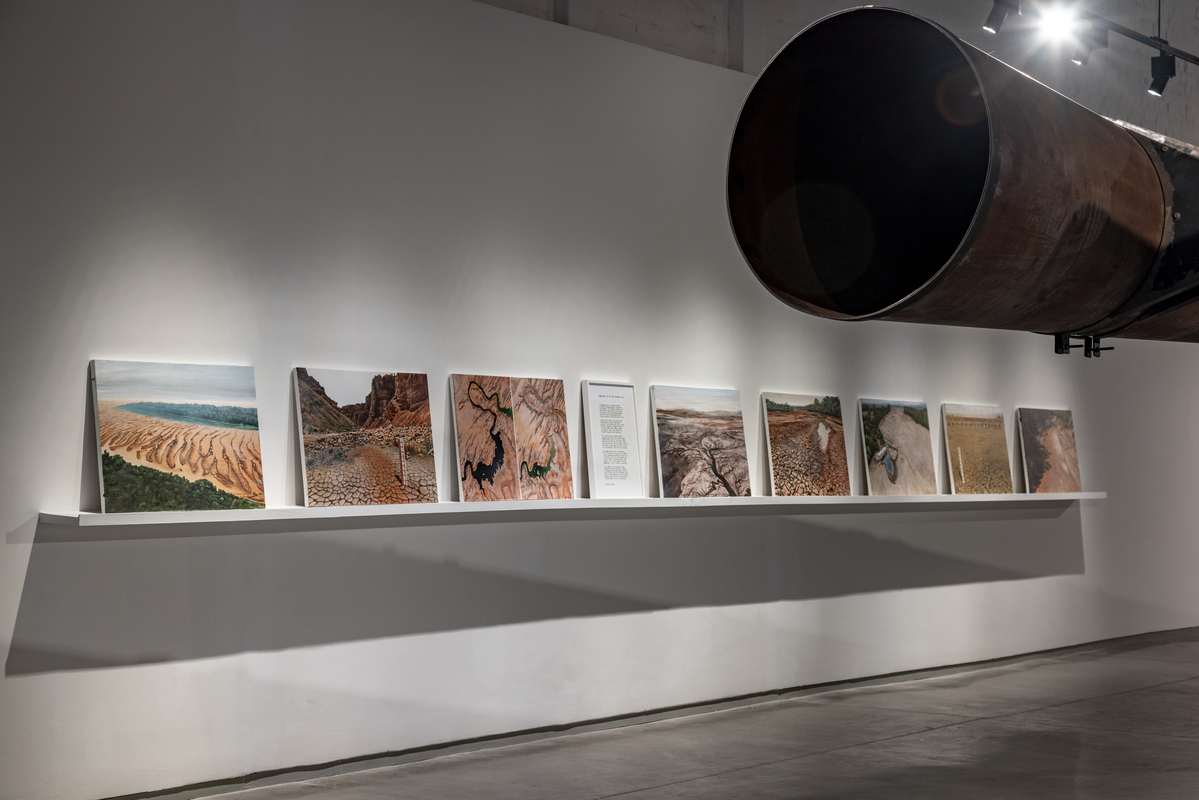
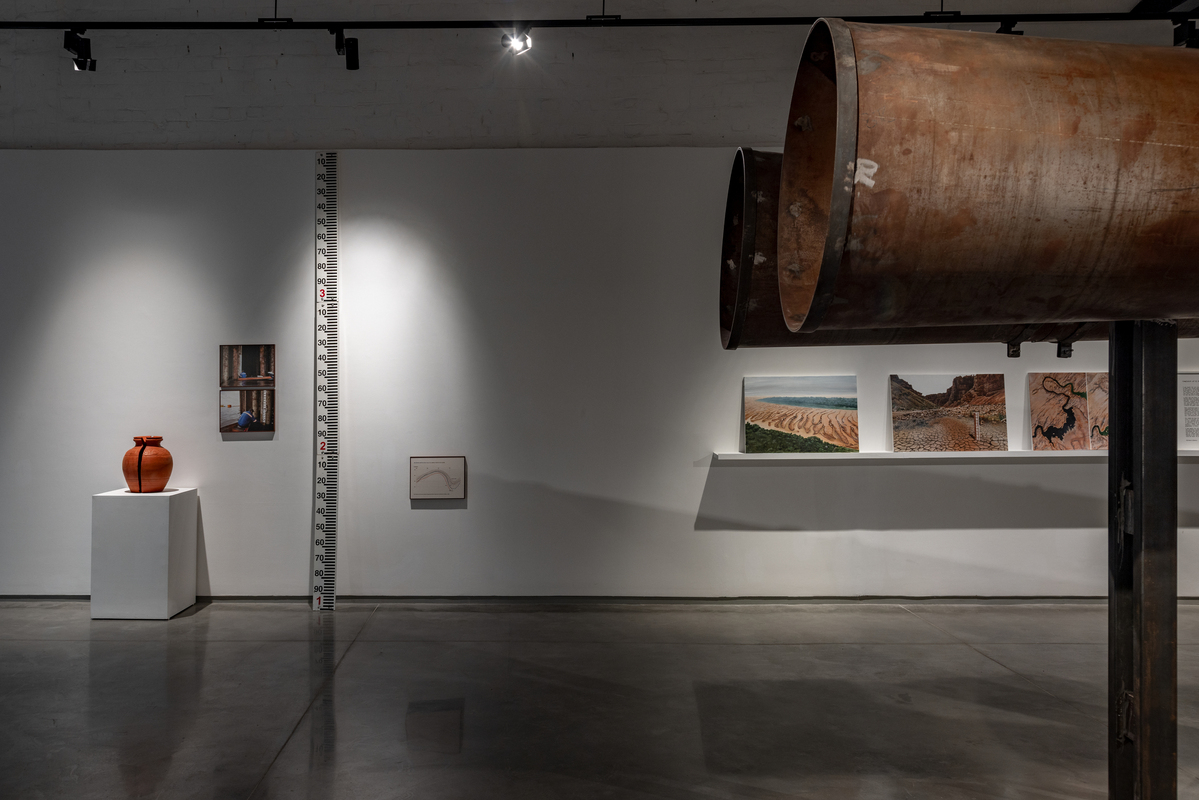
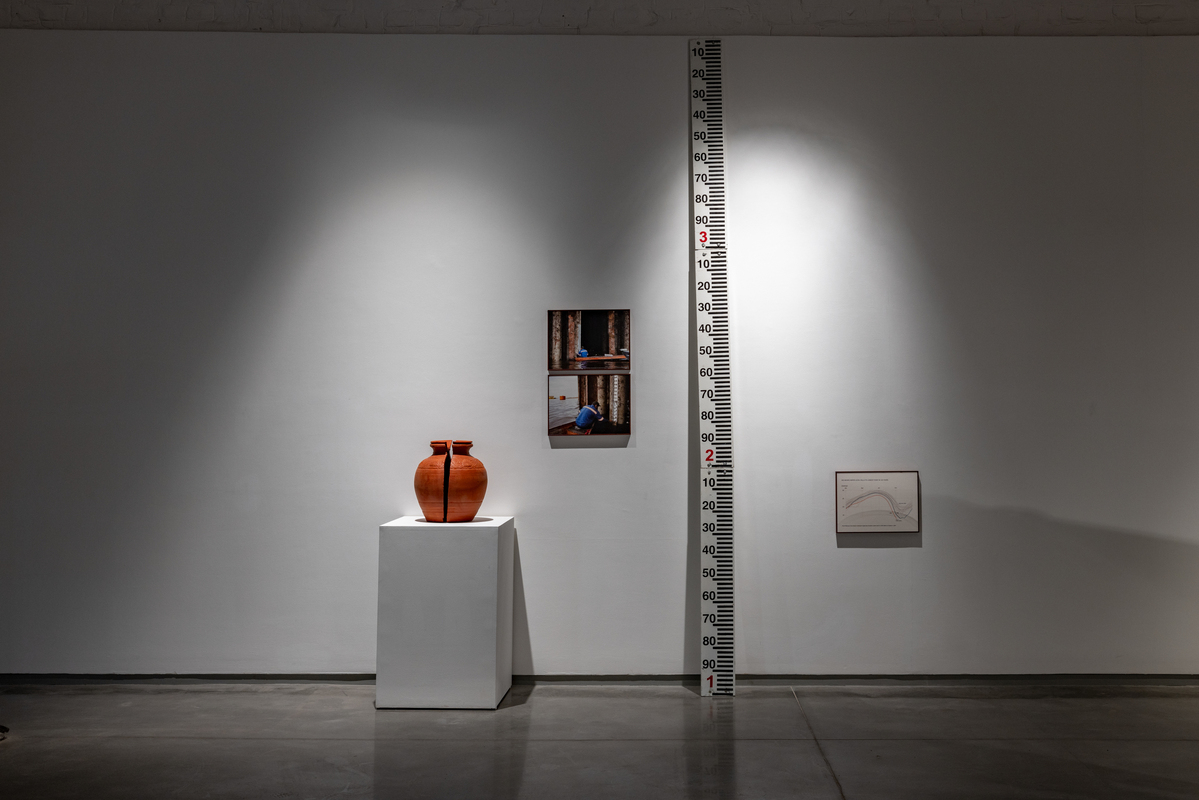
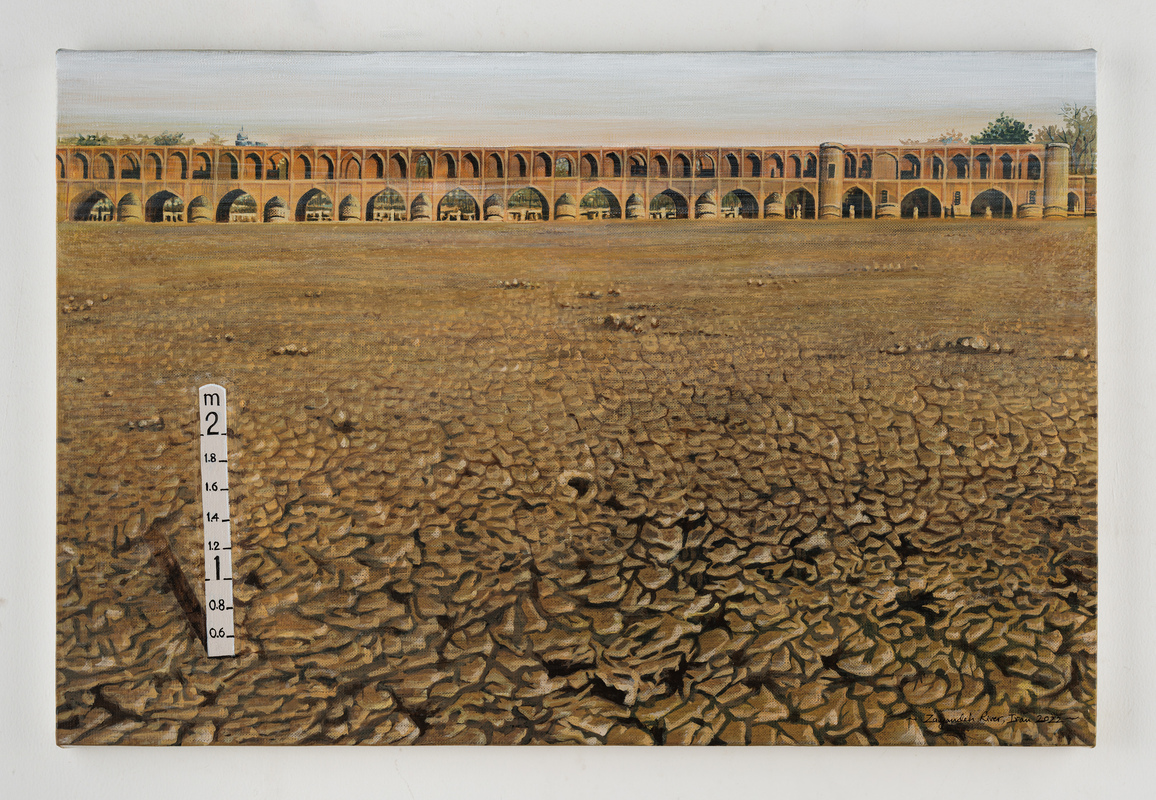
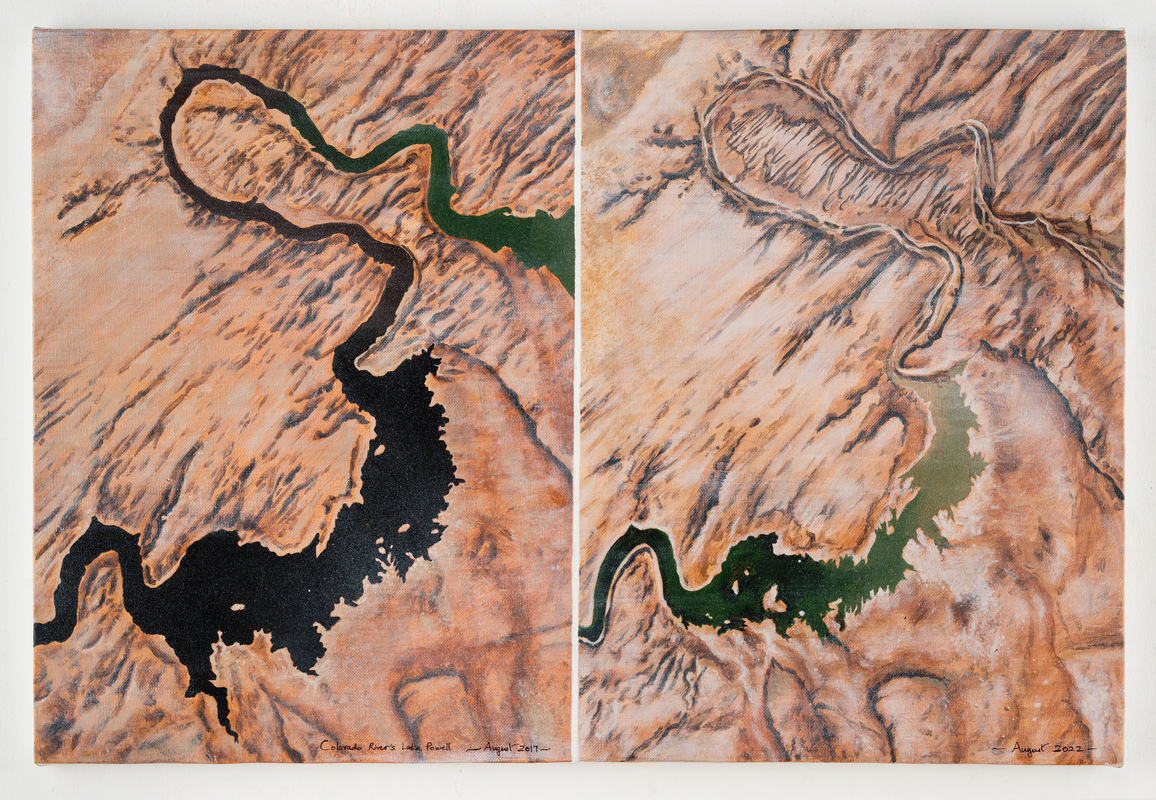
The work entitled I am the river, the river is me combines eight paintings on canvas with a number of framed drawings, collages and found objects. The paintings are of specific rivers in different parts of the world which are all at critical stages of degeneration. Kallat echoes a sense of personhood that is being projected on to natural resources in both social and political discourses, communicating a sense of loss, disappearance, and invisibility. This ensemble creates a poetic synergy between the plights of human refugees, disappearing flora and fauna, and rapidly degrading eco-systems, making an impassioned plea for activism on a number of levels and emphasizing the interconnectedness of these seemingly disparate strata of existence on Earth in the 21st Century.
For press related inquiries and high resolution images, please contact archive@naturemorte.com.
Special thanks to our shipping partner: Master Art Logistics
Artworks
Installation Views