

New Delhi
Vandana Kothari
We Are All Circles
Nature Morte is proud to present a solo exhibition of new paintings by Vandana Kothari.
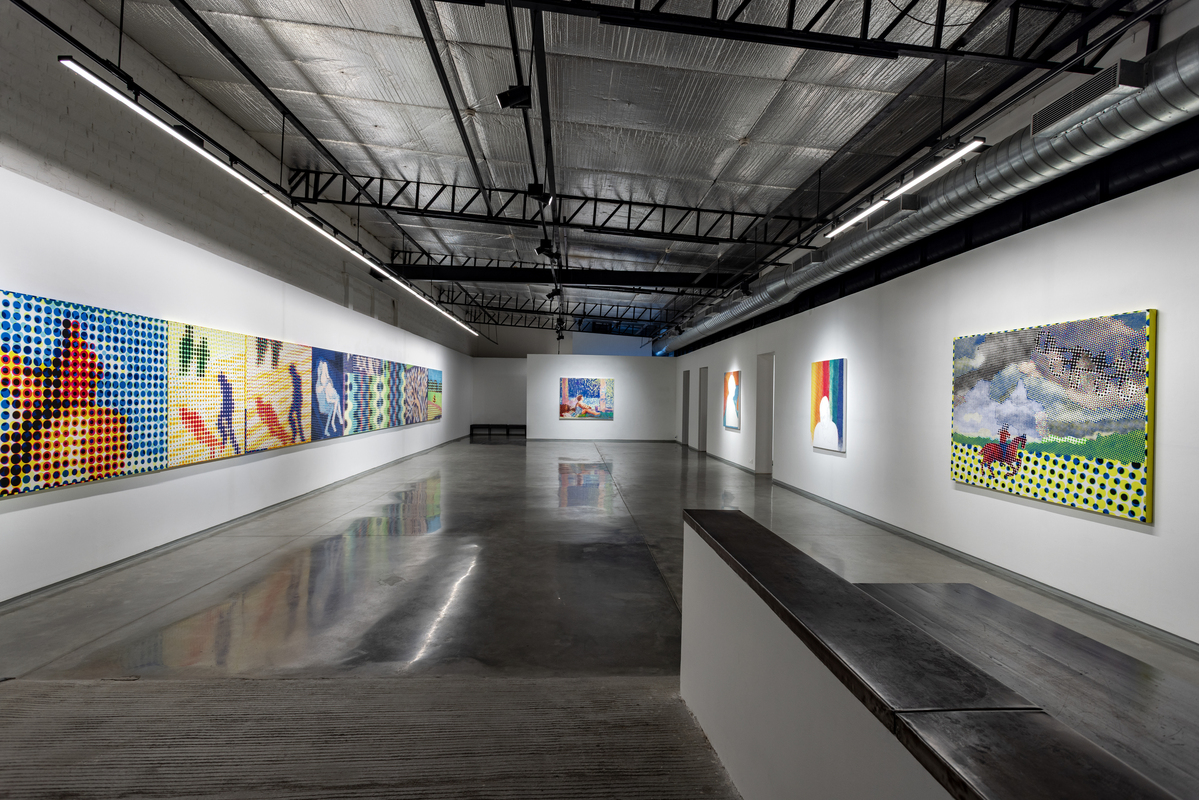
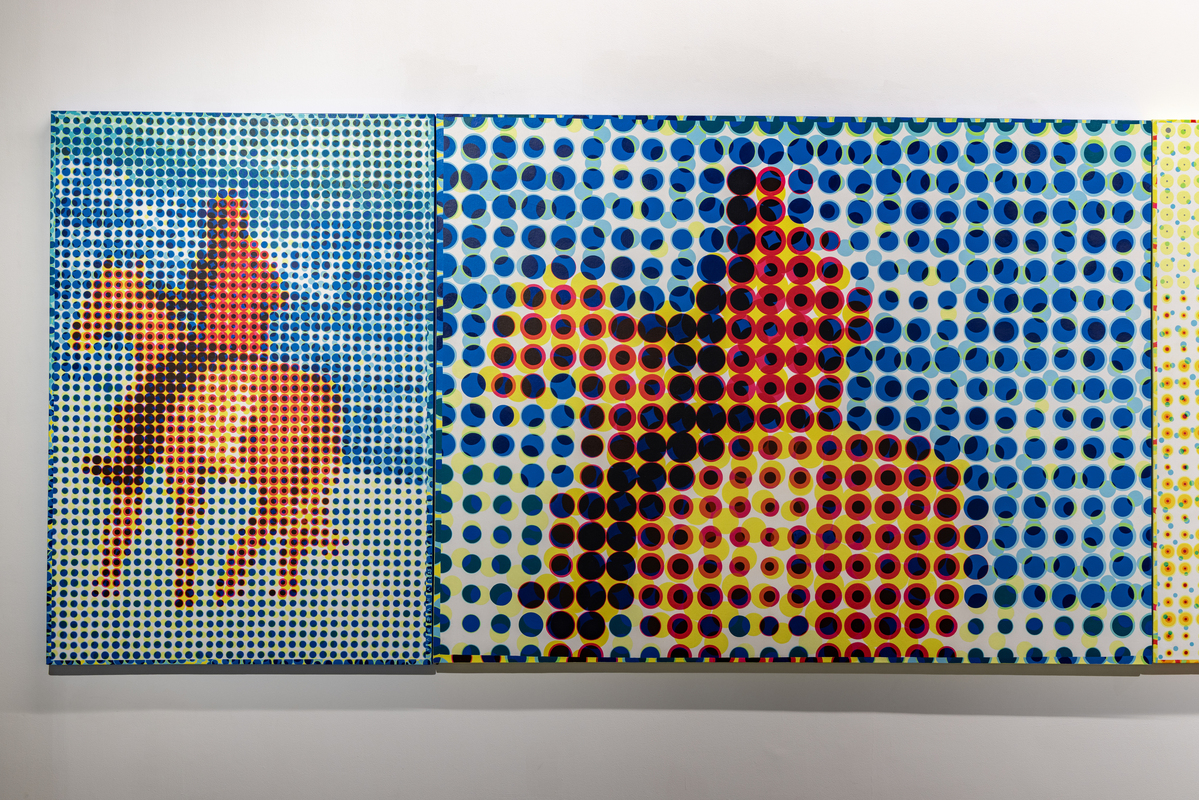
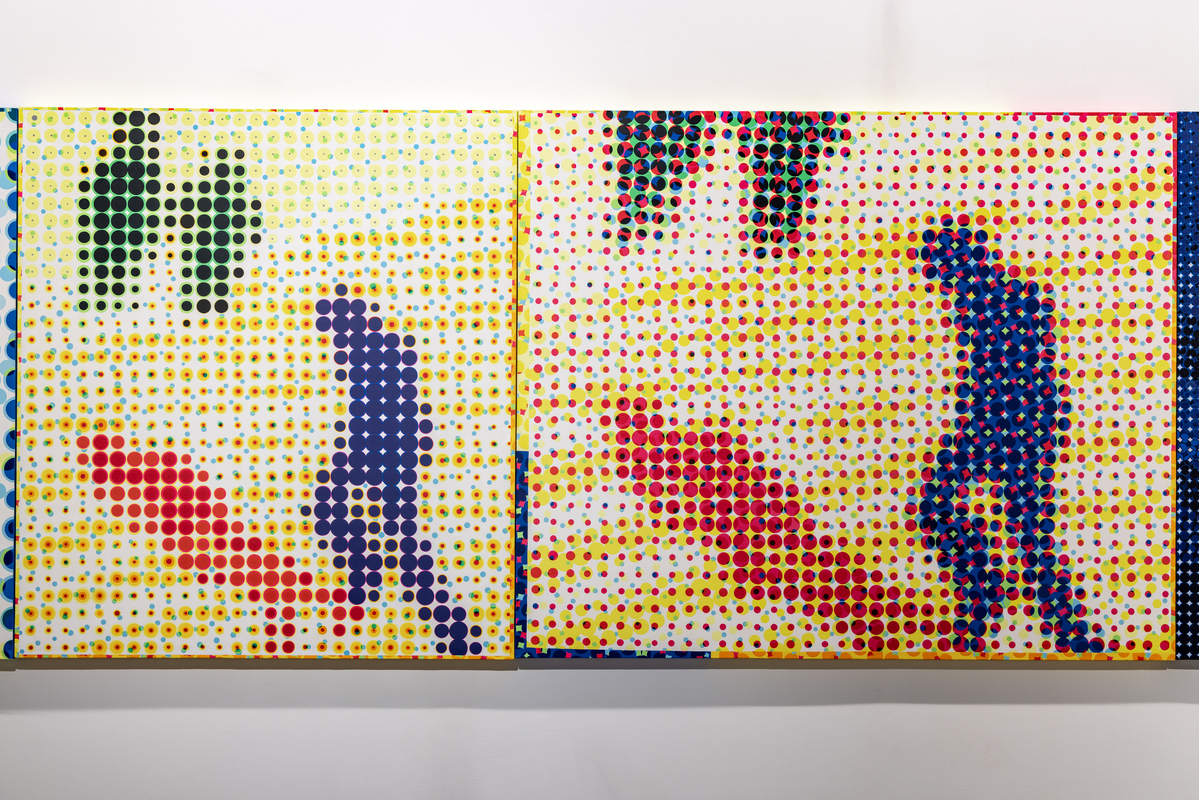
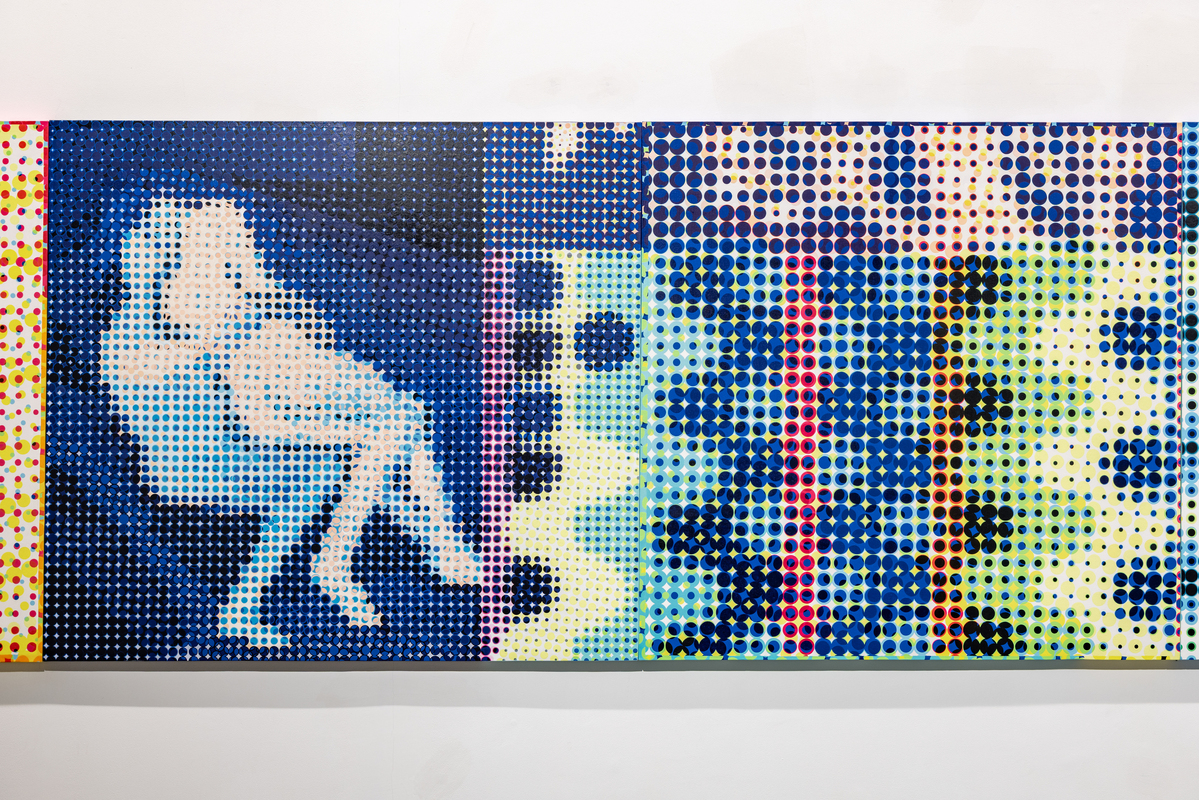
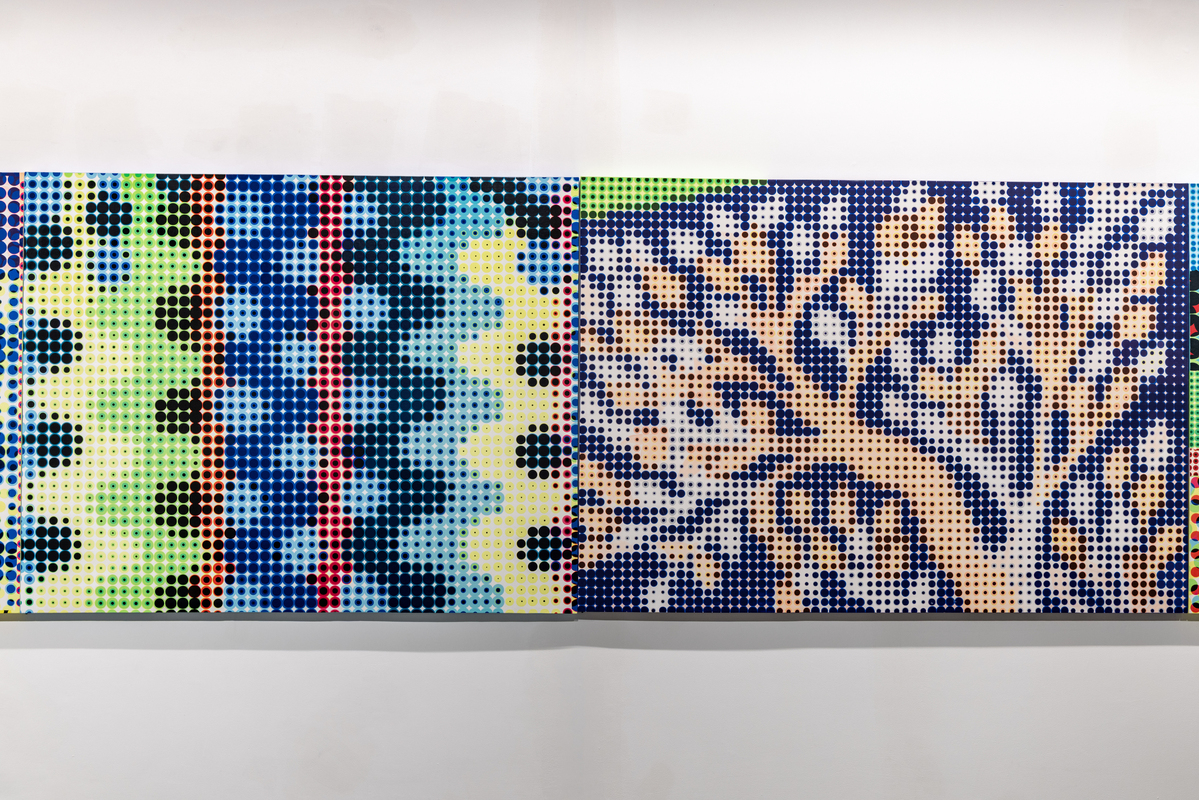
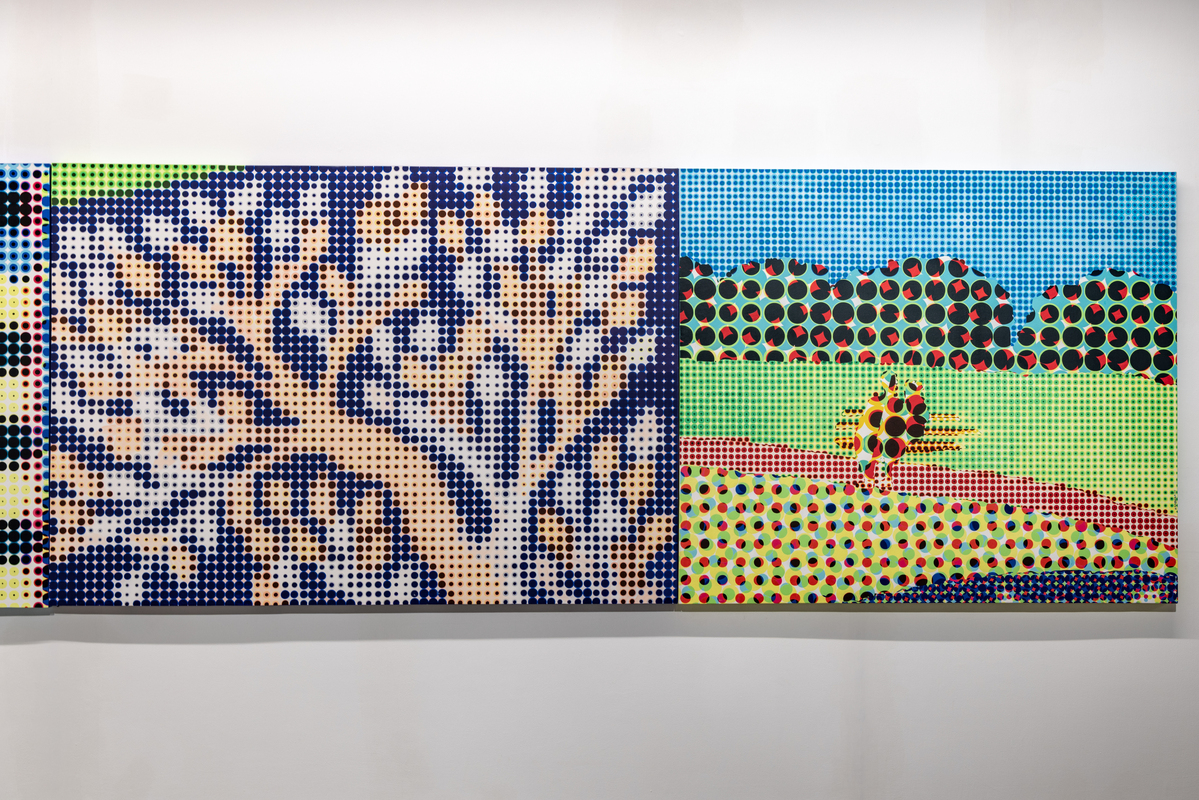
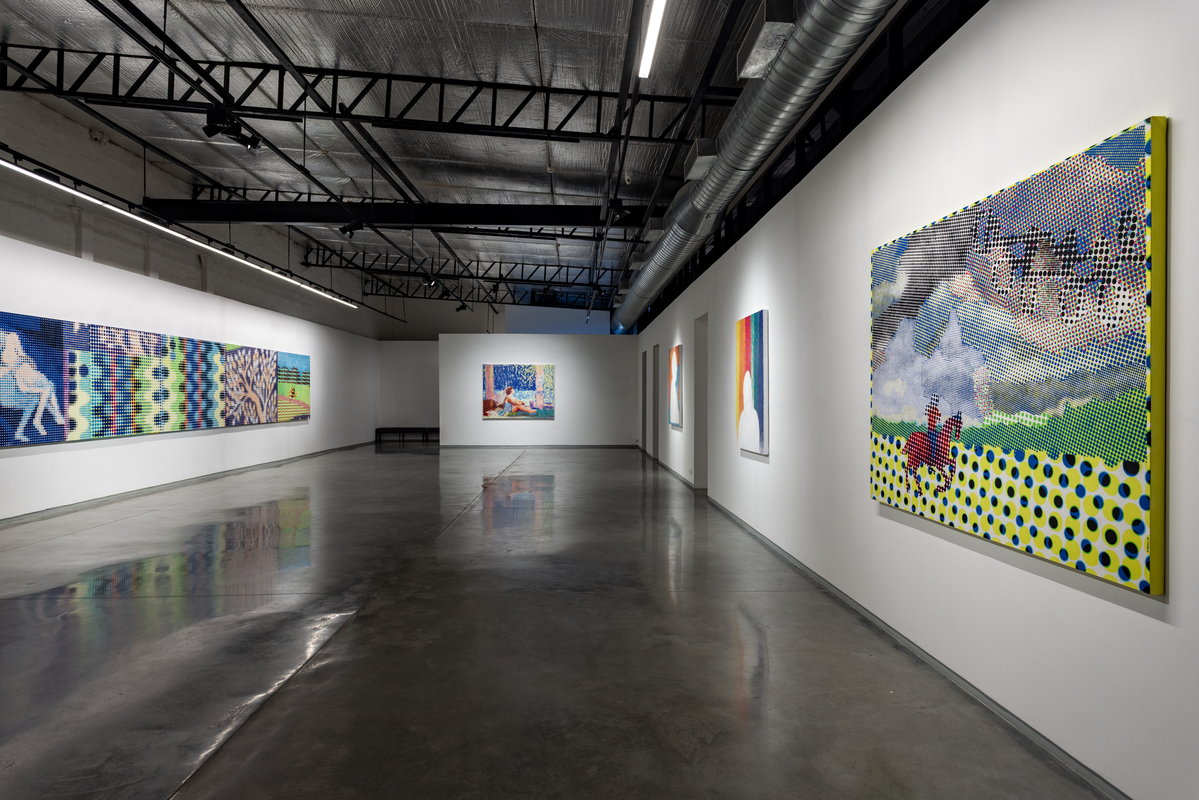
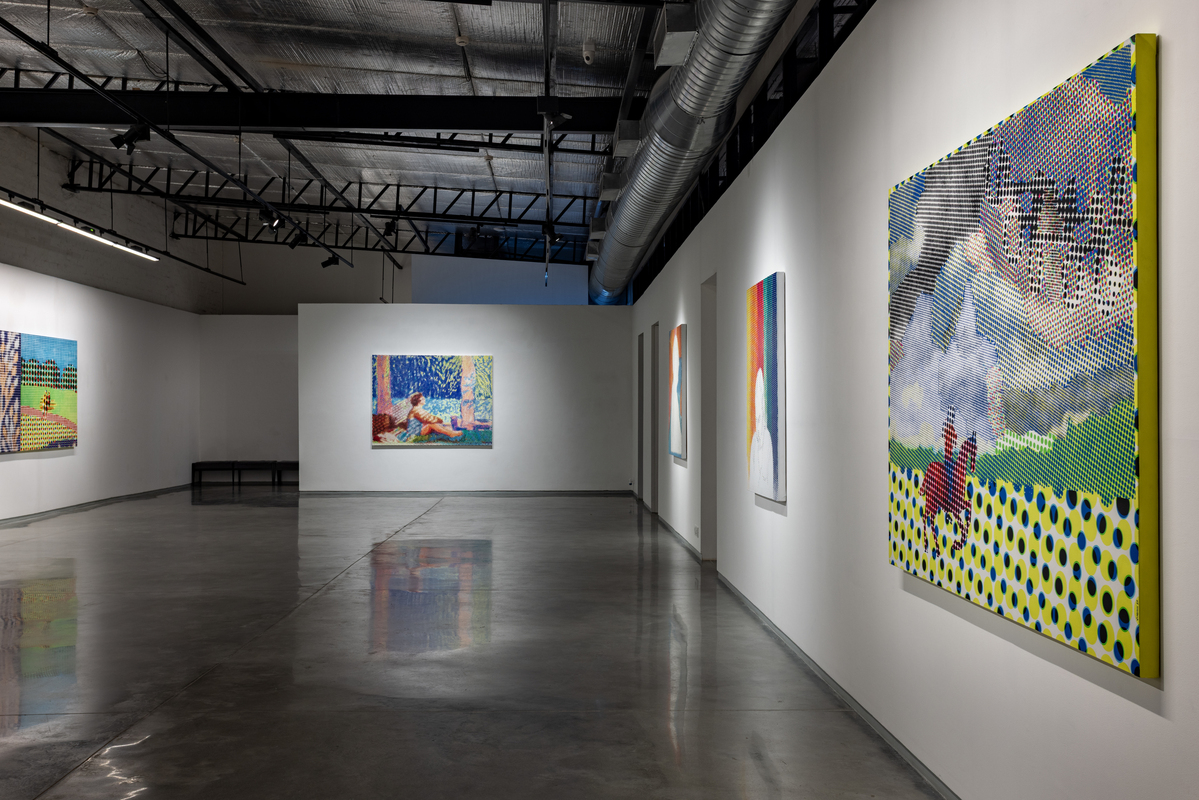
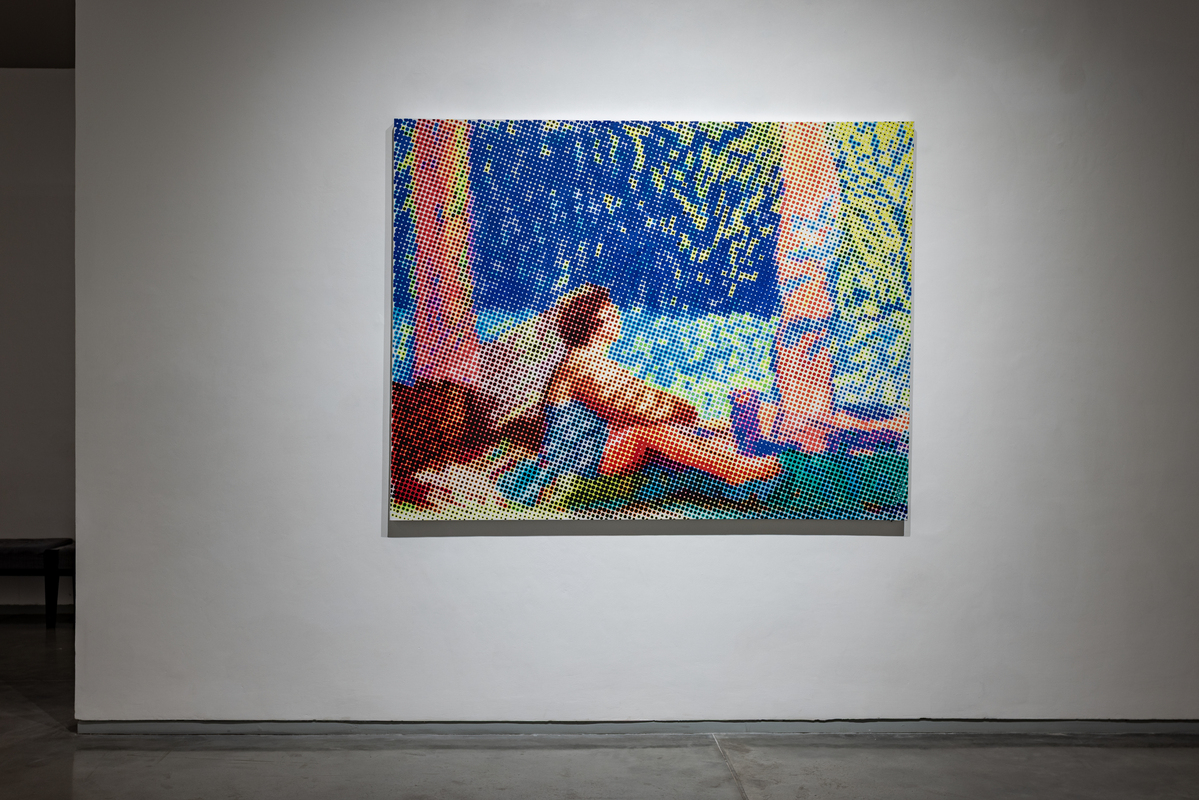
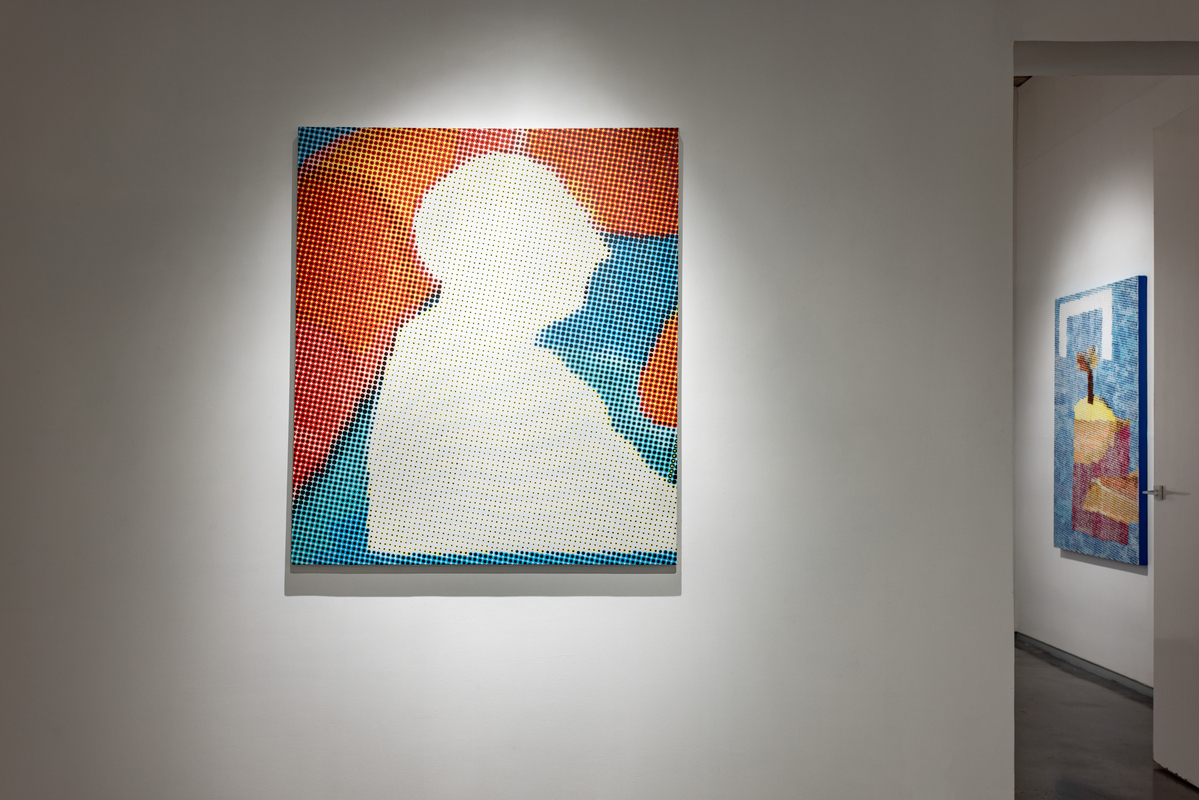
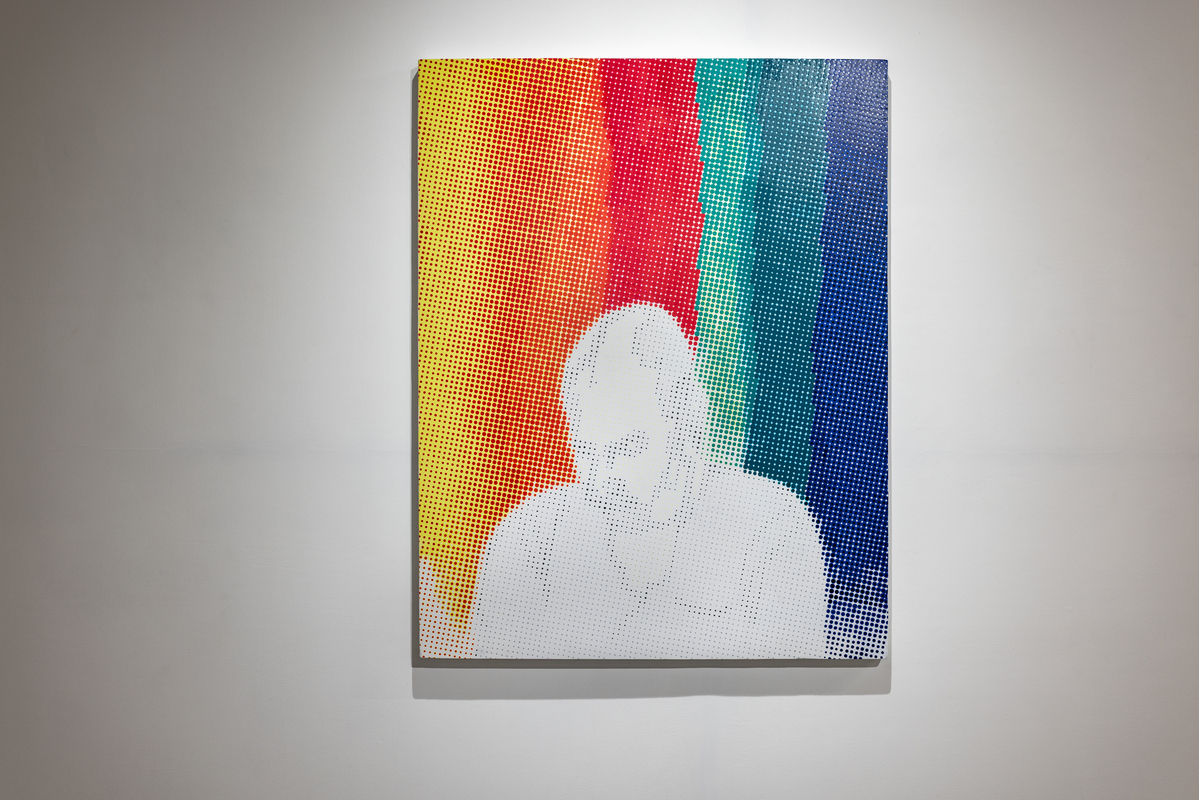
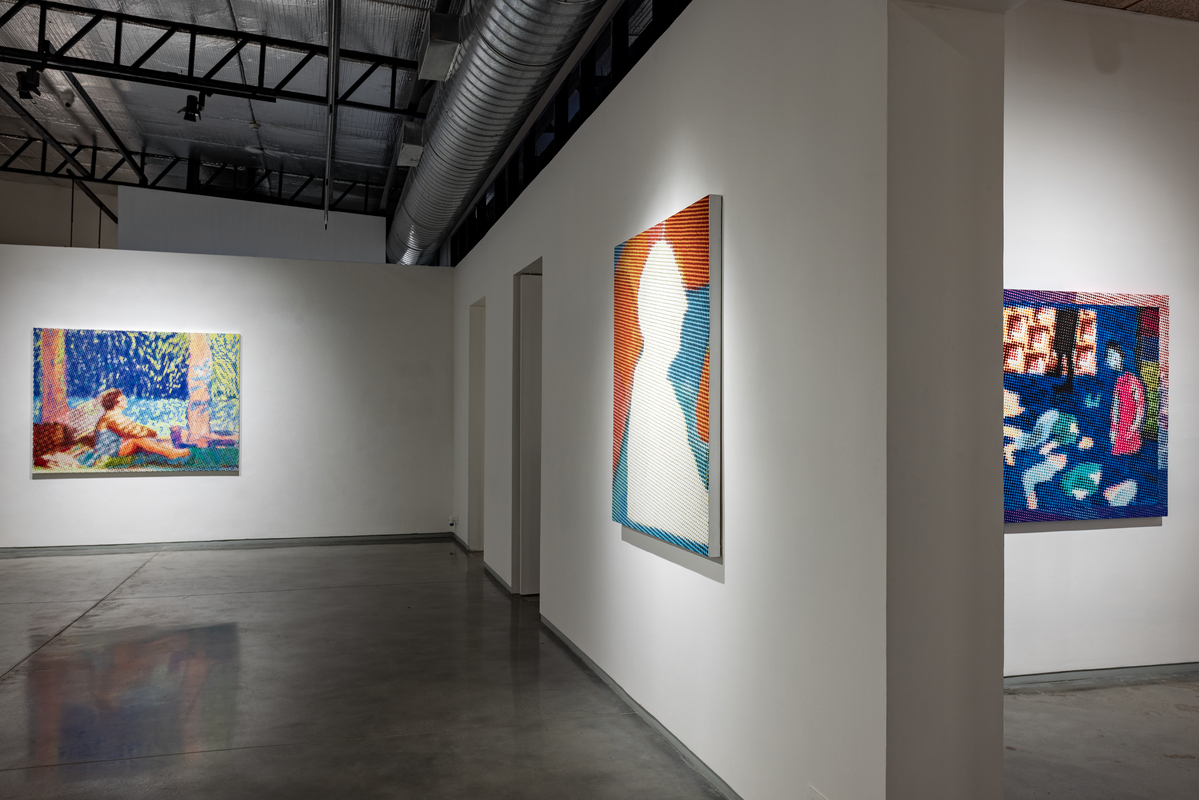
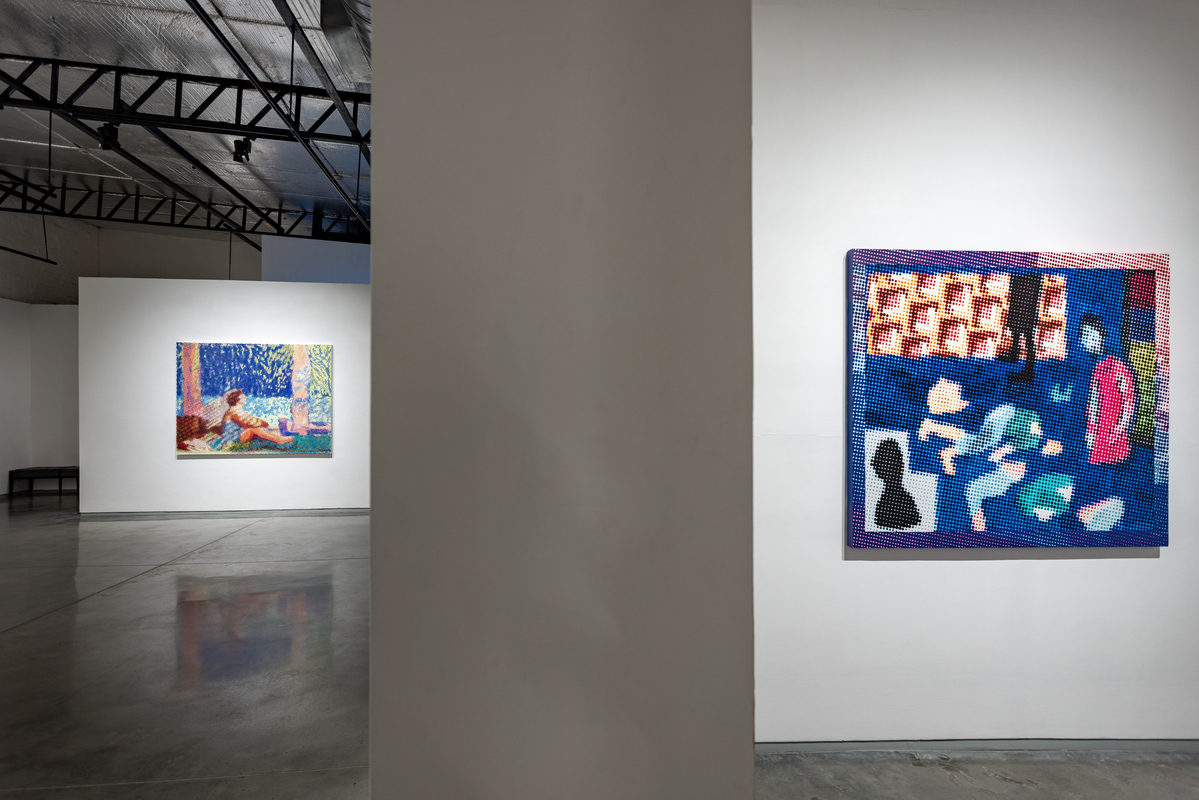
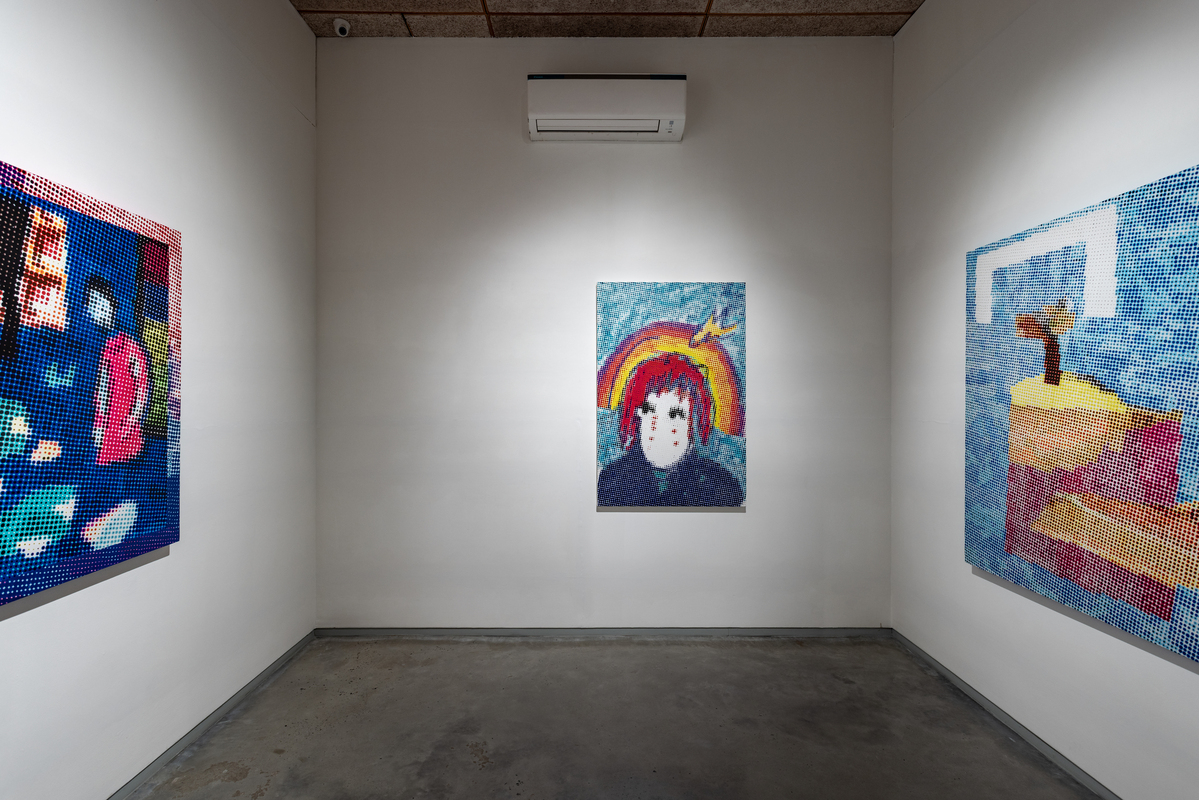
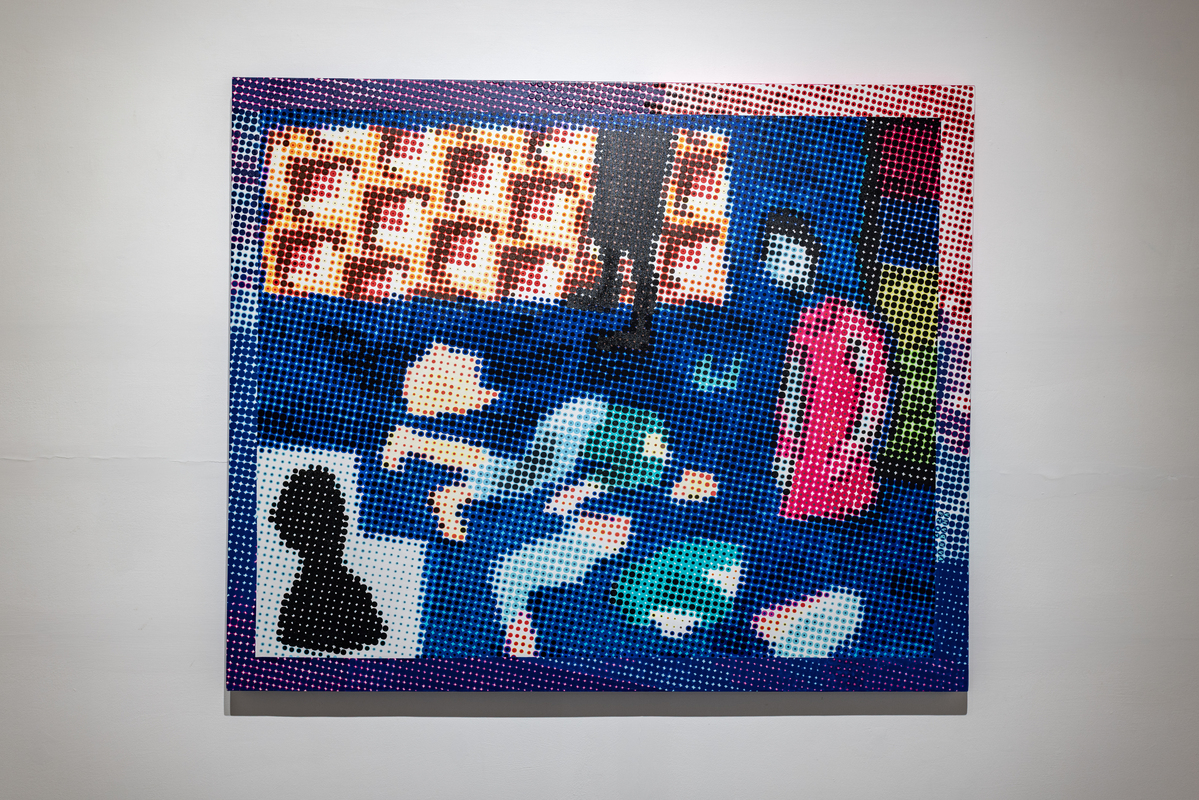
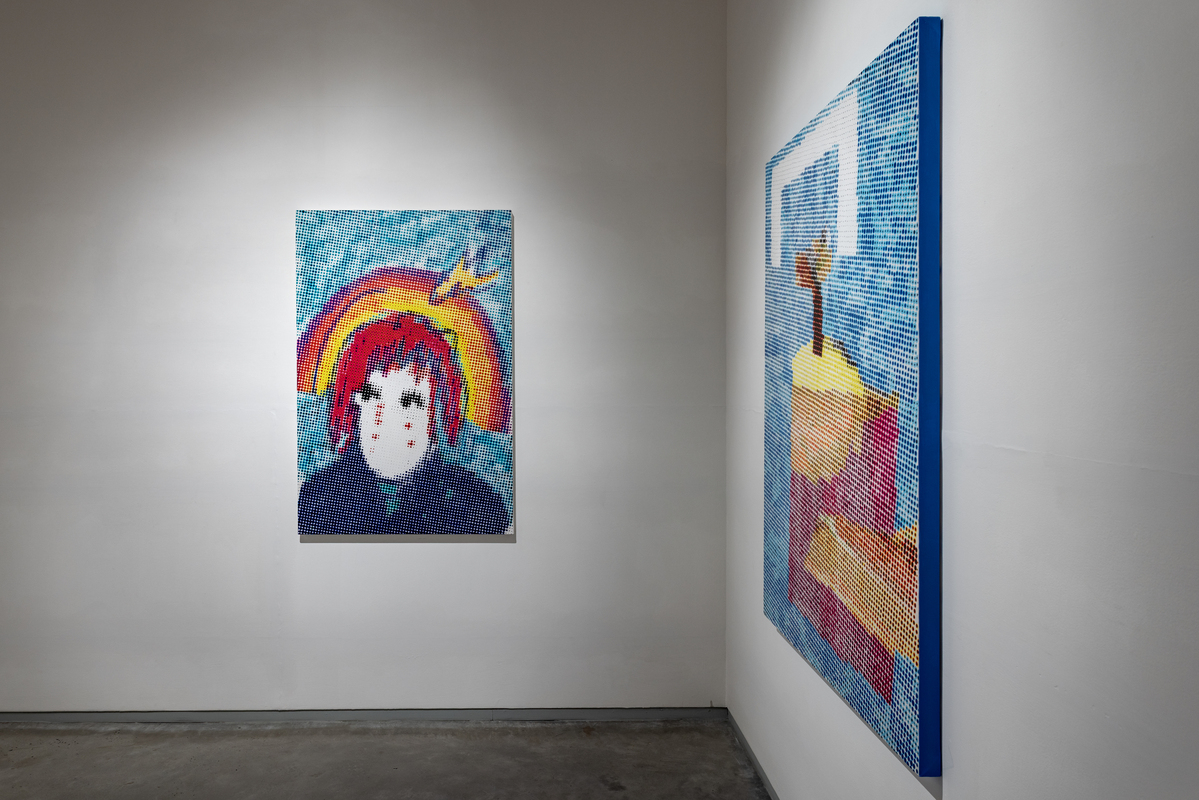
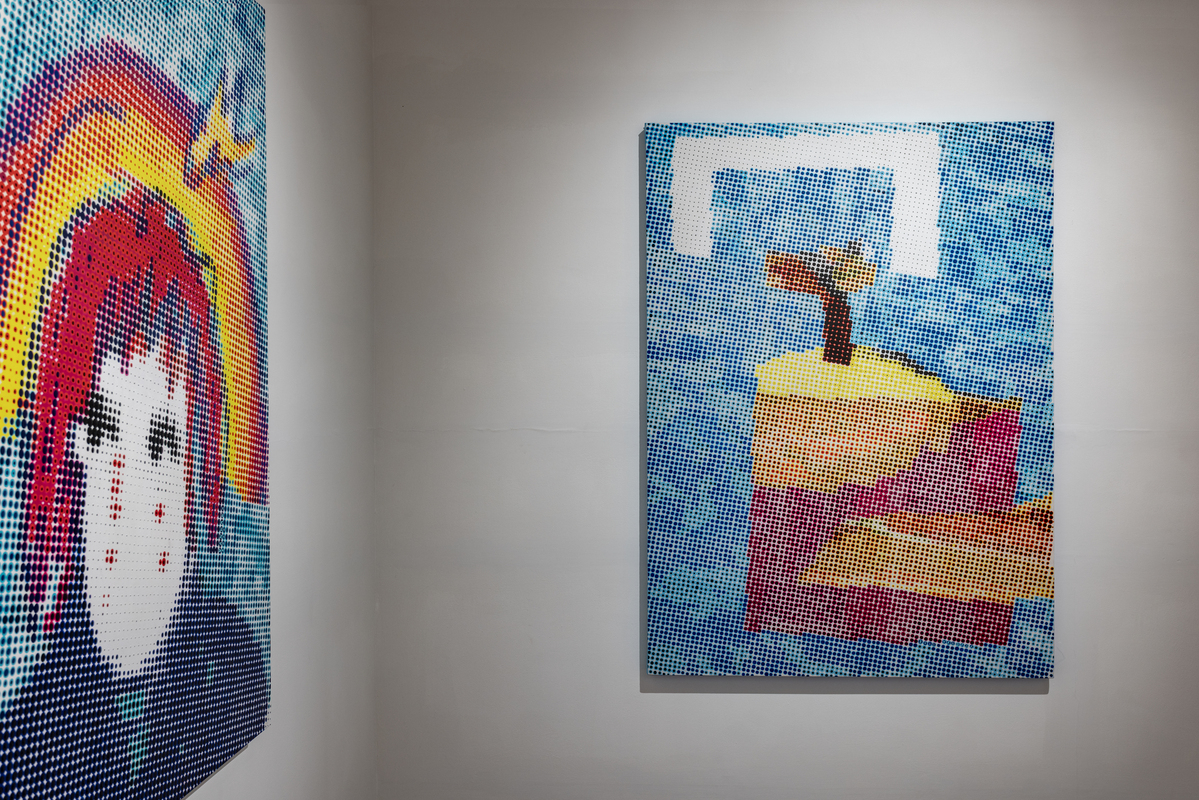
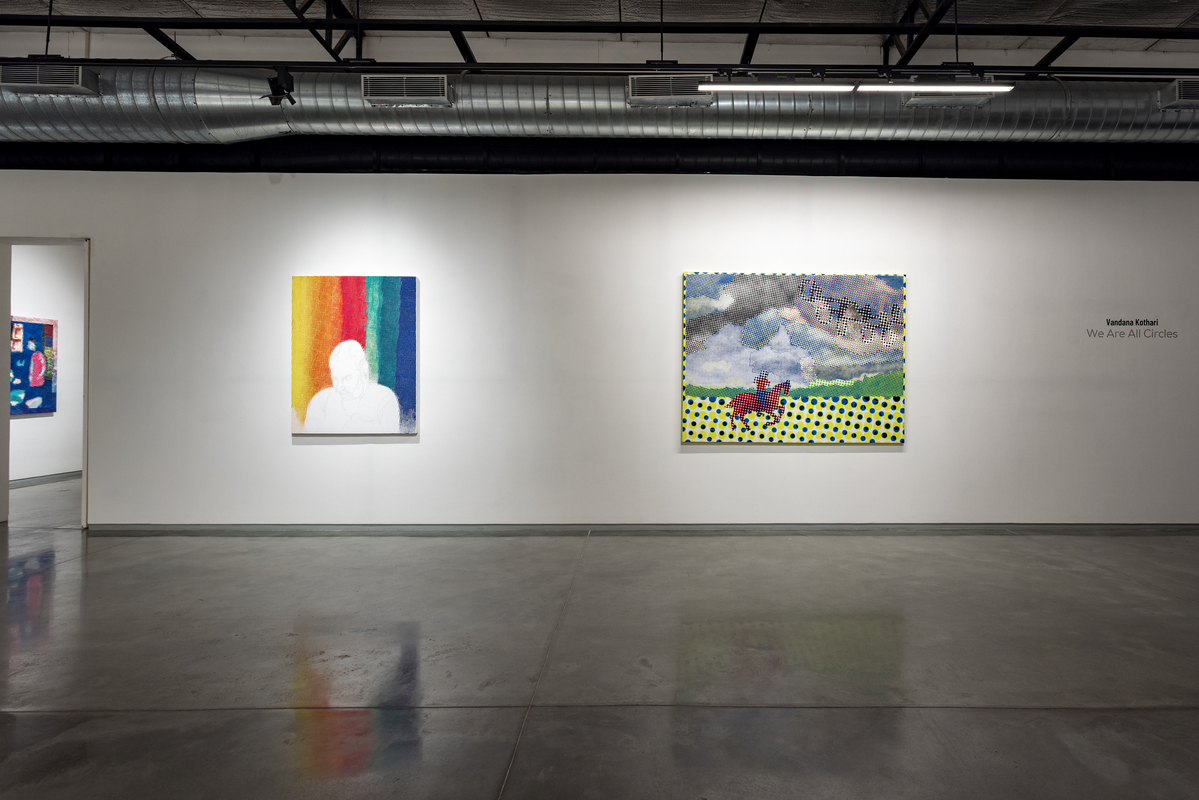
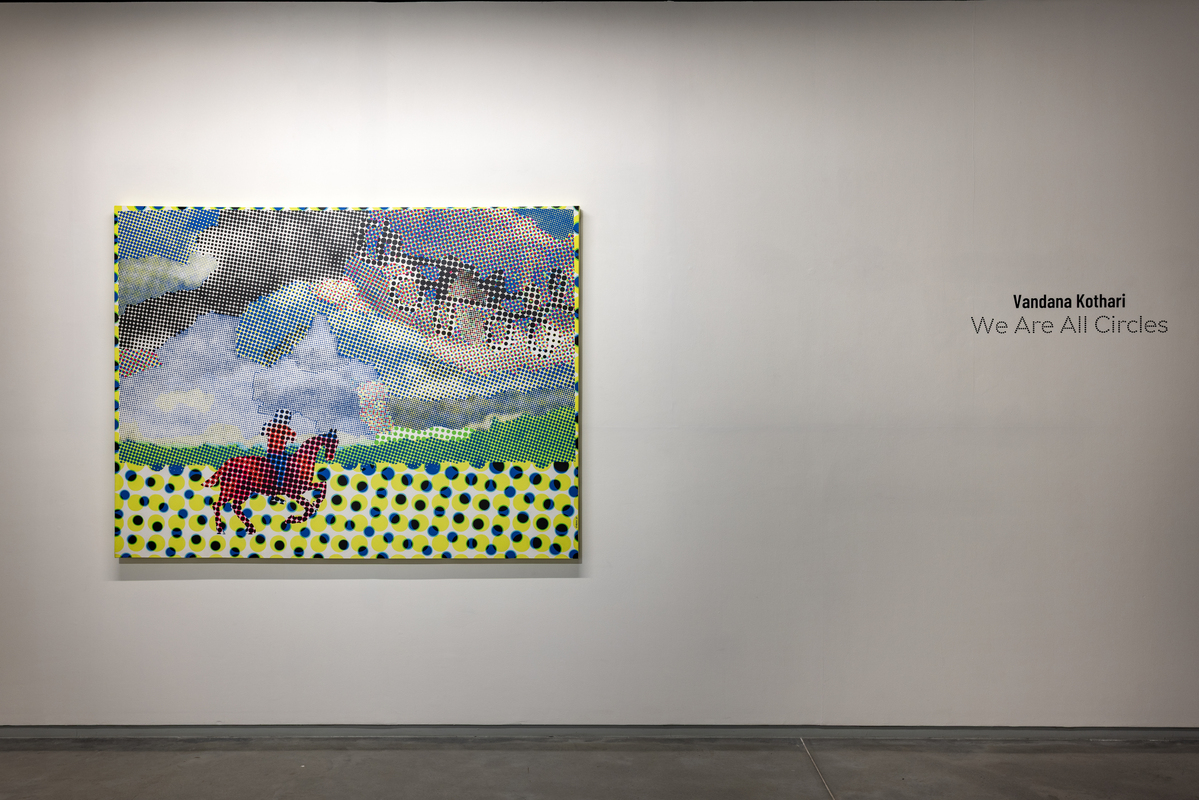
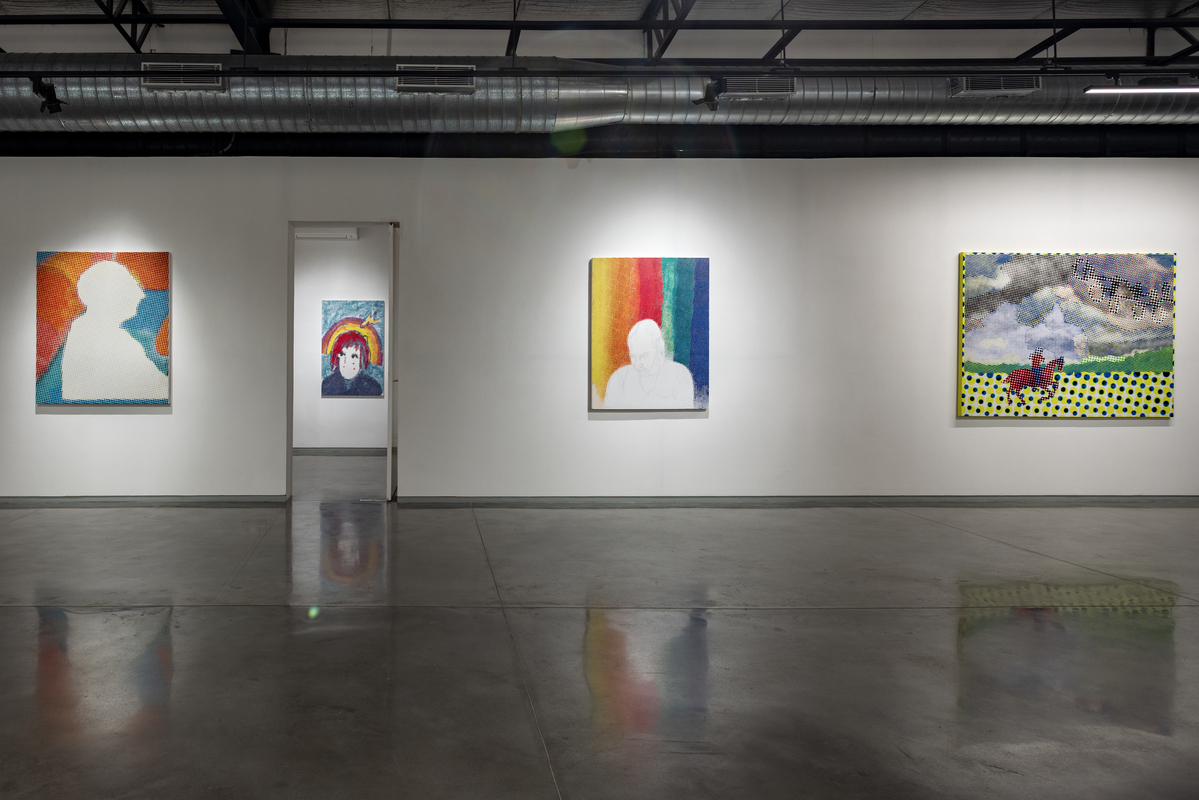
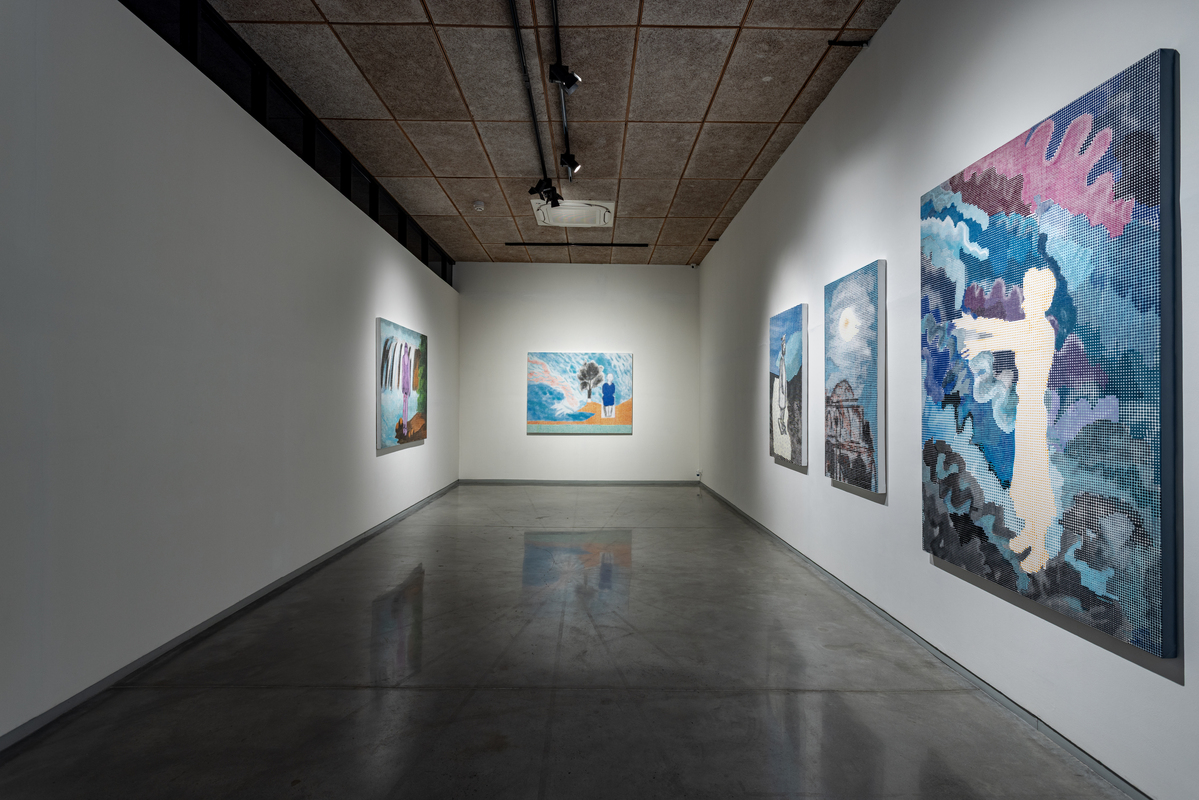
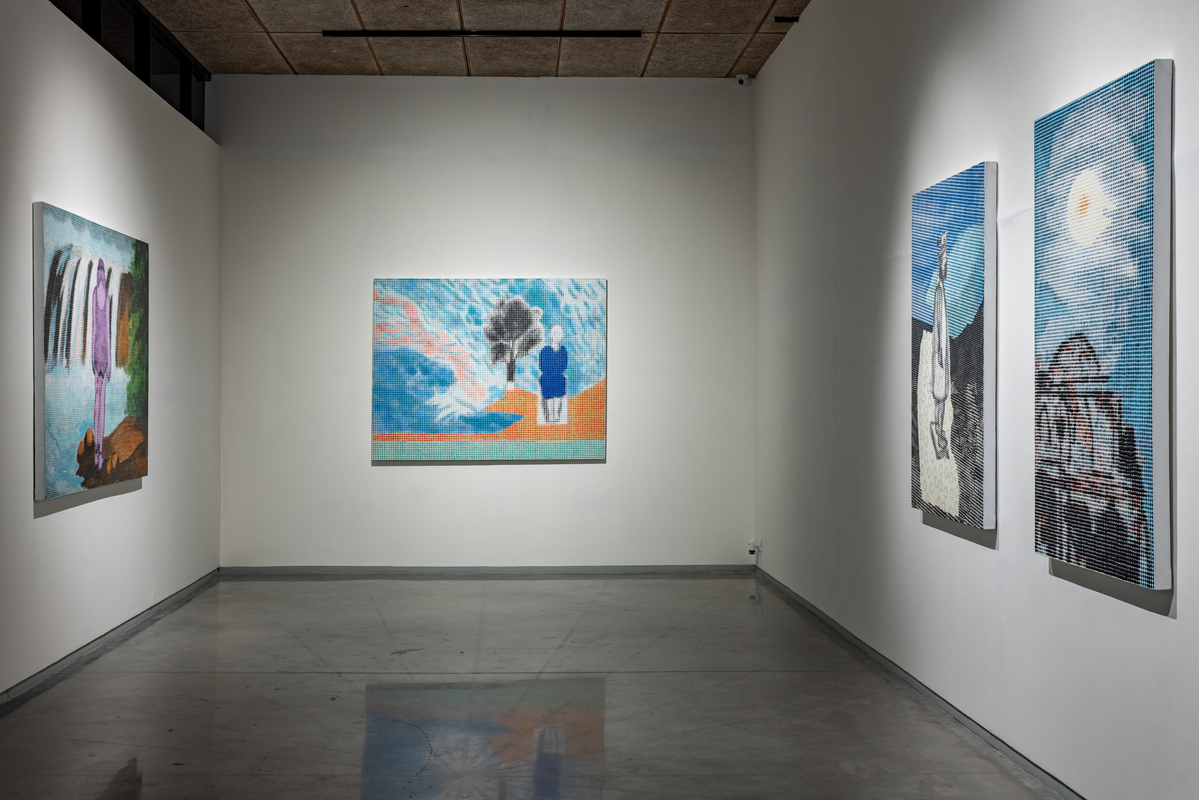
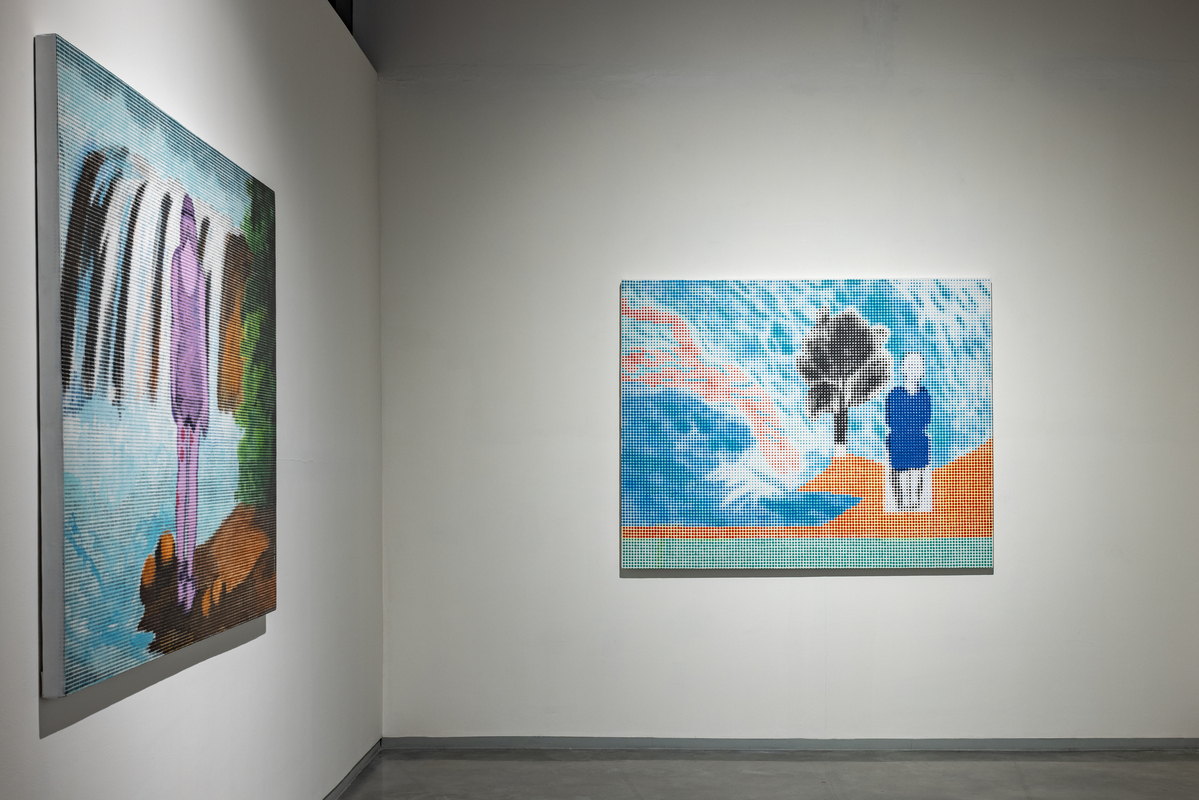
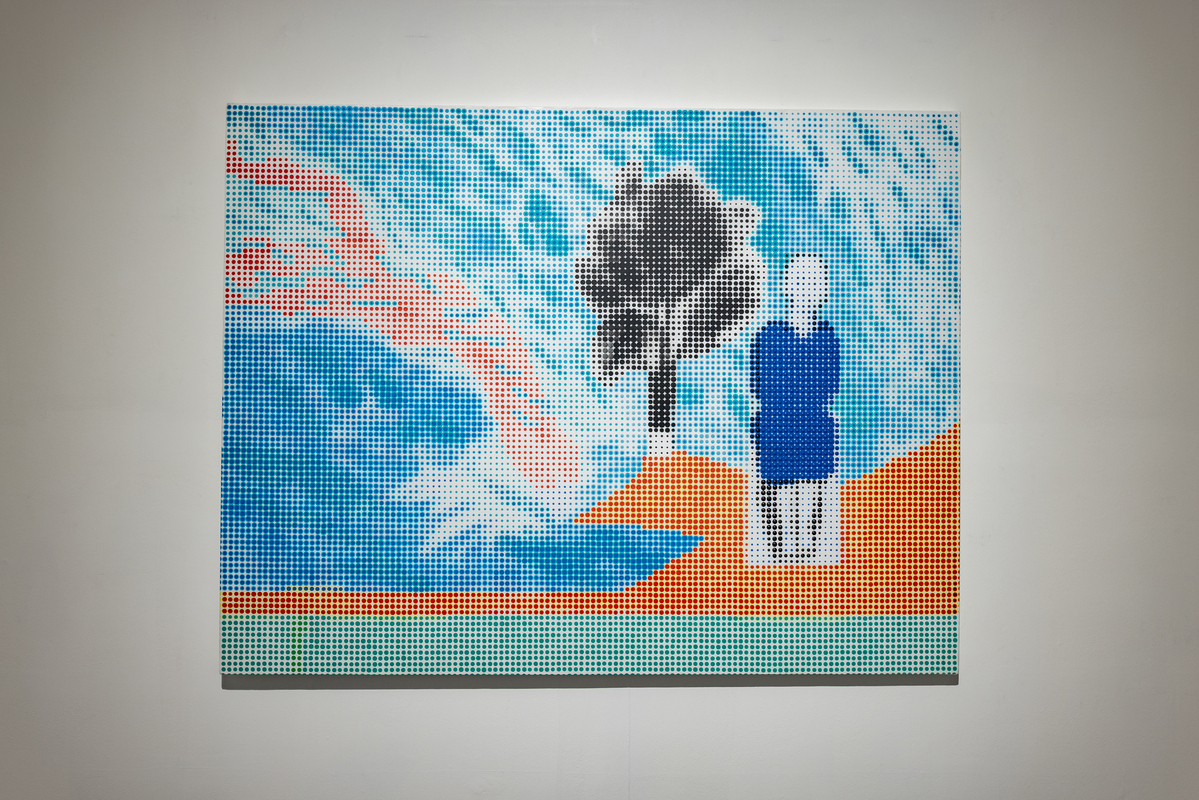
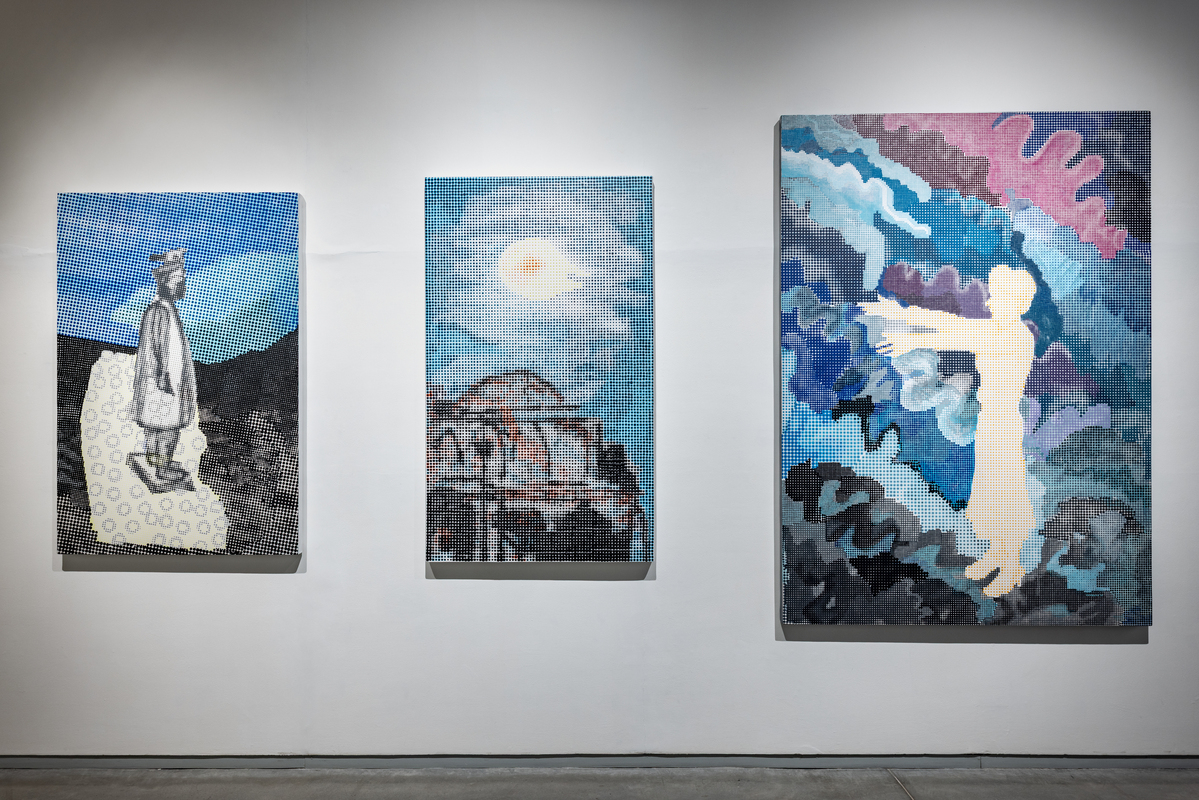
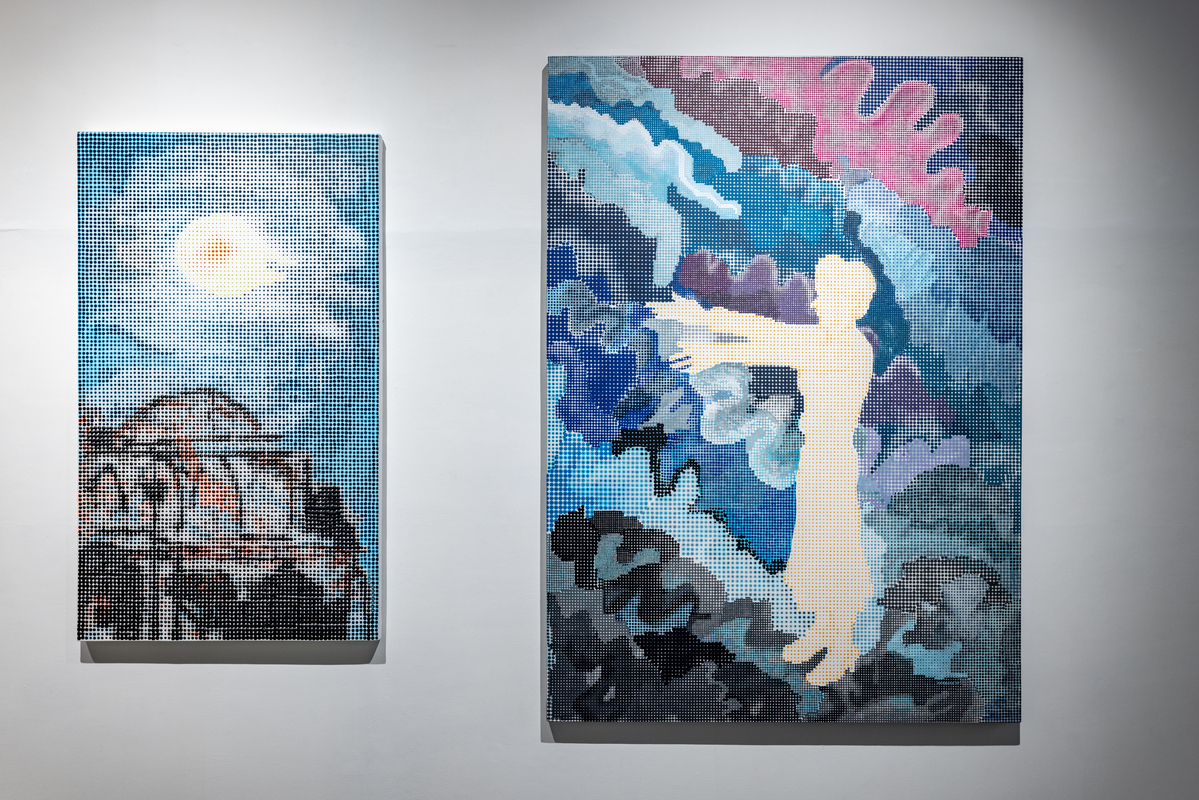
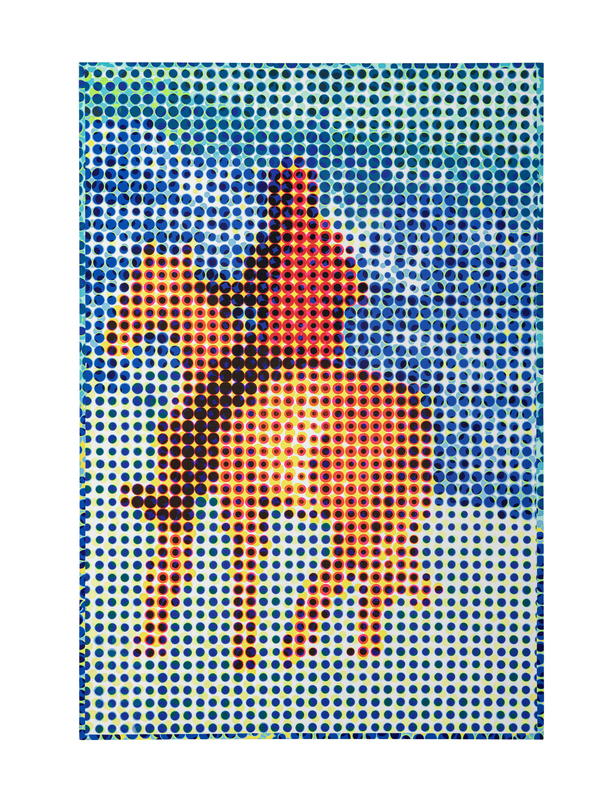
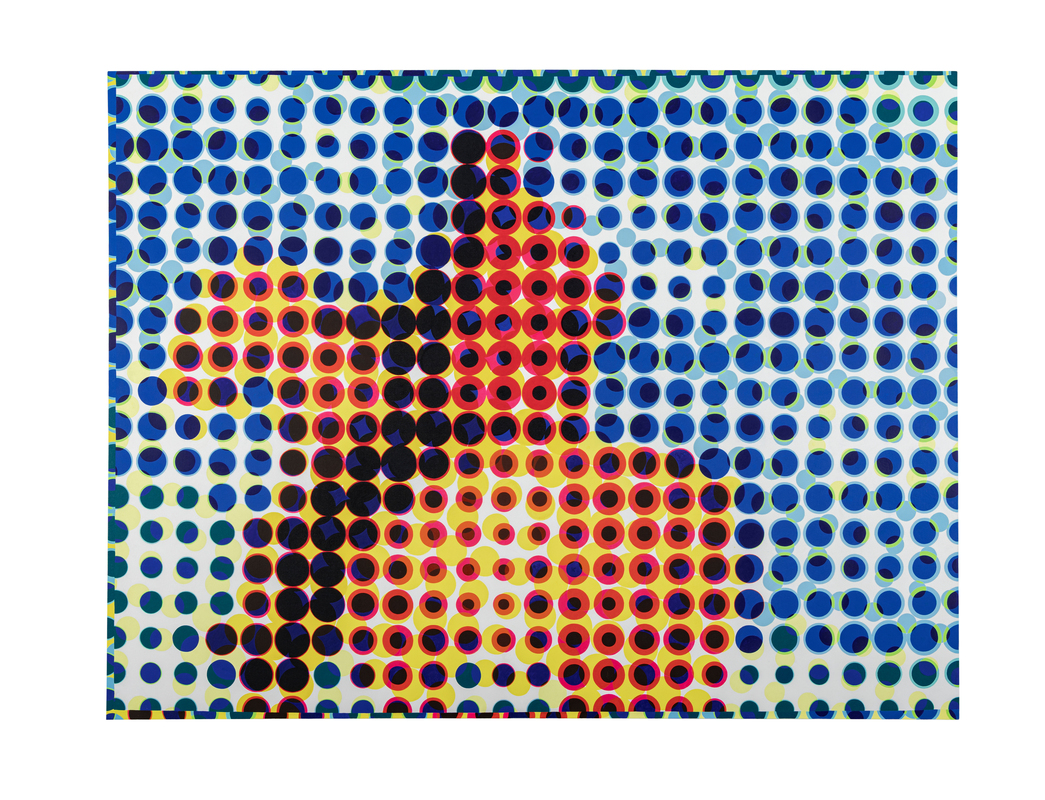
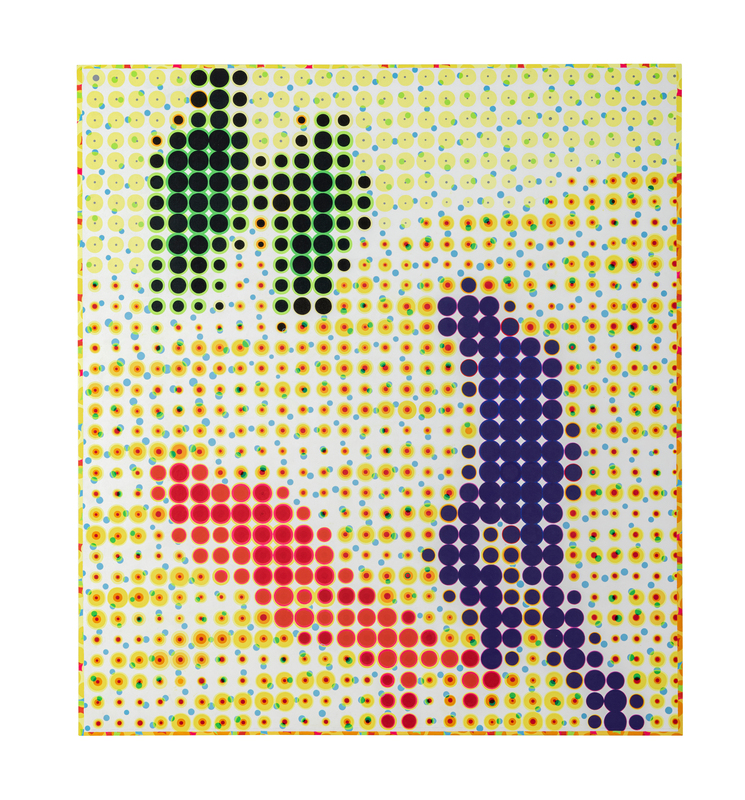
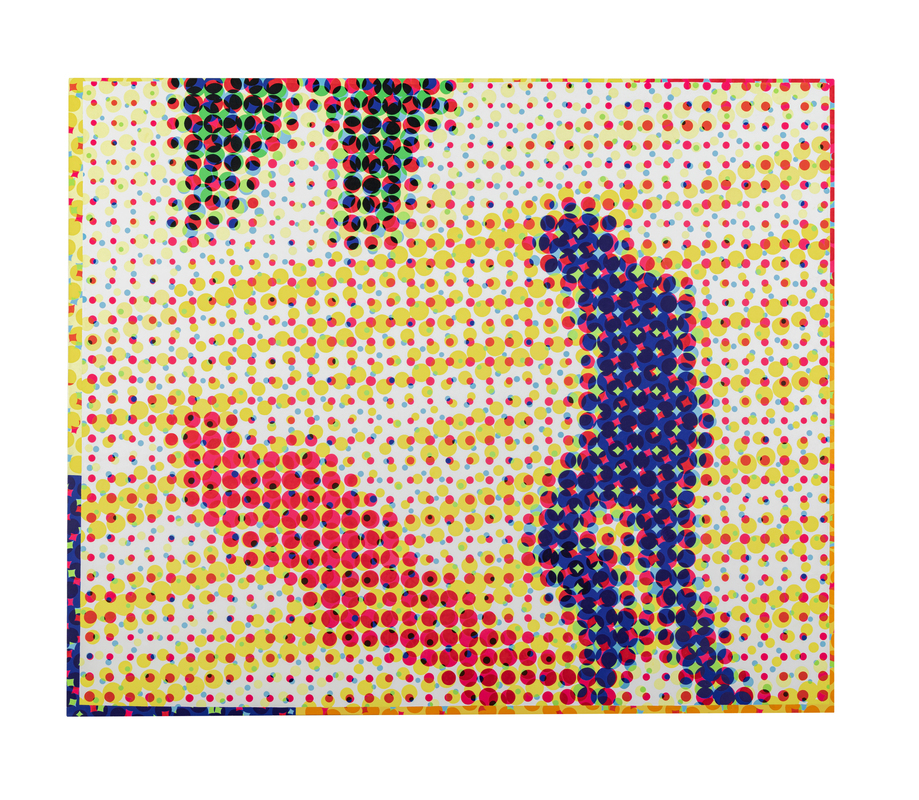
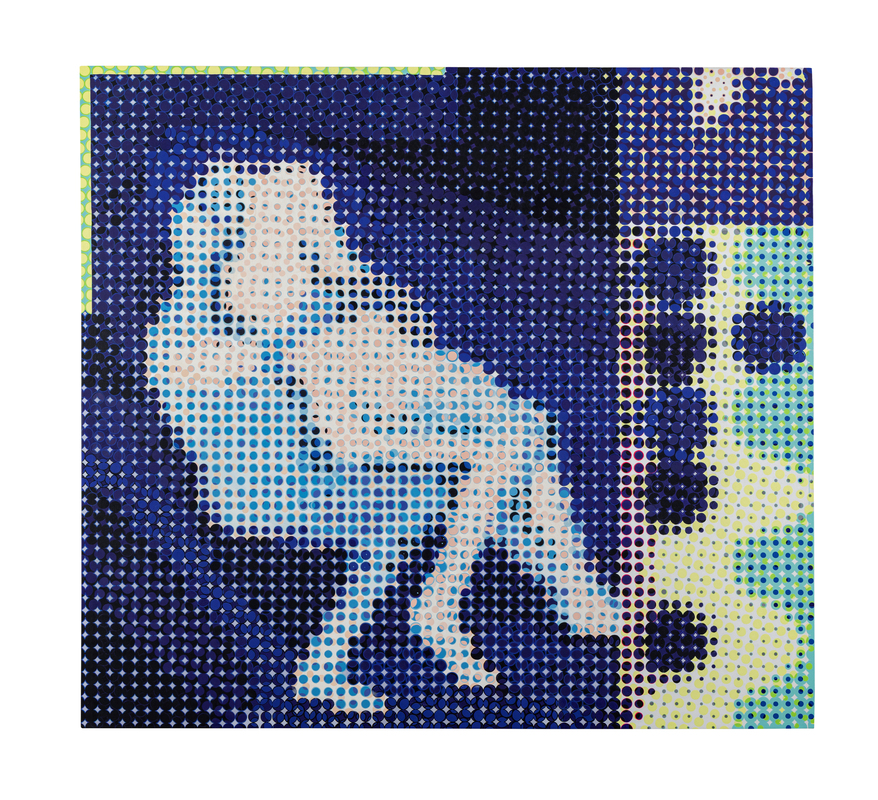
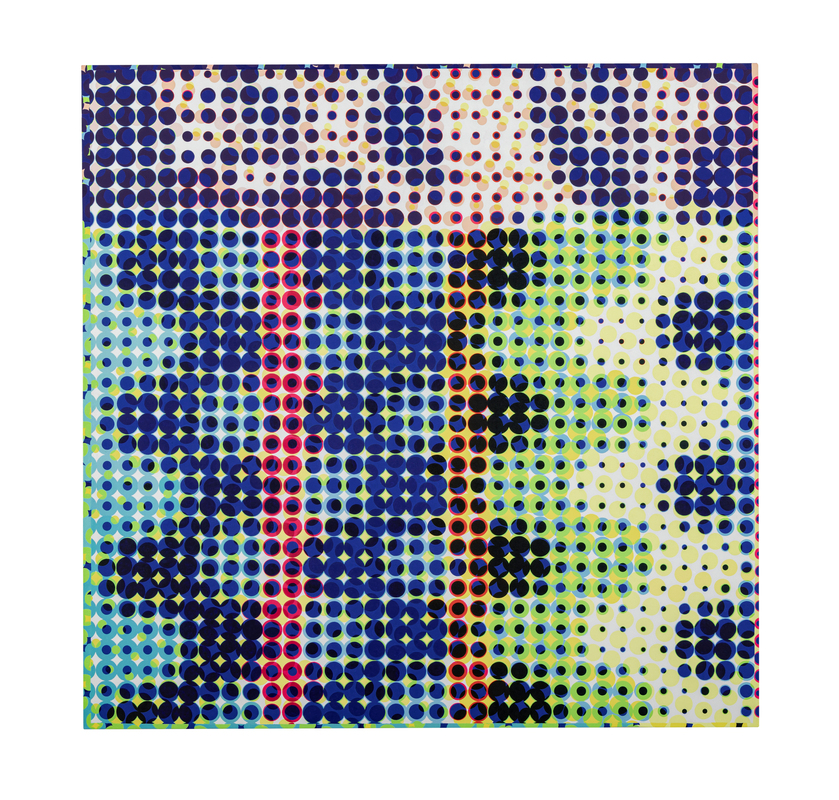
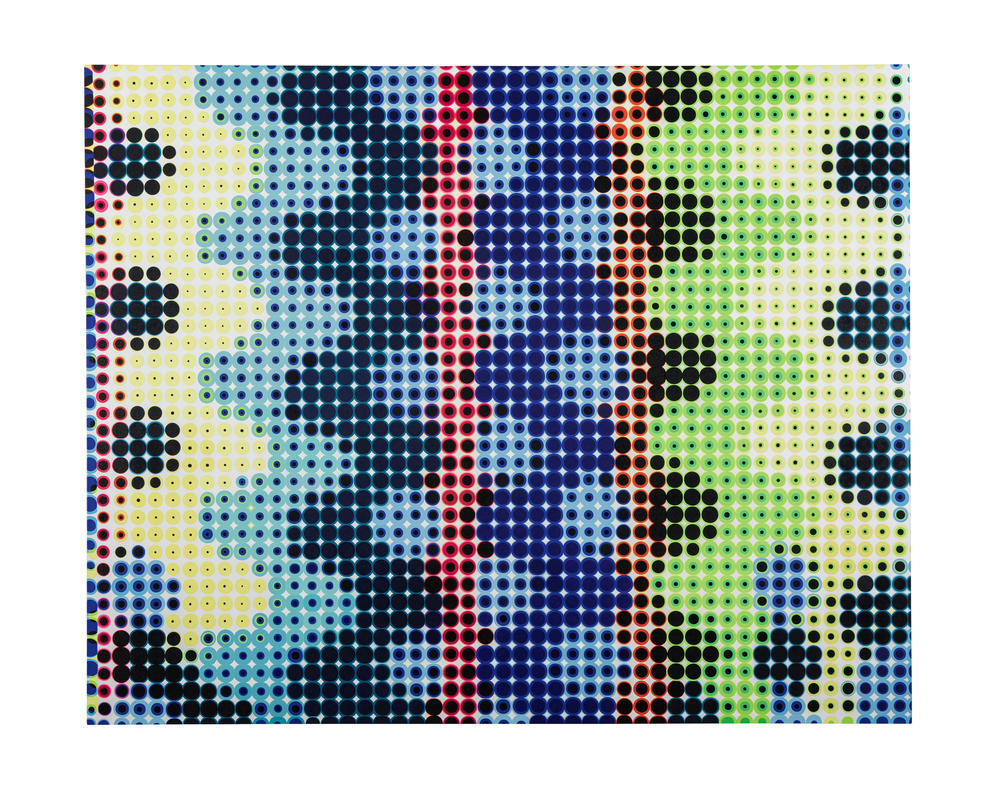
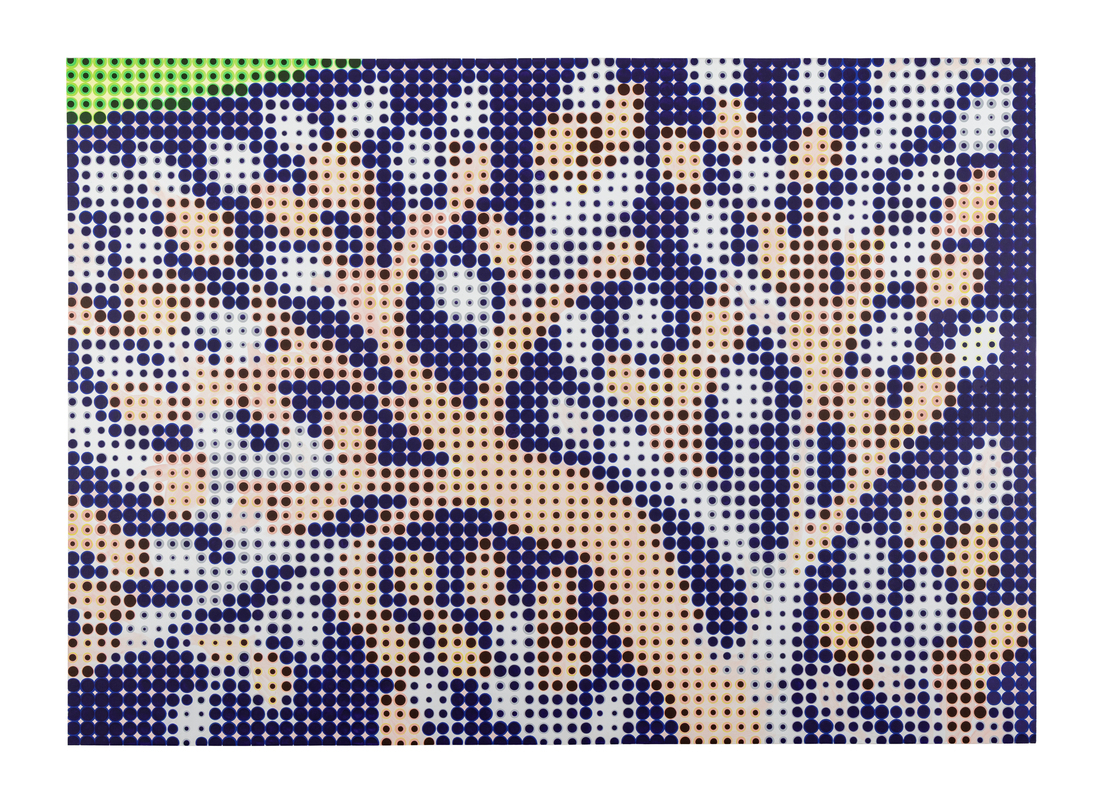
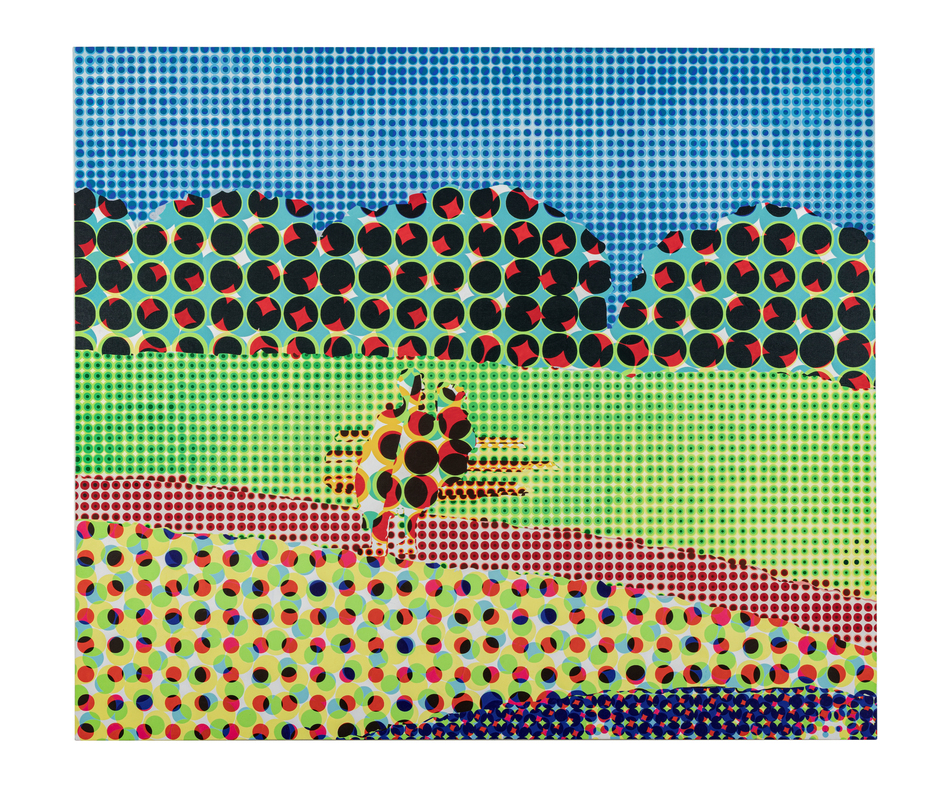
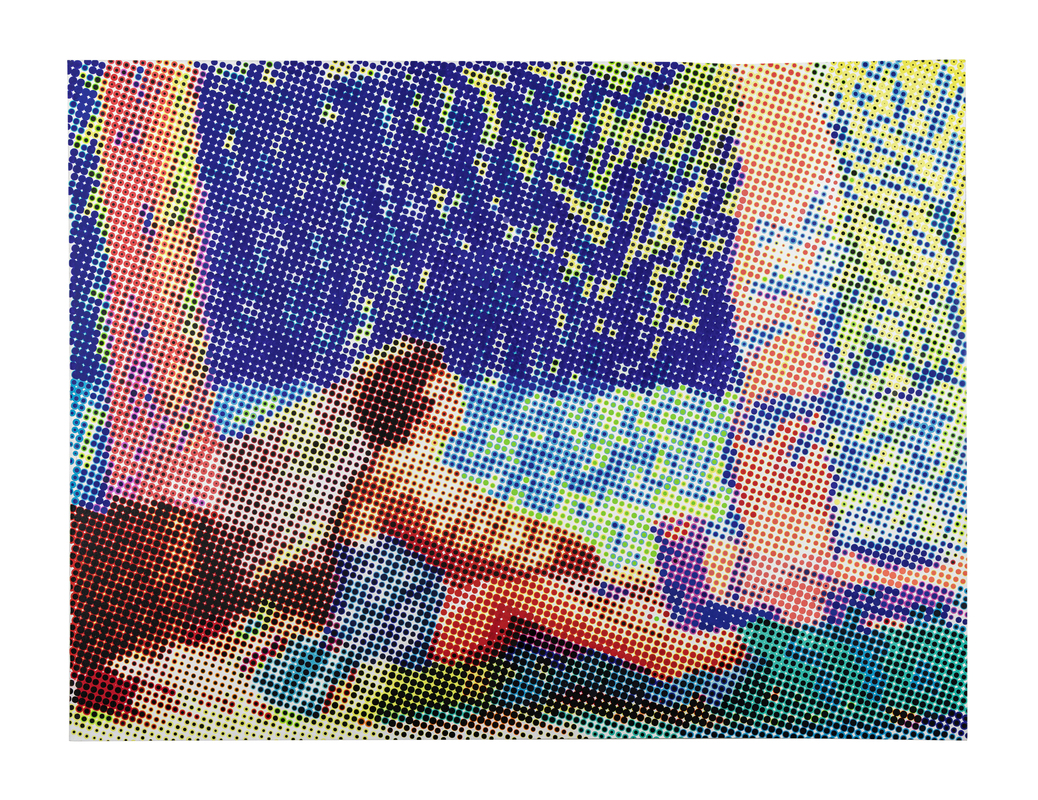
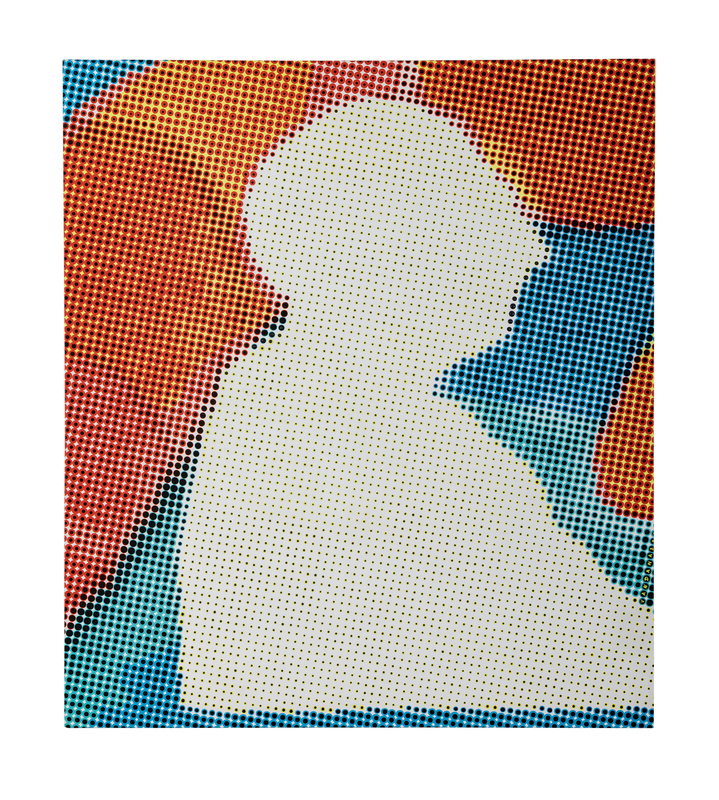
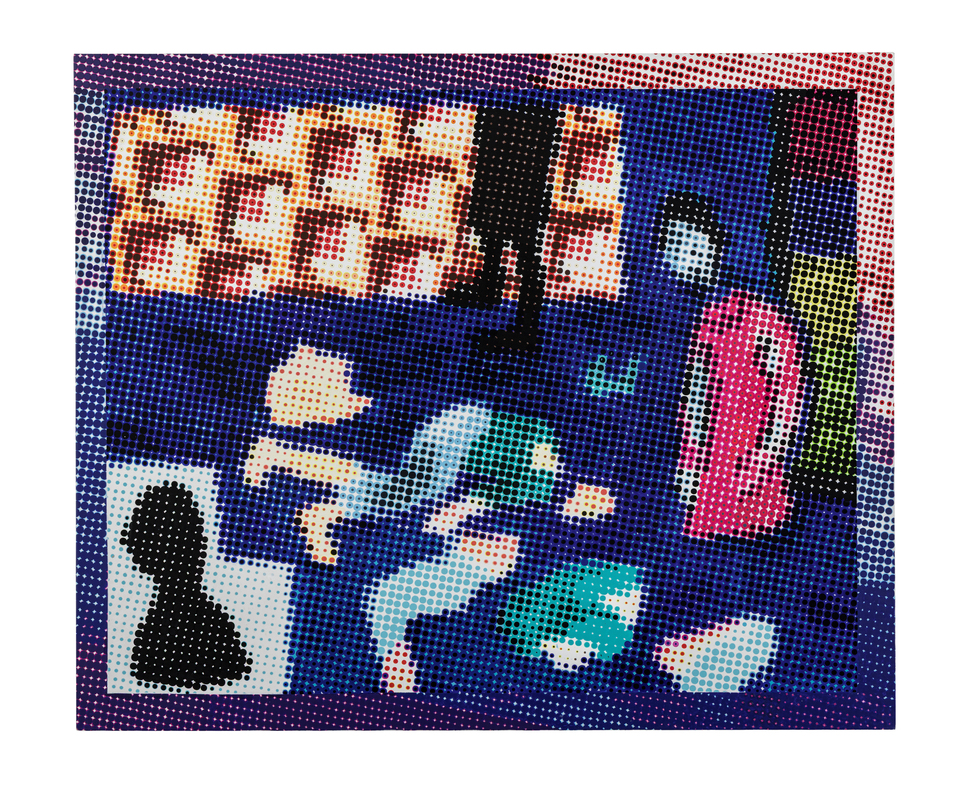
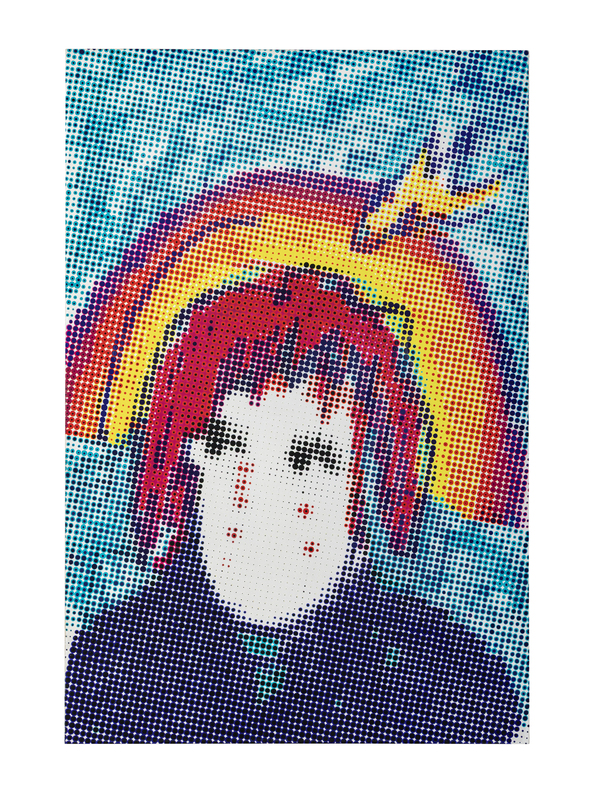
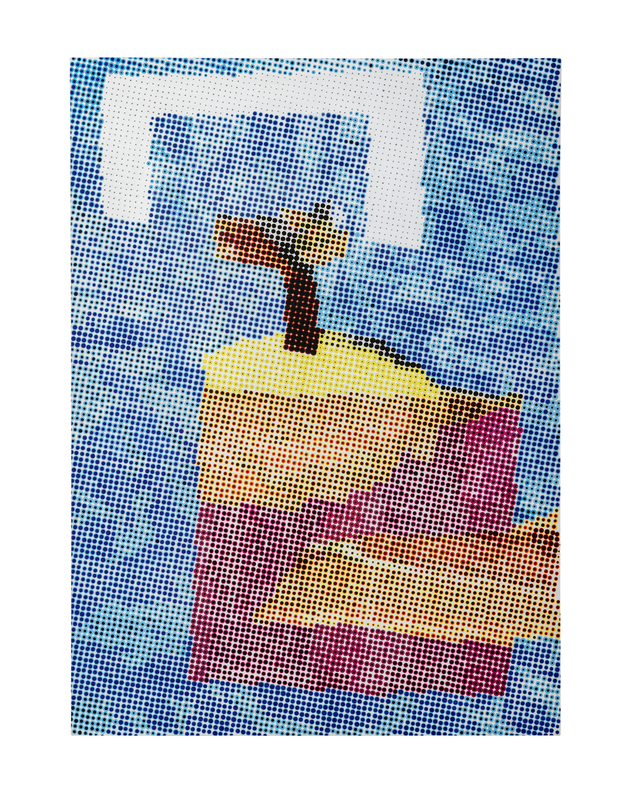
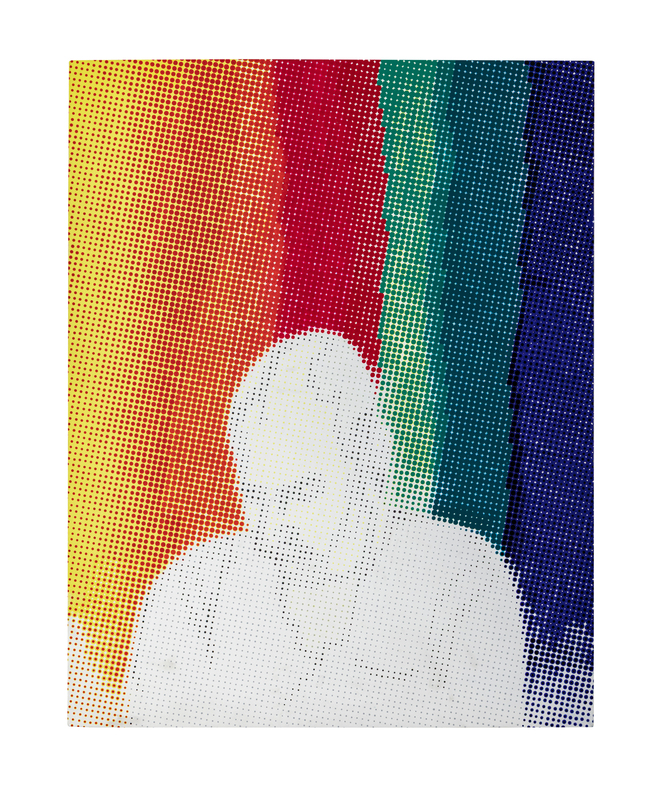
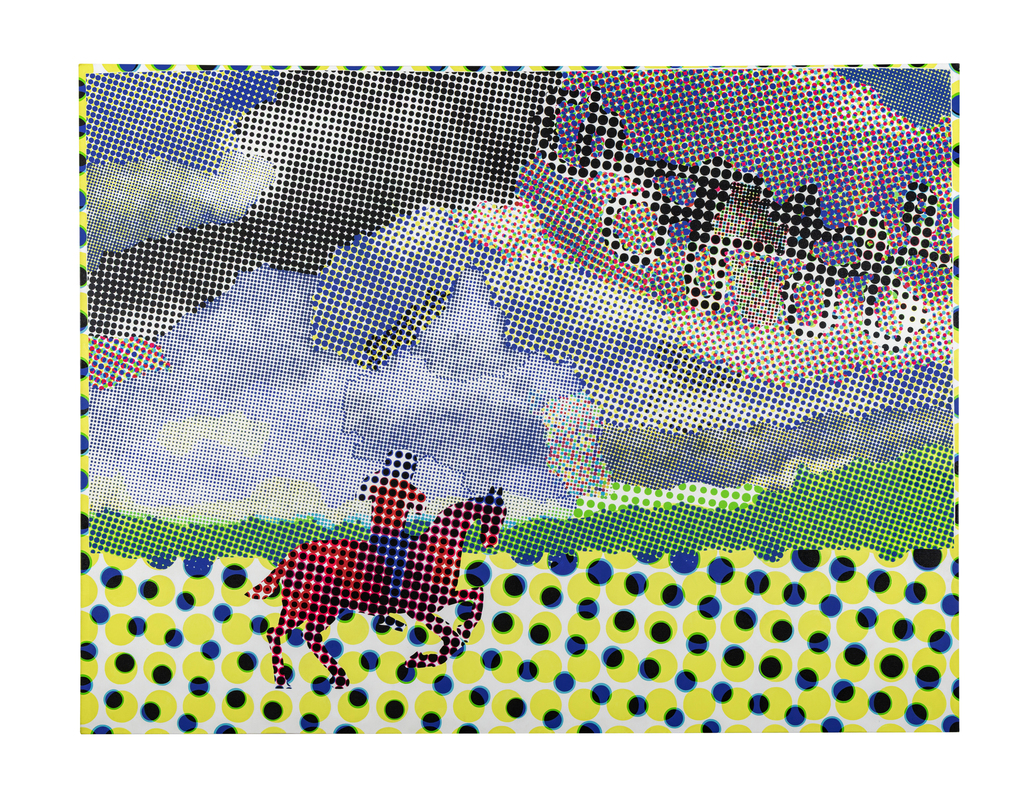
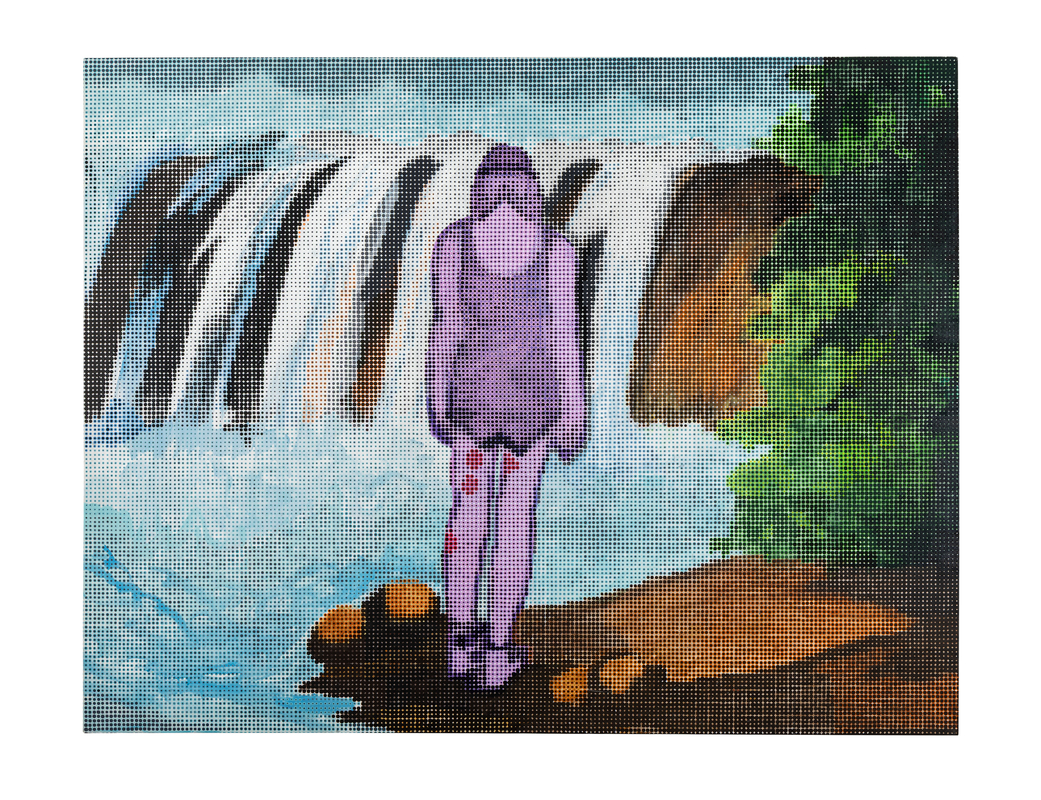
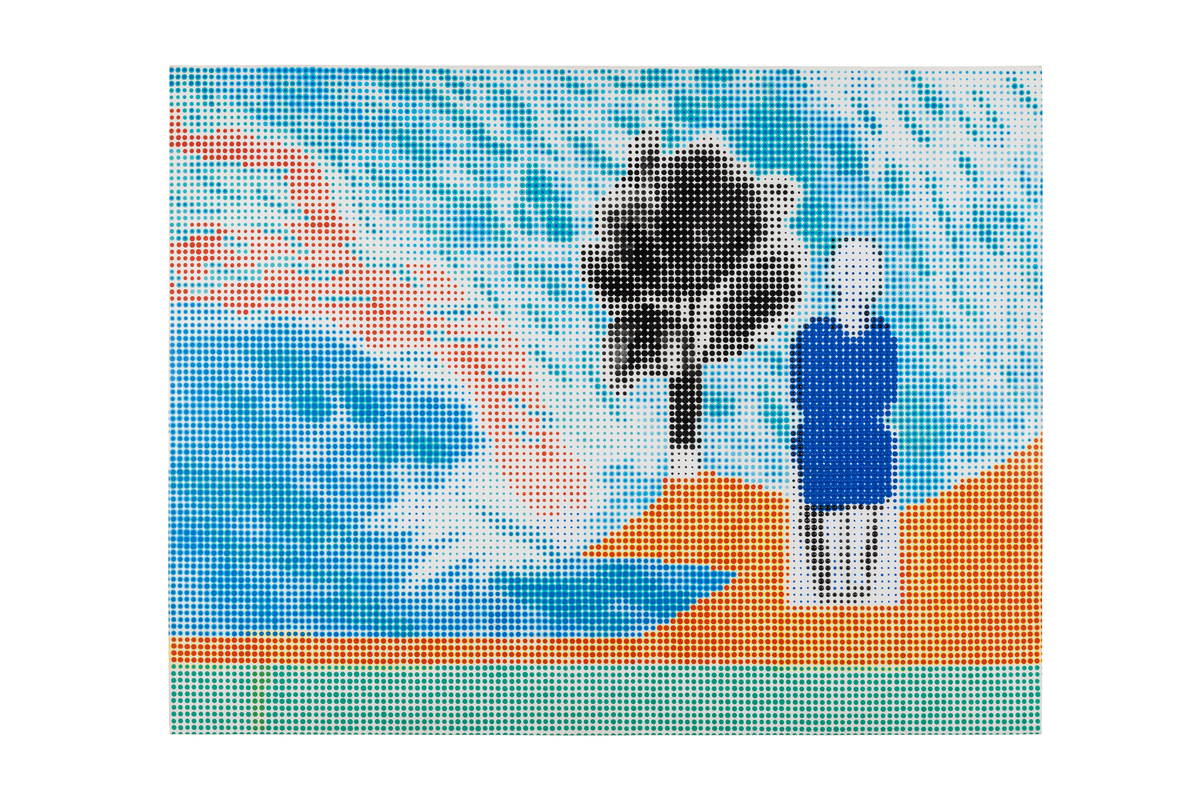
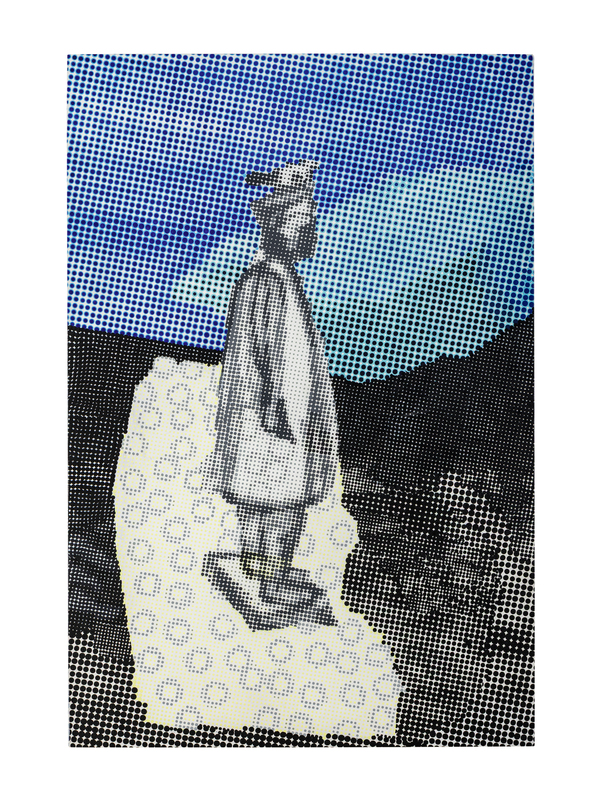
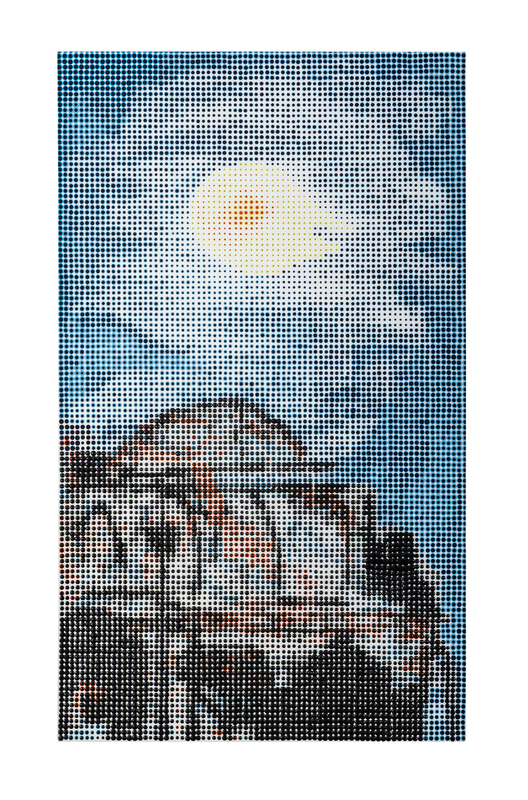
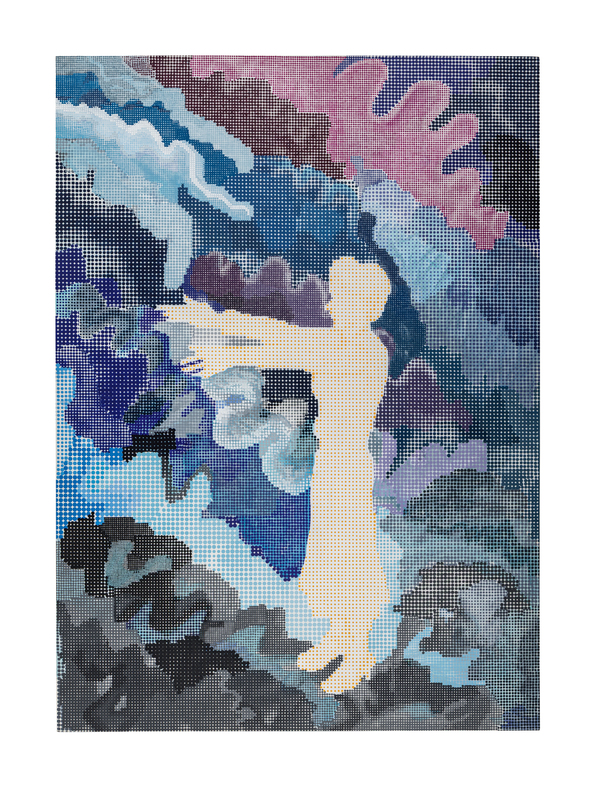
Vandana Kothari’s artistic practice emerges through a sustained engagement with the emotional and perceptual dimensions of time and space, building a deeply personal visual language that is nonetheless in conversation with broader art historical lineages. Her work is inspired by the philosophies of Benode Behari Mukherjee and Nandalal Bose, whose approaches to modernism were grounded in the abstraction of lived experience. Like them, Kothari approaches painting not as a site for mimetic representation, but as a space where perception, memory, and emotion are translated into form. Her compositions originate from intimate, embodied encounters such as motherhood, urban solitude, and domestic routines but are rendered through an abstract vocabulary. Her painterly language, built from the layering of circles of different sizes and colors, references a variety of art historical genres, from Impressionism and Pointilism to Pop Art and to the present day experiments with digital graphics and Artificial Intelligence.
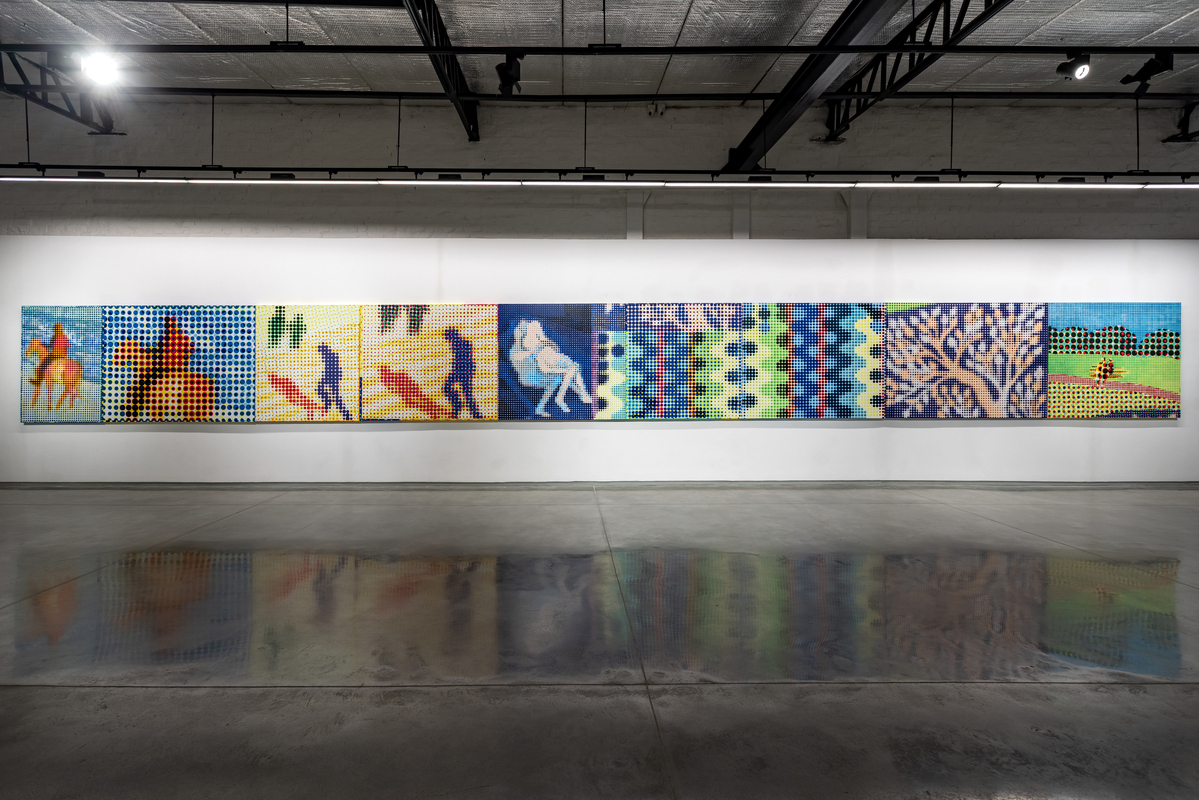
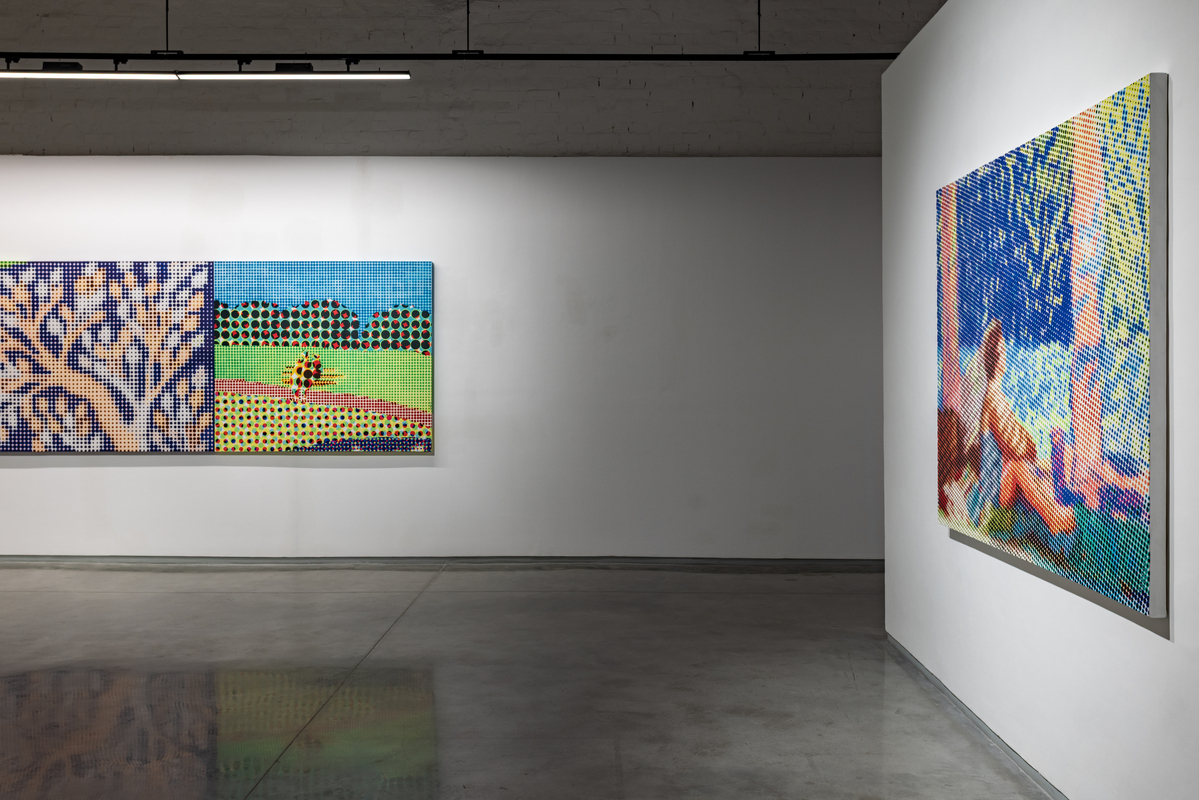
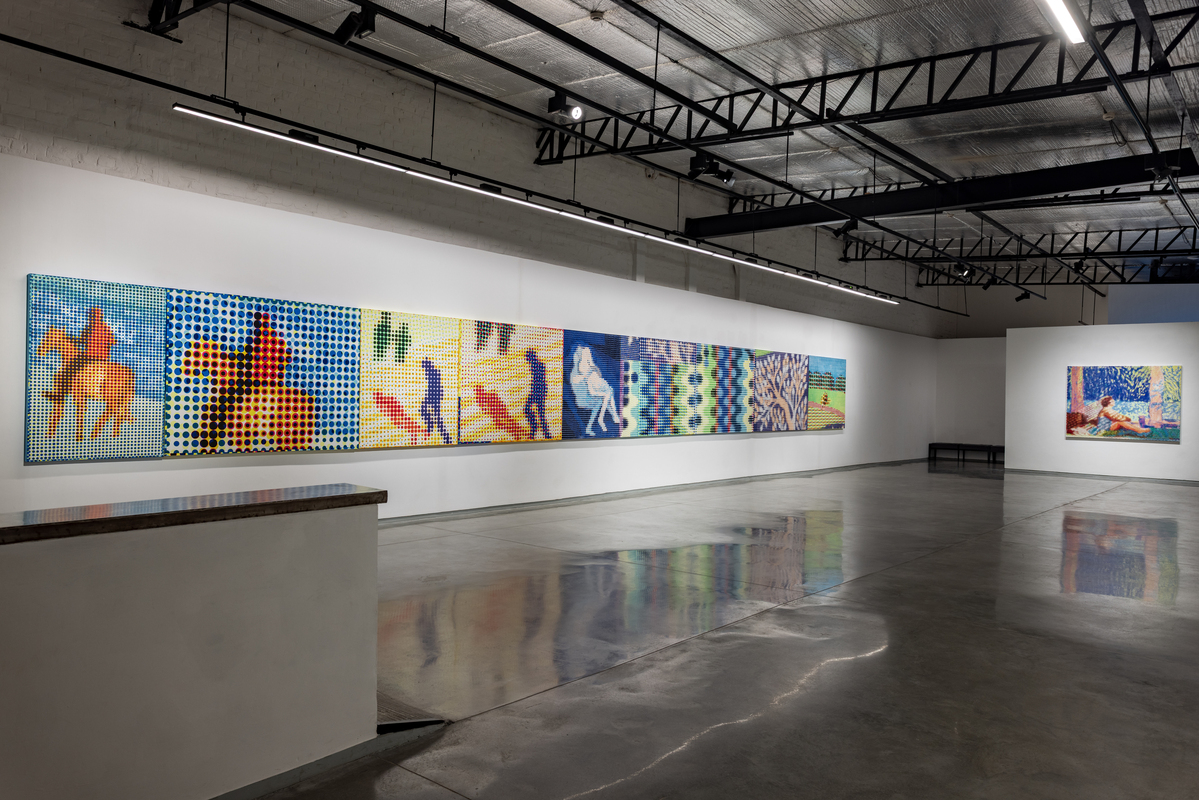
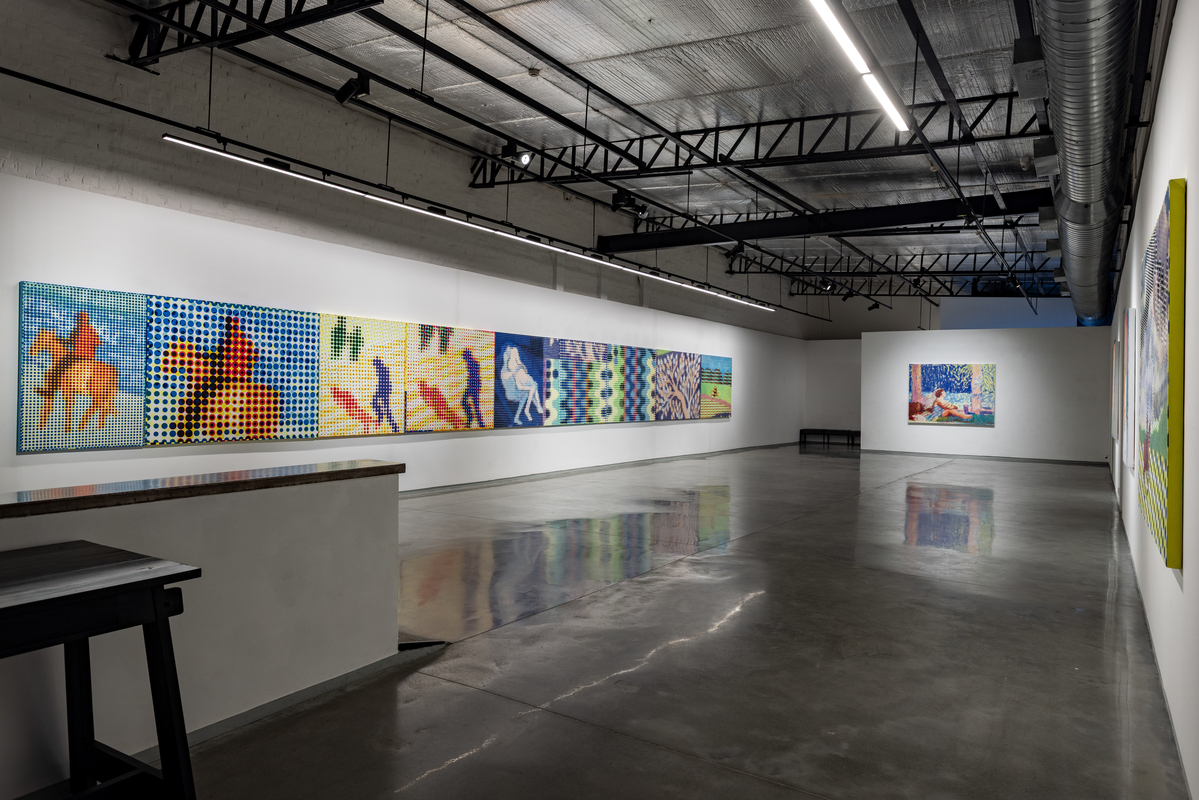
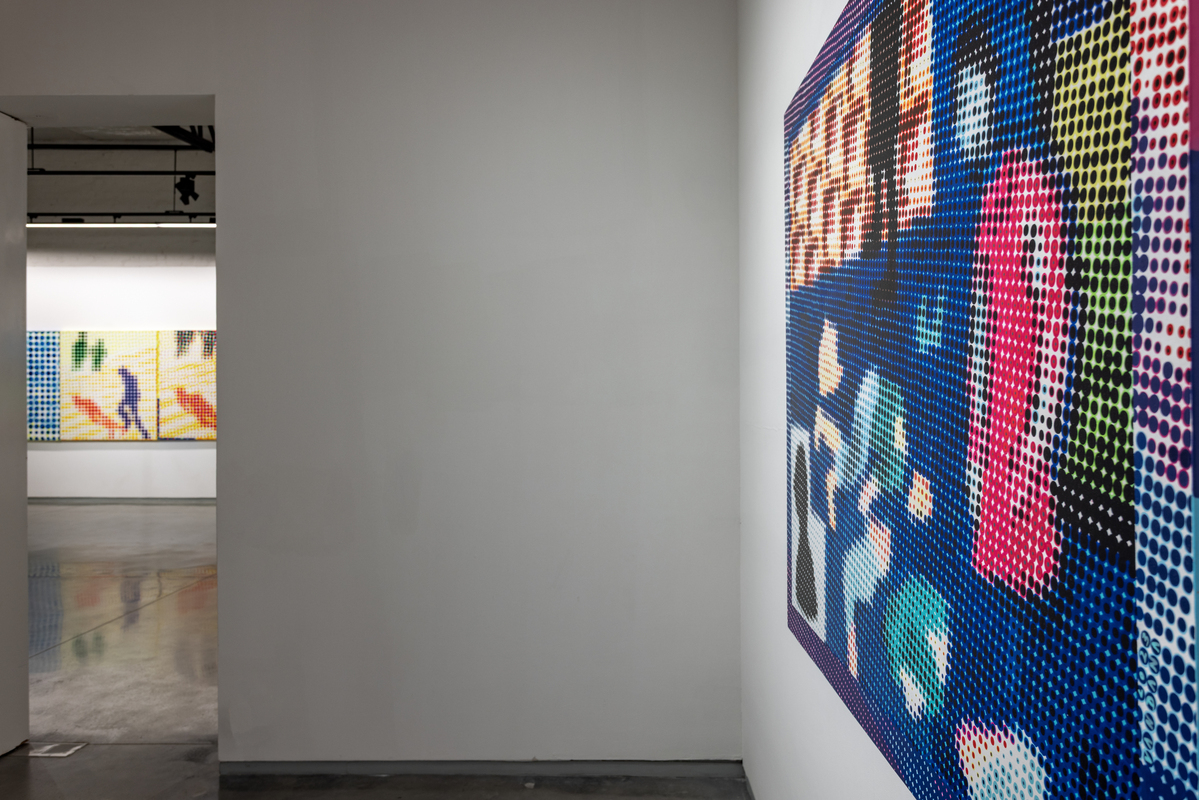
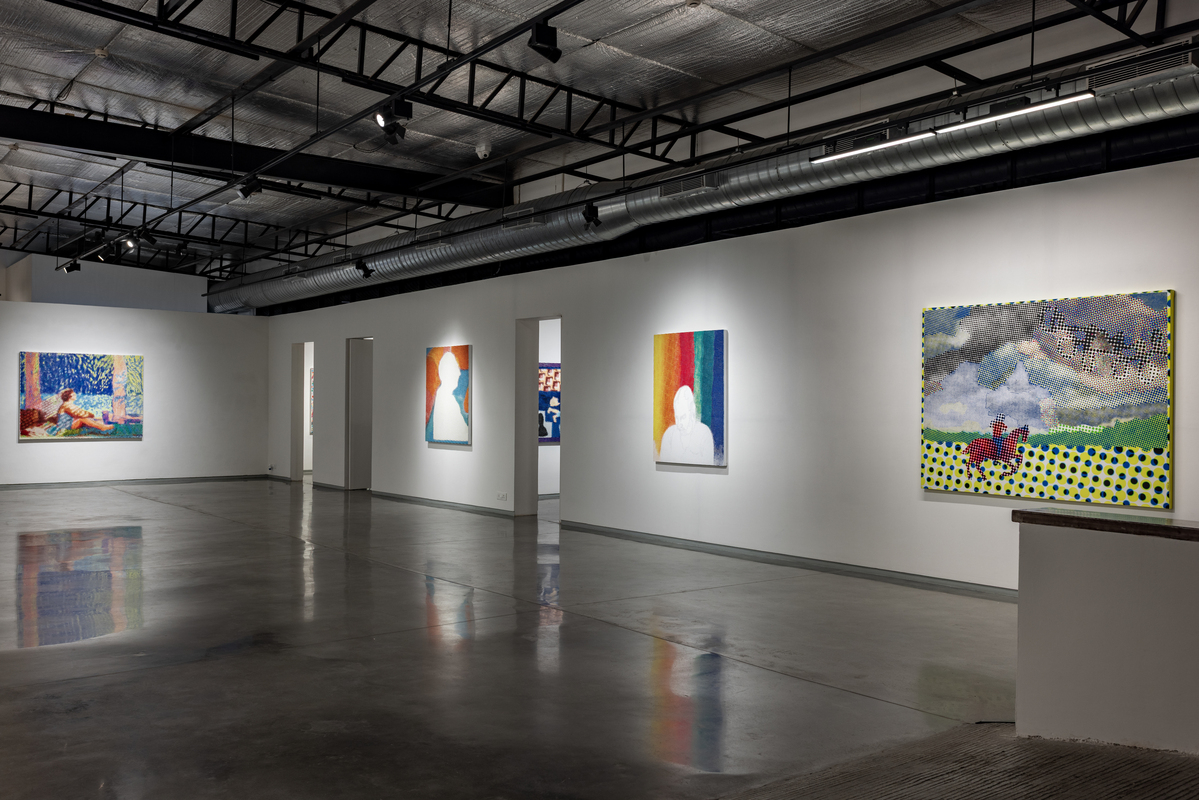
The centerpiece of the exhibition is a monumental painting measuring 5 x 50 feet (1.5 x 15 meters), constructed from nine panels. Drawing from the mural and scroll traditions explored by Benode Behari Mukherjee and Nandalal Bose, this work combines both scenic and historical themes, creating a deeply personal and intimate narrative. Like the murals of Ajanta, where the emotional, the everyday, and the cosmic fluidly coexist, this work becomes a space where private experience is given the scale and presence of the epic, reframed in a contemporary visual language.
Kothari’s first solo exhibition (“All Colors Will Agree in the Dark,” October/November 2022) was staged when the artist was eight months pregnant. Two and a half years later, her second solo marks not only an artistic evolution but the psychic and physical transformations that accompany motherhood. The experience of pregnancy and giving birth, of witnessing a life form emerge from something invisible yet visceral, has profoundly shaped this body of work. The cyclical rhythms of growth and decay, previously only conceptual, have become lived realities. Watching a child learn to walk, speak, feel, and desire has cast a new light on the continuum of human experience: from intangible seed to articulated self, from peak vitality to eventual dissolution. This profound awareness of biological time is central to the emotional undercurrent of “We Are All Circles.”
In contrast to earlier works, where complete circular forms were positioned next to each other in precise, machine-like configurations, the current compositions are far more fluid and interpenetrating. Circles collide, overlap, and mutate, dissolving the clarity of their outlines in favor of a visual ecosystem where form and meaning are in constant flux. This transformation parallels the ways in which emotions, memories, relationships, and events are rarely experienced in isolation but rather in intricate entanglement.
Artworks
Installation Views