

New Delhi
Pushpamala N
The Body Politic Pushpamala N
Pushpamala N.: “The Body Politic”
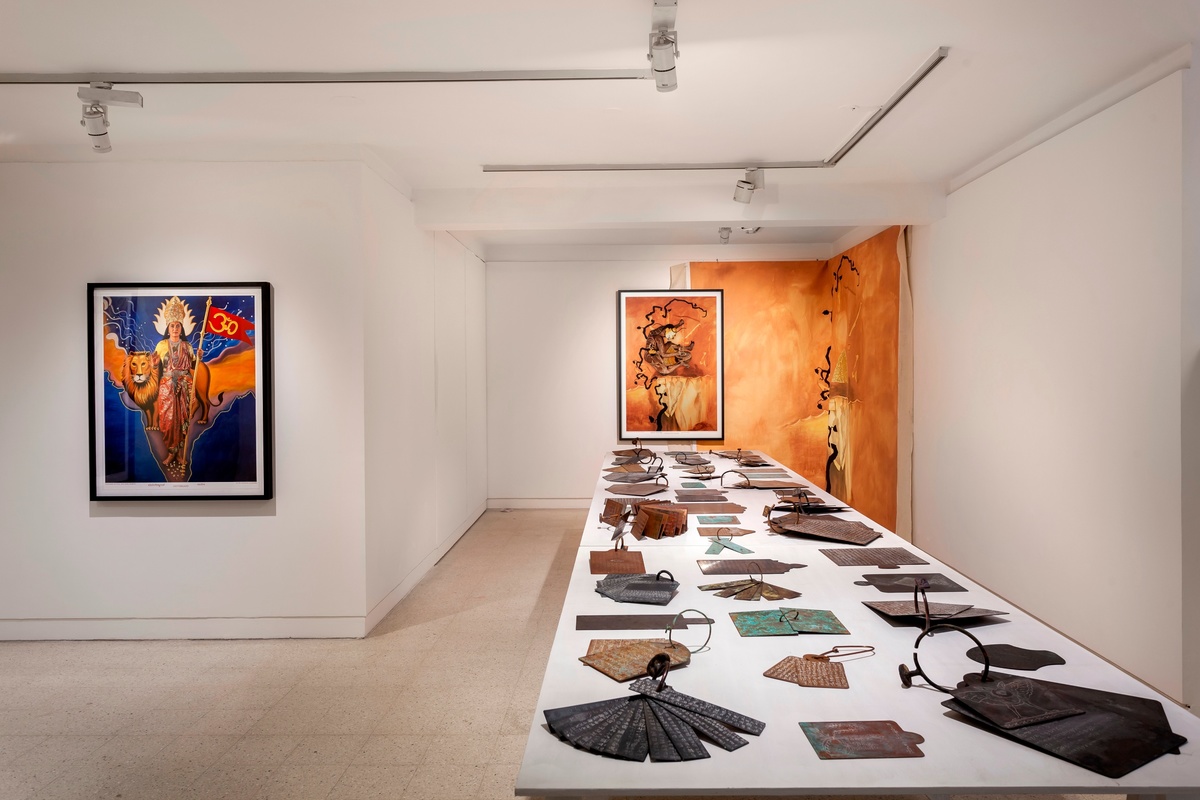
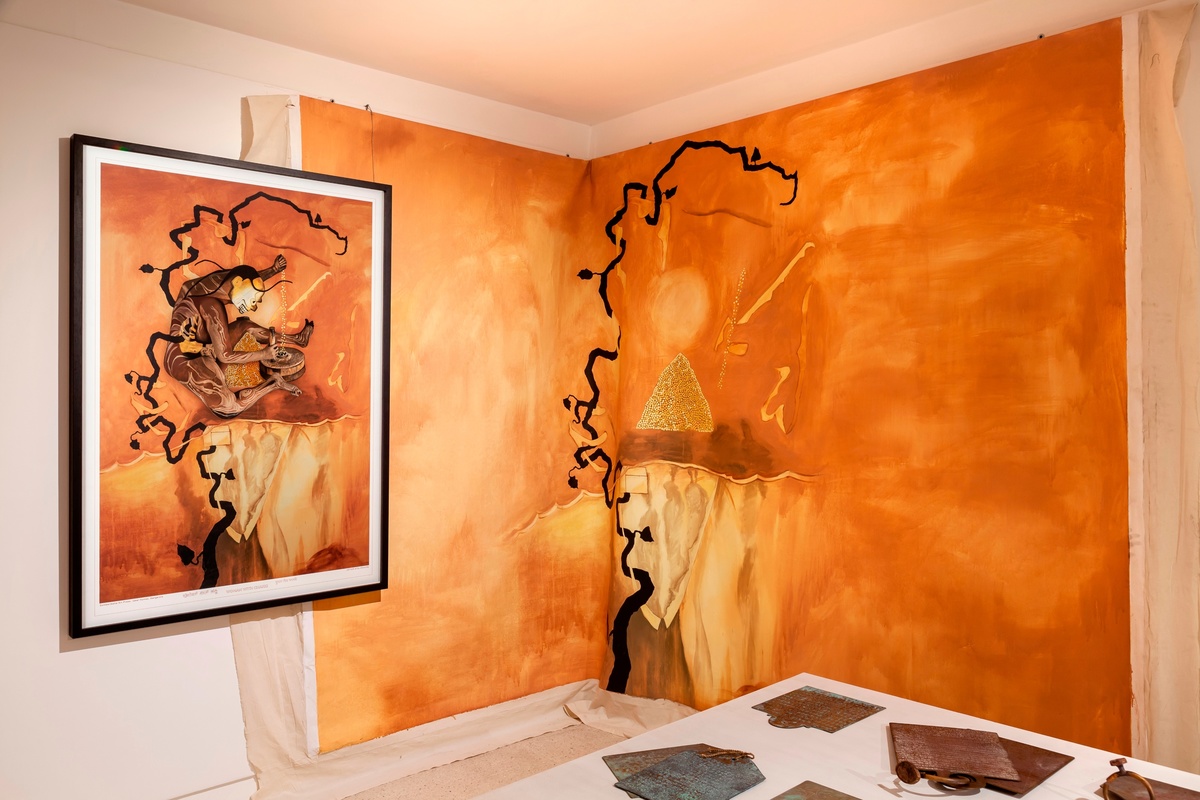
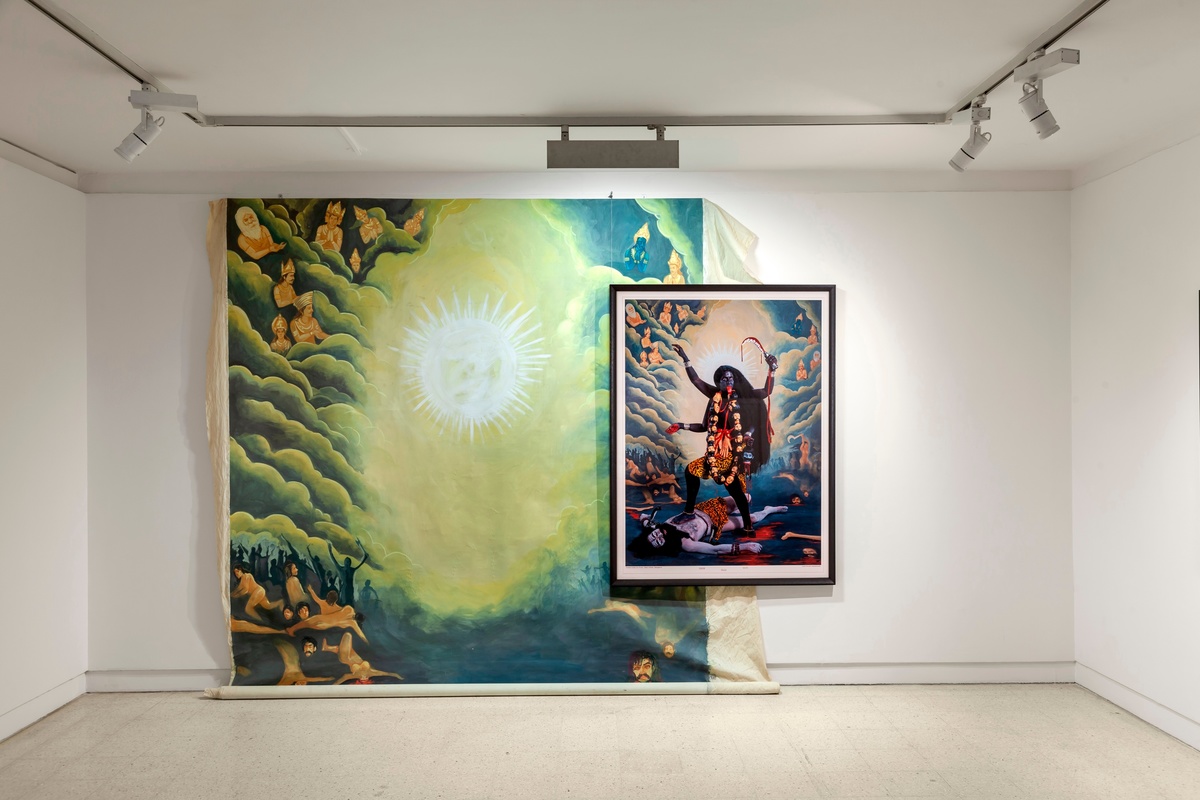
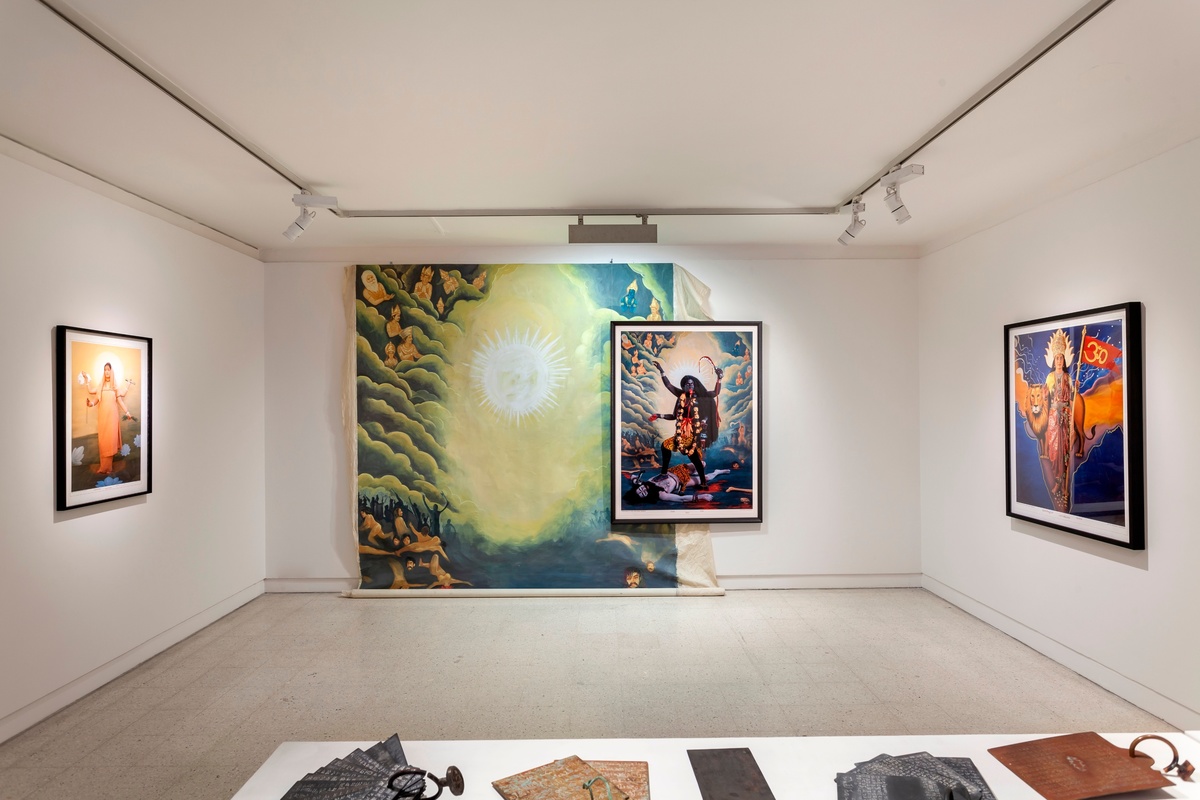
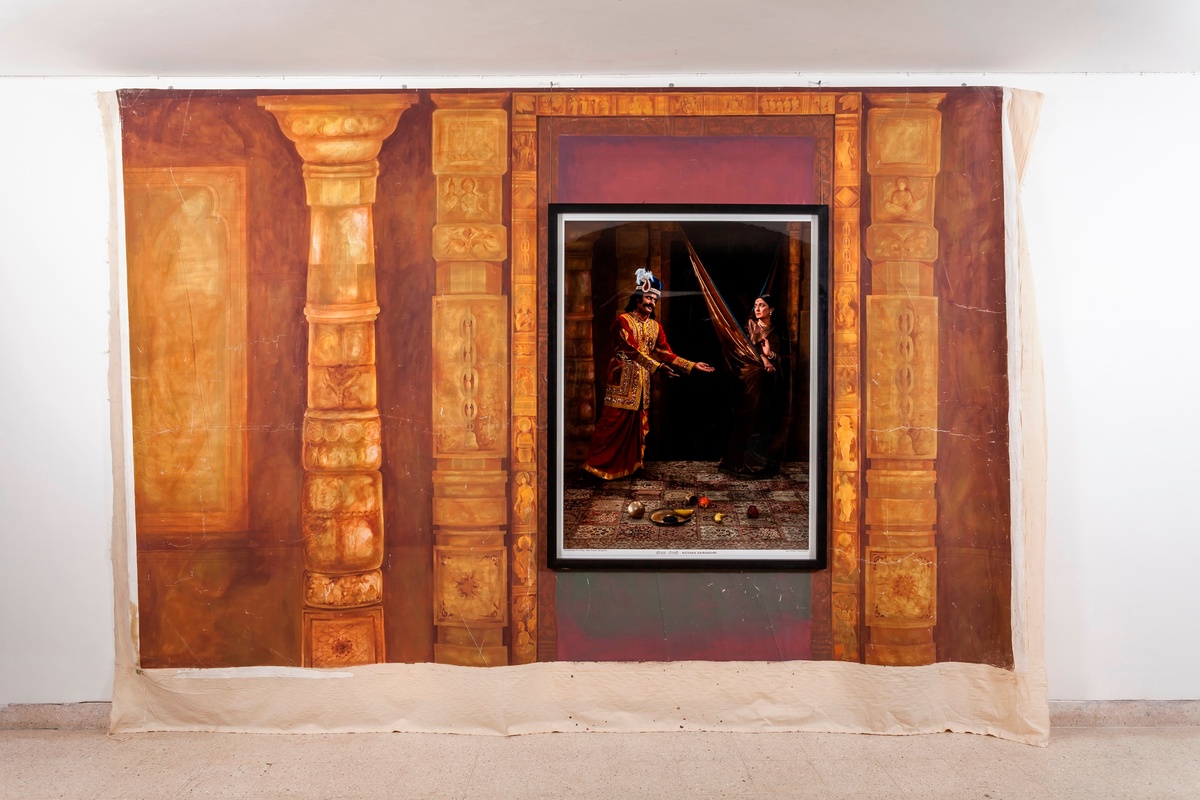
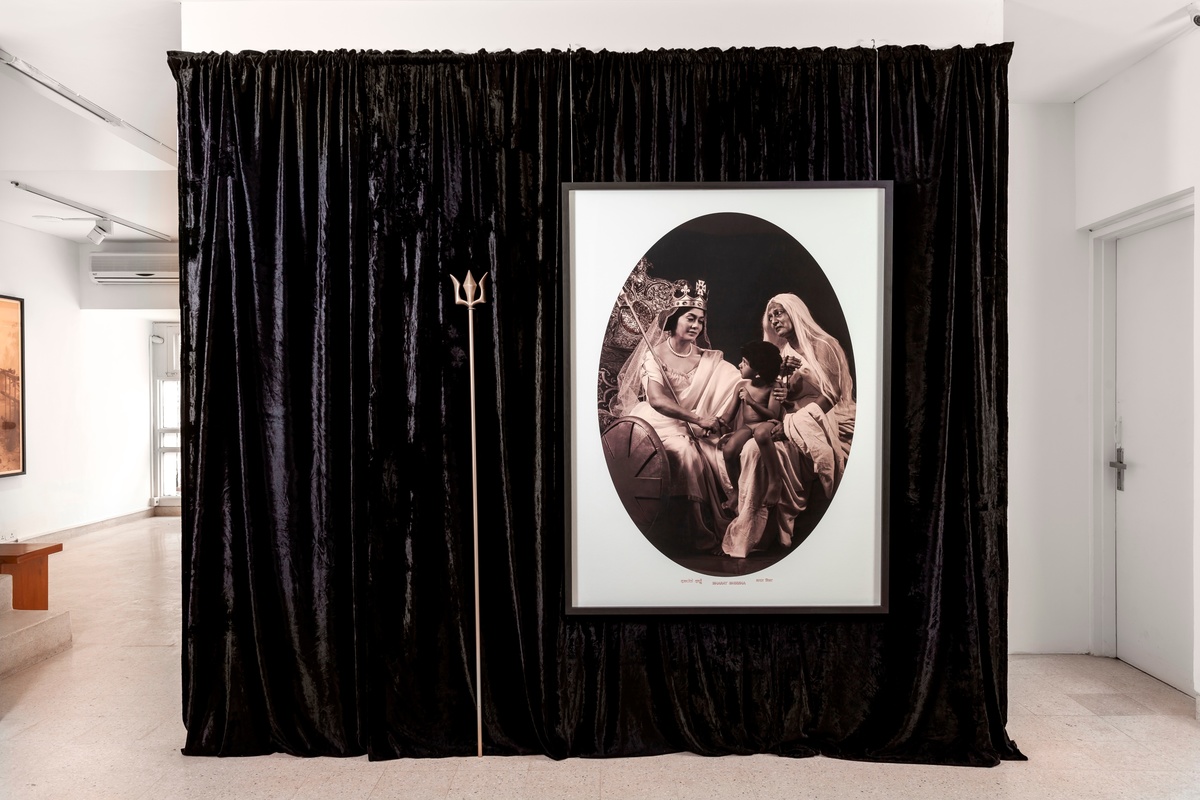
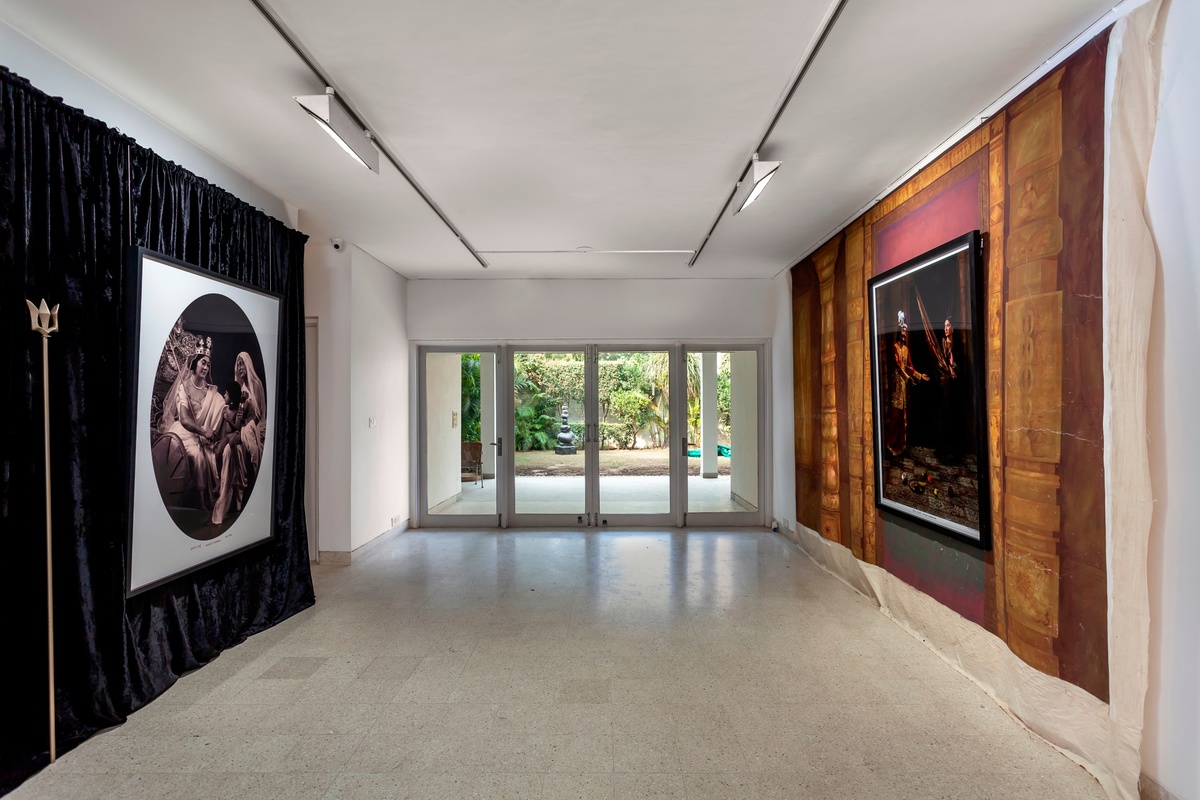
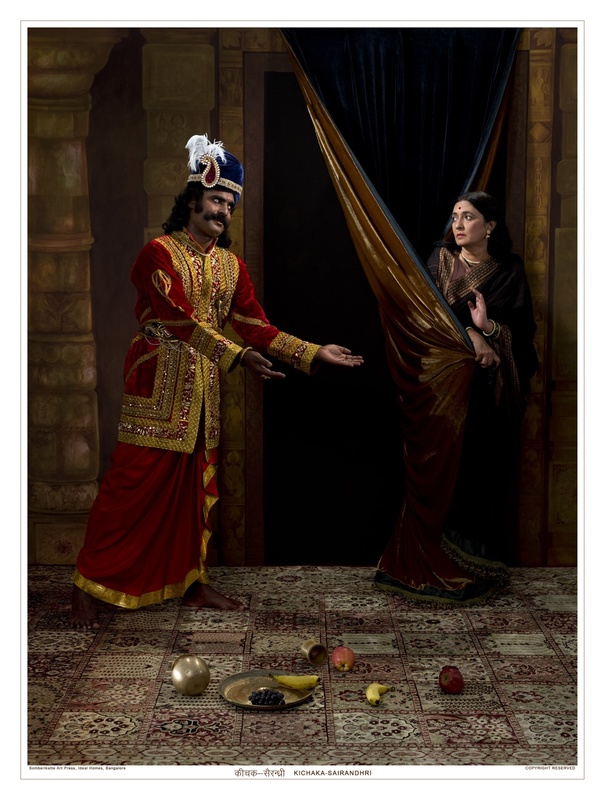
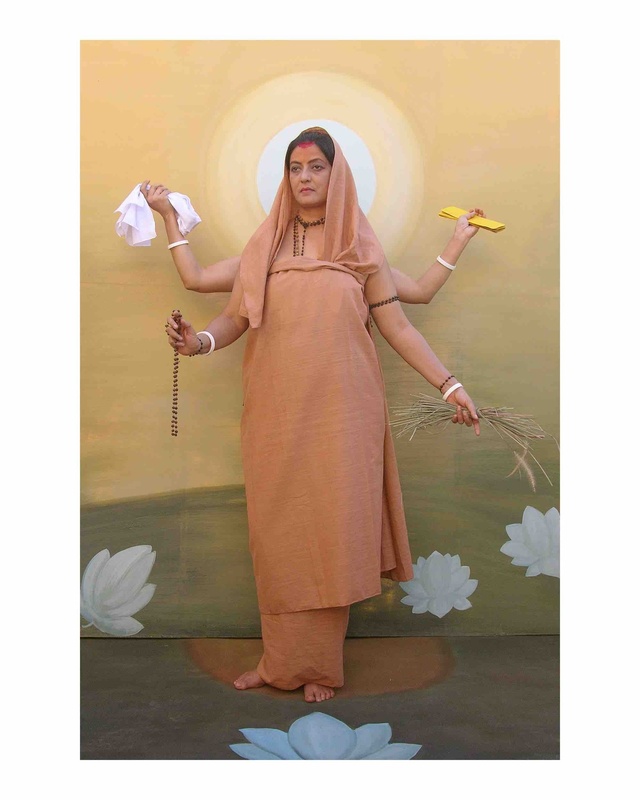
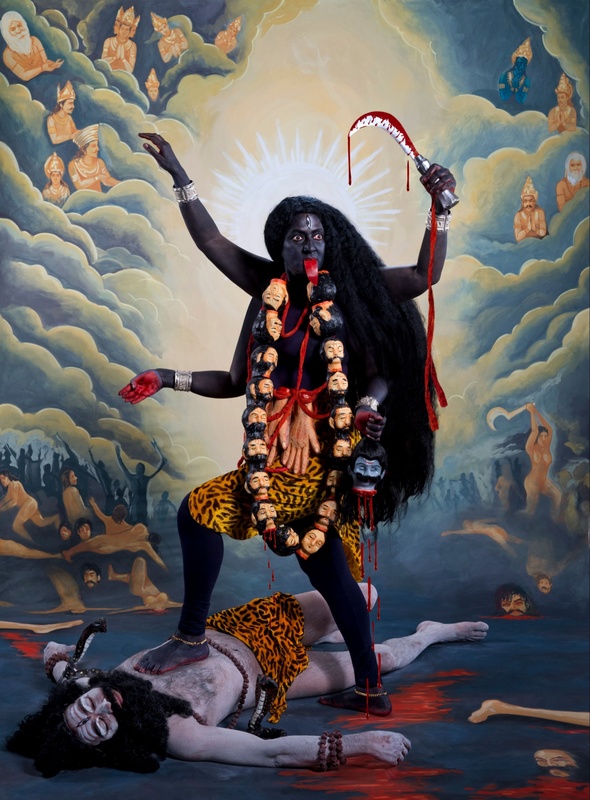
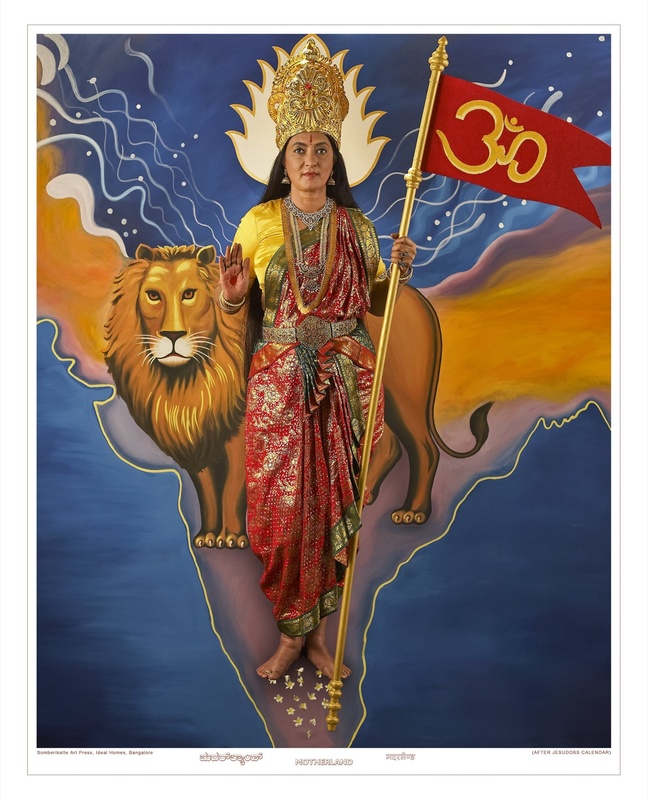
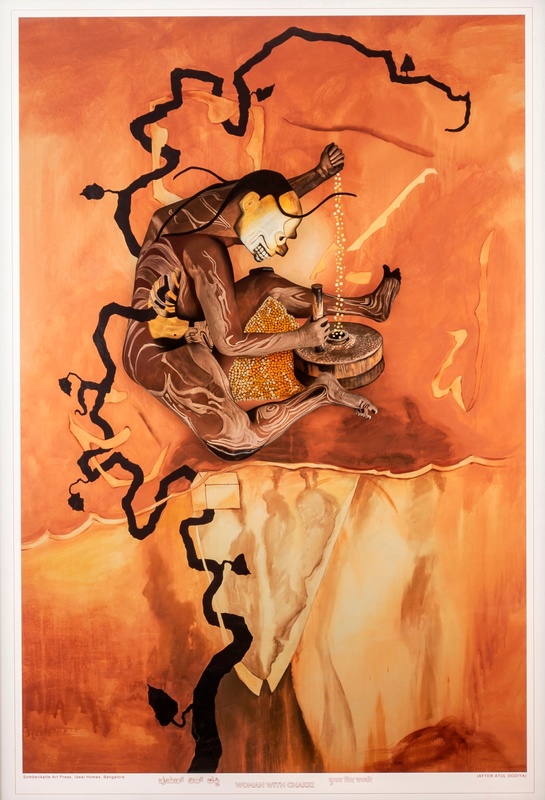
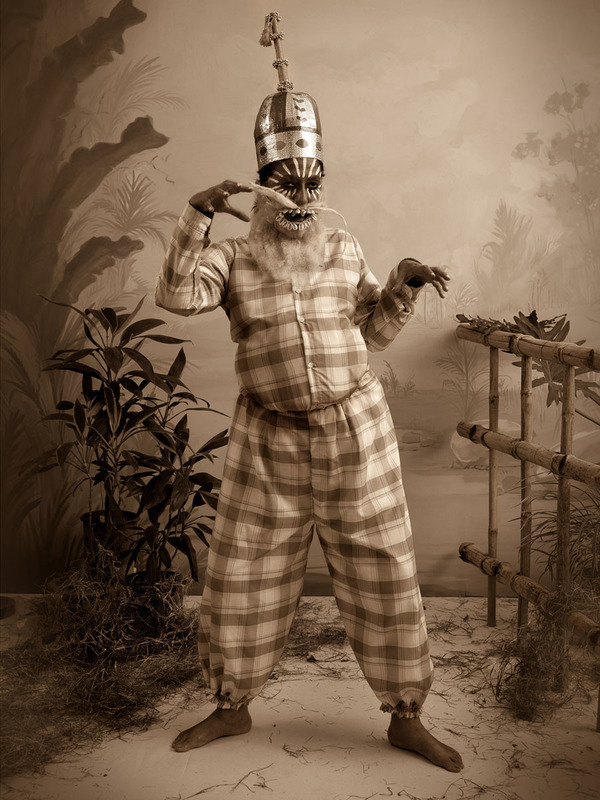
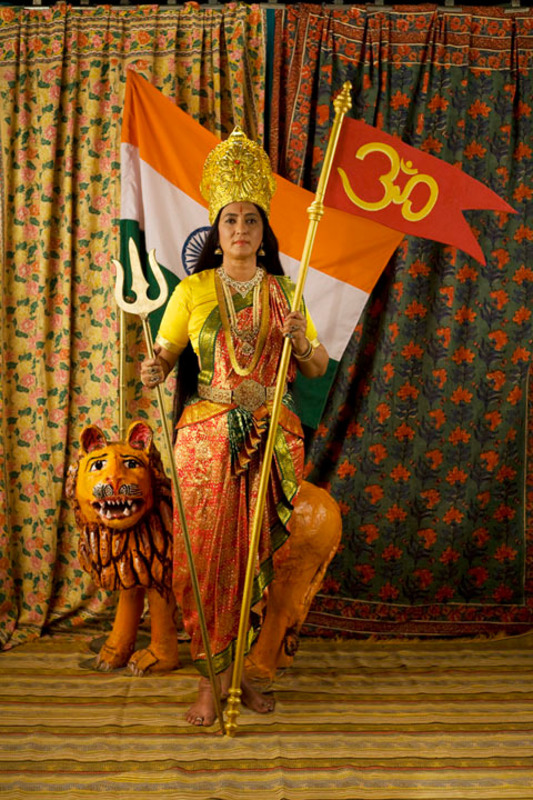
Nature Morte is pleased to present the fourth solo show of works by Pushpamala N. that we are hosting in New Delhi.The works on display will include photographs, videos and sculptures, with most resulting from the artist’s chosen practice of “photo performance,” in which previously existing images are painstakingly re-created for the camera, with the artist herself as the protagonist in these elaborate tableaux, chosen for their densely layered iconographies.
In Western political thought, Body Politic is an ancient metaphor by which a state, society or religion and its institutions are conceived of as a biological (usually human) entity. As it is usually applied, the metaphor implies hierarchical leadership and a division of labor, and it carries a strong autocratic or monarchial connotation. The first recorded instance of the Body Politic metaphor appears in the Rigveda (c. 1500 BCE), the oldest of the sacred books of Hinduism. There, the South Asian caste system is explained by comparing the priesthood to the mouth, soldiers to the arms, shepherds to the thighs, and peasants to the feet of humankind. This exhibition, entitled “The Body Politic,” is Pushpamala’s critical investigation into the images of itself on which the nation-state becomes fixated, how notions of the center and the margins, power and control, ideas of purity, and the concept of plurality are manifested and circulated in visual symbols and language.
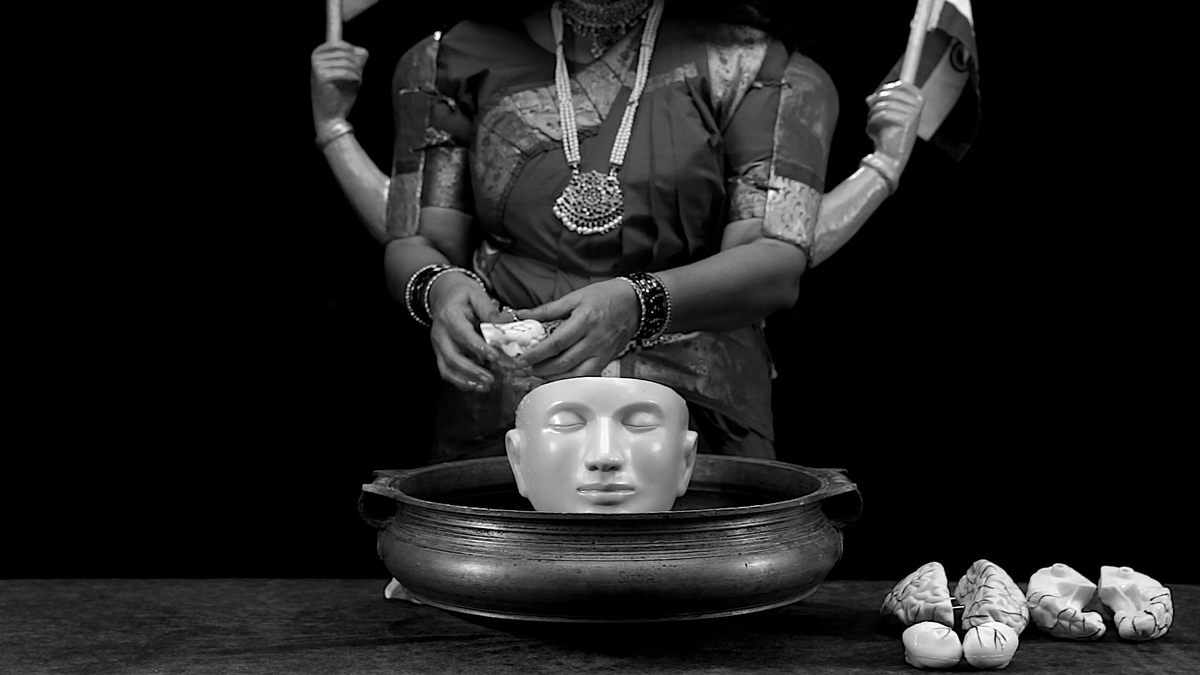
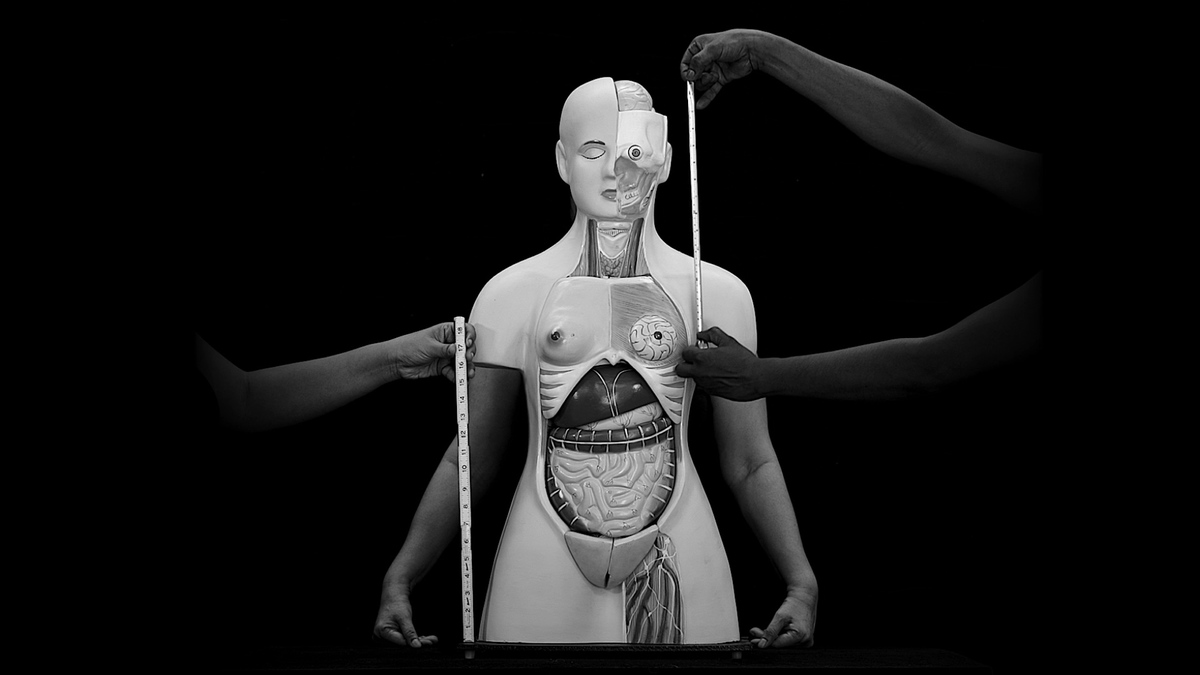
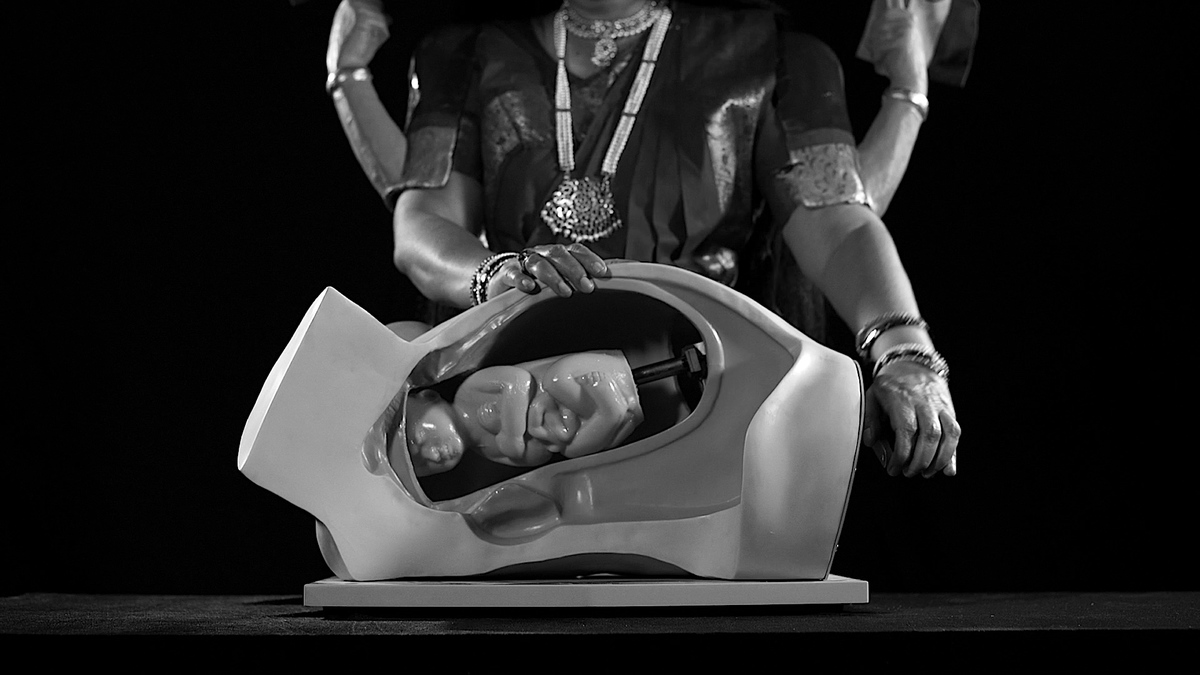
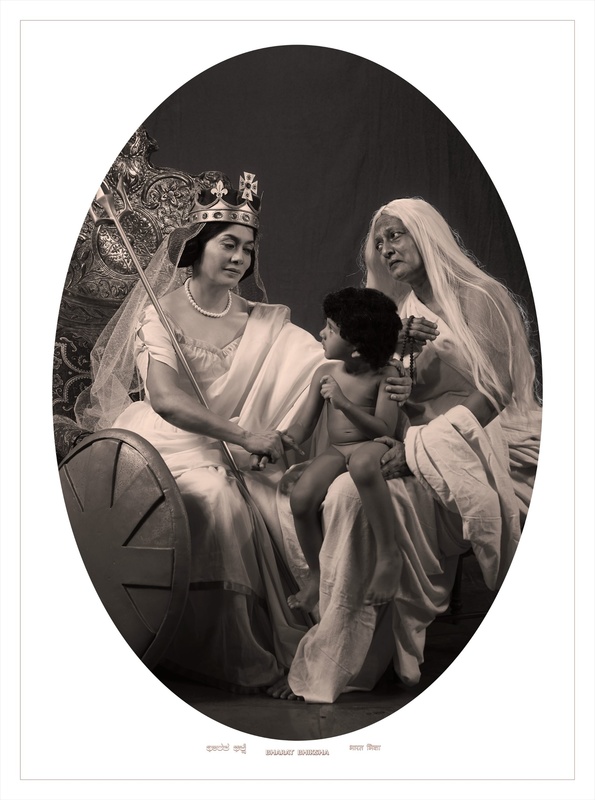
The works on view come from different series produced by the artist, some shot as far back as 1985, and comprise an ongoing investigation of the idea of the nation state. The works continue Pushpamala’s interest in referencing archival material, popular culture, and ethnography, venturing further into unexplored areas such as epigraphy, archeology, and eugenics. The artist’s body literally becomes the Body Politic, tongue-in-cheek and imbued with humor, while she re-enacts the various personifications of India throughout history. Pushpamala’s interest in anthropometry, the science of measuring bodies, led her to the disgraced pseudo-science of eugenics, or of improving genes, which was popular worldwide in the early 20th Century. Based on racial and class superiority, eugenics came to influence government policies and was later taken to extremes in Nazi Germany. The videos from the series “Good Habits,” refer to popular medical charts and demonstration films, in which the artist performs ‘operations’ on models of the human body, commenting on government programs of health and education.
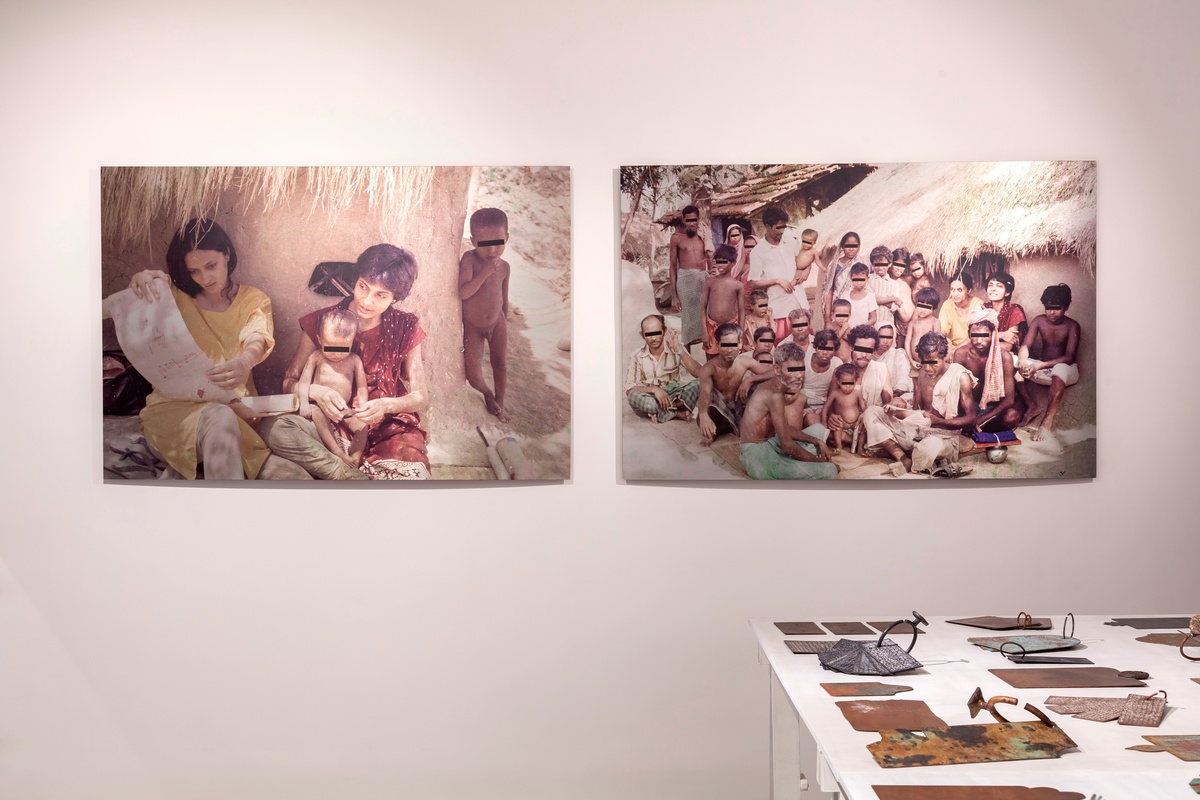
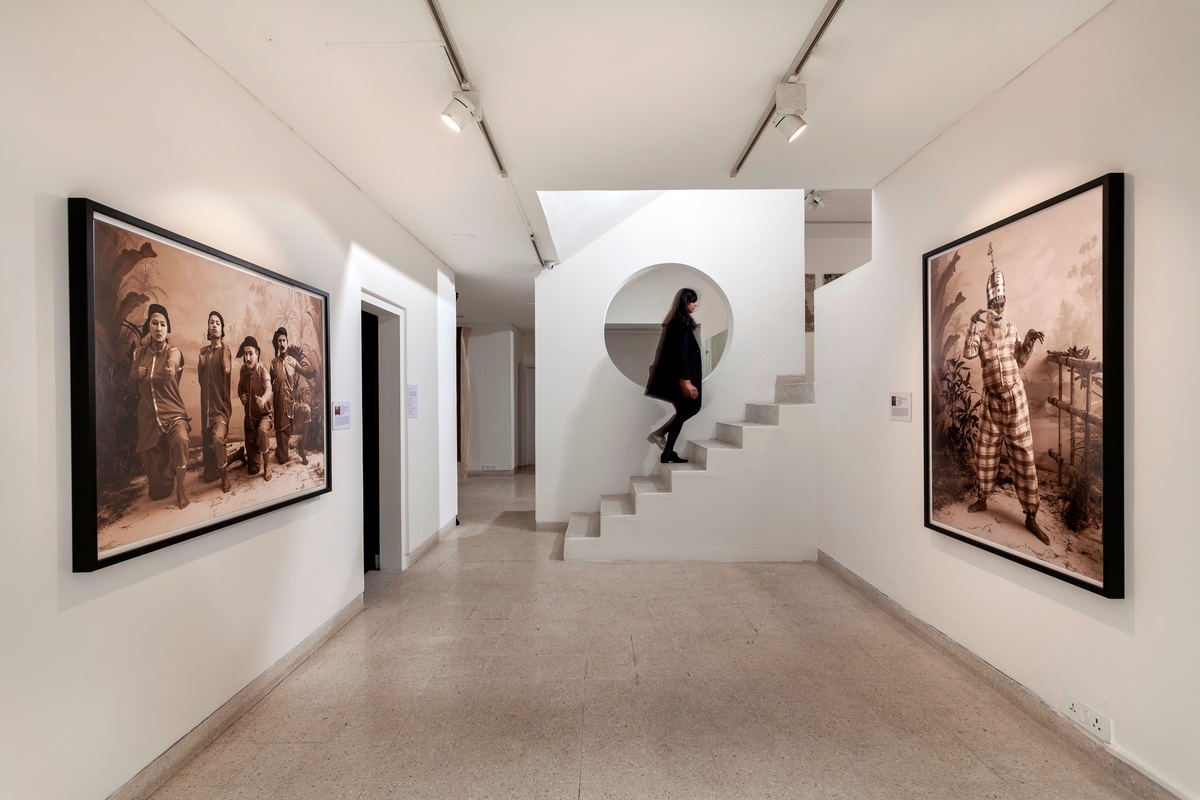
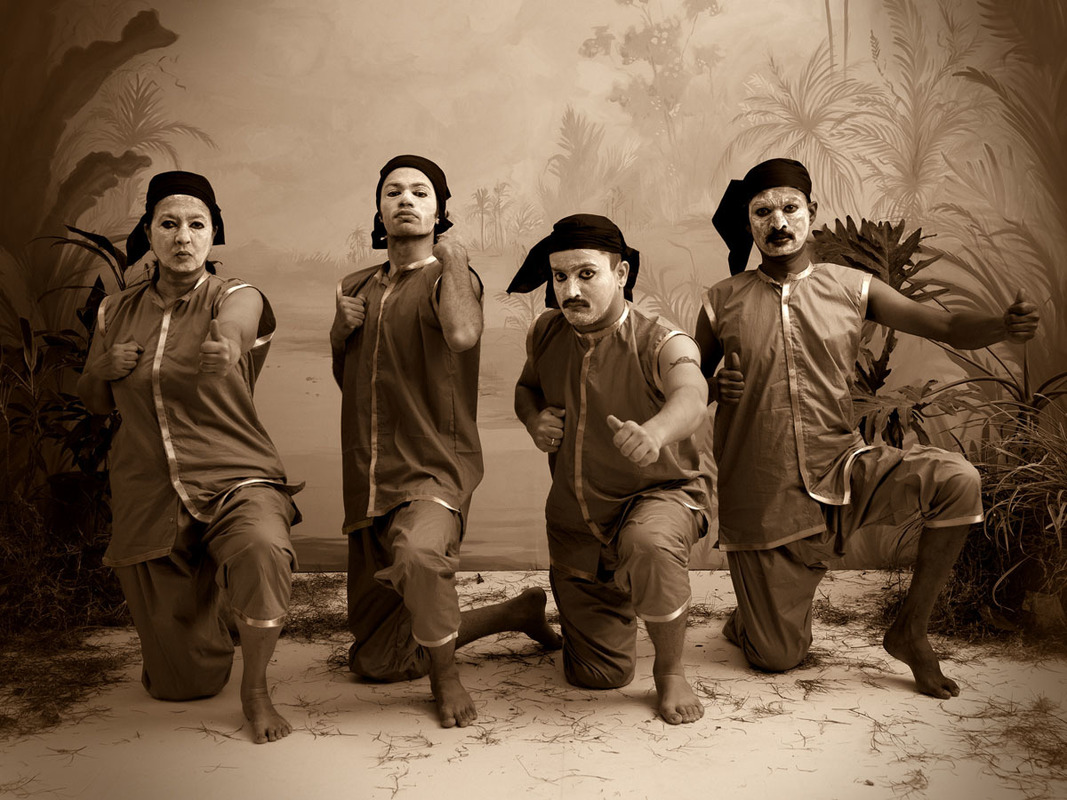
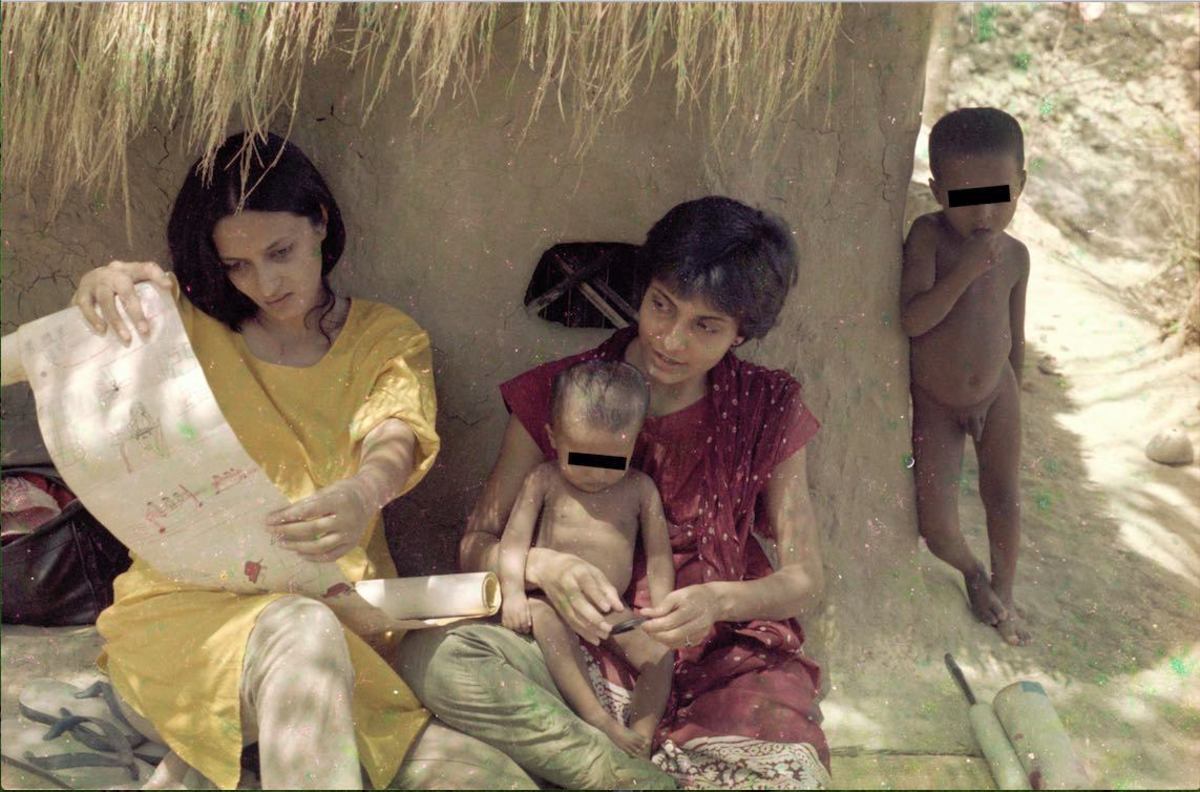
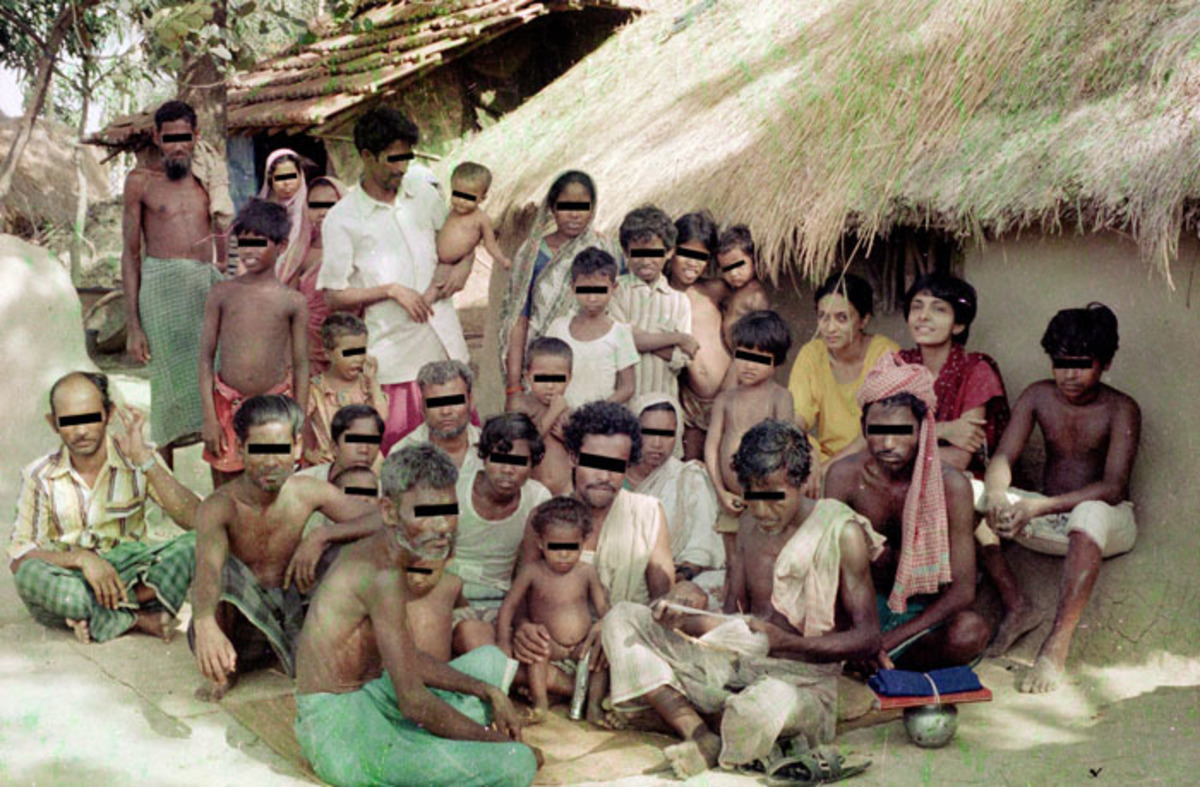
Many of the works start with images (from prints and paintings) of Mother India, both historical and more contemporary. Other photographic works included in the exhibition are entitled “The Ethnographers?” Looking inward, the artist found her own culpability in some old, forgotten snapshots from an art school research trip to document folk artists in Bengal, where she and her friends stand privileged like foreign ethnographers next to the poor village artists, as if echoing colonial expeditions. These ‘found’ images are transformed with eye patches to protect or hide the identity of the people, or to indicate their marginality in the scheme of things. Also on view will be two works entitled “Land,” in which the artist recreates two early 20th Century photographs from Sri Lankan Tamil theatre of actors masquerading for the camera, as both hunters and the hunted.
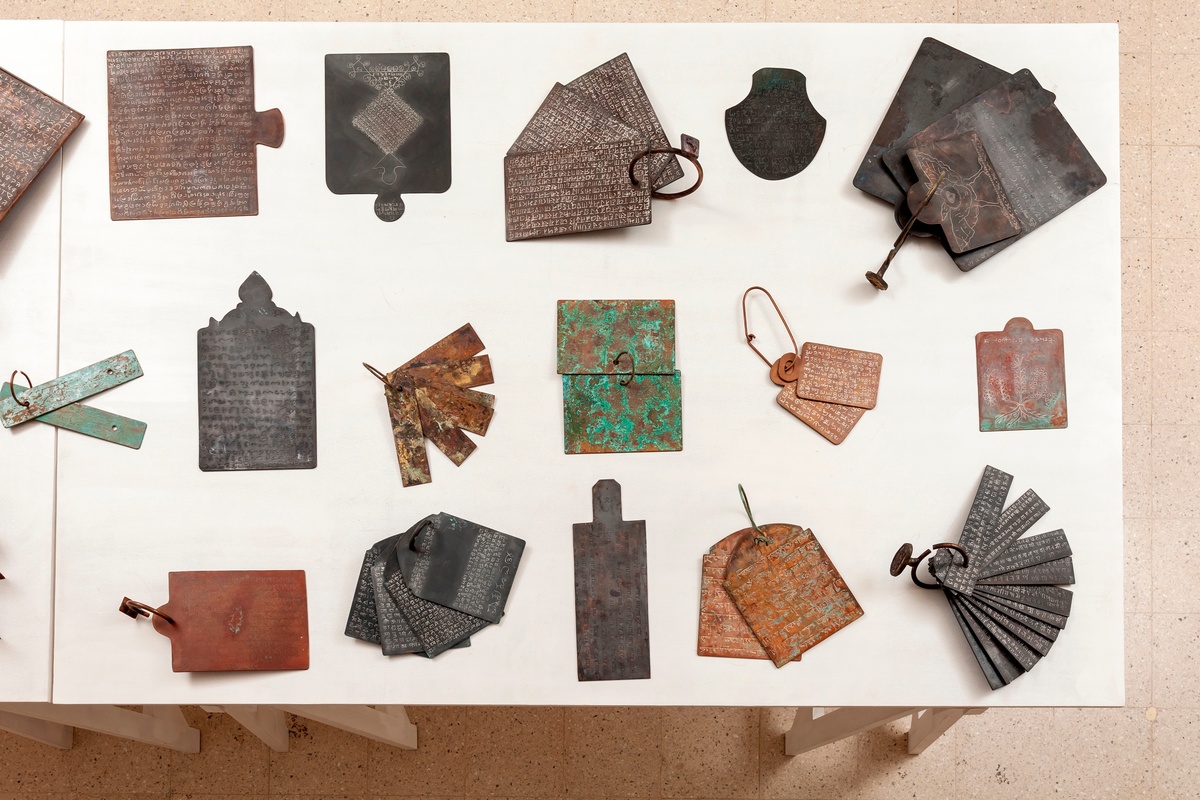
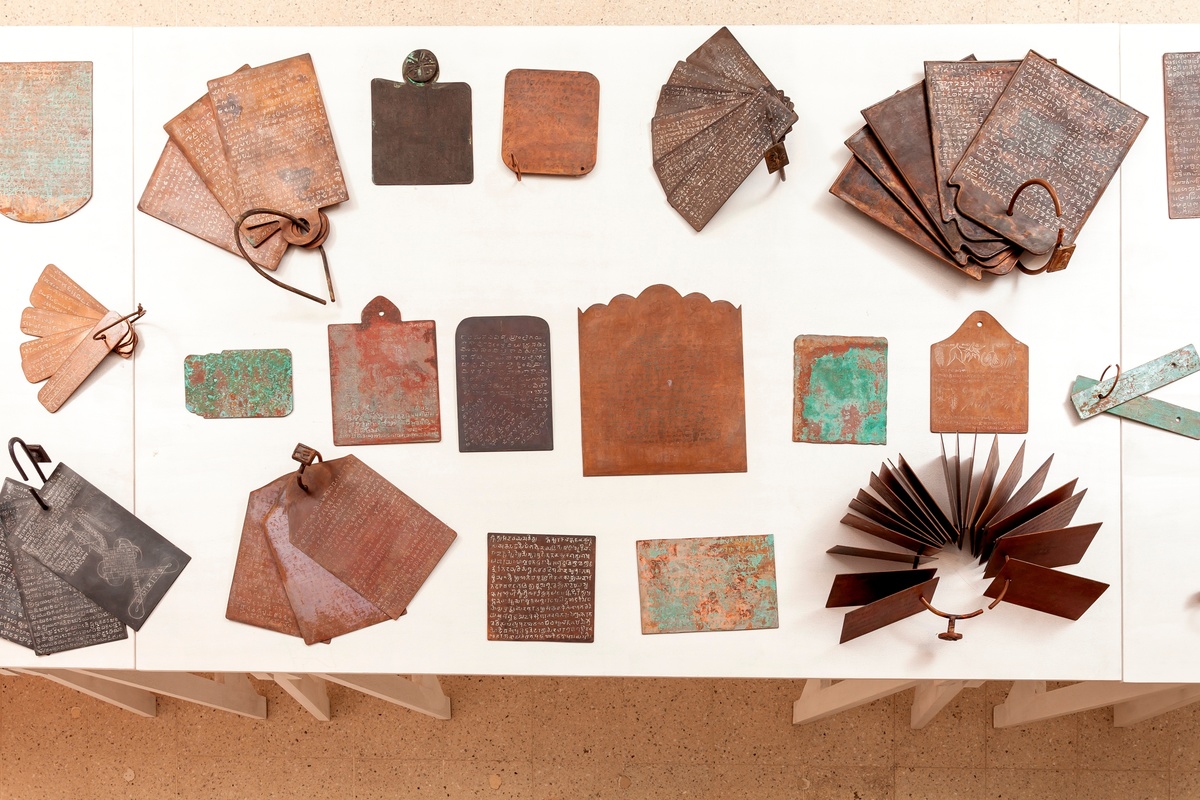
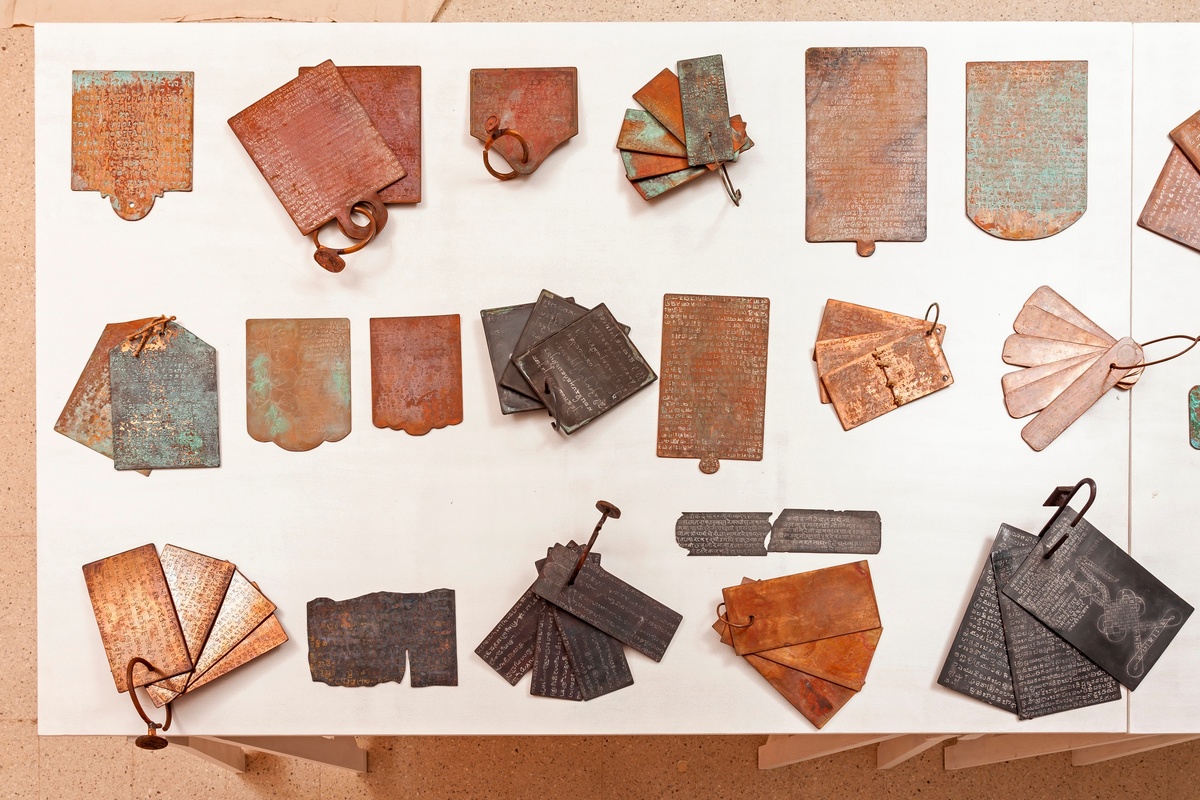
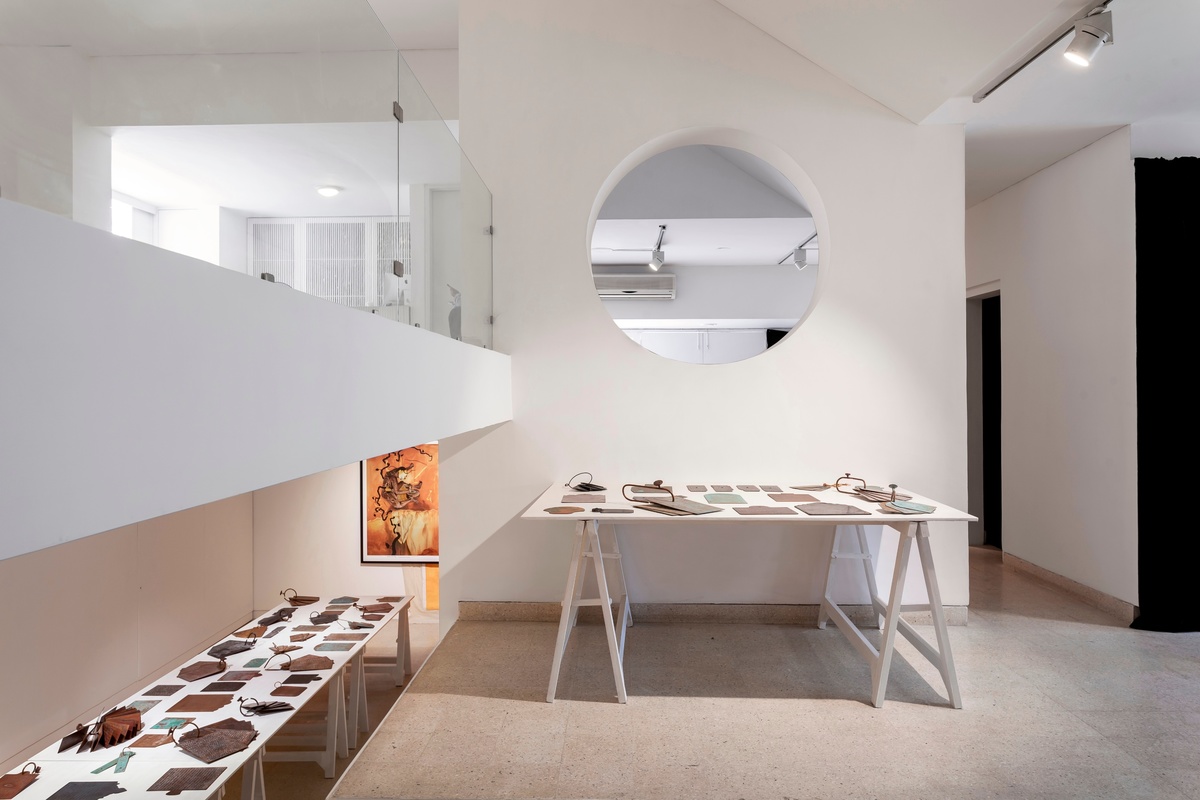
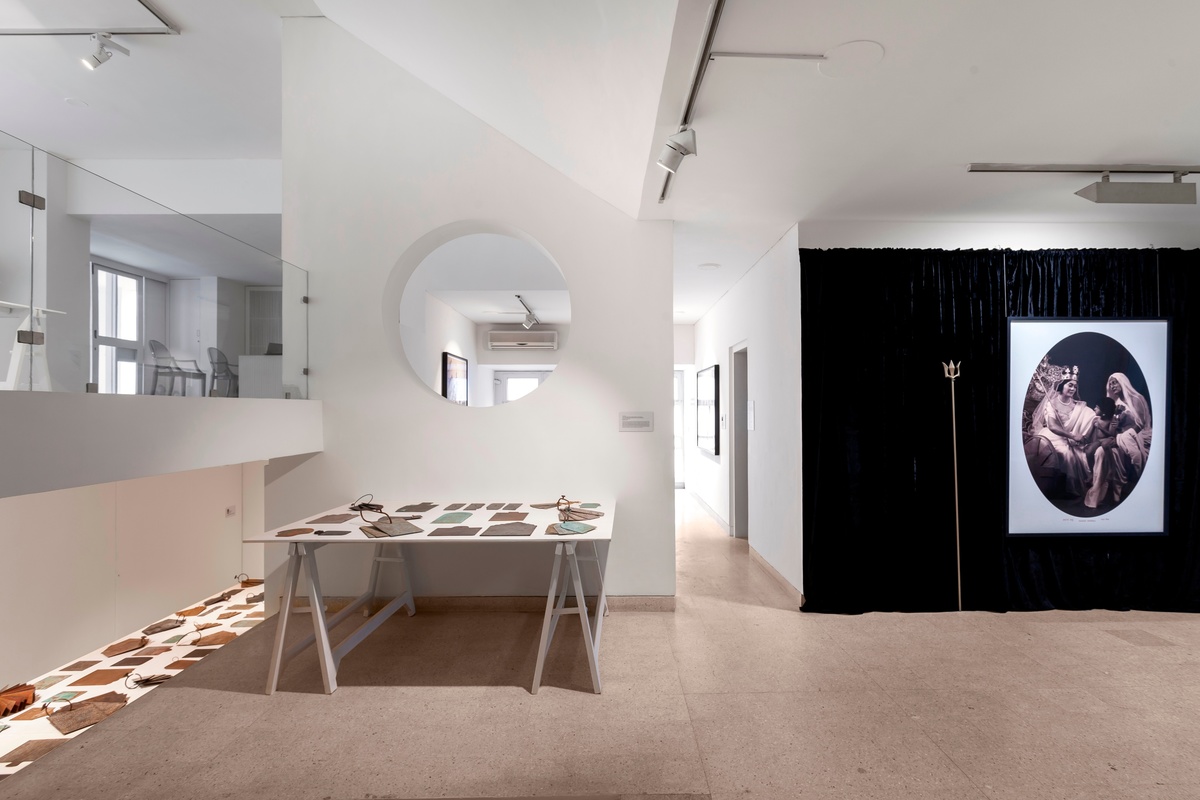
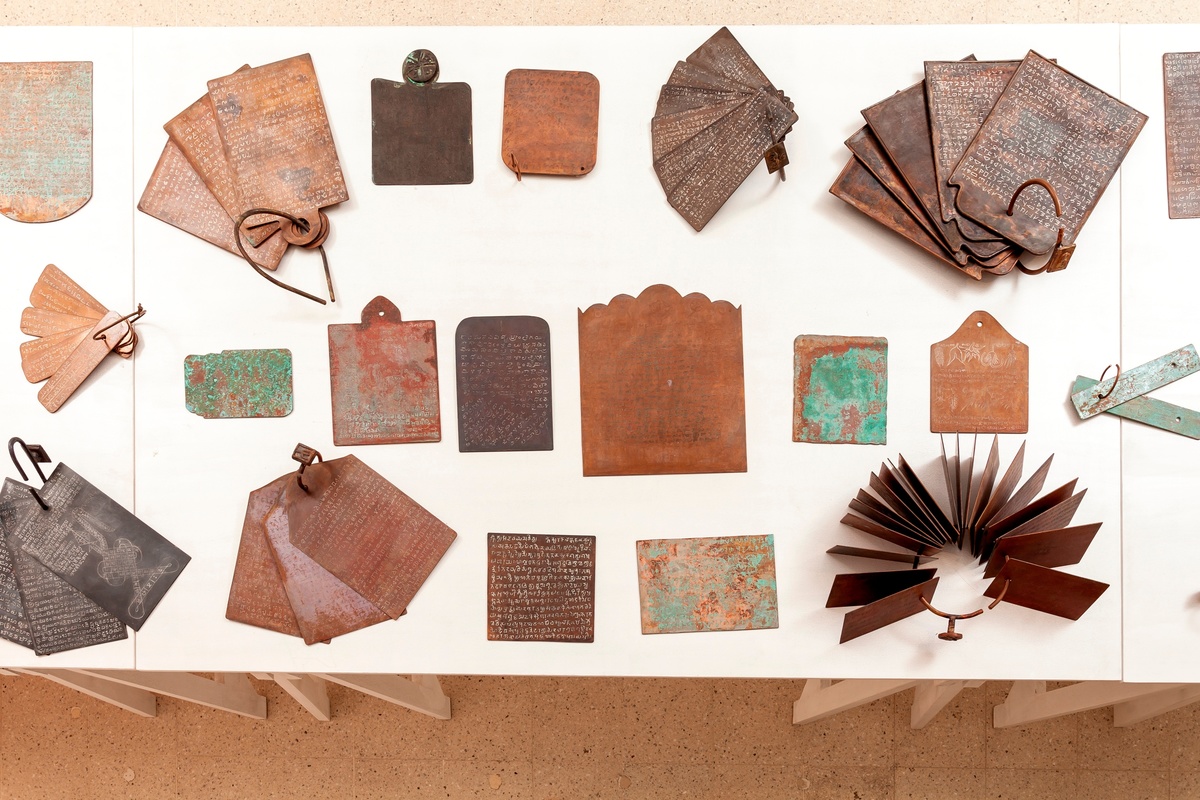
Also on view will be a group of new sculptures entitled “Transcripts.” Pushpamala was inspired by a chance encounter with a vitrine containing ancient copper plates on a visit to the archeological museum in Bangalore, these being records of land grants given by the kings centuries ago. Fascinated by the forms and their histories, the artist recalled her days as a sculptor and decided to create a hundred of them as a pseudo archive. Starting off with the idea of commenting on the land issues of today, the artist found the old forgotten scripts themselves so seductive and beautiful that they became instead a polyphony of languages and lines, the heritage of a rich past where peoples crisscrossed across the sub-continent and traded, and where cultures mixed freely.
Pushpamala N. (born Bangalore, 1956) has been called “the most entertaining artist-iconoclast of contemporary Indian art.” In her sharp and witty work as a photo- and video-performance artist, sculptor, writer, curator and provocateur, she seeks to subvert the dominant cultural and intellectual discourses. She is known for her strongly feminist work and for her rejection of authenticity and embracing of multiple realities. Beginning her career as a sculptor, Pushpamala began using photography and video in the mid-1990s, creating tableaux and photo-romances in which she cast herself in various roles. Interested in history and the idea of cultural memory, she cites a wide range of references in her series of masquerades where she simultaneously inhabits and questions familiar frames from art history, photography, film, theatre and popular culture, thereby placing herself as the artist at the center of social and political inquiry. Pushpamala N lives and works in Bangalore, has exhibited widely in India and internationally, and her works are in the collections of major museums such as the Museum of Modern Art in New York, the Kiran Nadar Museum of Art in New Delhi, and Royal Ontario Museum, Canada.
Artworks
Installation Views