

Mumbai
Vibha Galhotra
Solastalgia: The Weight in the Air
Nature Morte is proud to present a solo exhibition of new works by the Delhi-based multimedia artist, Vibha Galhotra.
This body of work explores the phenomenon of Solastalgia, a term coined by philosopher Glenn Albrecht to describe the distress caused by irreversible environmental changes. It speaks to the deep emotional and psychological impact of climate change, particularly for those witnessing the degradation of landscapes they once found solace in. The works in this exhibition interweave real and imagined narratives, drawing from reappropriated imagery and growing concerns about the rapidly shifting environment, politics, economics, and natural world. These themes are deeply interconnected—none can be considered in isolation. The exhibition offers a bleak reflection on our times: despite rapid advancements in knowledge and technology over the past fifty years, we have failed to learn from the past. Political divisions persist, democracy appears increasingly ineffective, and we continue to exploit the Earth’s resources through damming, mining, space interventions, and satellite expansion, further deepening the crisis. Even the global Covid pandemic, which should have prompted introspection and permanent change, instead only served to accelerate the insidious agents of capitalism further. A recurring sentiment Galhotra expresses through her works is: "I don’t know." This statement reflects the disorientation of living in an age where misinformation prevails and a select few dictate the course of society, maintaining power while leading us into destructive cycles. By the time we realize we are being misled, we are already entangled in structures that offer no possibility of escape.
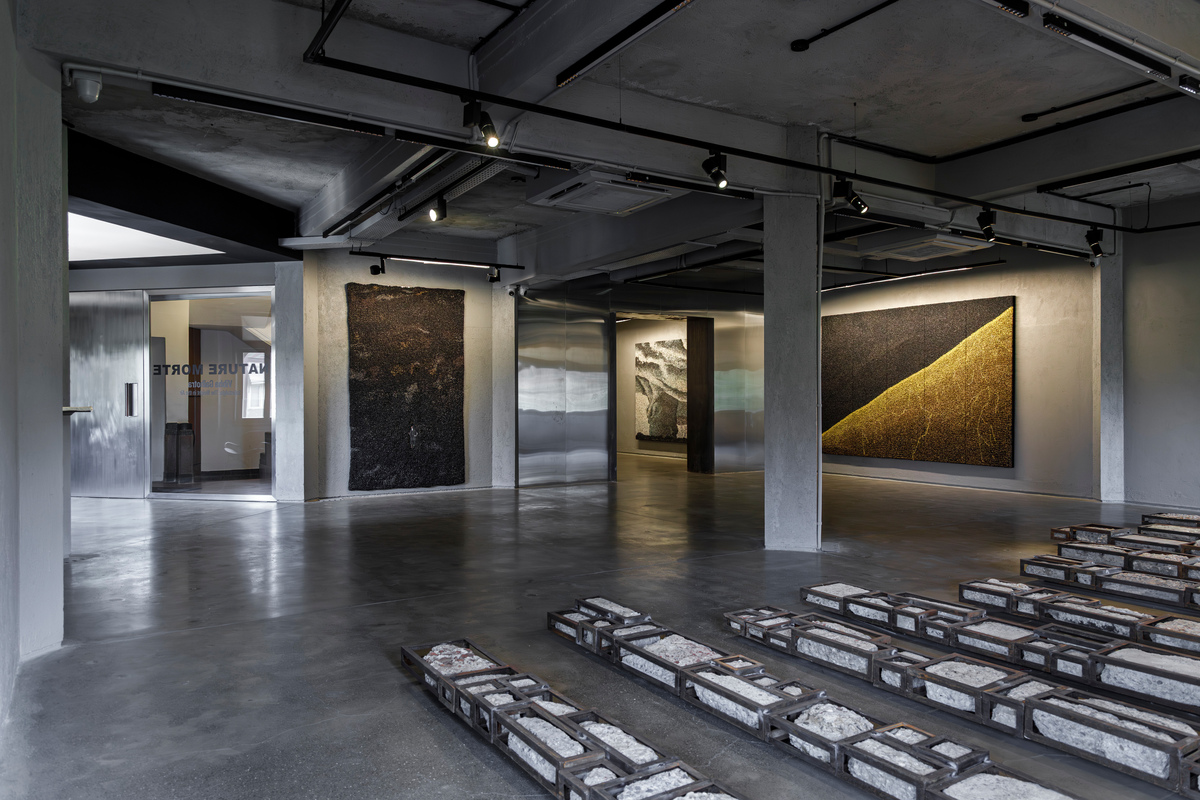
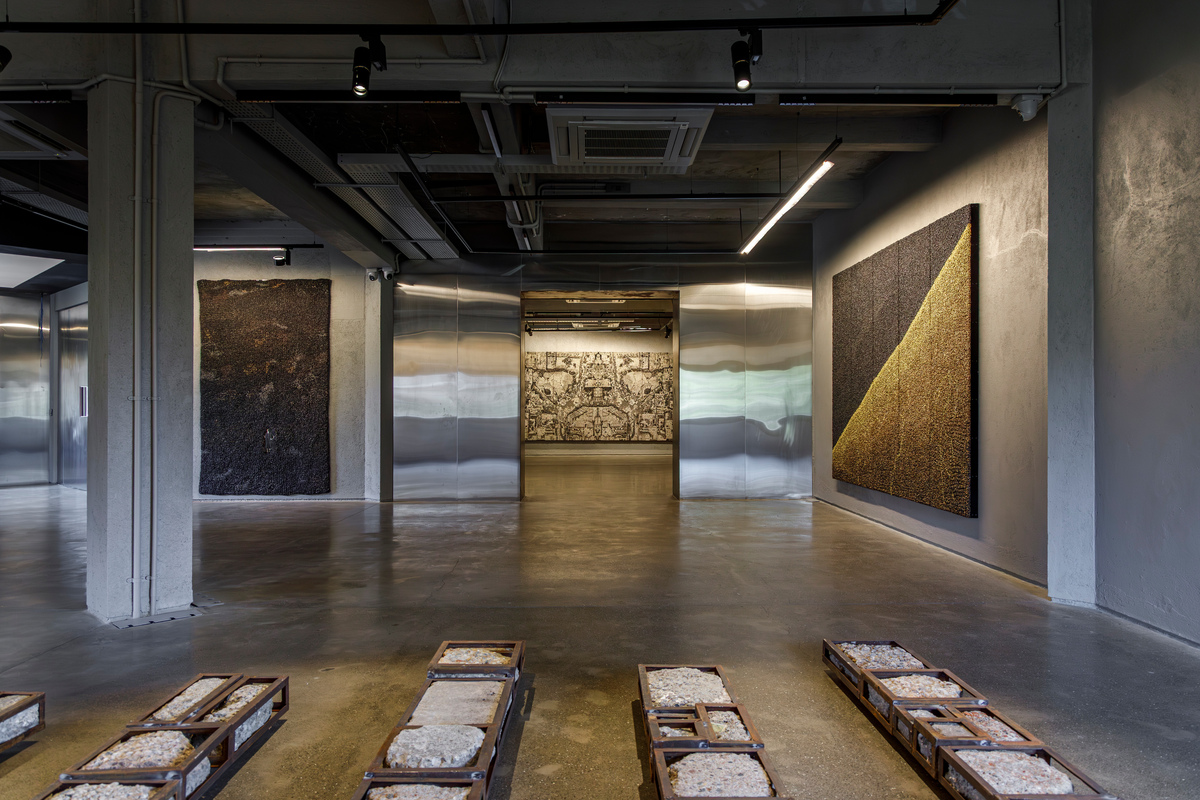
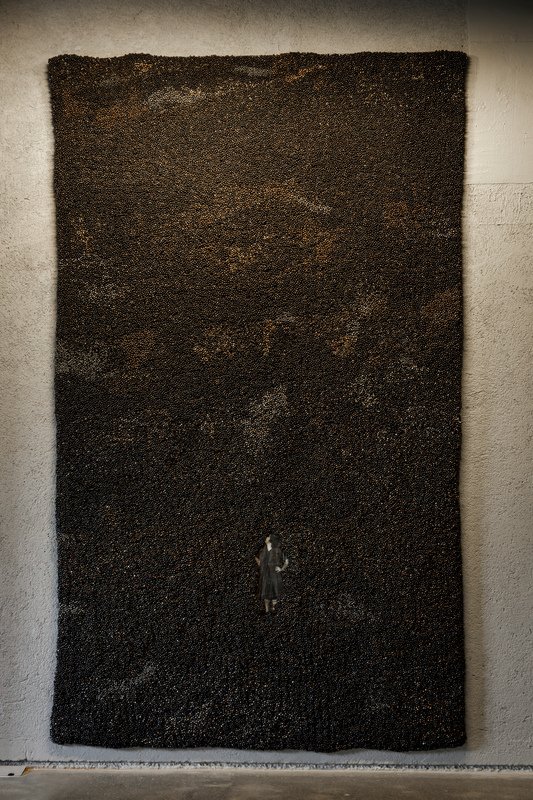
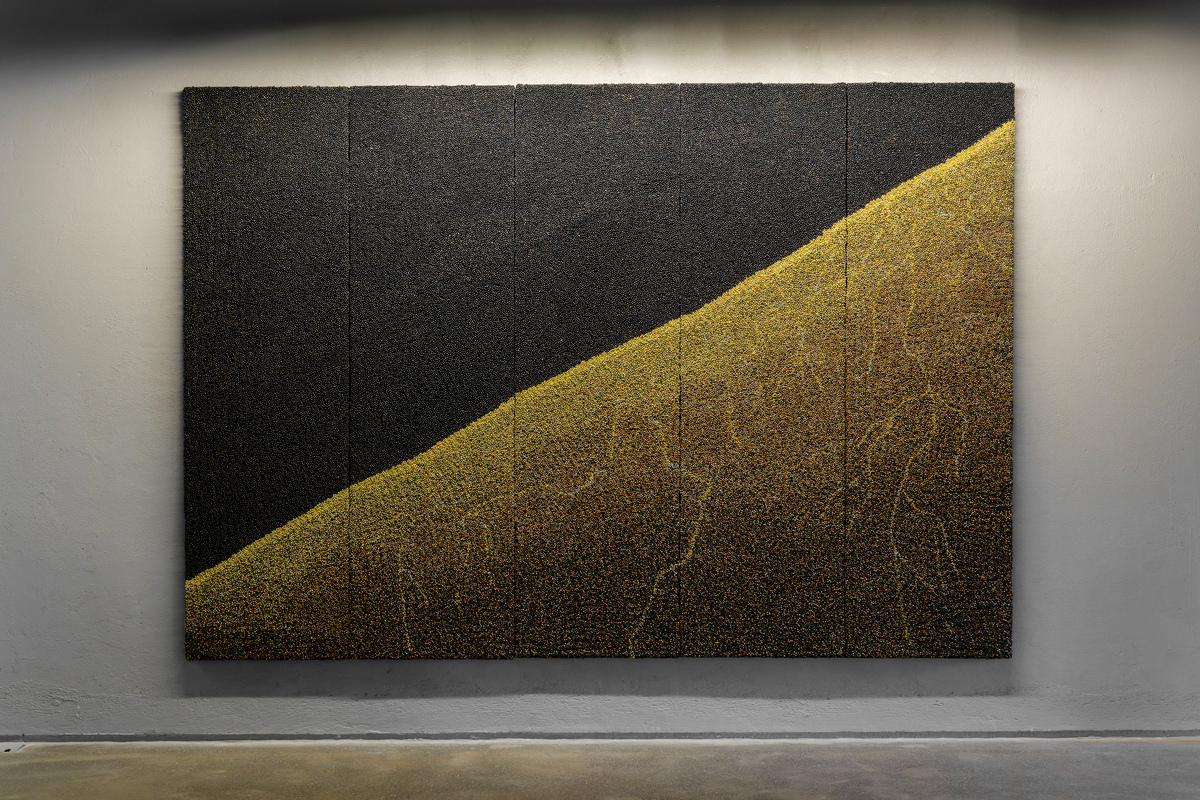
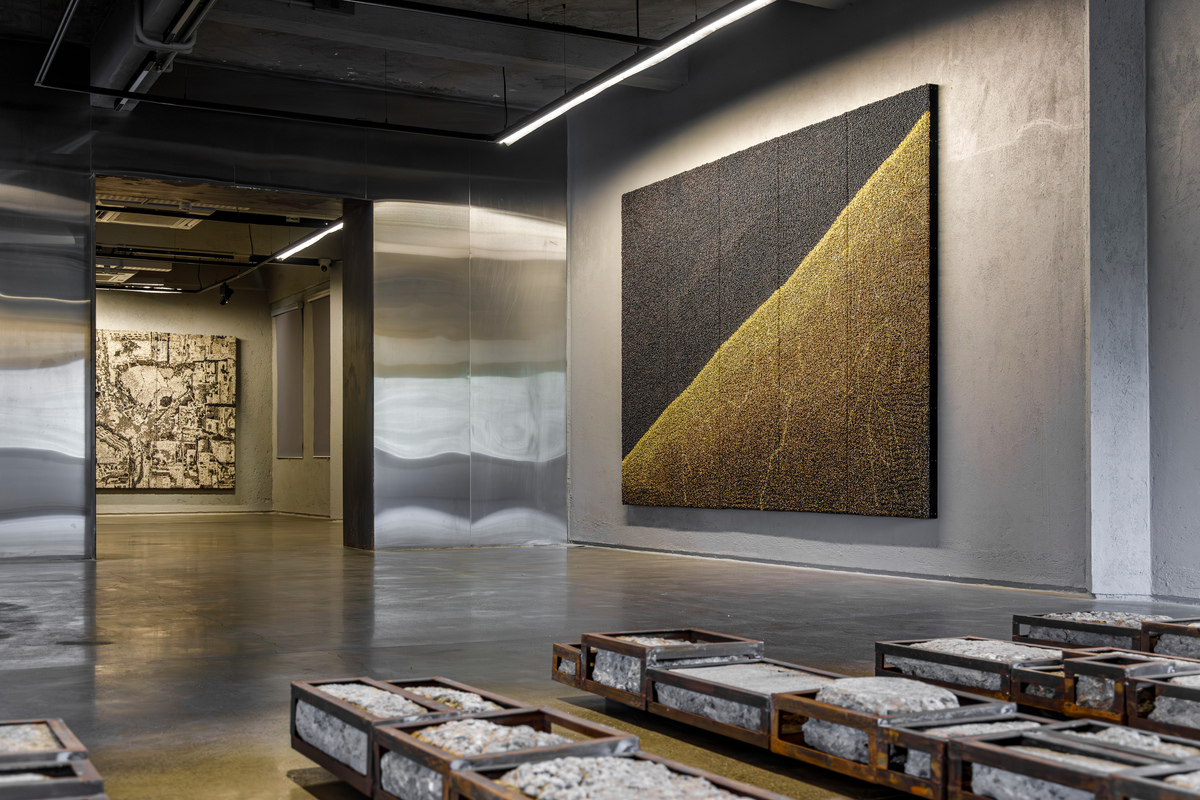
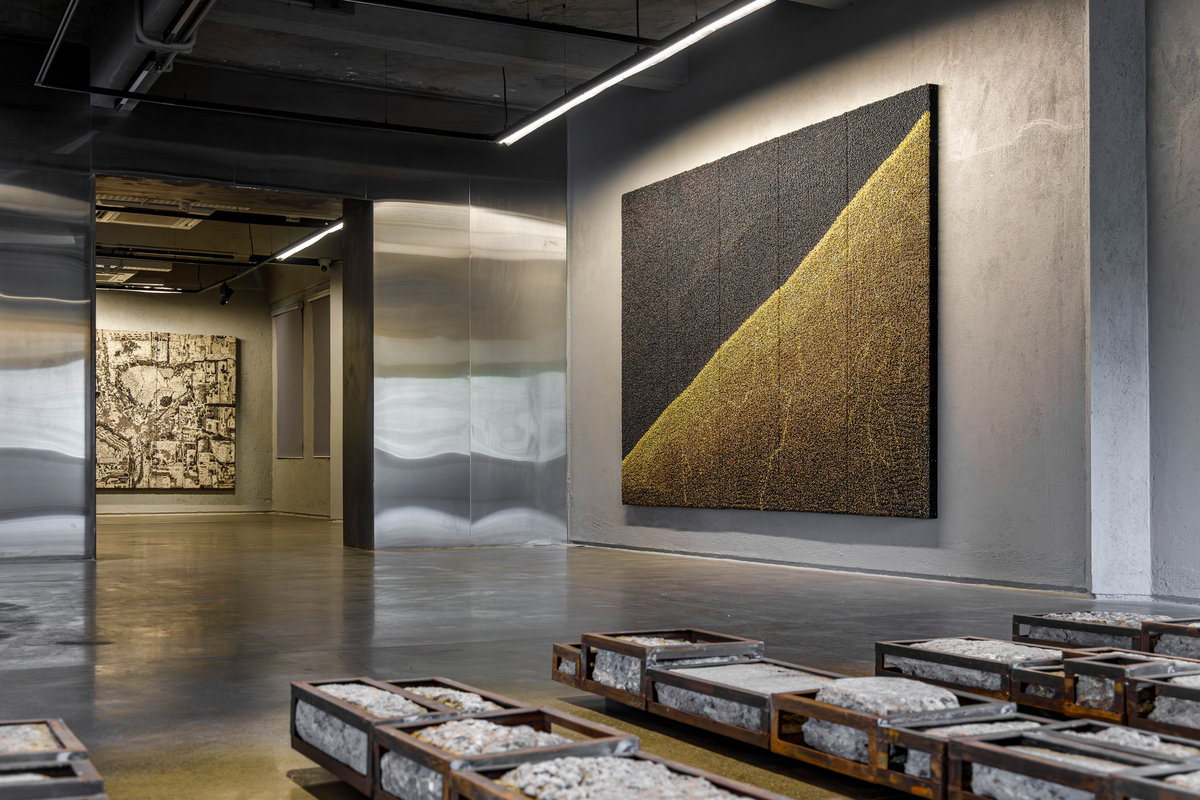
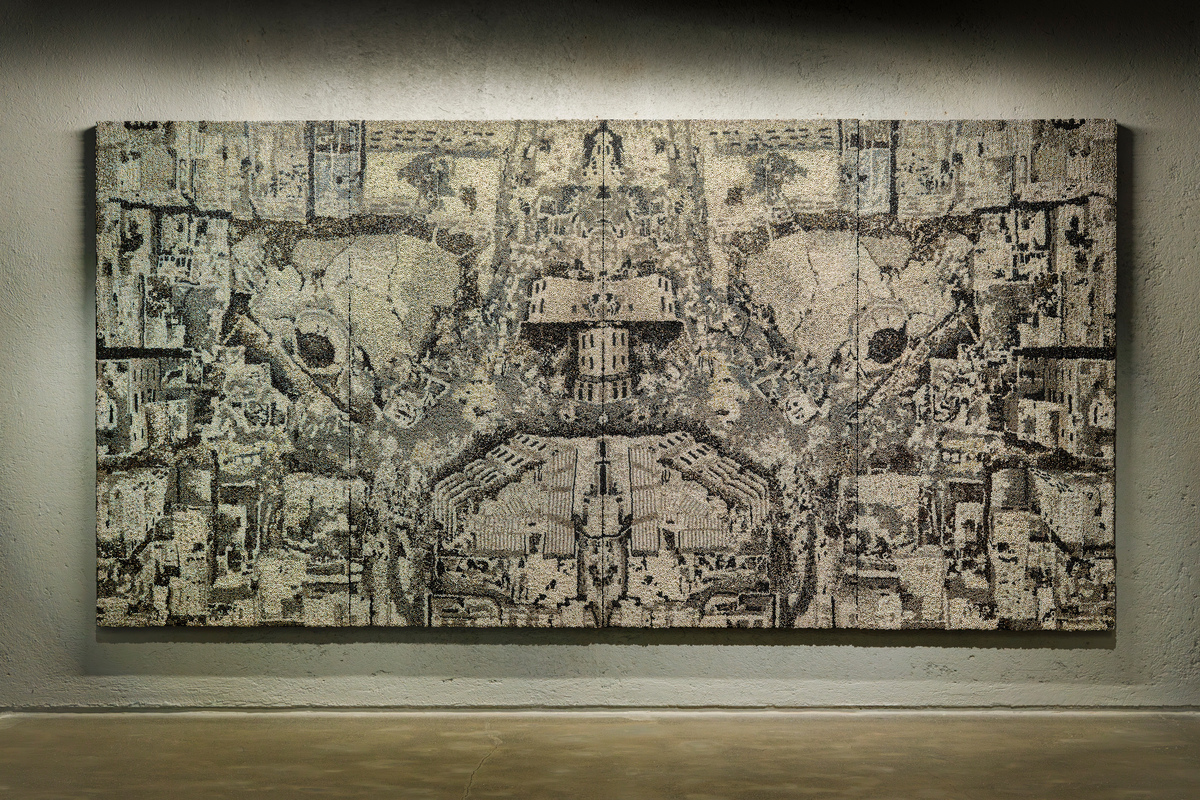
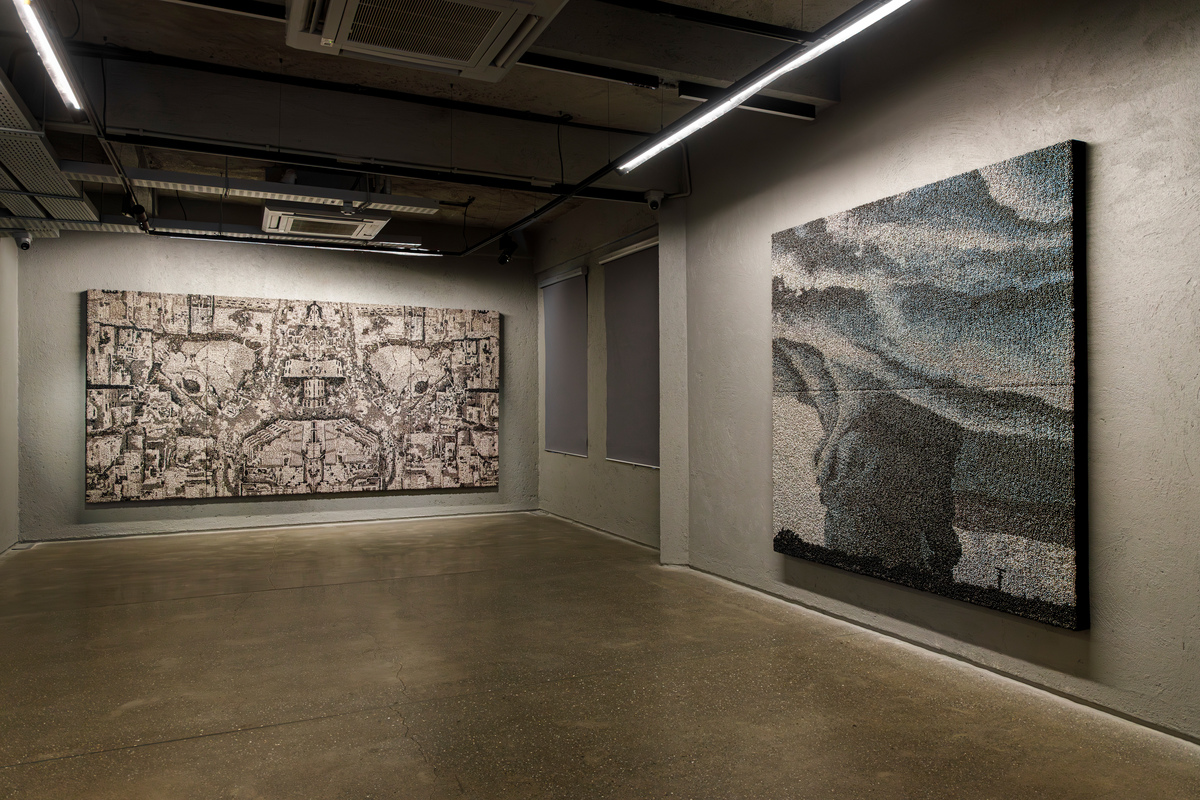
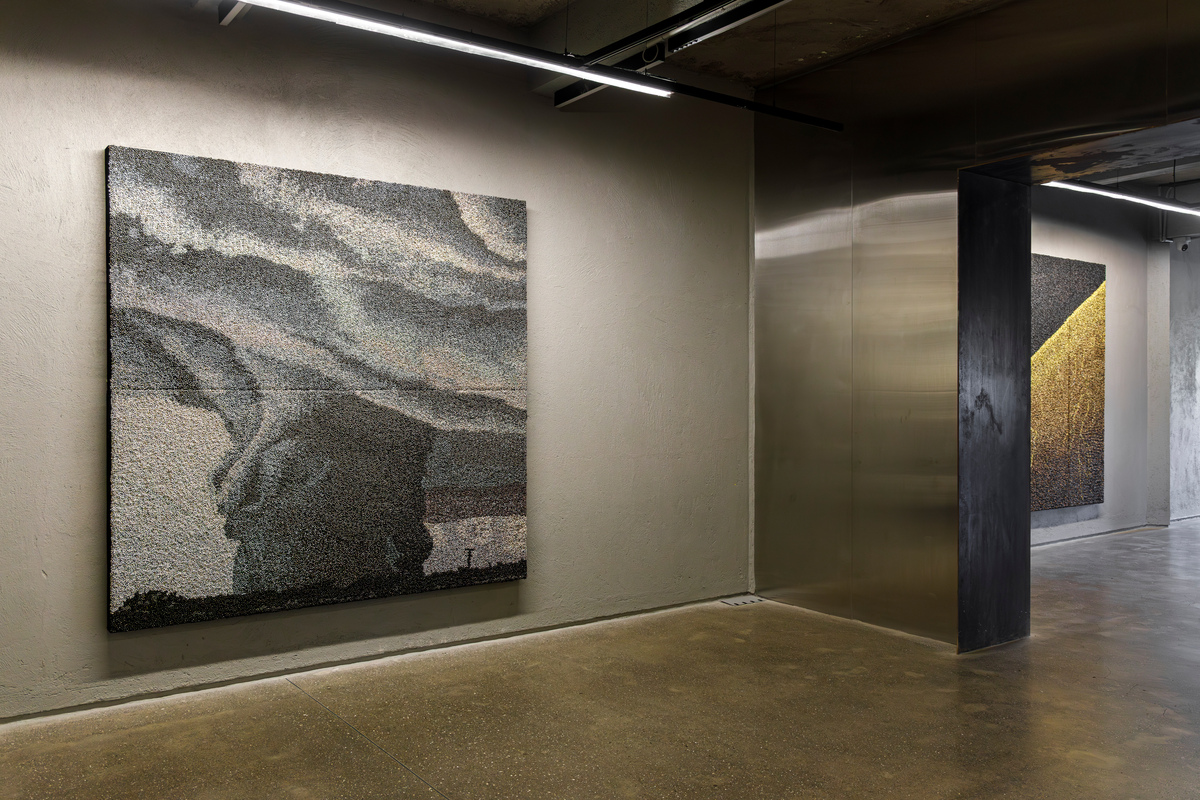
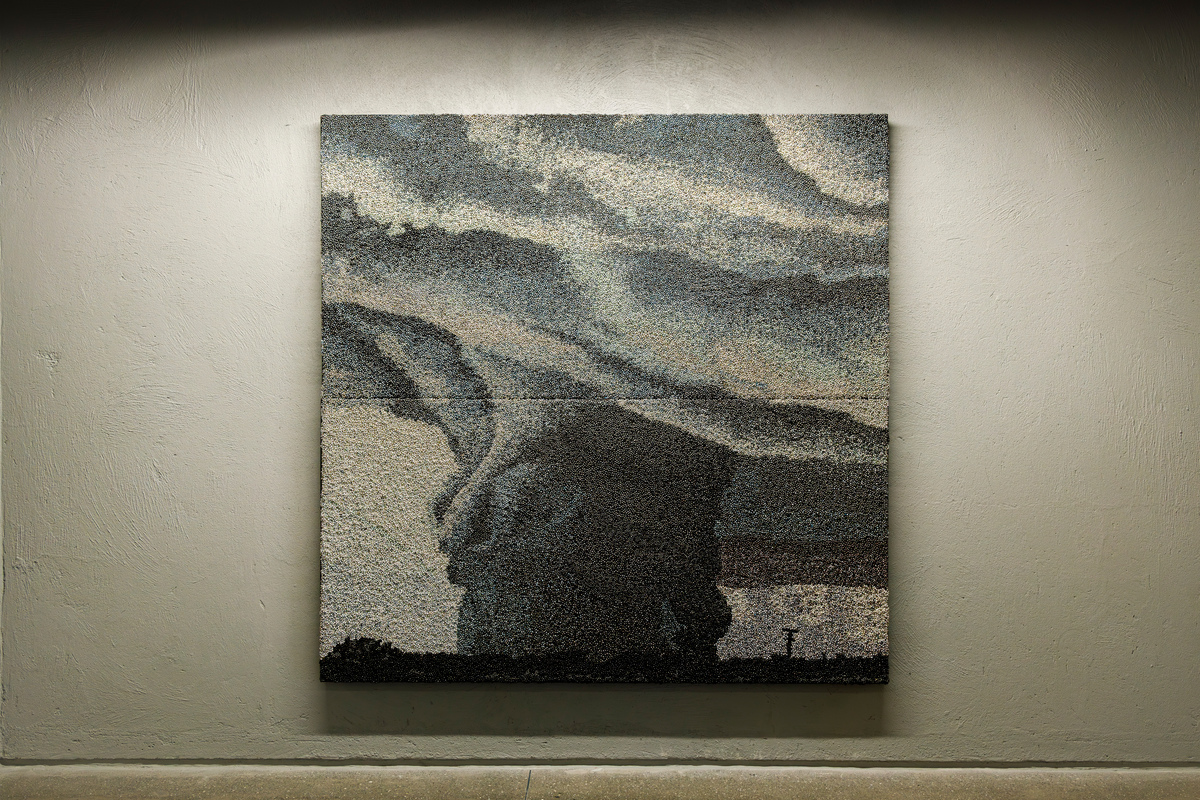
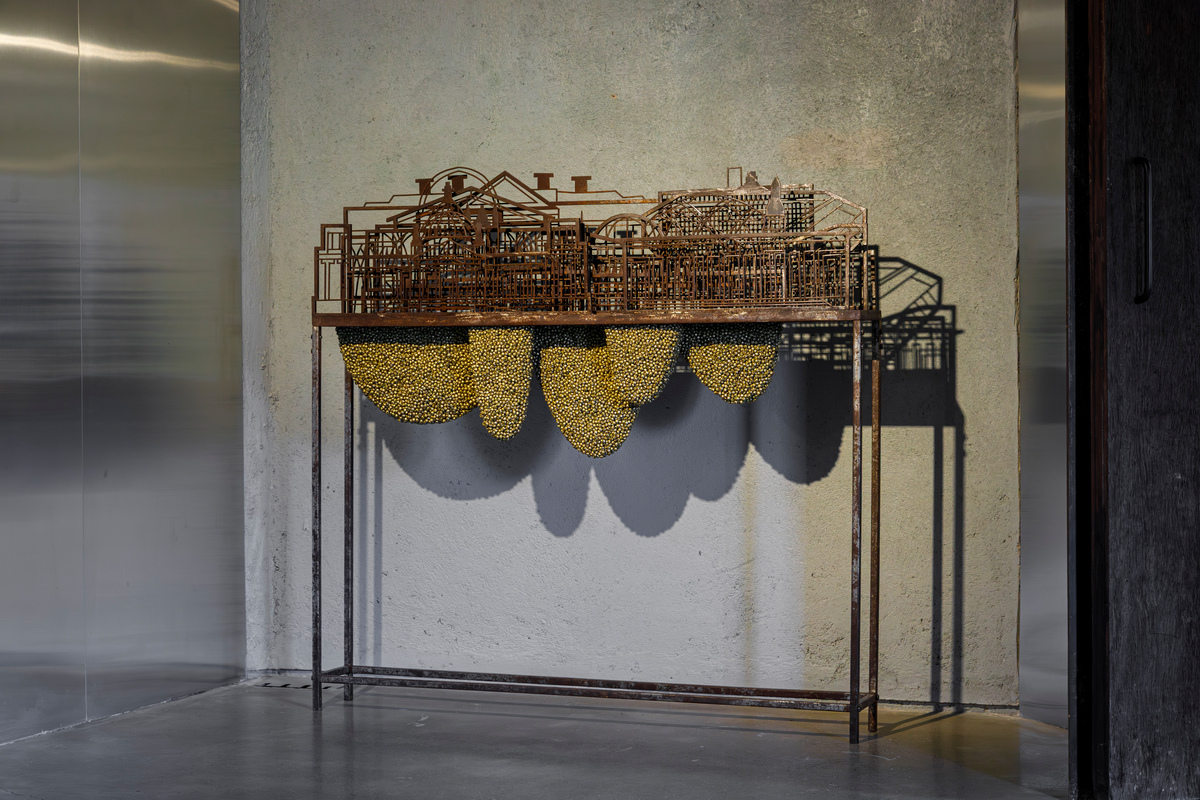
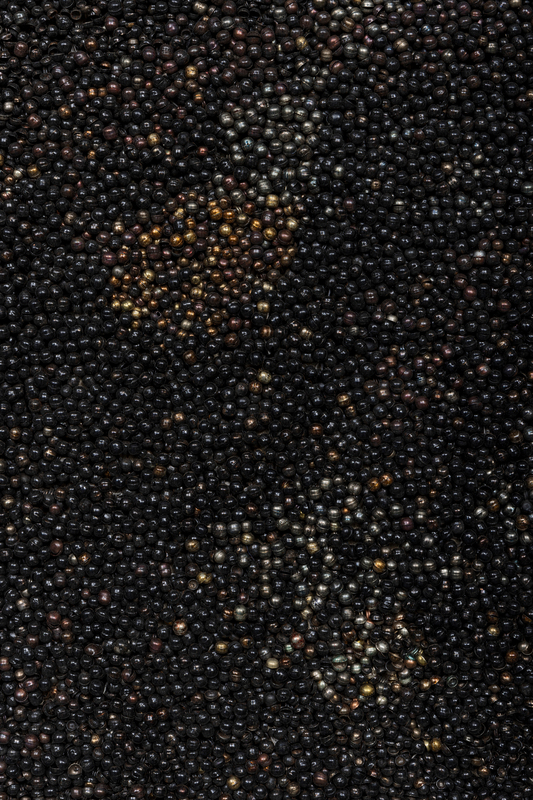
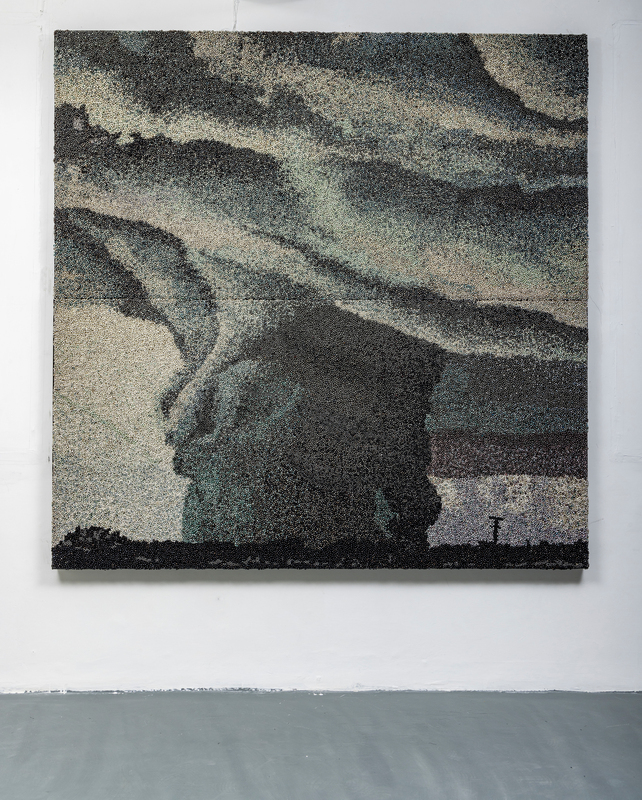
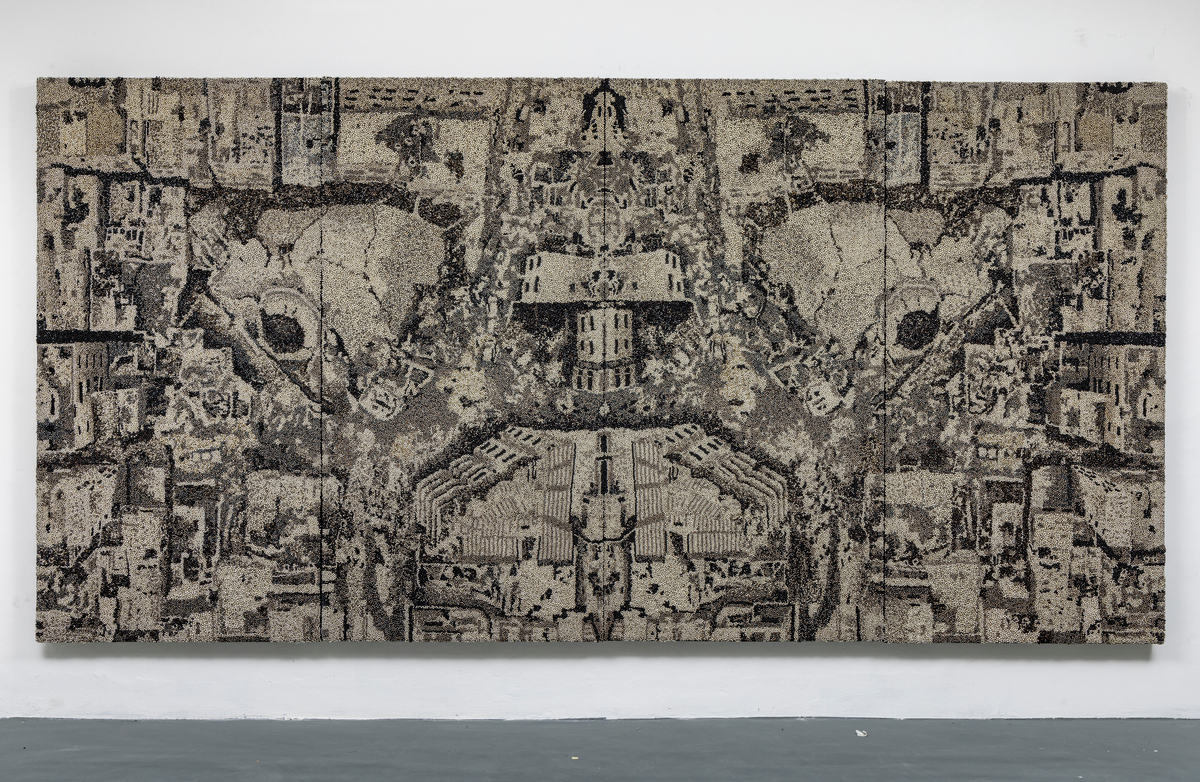
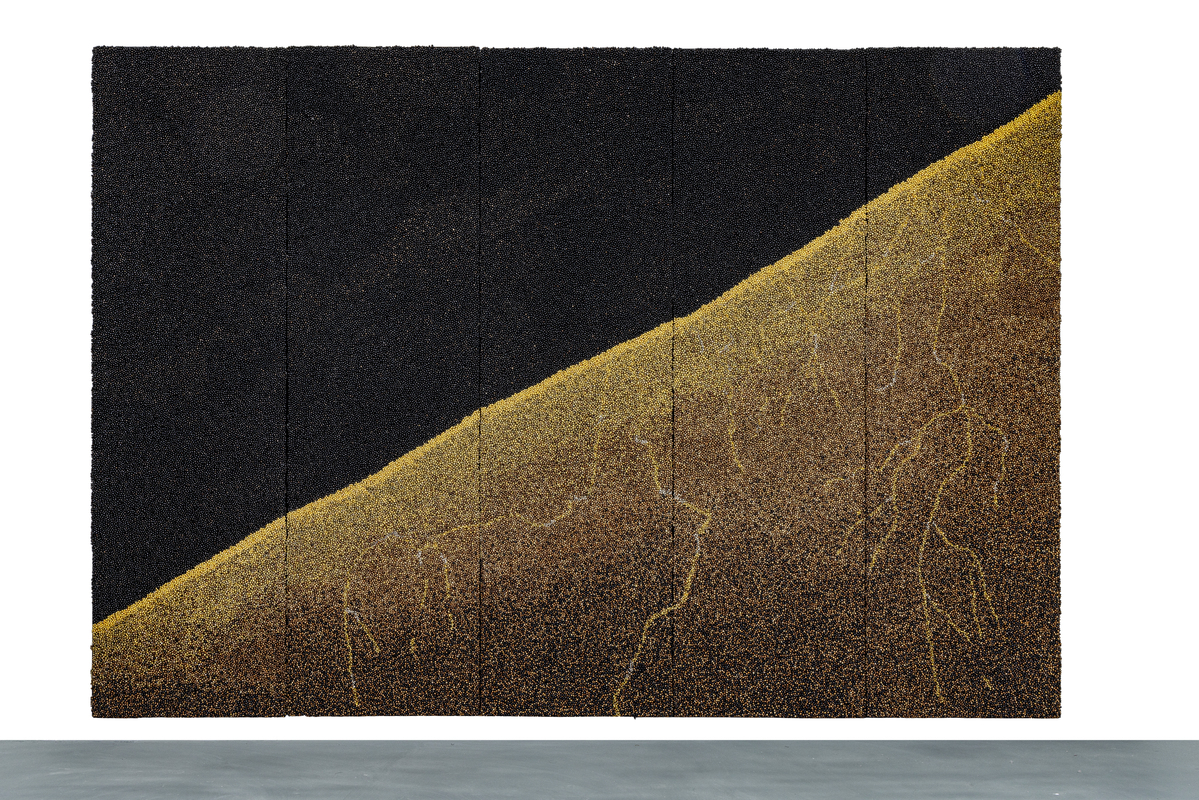
The works on view are in a variety of materials. Four works are in the artist’s signature medium of patinated ghungroos, the tiny metal bells woven together to create tapestry-like images. On view will be four new works, each of a very different character: “I Don’t Know,” “Temper,” “Fire in the Sky,” and “Fractured.” Each of these works responds to the general theme of the exhibition in different ways. While some picture destructive forces and a foreboding anxiety, others offer a sense of hope and redemption from what seems inevitable.
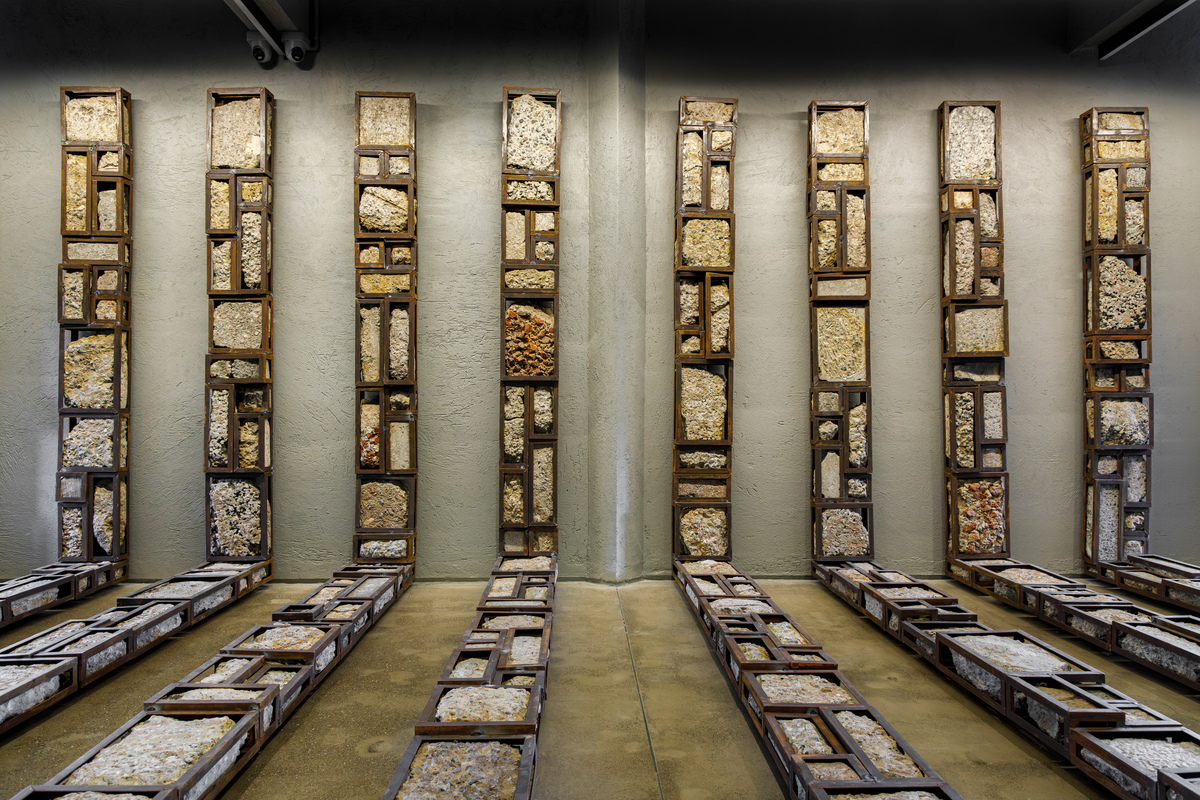
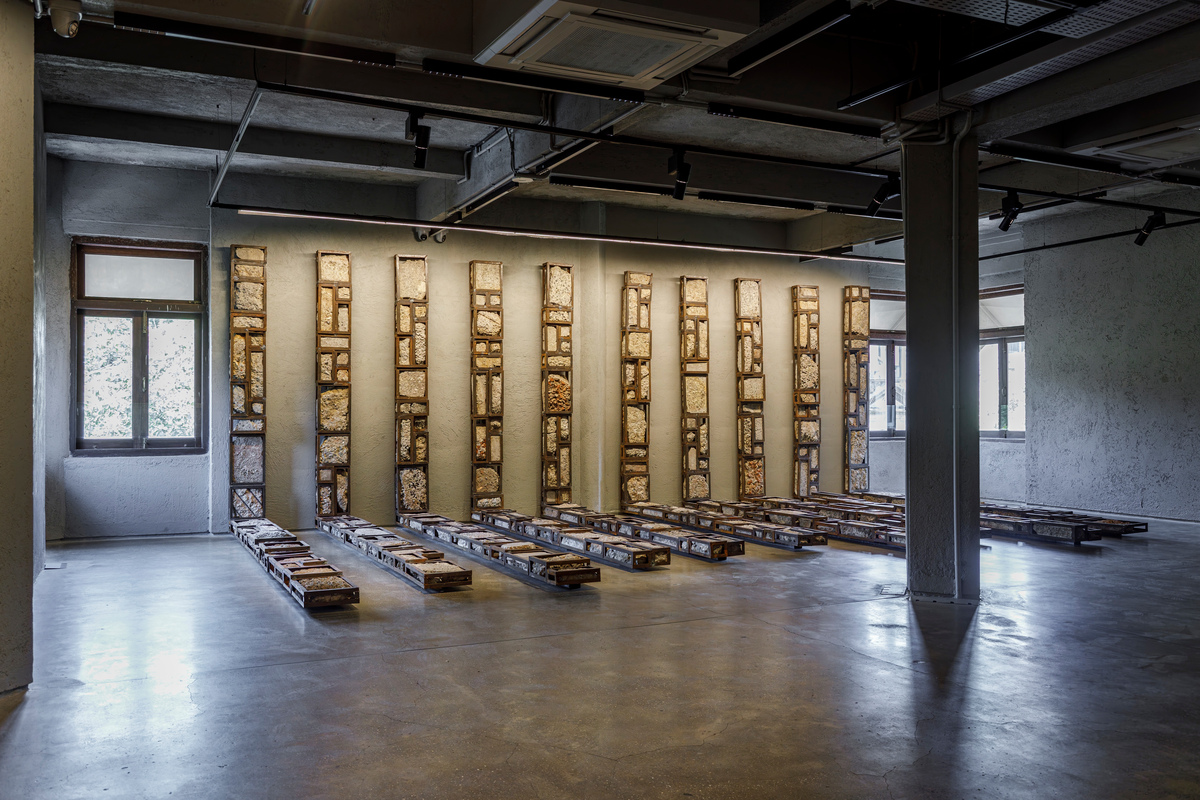
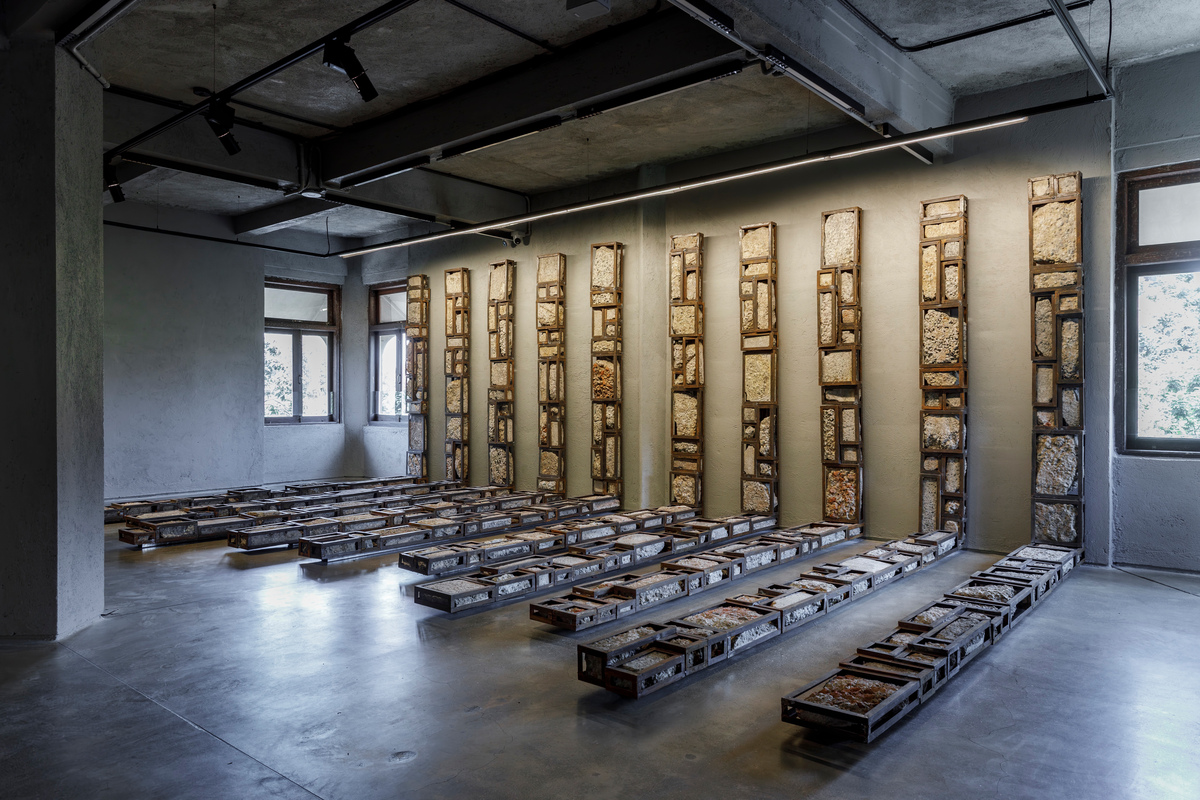
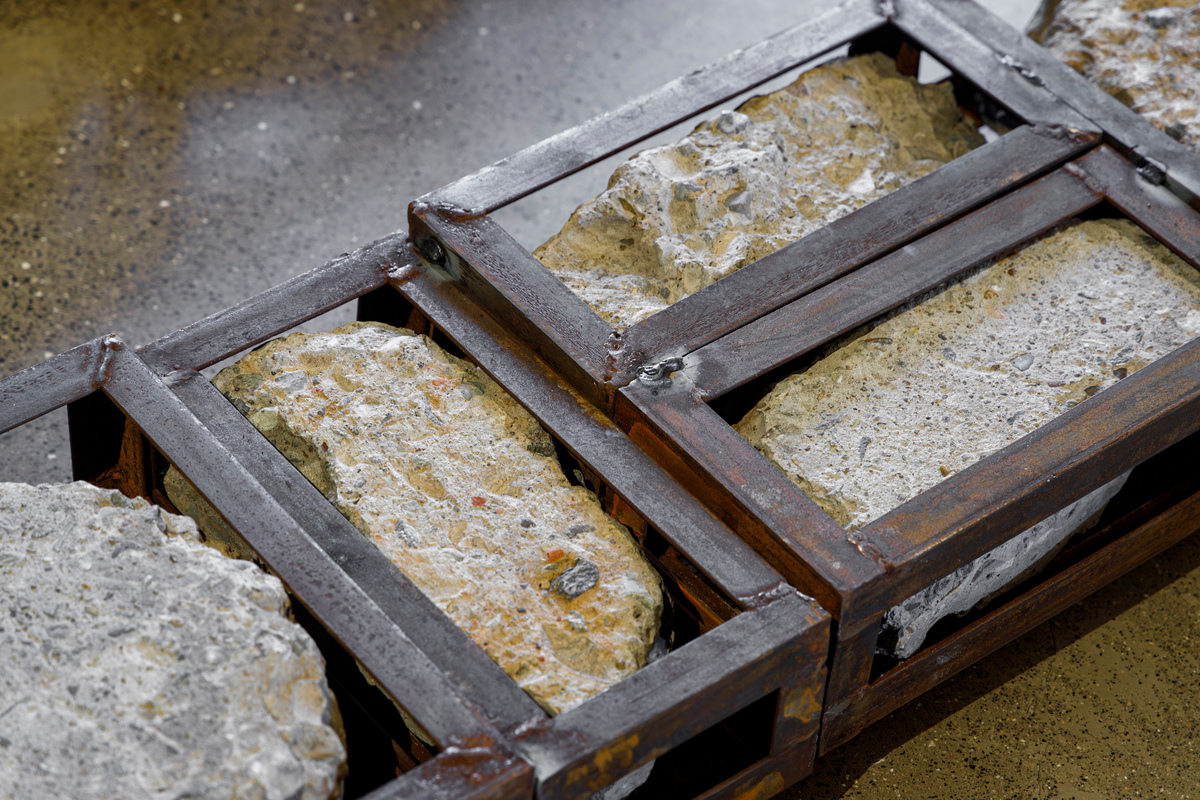
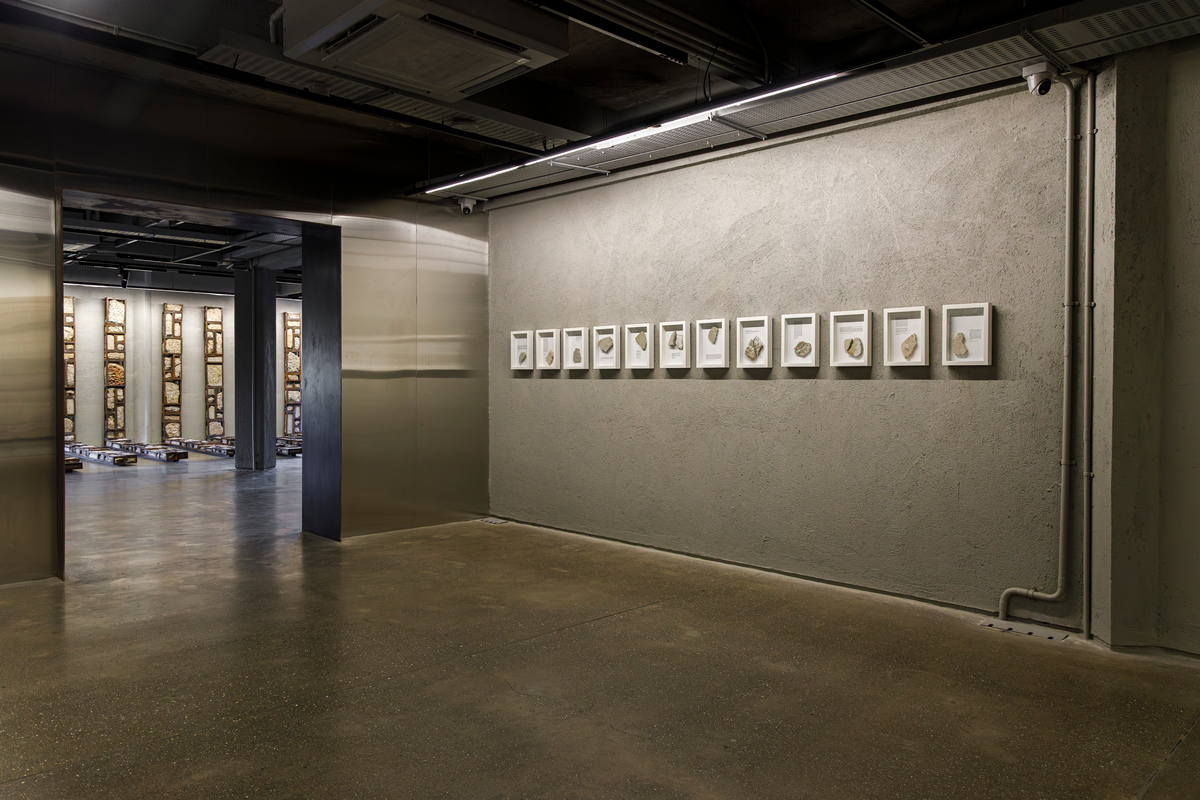
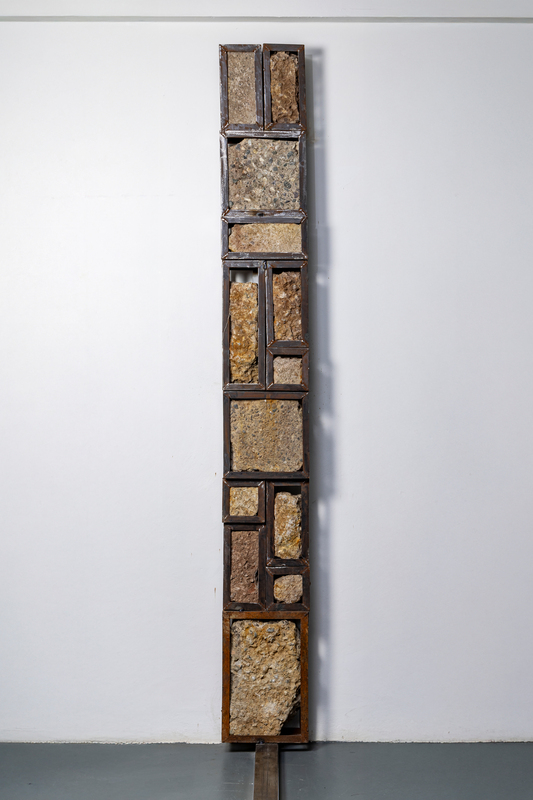
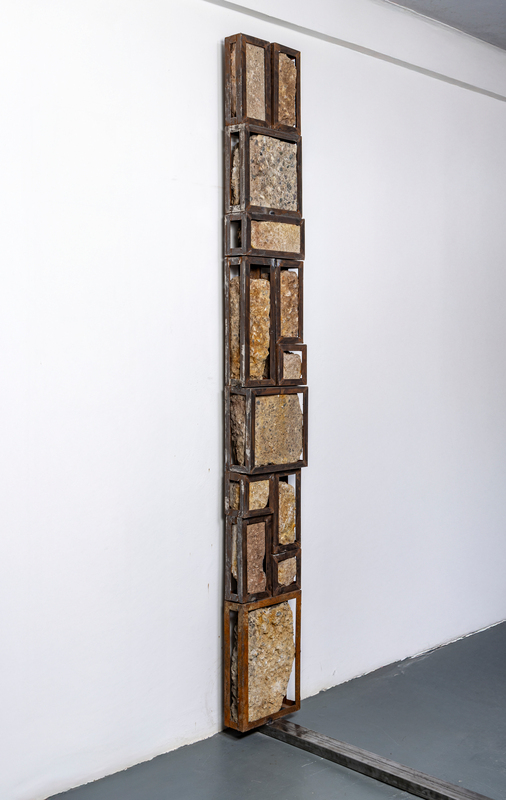
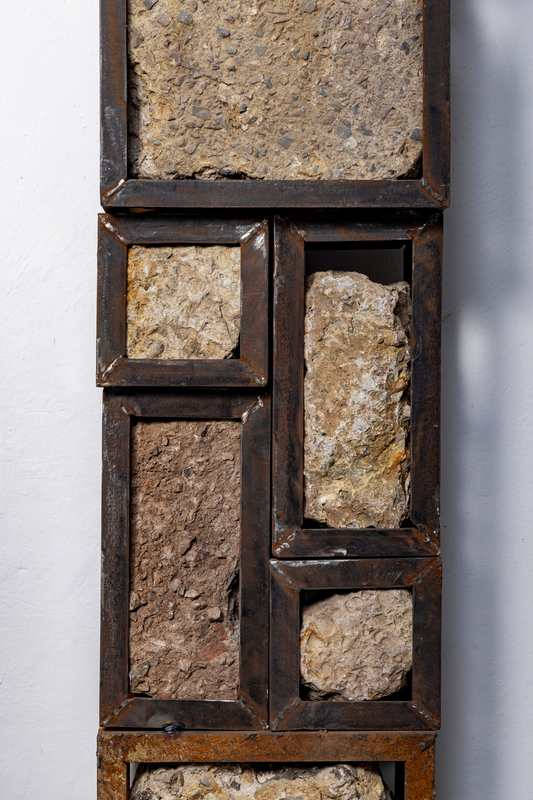
“Pieces of Memory” is a large-scale sculptural installation, standing as a raw testament to the crisis of unmanaged, illegally dumped concrete waste. Crafted from rubble collected in urban spaces across India, this installation speaks to the growing global problem of environmental degradation and the seemingly insurmountable task of cleaning up after the rapid expansion of cities, the violence of conflict zones, and the ravaging effects of climate disasters. The weight of these materials reflects the overwhelming challenges we face, and the constant onslaught of negative news only deepens our sense of despair. Yet, even in the rubble, there is a quiet whisper of resistance.
A sound piece featuring “Debris”, a poem written by Vibha Galhotra and recited by Rahul Baswani, plays in the gallery throughout the exhibition.
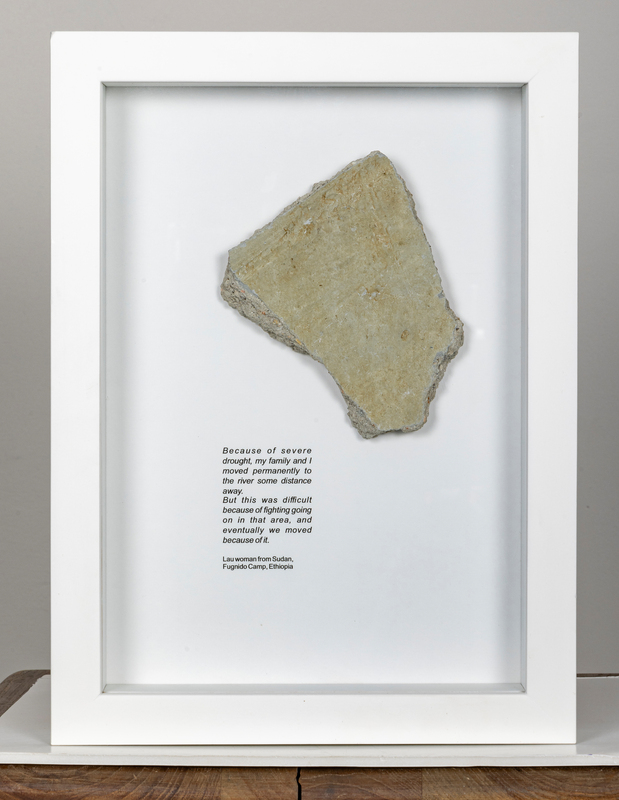
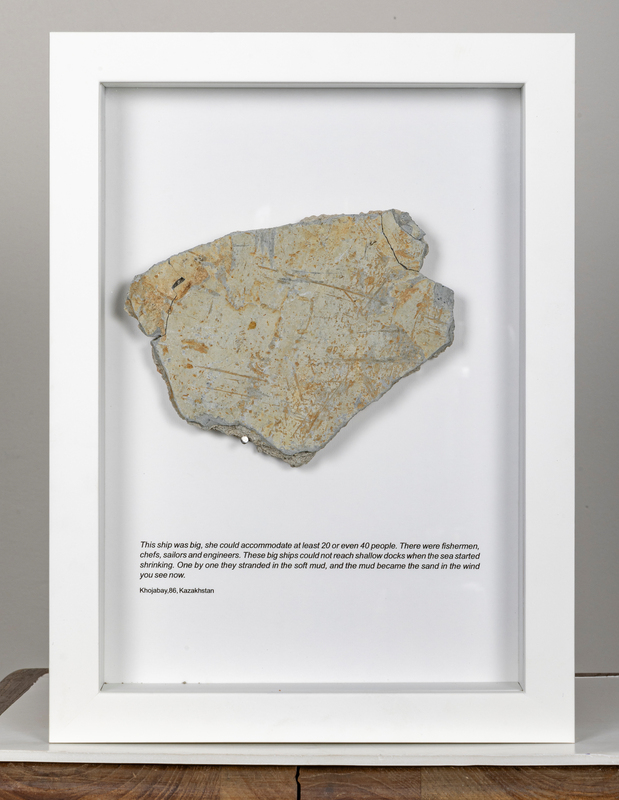
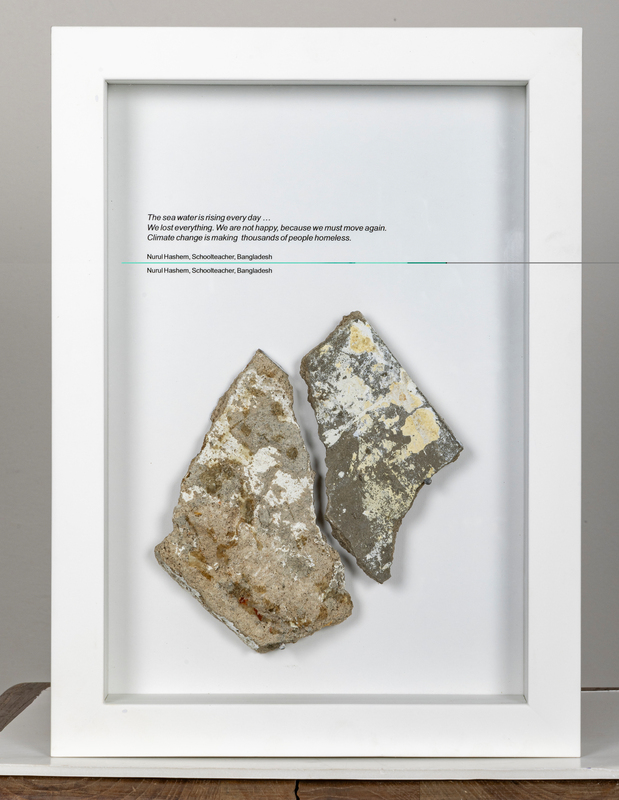
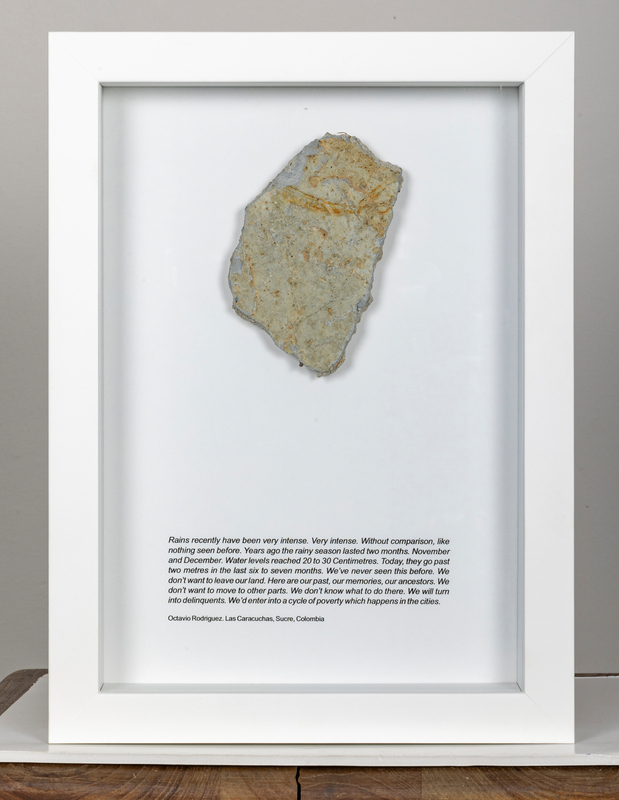
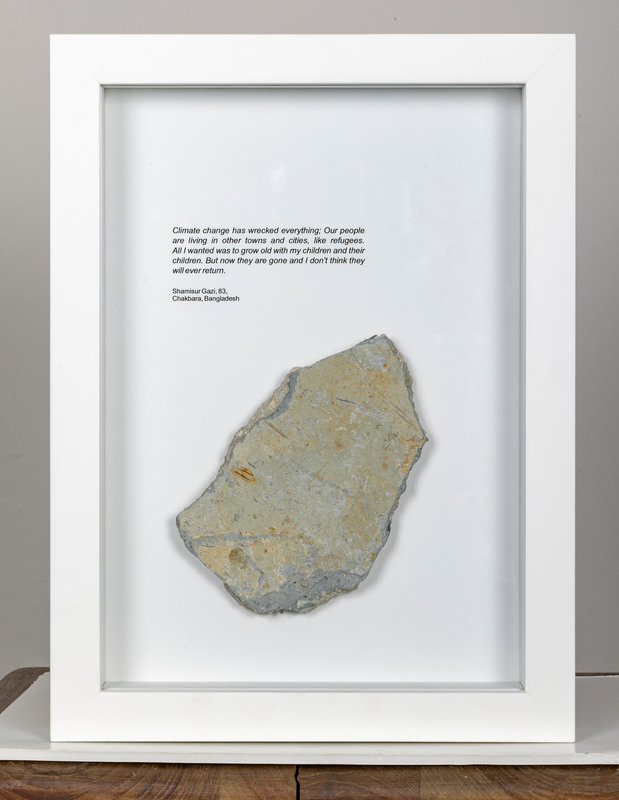
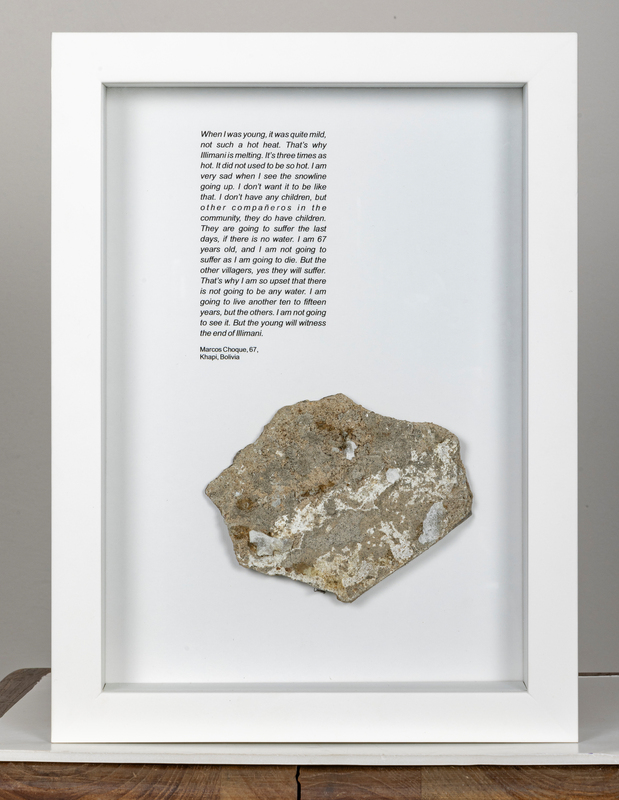
“Untitled (Solastalgia-The Weight in the Air)” (2024–25) includes content from “Moving Stories: The Voices of People Who Move in the Context of Environmental Change” (2014), authored by Alex Randall, Jo Salsbury, and Zach White; edited by Rebecca Sullivan; published by Climate Outreach. Used respectfully for artistic purposes.
SPECIAL ACKNOWLEDGEMENTS
Untitled (Solastalgia-The Weight in the Air)
This body of work draws on powerful first-hand testimonies featured in “Moving Stories”, a book authored by Alex Randall, Jo Salsbury, and Zach White, and edited by Rebecca Sullivan. Published by the Climate and Migration Coalition, the book centers the voices of those who have been displaced as a result of climate change — a crisis that disproportionately impacts underprivileged and marginalized communities around the world.
The Climate and Migration Coalition advocates for the rights and protection of people forced to move due to environmental degradation, extreme weather, and the long-term effects of climate instability. These narratives are not distant or abstract; they are lived experiences of loss, adaptation, resilience, and survival.
When I first encountered these stories, I was struck by the depth of injustice and the recurring silence surrounding those most affected. This work emerged from a desire to bear witness and to create space for these testimonies to be seen and heard in a visual and spatial form. It is both a reflection and a call to action — to recognize displacement not only as a humanitarian issue but as a shared global responsibility.
Proceeds from this work will be donated to the Climate and Migration Coalition, in continued support of their mission to protect and empower climate-displaced communities.
With sincere thanks to the authors Alex Randall, Jo Salsbury, and Zach White; editor Rebecca Sullivan; and the Climate and Migration Coalition for their vital work and efforts.
Source: https://climatemigration.org.uk/. The full report is attached below.
- Vibha Galhotra
About the Artist
Born in 1978 in Kaithal, Haryana, Vibha Galhotra lives and works in New Delhi. She received a Master’s of Fine Art Degree from Kala Bhavan, Santiniketan in 2001 and her Bachelor’s Degree from the College of Art in Chandigarh in 1999. Galhotra’s multimedia oeuvre―including sculptures, installations, photographs, videos, site-specific work, and public art interventions―addresses the shifting topography of a world radically transformed by climate change, consumerism, capitalism, and globalization. Propelled by the constant negotiation between human beings and their ecosystem, Galhotra’s practice utilizes intensive research and intuitive imagination to investigate the social, economic, and political implications of human activity on the environment. She draws from varied disciplines, including the fine arts, ecology, economics, science, spirituality, and political activism to inform a poetic visual response to the environmental changes and restructuring of culture, society, and geography occurring in today’s world.
Nature Morte presented Galhotra’s solo show entitled “Silent Seasons” at our Dhan Mill gallery space in December/January 2022–23. “Climacteric Whispers” at Goodman gallery, London; She has also had solo exhibitions at the Jack Shainman Gallery, New York (2012, 2015 & 2020); Exhibit 320, New Delhi (2017); Gallery Espace, New Delhi (2013); Project 88, Mumbai (2008); and Anant Art Gallery, New Delhi (2004 & 2005). The artist has exhibited at museums and institutions internationally, including The Asia Society, New York (USA, 2019 & 2021); Punjab Lalit Kala Akademi, Chandigarh (India, 2019); Land Art Biennial 360° (Mongolia, 2016); Southeastern Center for Contemporary Art, Winston-Salem (USA,2012); Centro per l’Art Contemporanea (Italy, 2012); Hamburg Kunsthalle (Germany, 2022), Martin Gropius Bau, Berlin (Germany, 2020); Museum of Fine Arts, Leipzig (Germany, 2020); Kiran Nadar Museum of Art, Delhi (India, 2022 & 2018); Kunstmuseum Wolfsburg (Germany, 2018); RMIT Gallery, Melbourne (Australia, 2018); San Jose Museum of Art, San Jose (USA, 2011); Kemper Museum of Contemporary Art, Kansas City (USA, 2015); among others. Her works are in numerous public and private collections including the Kiran Nadar Museum of Art (India); The Margulies Collection (USA), Pizzuti Collection (USA), Gates Foundation (USA), San Jose Museum (USA), Casa Masaccio Arte Contemporanea (Italy), Singapore Art Museum (Singapore), Devi Art Foundation (India), Casoria Contemporary Art Museum (Italy), Gut Gasteil (Austria), Saga Art College (Japan), Europos Parkas (Lithuania).
Programming
Nature Morte is thrilled to announce its collaboration with Carpe Arte and Open Call India, two dynamic artist-focused platforms championed by passionate women in the arts, to present an engaging and enriching program accompanying the Vibha Galhotra exhibition.
These partnerships underscore Nature Morte's commitment to fostering a vibrant and inclusive arts community, and to supporting initiatives that provide opportunities for artists and diverse audiences to connect and engage with contemporary art.
Carpe Arte and Open Call India will each offer unique perspectives and programming that will complement and enhance the exhibition experience. Stay tuned for further announcements detailing the exciting range of events, talks, and other activities that will be offered as part of this collaborative program.
Installation Views