

Bikaner House
Group Show
On | Site Group Exhibition
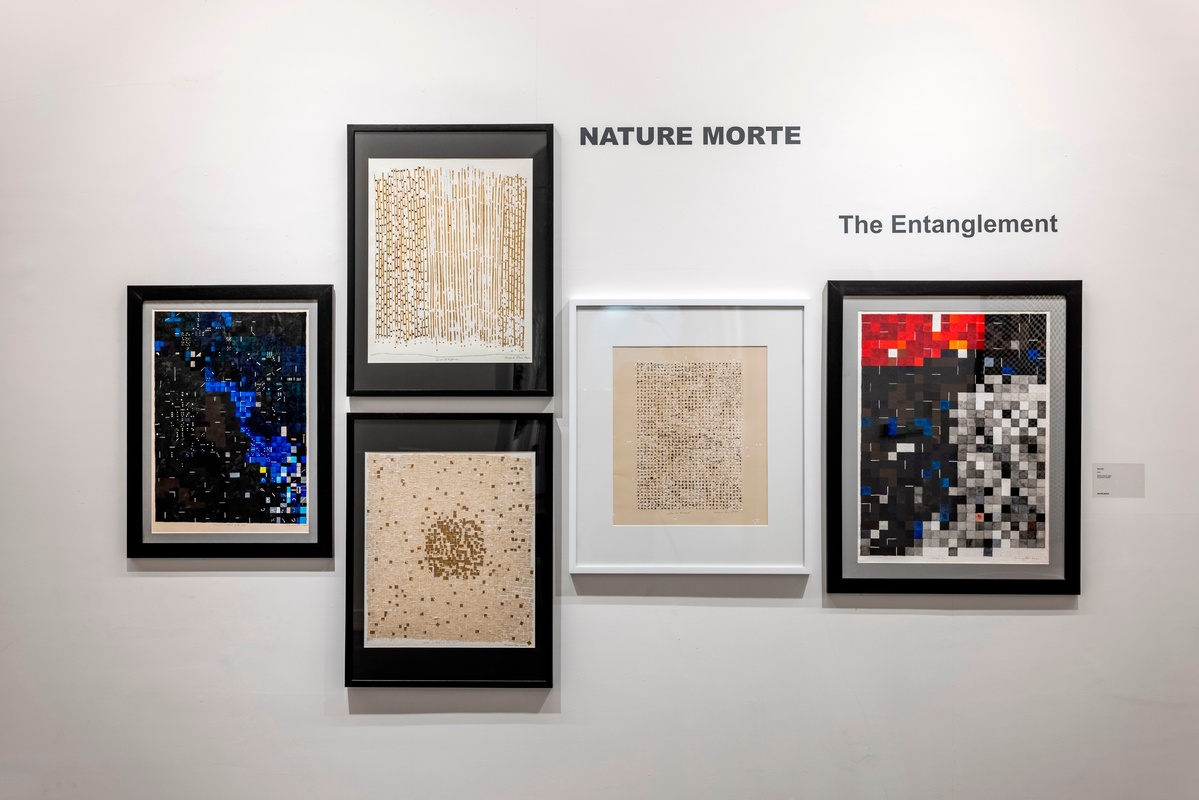
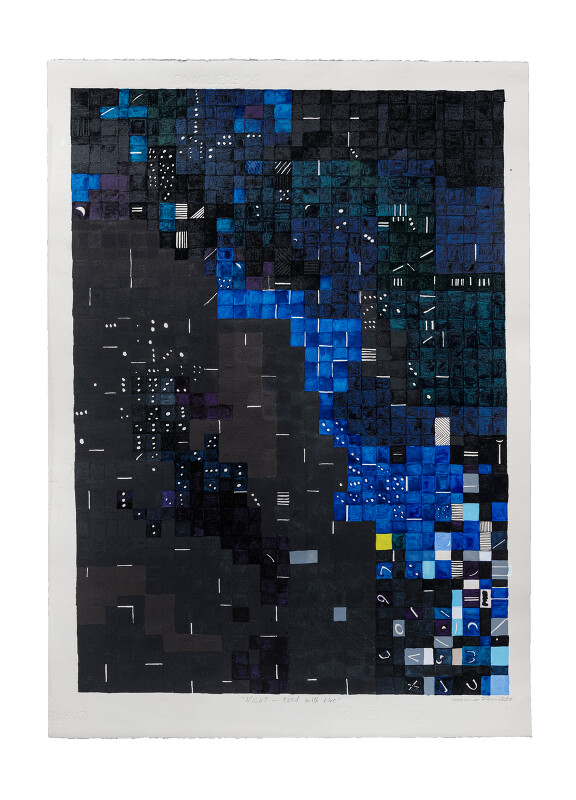
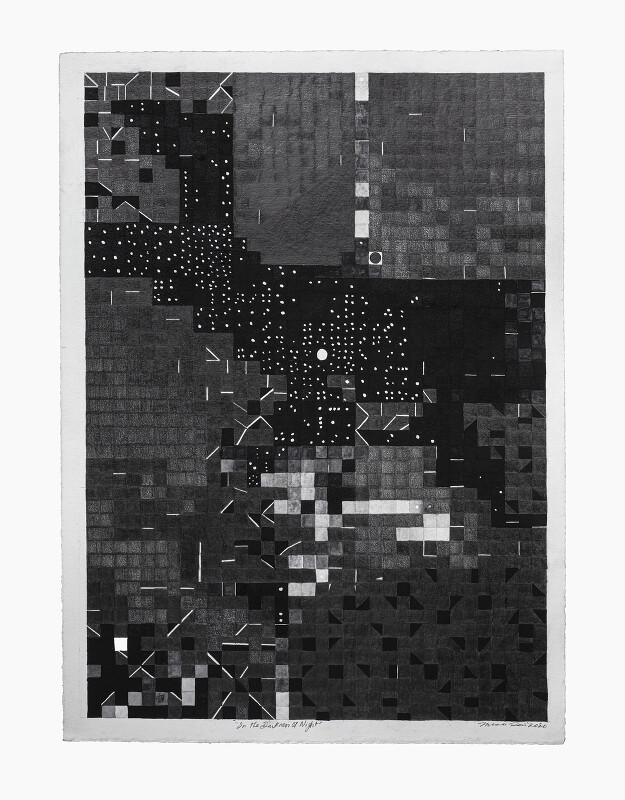
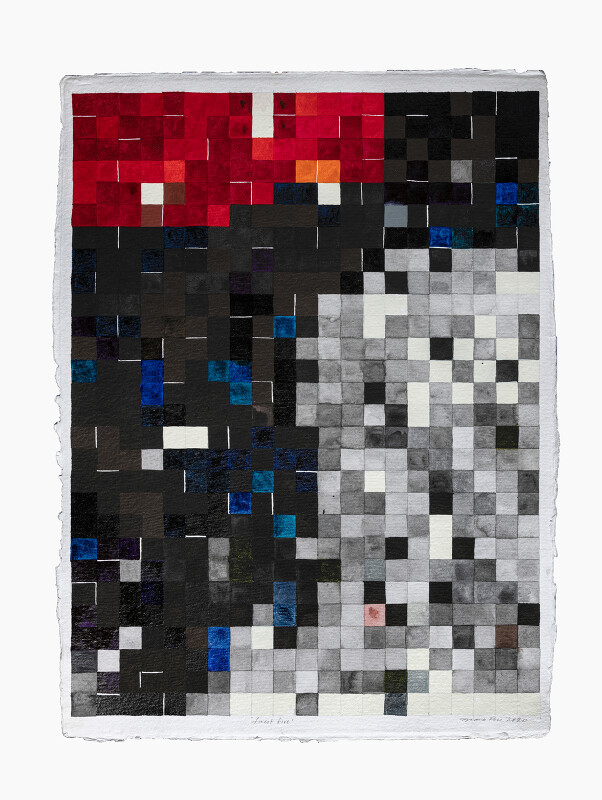
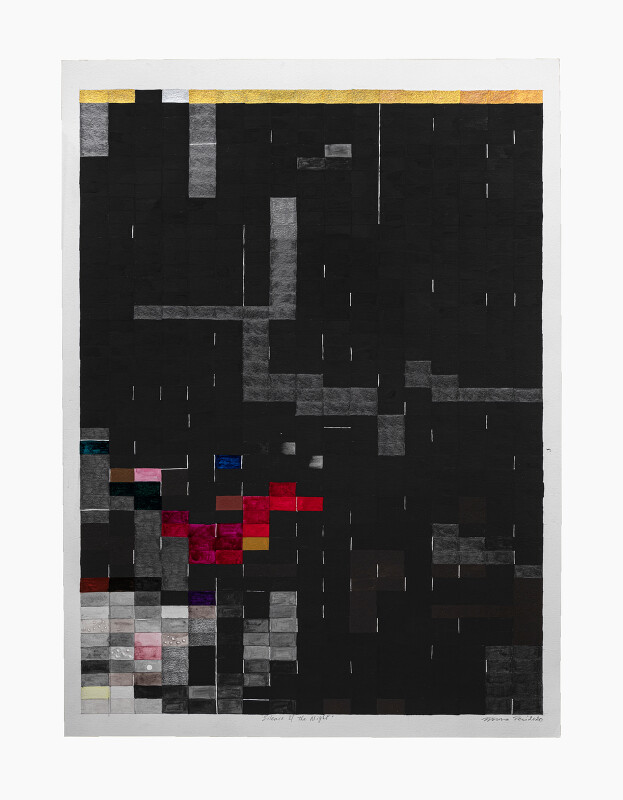
The Entanglement
Mona Rai, Bharti Kher, Tanya Goel
Asim Waqif, Martand Khosla, L.N. Tallur
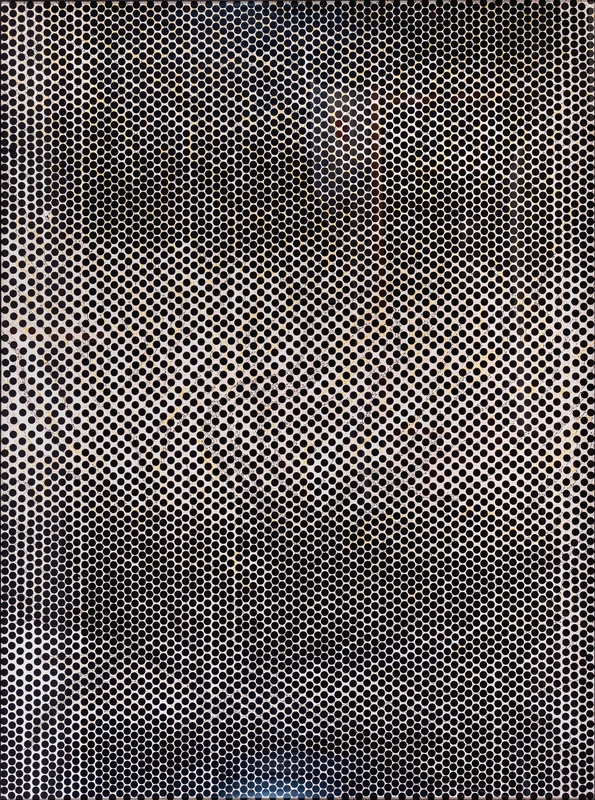
Art and Science have always enjoyed a symbiotic relationship. Advances in the figurative sculpture of Ancient Greece paralleled knowledge in the field of human physiology, while the calculations of perspective in Renaissance painting mirrored the development of cartography and topology. Pointillism was a style of painting developed by Georges Seurat and Paul Signac in France in 1886. By constructing an image from individual dots of colors these painters exploited the ability of the mind to blend together what is seen with the eyes. This technique, developed in tandem with Impressionism and Symbolism, posited painting as an intellectual construction, anticipating the developments of Cubism (with its inspirations found in non-Euclidean Geometry and Einstein’s Theory of Relativity) and Surrealism (indebted to Freud’s theories of Psychoanalysis).
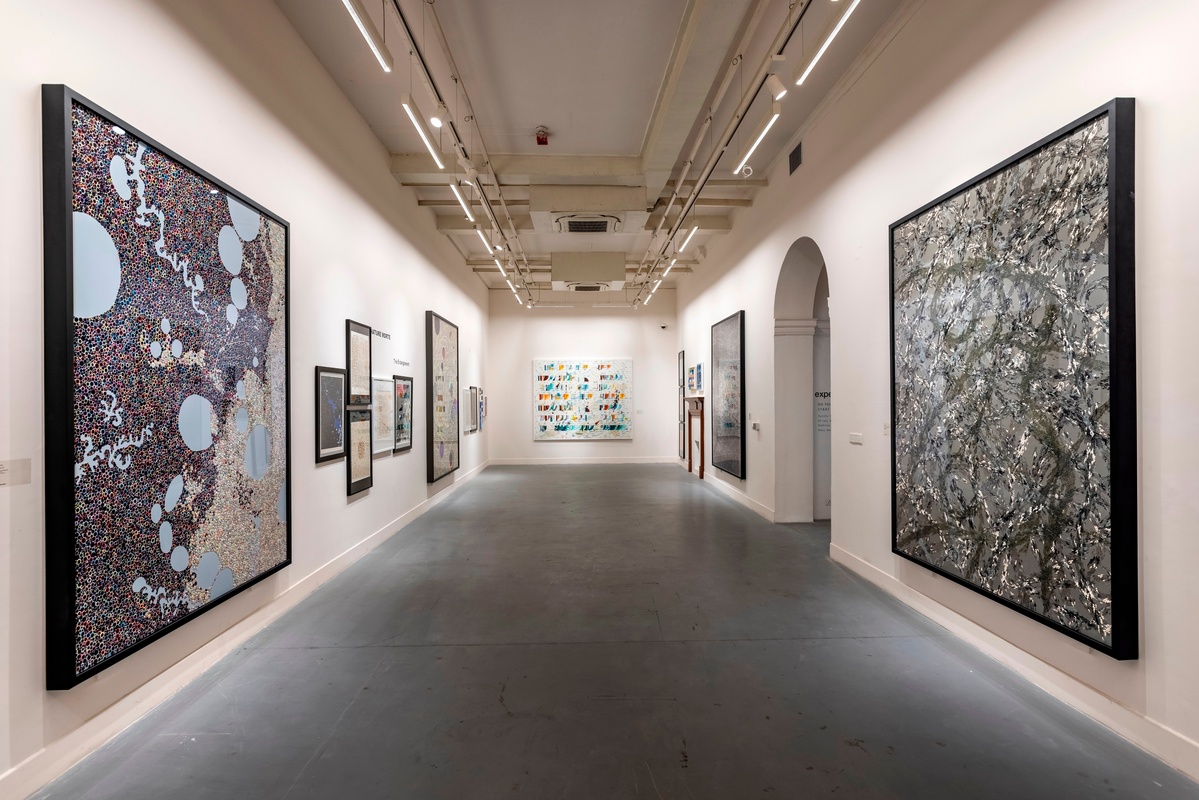
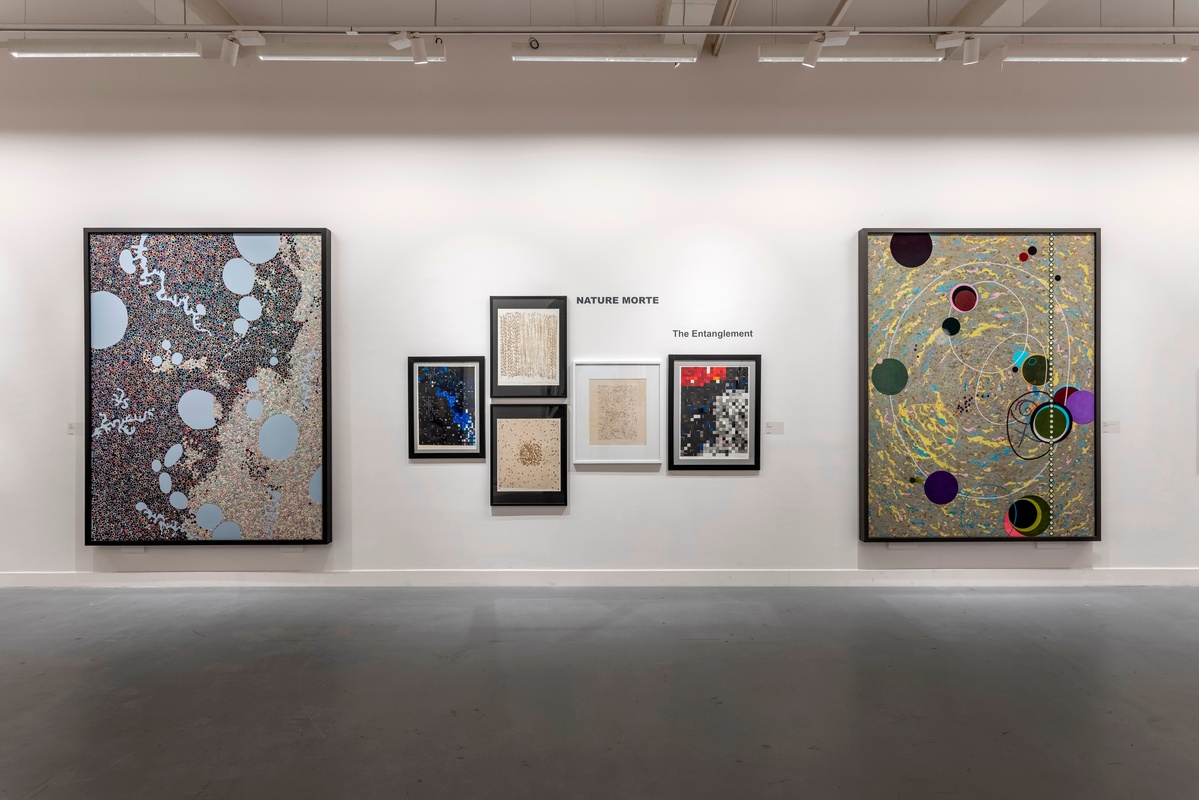
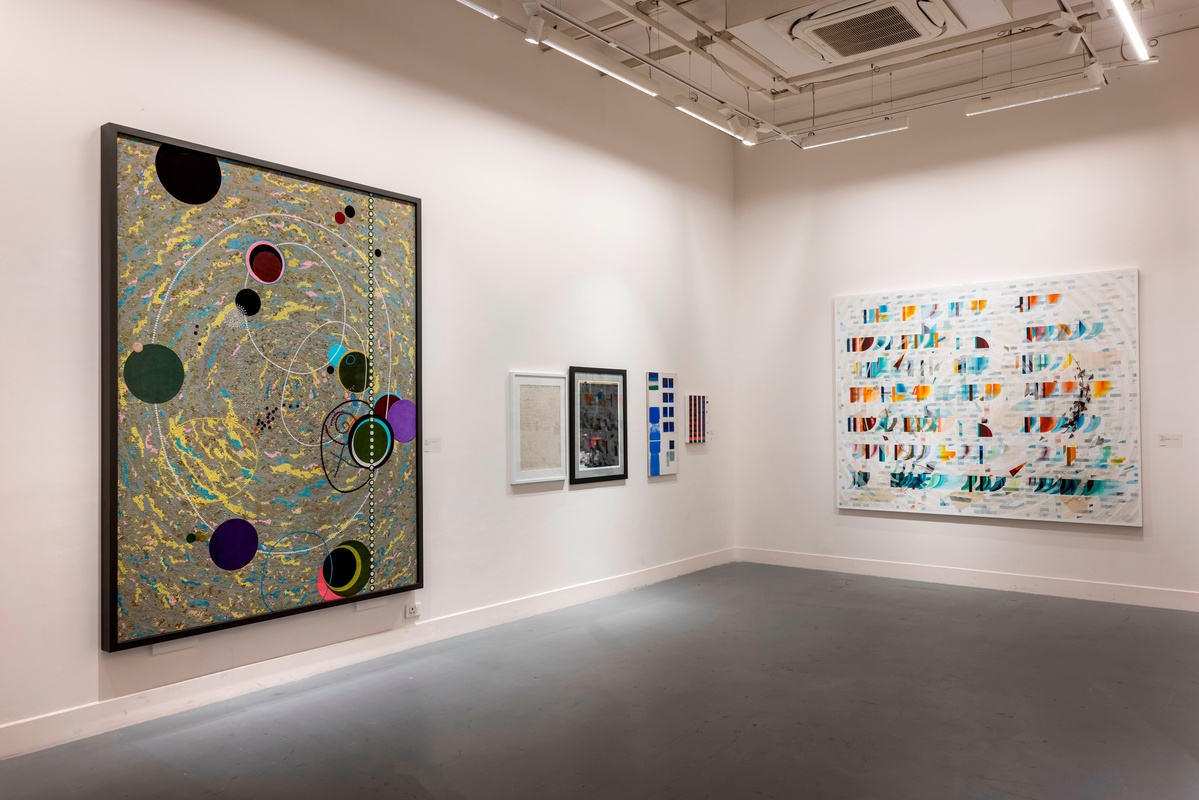
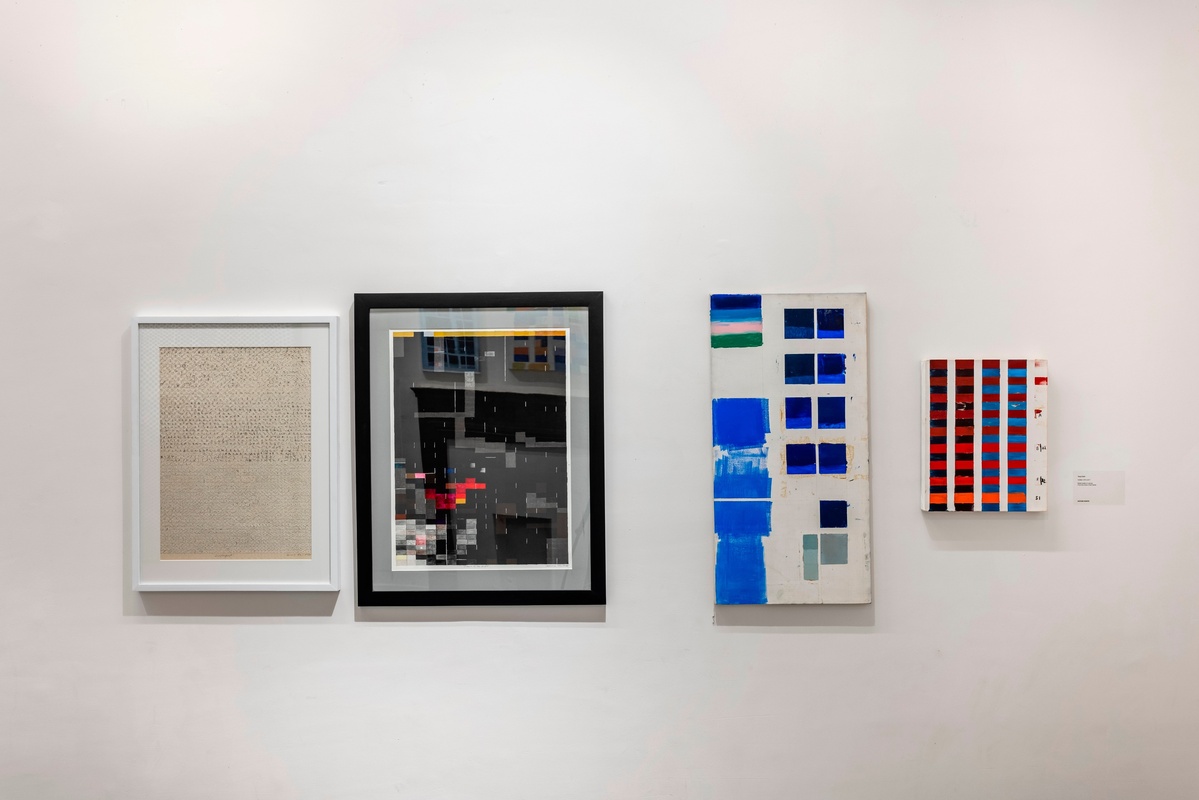
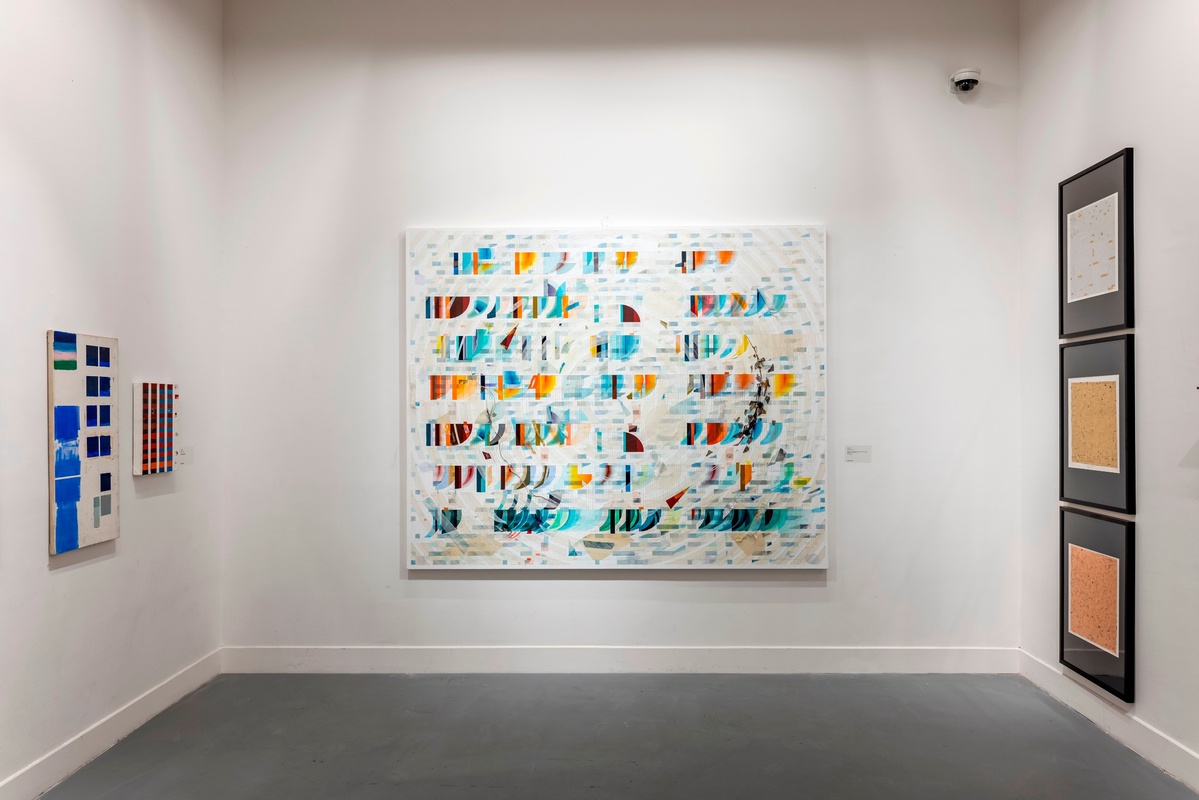
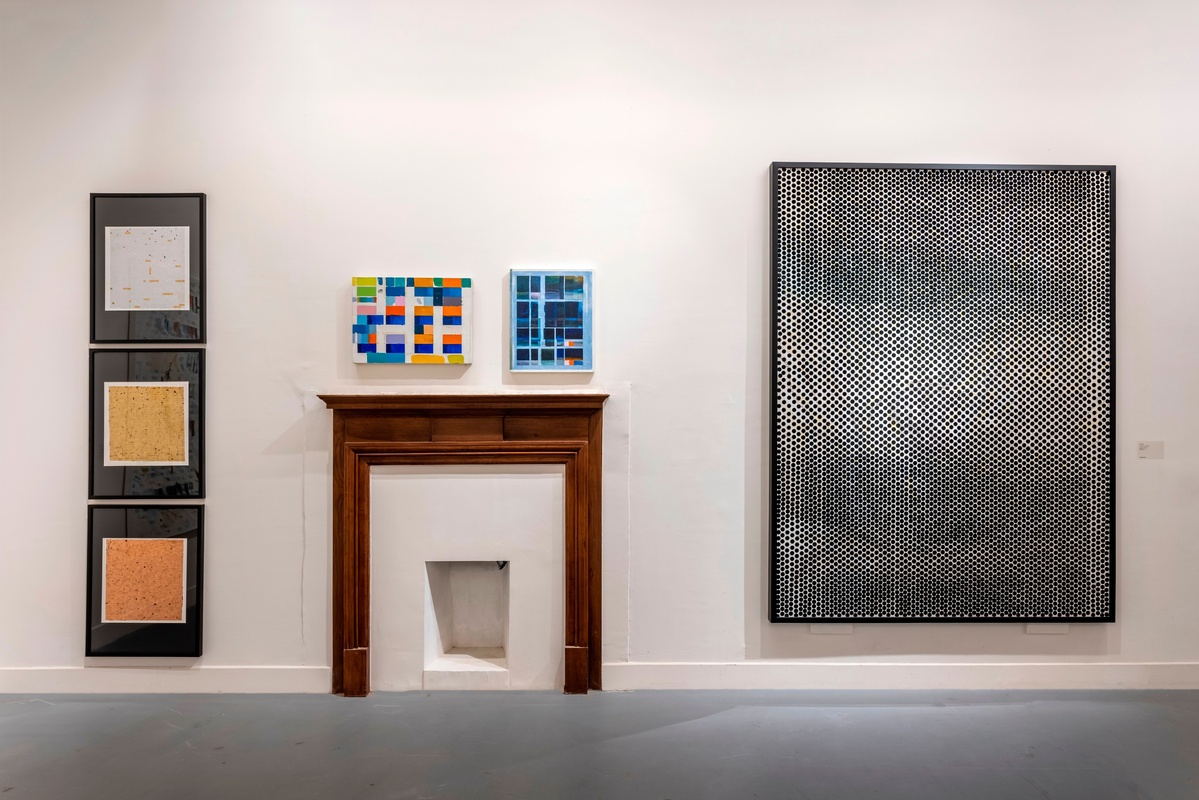
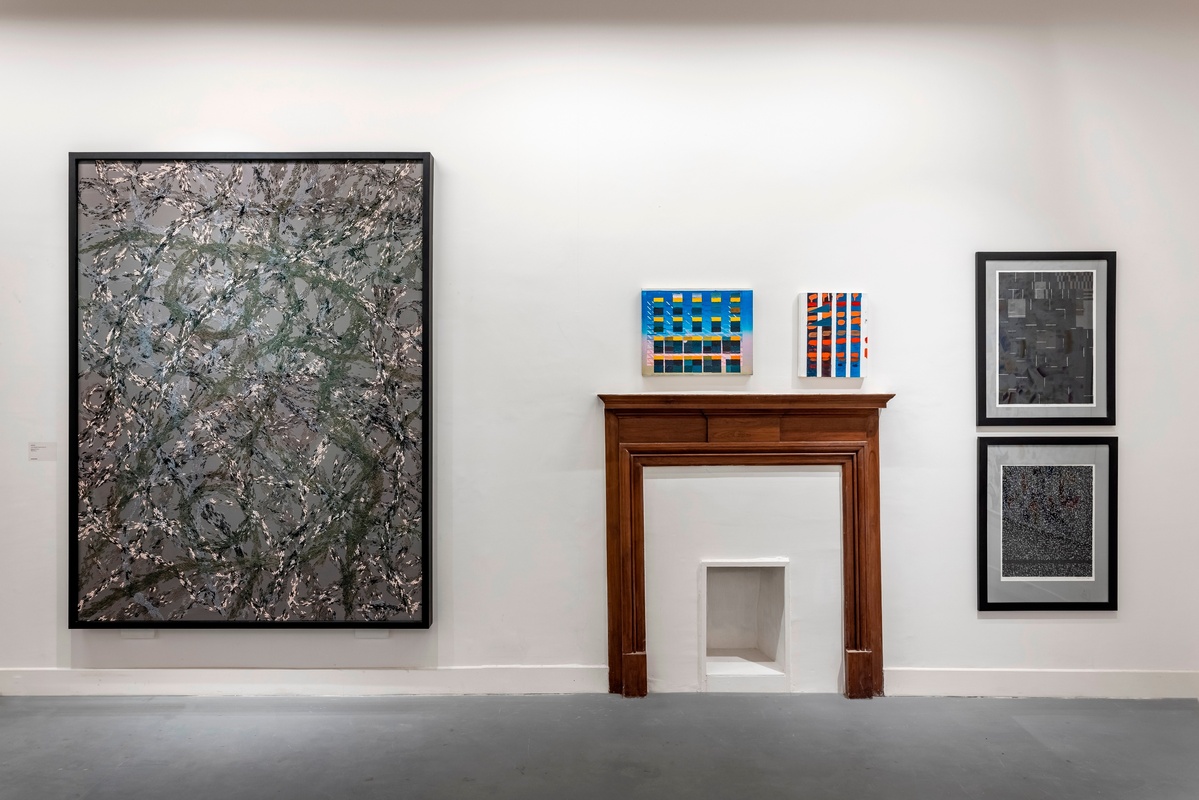
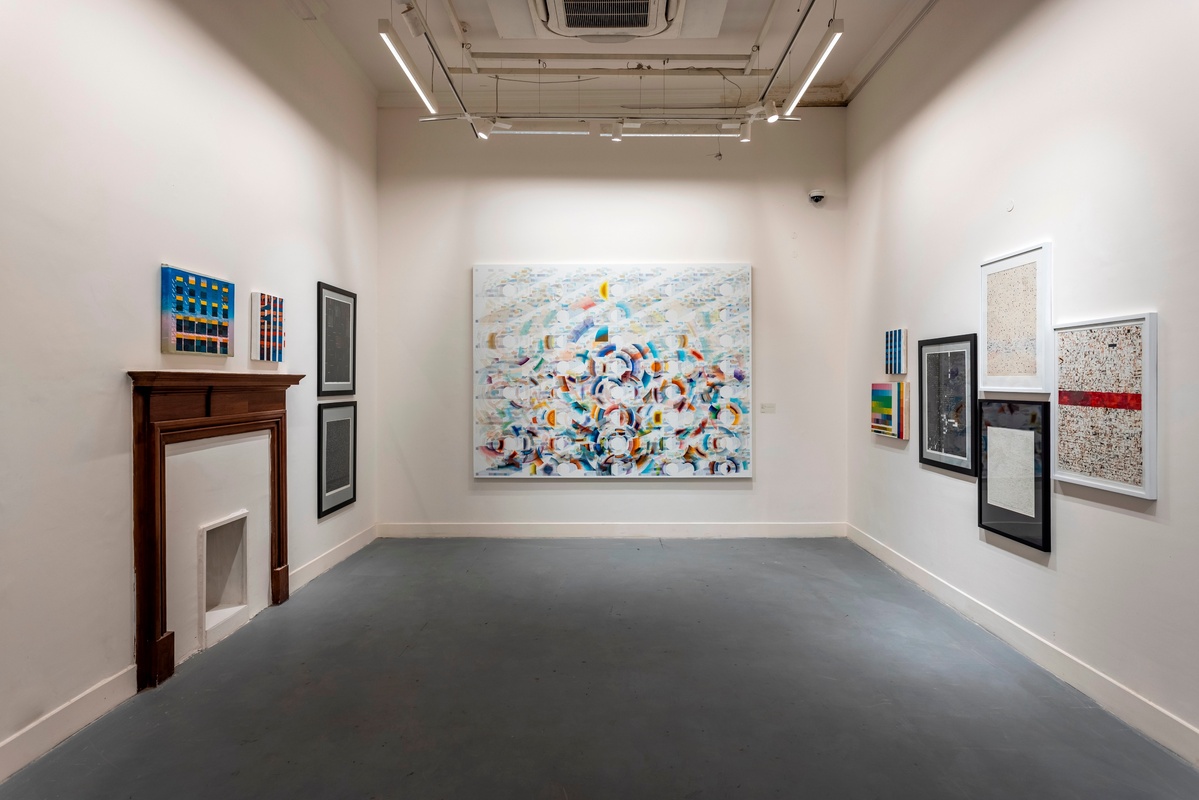
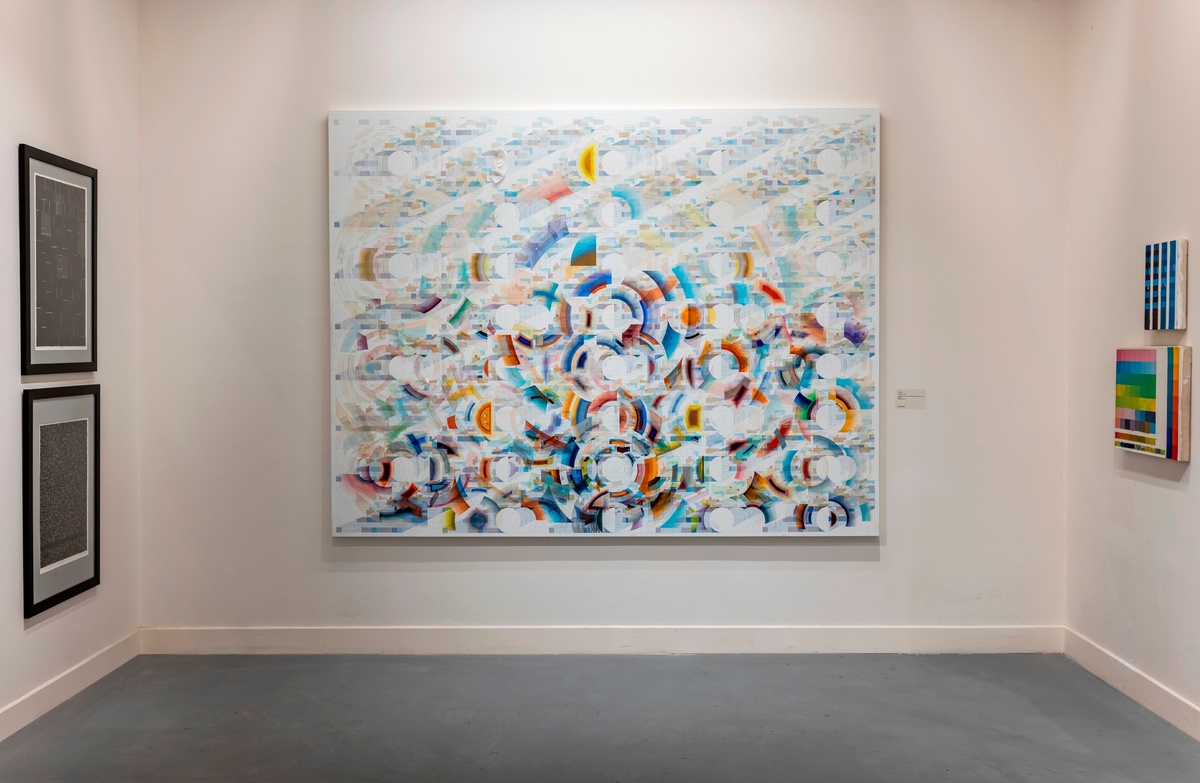
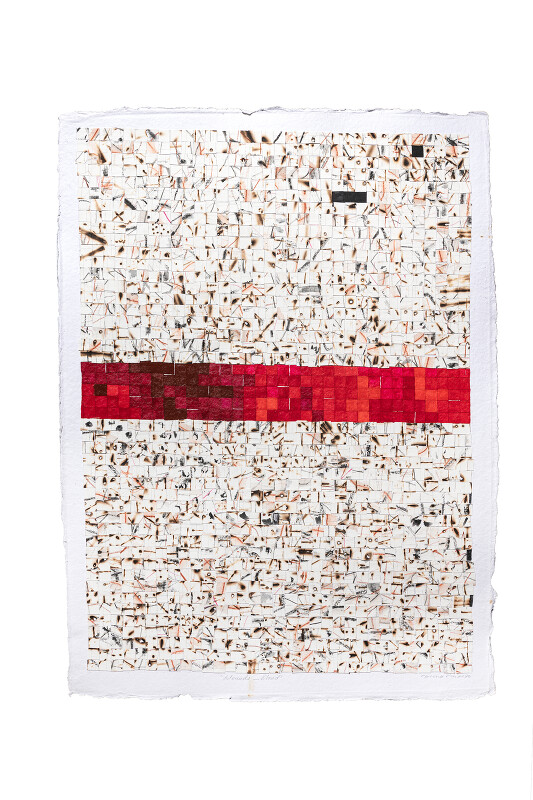
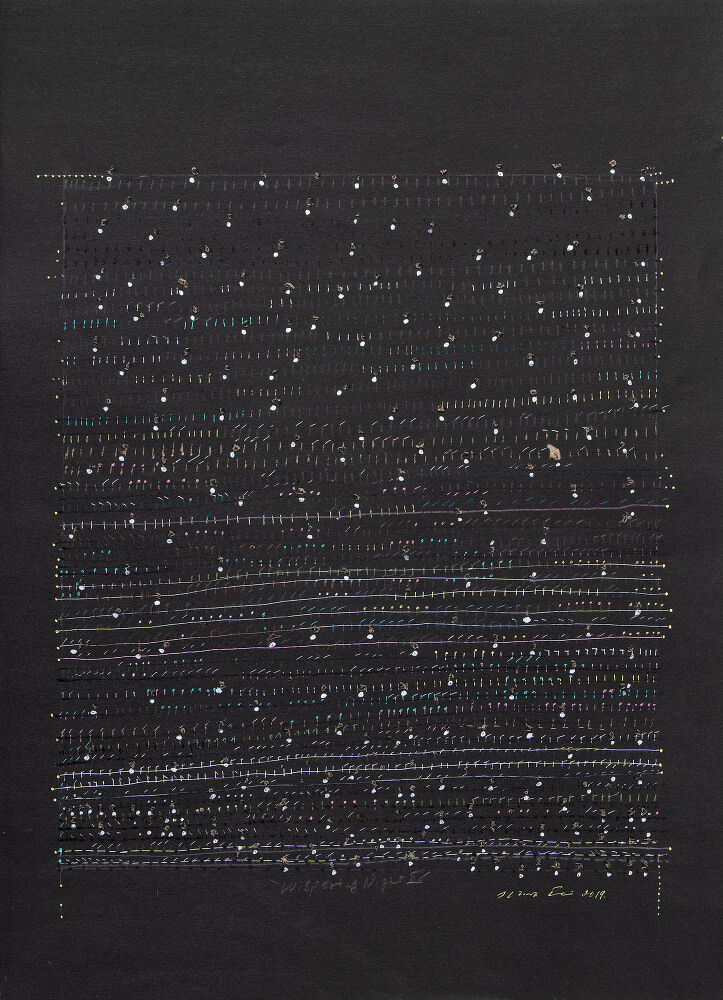
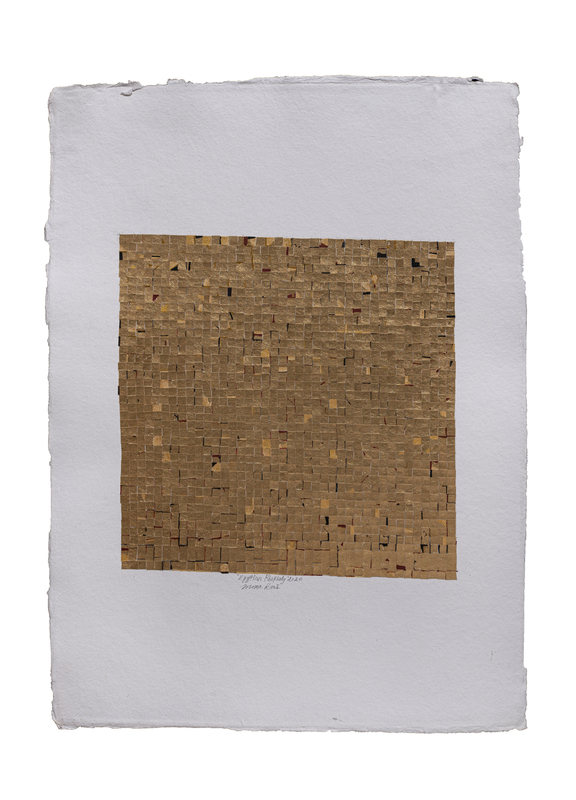
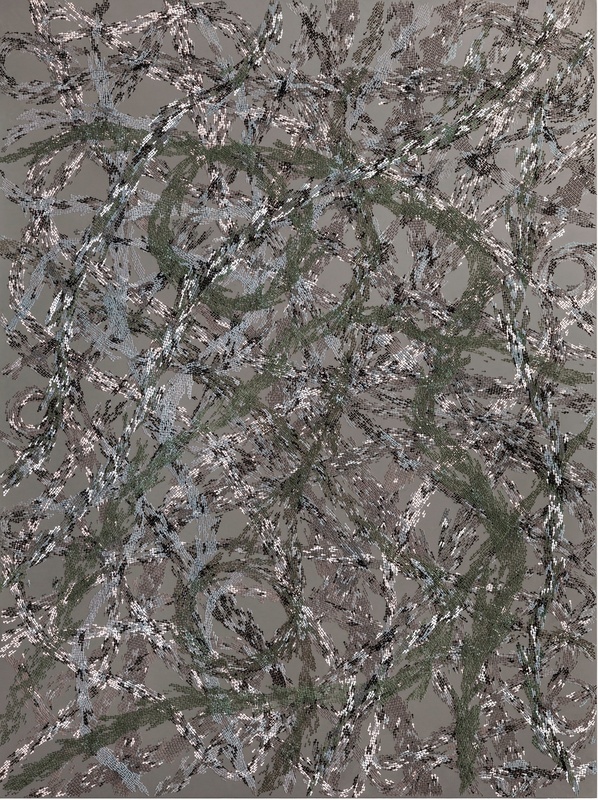
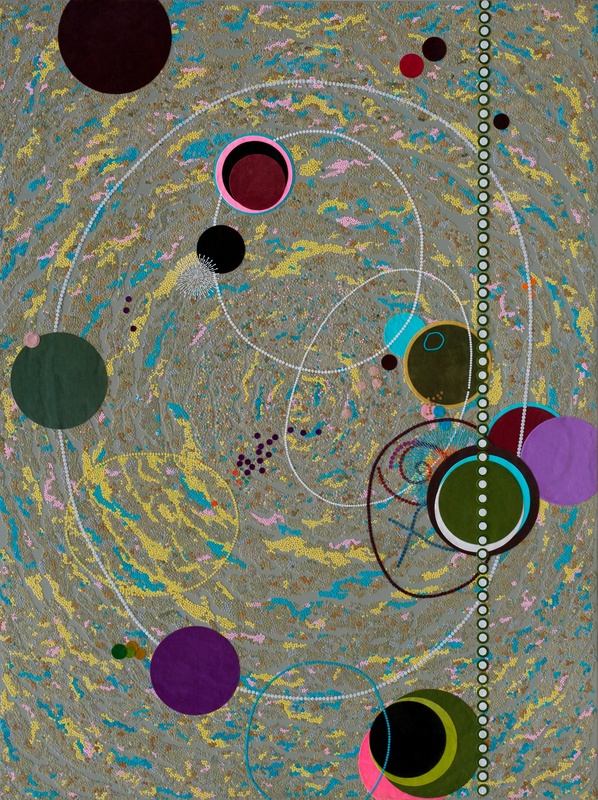
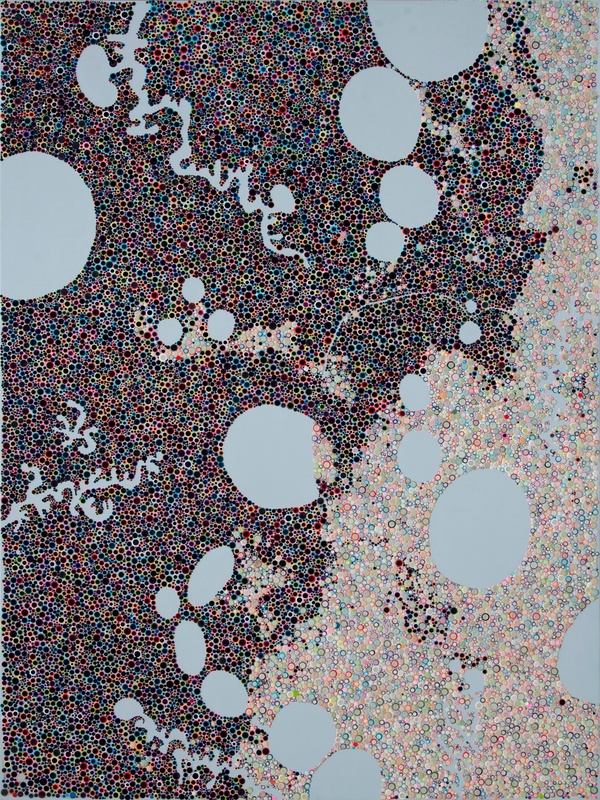
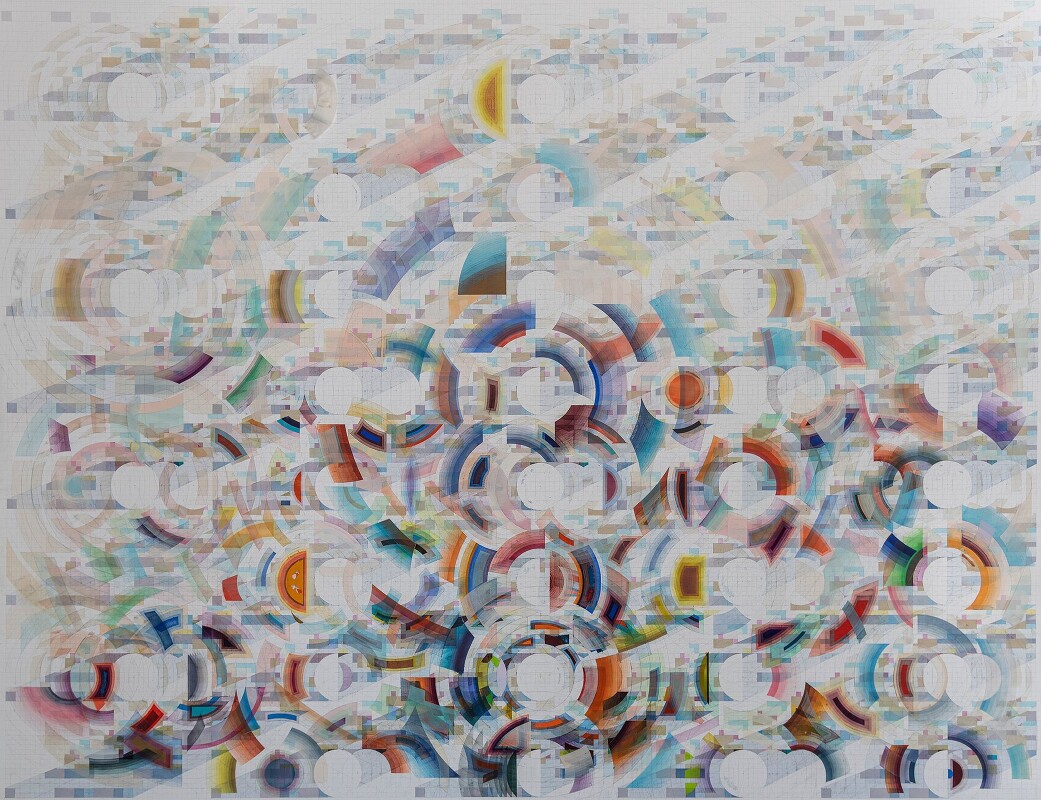
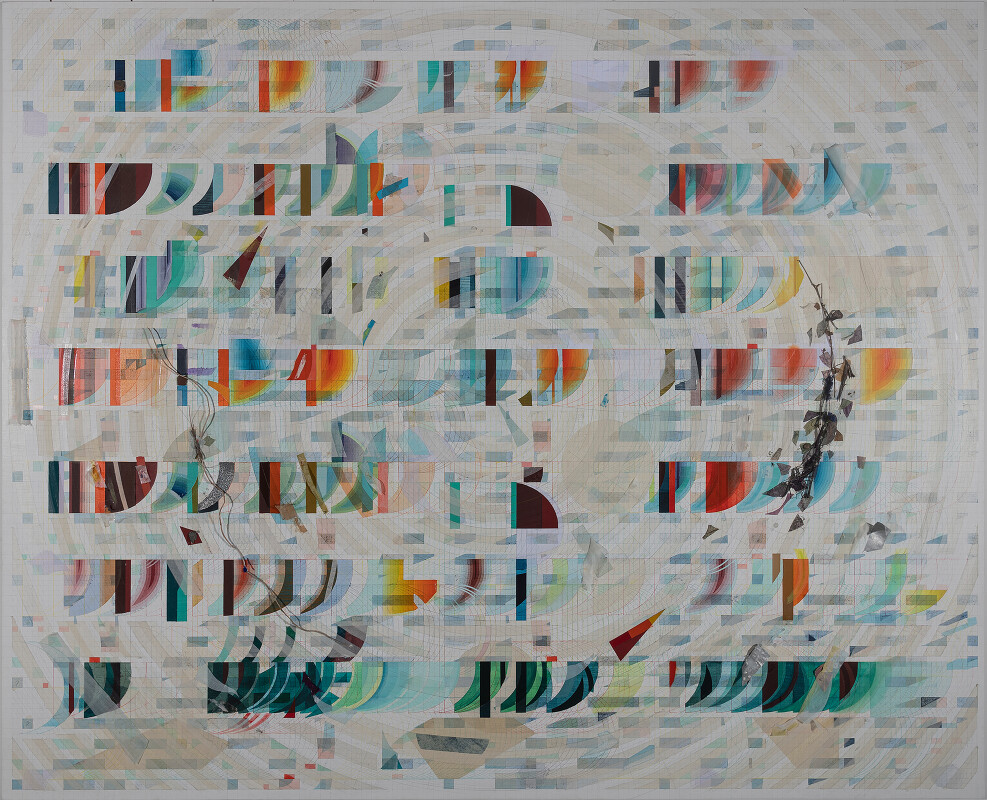
Three artists of three generations working today propose abstraction as a correlative to current advancements in Science. Mona Rai, Bharti Kher, and Tanya Goel create artworks without subjects, pictures that are determined by the unorthodox materials from which they are made, images that coalesce as much in the mind as by the eye. Individual units, often of a diminutive scale, are multiplied en masse, subjected to forces of both order and chaos, swarmed into fields of energy. These artworks can be paired with advances in the harnessing of cutting-edge theories such as nano-technologies, quantum computing, and genome sequencing.Our three artists may be envisioning for us the specific state of Entanglement, in which sub-atomic particles influence each other regardless of location and distance from each other, making propositions such as time travel and telekinesis possible on the theoretical level. In any case, this is not “story-telling” Art, but rather works which mirror the oscillating frequencies between our lived realities and the mysteries which Science continues to reveal.
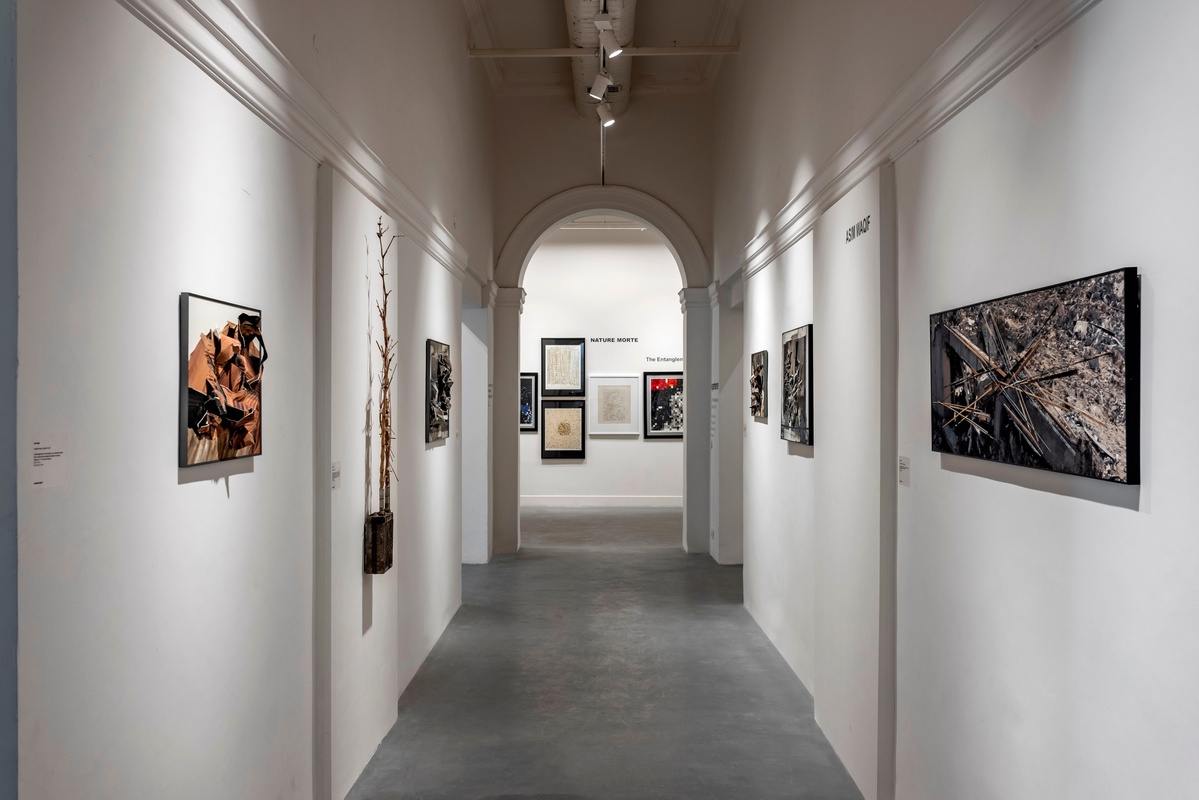
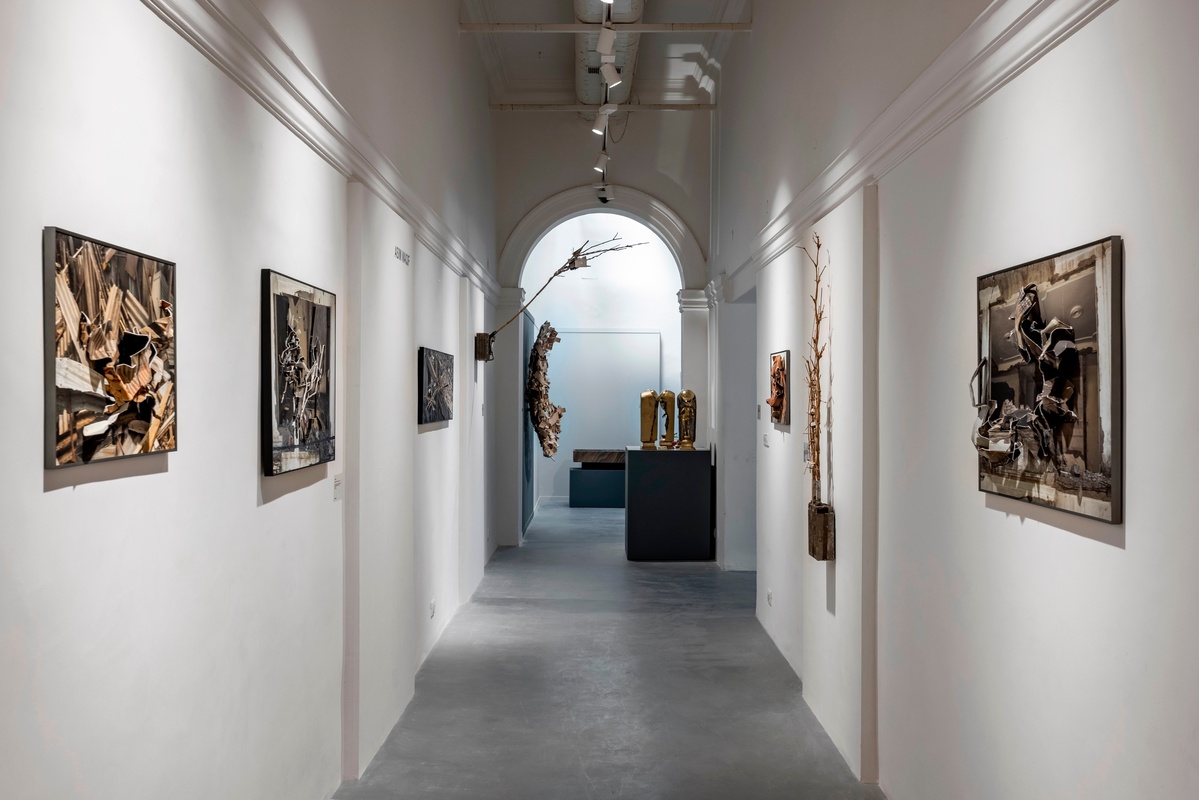
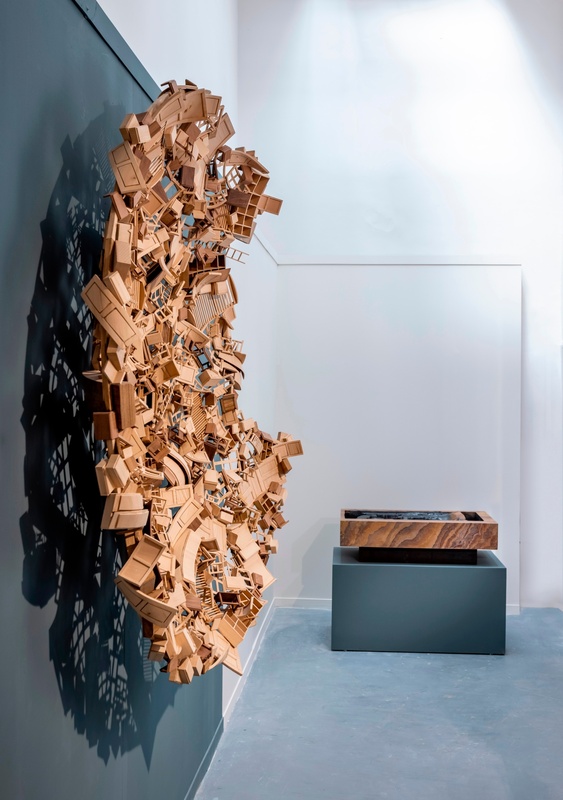
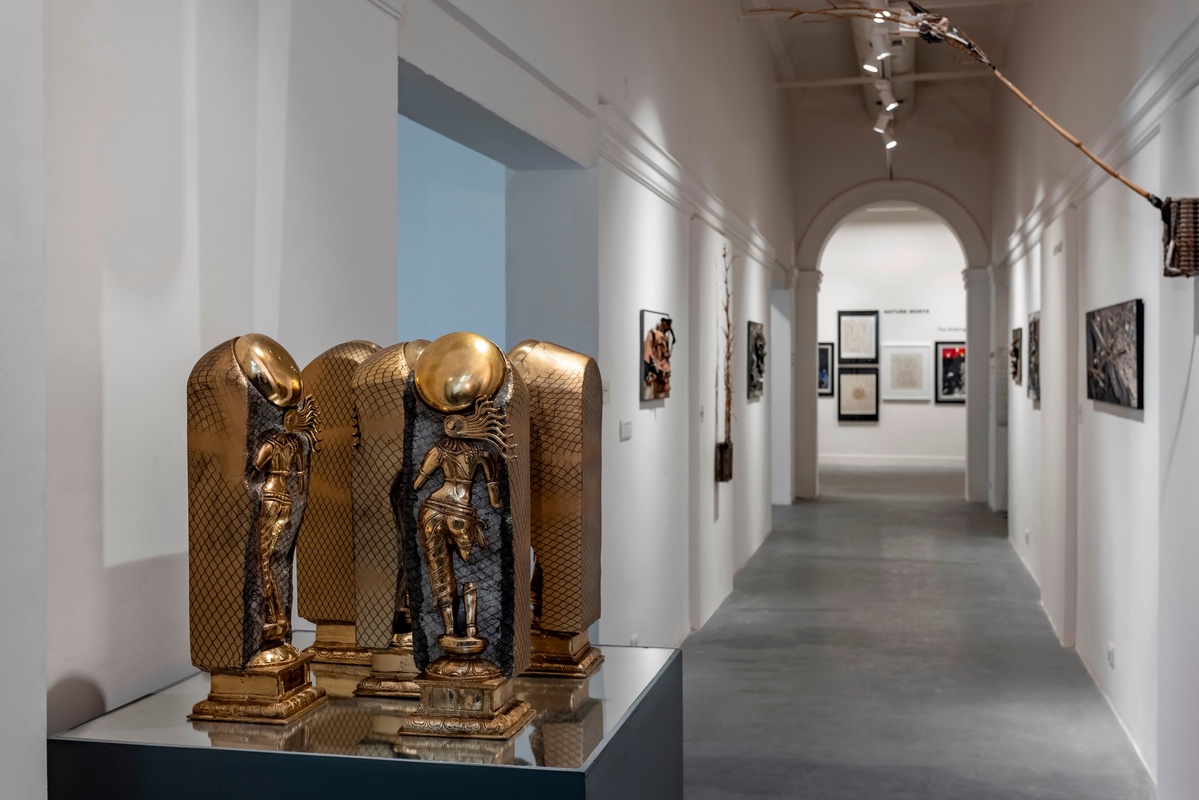
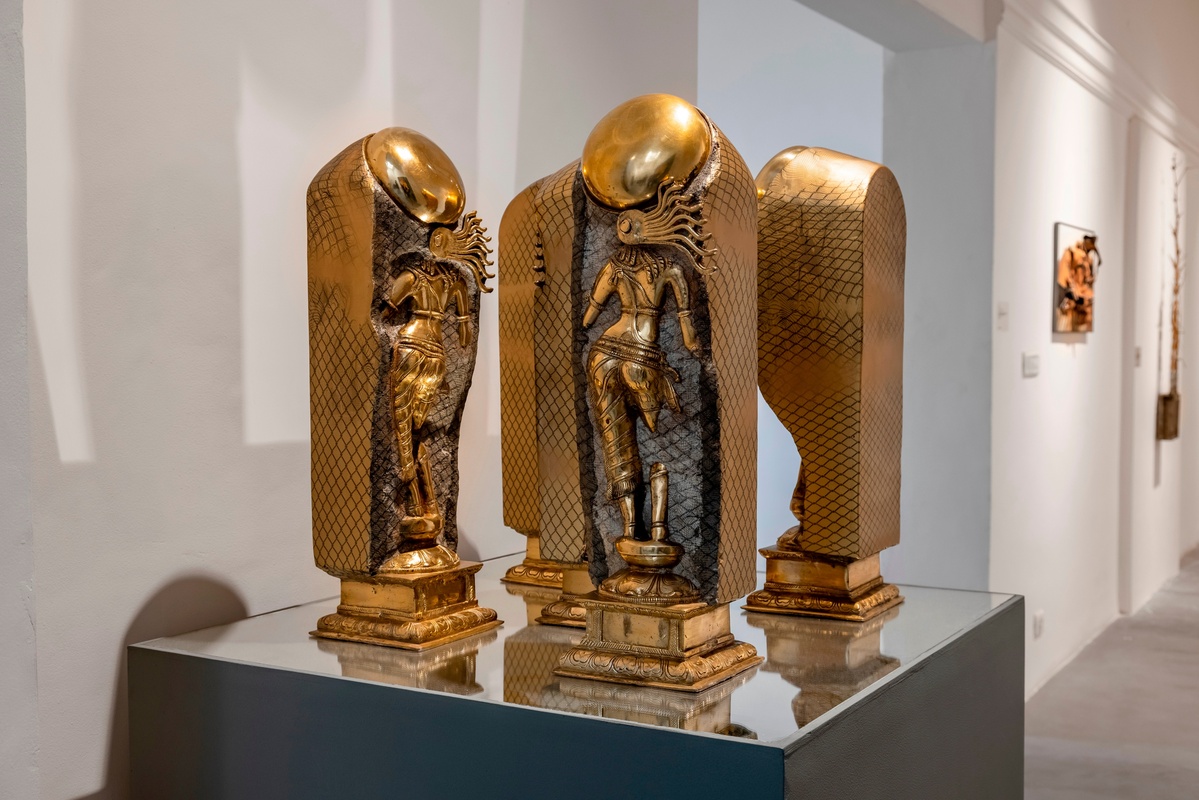
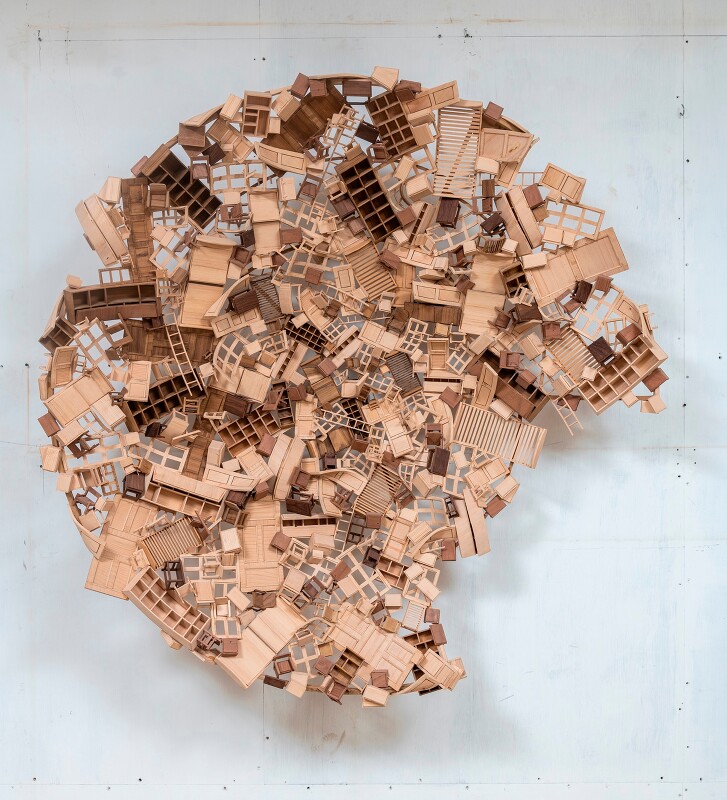
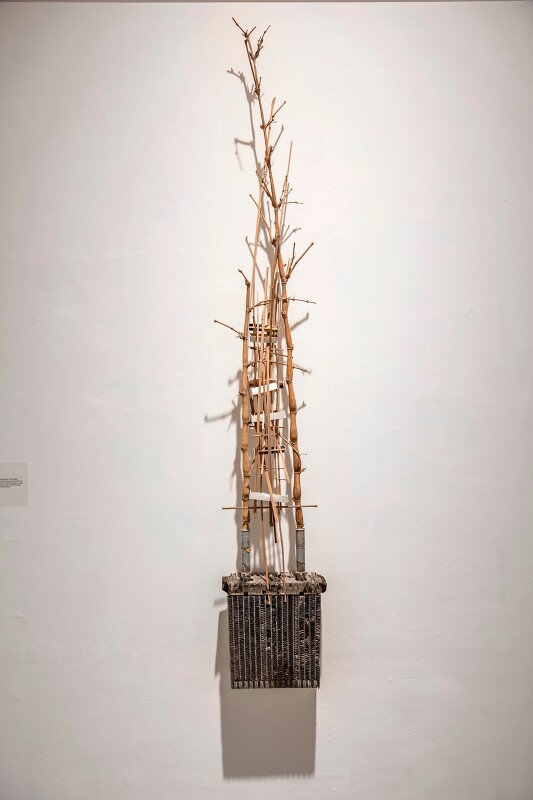
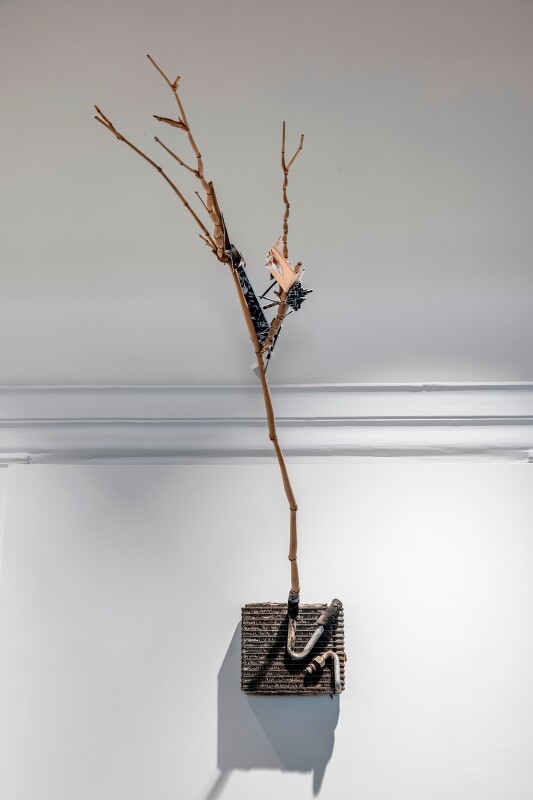
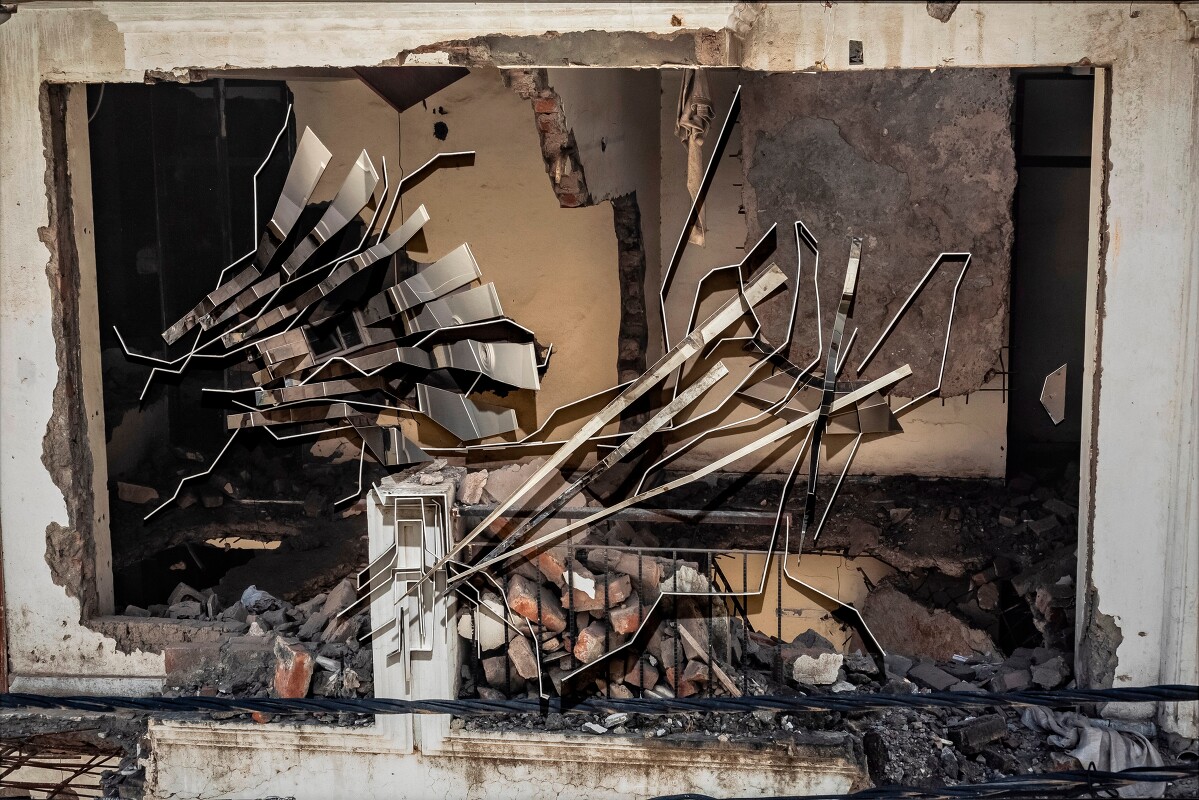
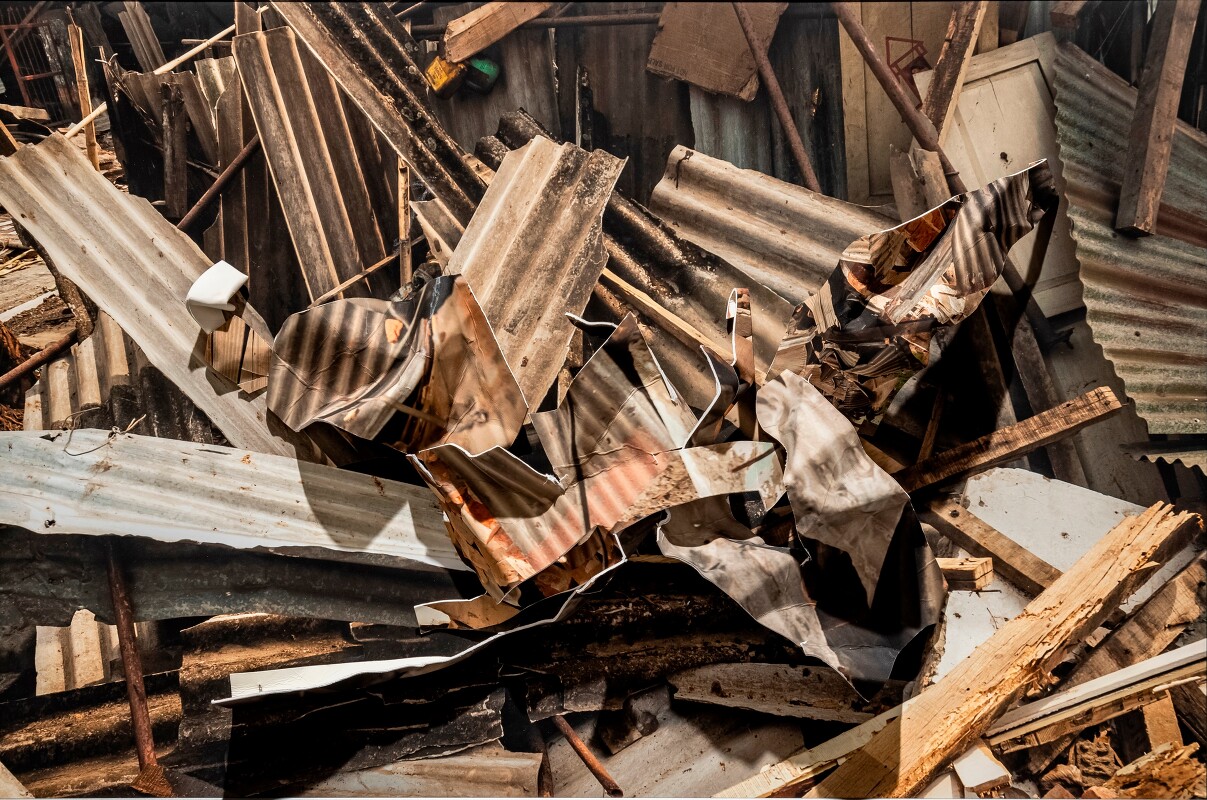
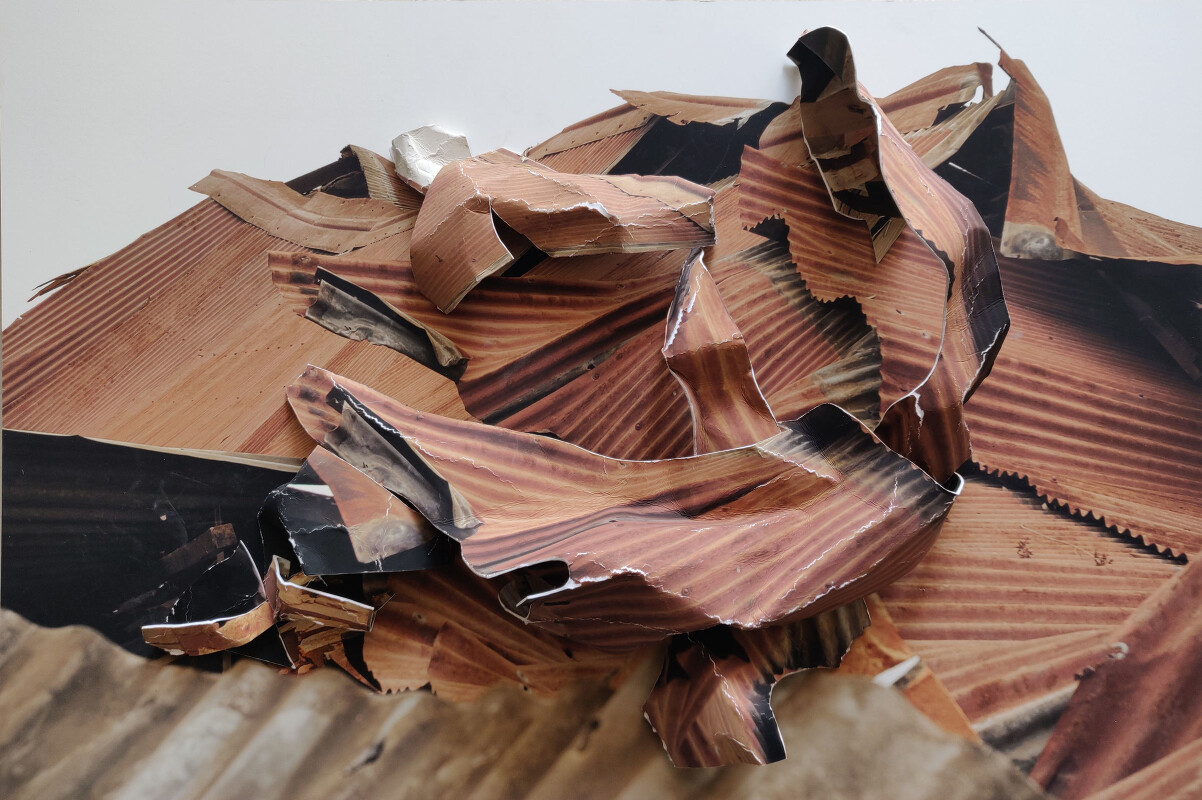
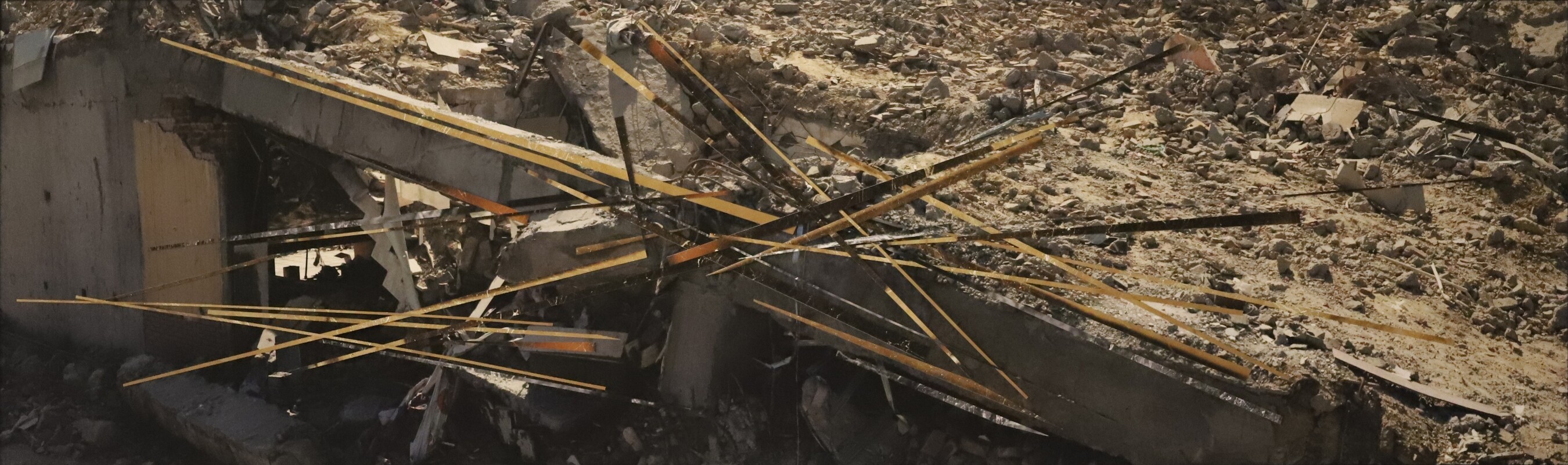
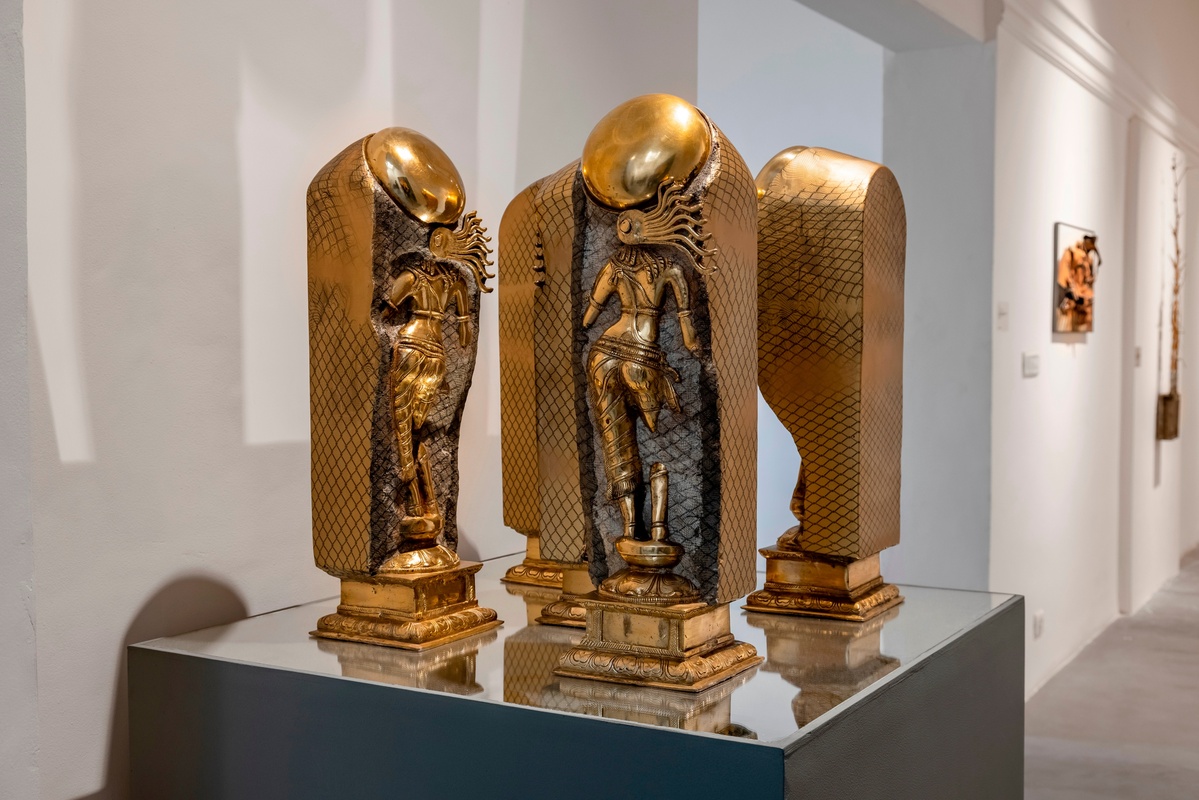
In addition, Nature Morte will exhibit works by Asim Waqif, LN Tallur, and Martand Khosla which expand upon this dialogue between Art and Science. New wall-mounted works by Asim Waqif develop his signature technique of combining photography with diverse materials, borrowing strategies from both archaeology and disaster management. Titles such as Collapse Analysis and Ontogenesis allude to Waqif’s method of expanding deconstruction to its illogical extremes, confounding our preconceived perceptions of artistic parameters. Two new sculptures by LN Tallur manipulate traditional statuary: re-making them in new materials, grafting on embellishments, framing them with critical gestures. The results question the relationship between the traditional and the contemporary, amplifying our awareness of the interstitial condition of the art object. One large wall work by Martand Khosla explodes the banality of domesticity by a centrifugal force, a cyclone of miniature furniture seems to lift off of the wall.
Drawing Salon
Jitish Kallat, Reena Saini Kallat
Nature Morte is also pleased to present the two formally and materially distinct drawing practices of Reena Kallat and Jitish Kallat. Despite their diverse points of departure and artistic methods, they share interesting thematic overlaps in the manner in which they provoke a planetary vision through an economy of means.
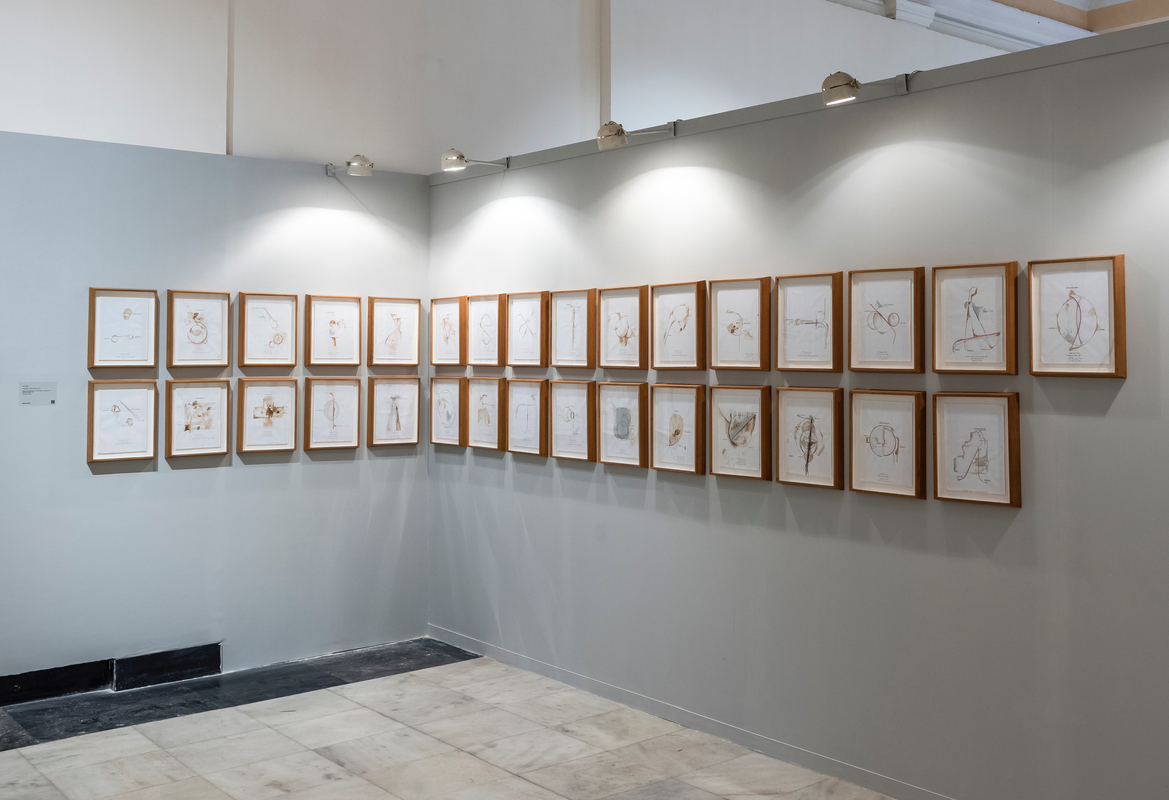
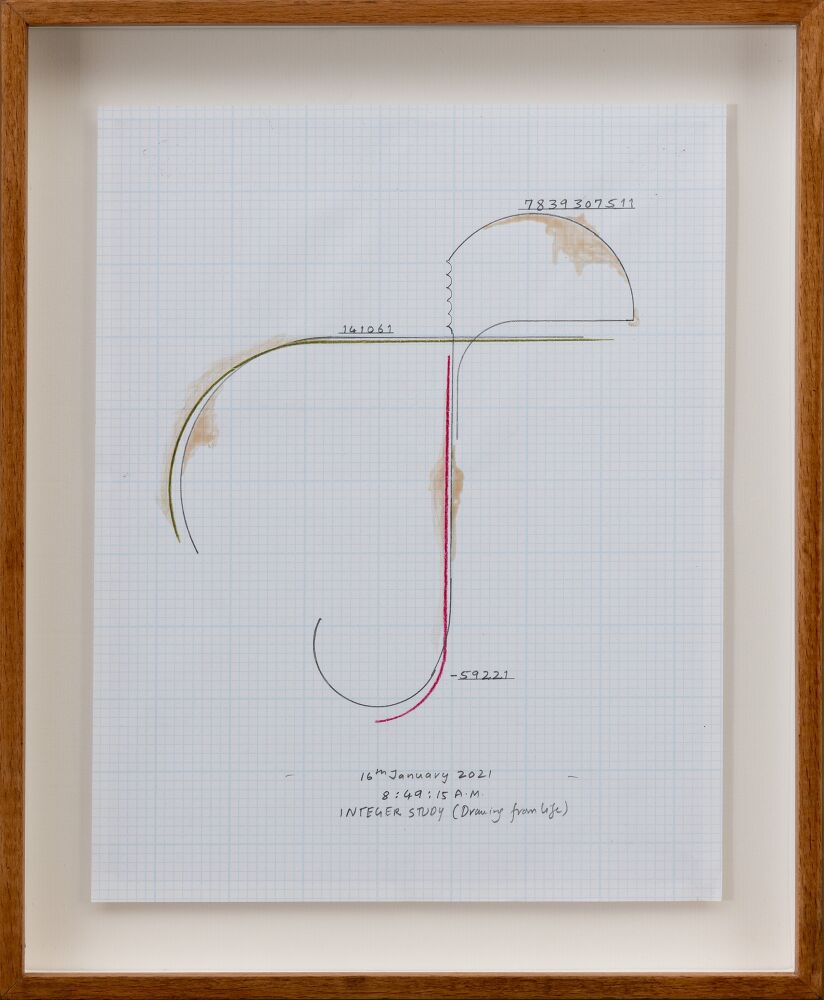
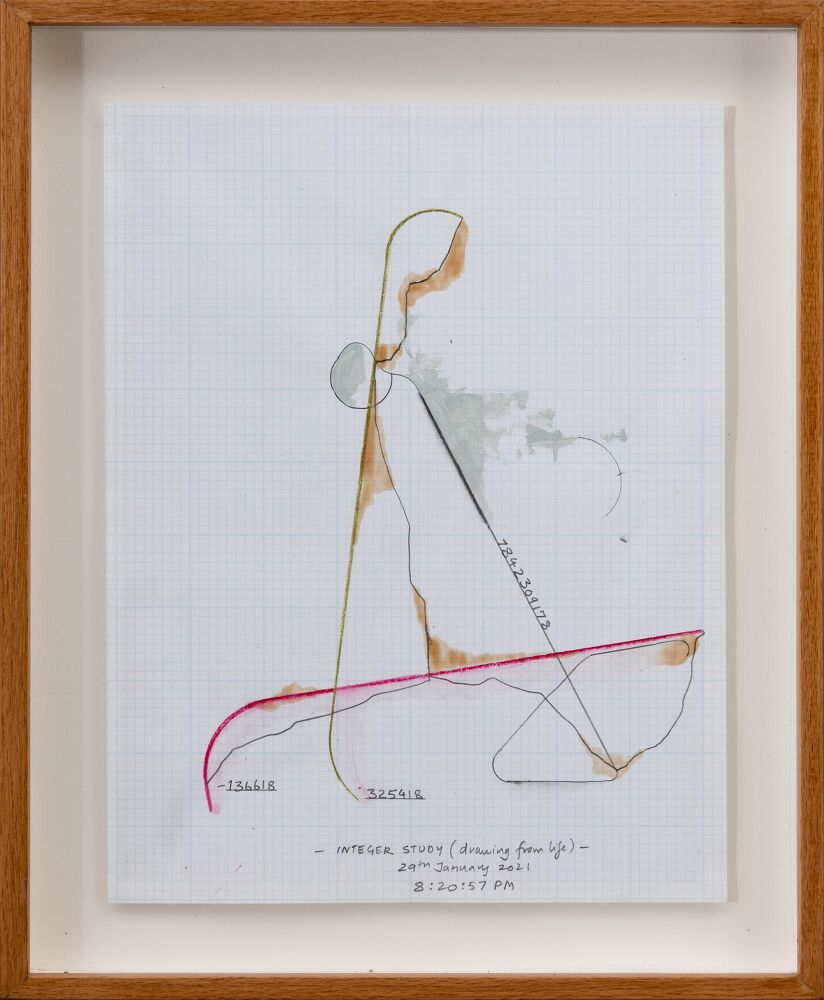
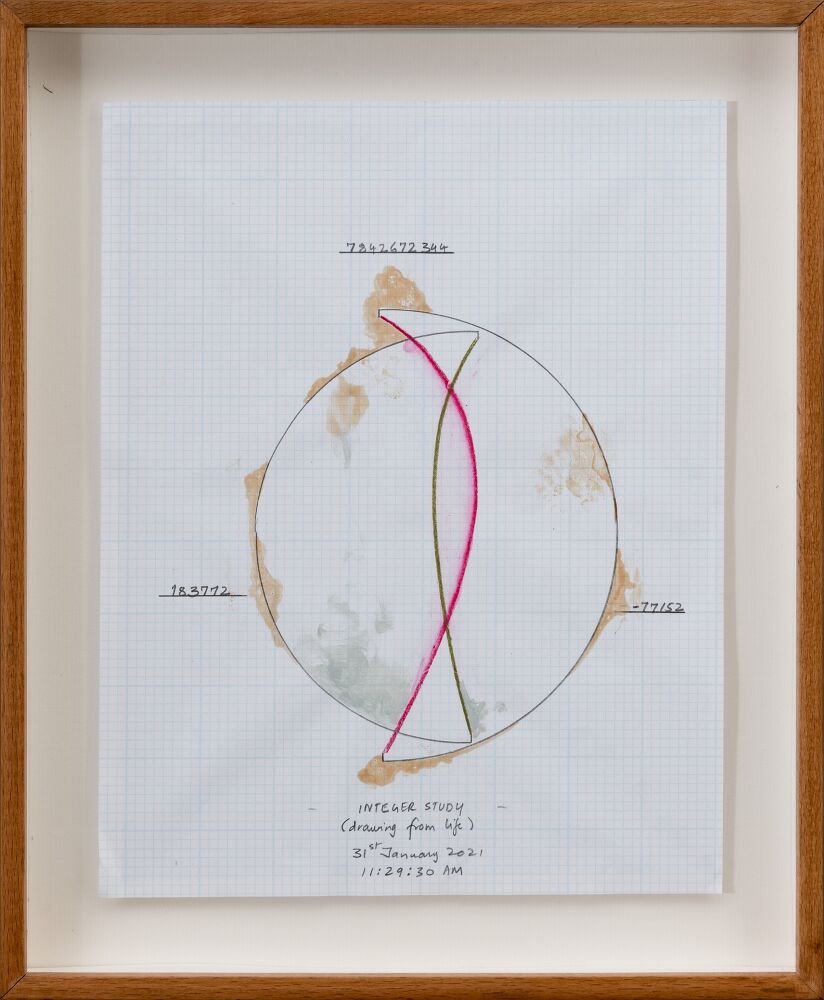
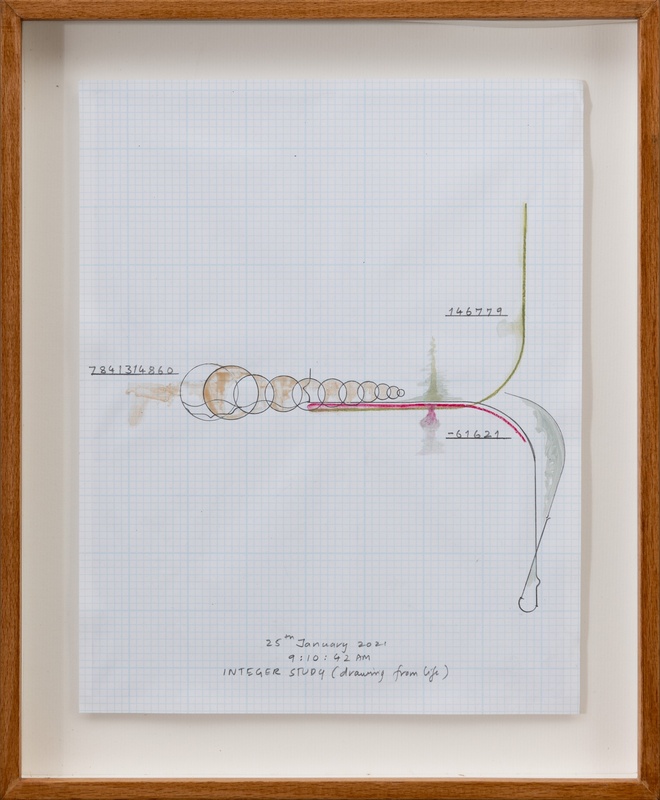
Jitish Kallat’s drawing practice could be described as recurrent “studio rituals” that explore aesthetic and philosophical questions mediated by natural elements and the passage of time. In Integer Studies (drawing from life) three sets of freighted numbers along with the timestamp of a moment in the day give rise to a thought-form. The three integers are the algorithmically estimated human population of the planet at that very moment, as well as the estimated births and deaths that have occurred until that time of day. The numbers are abstractions forming a triangulation of life by mapping birth, death and time. In these works an arc of existential questions morph into an ecological one; from reflections on climate and extinction to evolution and decay.
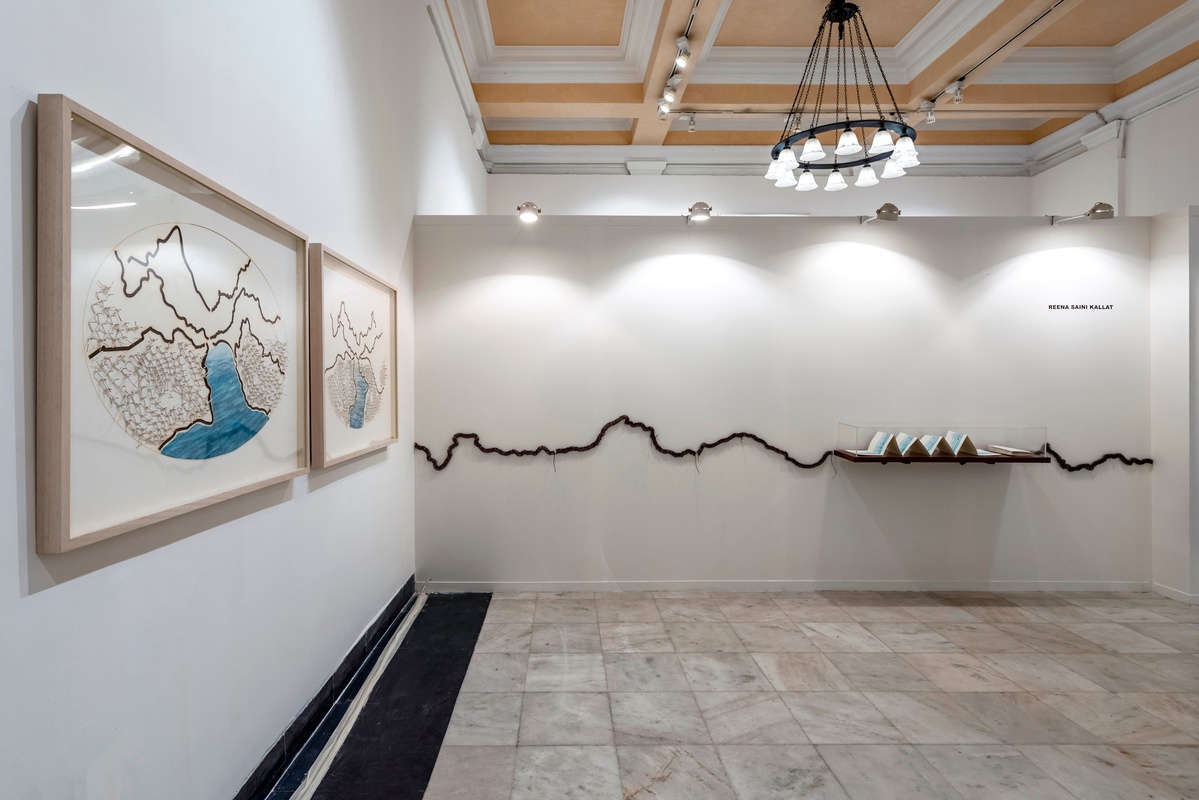
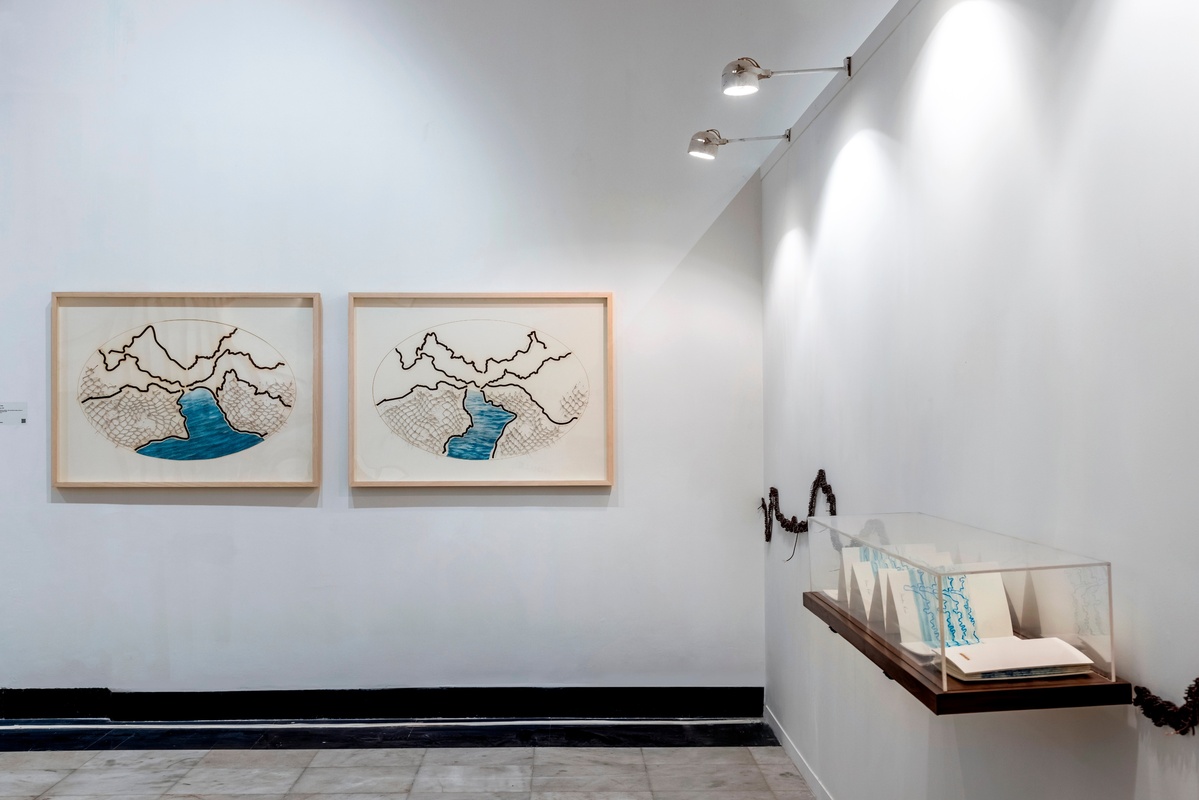
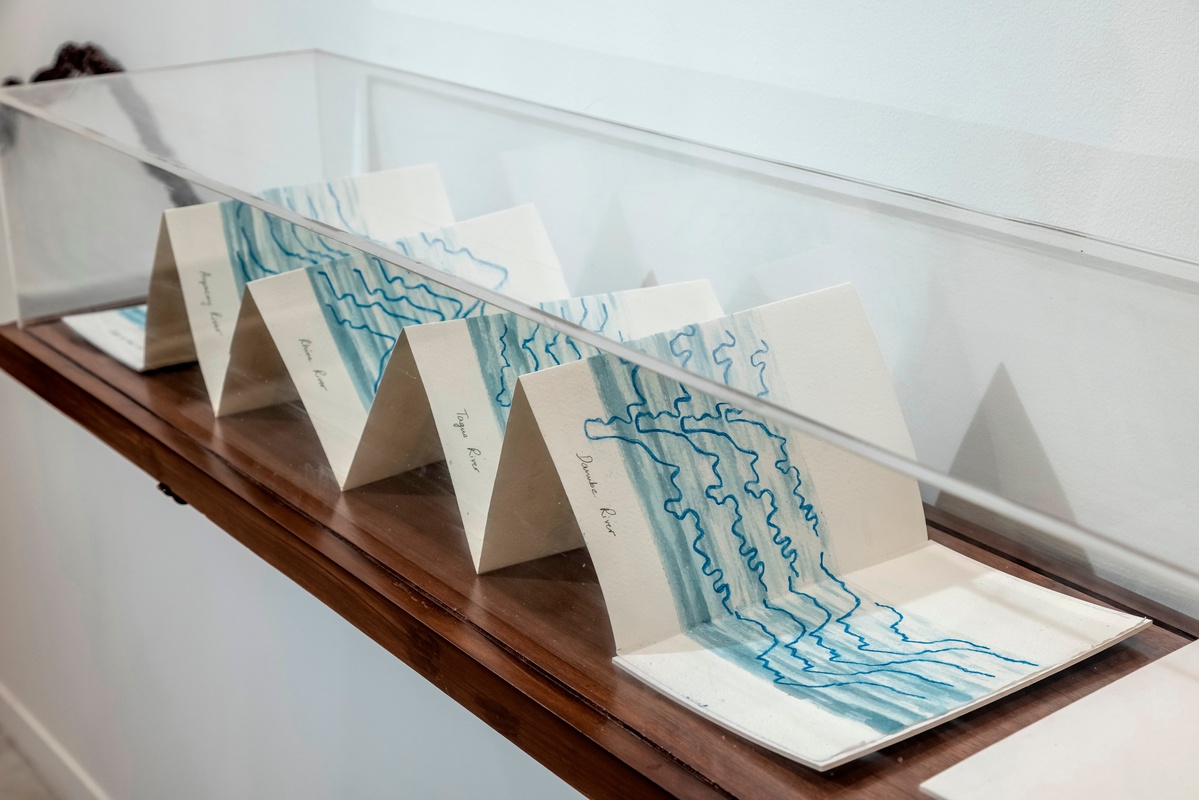
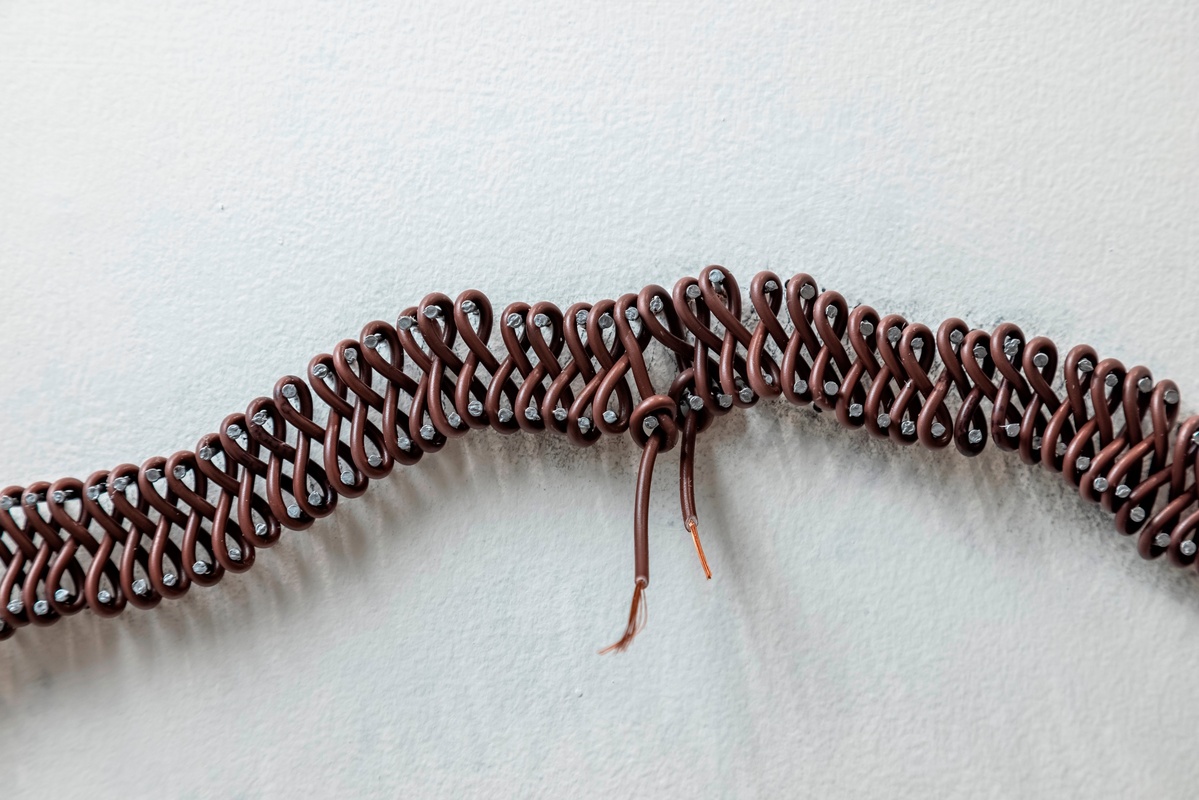
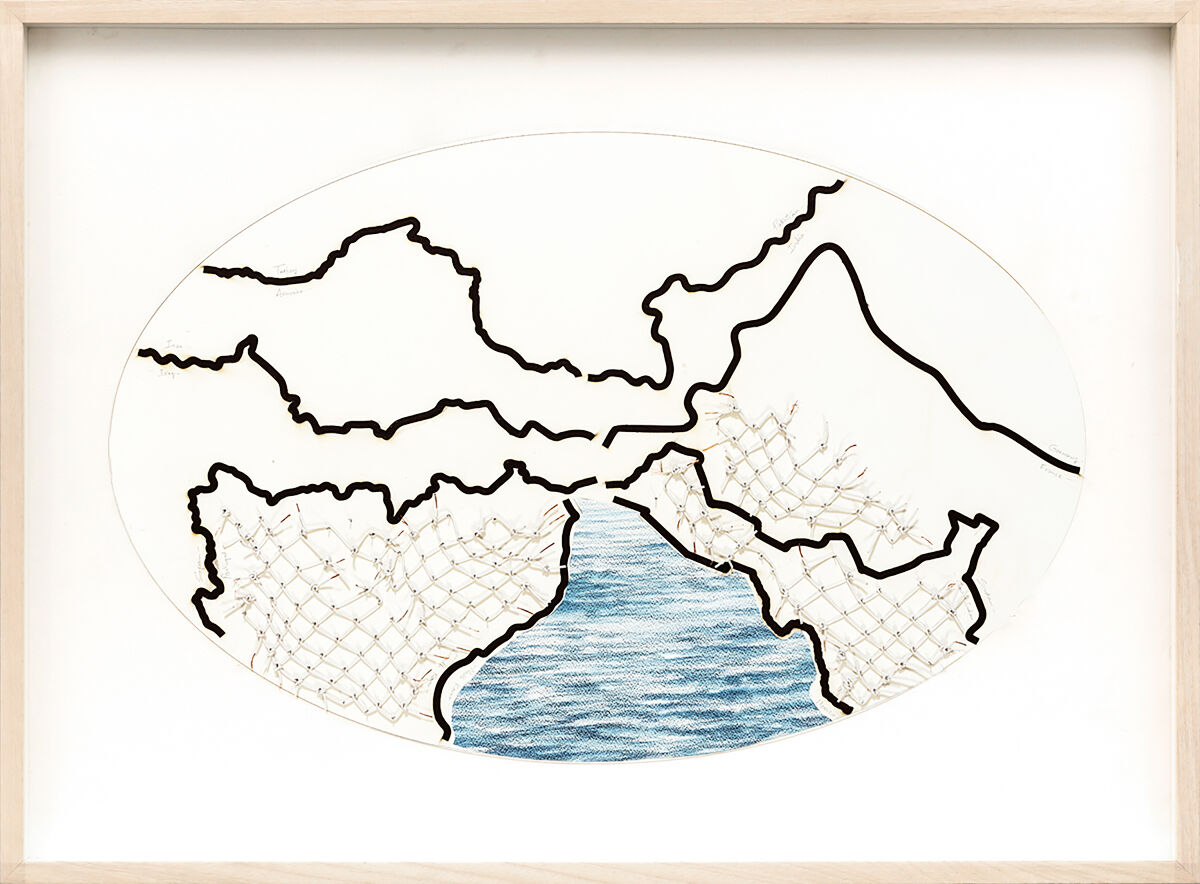
In Reena Kallat’s work over the last several years the border, the territory and the map have recurred as potent forms that point to broad historical narratives as well as the manner in which humankind have left the imprint of history on geography. Her recent works titled River Drawings point to the absurdity of national efforts to discipline and claim ever-moving bodies of water by reshaping the landscape. The artist began by tracing the borders between countries that are in conflict over the sharing of their common river waters. By rearranging these lines of separation that divide people, ideologies, economies, and imposed identities, Reena Kallat carves a new topography with a flowing river forming the landscape.
Artworks
Installation Views