

Dhan Mill
Group Show
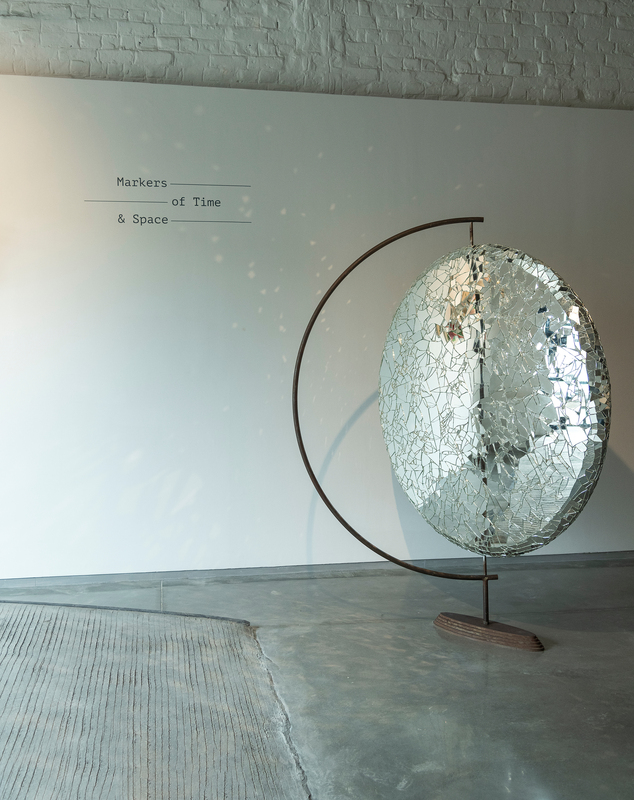
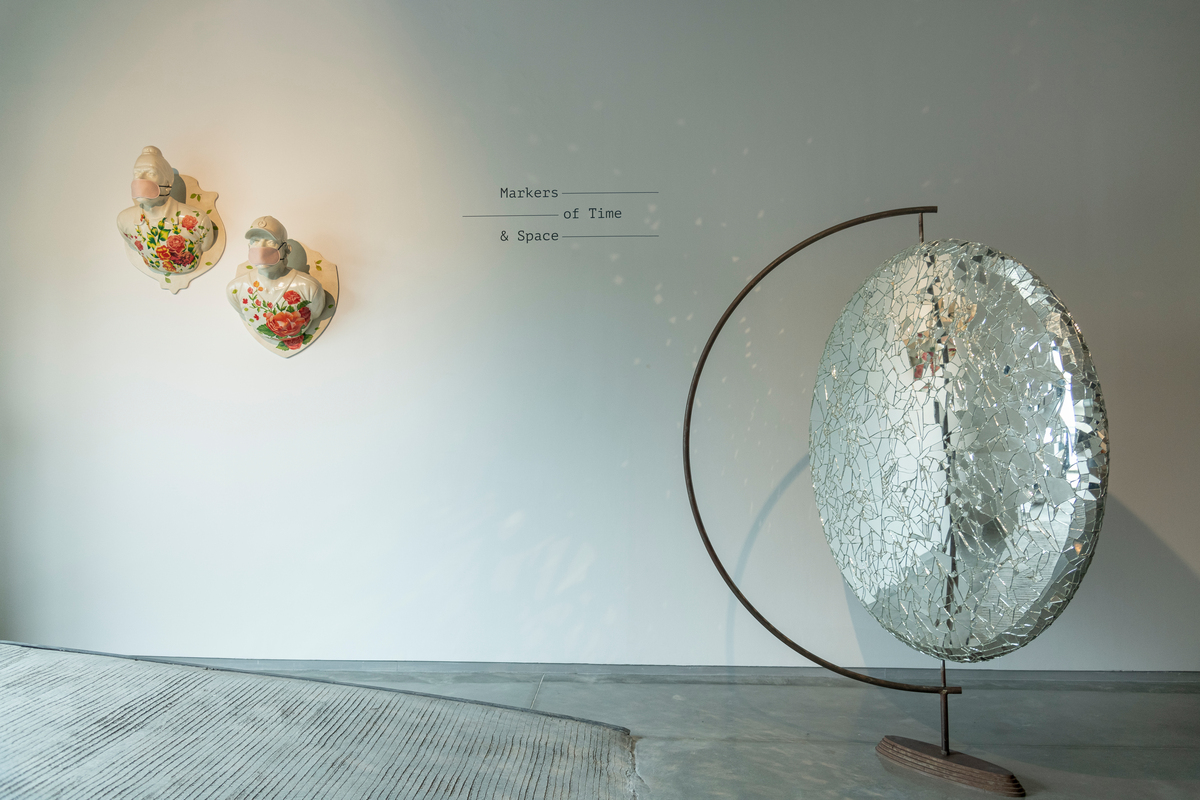
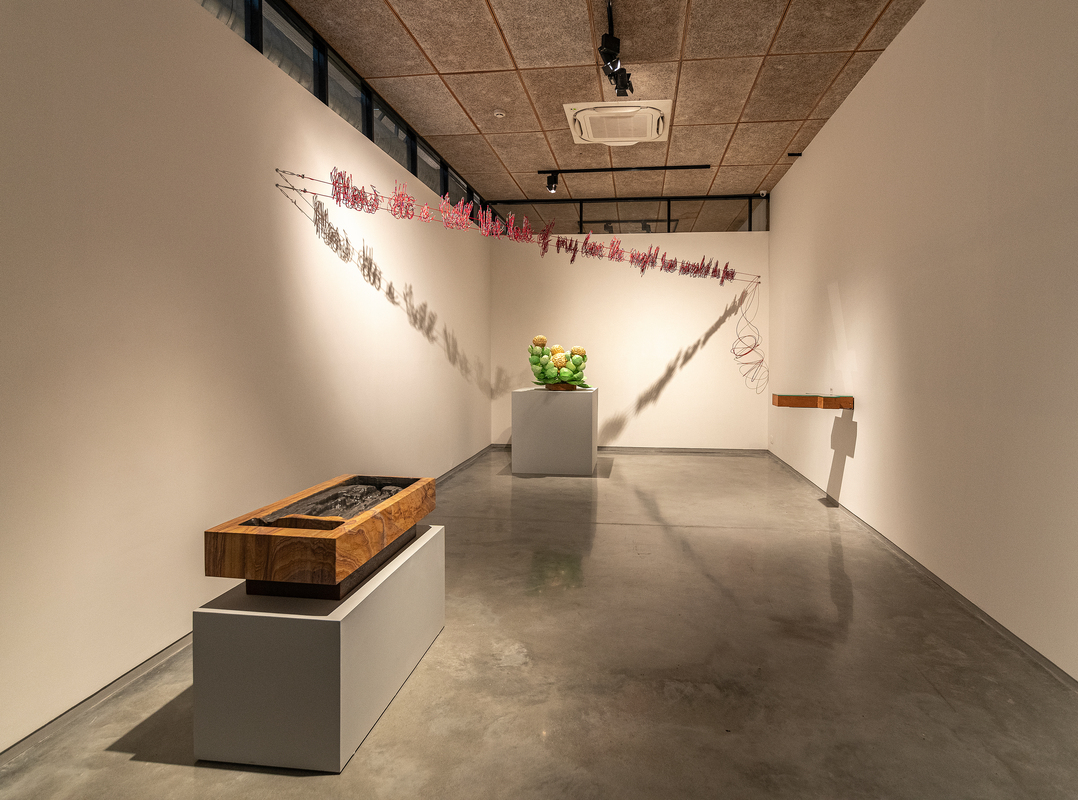
Markers of Time & Space Group Exhibition
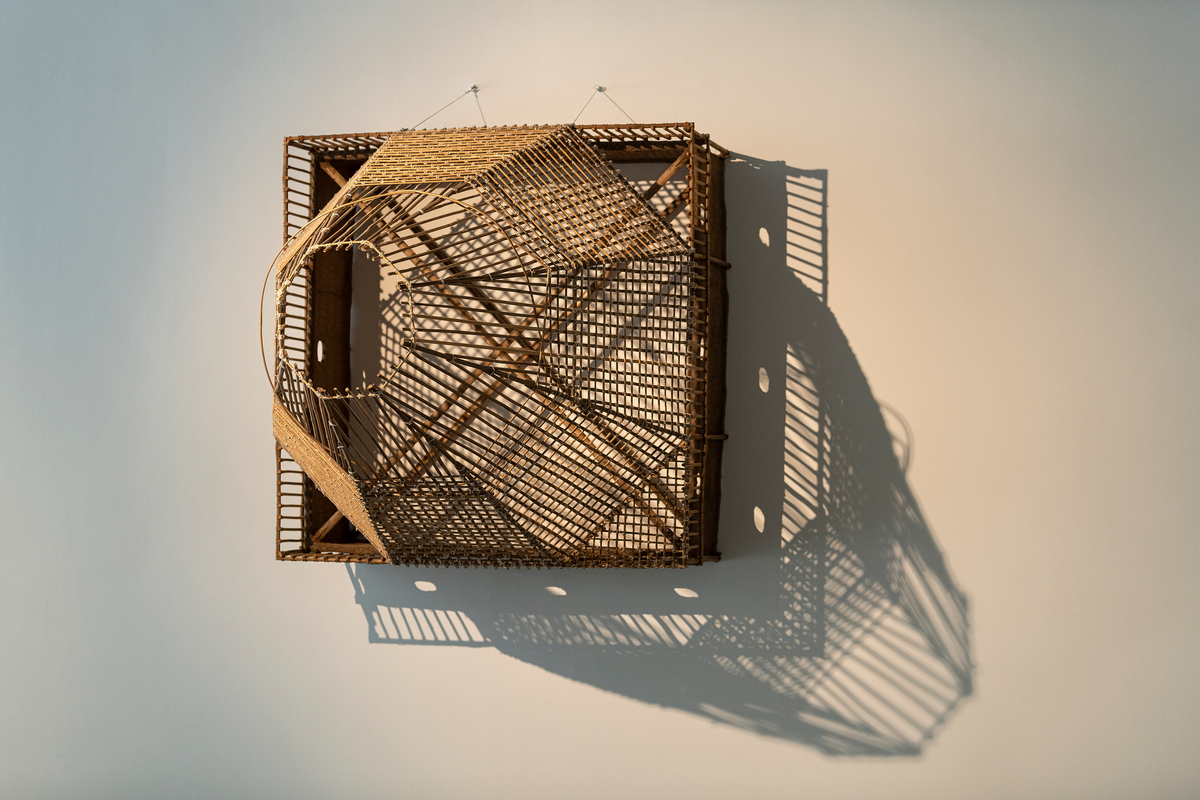
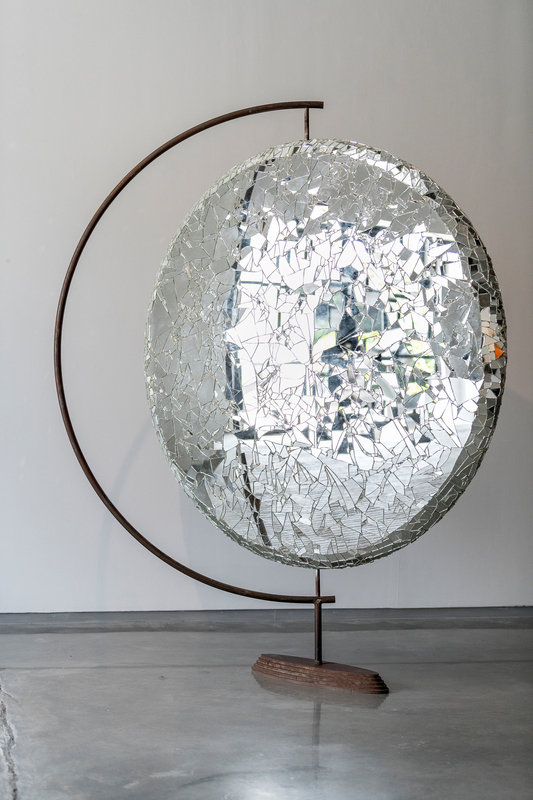
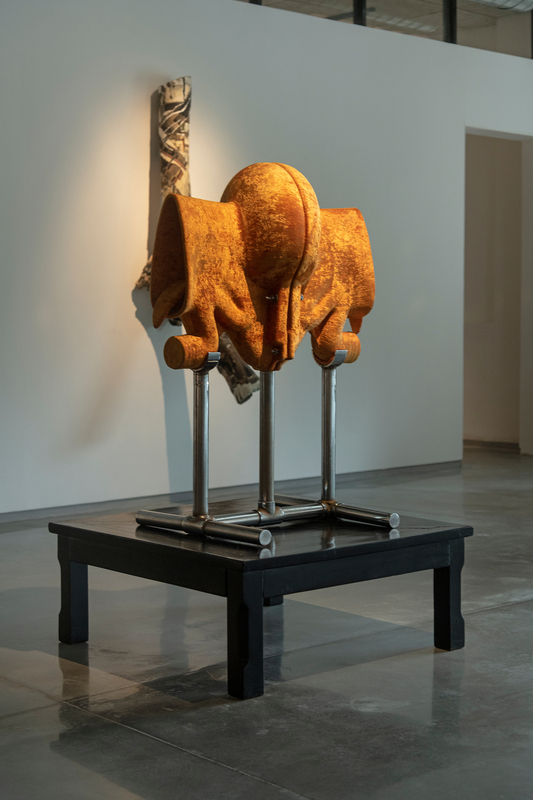
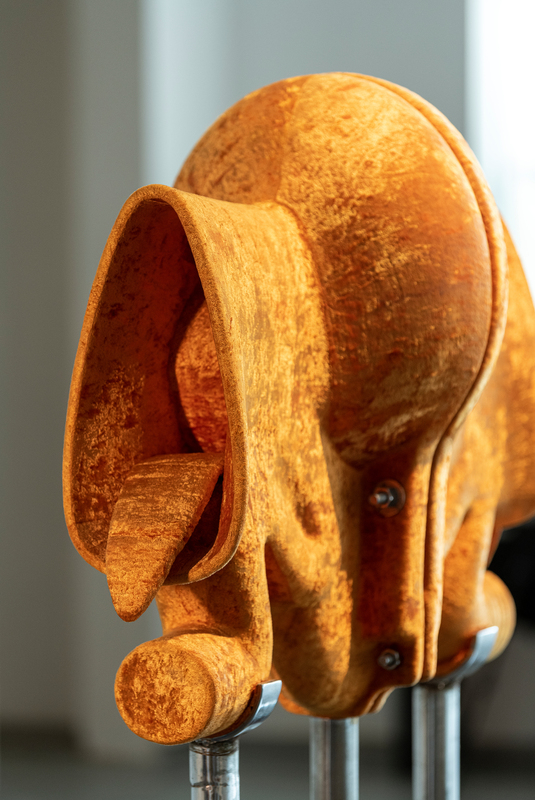
A group show of sculptures with works by Anita Dube, Vibha Galhotra, Bijoy Jain/Studio Mumbai, Jitish Kallat, Suhasini Kejriwal, Mrinalini Mukherjee, Benitha Perciyal, M. Pravat, Ayesha Singh, L.N. Tallur, Thukral & Tagra, and Asim Waqif
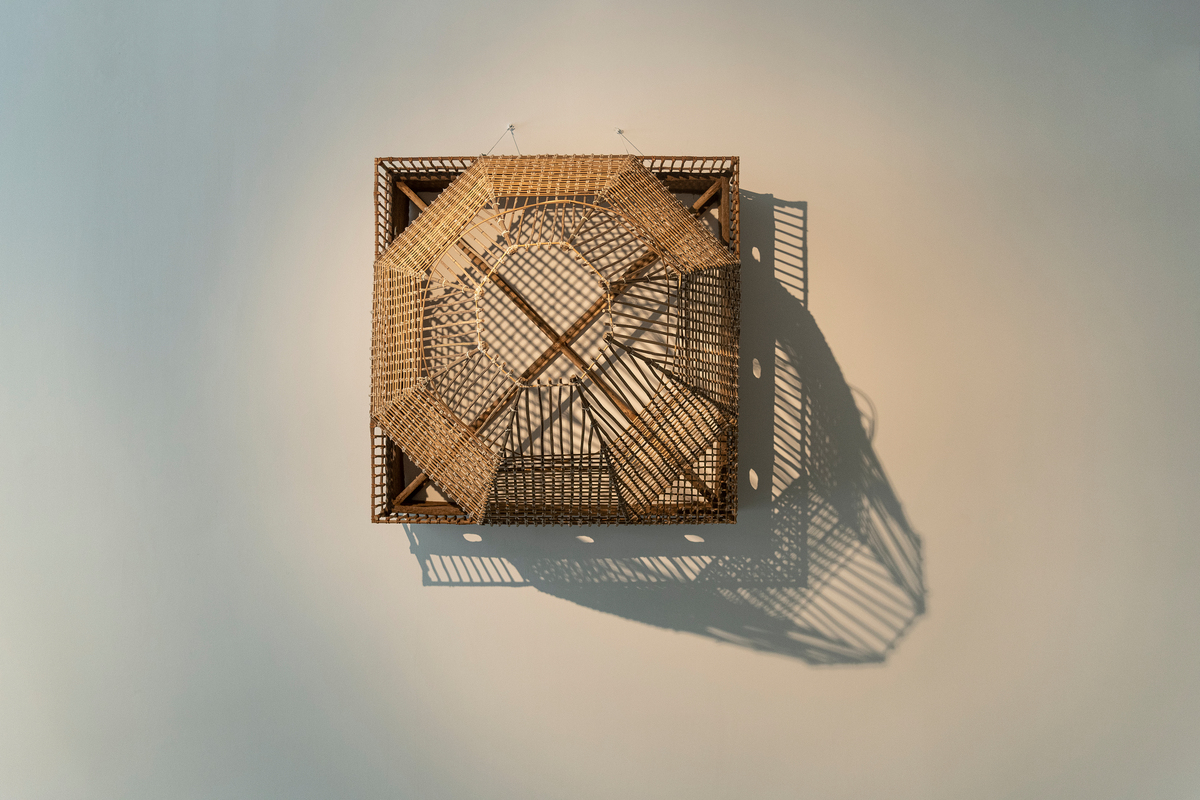
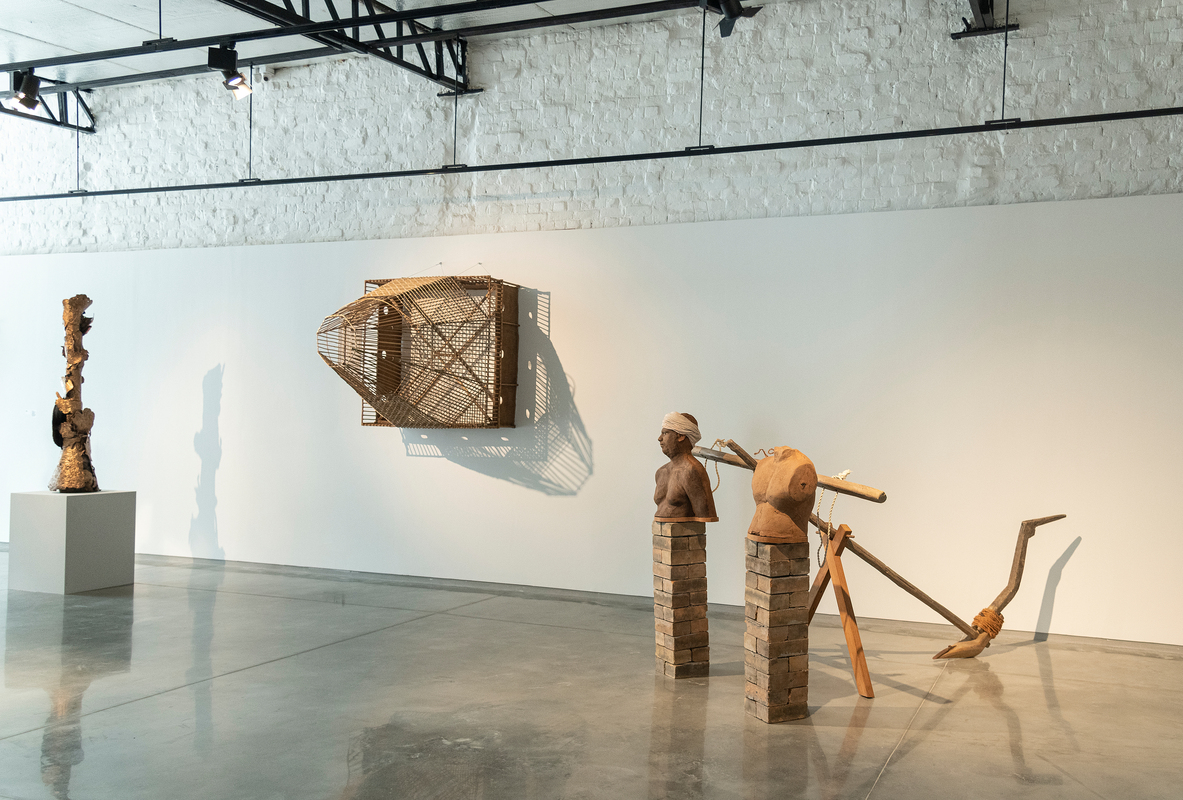
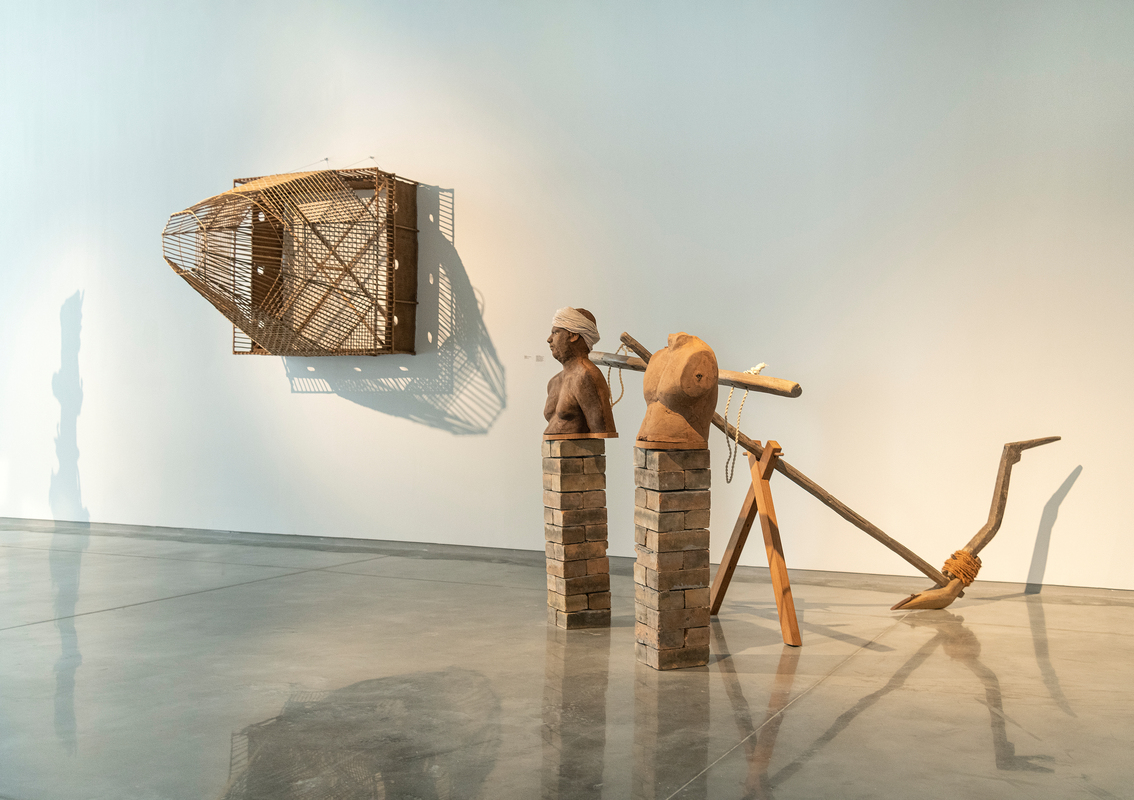
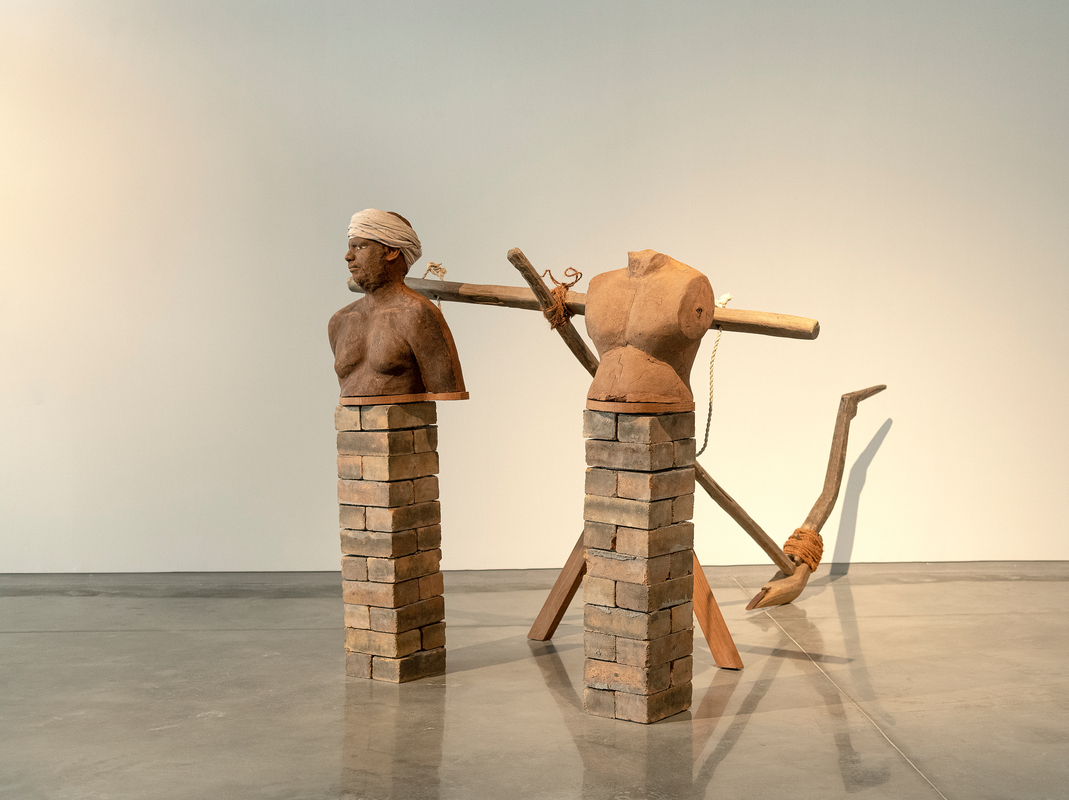
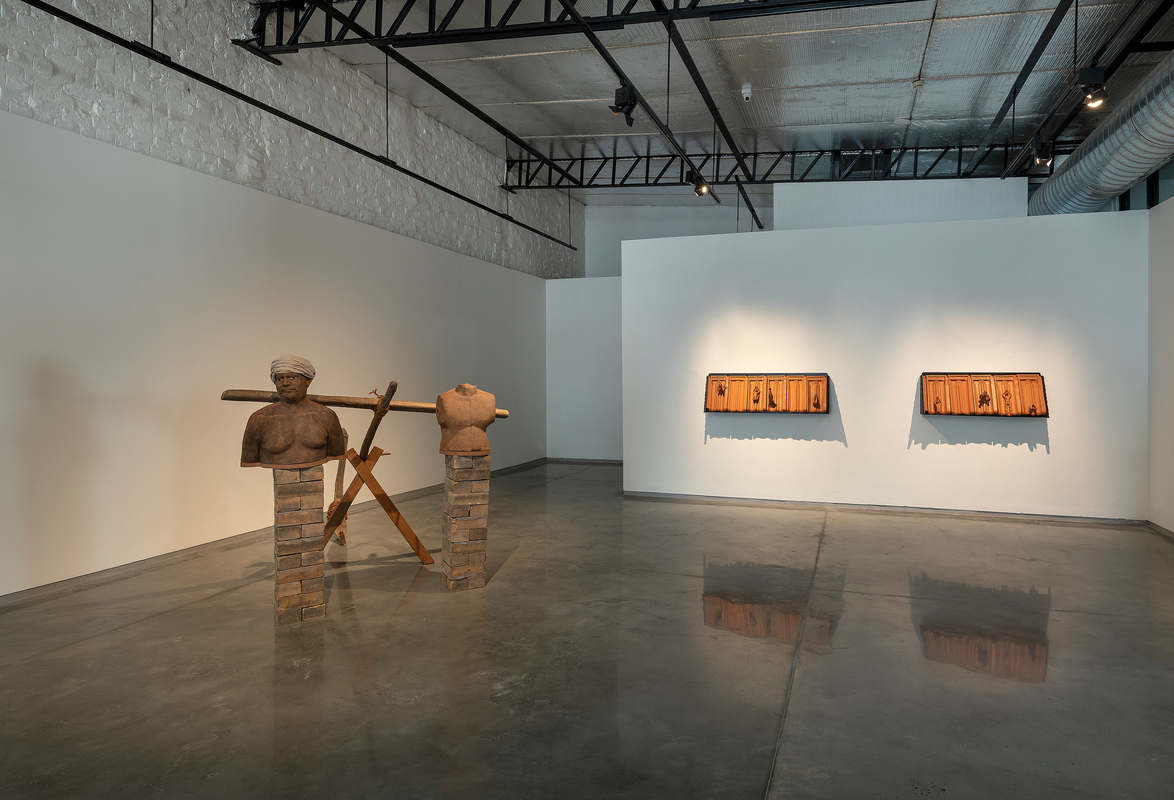
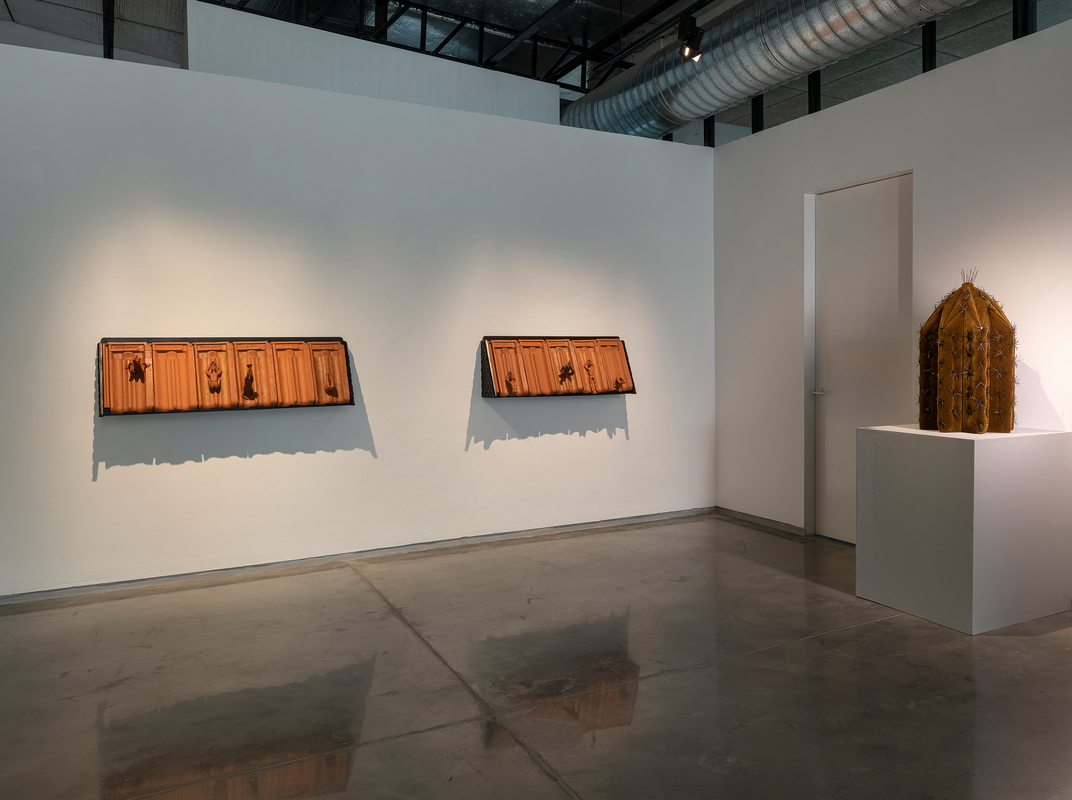
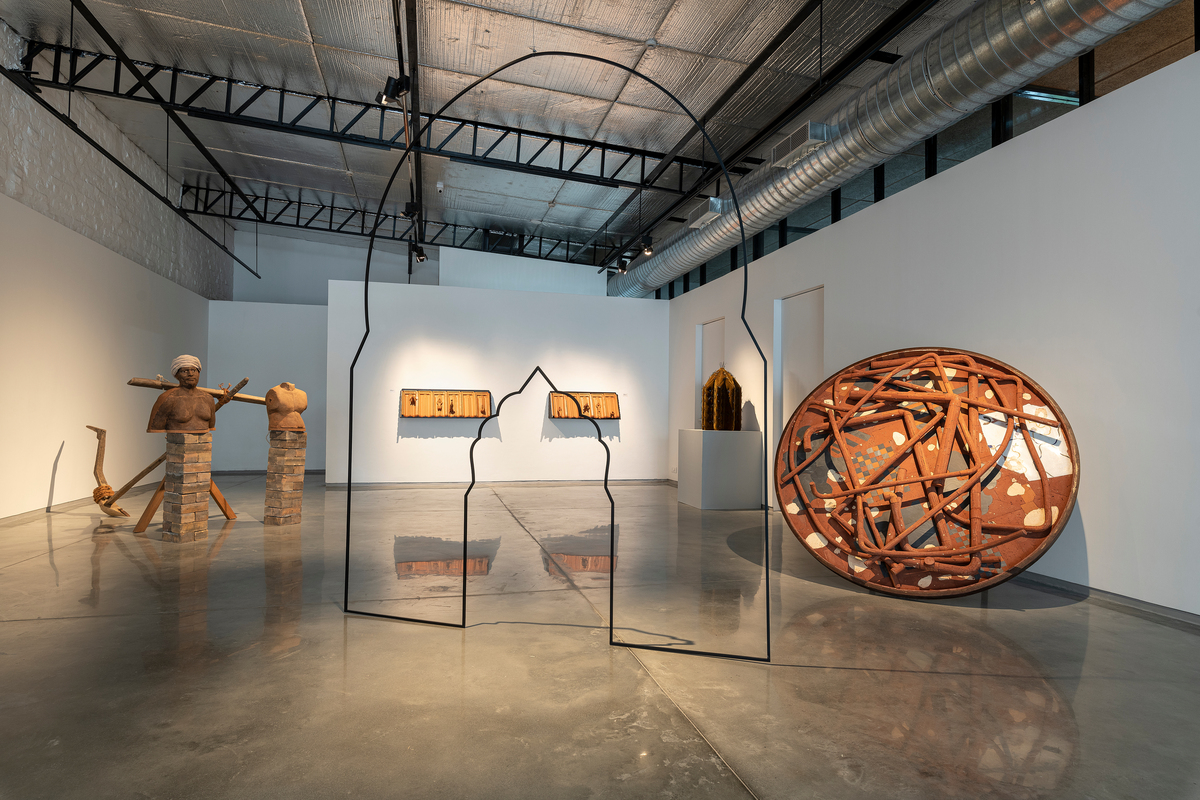
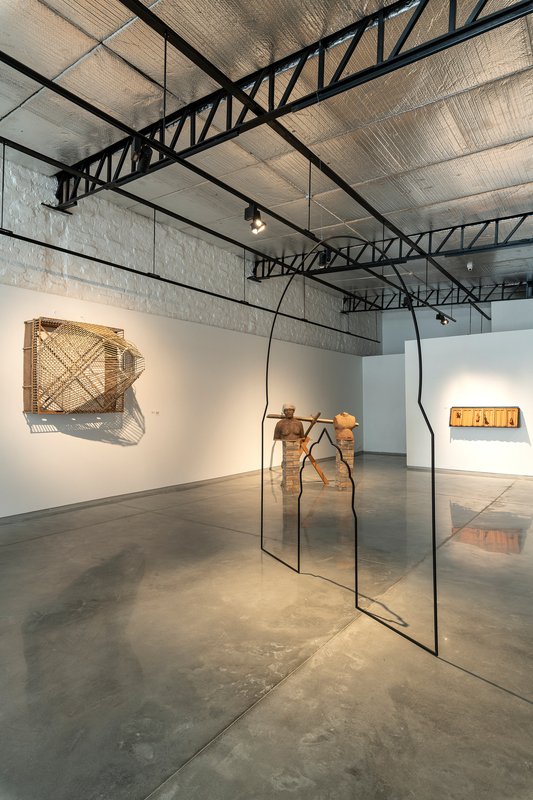
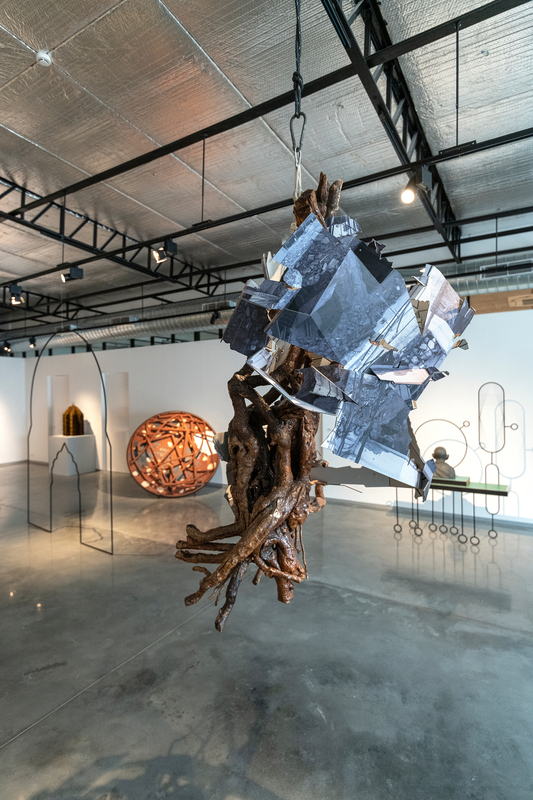
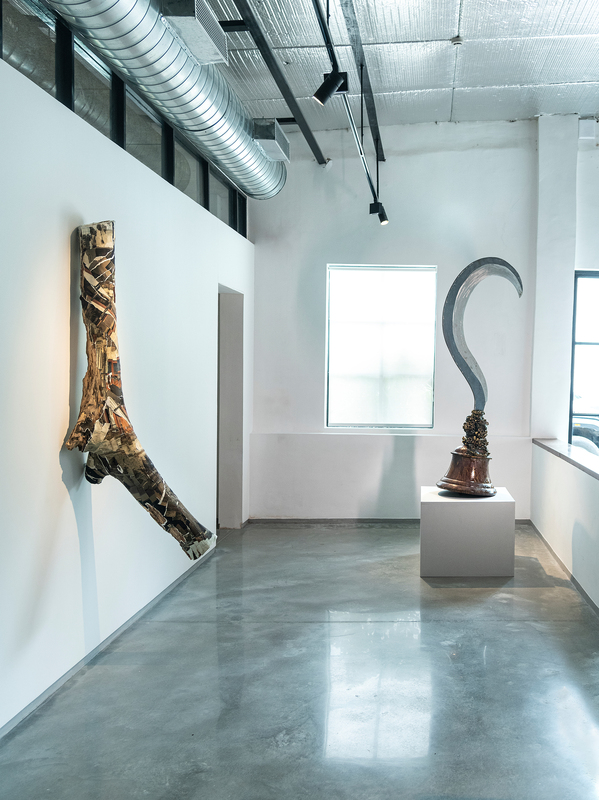
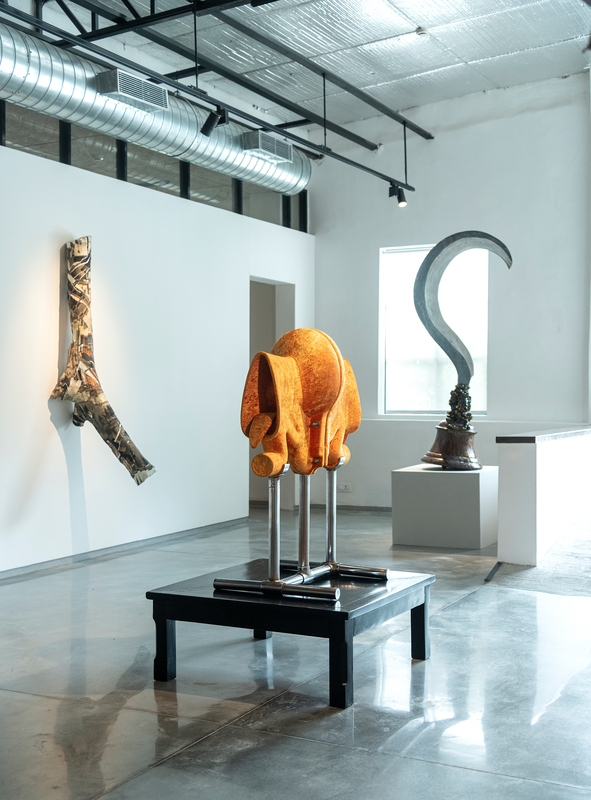
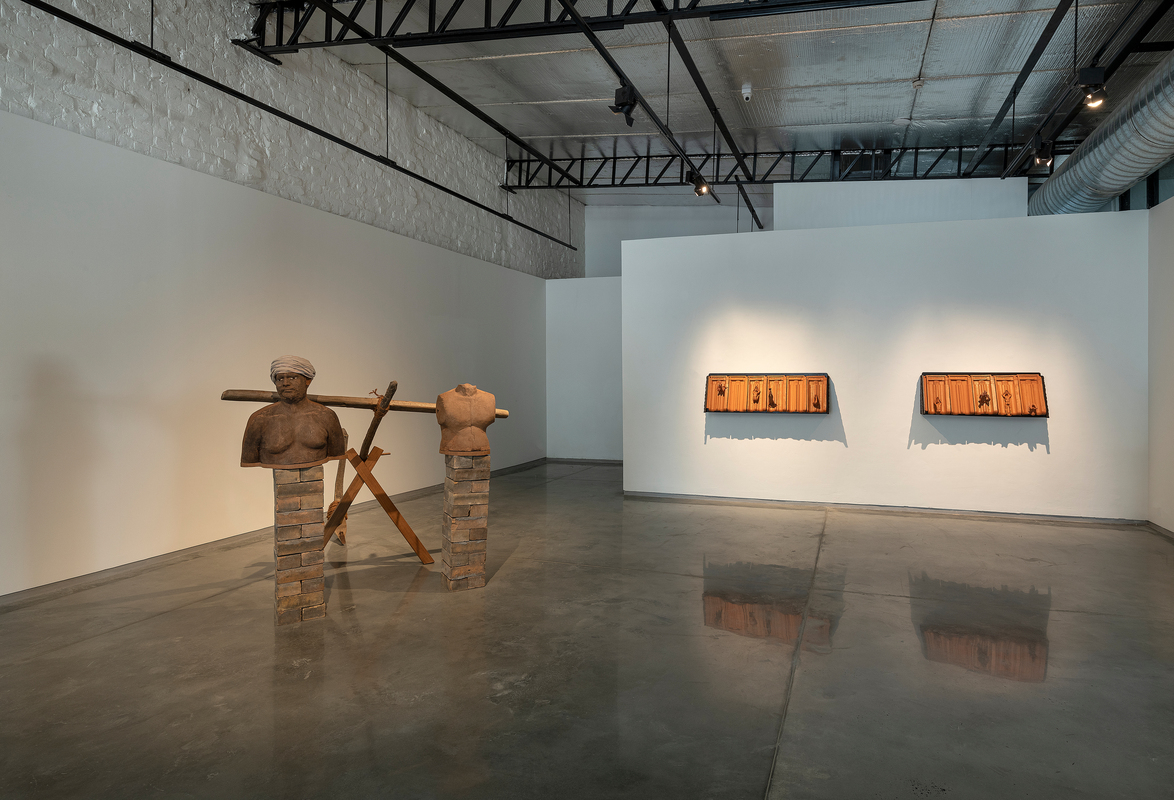
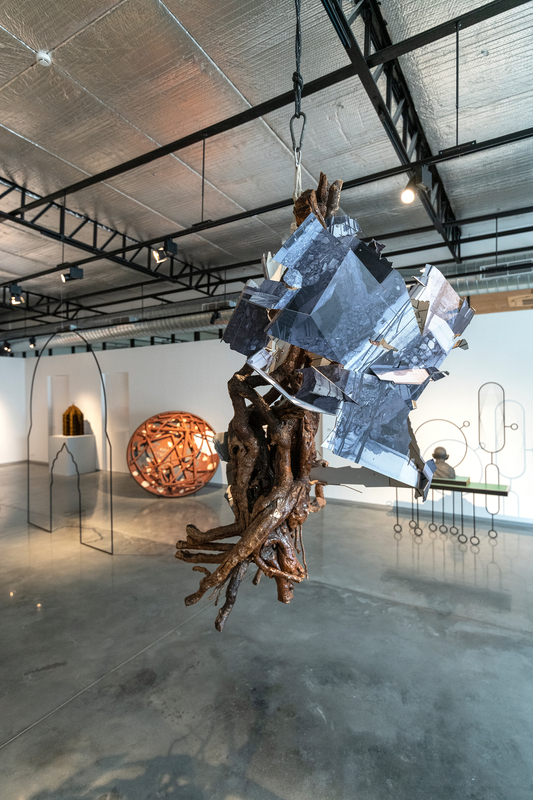
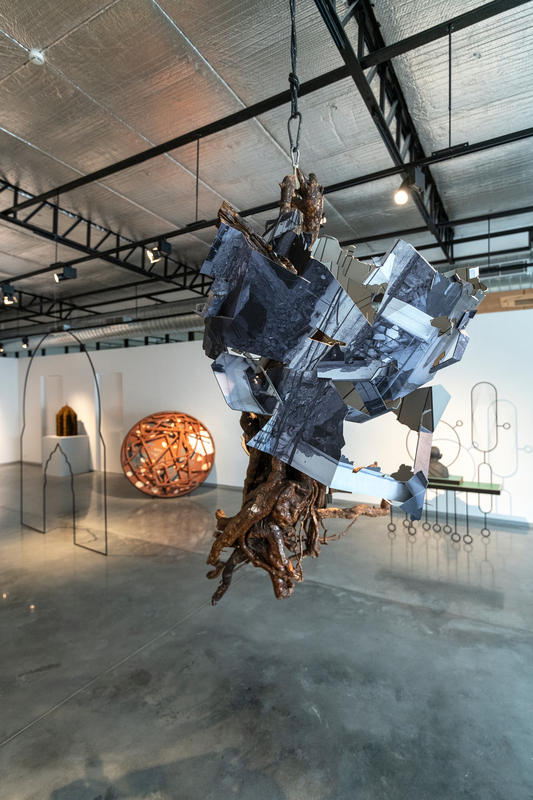
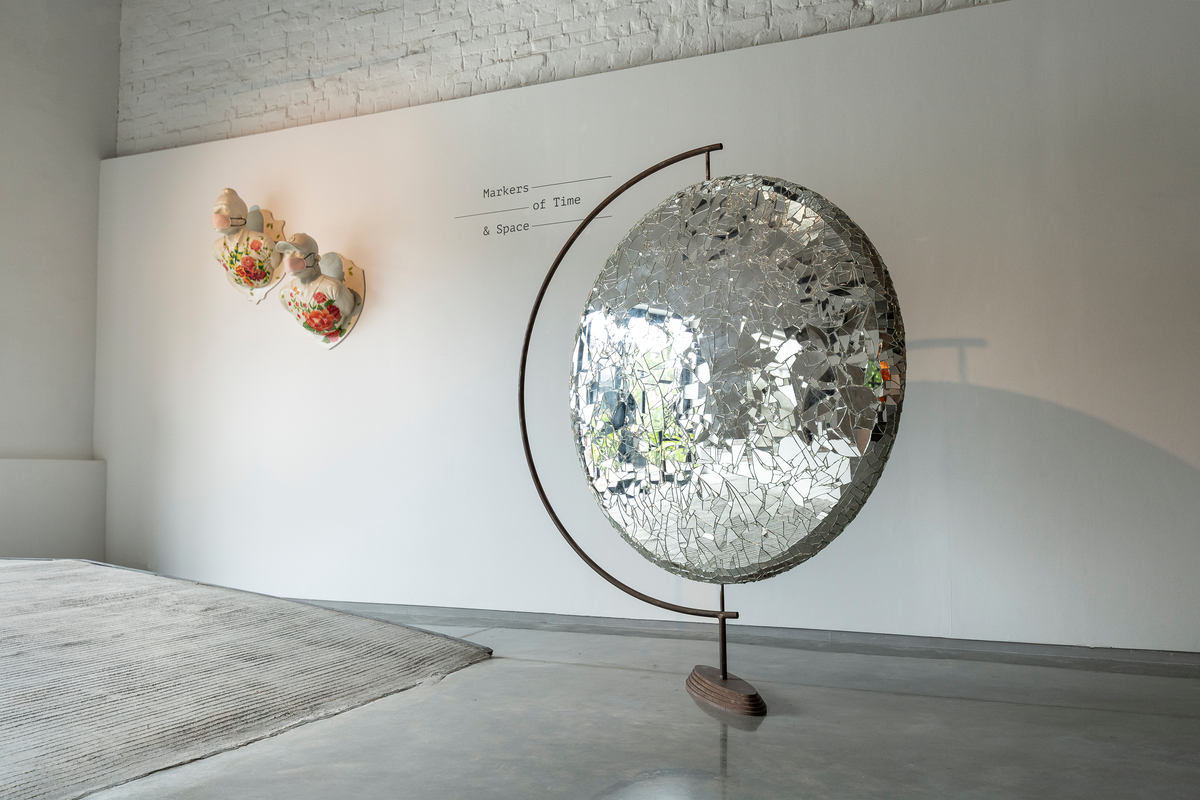
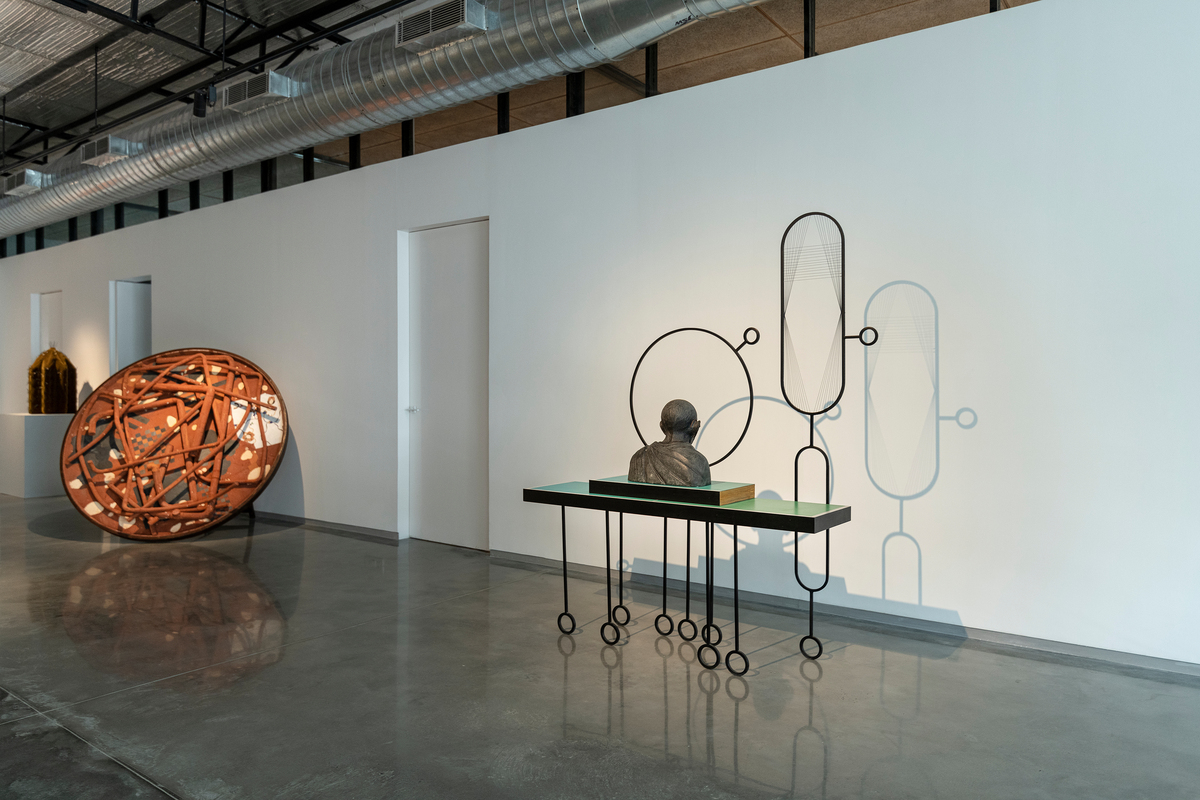
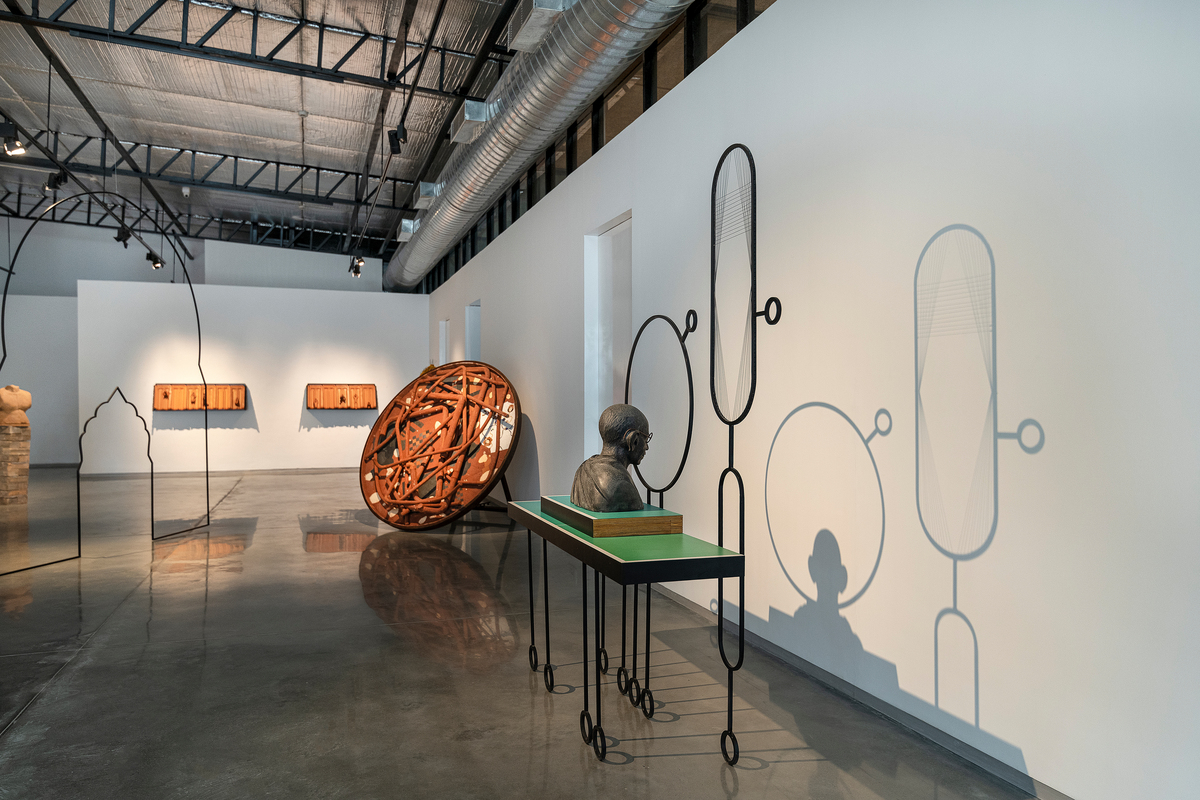
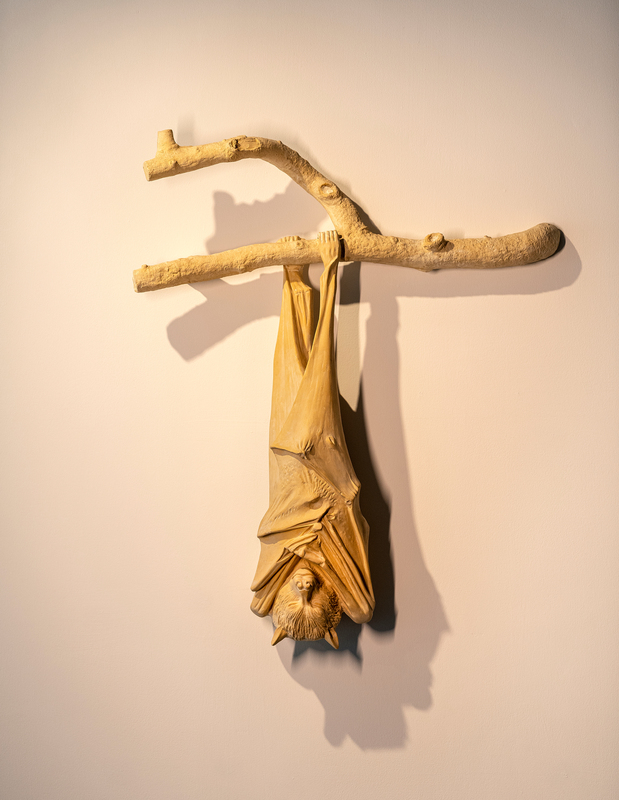
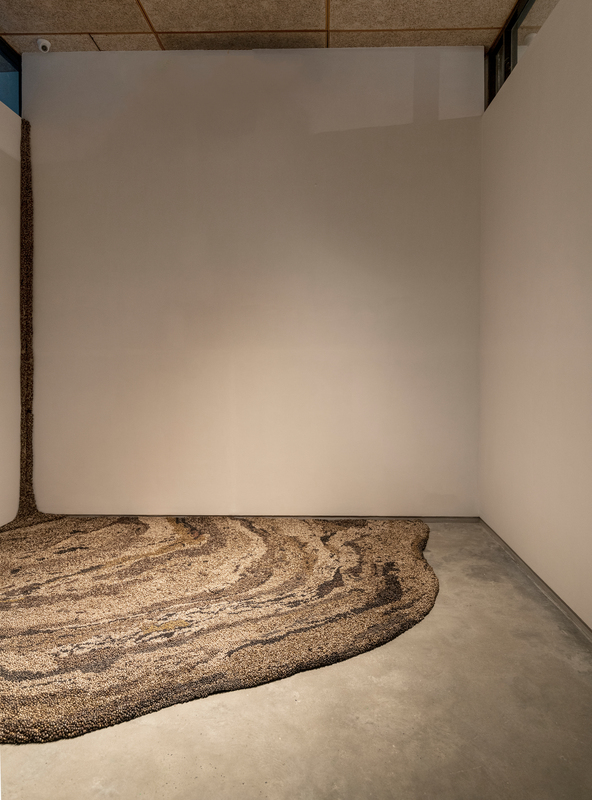
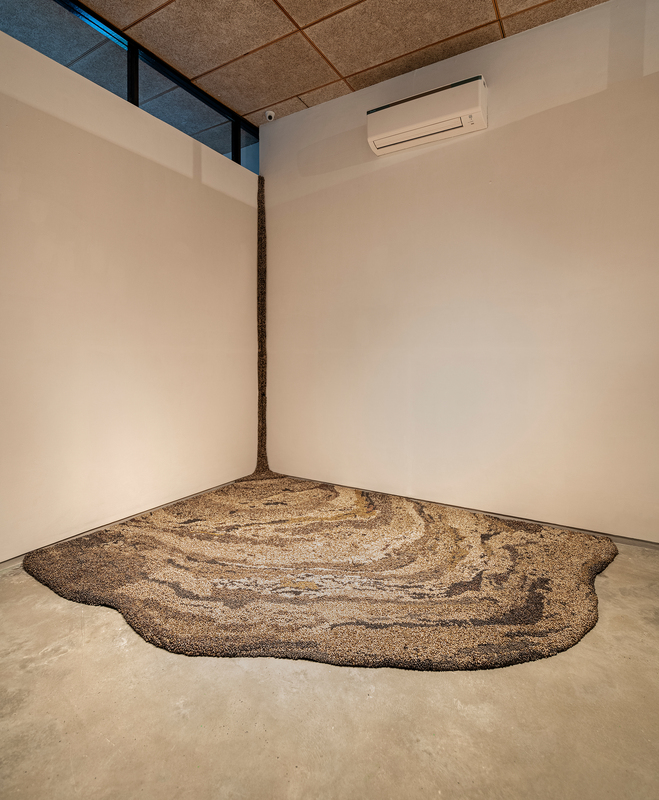
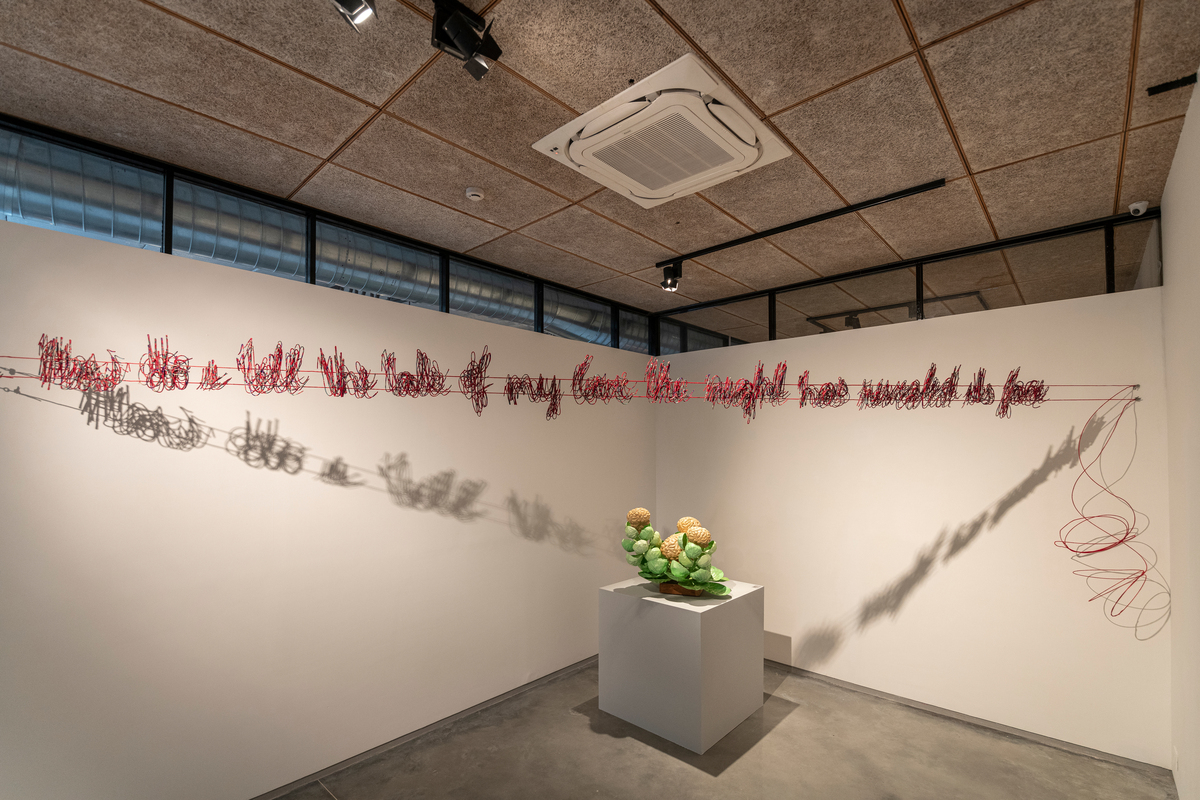
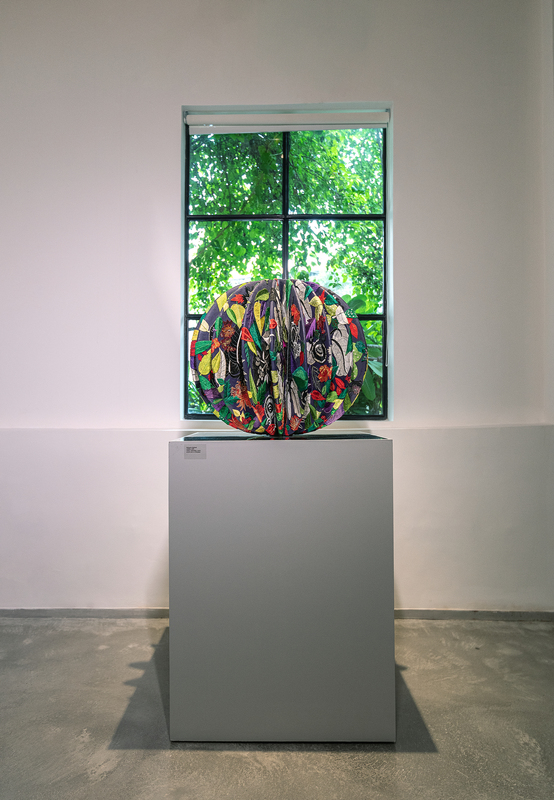
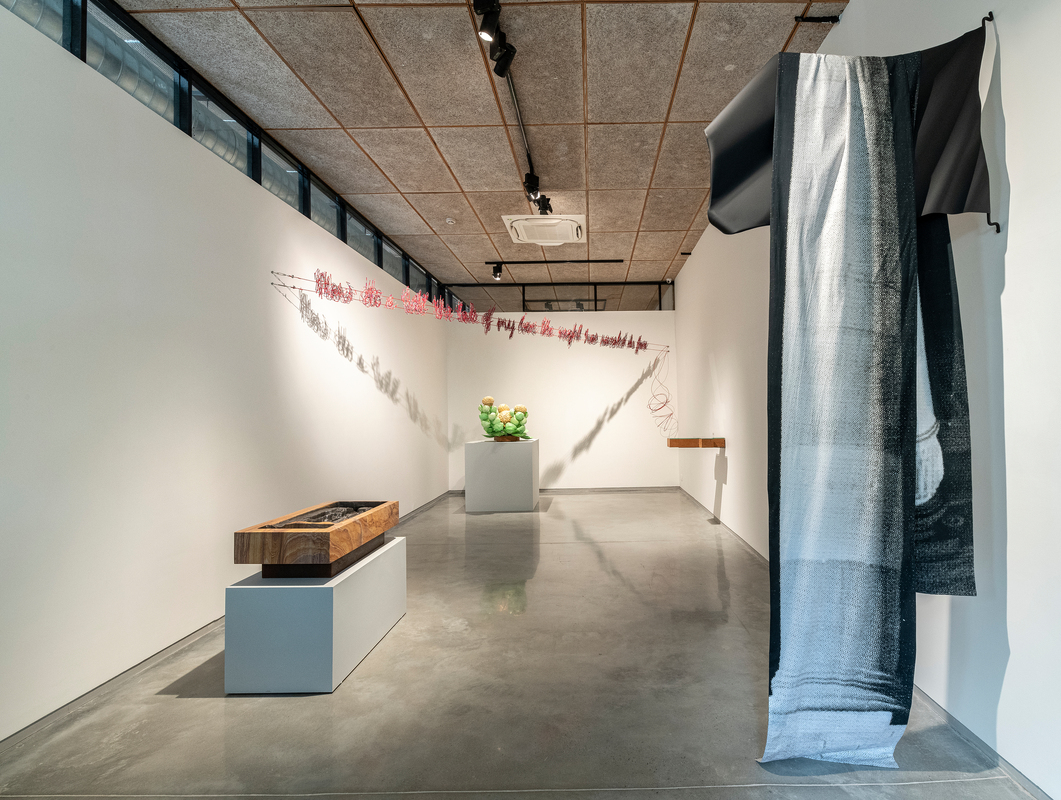
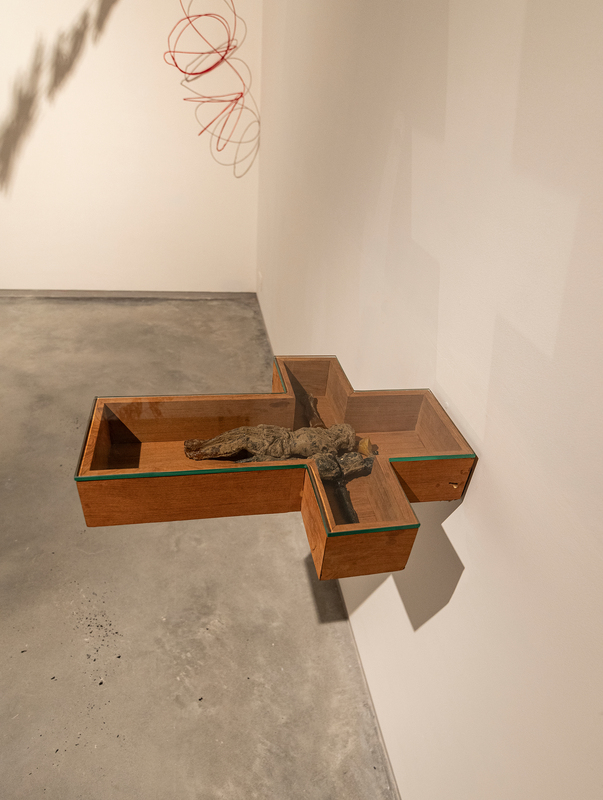
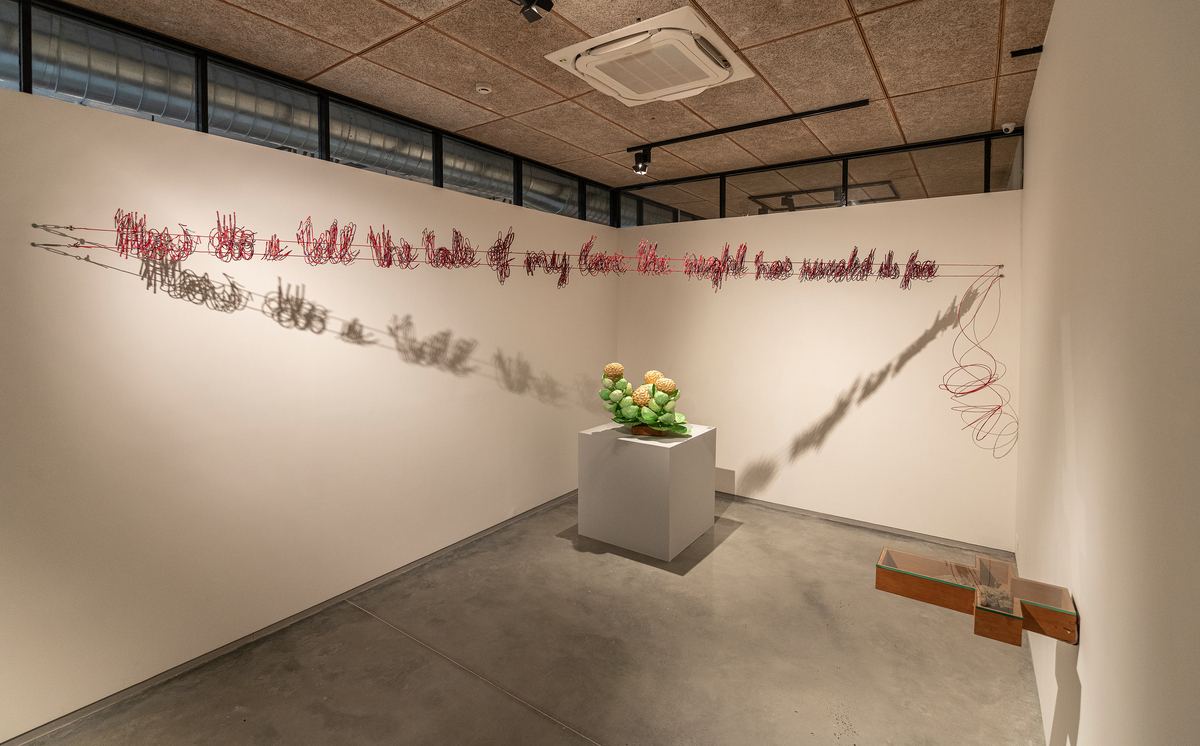
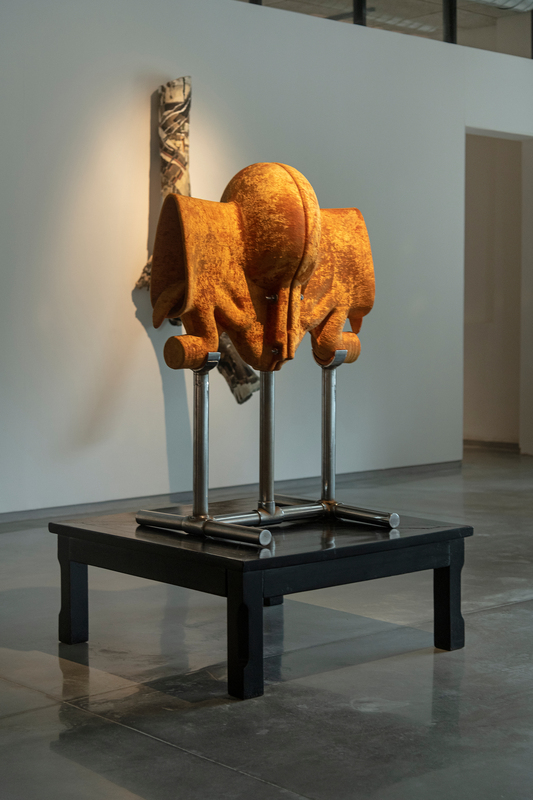
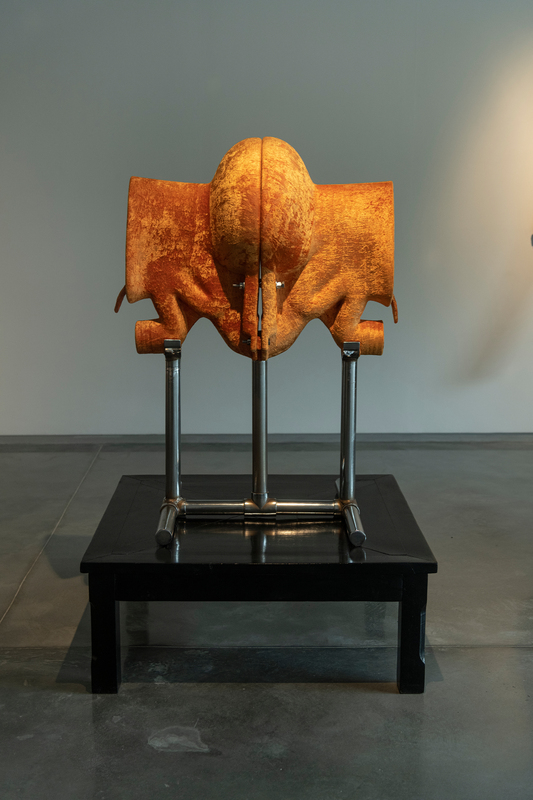
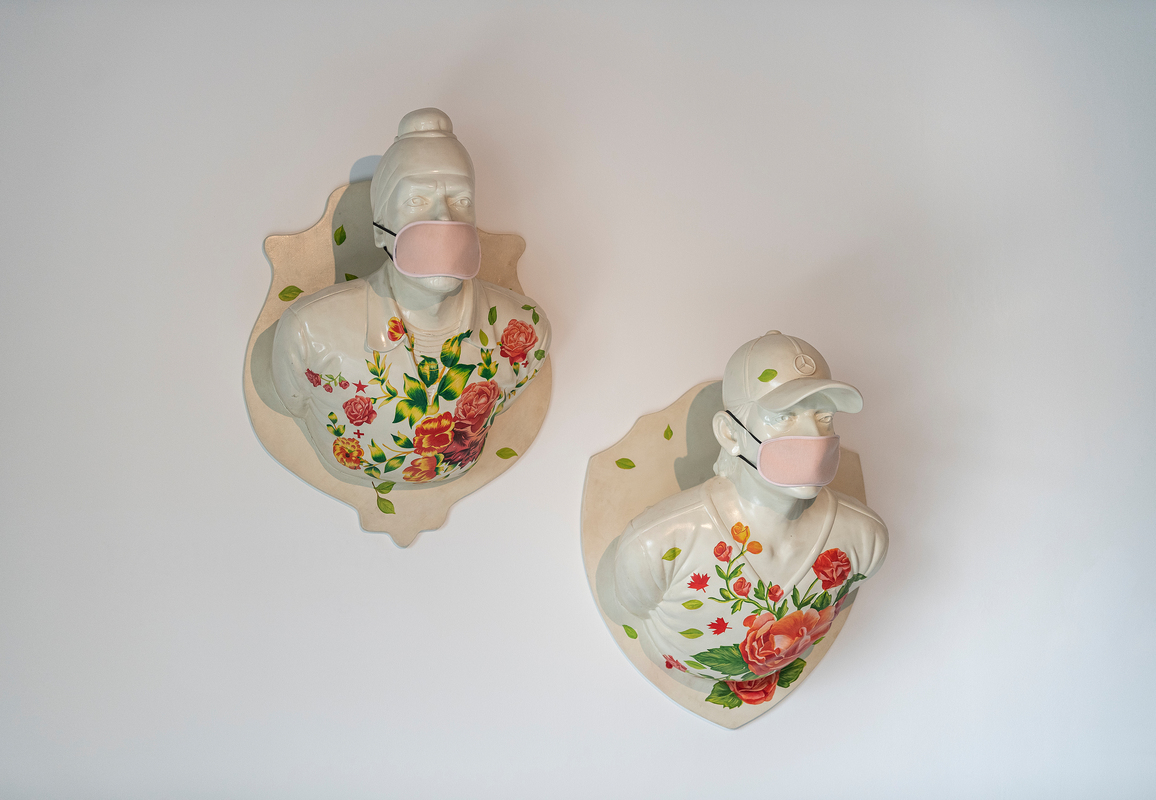
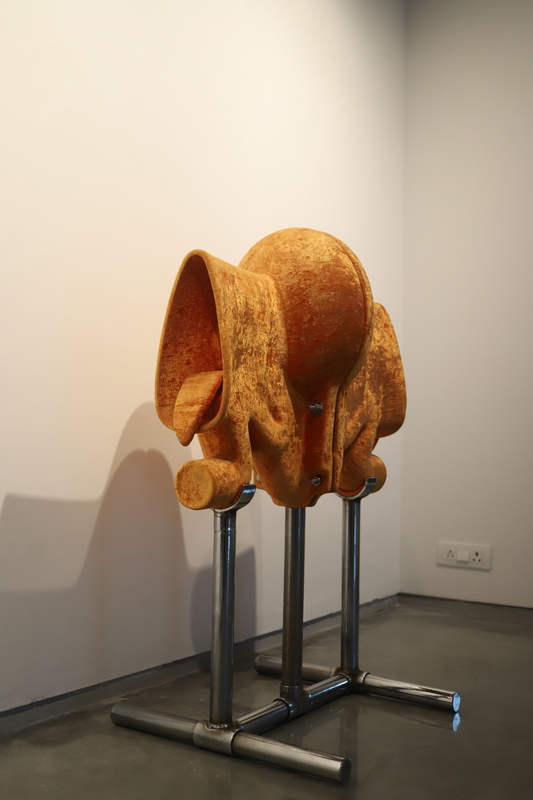
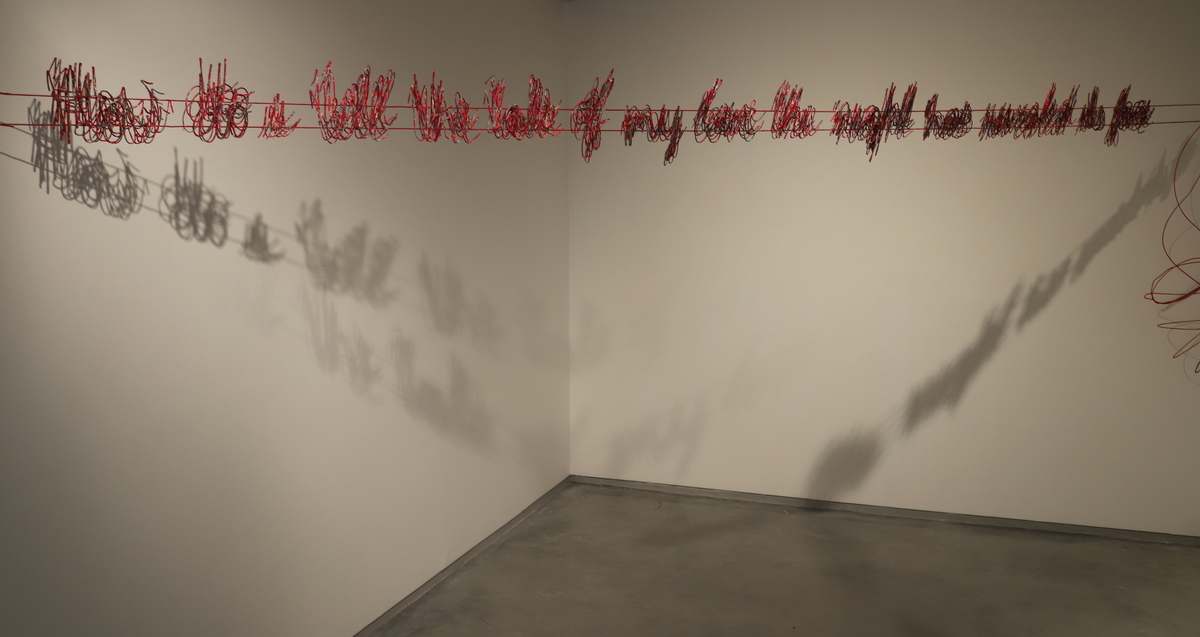
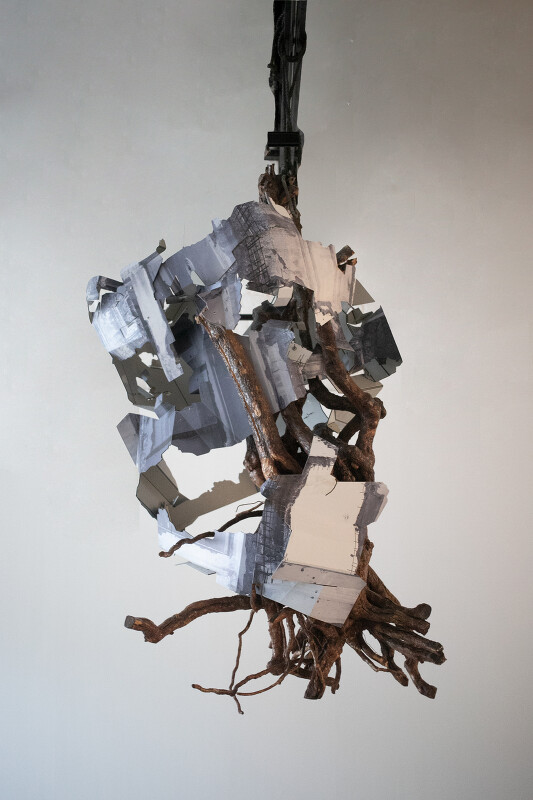
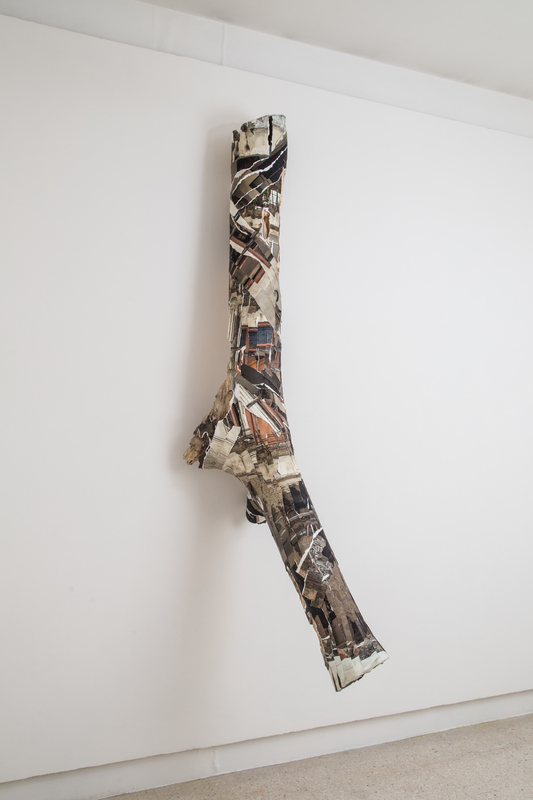
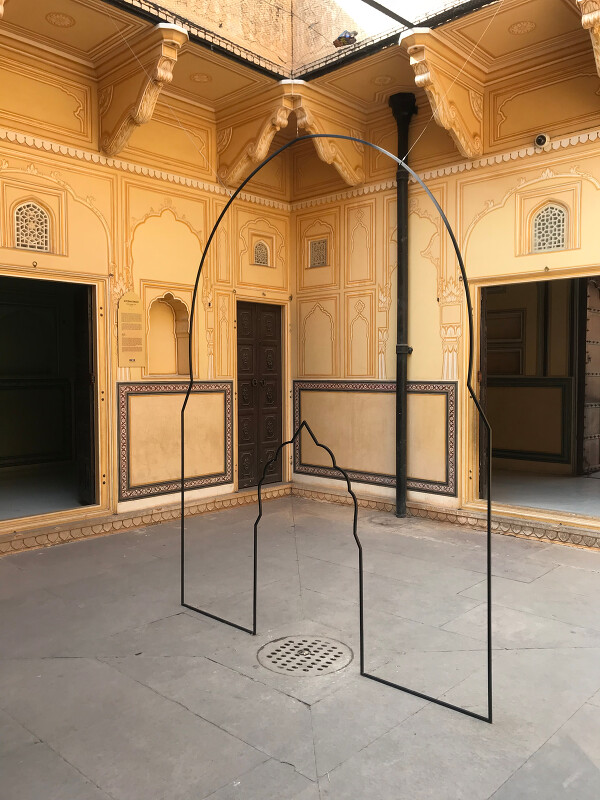
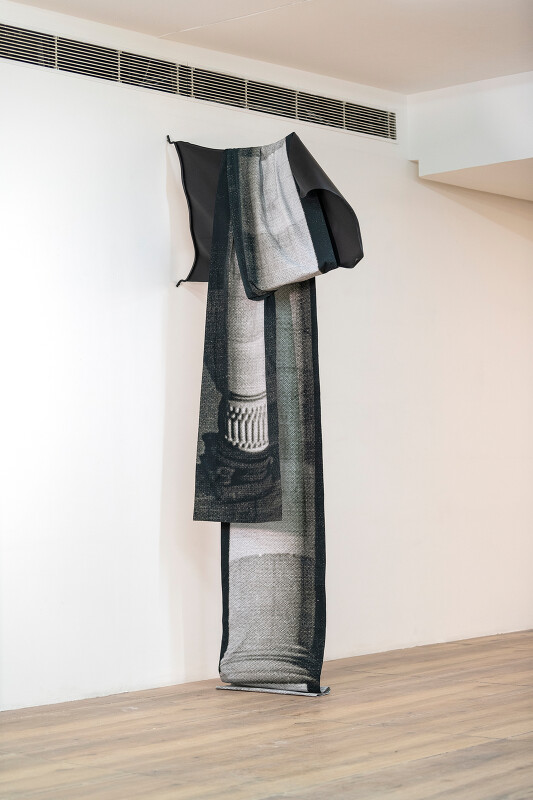
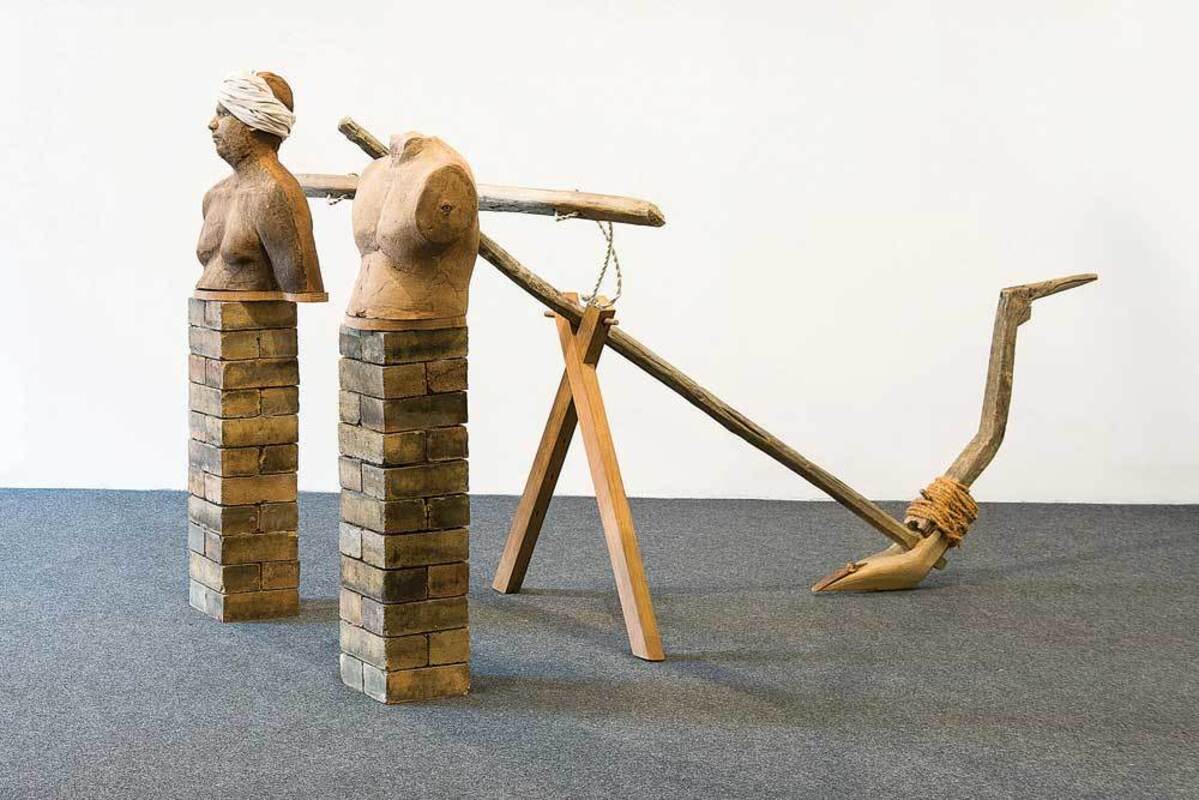
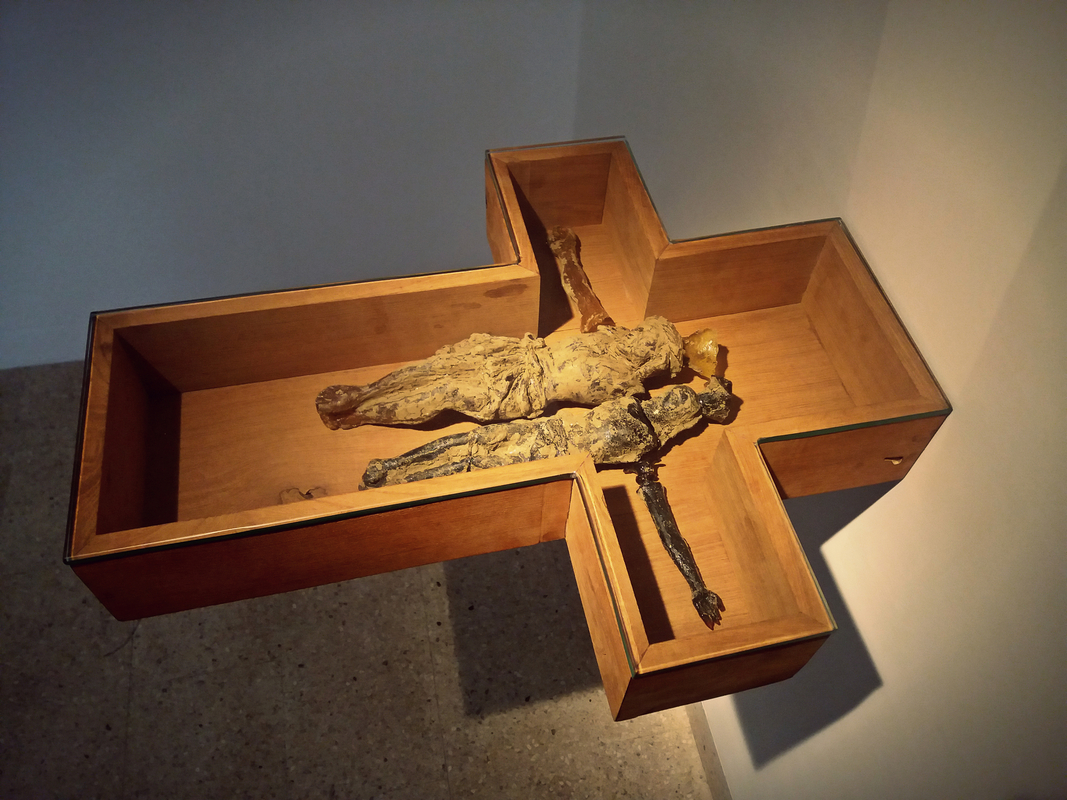
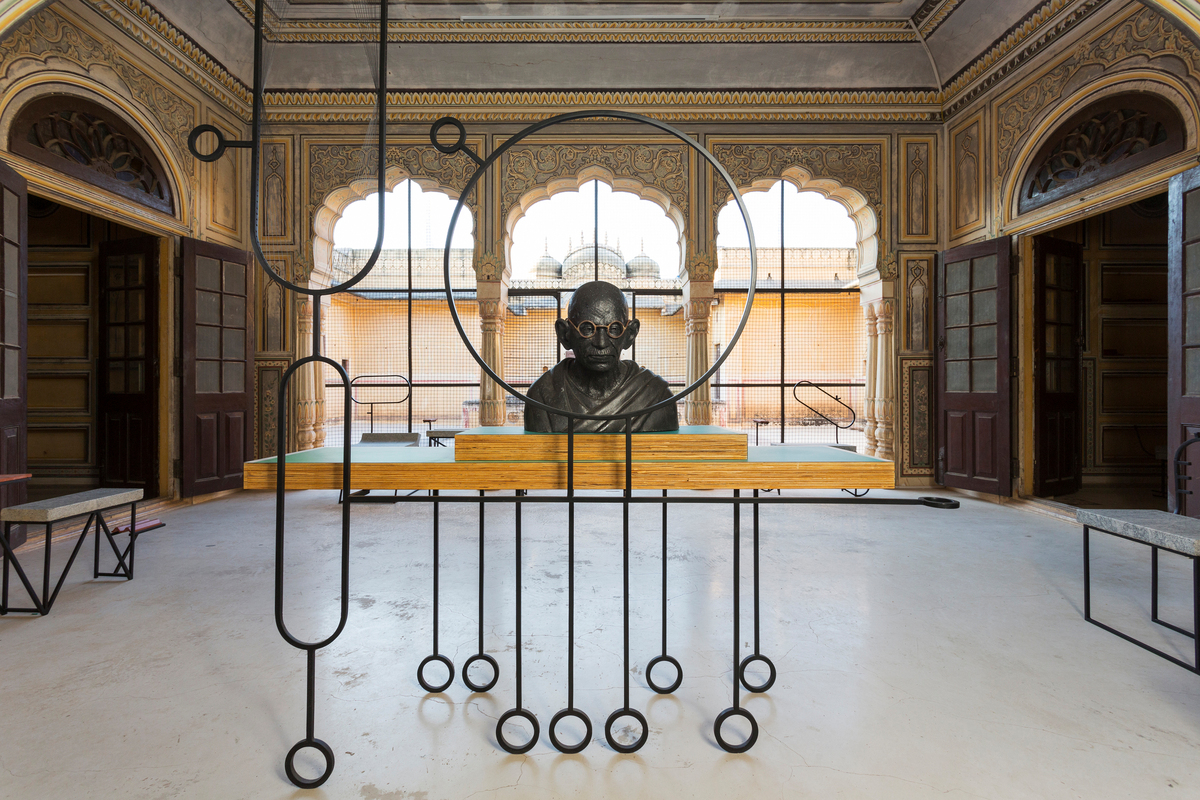
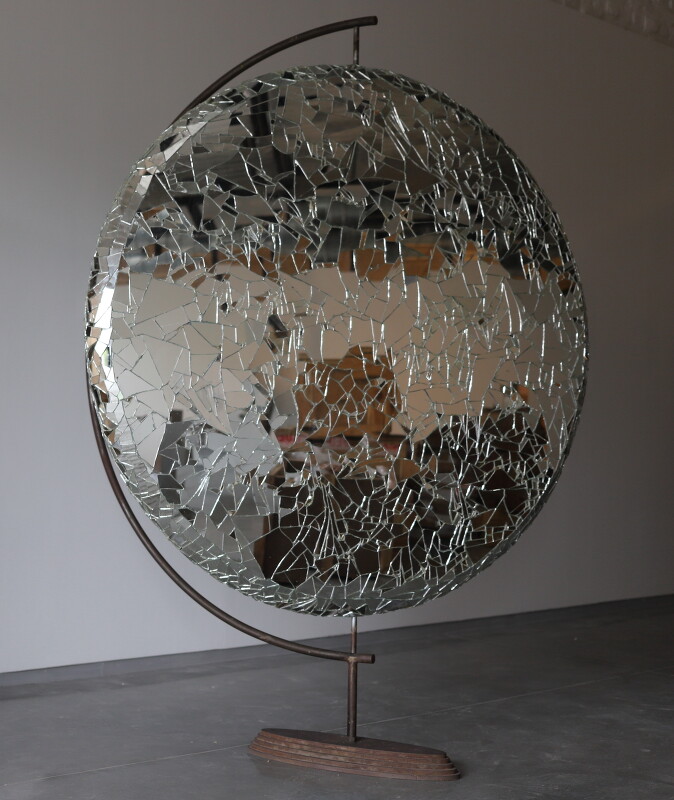
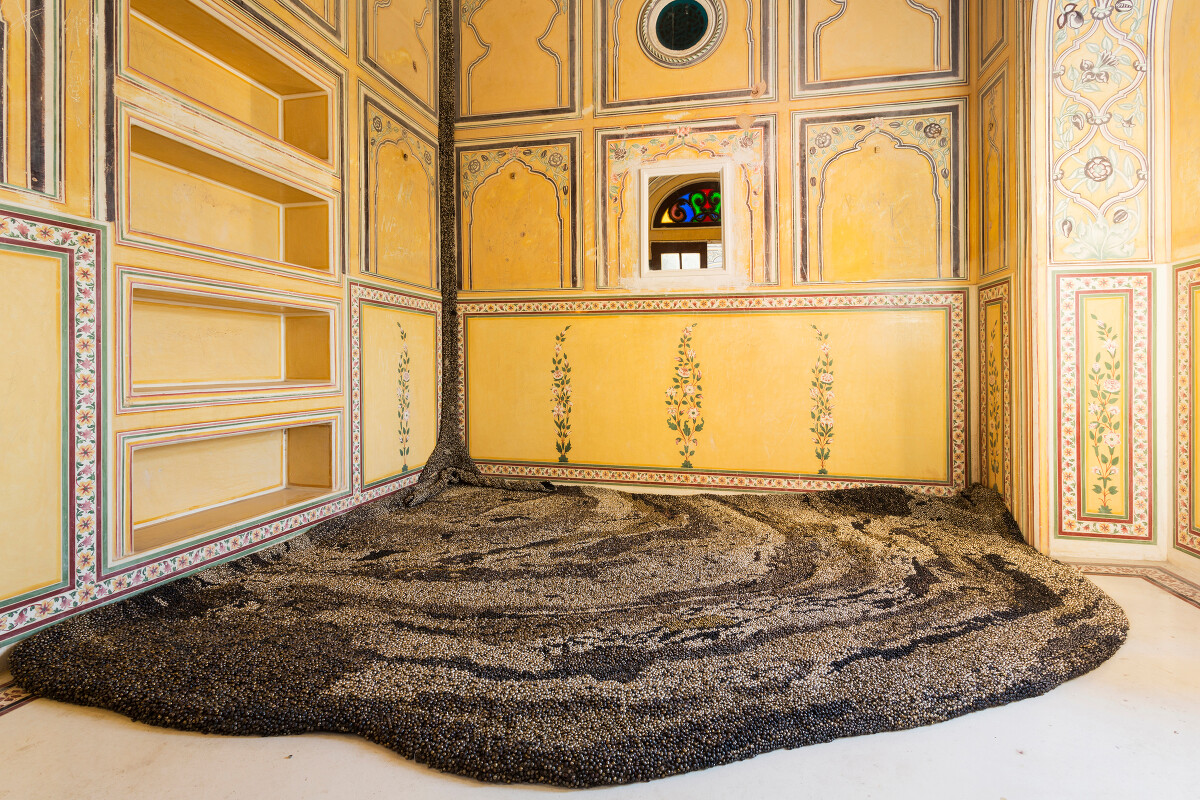
While the revolutions in artistic practice have been taking place for the past 150 years, painting and other two-dimensional art forms have remained relatively unchanged, restricted as they are by materials and processes. Sculpture, on the other hand, has been transformed tremendously, as any and all types of materials, objects, combinations, and procedures can now be enlisted. A show of more than twenty sculptures by twelve artists demonstrates the wide variety of approaches to three-dimensional art making today.
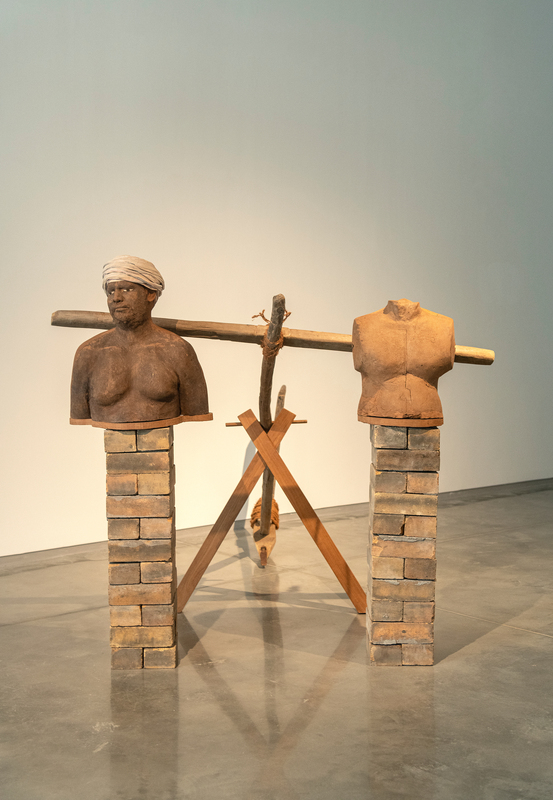
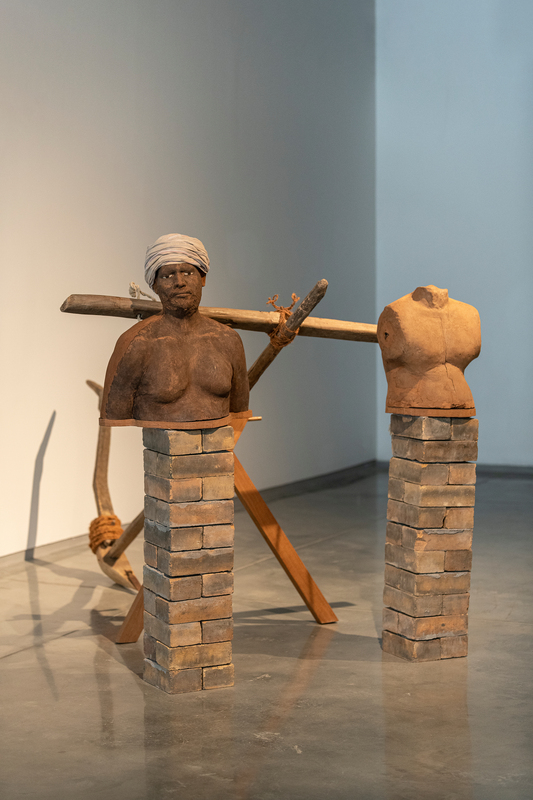
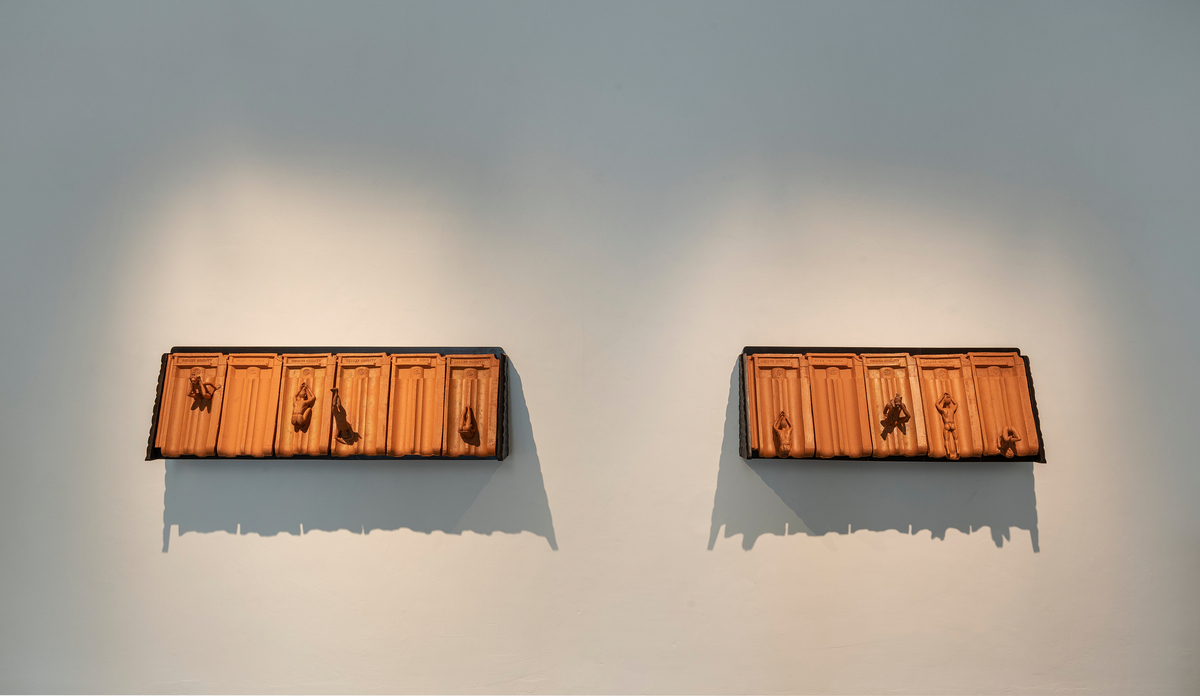
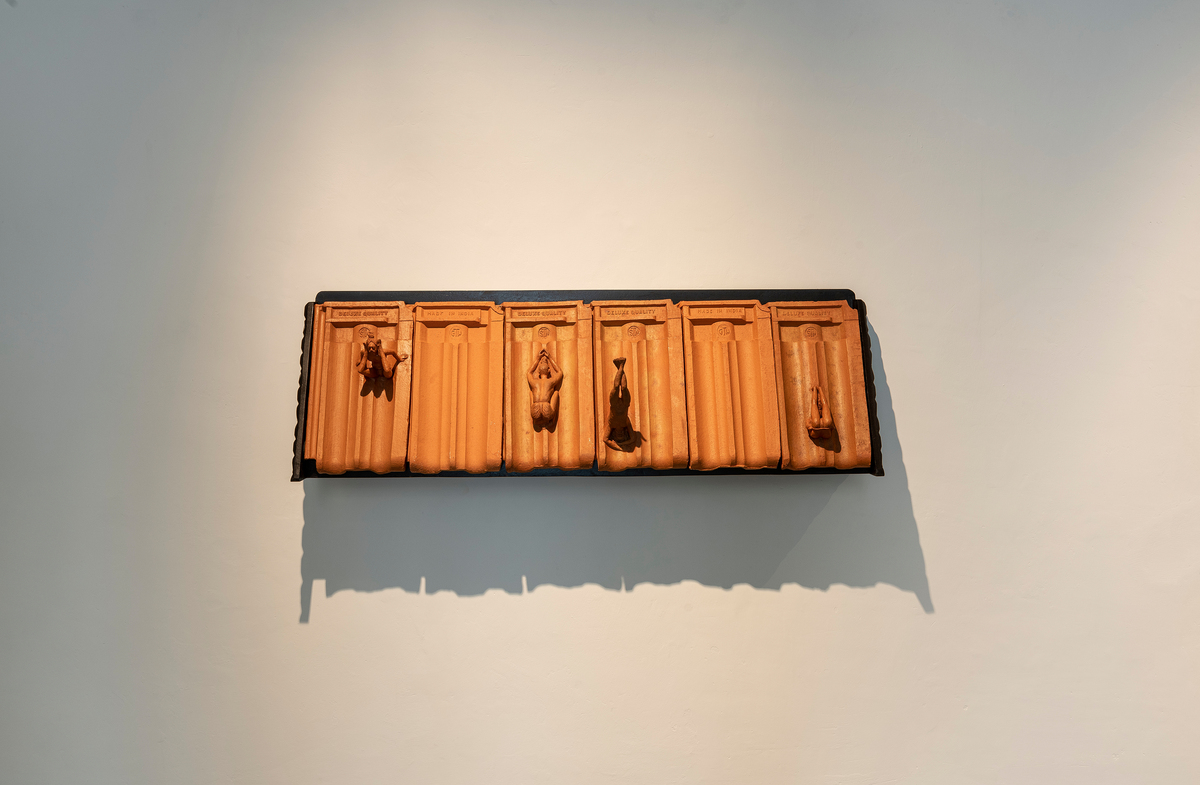
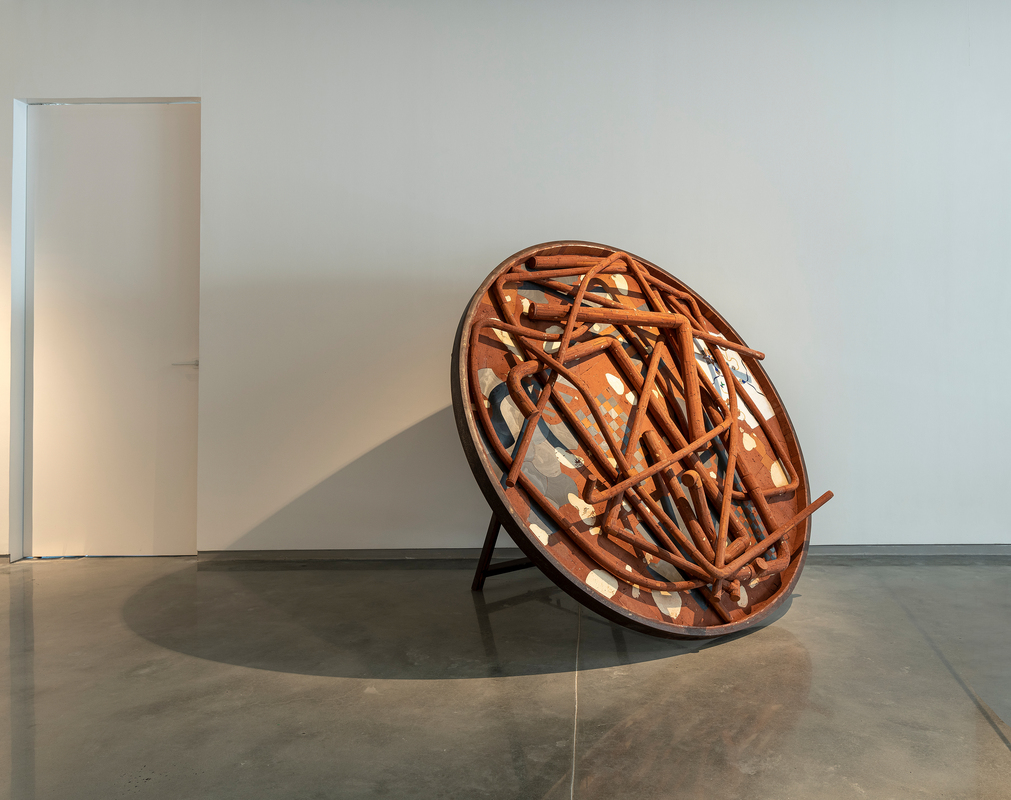
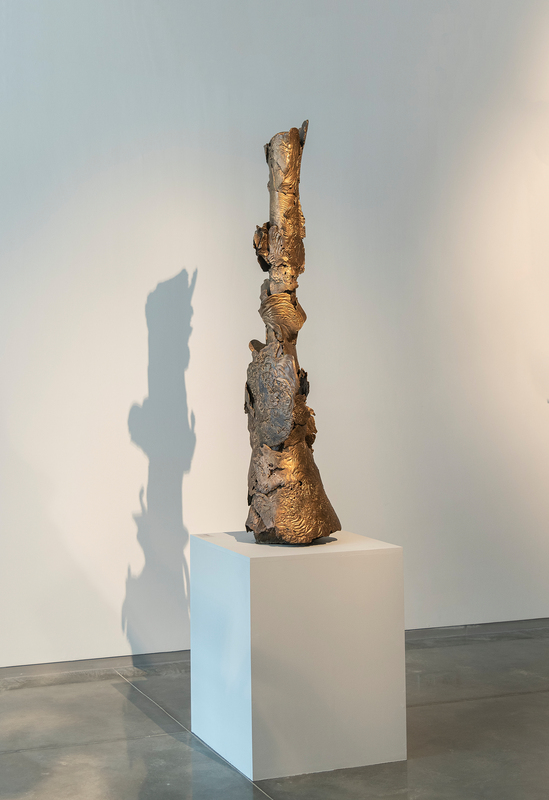
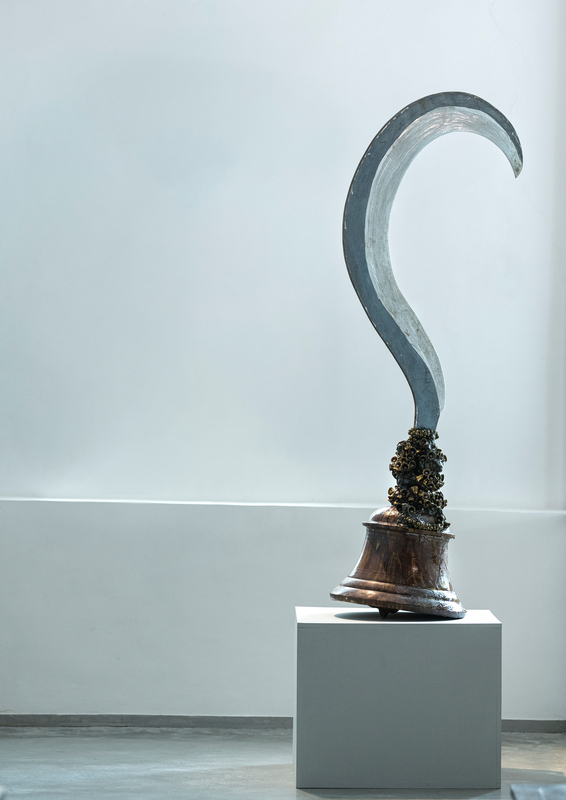
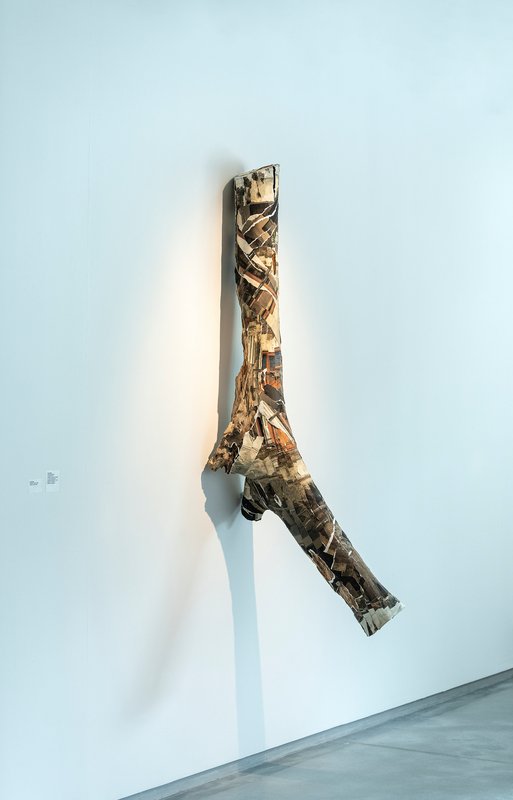
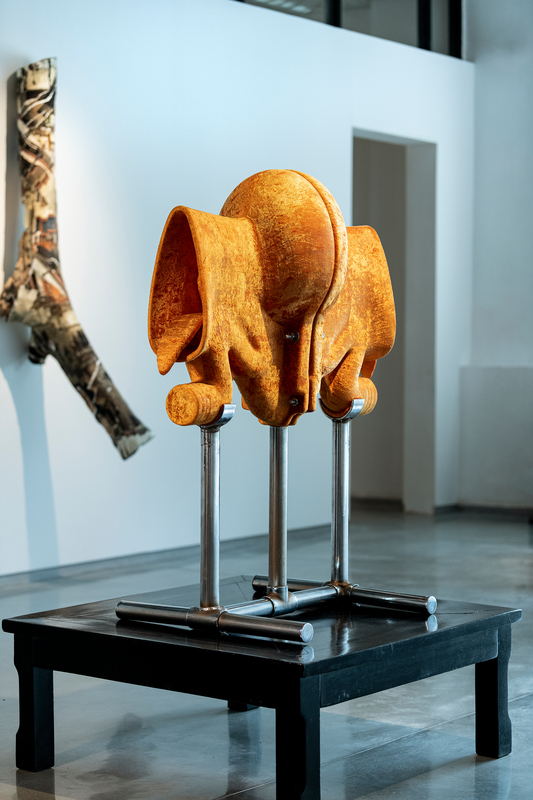
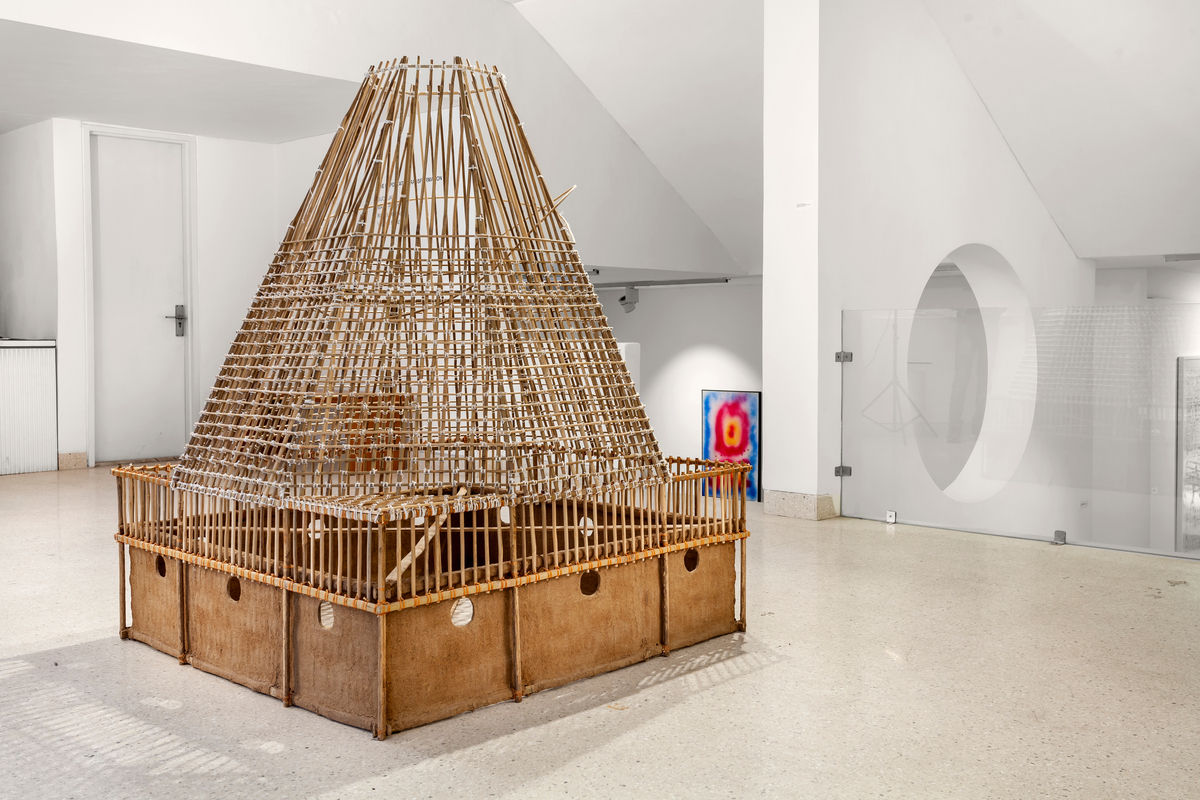
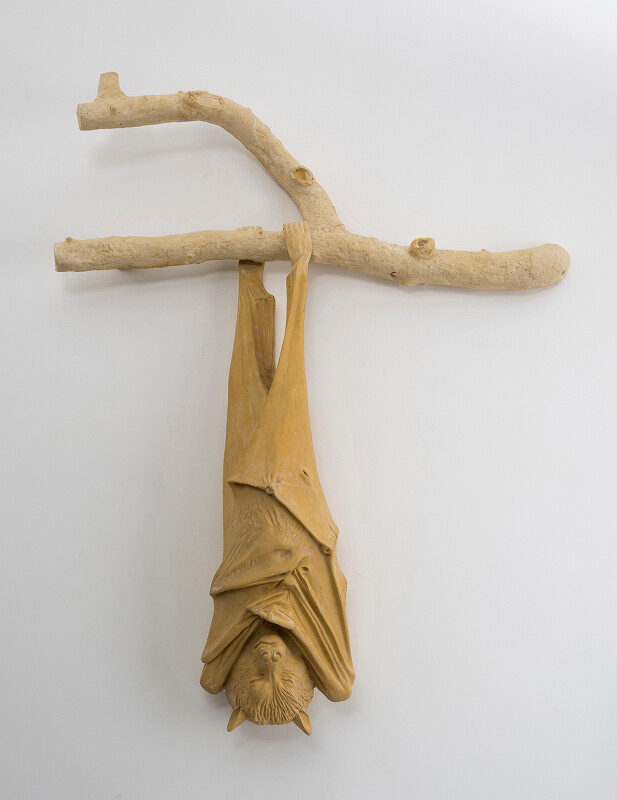
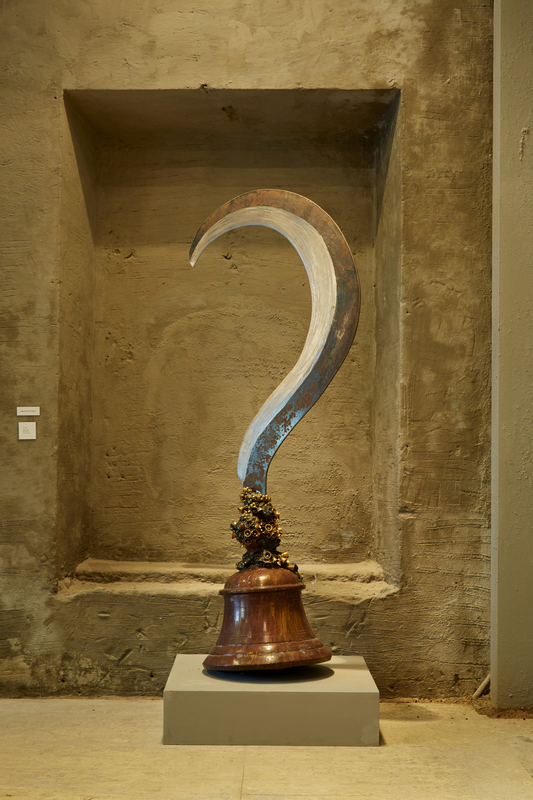
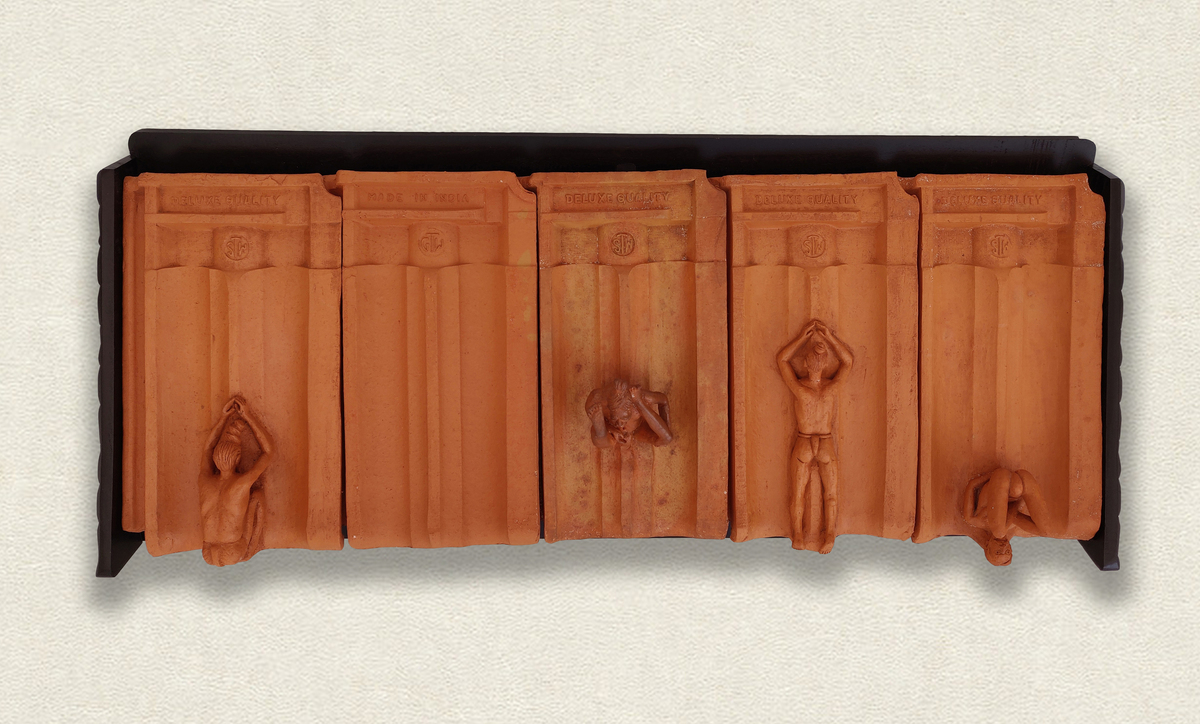
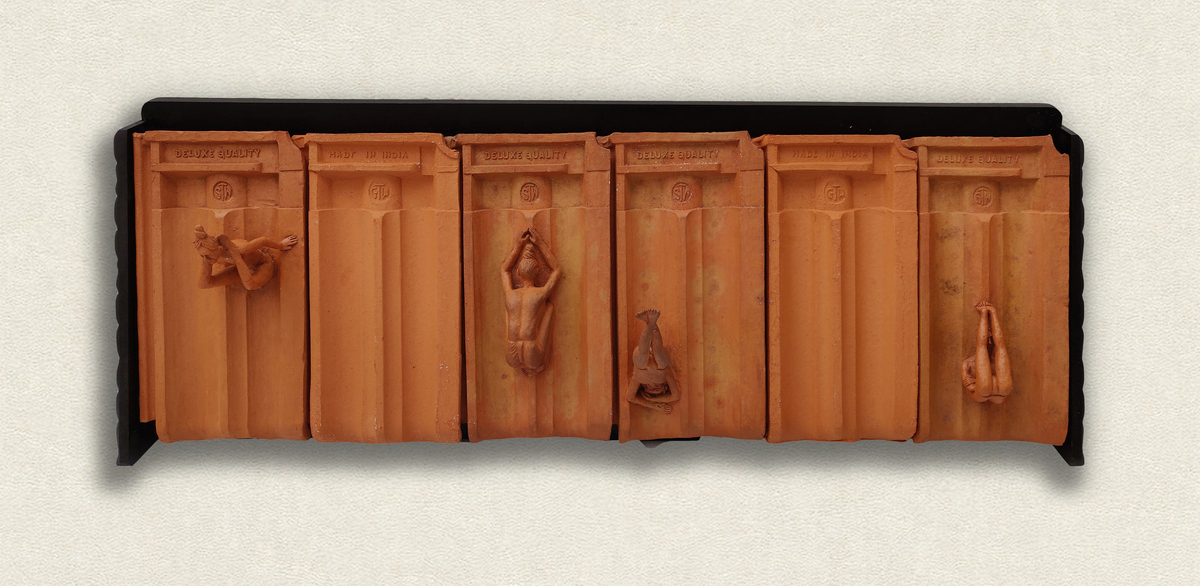
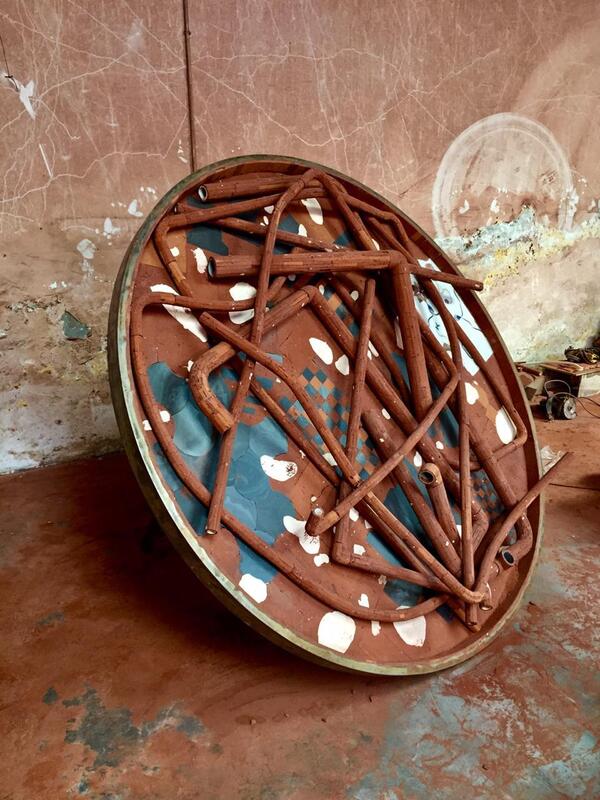
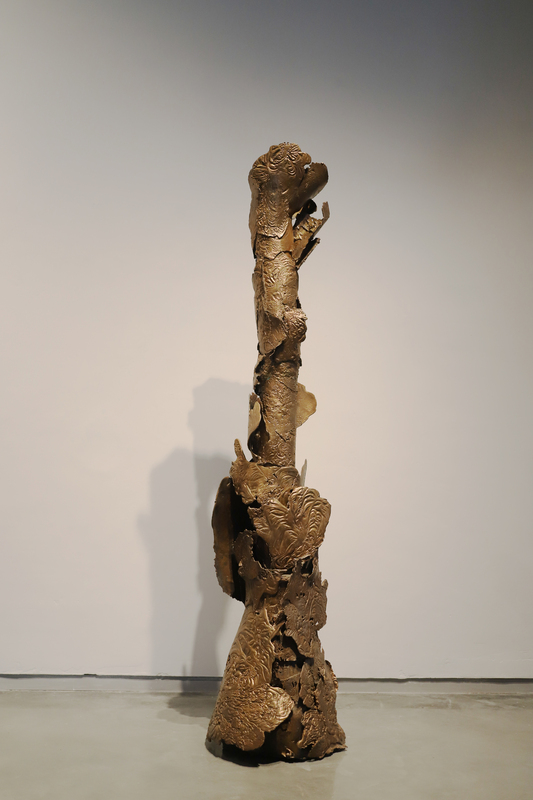
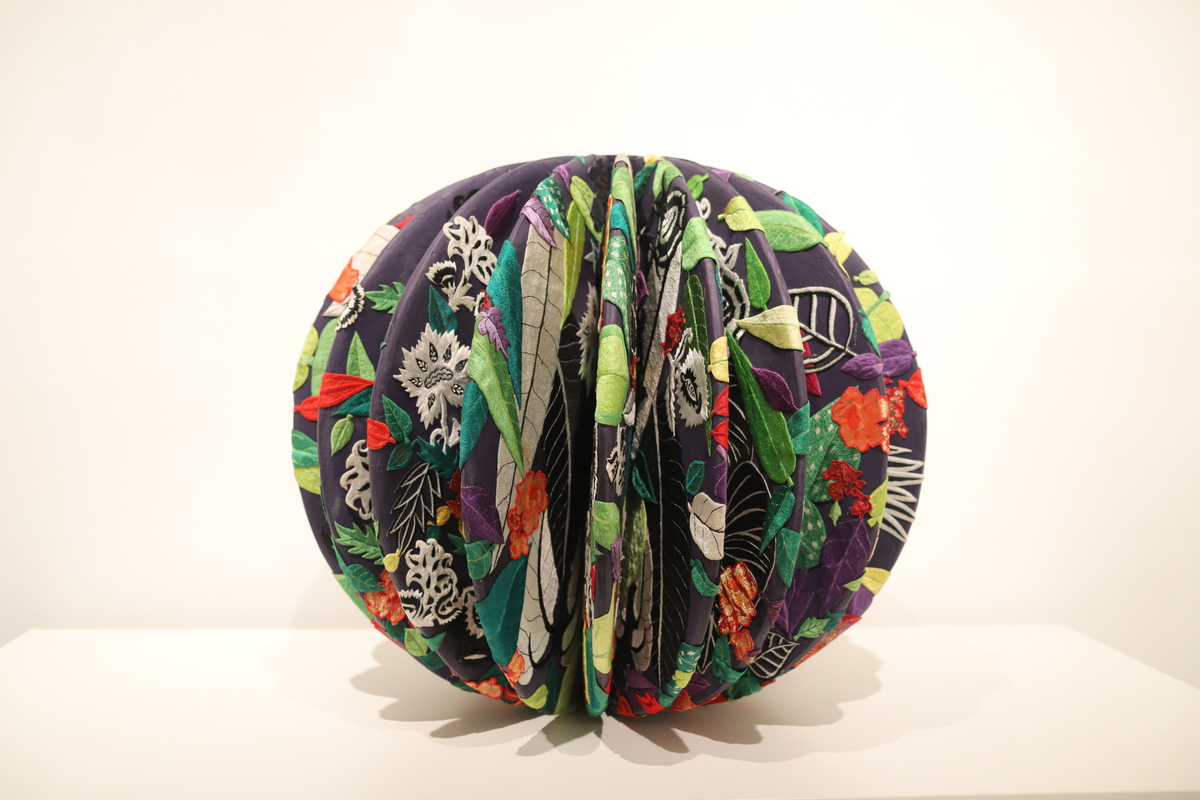
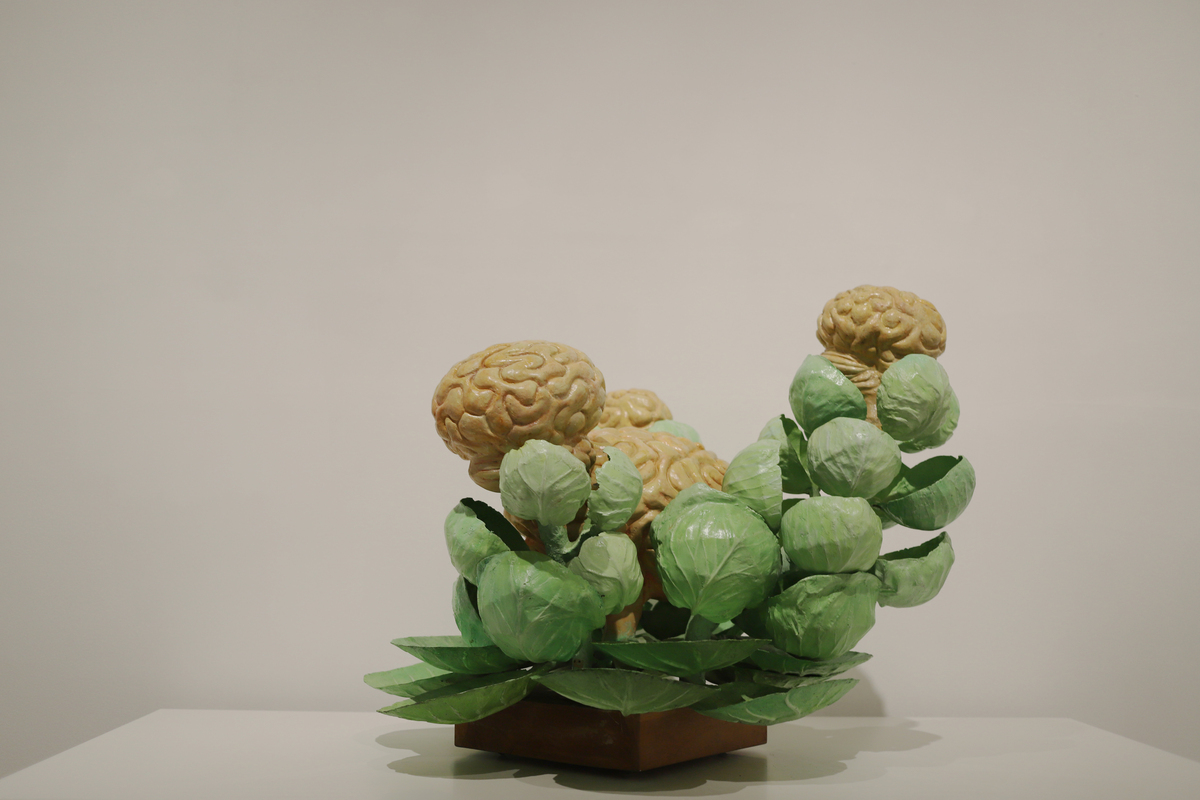
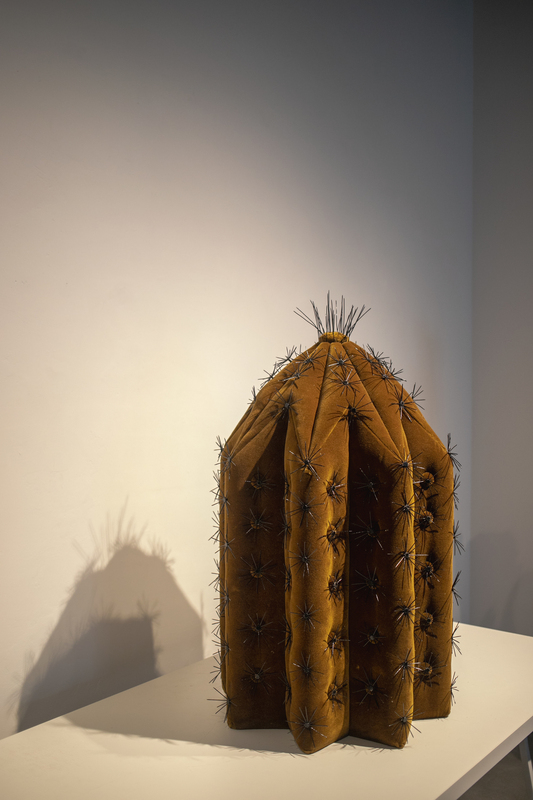
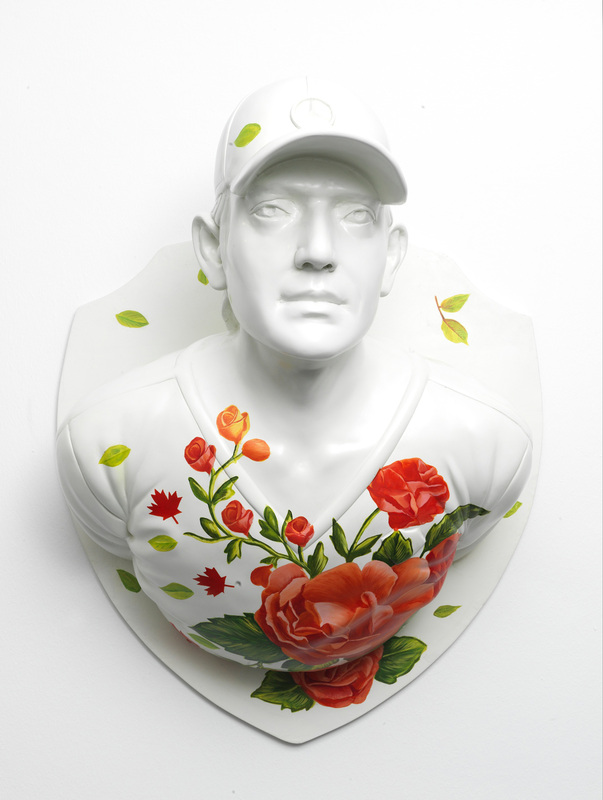
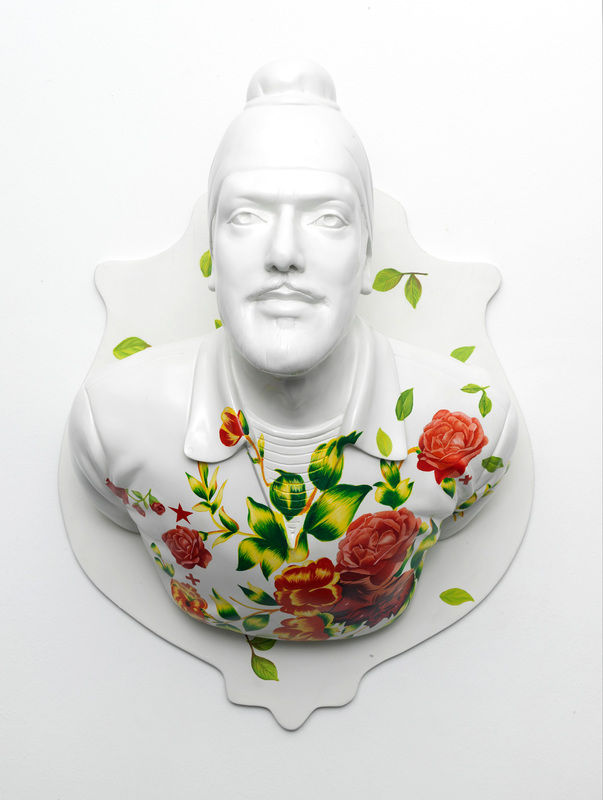
While some of the works in our exhibition result from the practice or investigation of architecture (such as those by Bijoy Jain/Studio Mumbai, Ayesha Singh, and Asim Waqif) others take inspiration from the applied or decorative arts, approaching the functionality of furniture (such as works by Thukral & Tagra) or the role of domestic embellishment (as in works by Vibha Galhotra and Anita Dube). The use of found or bought pre-existing objects is a prevalent methodology today, as can be seen in works by Asim Waqif, Anita Dube, Vibha Galhotra, Benitha Perciyal, and LN Tallur. In some cases, a range of diverse materials can be synthesized into a cohesive whole (M. Pravat, Perciyal, Dube, Tallur, Waqif) while traditional techniques such as bronze casting (Mrinalini Mukherjee, Tallur), carved stone (Tallur), and hand-modelled clay (Perciyal, Tallur) remain relevant. Both figuration (Thukral & Tagra, Perciyal, Tallur) and abstraction (Mukherjee, Pravat, Waqif) are equally appropriate for exploration, as the influence of Surrealism and its associated psychoanalytical references is at play in certain works (such as those by Suhasini Kejriwal, Jitish Kallat, and LN Tallur).
If any conclusions can be drawn from the exhibition they will be the heightened eclecticism that is prevalent in contemporary art, the almost perverse cacophony of a multiplicity of voices, and the exalted freedoms available to artists today.
Artworks
Installation Views