

Mumbai
Parul Gupta
In Praise of Limits
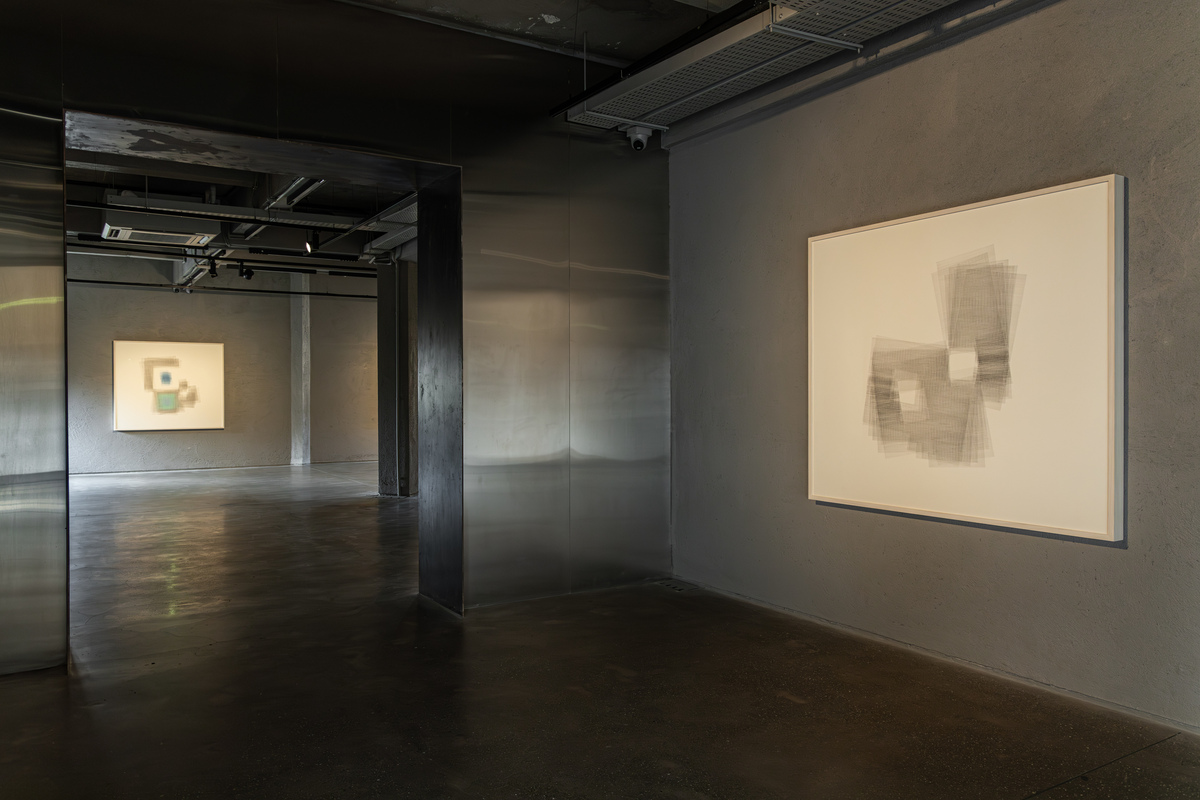
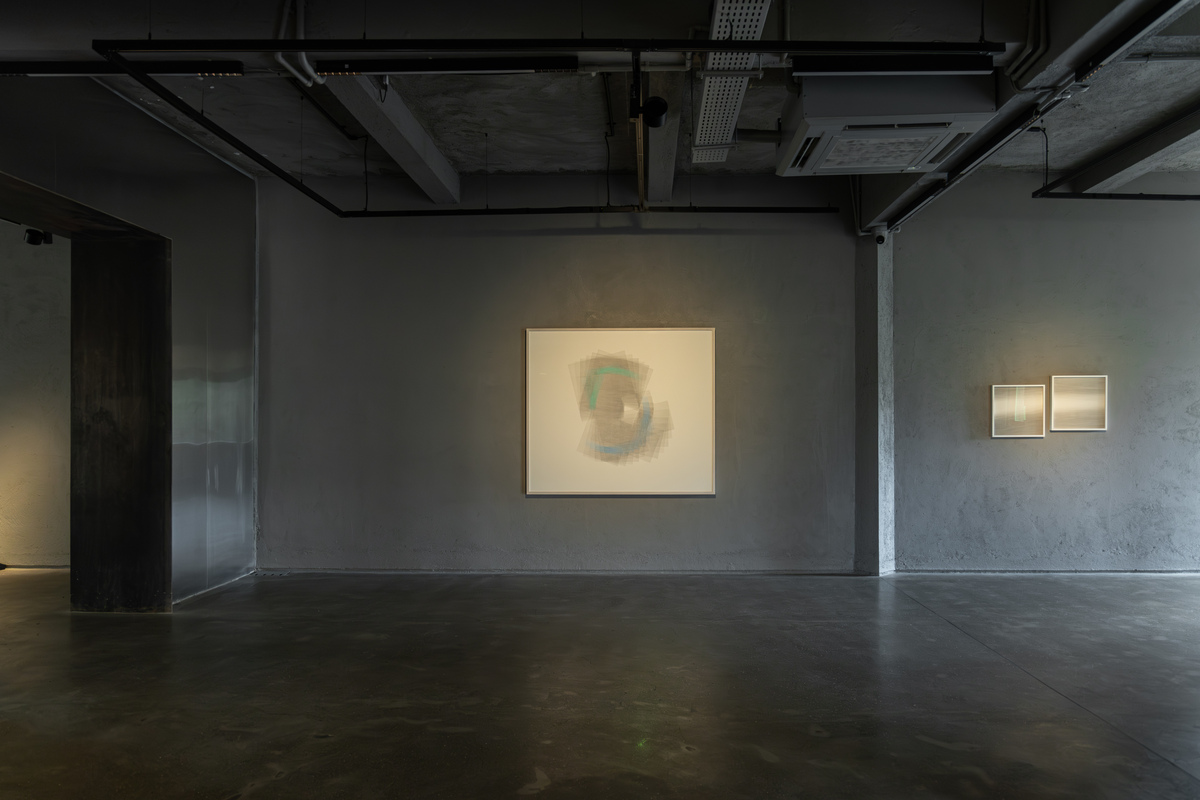
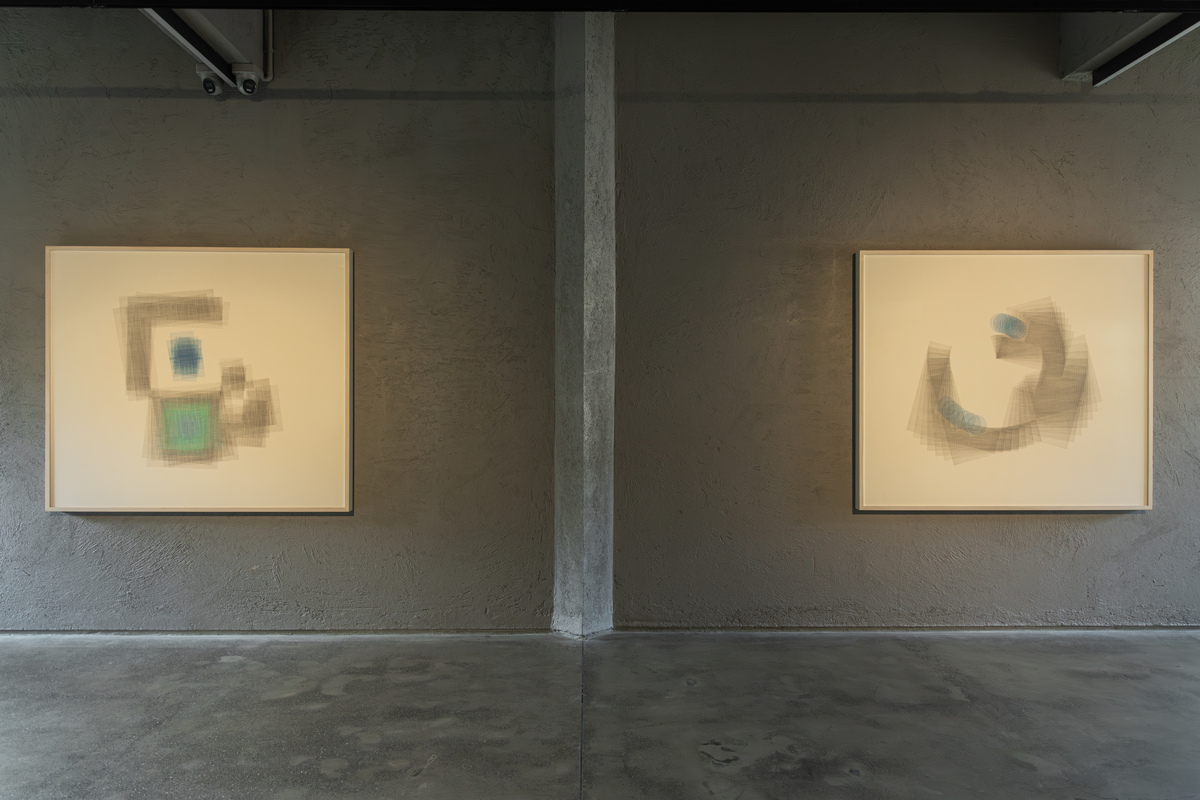
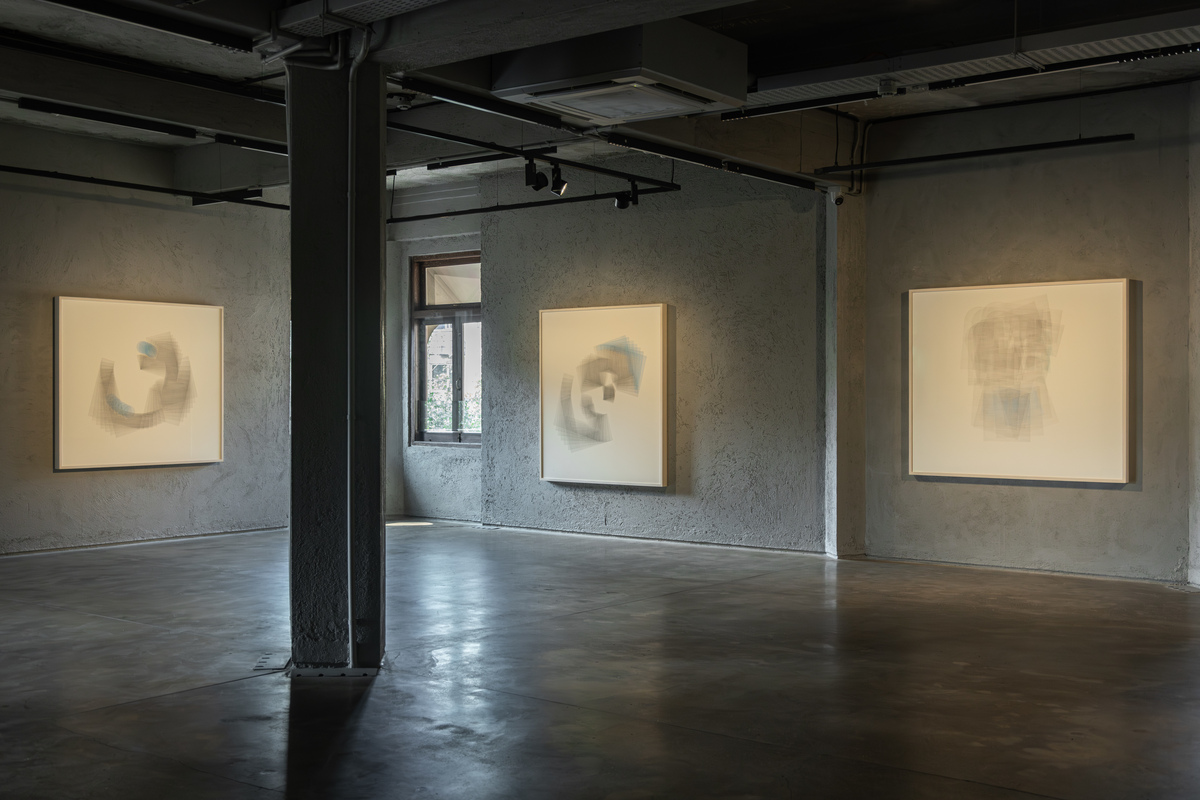
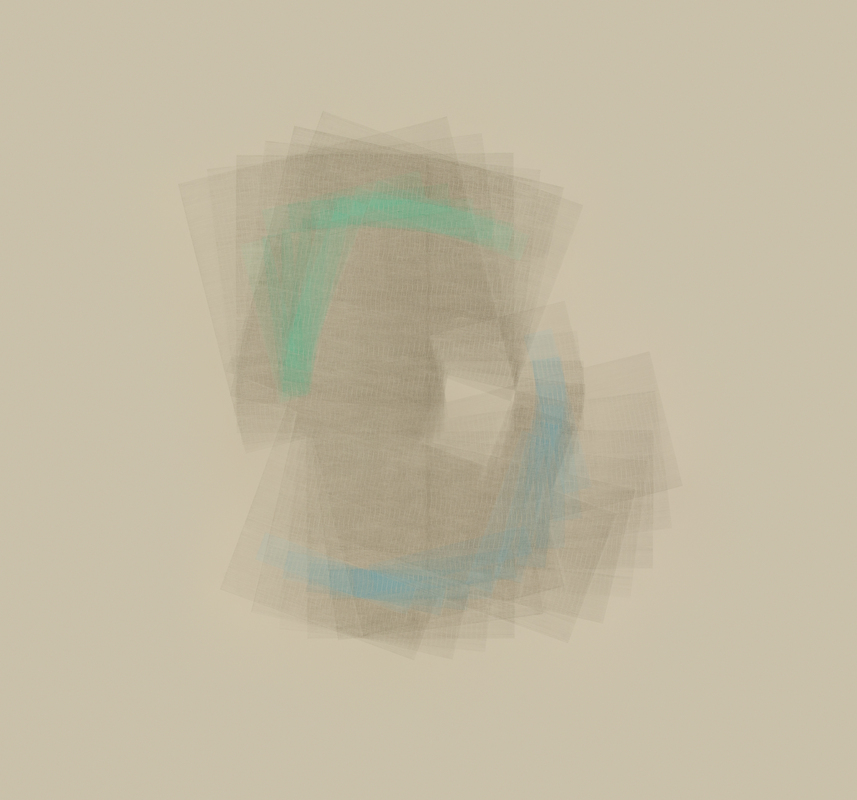
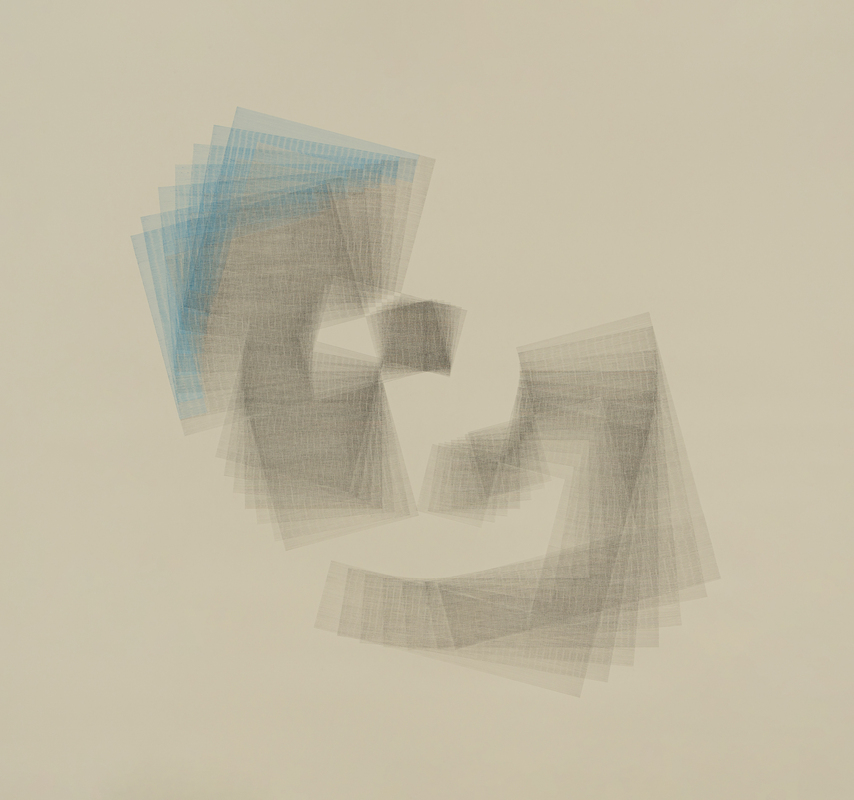
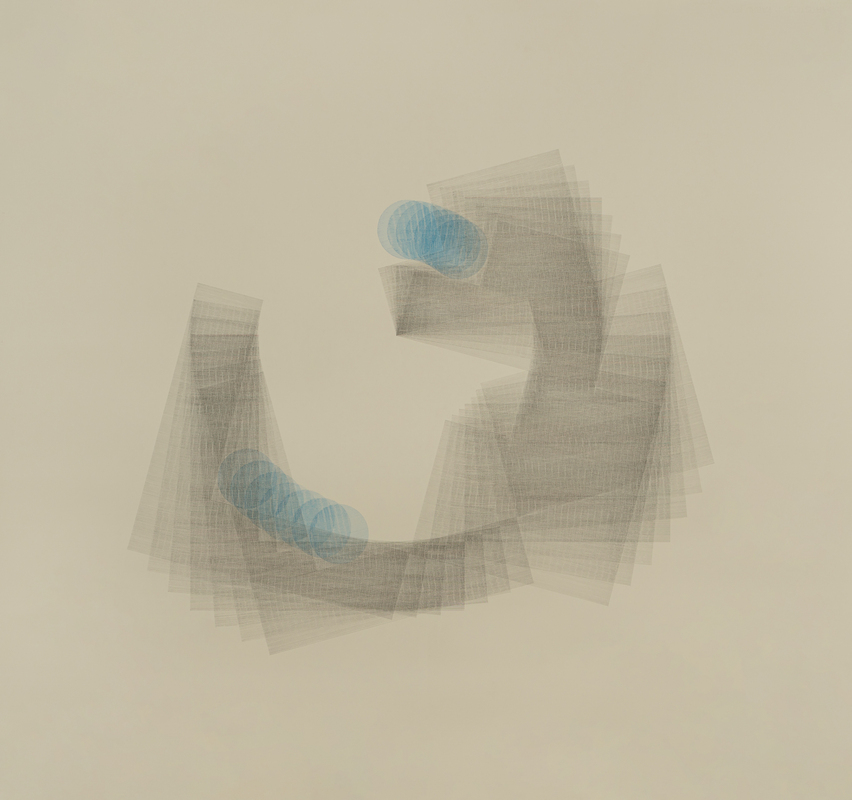
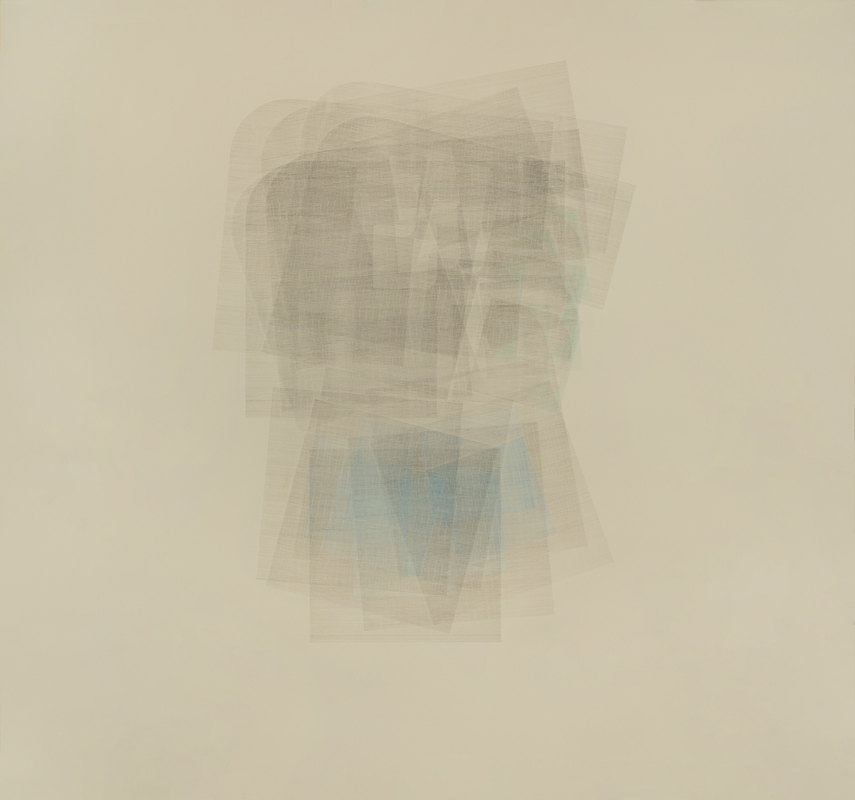
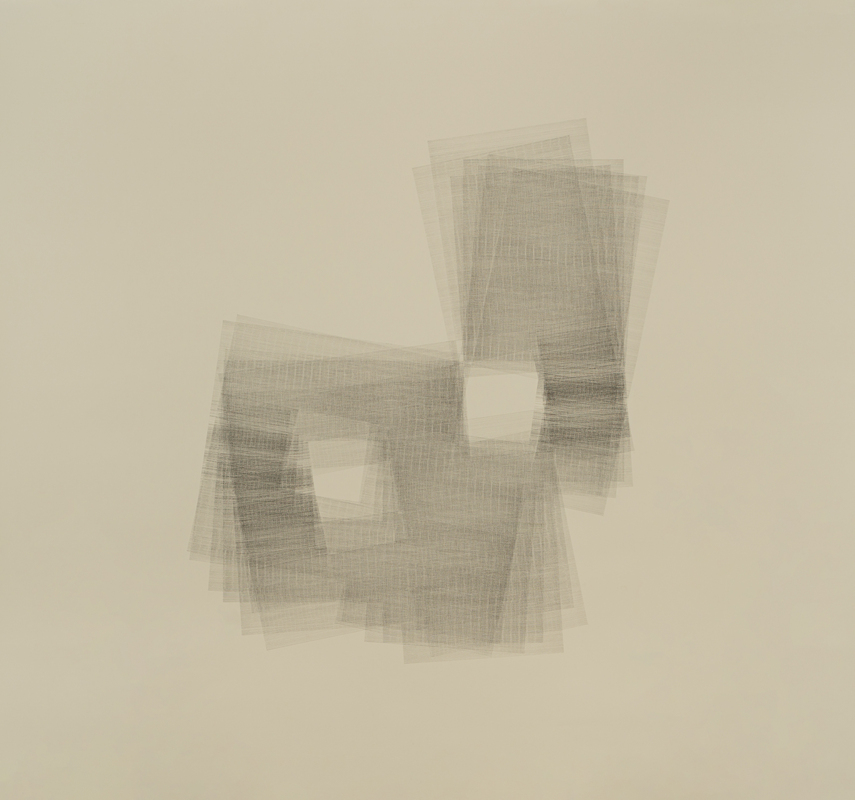
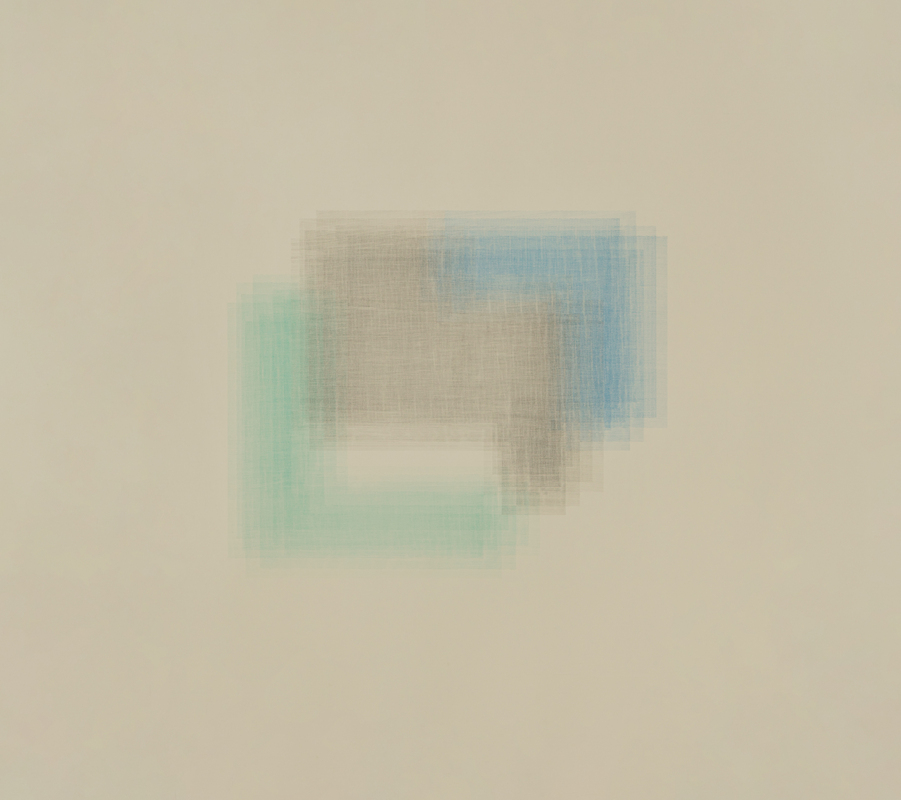
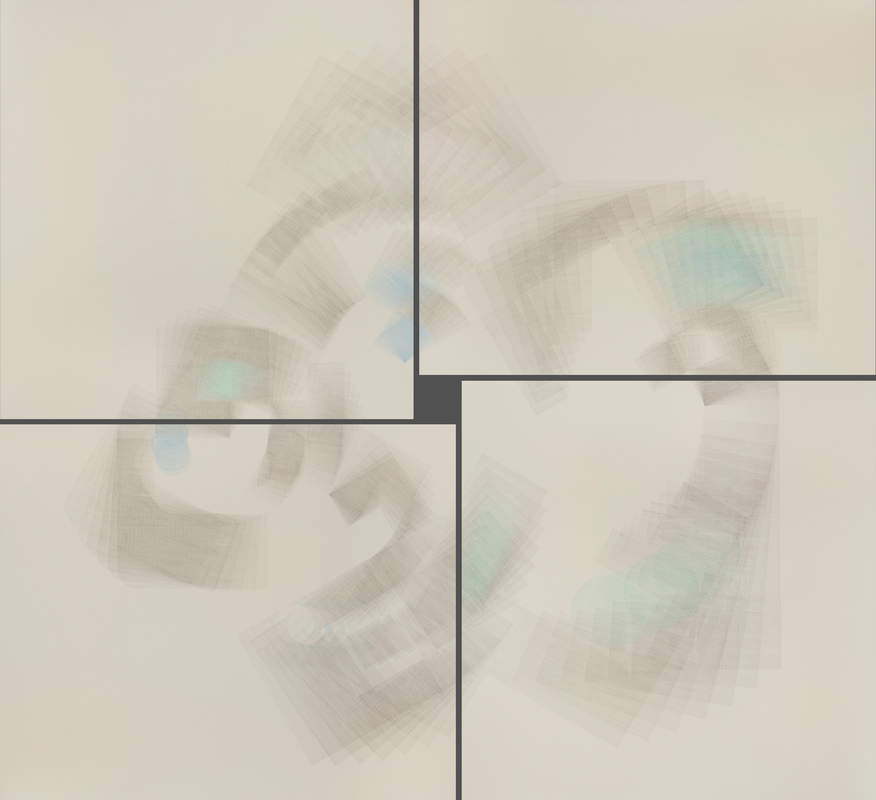
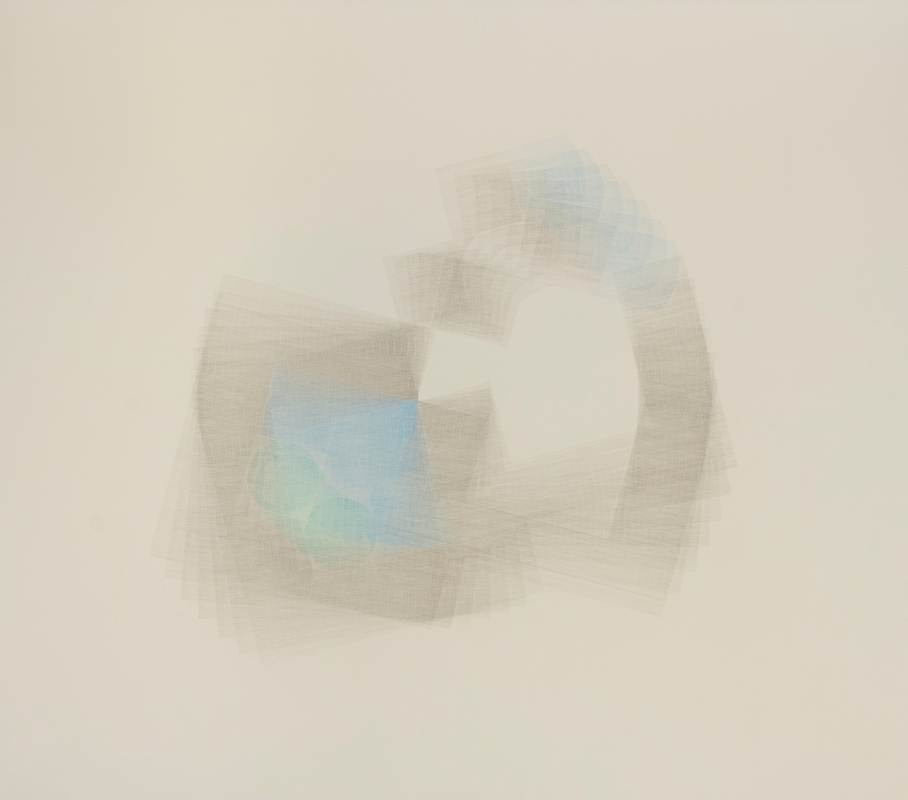
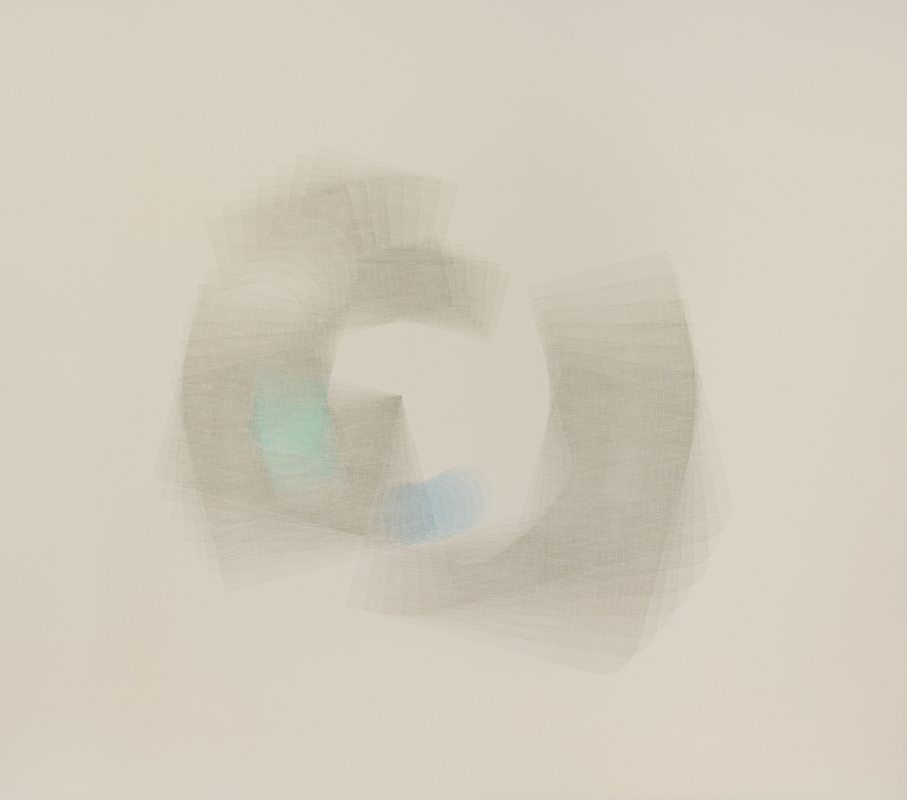
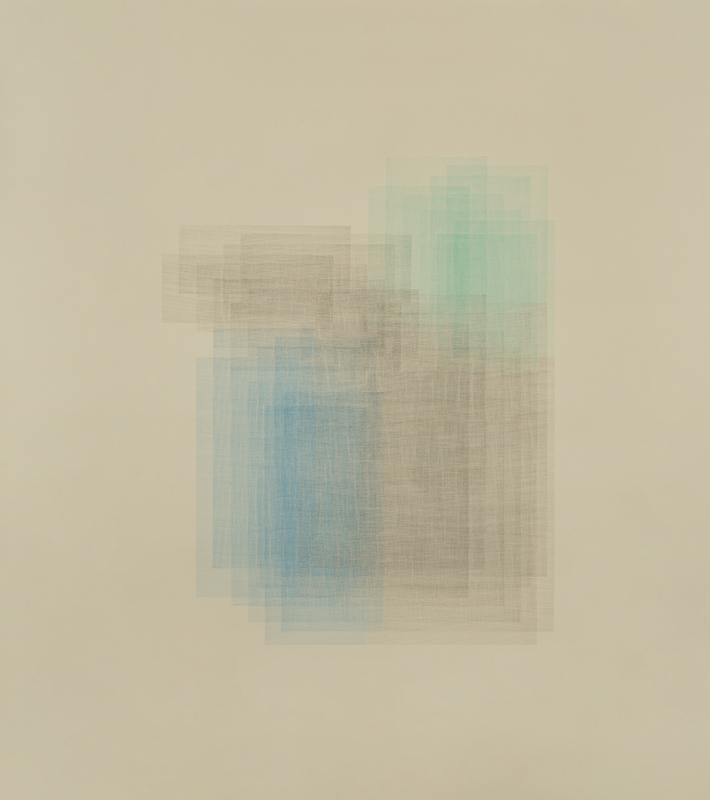
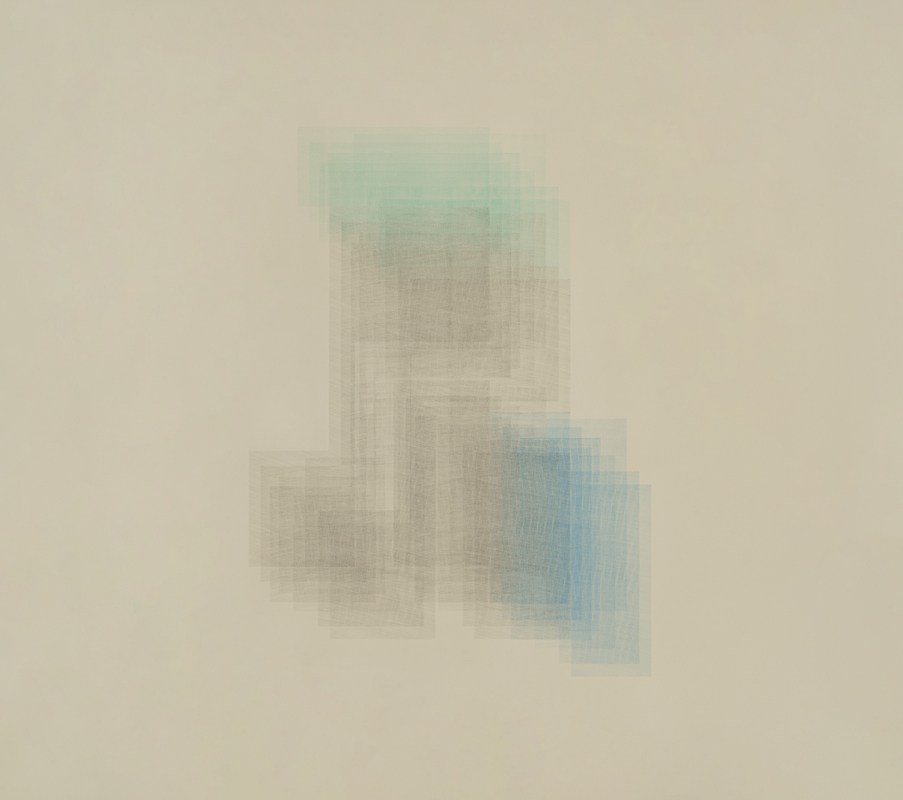
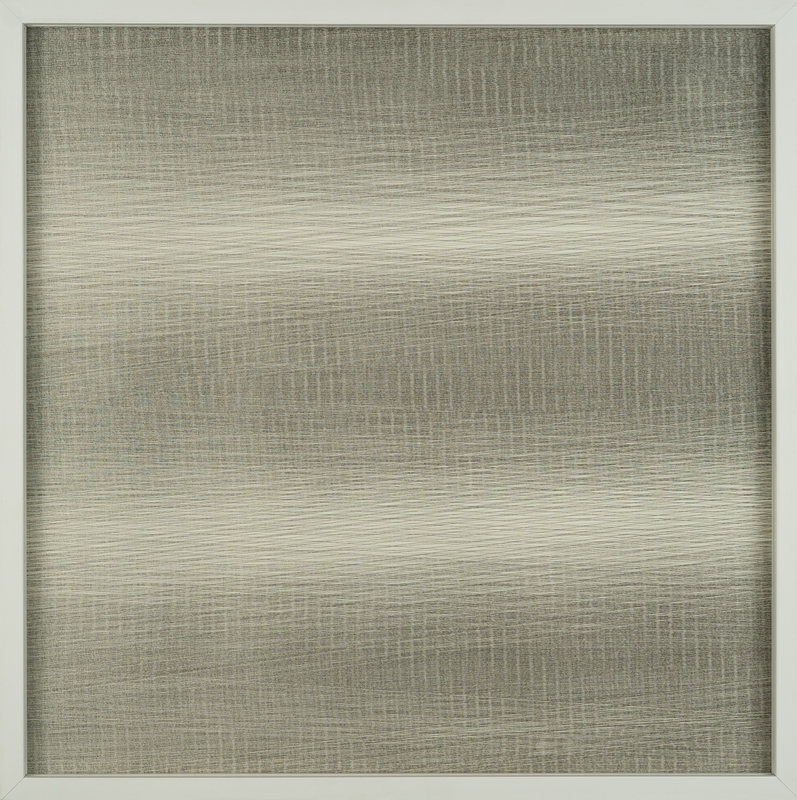
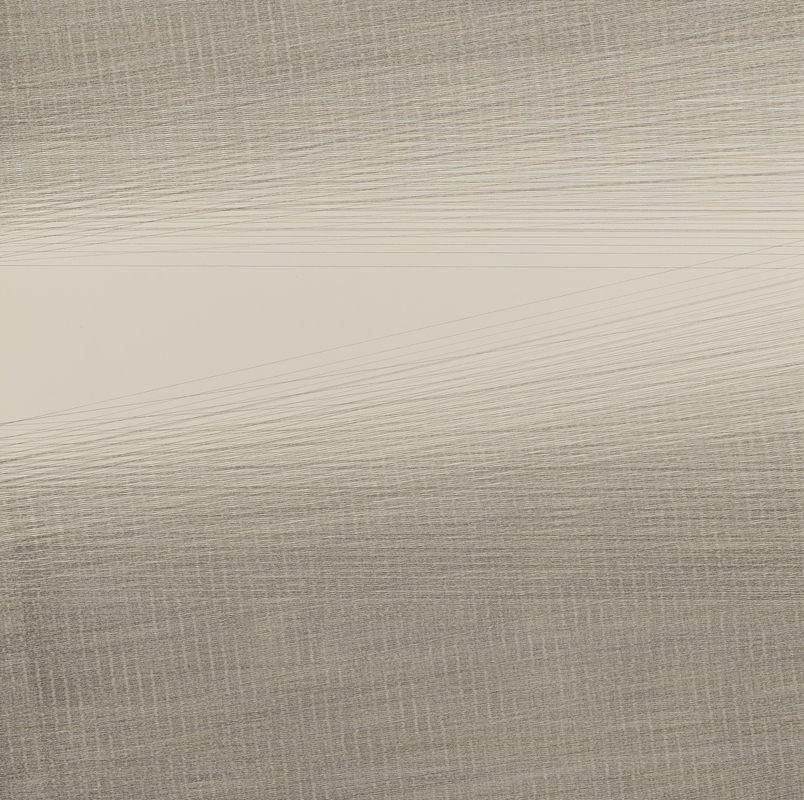
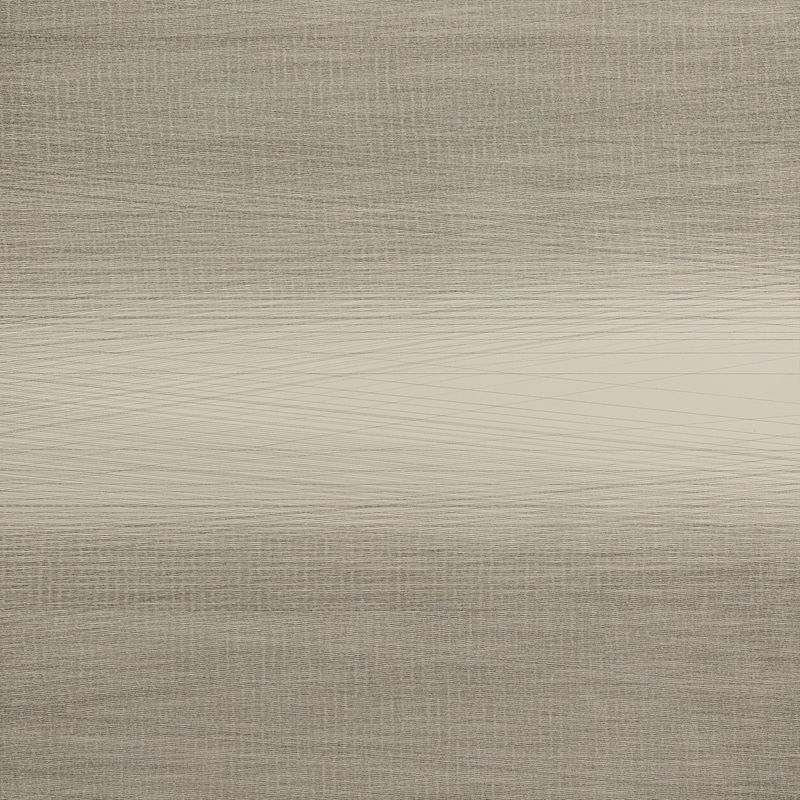
Nature Morte is pleased to present an exhibition of new works by artist Parul Gupta. On view will be a group of new drawings in the artist's signature style that explores reductive Minimalism moving into Maximalist terrain. Gupta's primary inspiration is architecture and her experience of it. She taps into the everyday dialogue between human beings and architectural structures through lines and different forms to show how architecture shapes us. "Every piece of architecture profoundly impacts our emotions and behaviour. Understanding architecture, apart from its primary function of shelter and a sense of belonging to a place, is a slow process of engagement and observation," she says.To showcase this engagement, she focuses on the shifting perceptions, the in-between spaces of our vision, to be precise. Gupta explains that this interstitial realm is called the parallax void, which forms the foundation of her ongoing series Notes on Movement. "My interest in the parallax void is that it sits between two points and allows for multiple and distinct perceptions of forms within the space-individual relationship," says the artist.
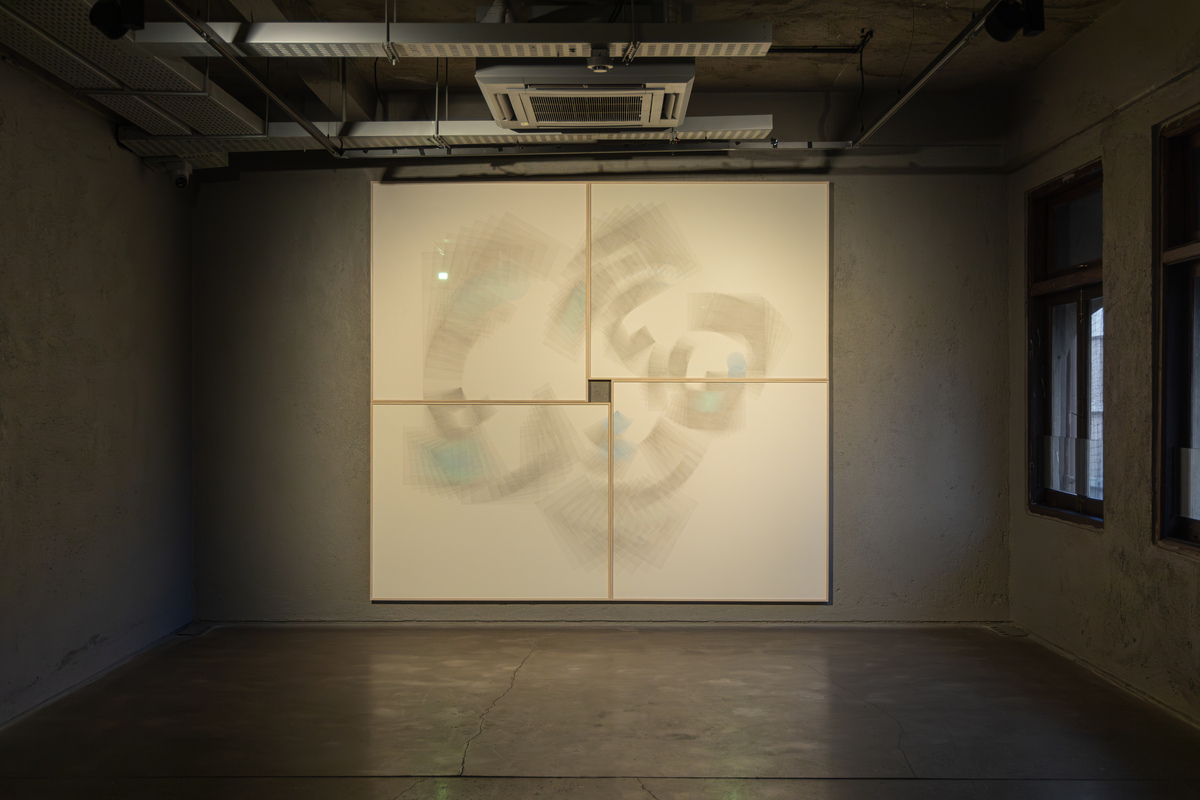
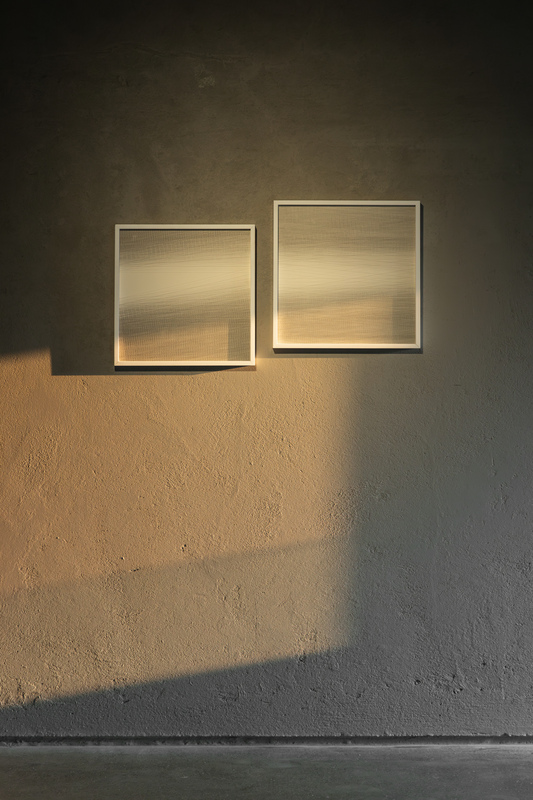
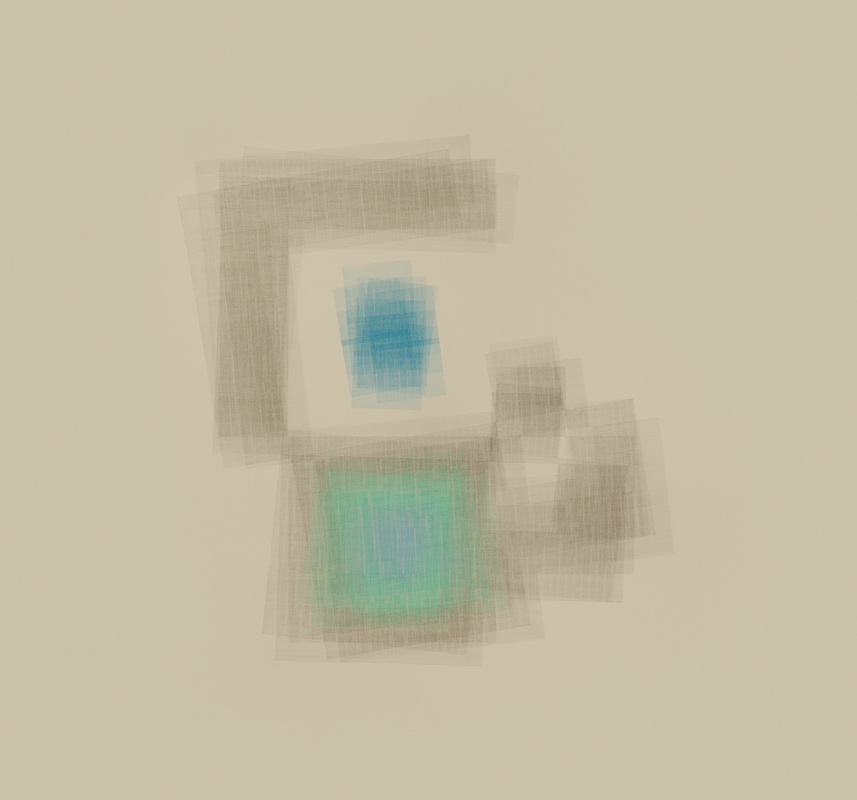
The series sees the artist capture the shifting perceptions of movement through vibrations. A close analogy can be a dancer captured in motion, where the physical body has a trail of multiple shadows, breaking down the movement frame by frame. Gupta achieves this result by documenting the movement in the stationery by juxtaposing layers of lines over one another at different angles. Until now, the pieces in Notes on Movement have been two-dimensional squares. For In Praise of Limits, she has expanded the series to explore circular forms that show shifting perceptions in a three-dimensional context of spatiality.
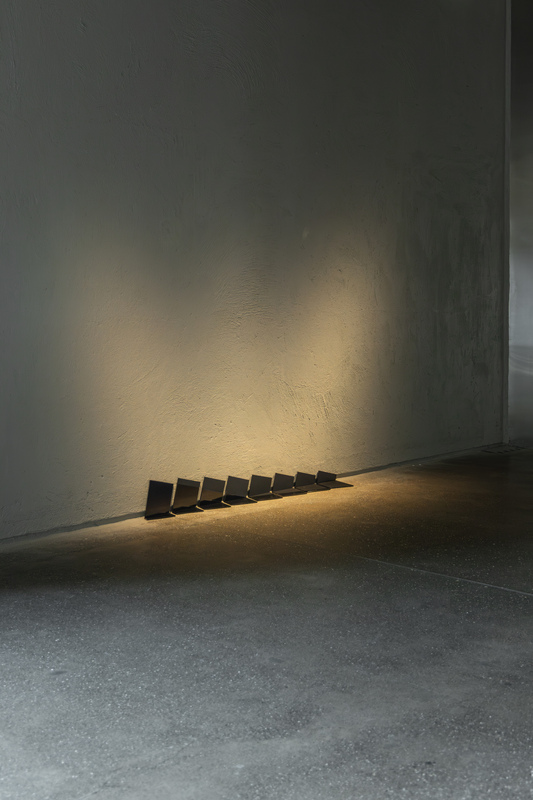
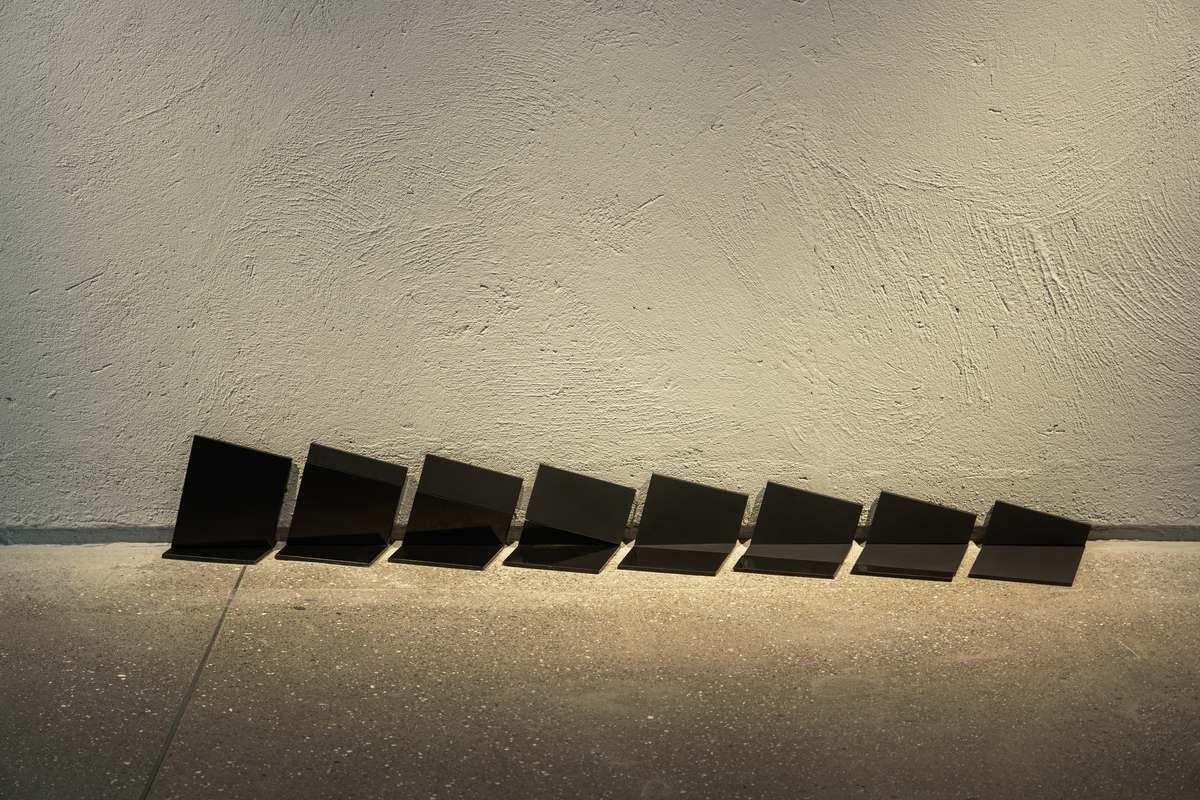
The exhibition also includes a sculpture which is from a new body of aluminium sculptures that Gupta has developed, which brings to the forefront the unappreciated but indispensable aspect of architecture—the corners. With this work, she attempts to change the view that corners are futile or a challenge to work with. Without the corners, there are no walls, and yet, the walls almost always grab the attention. "It is the corners that hold a space together and create the inherent movement in architecture, but often people do not know what to do with them," she says. The pieces in the work are rendered in glossy and matte finishes, allowing them to play with the changing light through the day, reinforcing the fundamental idea of Gupta's practice, that of shifting perceptions. Without static, there is no movement; without corners, there are no walls; and without darkness, there is no light. Gupta's practice is all about seeing the unseen.
Artworks
Installation Views