

New Delhi
Jagath Weerasinghe
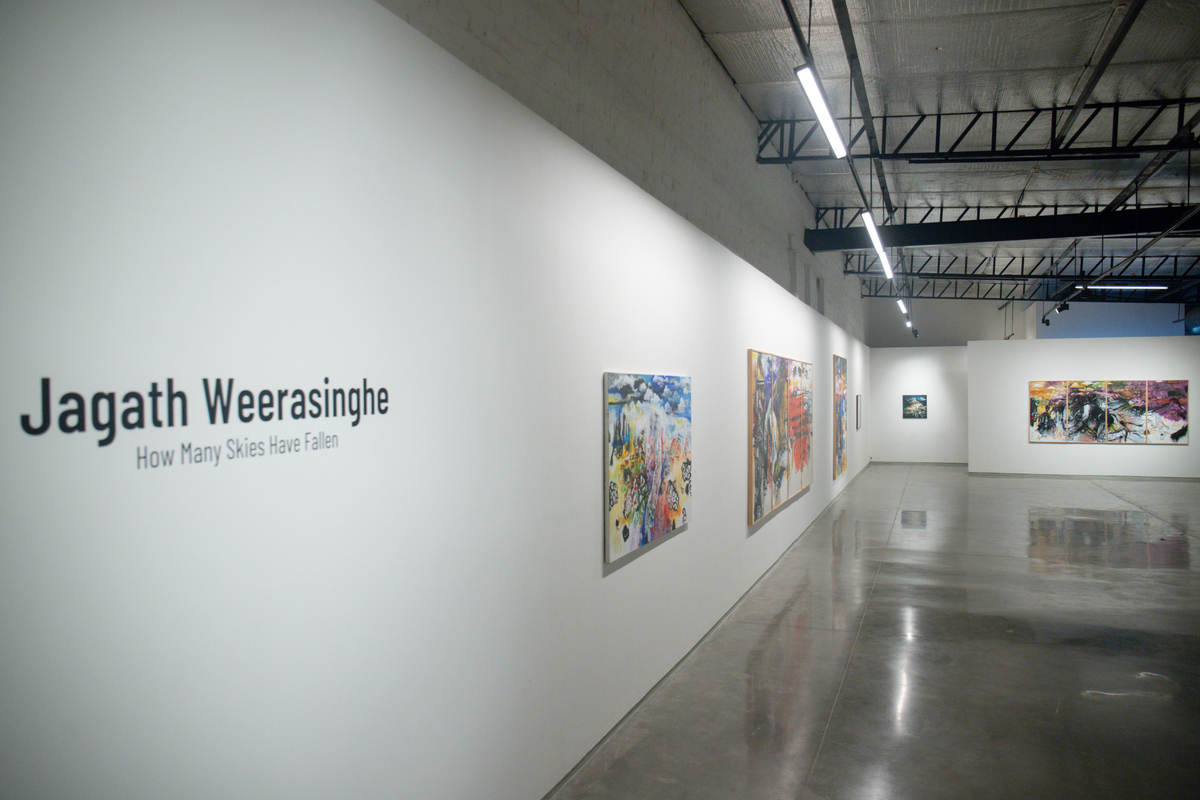
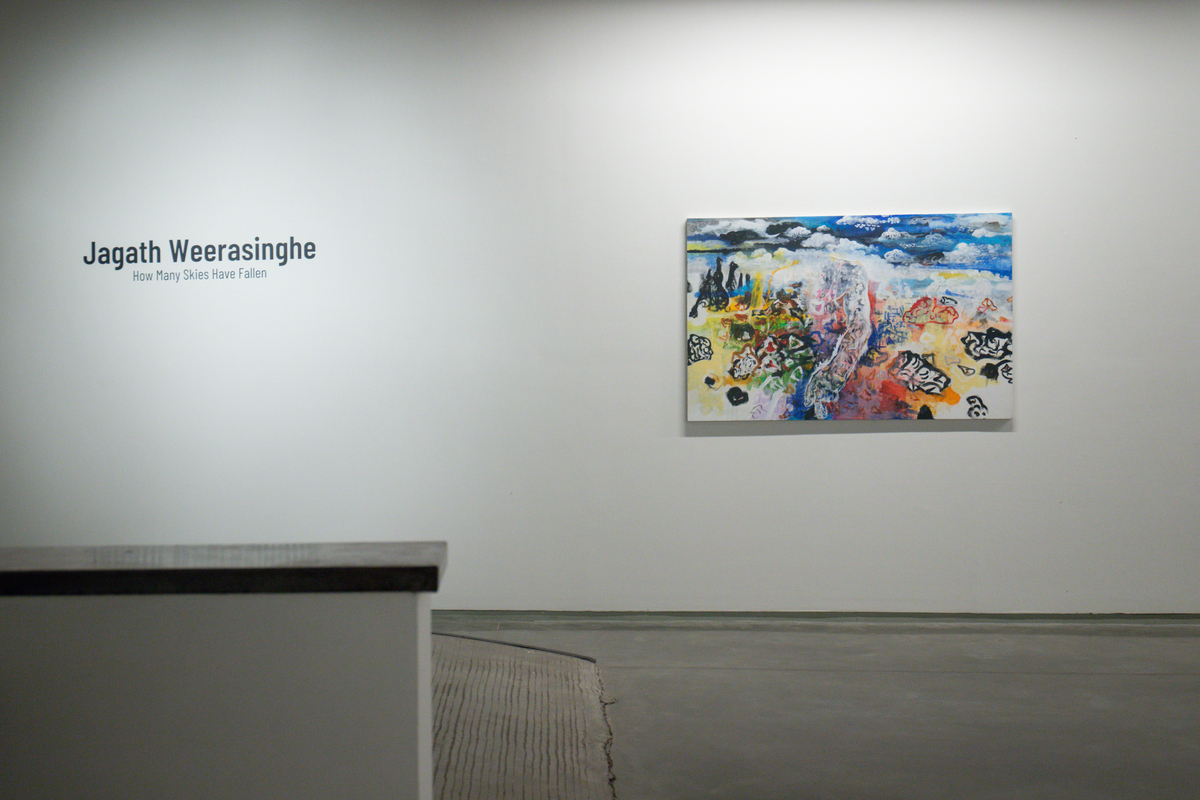
How Many Skies Have Fallen
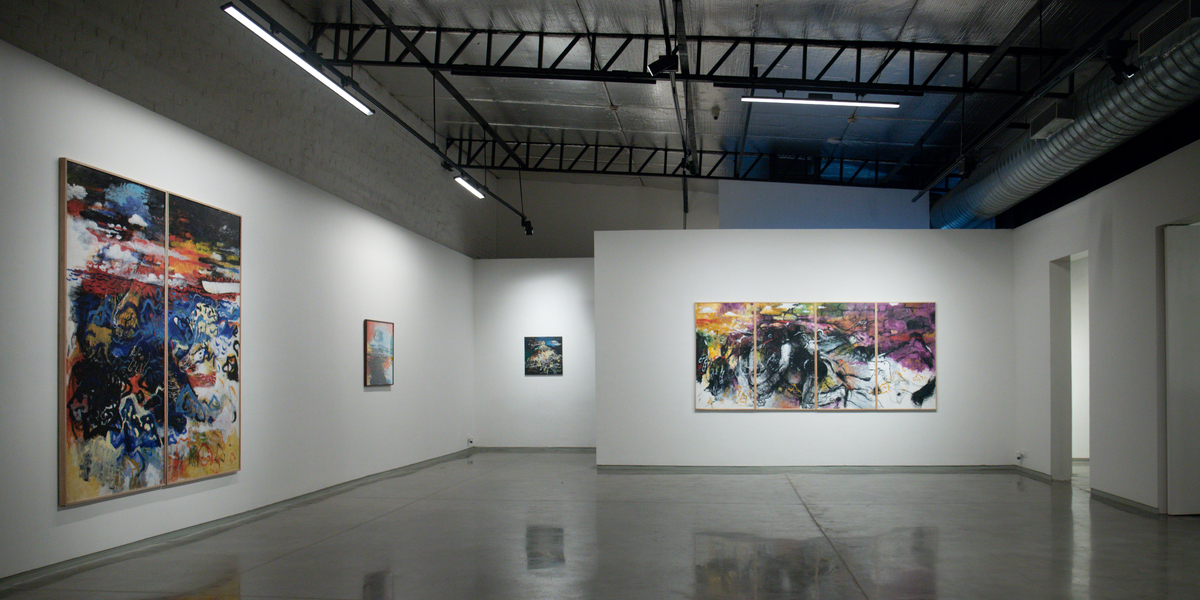
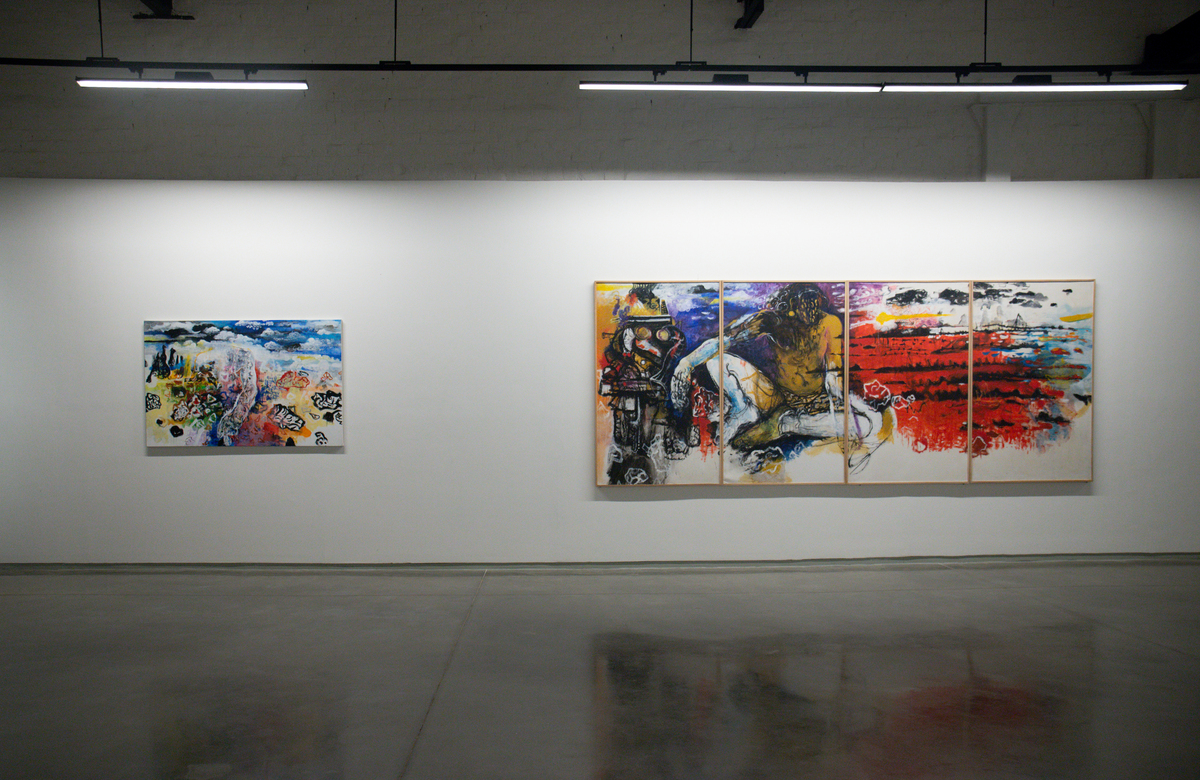
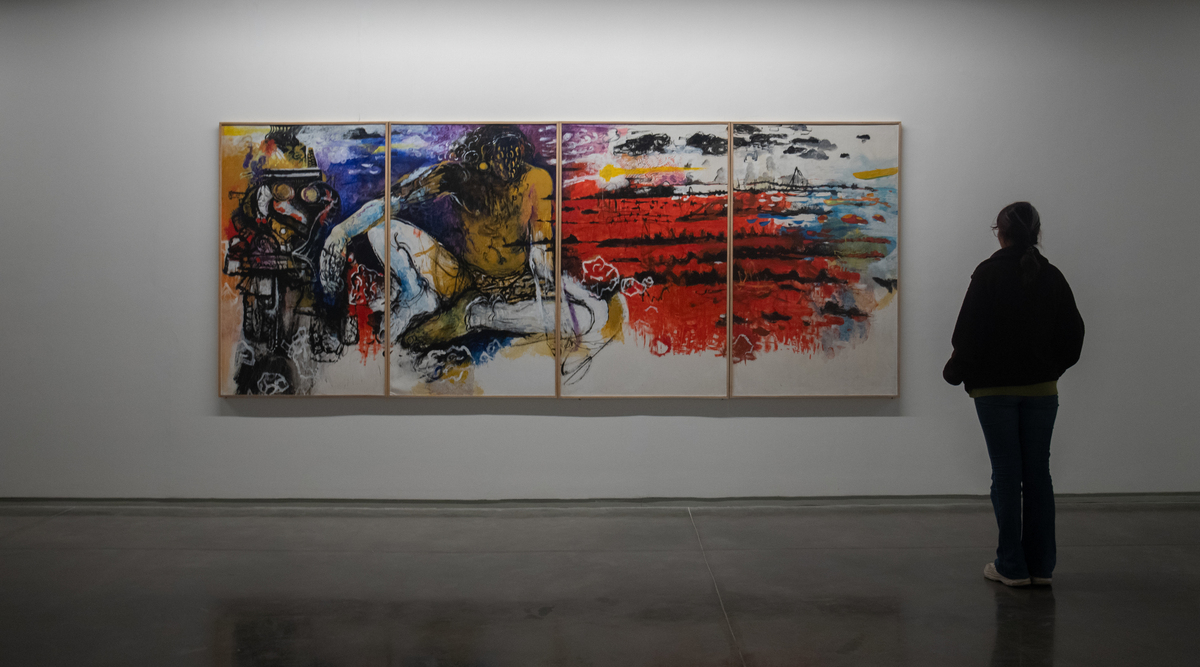
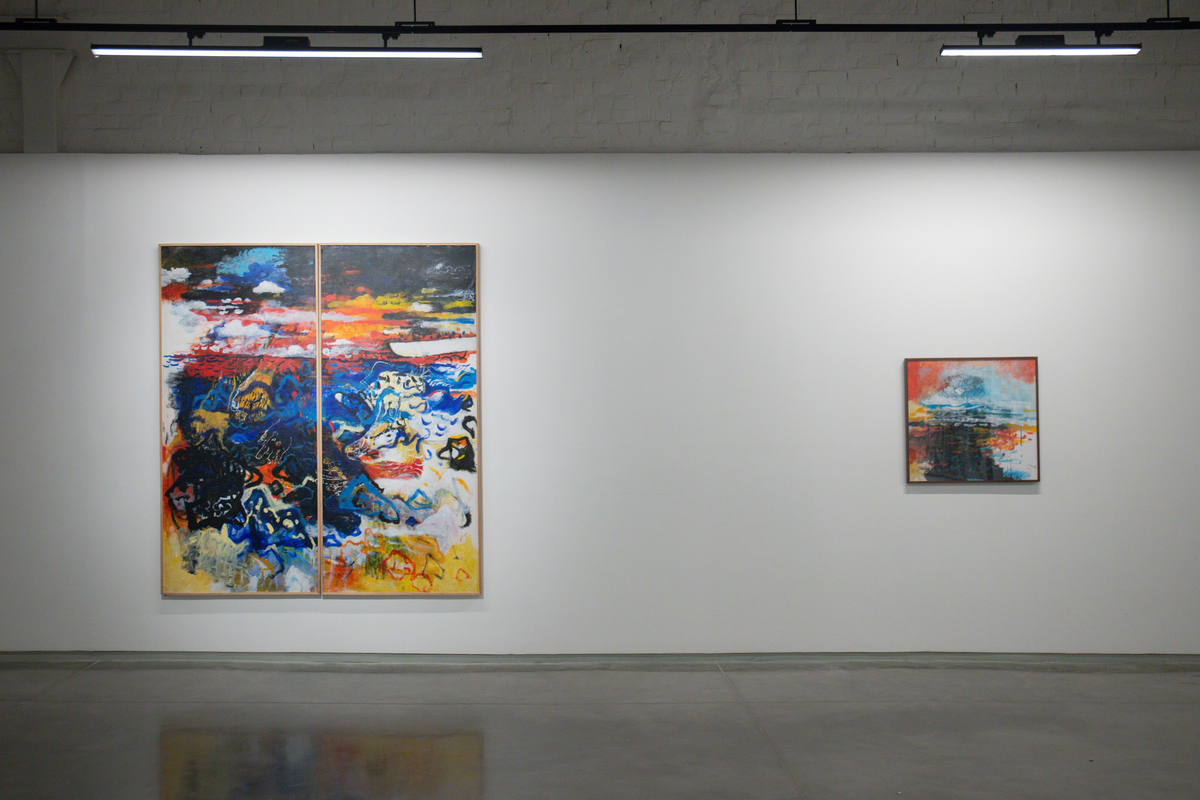
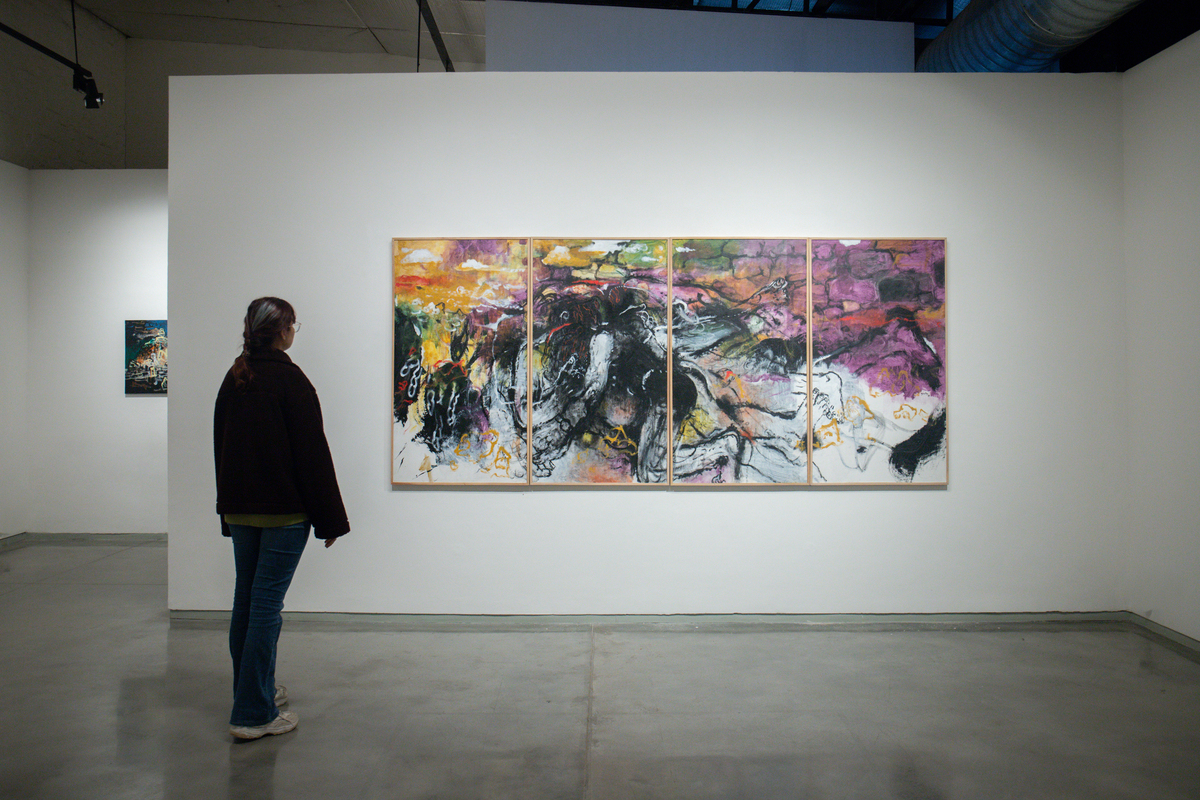
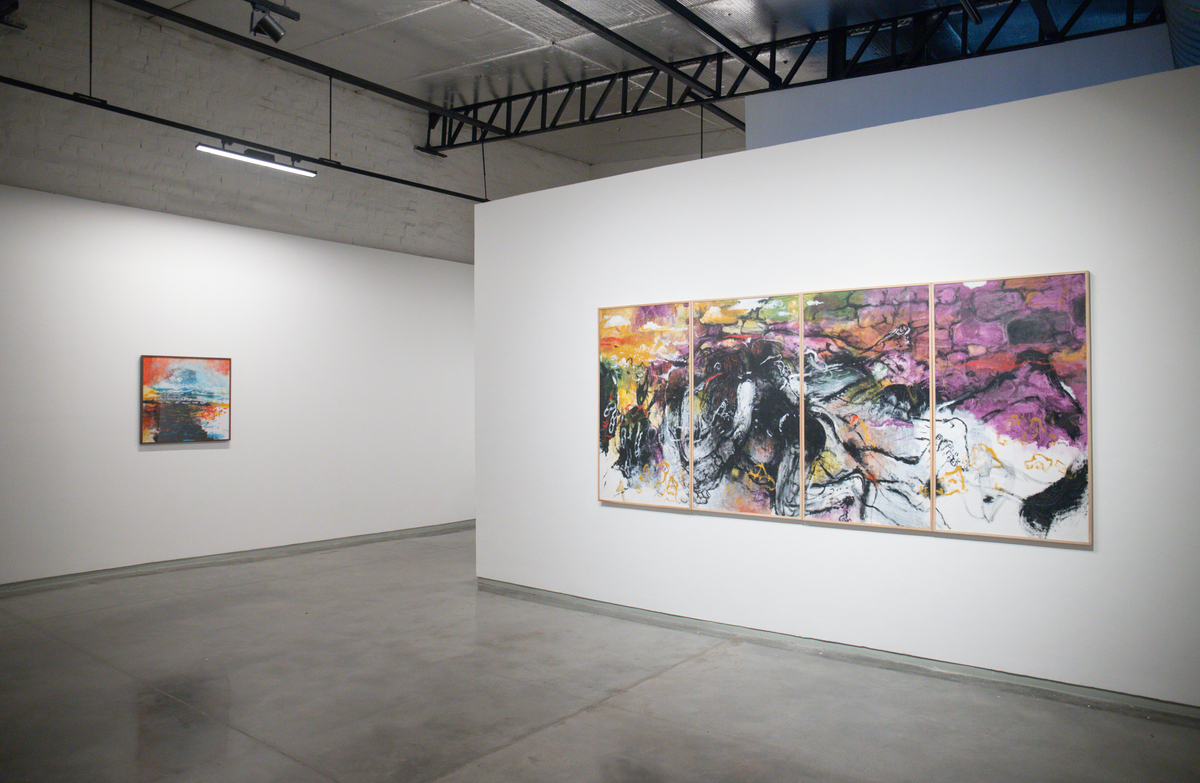
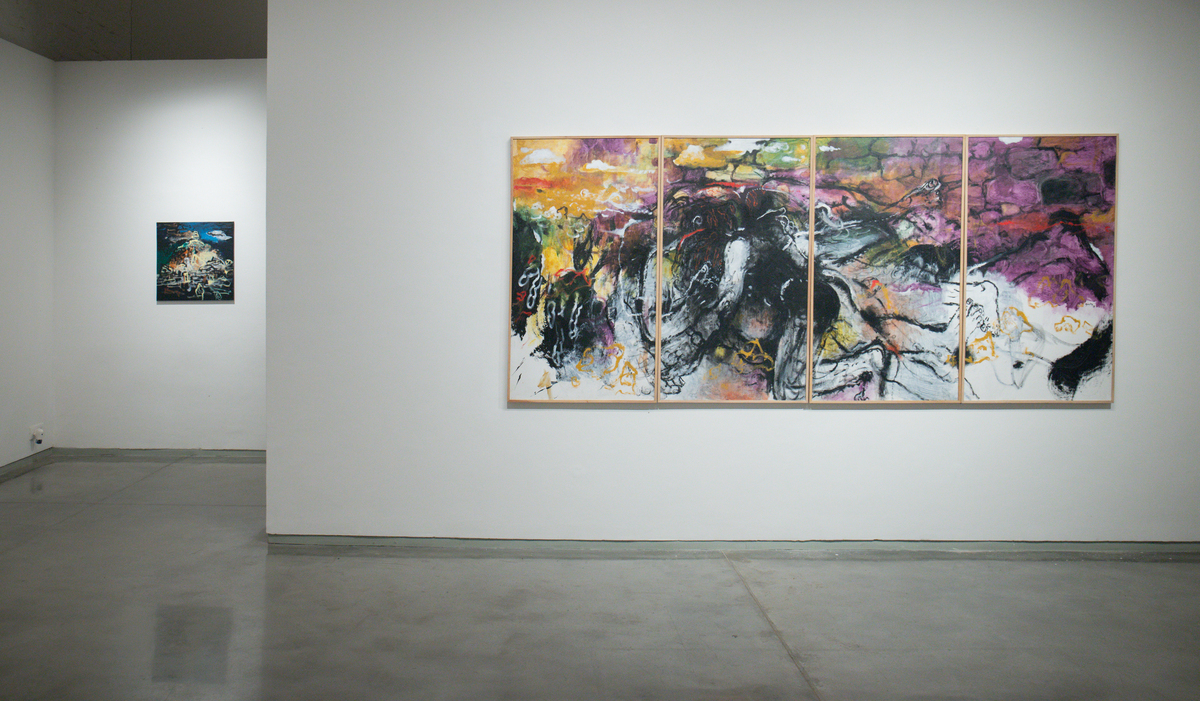
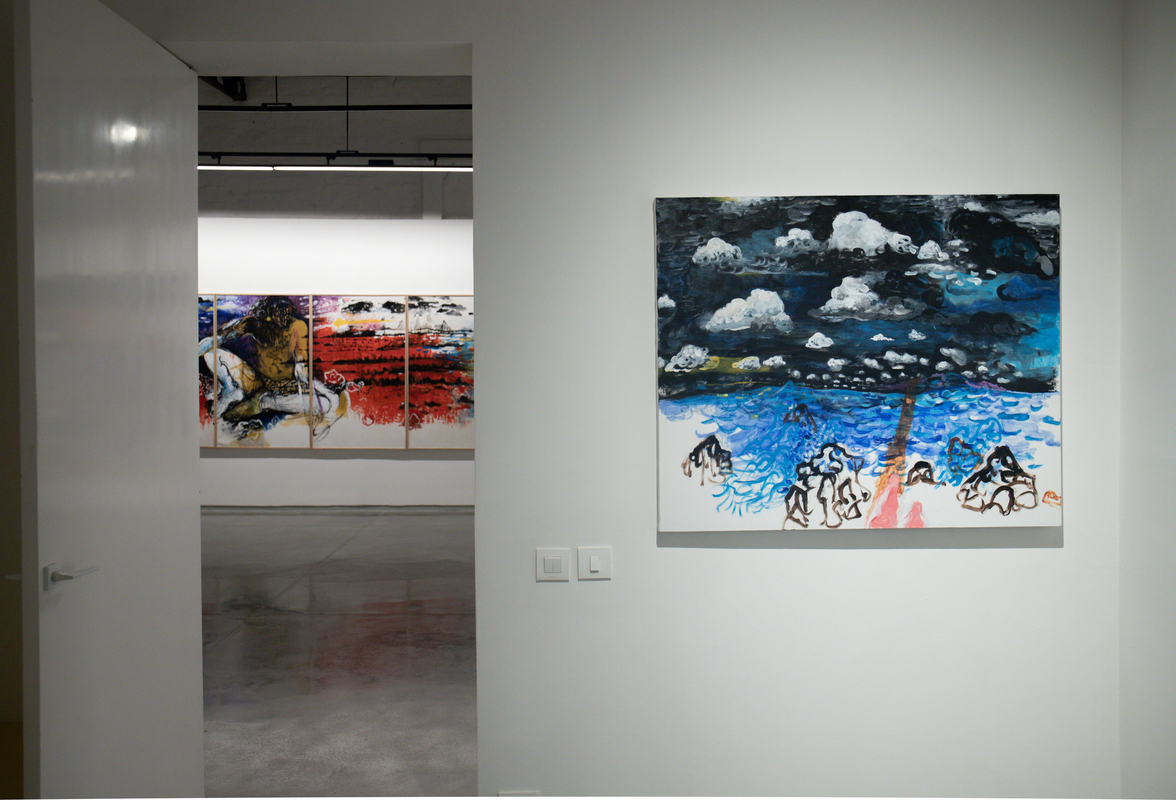
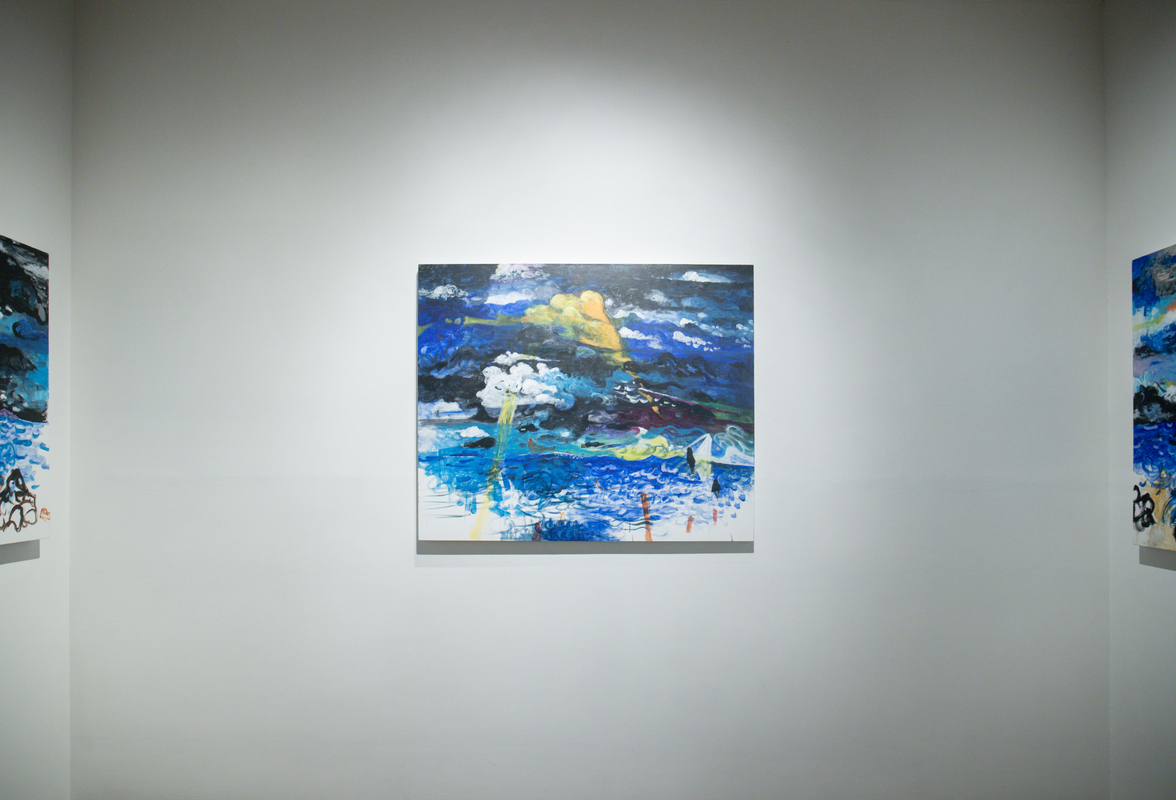
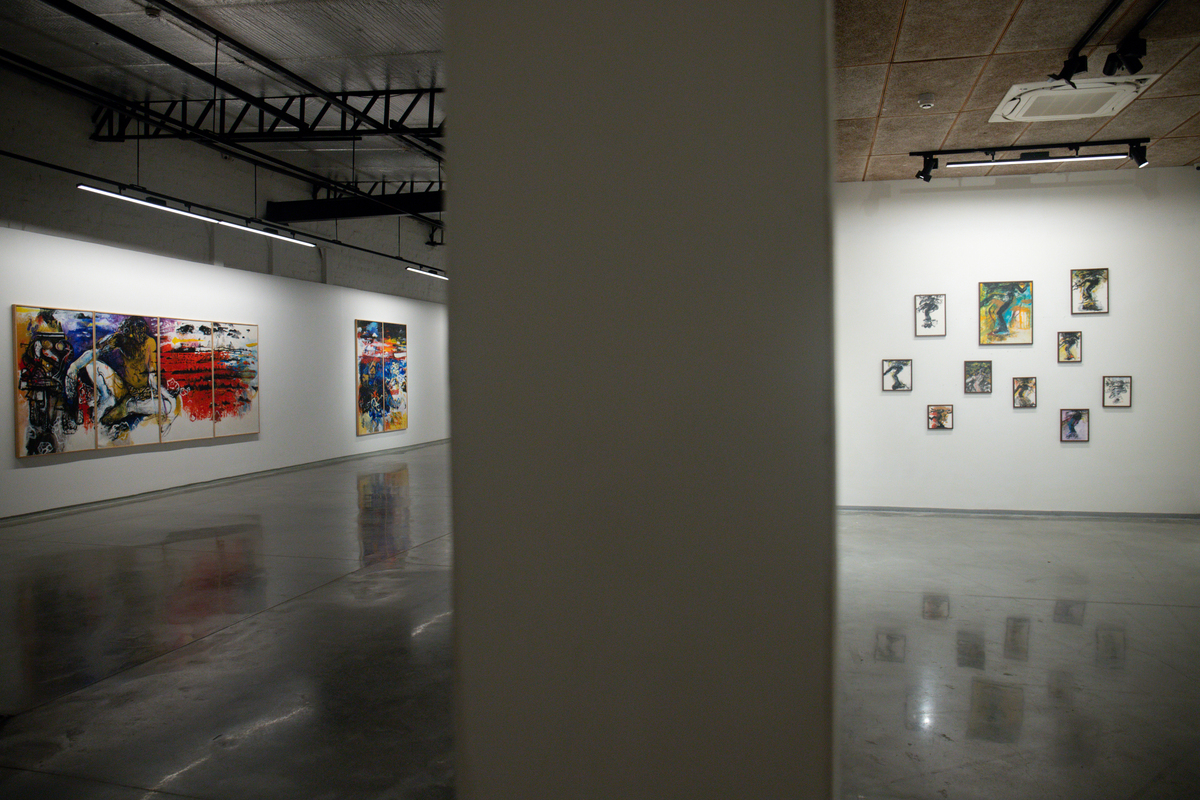
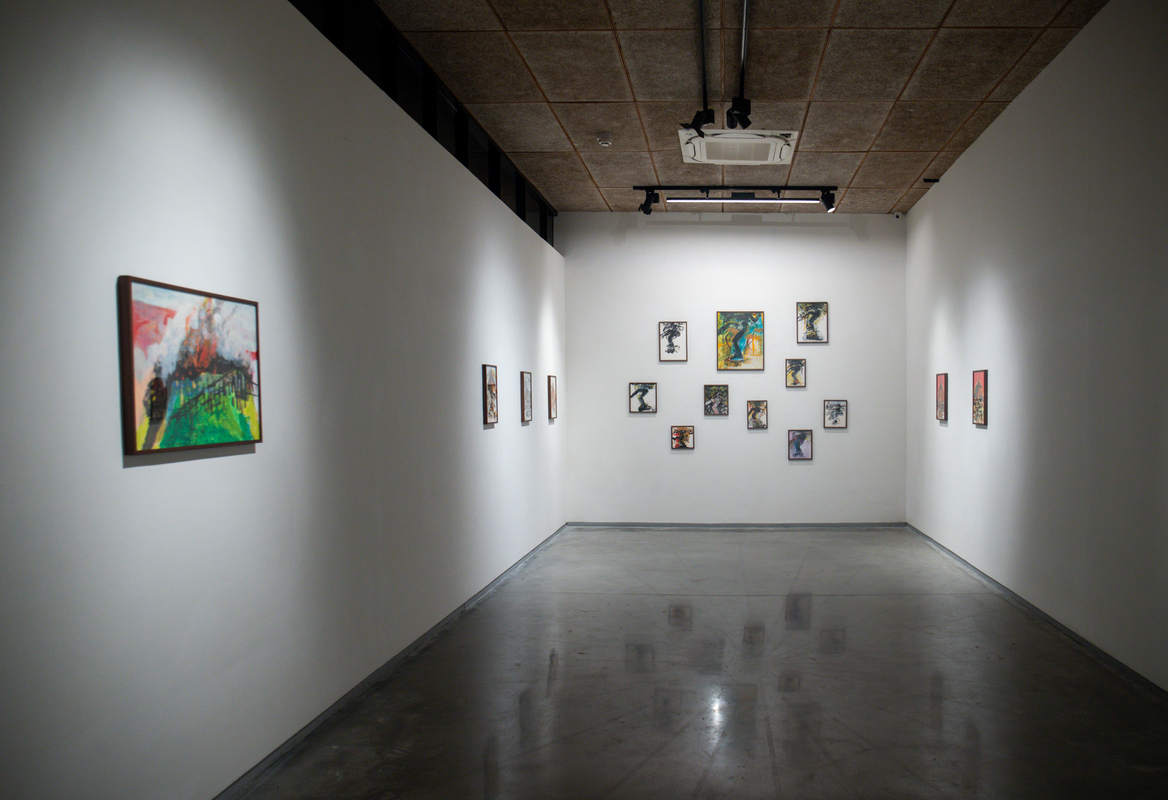
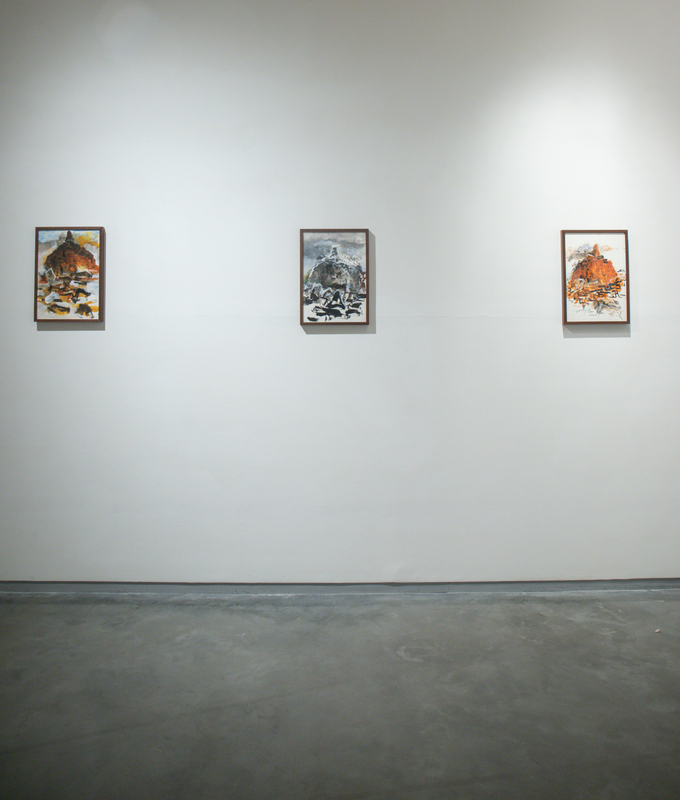
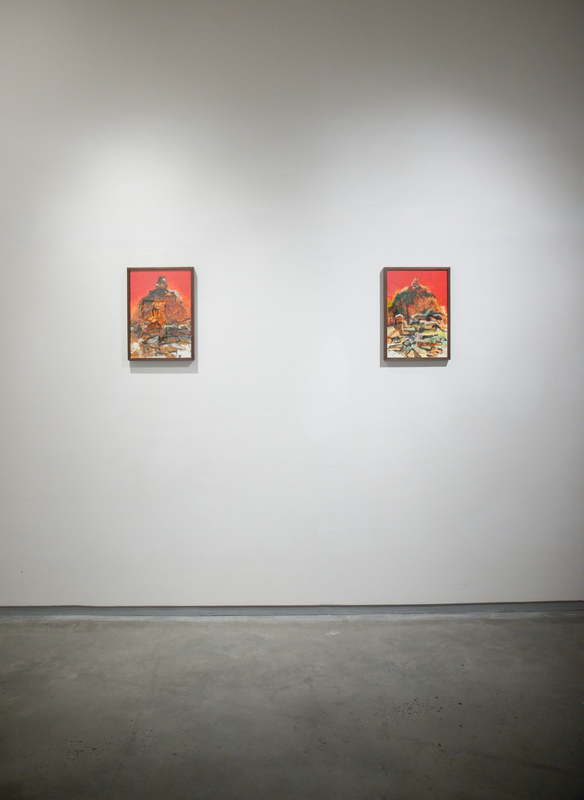
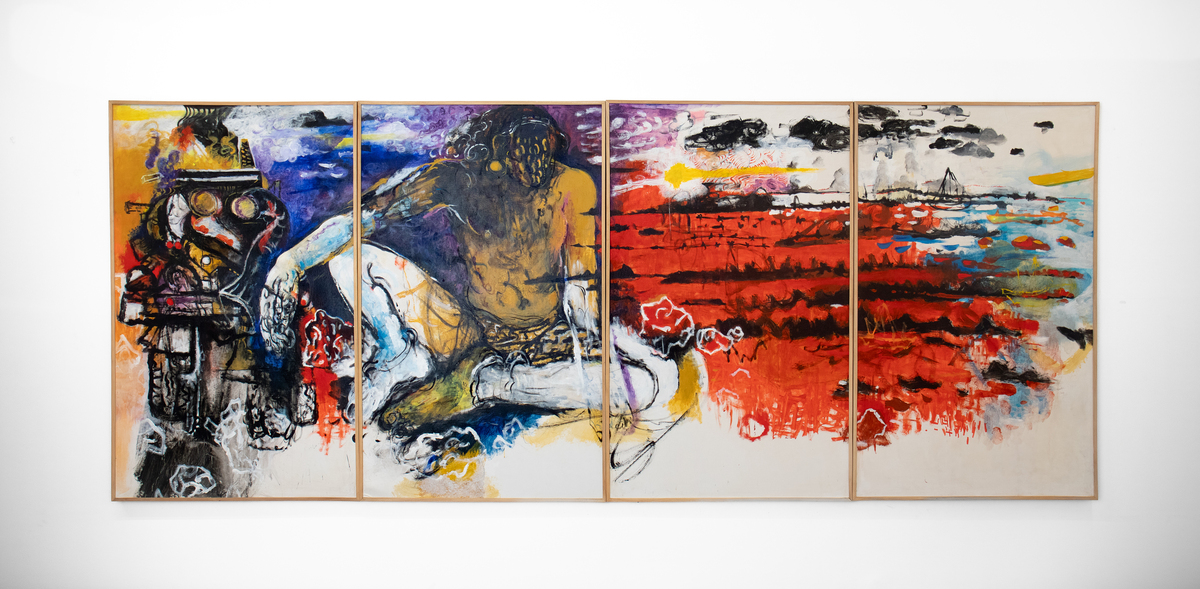
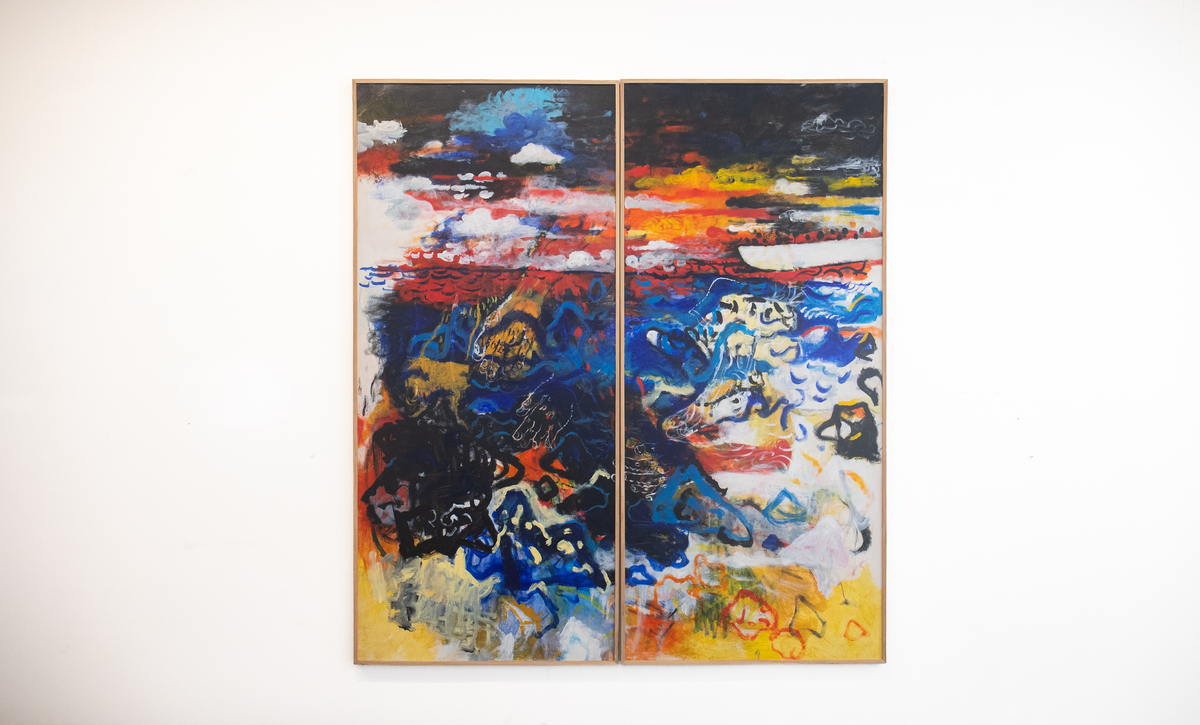
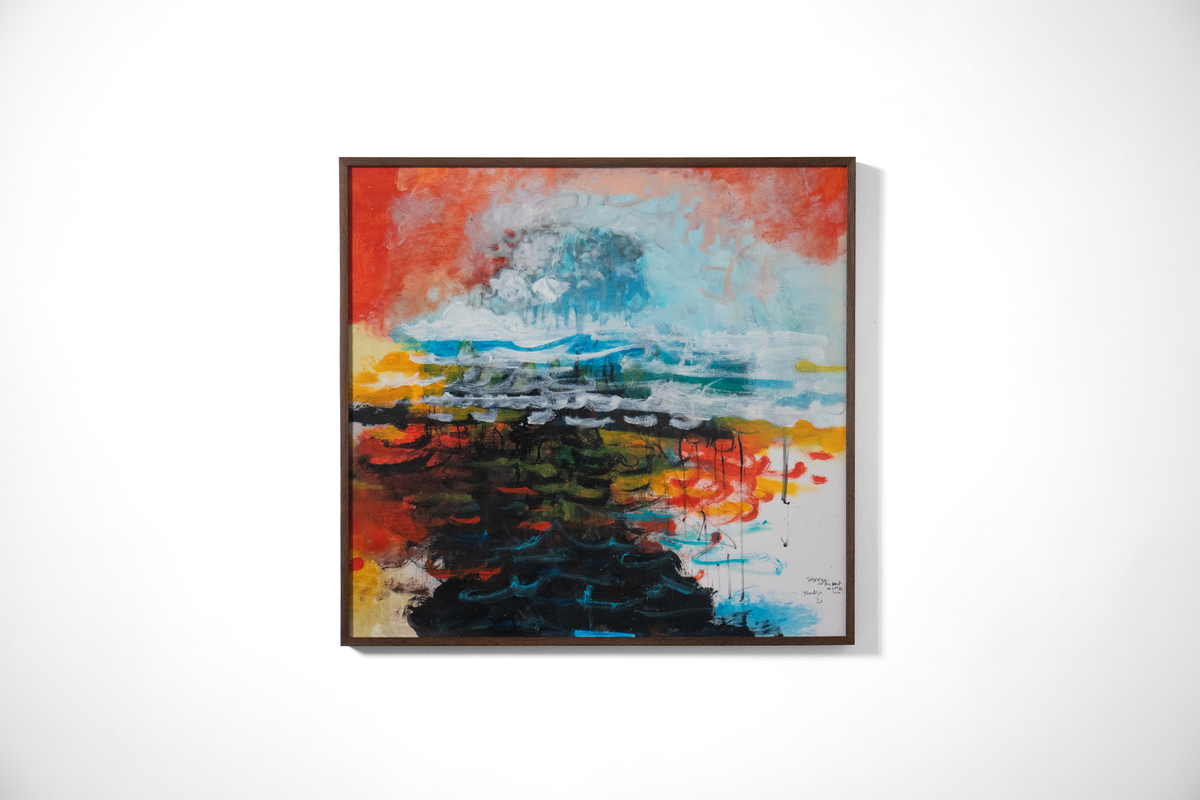
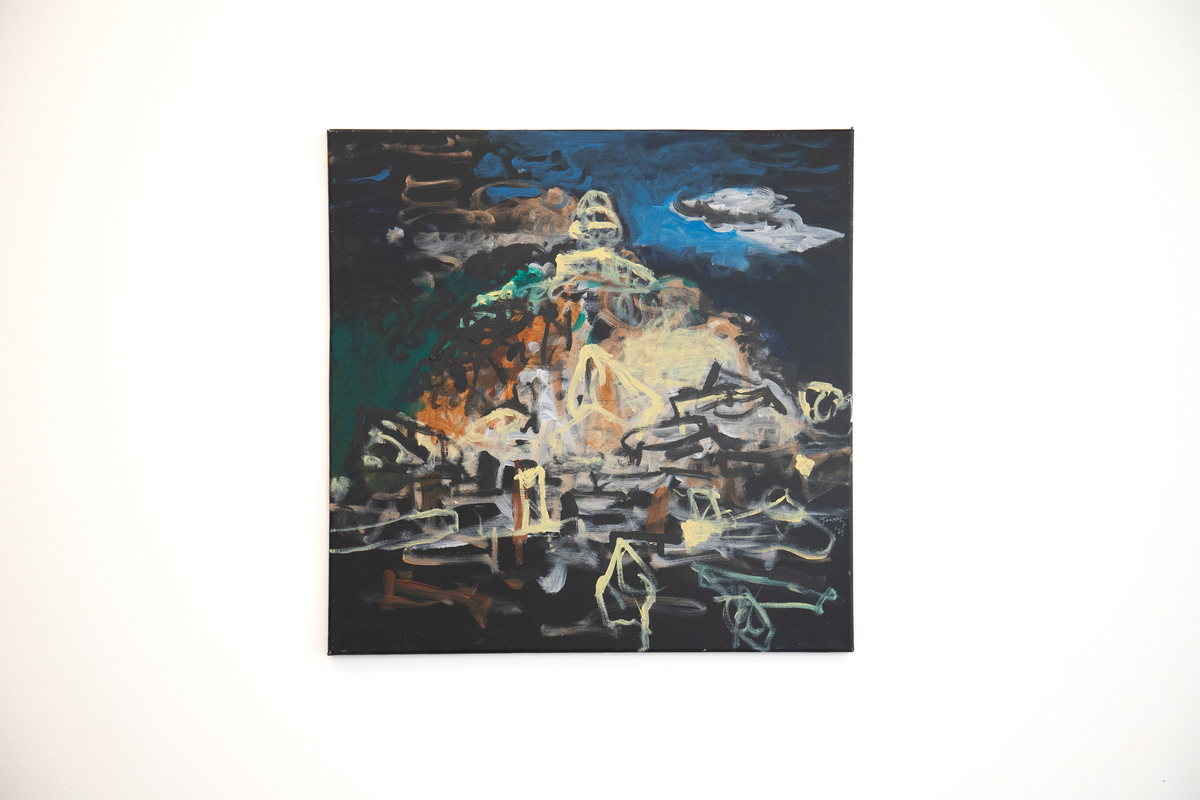
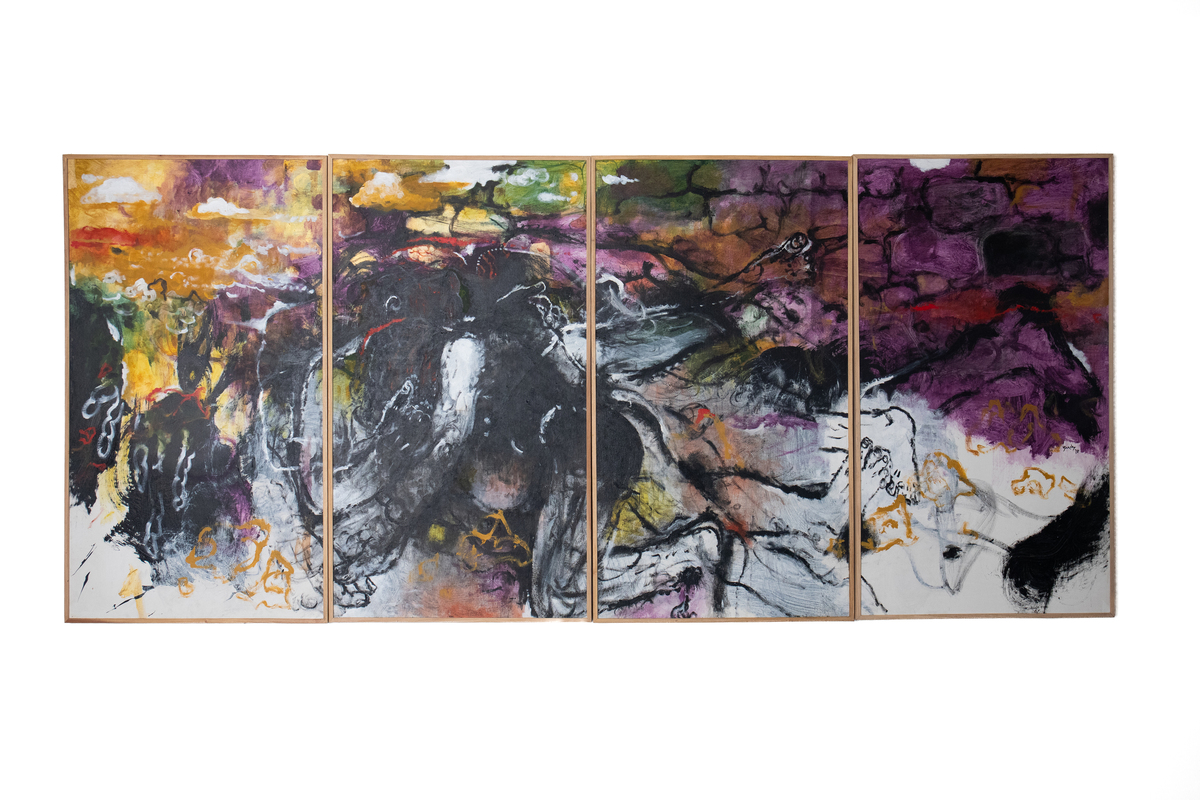
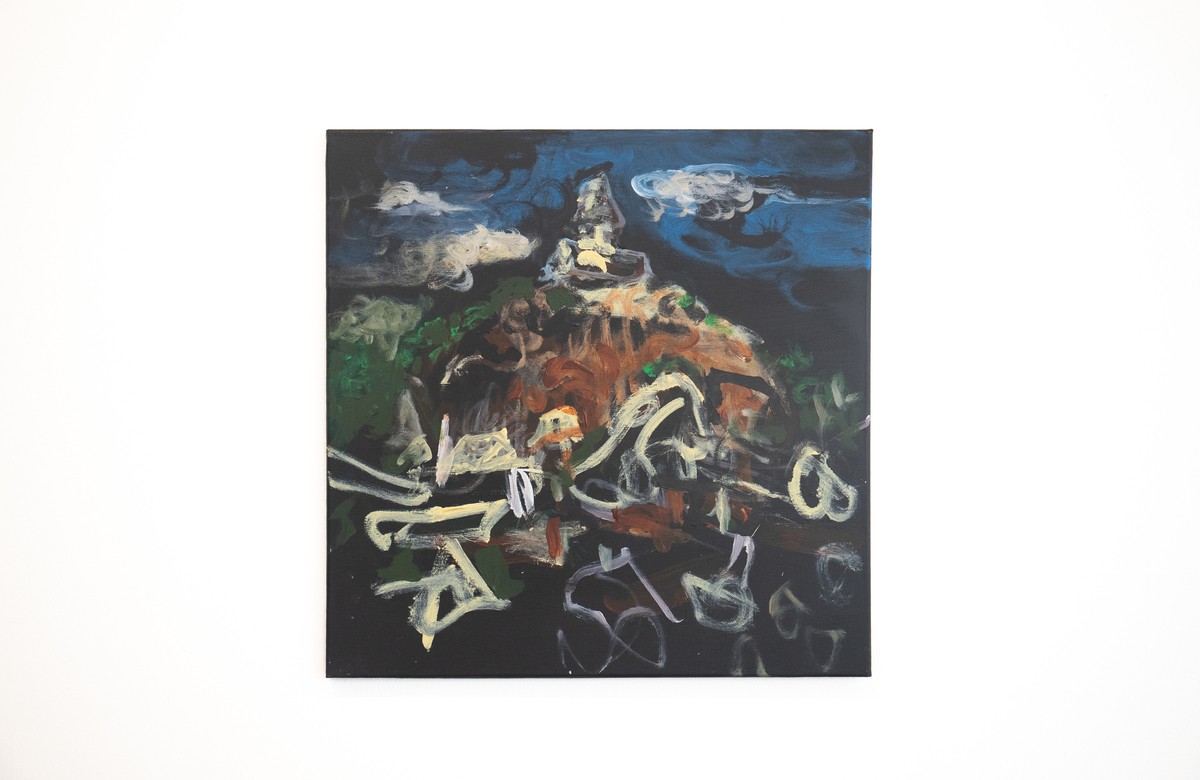
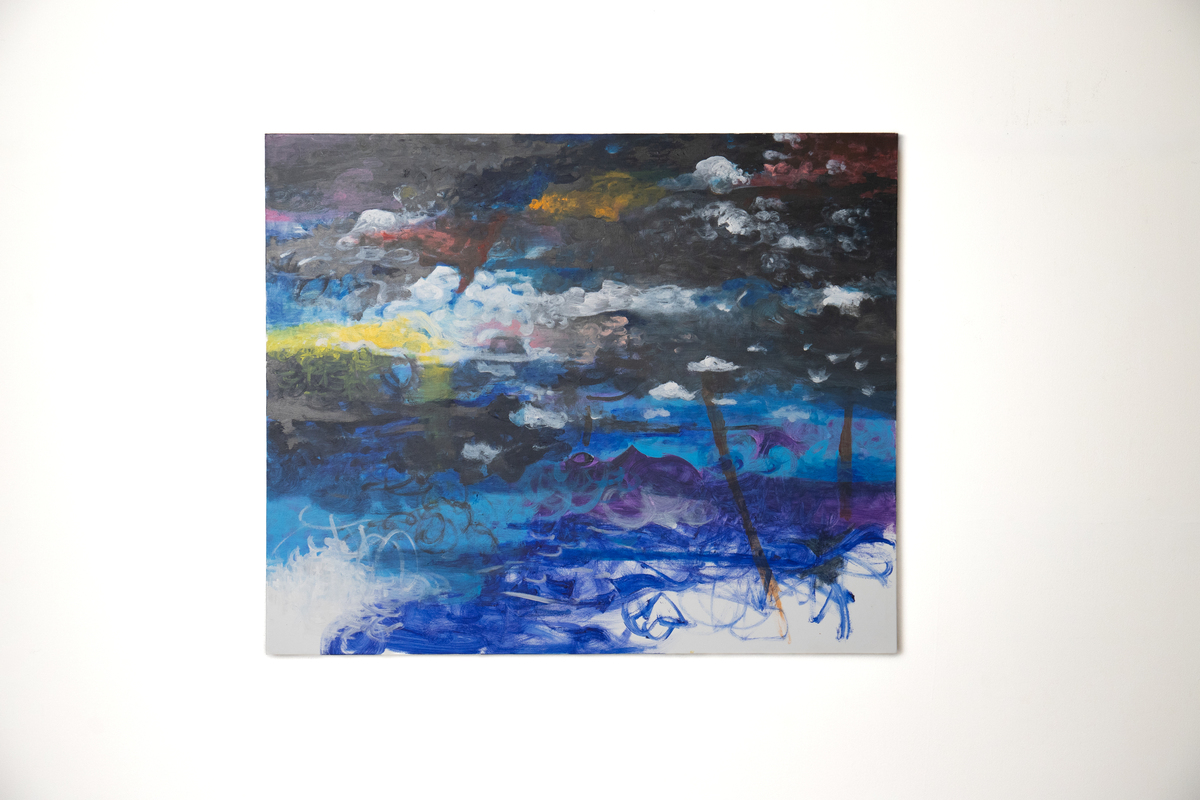
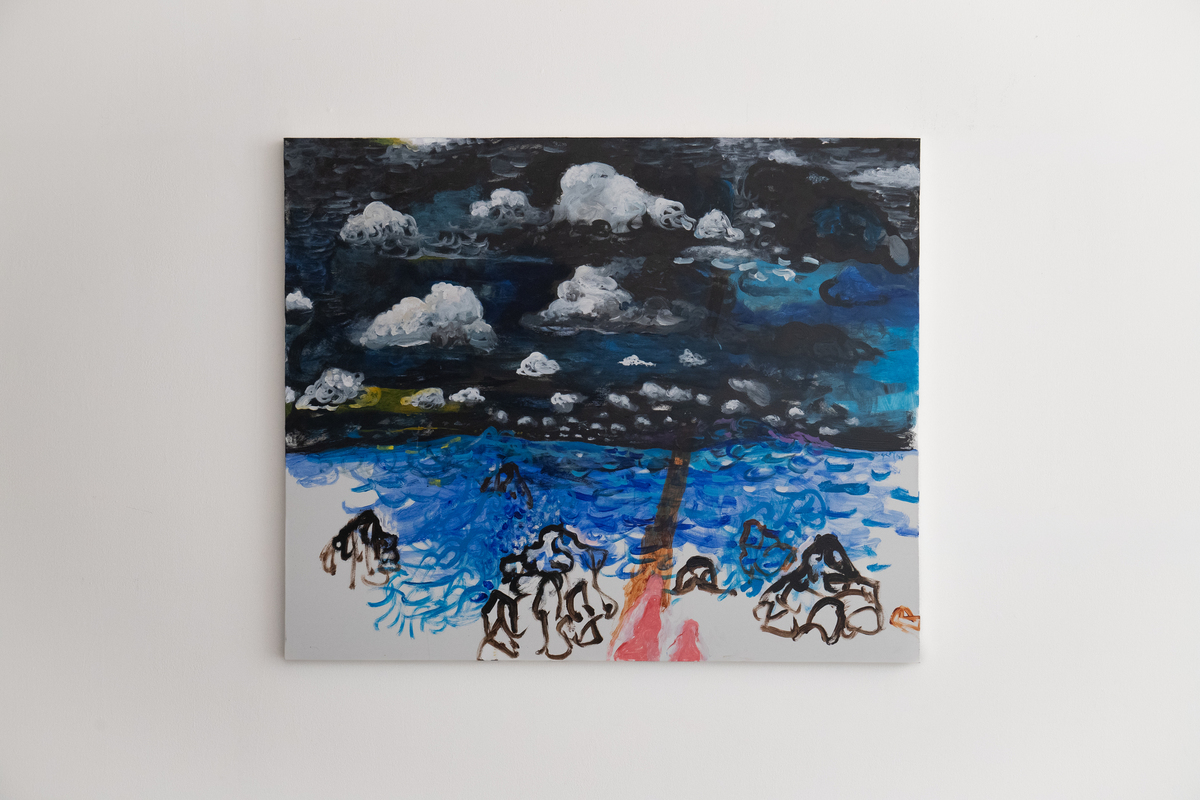
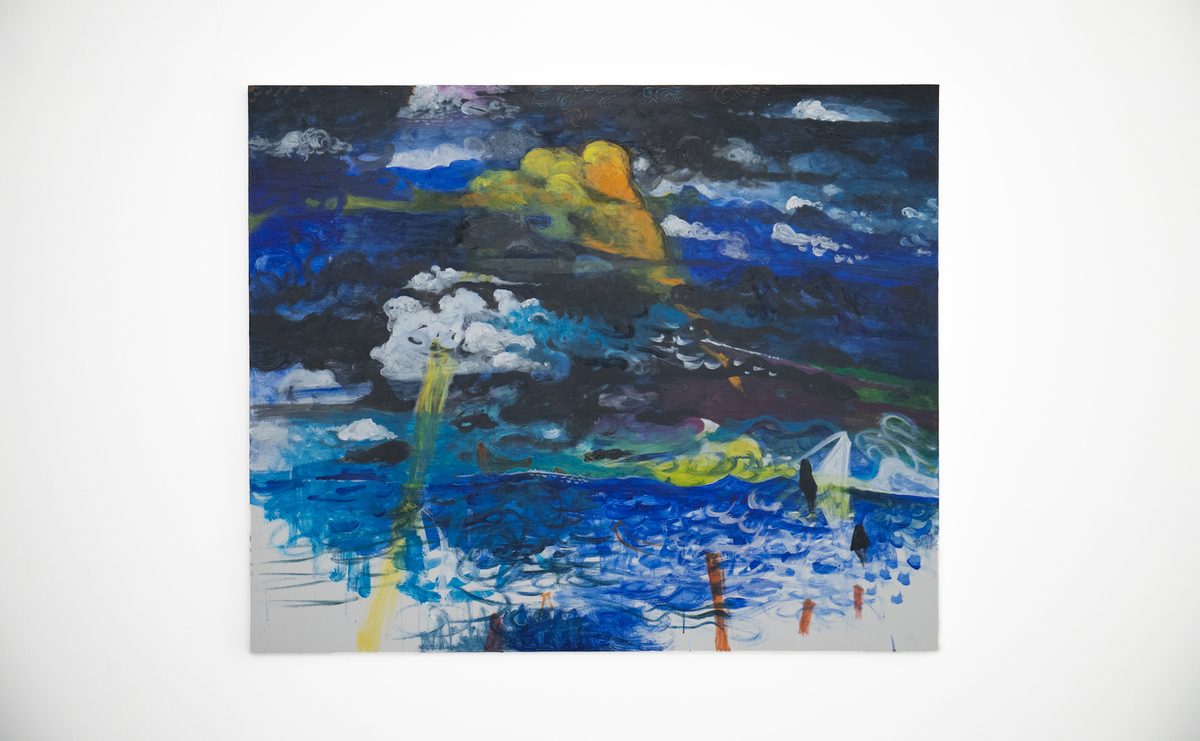
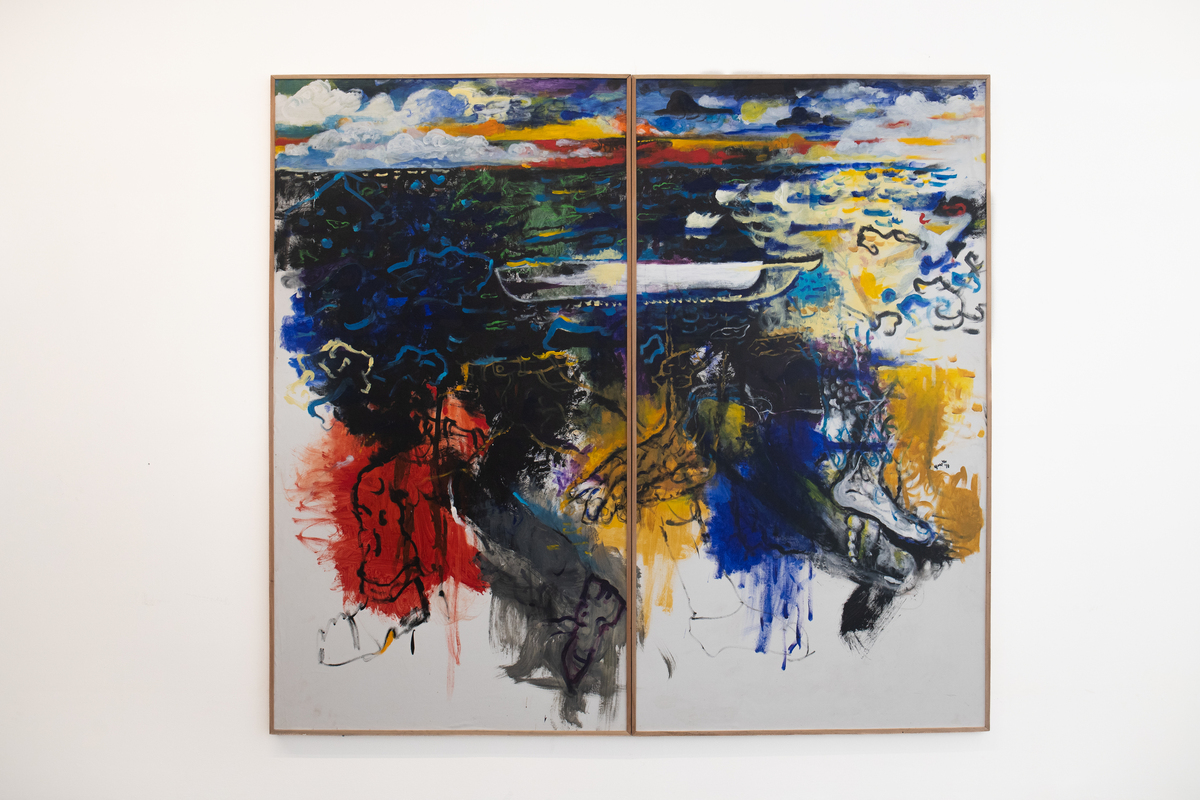
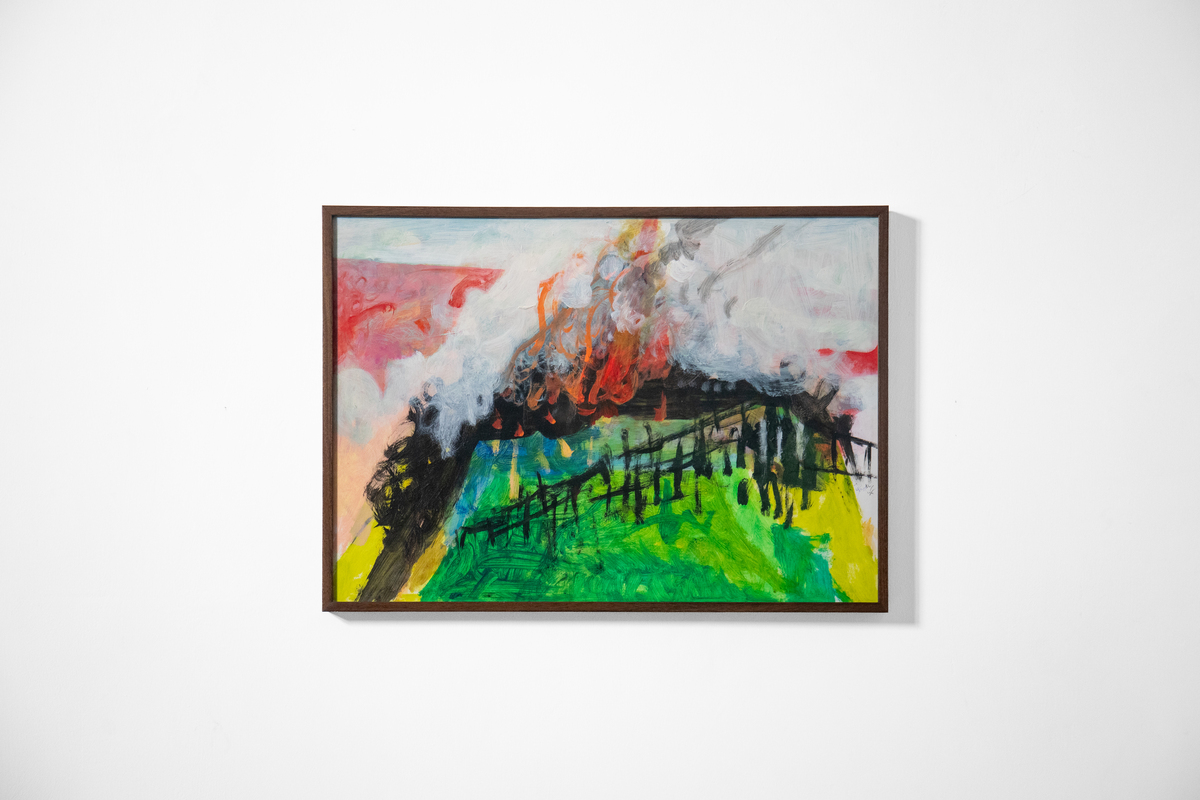
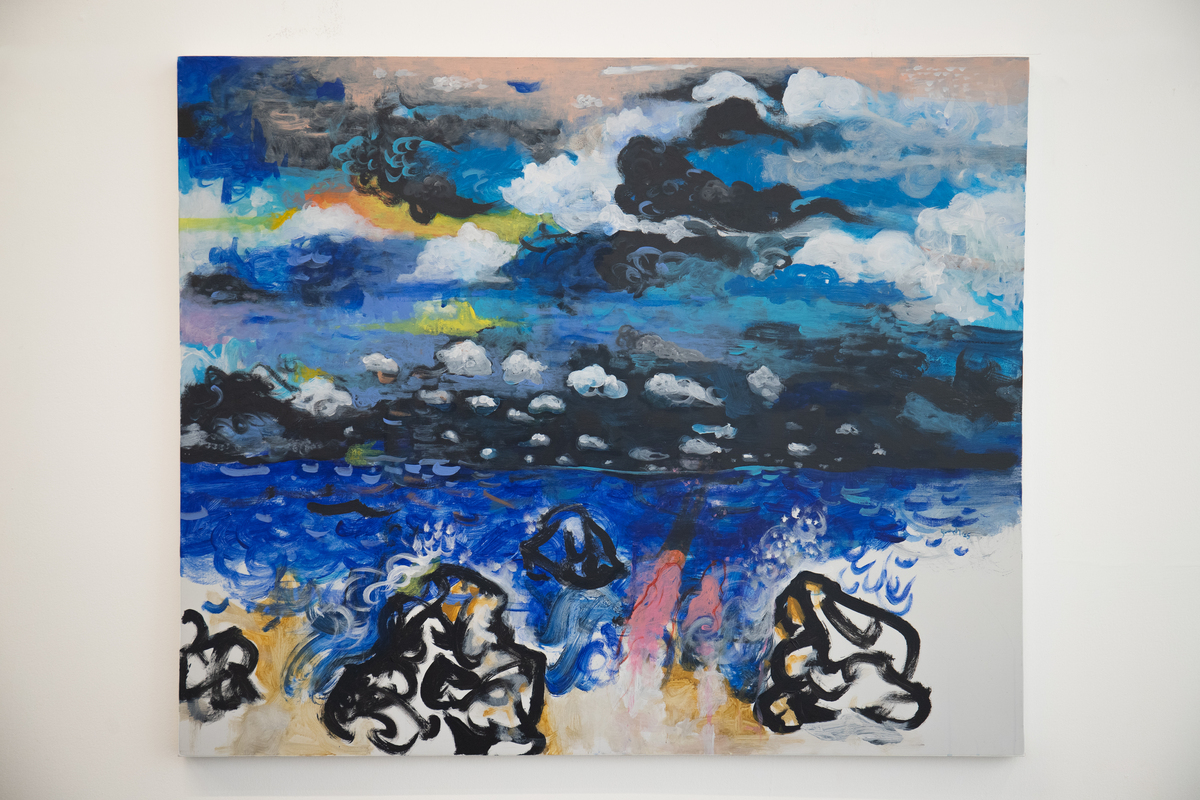
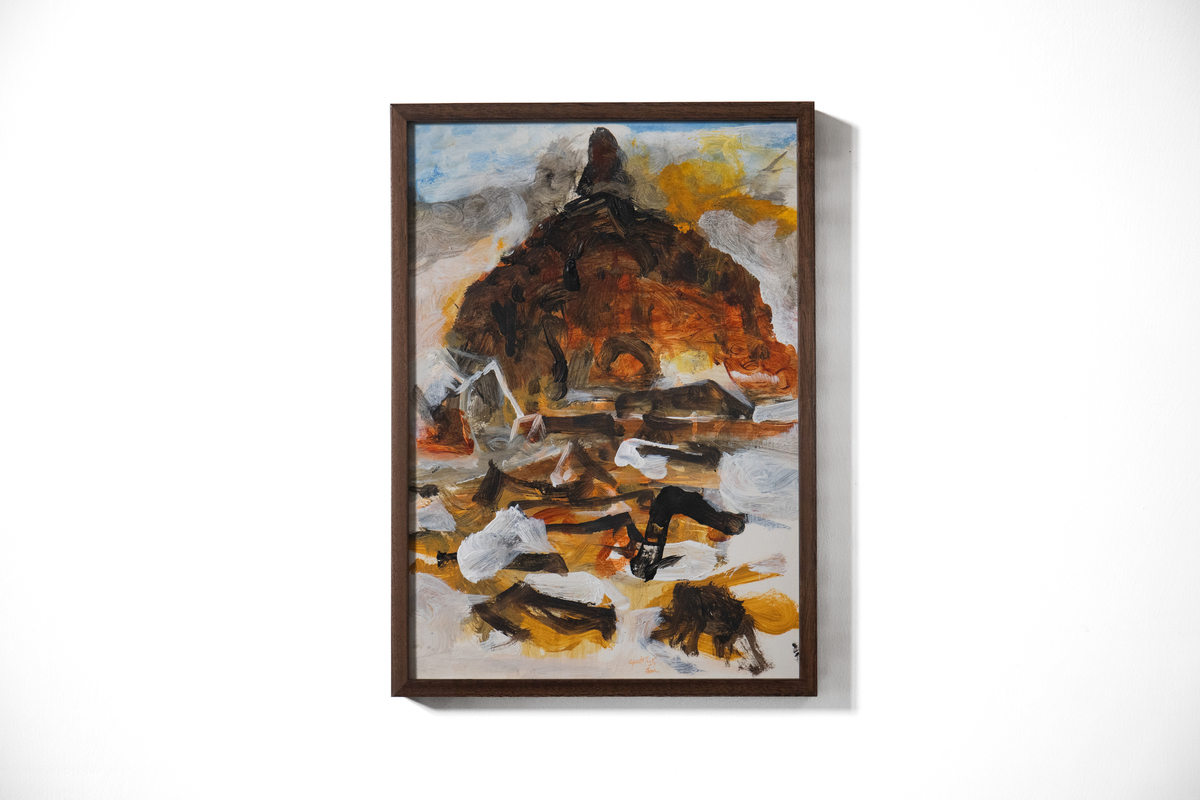
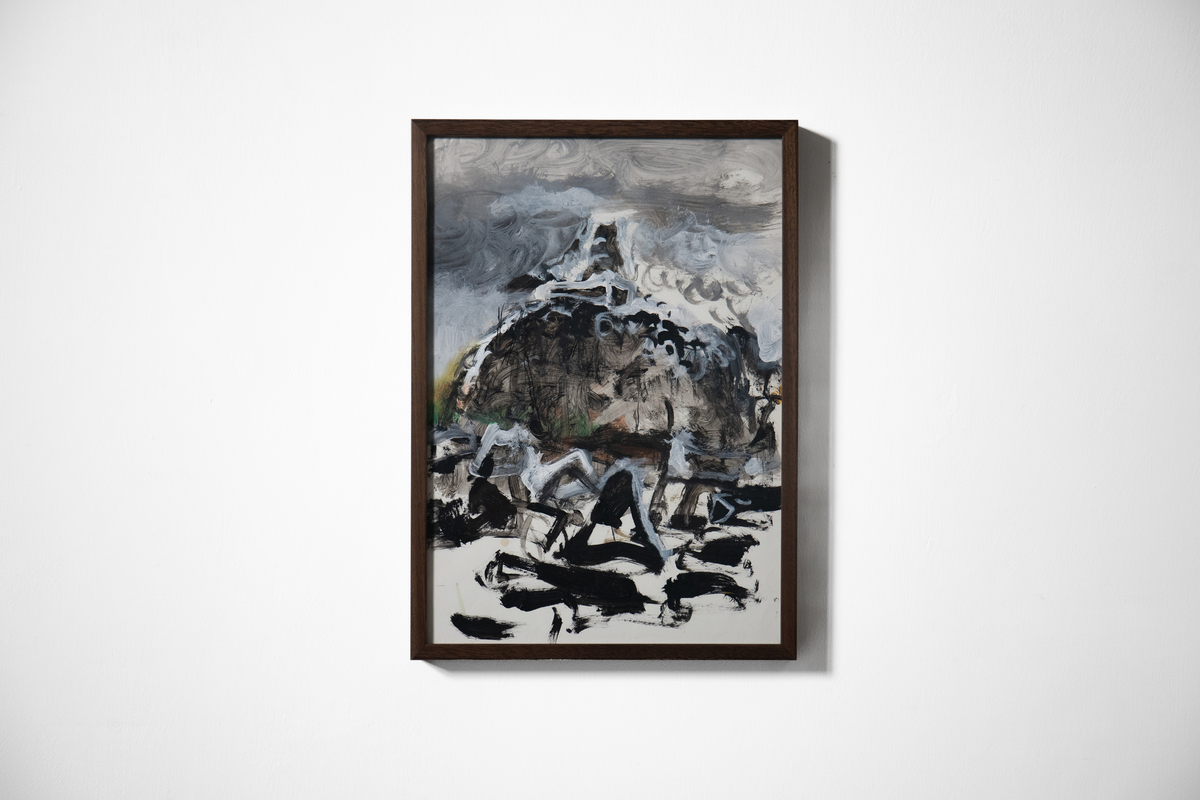
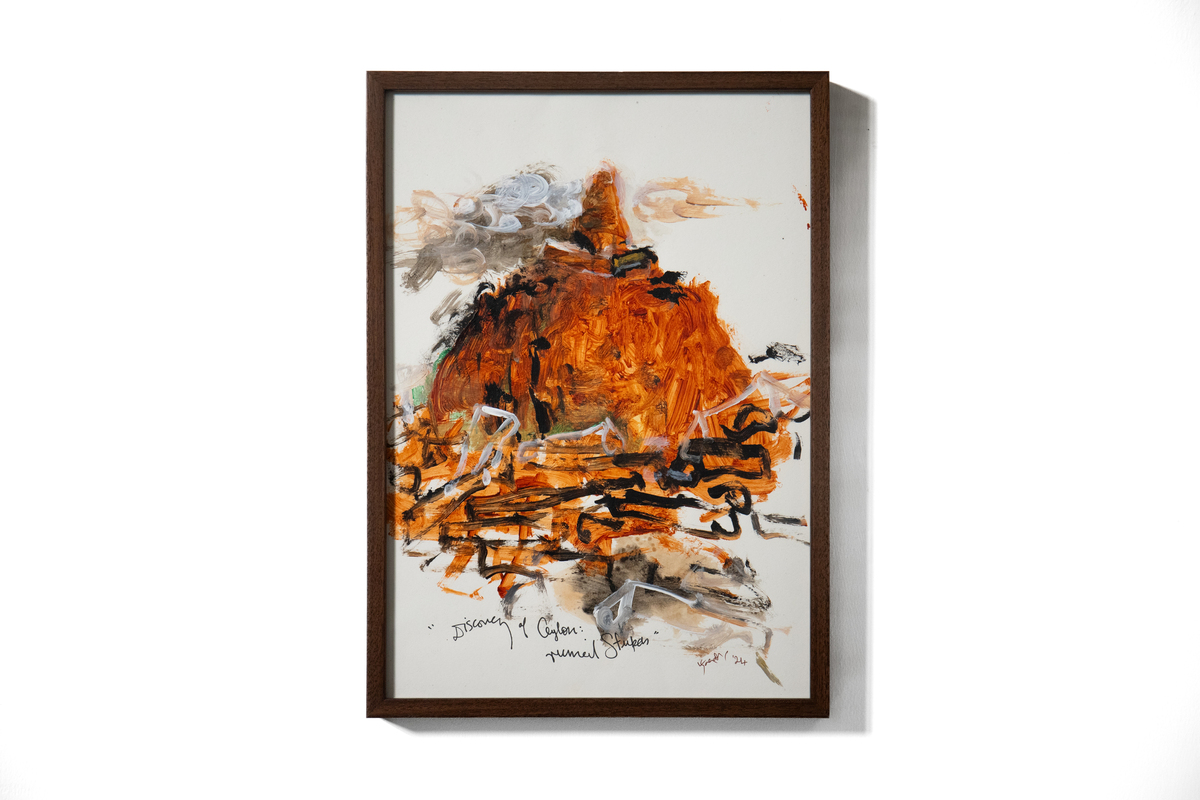
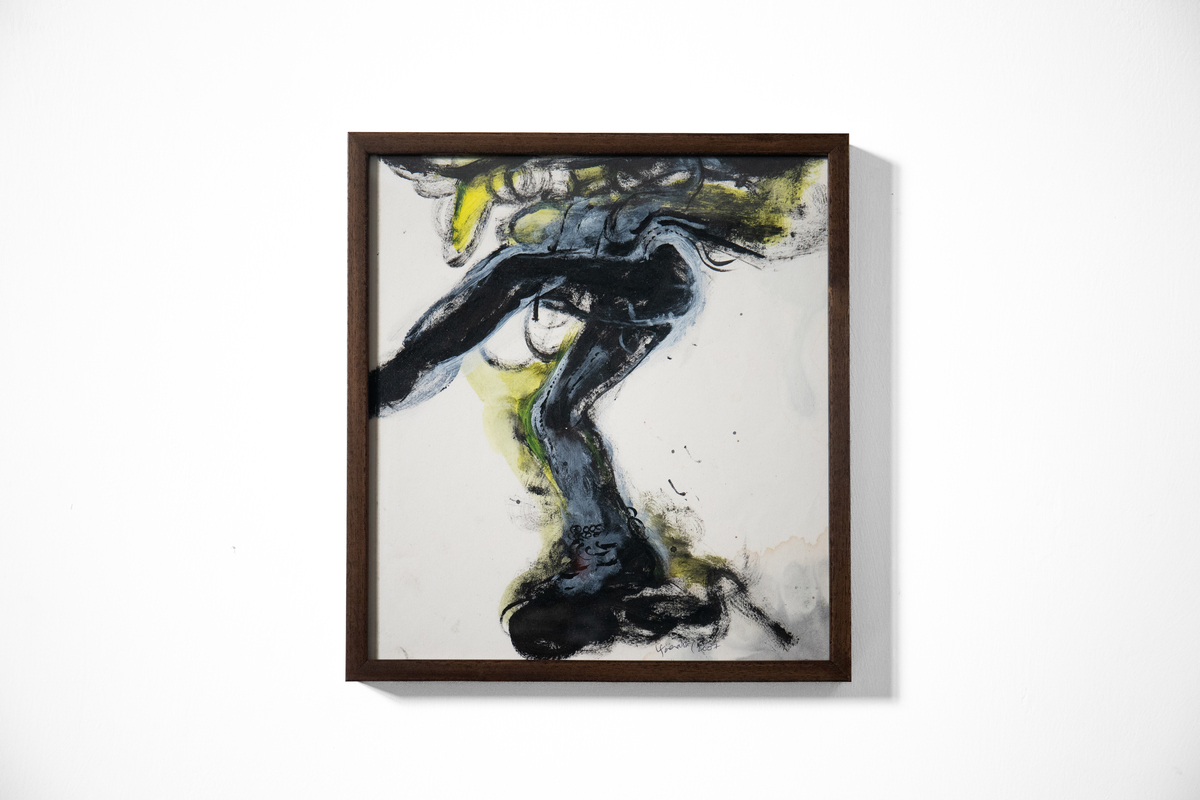
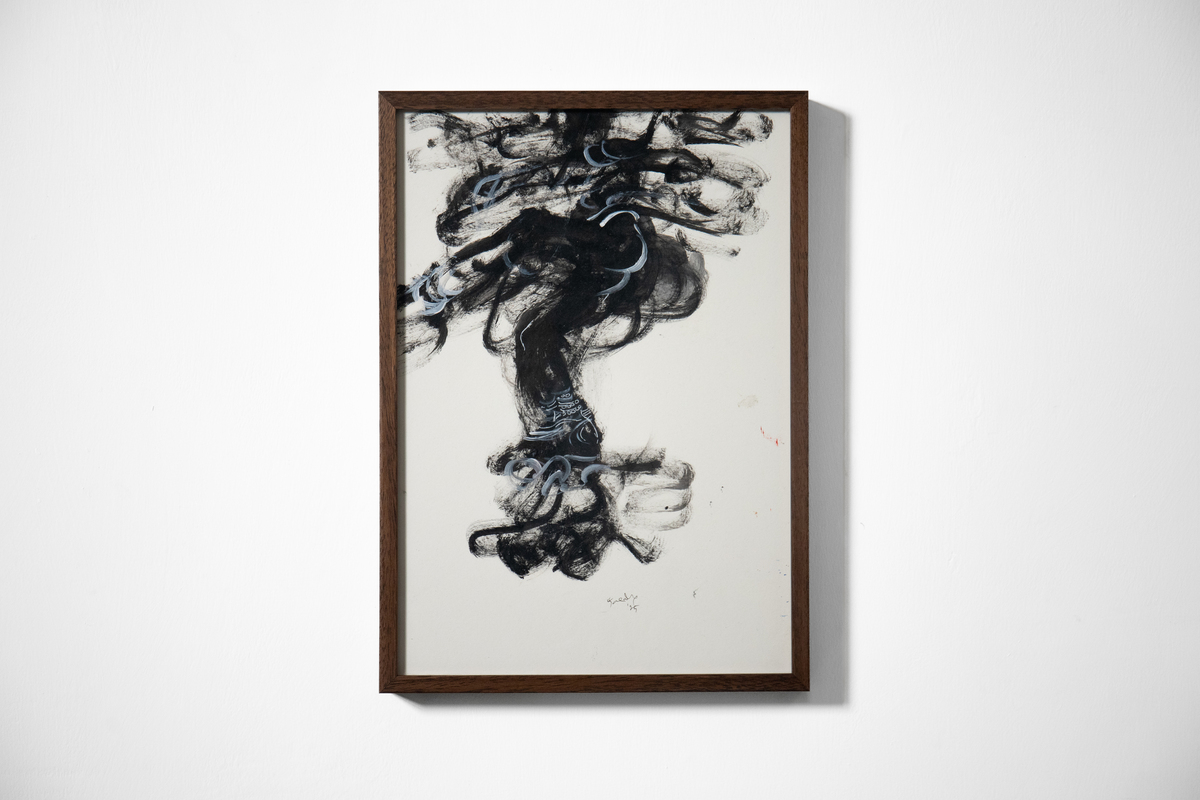
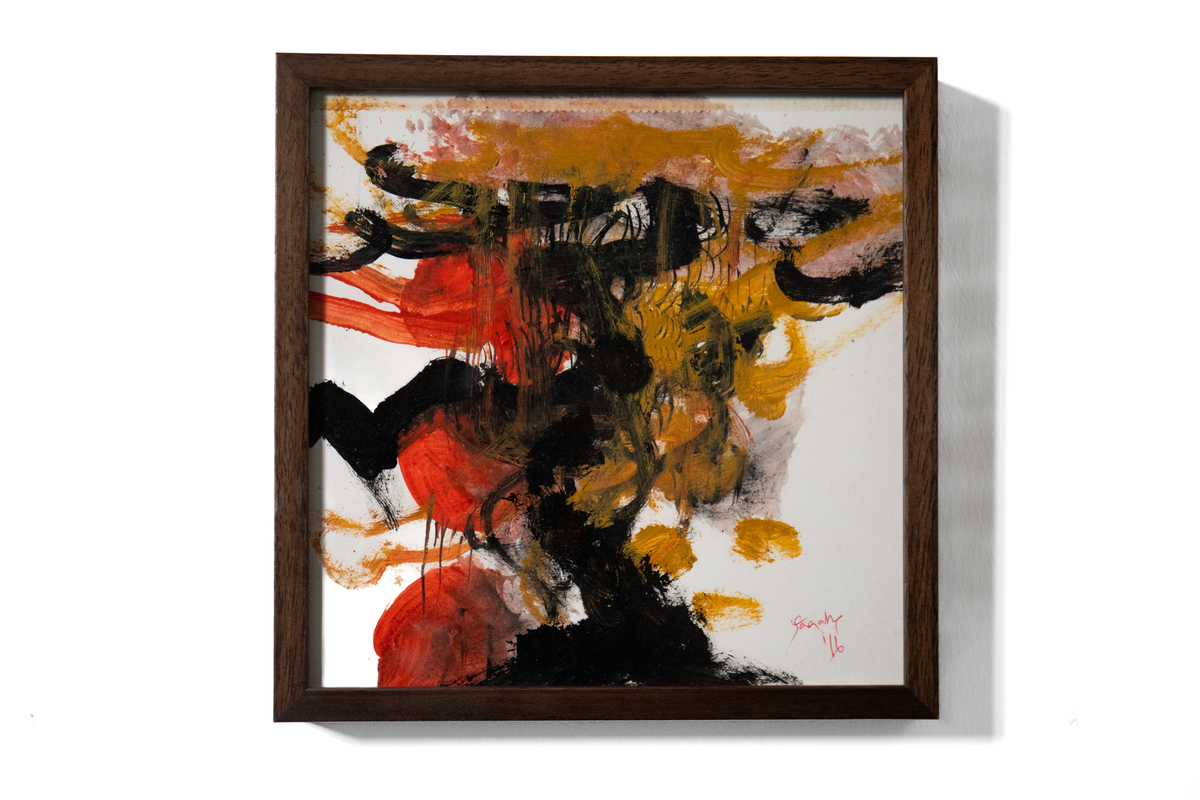
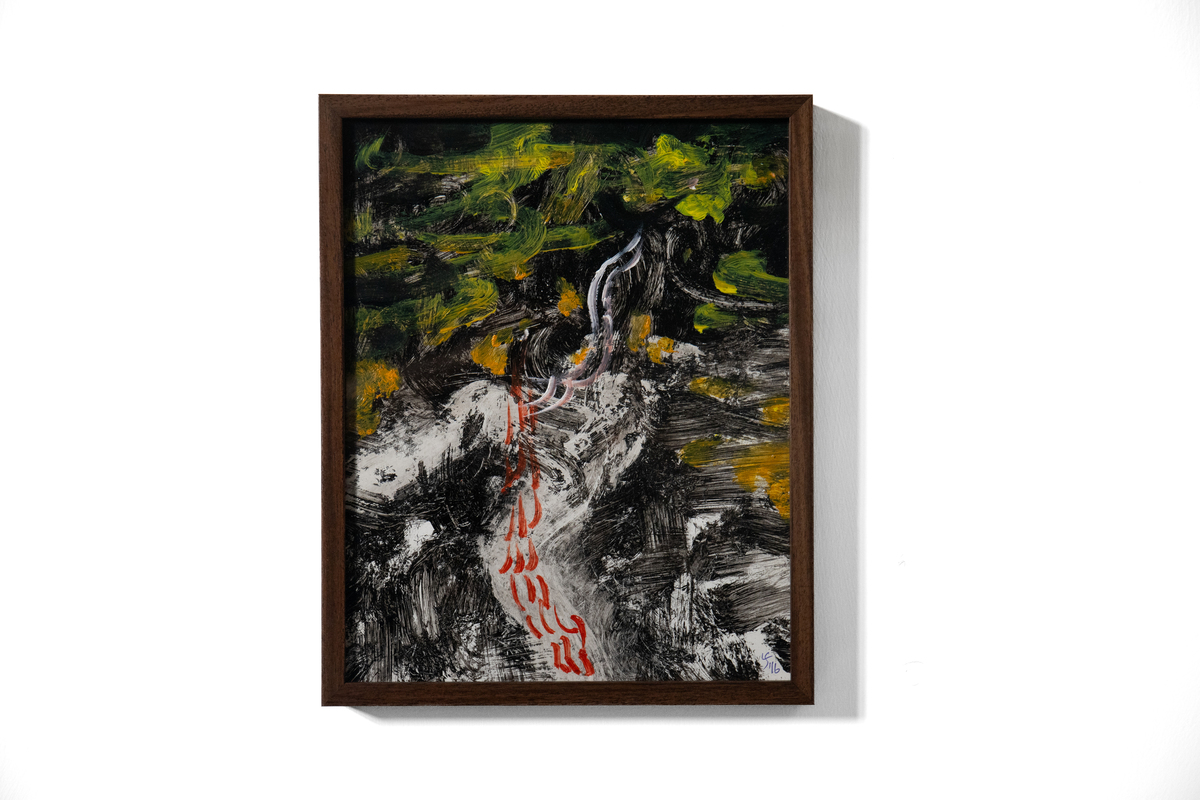
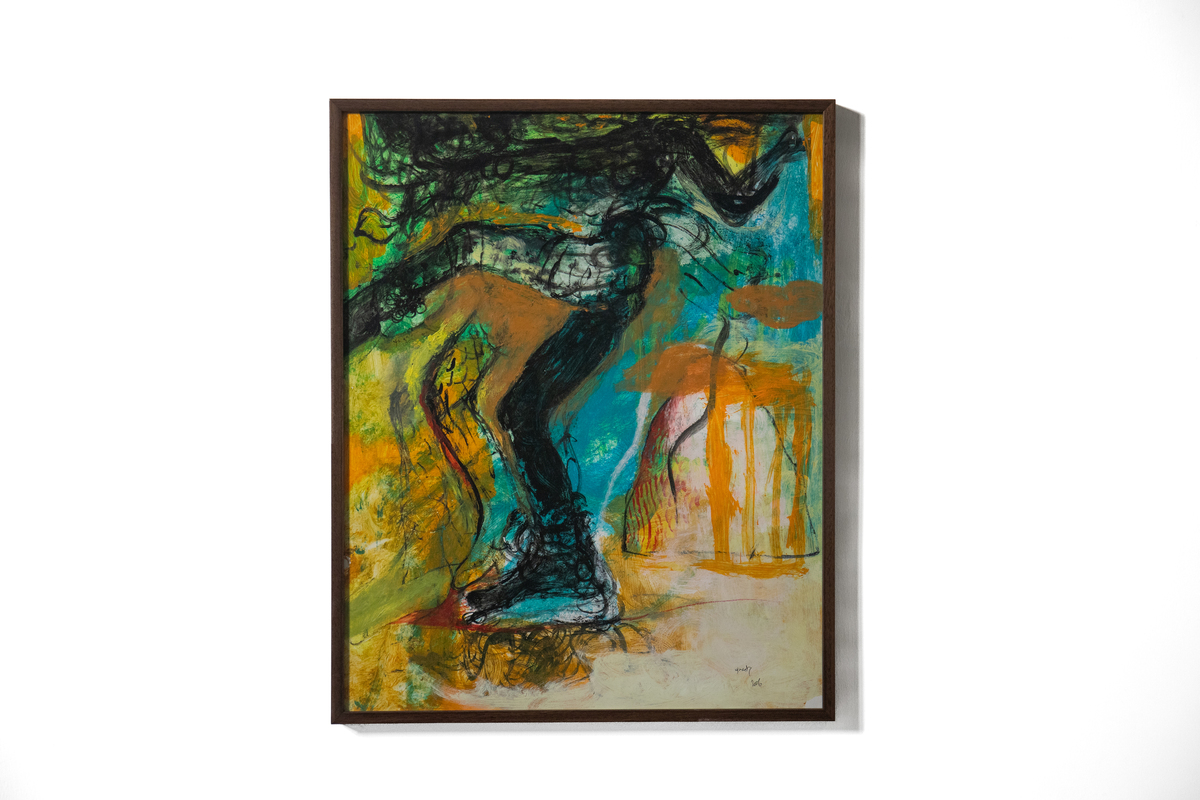
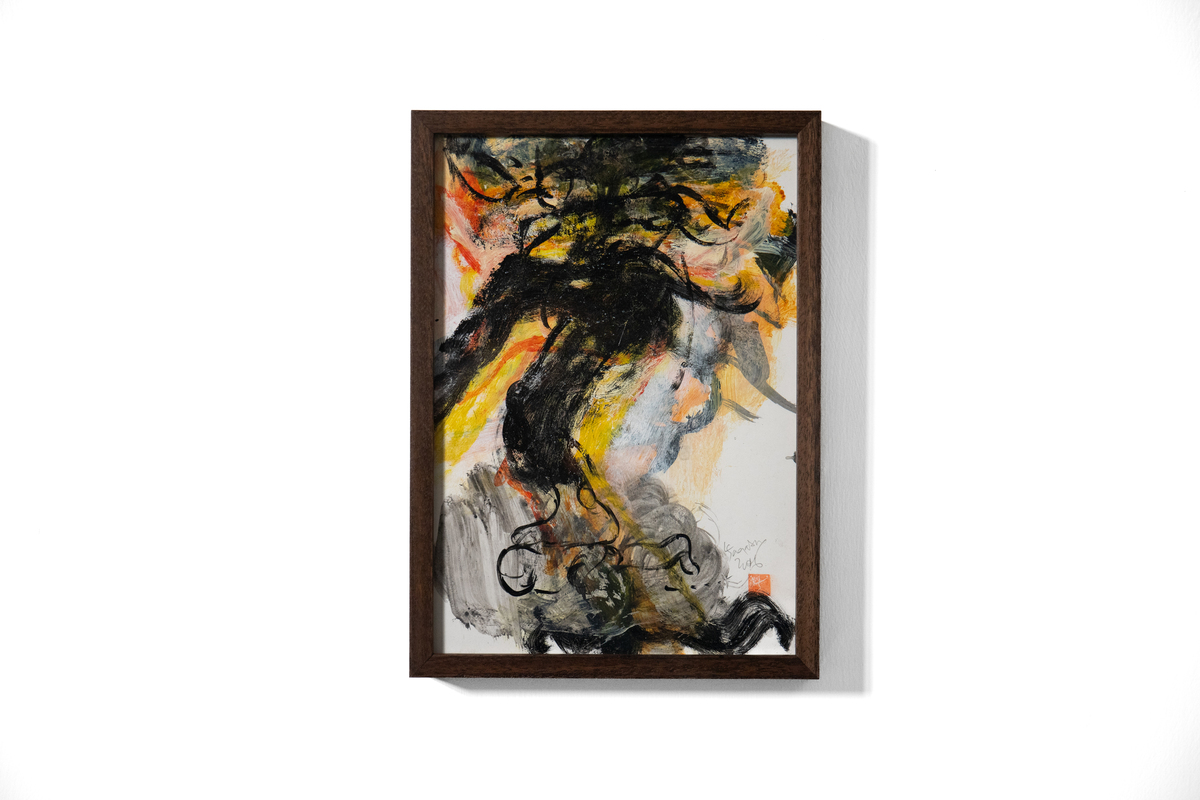
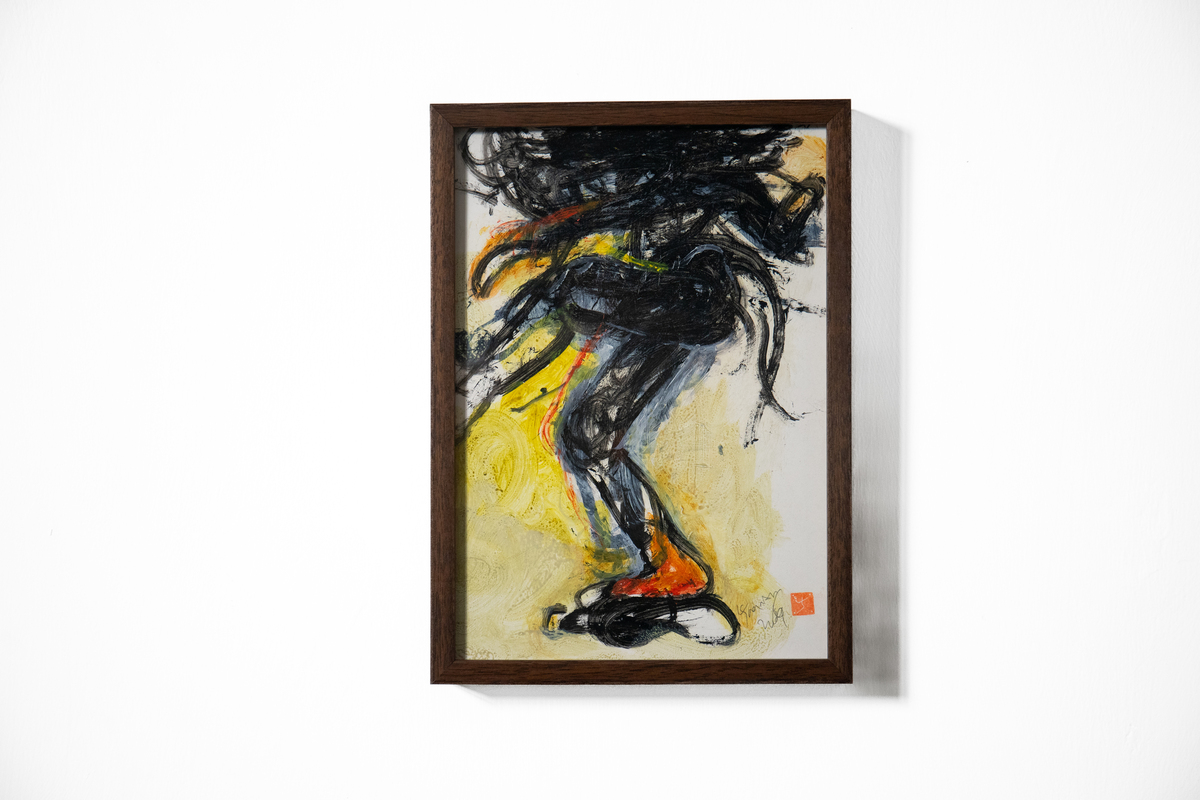
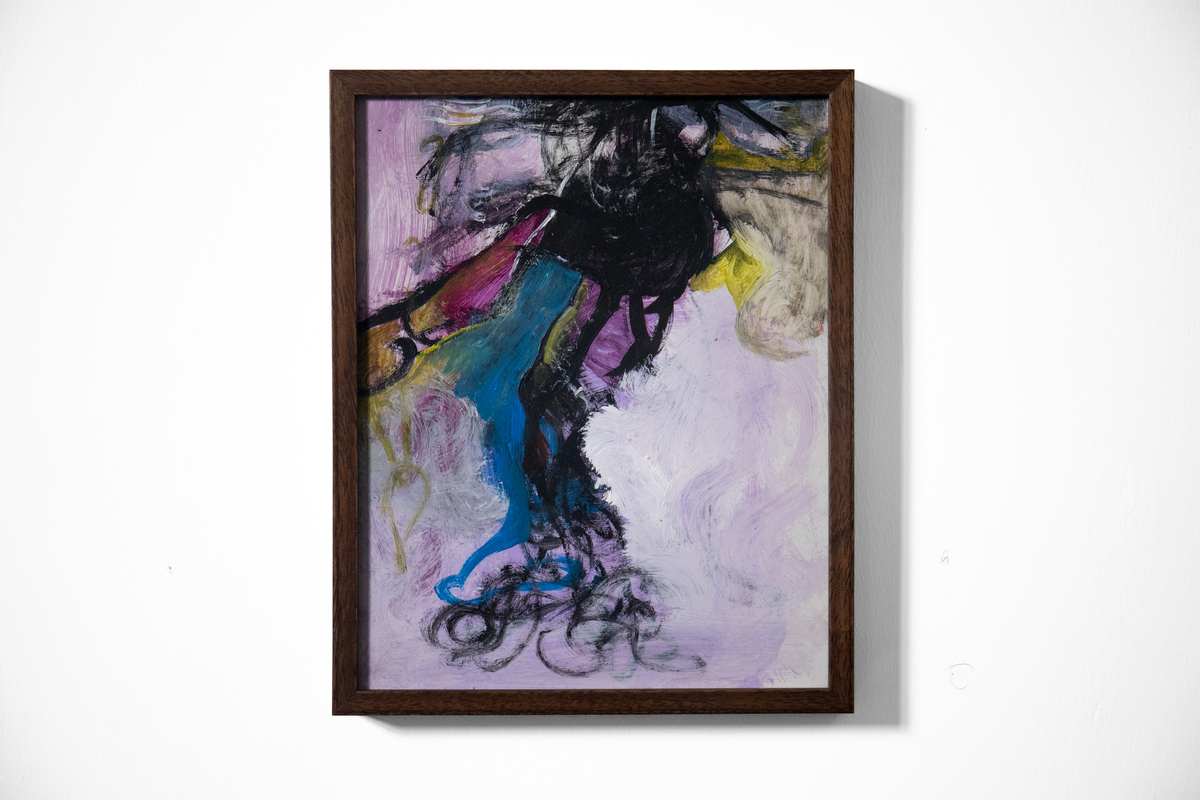
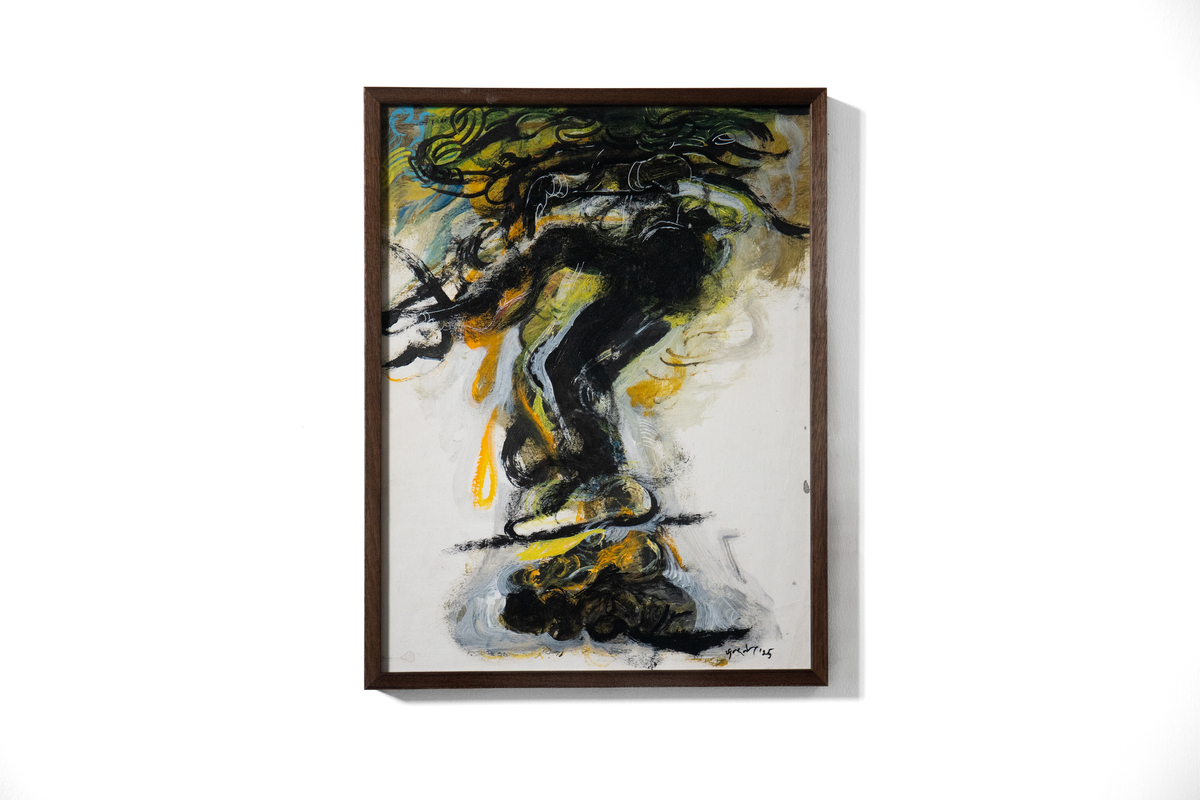
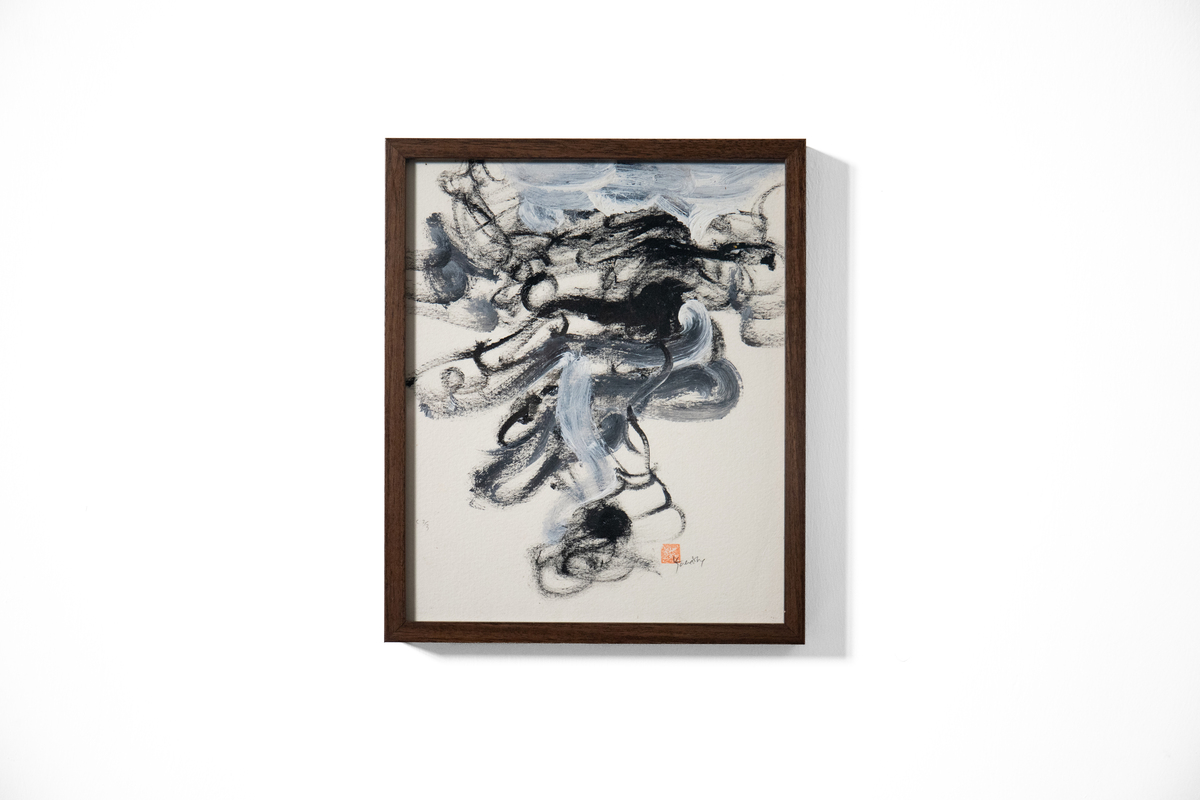
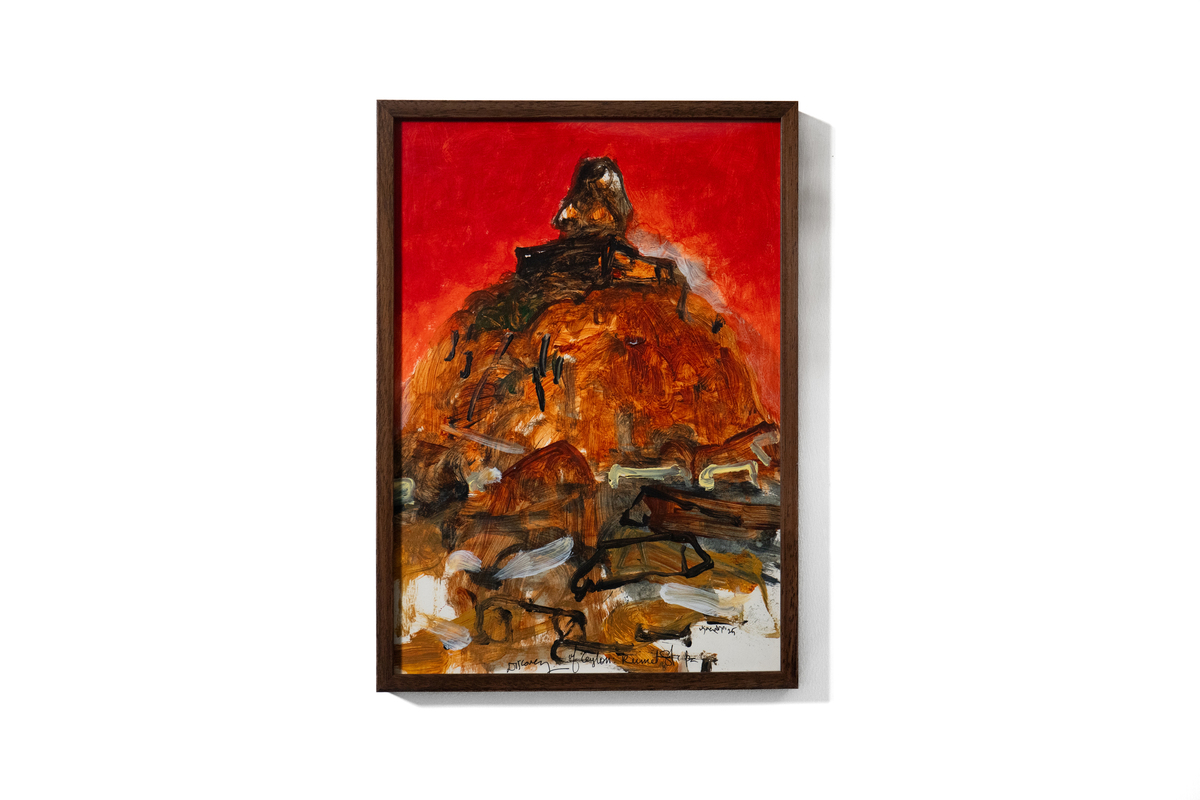
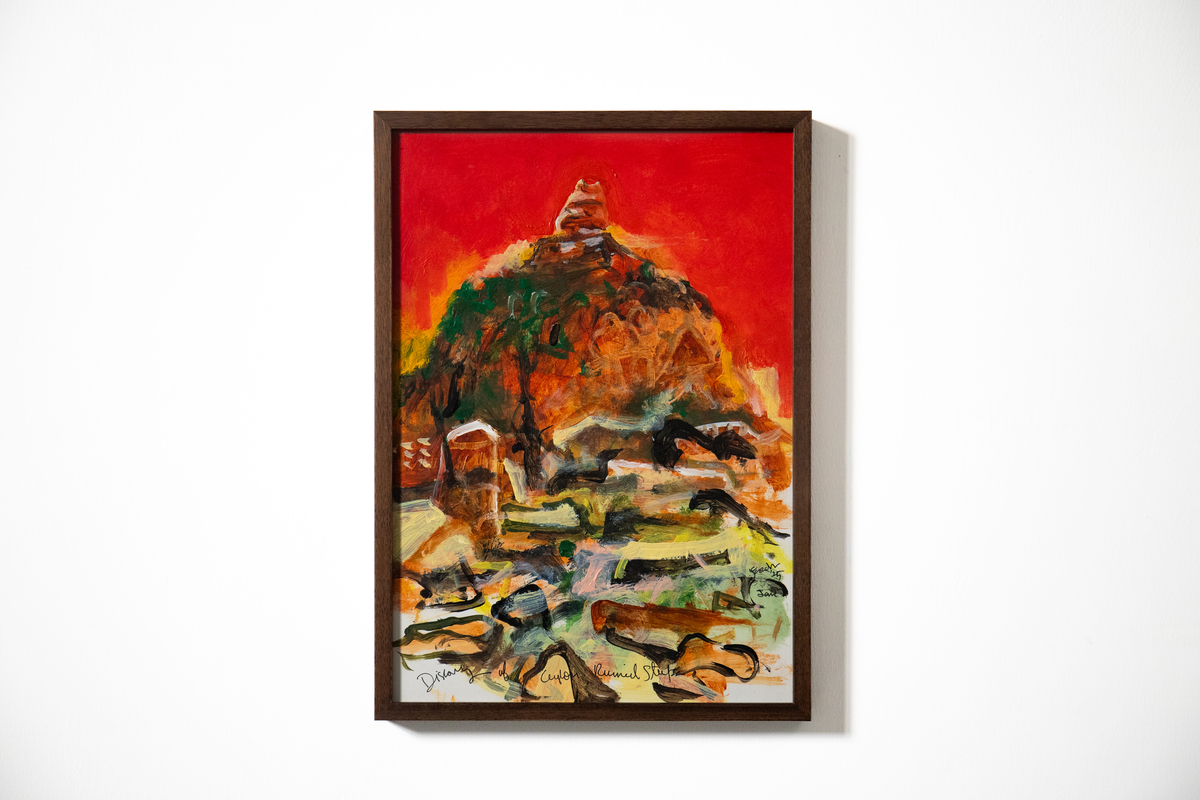
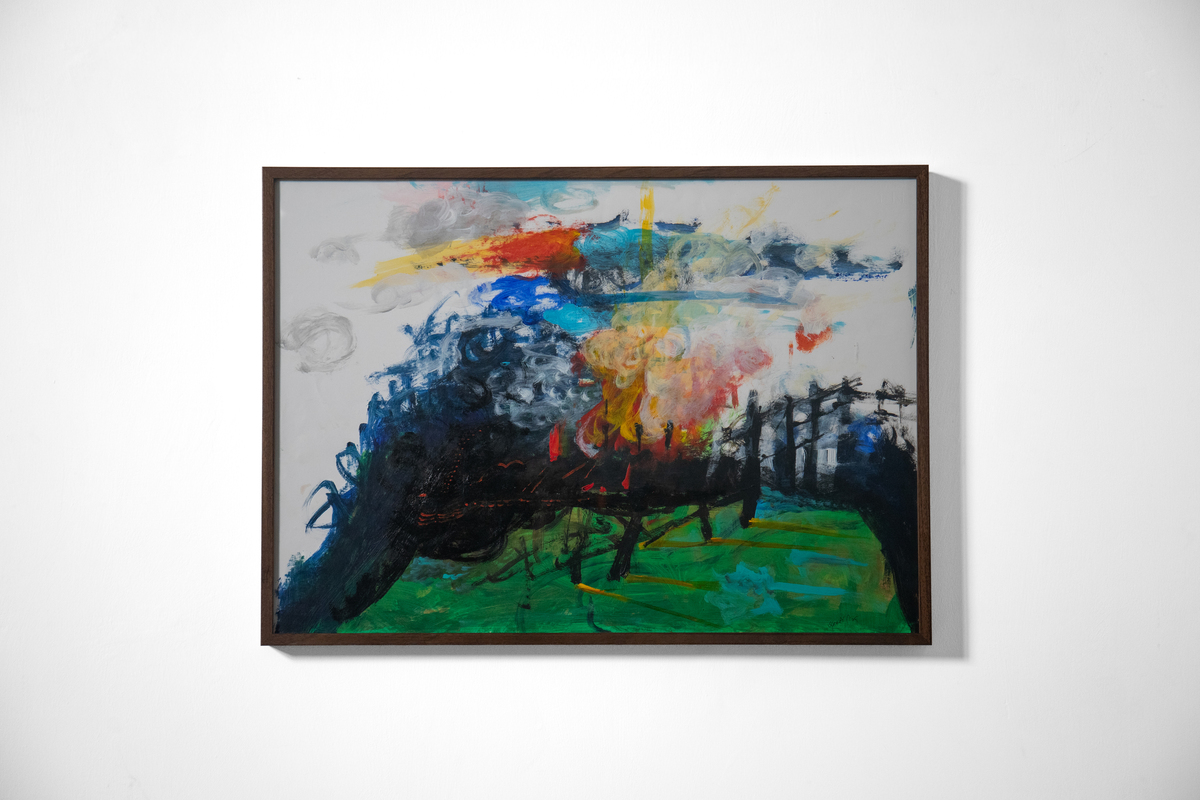
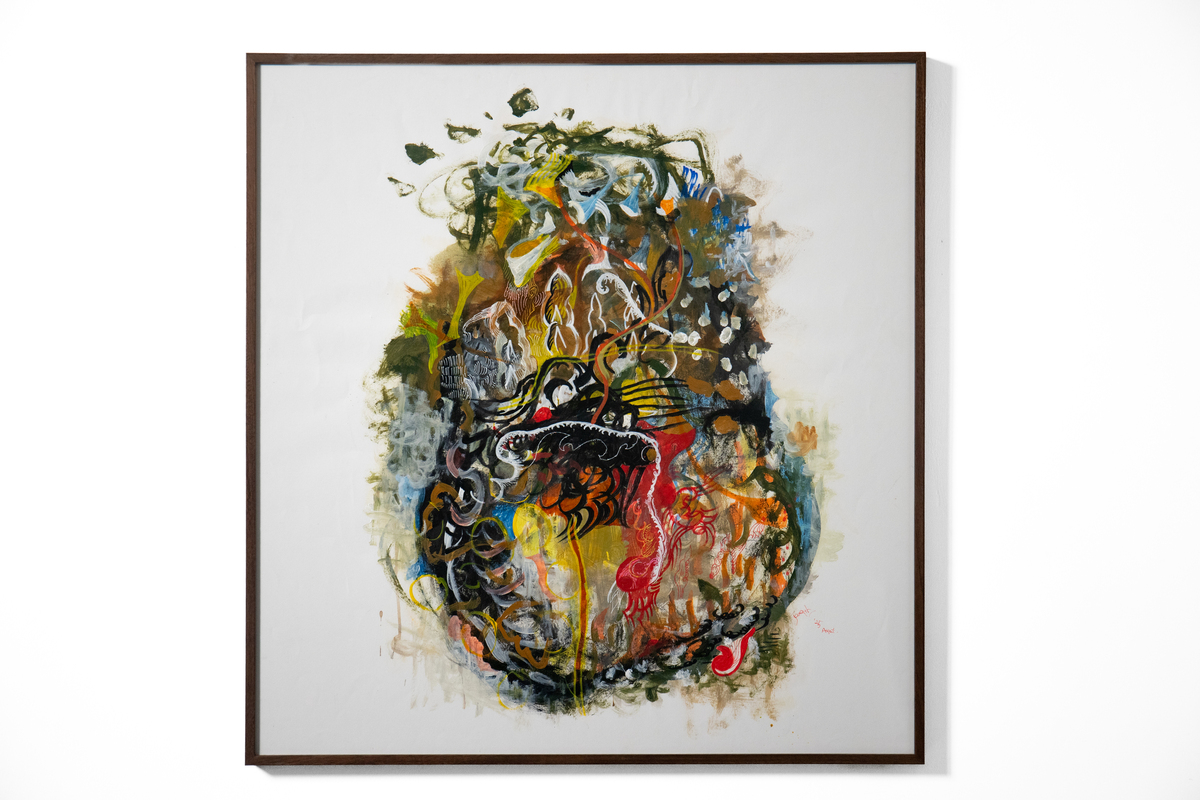
How Many Skies Have Fallen marks the first retrospective of Jagath Weerasinghe in India. Comprising a collection of works from the past thirty years until the present, and organised thematically, the exhibition brings together paintings that are suggestive of Sri Lankan, or more broadly, island histories. The exhibition provokes interpolative approaches for thinking about and responding to land and landscape, historical narrative, the monumental, and human/social bodies. While Weerasinghe’s paintings embrace narratives about the failed states of plurality both in Sri Lanka and elsewhere, they also explore the complex contradictions in which we, as individuals and societies, continue to inhabit.
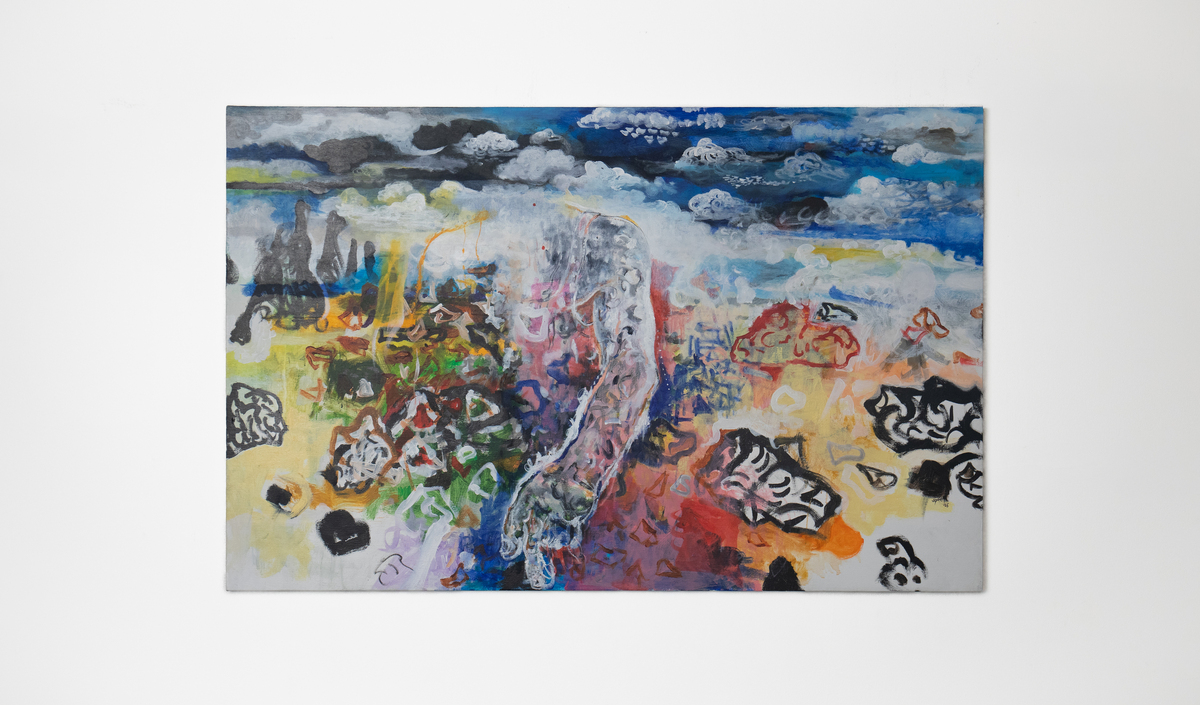
For this exhibition, Weerasinghe includes selections from various series that reference nation and nationhood—as an island, a former colony, a territory in which landscapes are inextricably linked to the visualizing of history. These include recent monumental works that inscribe bodies into light and landforms; the enigmatic stupa; the conjuring of divine forms and spaces; and how the passage of time is but one method for recovering memory and a sense of empathy. Weerasinghe’s bold compositions prompt one to ask: for whom is painting? And is painting enough to satisfy critical approaches to the cascade of failures which continue to accompany what some call progress?
Having once described Sri Lankan artists as living and working in an era of ‘para-modernism,’one may describe Jagath Weerasinghe’s approaches to painting as both politically nuanced while moving across broader networks of visuality and narrative history. Artist advocate, theorist, and thoughtful recorder of Sri Lanka’s traumatic and unmatched histories, Weerasinghe’s works are poetic evocations, if not political condensations, of the past rendered as ever-present. Such continuities pervade his works that can be intimate in scale yet expand how we see, and of whom. Through energetic cadences of colour and form, brushwork that speaks as much to energy flows as political agency, Weerasinghe’s paintings articulate the maelstrom of meanings that accompany the forging of the multiple nows that each of us inhabit and build.
About the Artist
Jagath Weerasinghe (b. 1954, Sri Lanka) has been central to discussions and practices in the development of Sri Lankan contemporary art as well as archaeology since the 1990s. As the Director of the University of Kelaniya’s Postgraduate Institute of Archaeology, Weerasinghe has brought about significant changes to the ways in which the conservation, rehabilitation, and preservation of ancient sites in Sri Lanka are undertaken. He previously received certifications in the Conservation of Wall Paintings as well as Rock Art from the most important institutions for archaeological conservation, ICCROM in Rome and the Getty Center in Los Angeles. Weerasinghe continues to lead some of the most significant conservation efforts in Sri Lanka.
He co-founded the influential Theertha International Artists Collective in 2000 and continues to serve as its Chair. Weerasinghe was also instrumental in the organizing of the first Colombo Art Biennale and has participated in many conversations on the broader impacts of contemporary art in South Asia.
Weerasinghe’s works are part of the Permanent Collections of the Los Angeles County Museum of Art (LACMA), USA and the Fukuoka Art Museum, Fukuoka, Japan. His works have recently been part of group exhibitions including Bikaner House, New Delhi, presented by Shrine Empire, and Grosvenor House Gallery, London, UK while also part of the Serendipity Arts Festival, Goa; Singapore Art Biennale; and the Asia Pacific Triennale, Brisbane. His work has been featured at Saskia Fernando Gallery, Colombo; Khoj, New Delhi; and the Baik Art Gallery, Los Angeles. Weerasinghe continues to exhibit internationally in Australia, Germany, India, Japan, the Netherlands, United Kingdom, and the United States.
Artworks
Installation Views