

Nature Morte
Suhasini Kejriwal
Everyday Extraordinary Suhasini Kejriwal
“The beauty of this journey has been in the expansion of my detached vision as flaneur and artist to a more empathetic role as witness and collaborator.” – S.K.
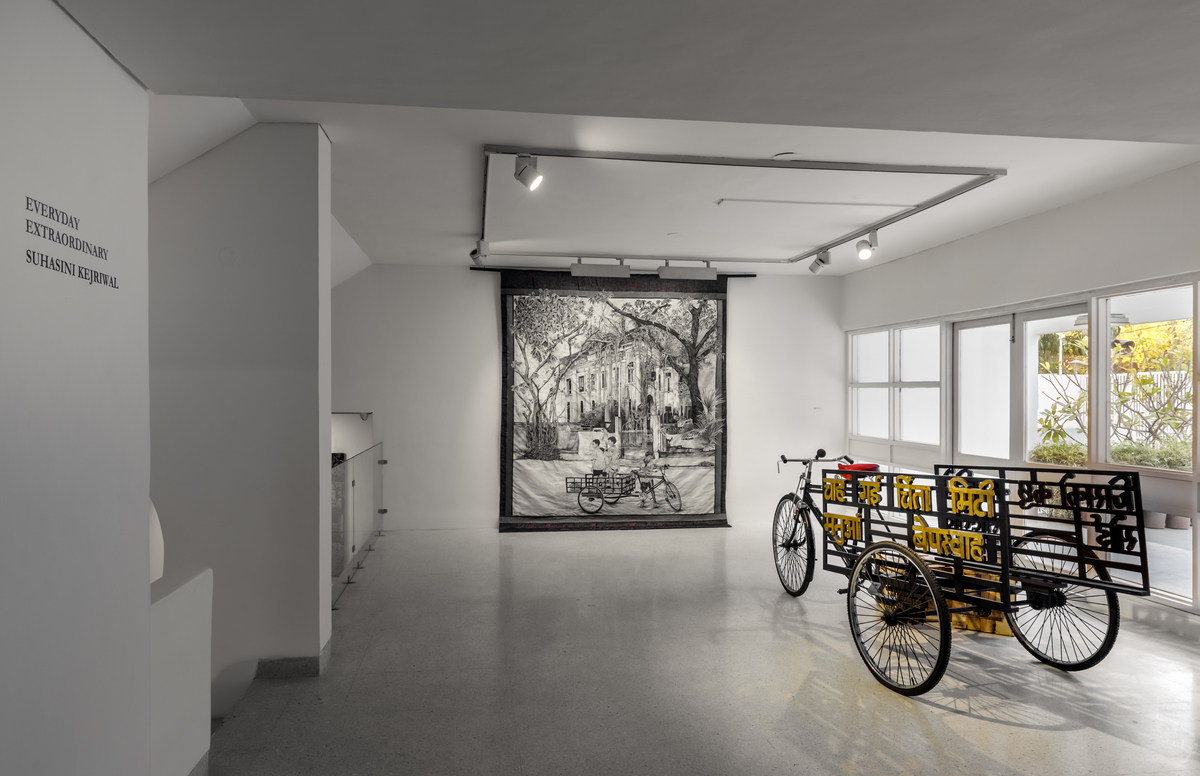
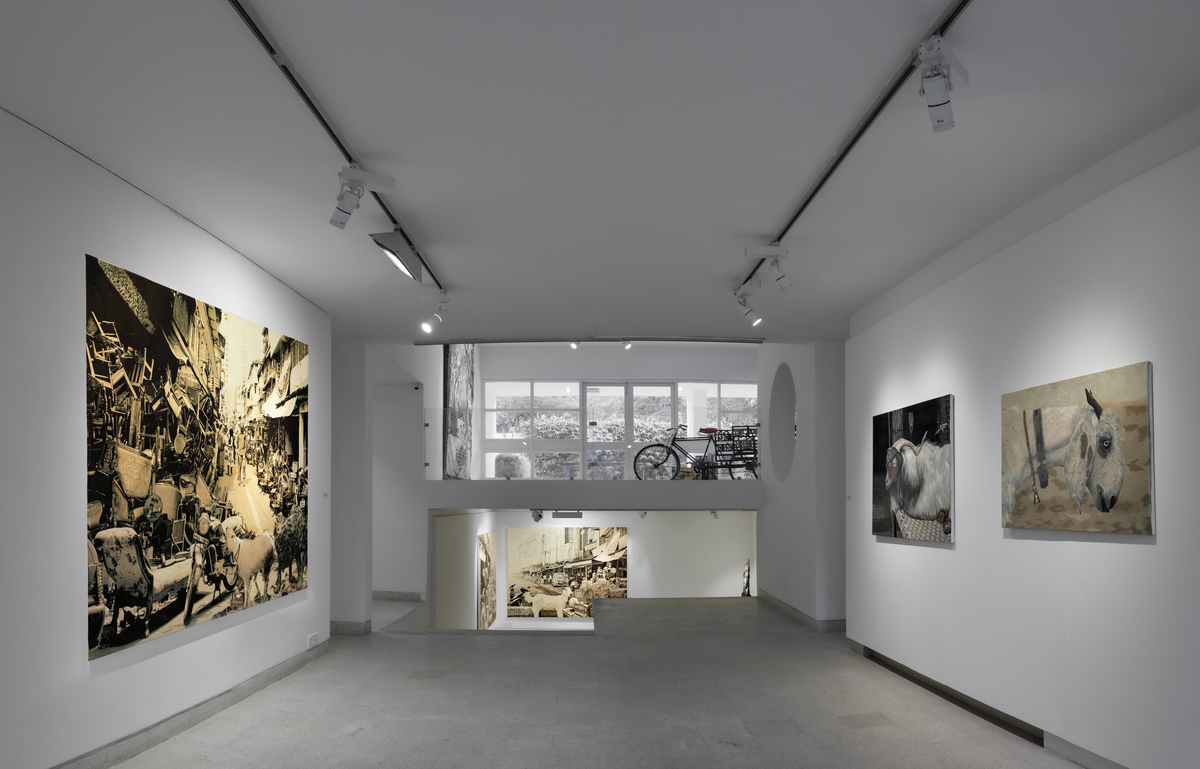
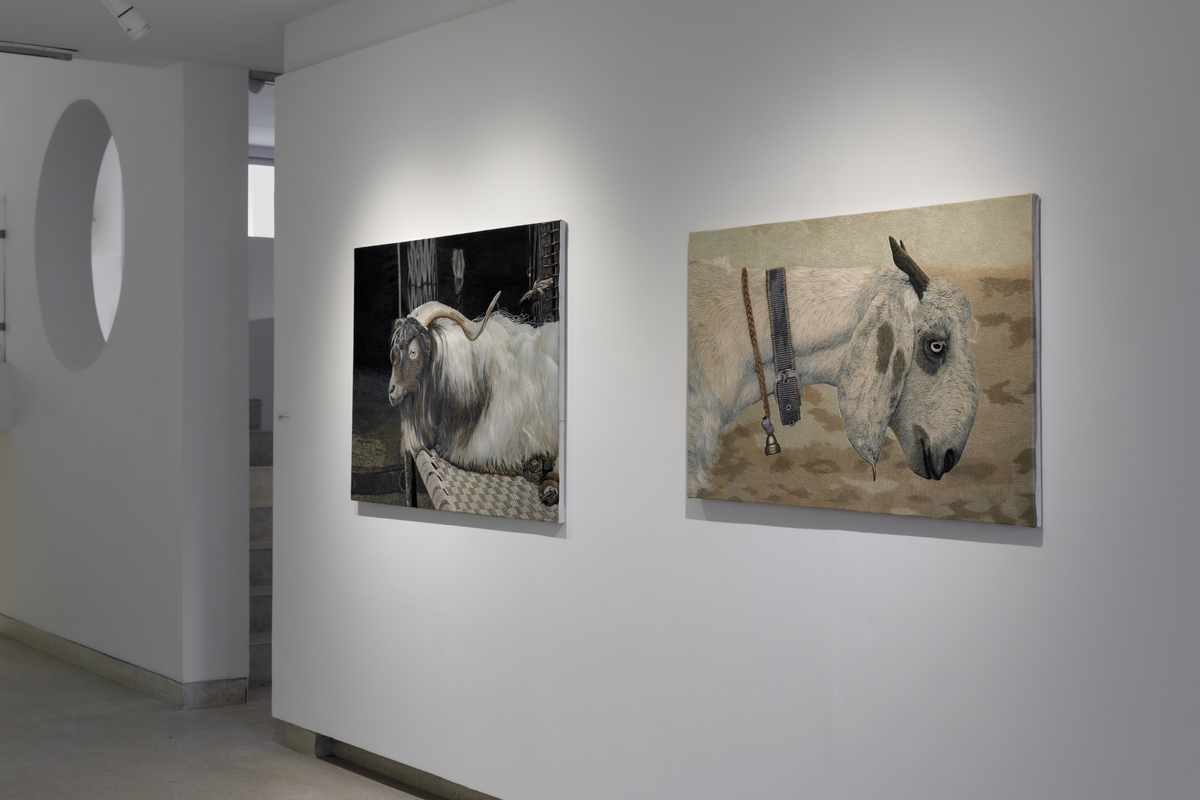
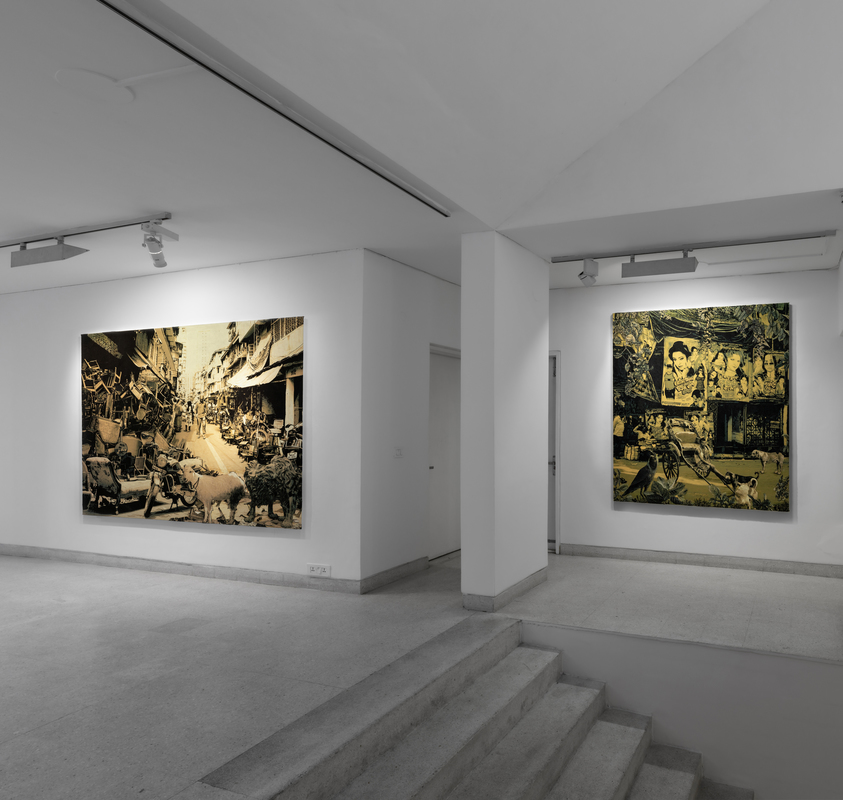
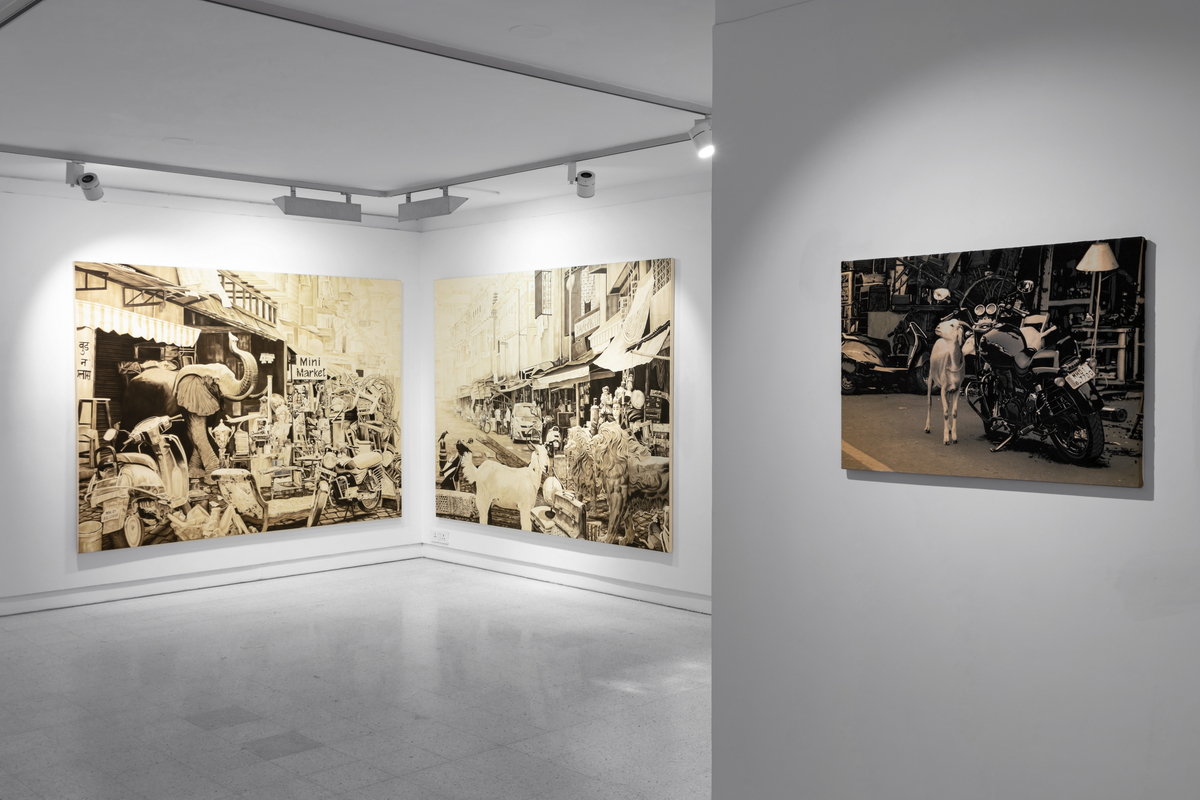
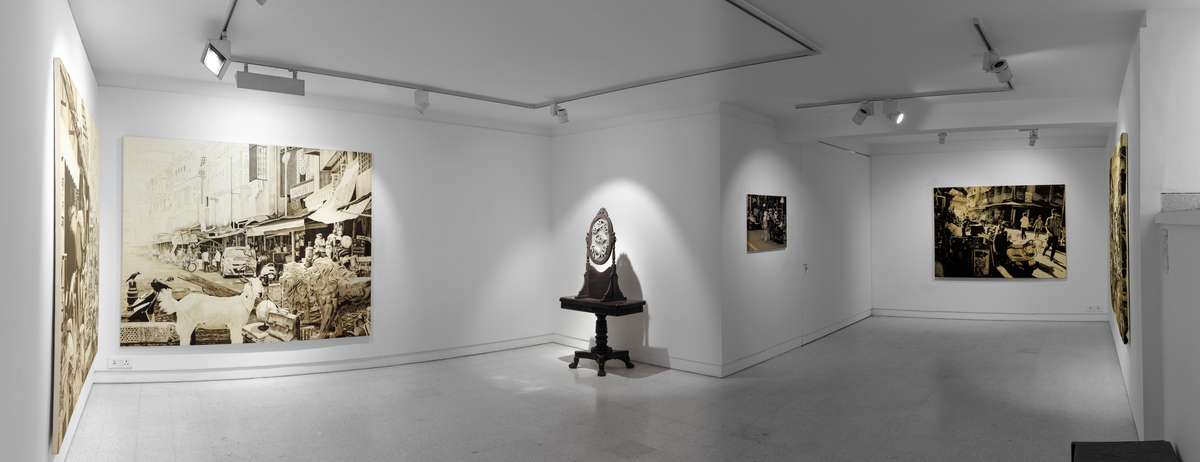
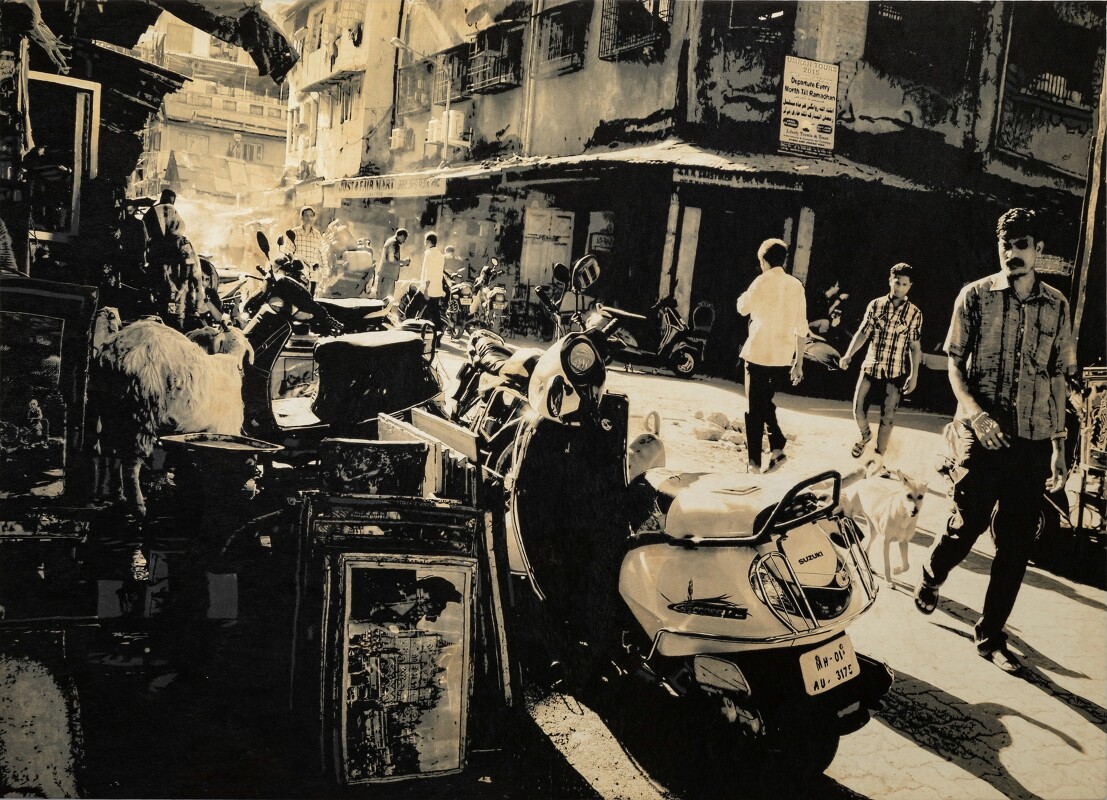
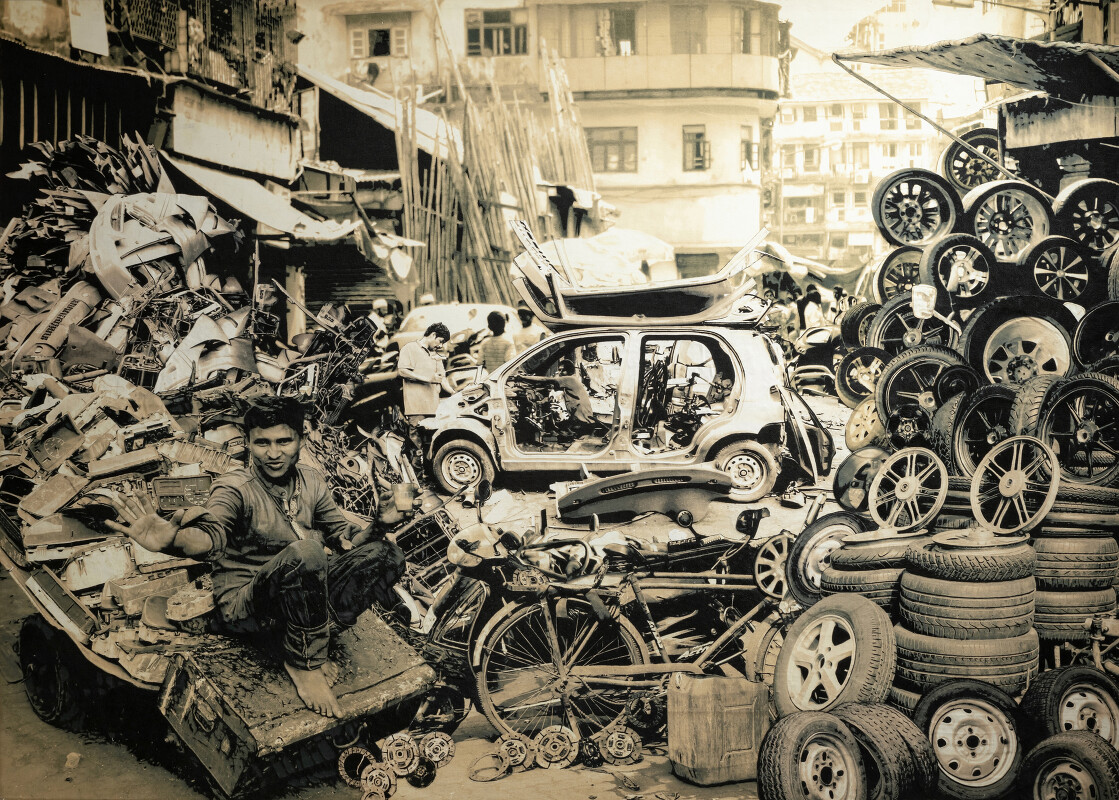
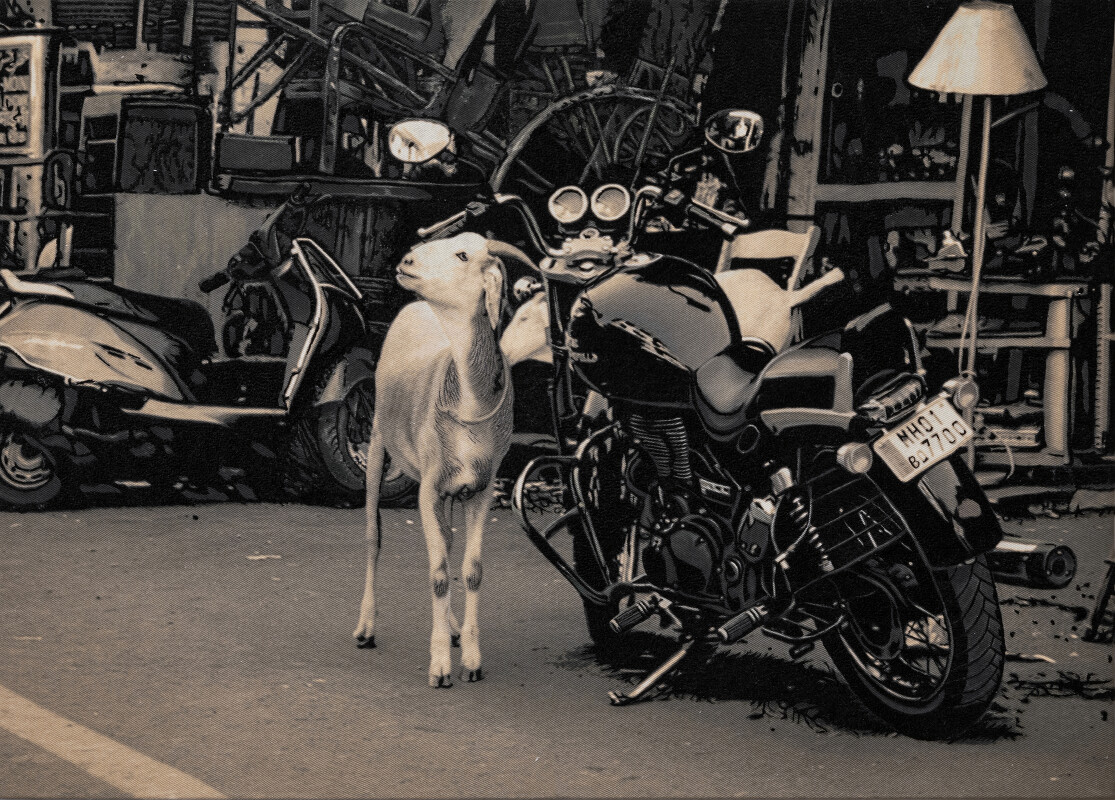
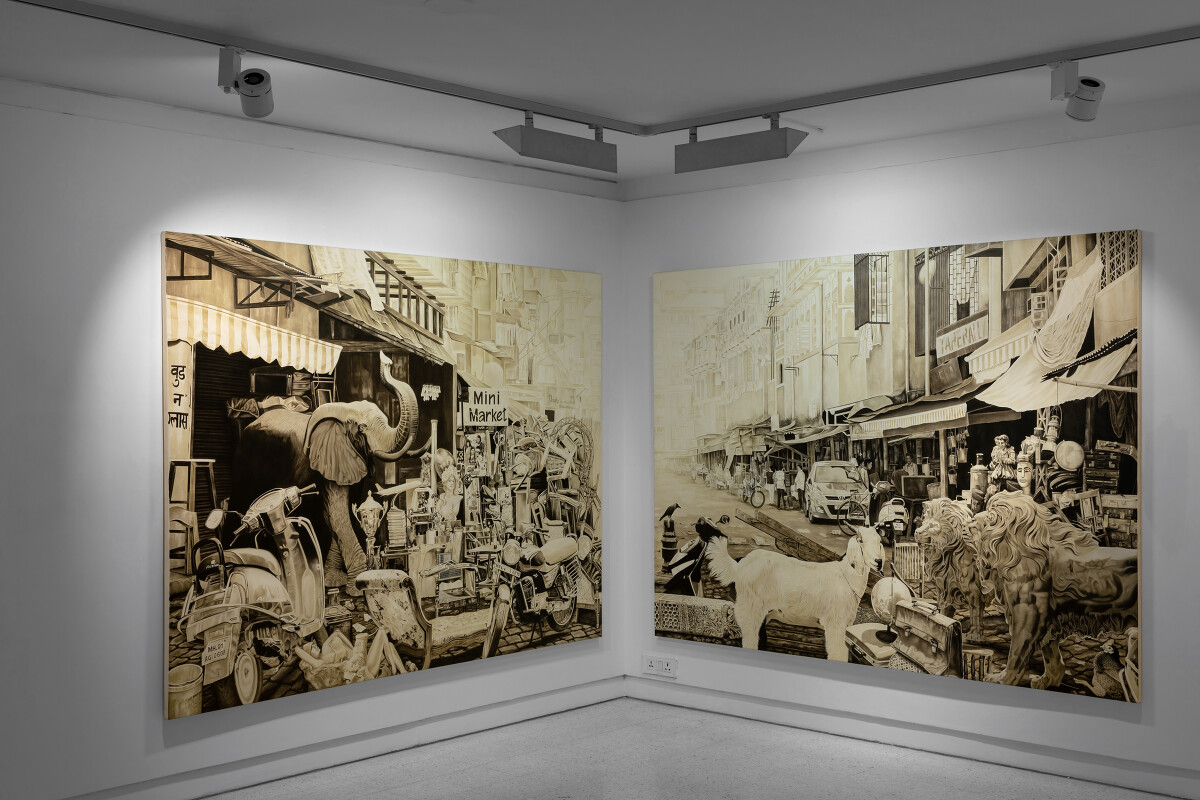
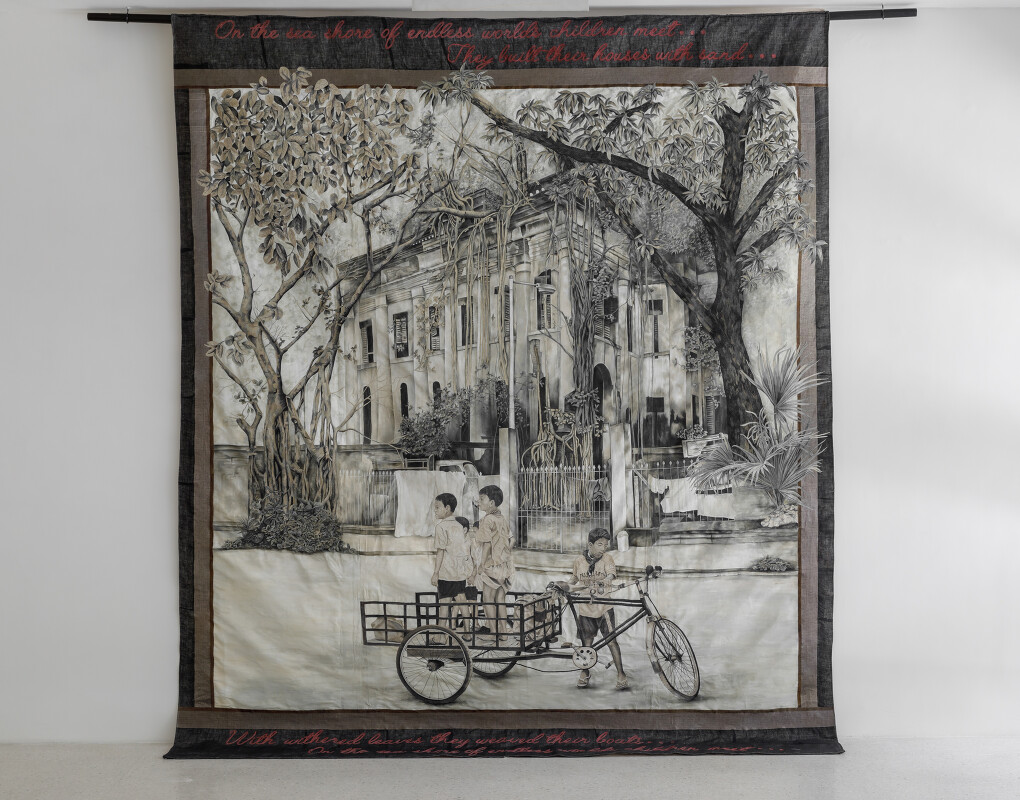
Nature Morte is pleased to present a solo show of new works by Suhasini Kejriwal entitled “Everyday Extraordinary.” The artist’s newest works are her responses to spending time in the Chitpur neighborhood of north Kolkata and Chor Bazaar in central Mumbai. Consciously acting in several capacities (as artist, photographer, flaneur, and archivist) Kejriwal’s works communicate the poetry of the everyday and the interactions between people living and working in these environments, the rhythms of their work and leisure, their children and animals with which they share the spaces. A surreal theatricality is captured by simply recording the mundane elements of peoples’ lives.
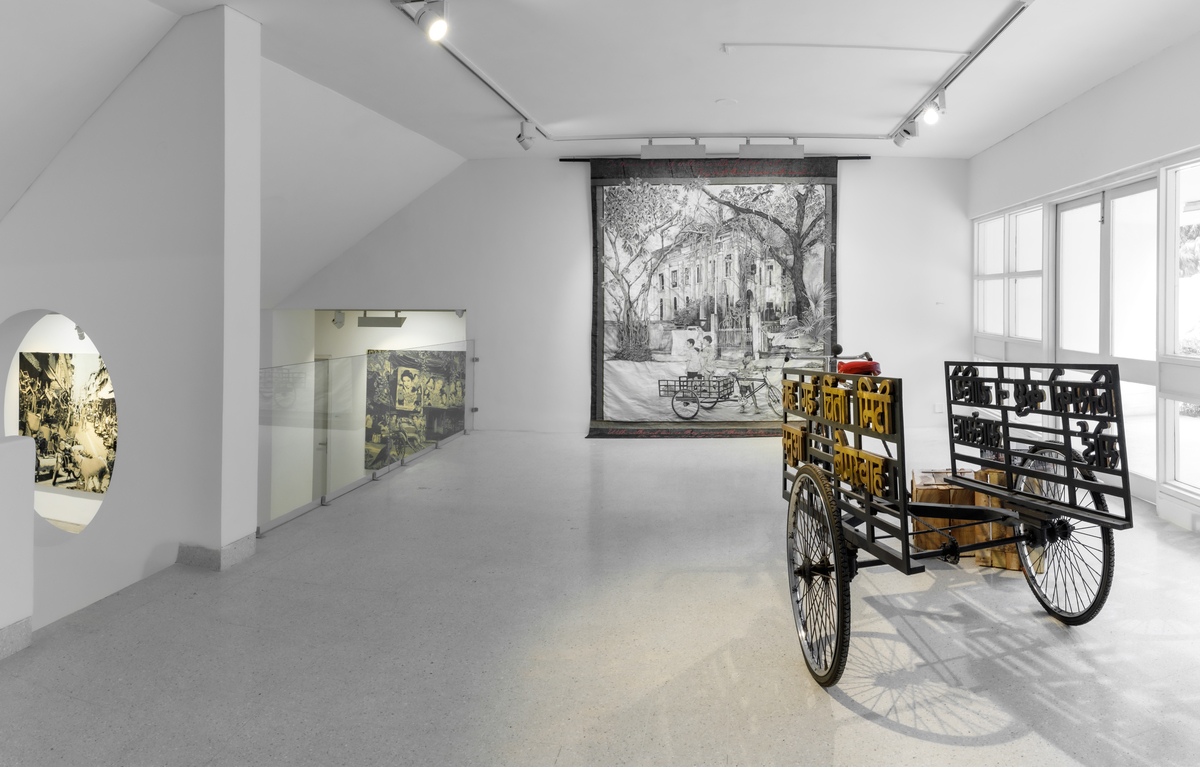
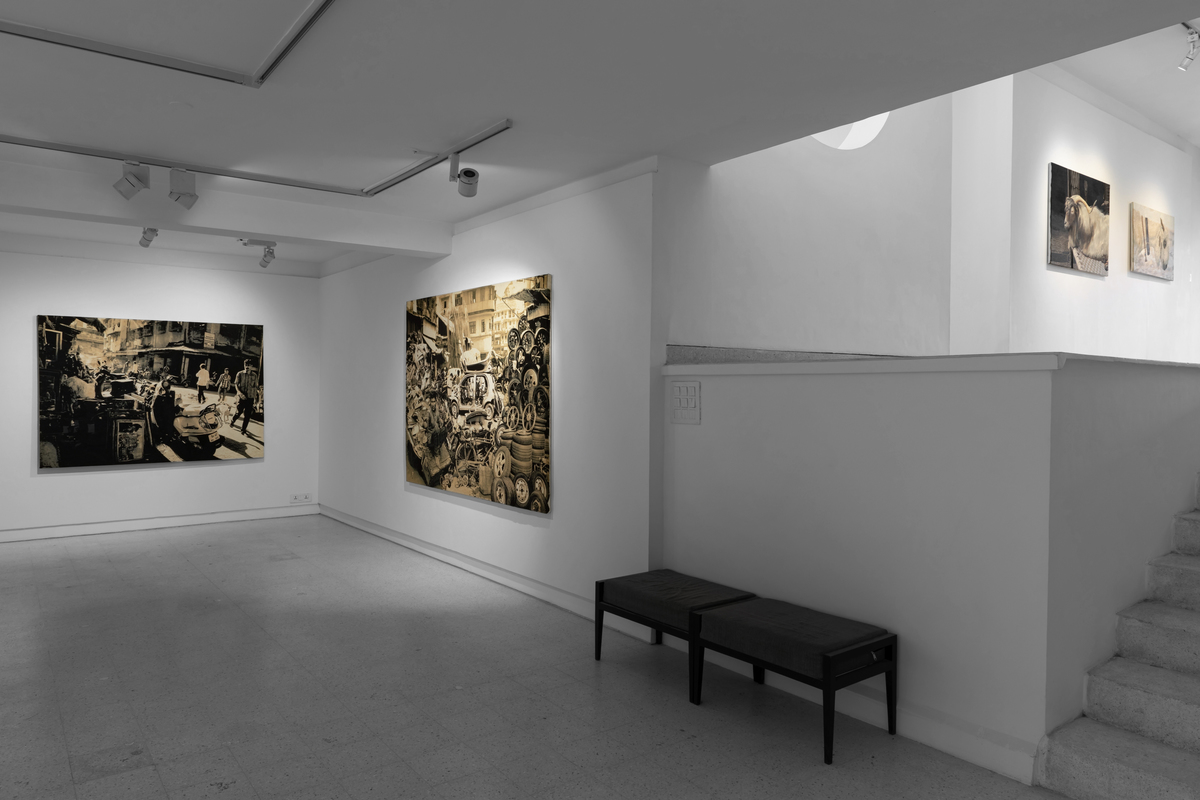
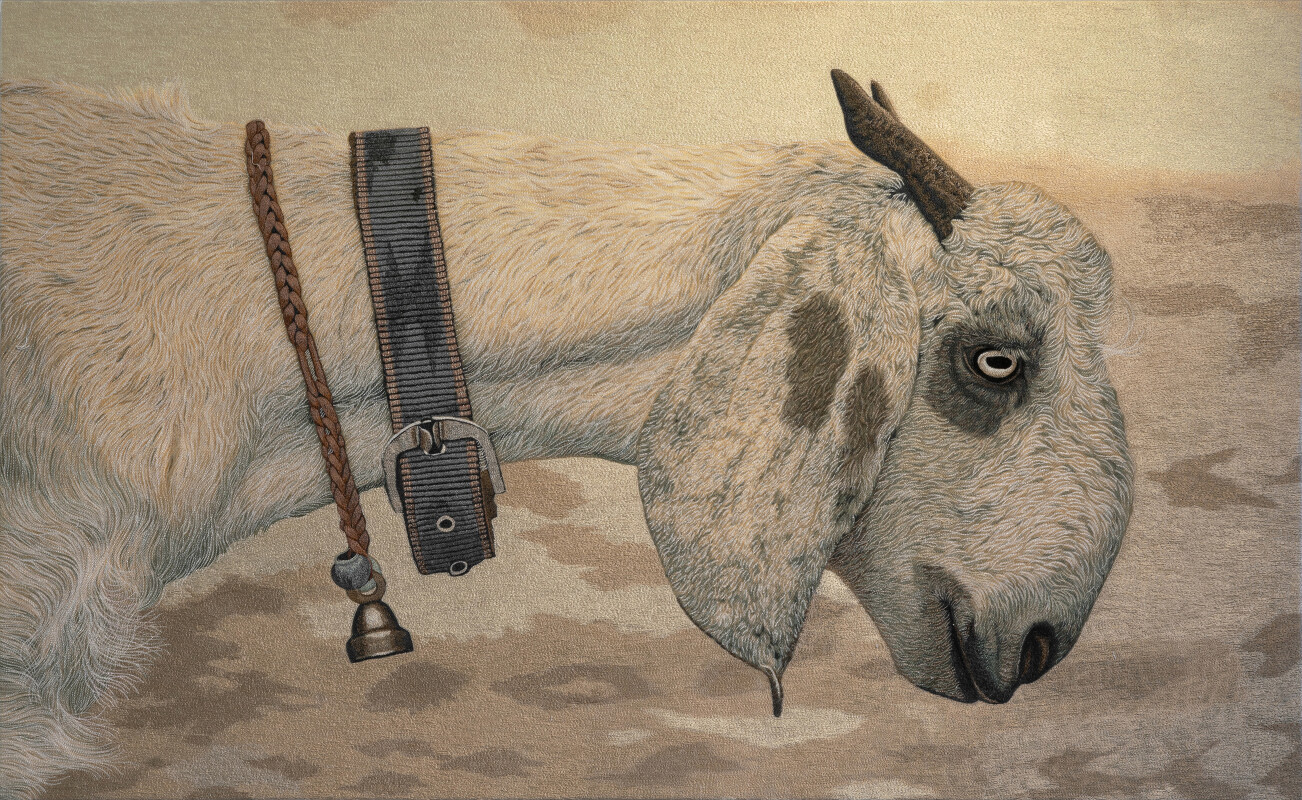
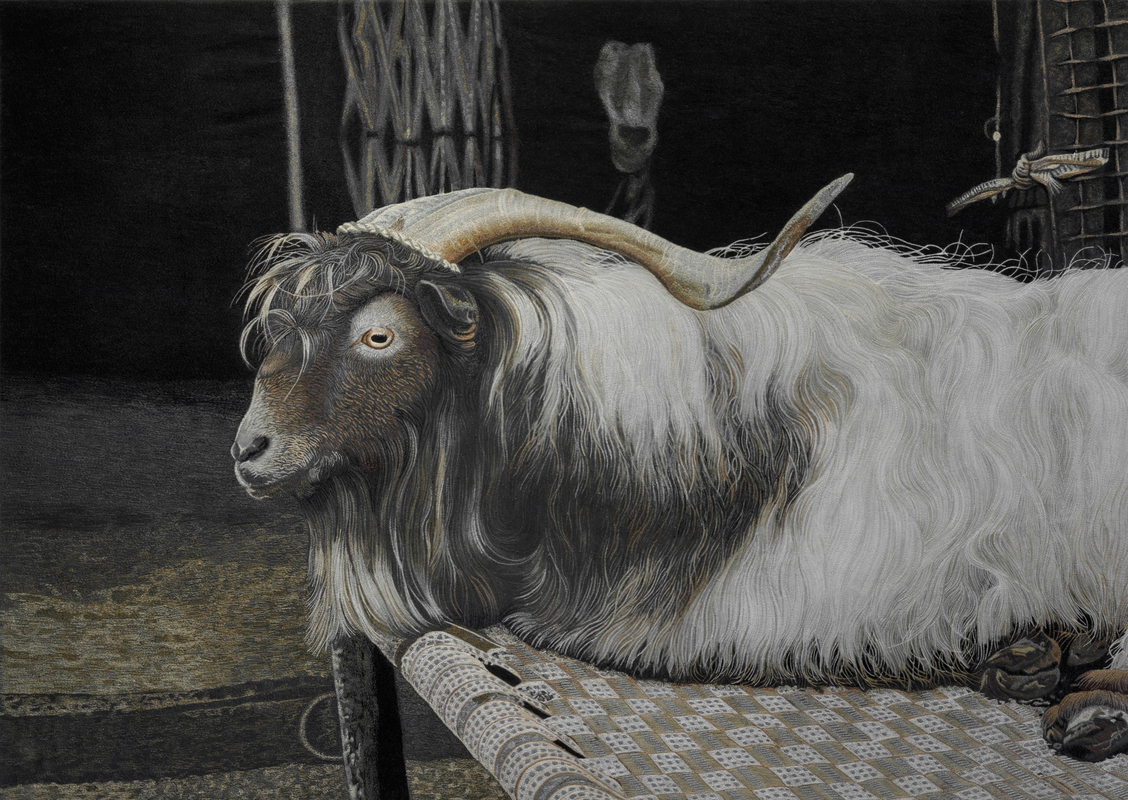
Kejriwal’s works revel in minutiae, overflow with information, and convey multiple viewpoints simultaneously. Her technique synthesizes the disciplines of painting, drawing, photography and collage into a cohesive whole. Images captured as digital photography have been laboriously embroidered, so as to fossilize them, radically altering their relationship with time.
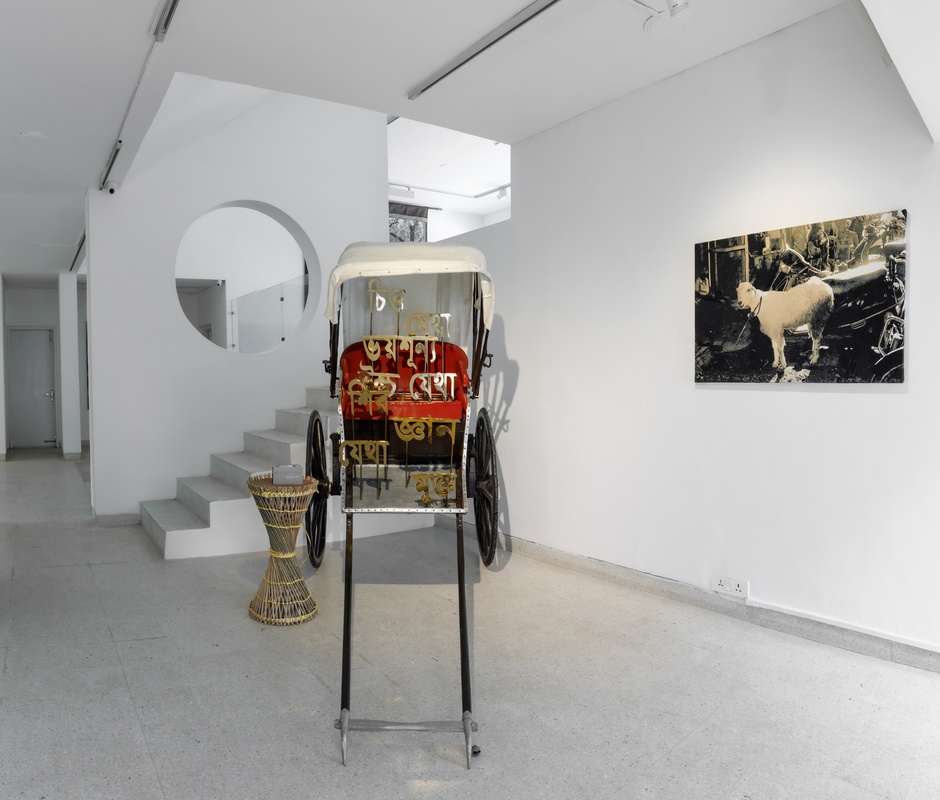
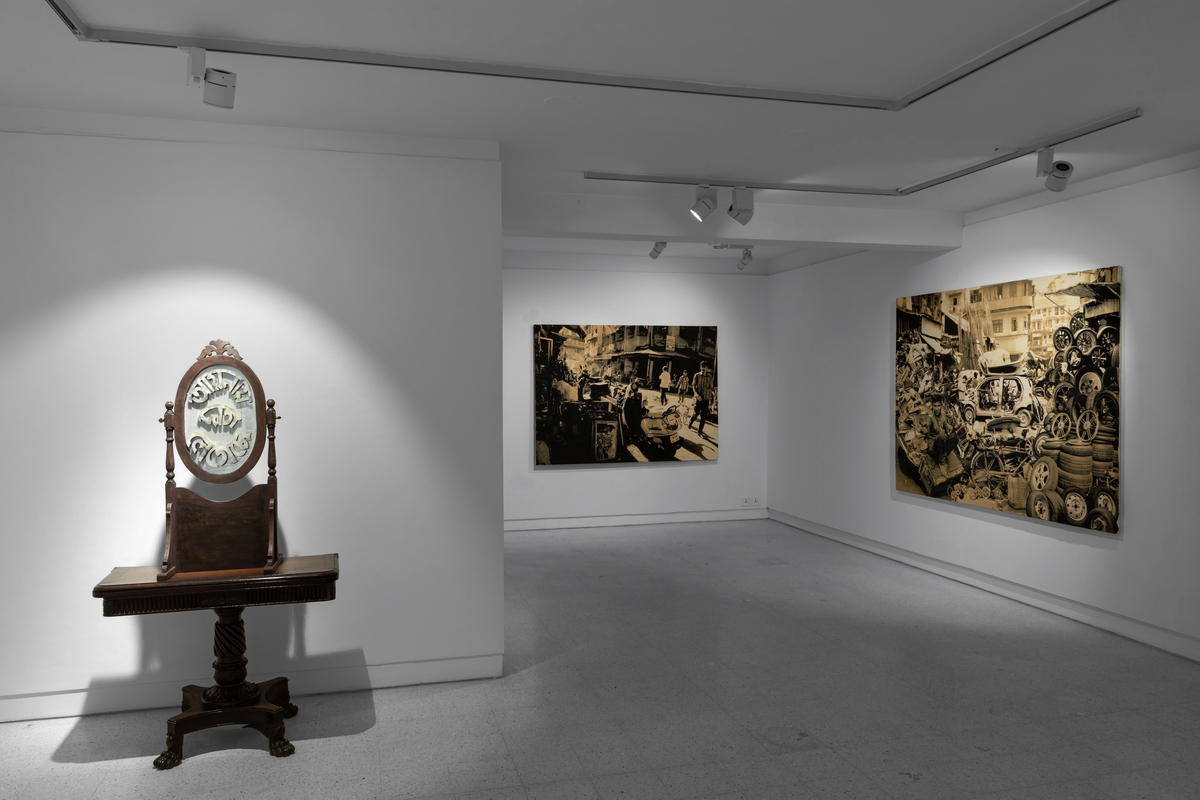
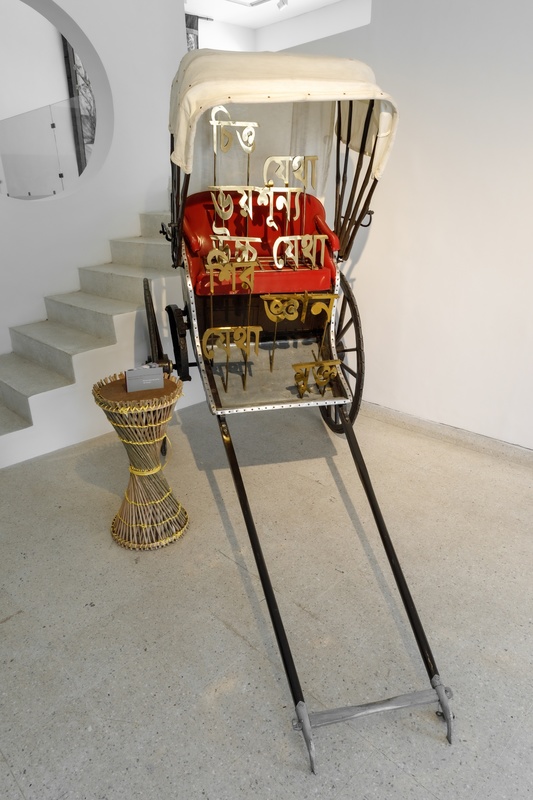
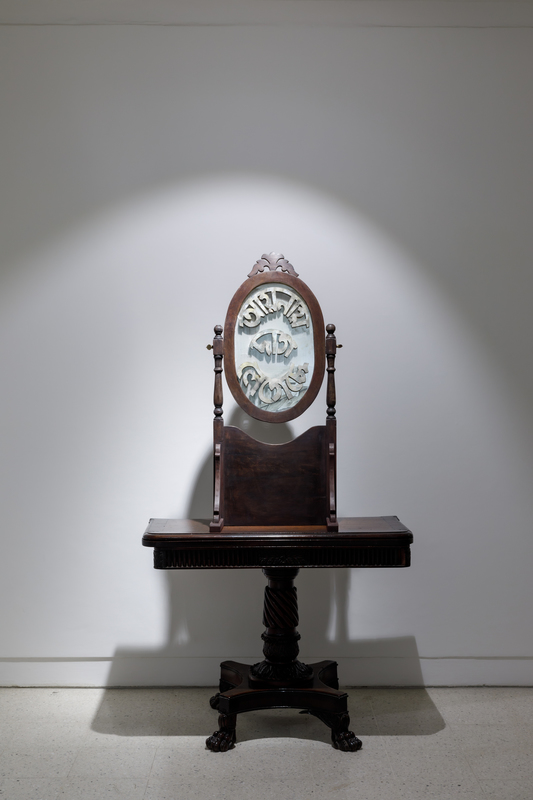
In addition to the wall works will be new sculptures the artist has created in collaboration with the collective Hamdasti in Chitpur. These combine found objects with texts and were placed in the streets of the neighborhood, hoping to foster dialogues and interaction between the artists and the local community. For Kejriwal, both documenting and engaging with the city is to emphasize its identity as a shared space.
Suhasini Kejriwal was born in Kolkata in 1973, where she continues to live and work. She received a Bachelor of Fine Arts degree from Parsons School of Design in New York in 1998 and a Masters of Fine Arts degree from Goldsmiths College, London in 2006. Solo exhibitions of her work have been held at Galerie Christian Hosp, Berlin (2010); the Anokhi Museum, Jaipur (2009), Chemould Prescott Road, Mumbai (2008); Nature Morte, New Delhi (2005, 2007, 2014), and Gallery SKE, Bangalore (2004), among numerous group exhibitions in galleries and institutions throughout the world.
Nature Morte is located at A1 Neeti Bagh, on the main Khel Gaon Marg, between Siri Fort Auditorium and Ansal Plaza. The gallery is open every day, from 10am to 6pm, but Sunday by appointment only. For more information or press images please contact Prachi Singh at (91)-88008-47914 or gallerymanager@naturemorte.com. Complete documentation of the exhibition and further information on the artists can be found on our website at: www.naturemorte.com.
ARTIST STATEMENT
Since 2015, it has been my privilege to engage with Chitpur in Kolkata and Chor Bazar in Mumbai in several capacities- flaneur, photographer, artist, witness and even collaborator to create an archive of a few thousand images. I used this archive to make rich, layered, embroidered photo composites that echo the quiet but extraordinary beauty of the daily lives of the people who live and work here.
My first walk in Chor Bazar was like a stroll on a theatre set decked with old buildings, bizarre antiques and exquisite furniture strewn on cramped, lived roads. On narrower lanes, the live set had props like hanging tires, piles of automobile junk amidst endless antique car carcasses enlivening the lived spaces. In Chitpur, beautiful and crumbling buildings were laced with dainty balconies and decrypt walls emboldened by lurid Jatra theatre posters.
Trawling these fascinating arenas of street theatrics for over the next four years has helped me build an archive of thousands of photos and drawings. Initially, I remained detached but aesthetically attuned. But as time went by, what fascinated me was the poetry of the everyday in these picturesque, historic neighbourhoods.
Instead of just responding to the surreal beauty of the streets, I became aware of my role as an artist and witness to the dramatic changes that reshaped Chor Bazar due to extreme redevelopment. I began to notice the interactions among people and their environments, their work, their leisure, their children and the animals that lived with them, the daily rhythm of their lives and its chaos and calm.
The richness of the experience of walking, witnessing, photographing and drawing the neighborhood is echoed in the layering of images to create complex composites. This visual complexity involves a slowing down in the way an image is made and processed. Not only visual details are captured but also the passage of time, recorded in the many layers of the composites. The embroidery is used not just to add rich, inky depth, or as embellishment but is an important part of this slowing down process. The visual memory of my time spent in these neighborhoods is presented not as a set of fleeting aesthetic impressions but a deeper emotional and psychological response.
While, I was able to populate the empty white cube of the gallery space with the surreal beauty of the streets with these composites, I wondered whether my engagement with the city could simultaneously address the streets and public spaces. Was it possible to blur the lines between the public and the private spaces of making and experiencing an artwork?
In Chitpur, as part of a two year fellowship with the collective Hamdasti that was working in the neighbourhood to create a platform for meaningful dialogue, interaction and civic participation between artists and communities, I collaborated with a signage maker to produce a series of artworks that combined text with readymades and were displayed and performed on the streets of Chitpur as artistic interventions in daily life.
Imbuing these objects with layers of meaning, and placing them back within their contexts, created curiosity and surprise leading to unusual interactions between our collective and the audience on the streets. It gave me the unexpected ability to layer a landscape with new meaning.
With Hamdasti, I was also involved in establishing pedagogical processes that reflect the journey of our collective from the locality it is situated in, to opening up dialogue and discussions in other cultural centres of the city through exhibitions, presentations and discussions between the residents of Chitpur, artists and visitors. I believe that a body of work may originate in response to specific situations in different community spaces but can and should enter the conversation of mainstream art with careful and thoughtful editing of work and exhibition making. For me this has been a crucial part of engaging with the notion of the city as a shared space.
The beauty of this journey has been in the expansion of my detached vision as flaneur and artist to a more empathetic role as witness and collaborator.
Artworks
Installation Views