

Mumbai
Martand Khosla
Escape Velocity
Nature Morte is excited to present "Escape Velocity", the first exhibition in Mumbai by the artist and architect Martand Khosla.
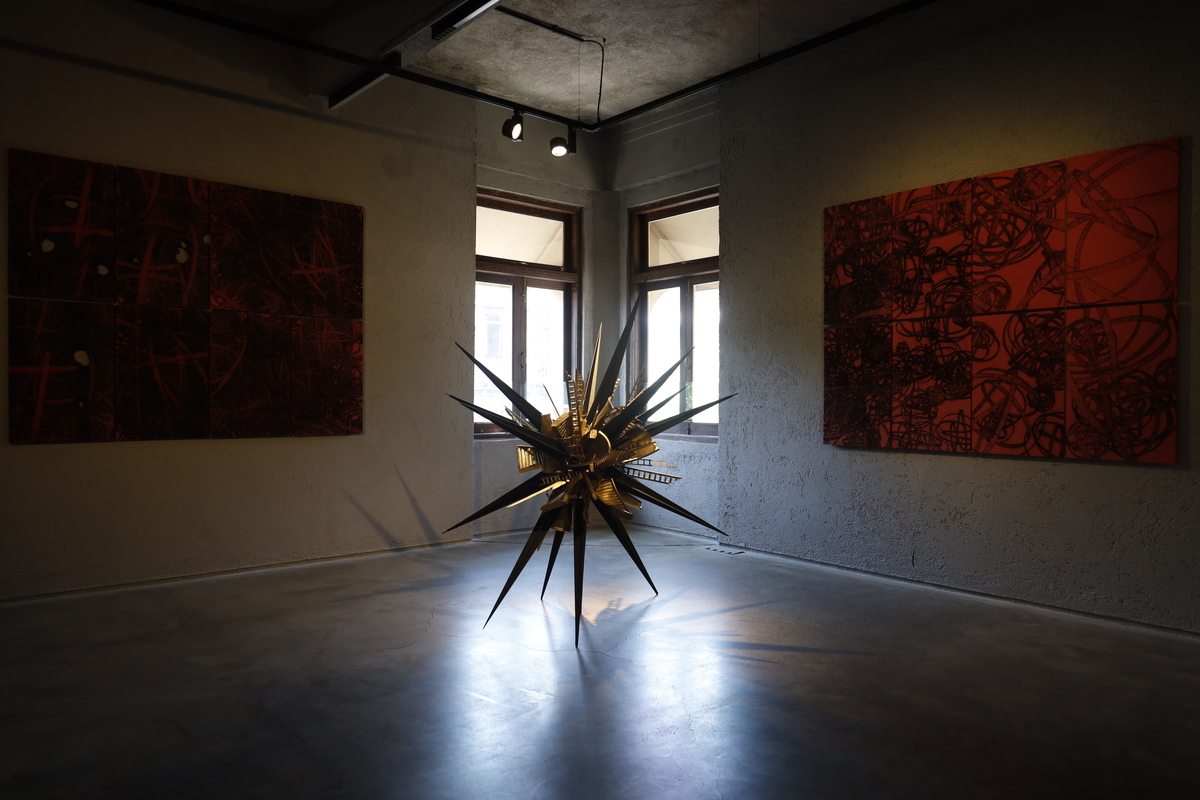
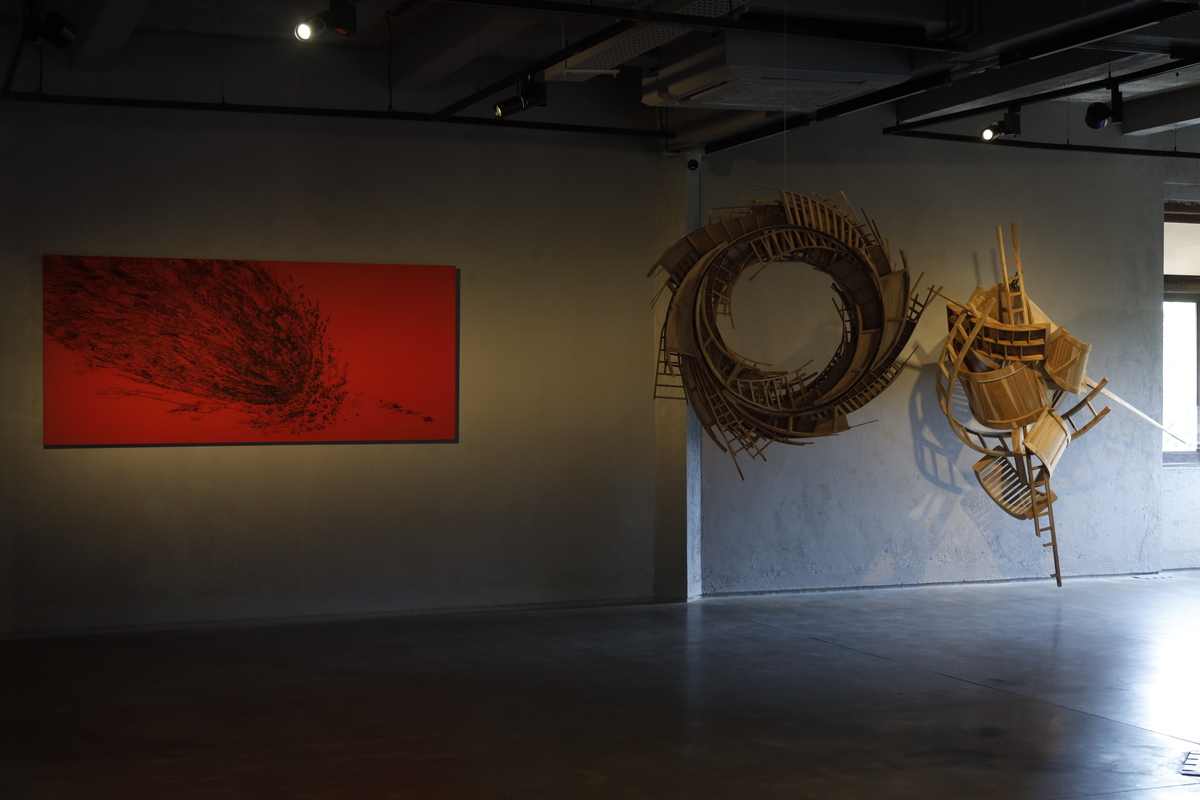
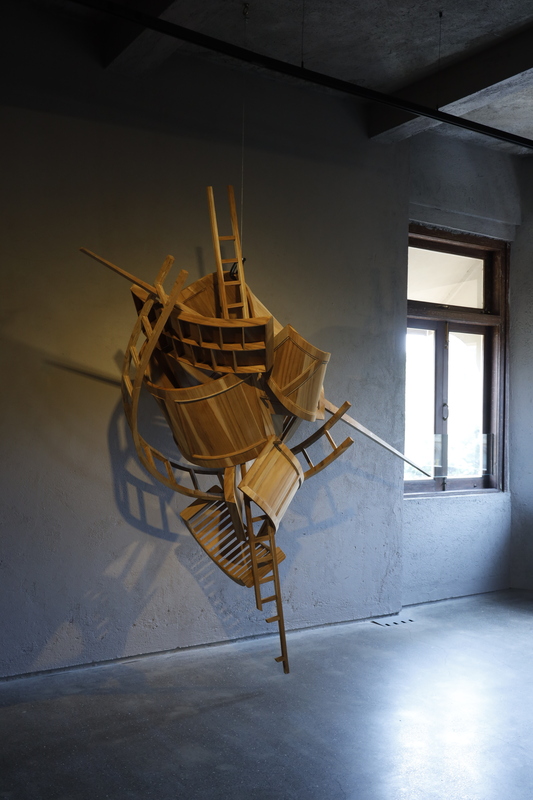
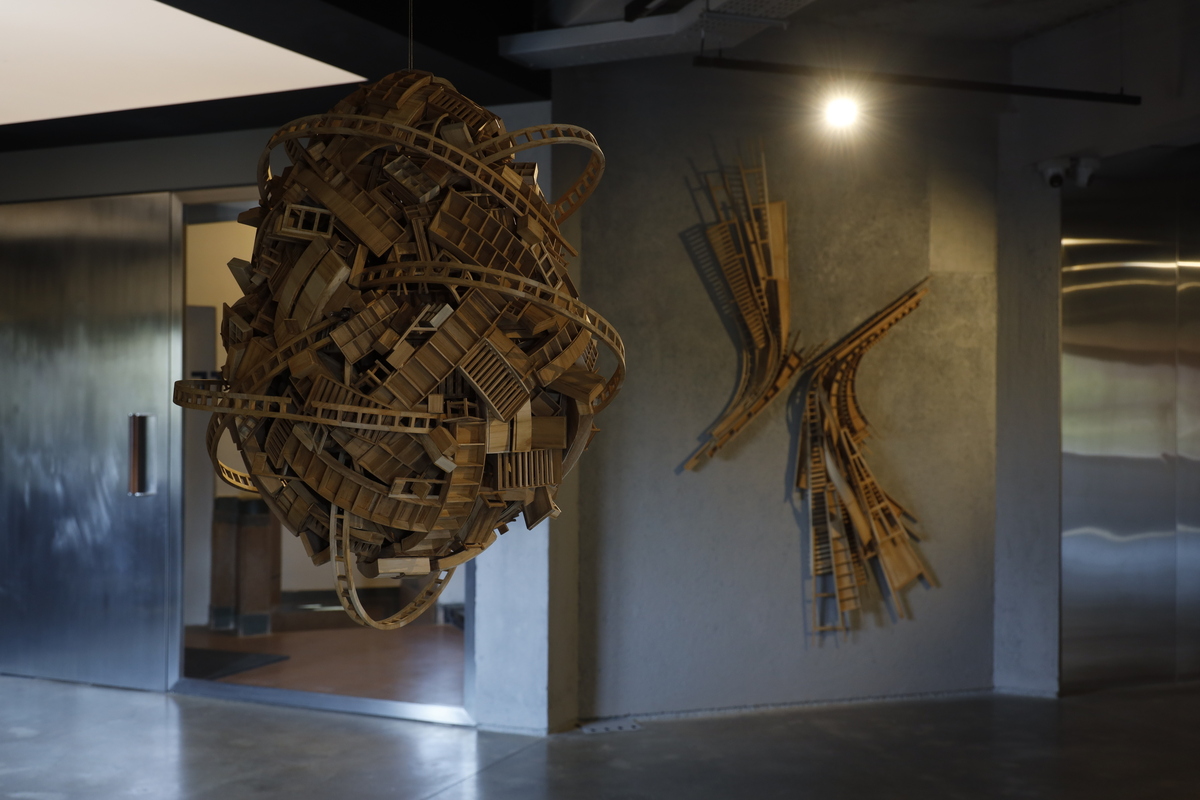
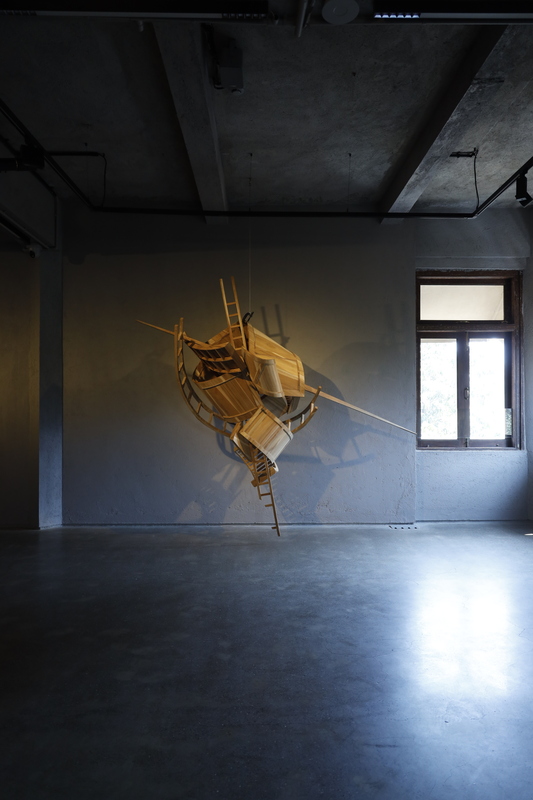
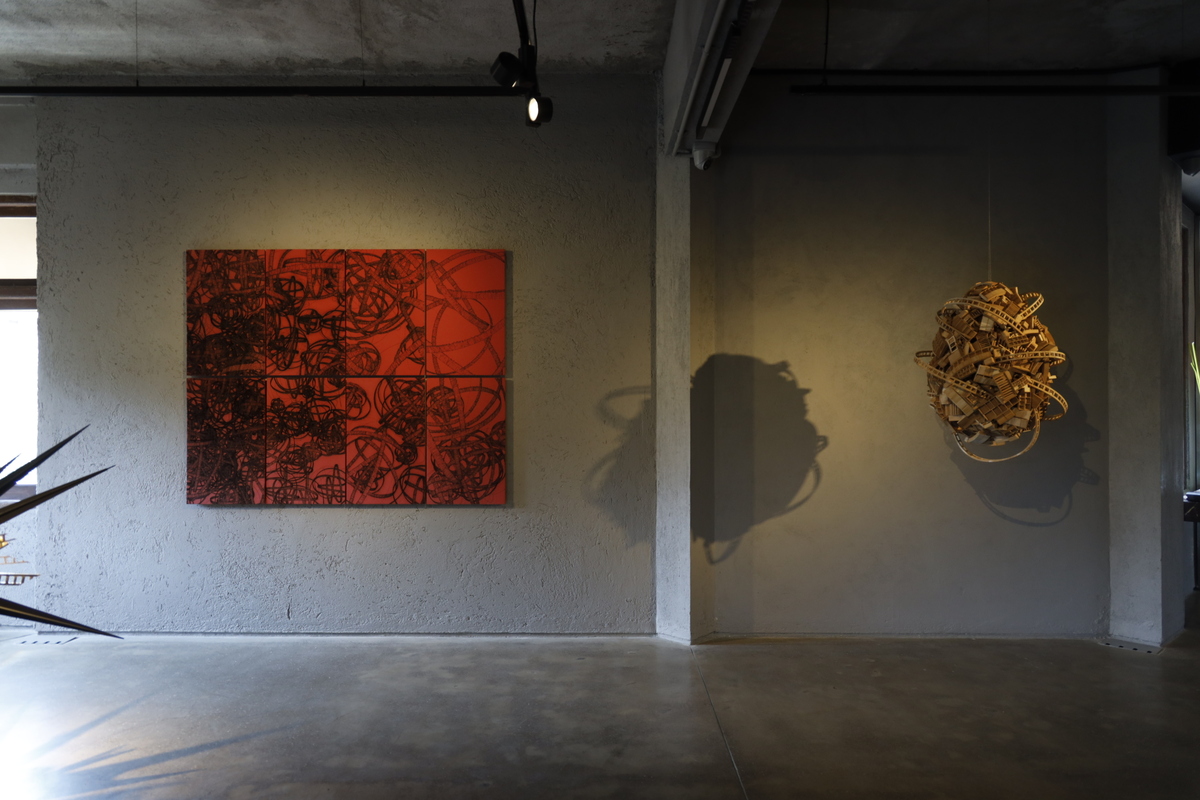
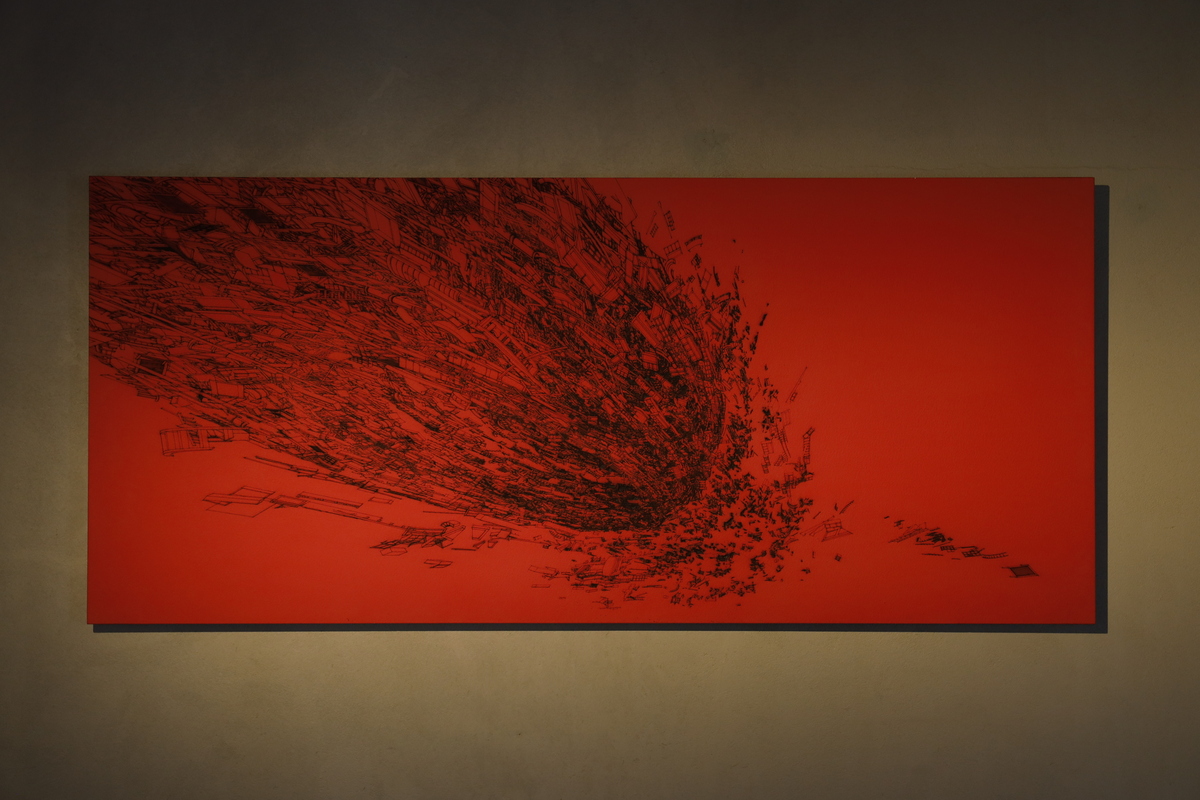
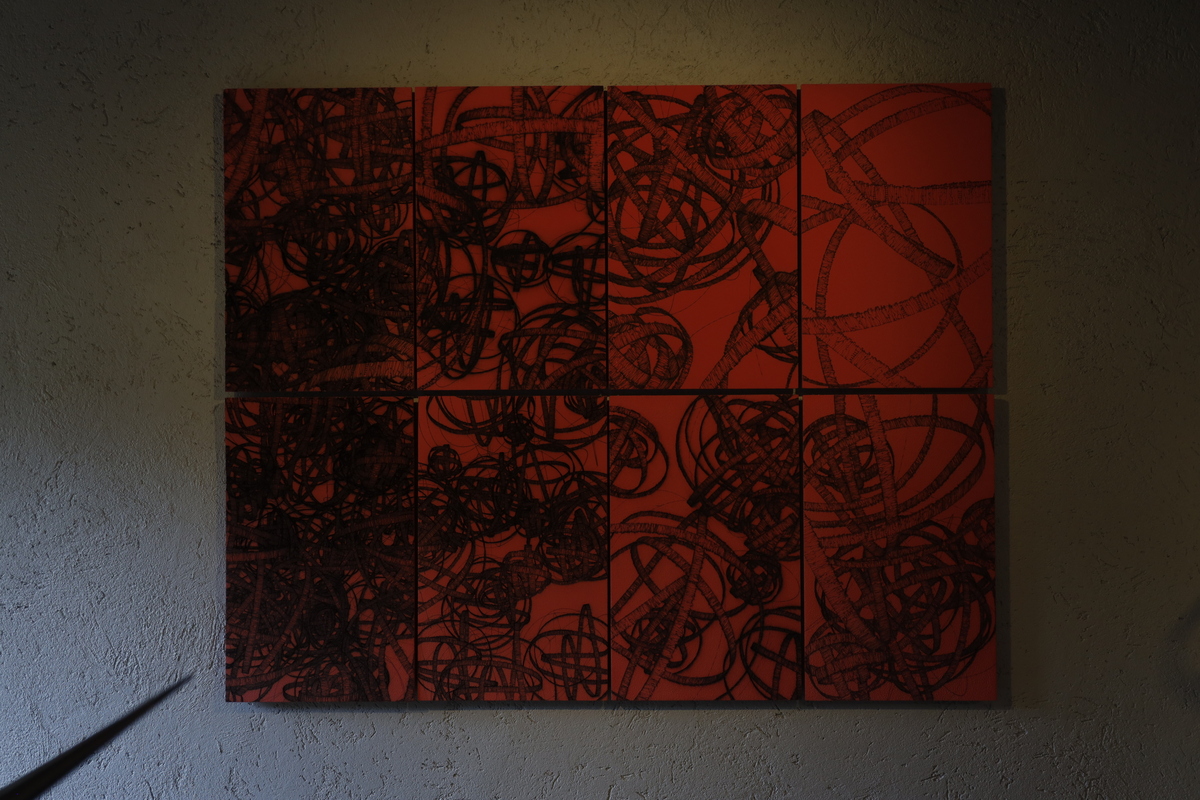
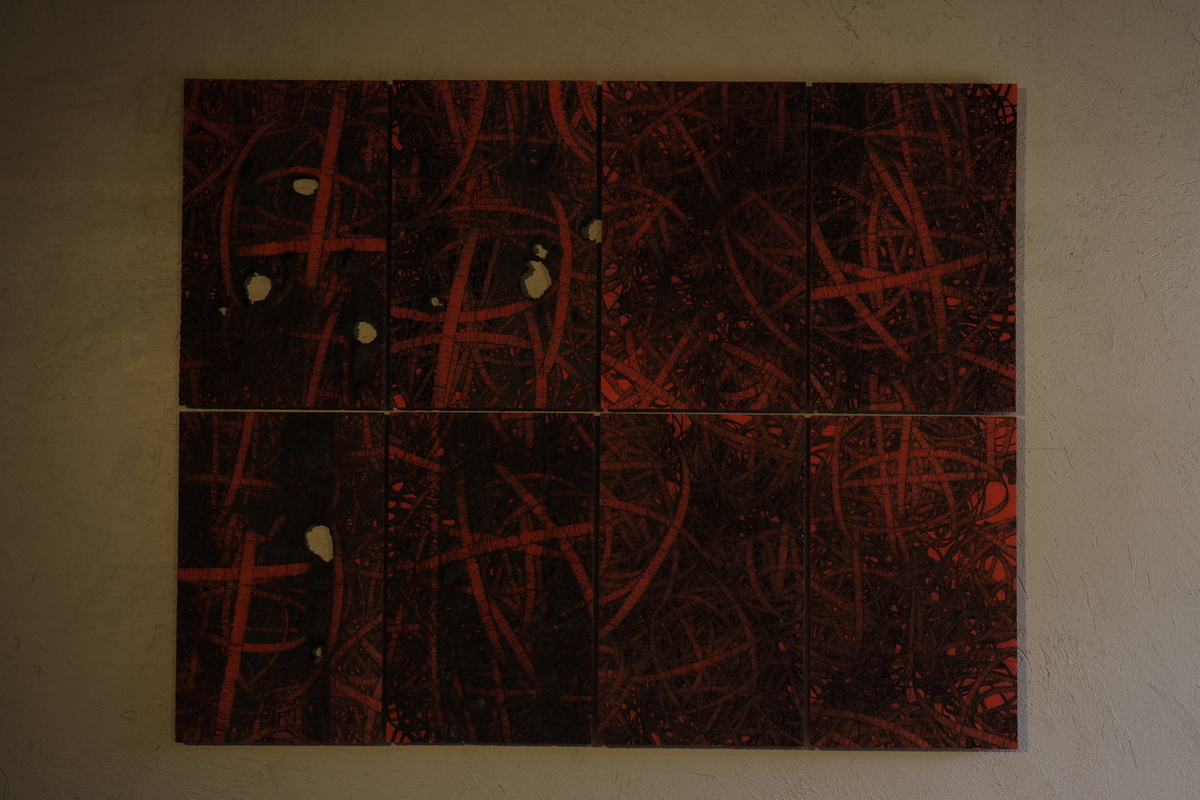
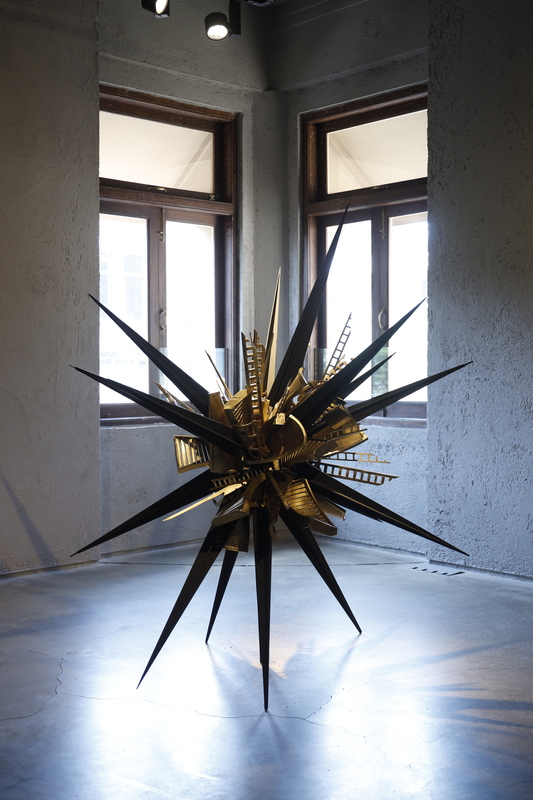
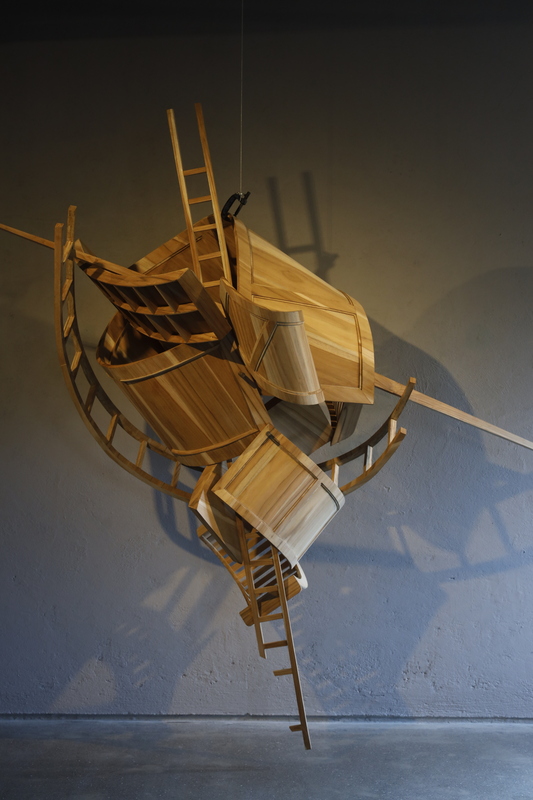
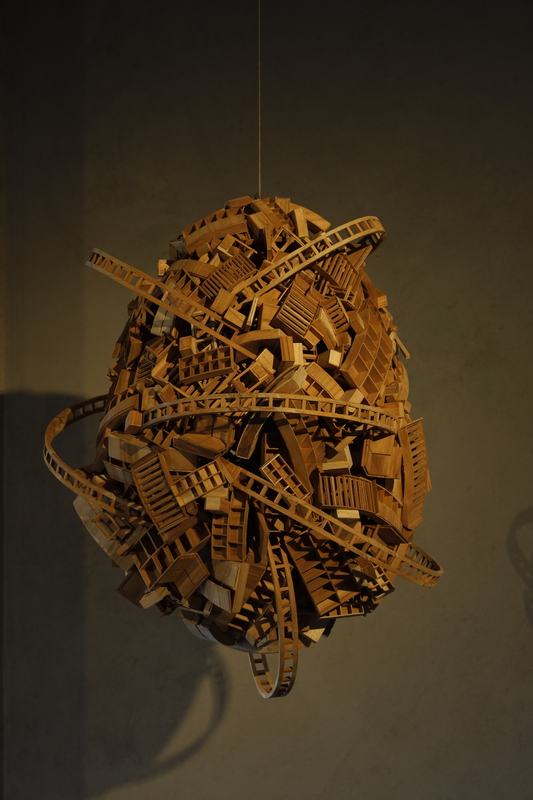
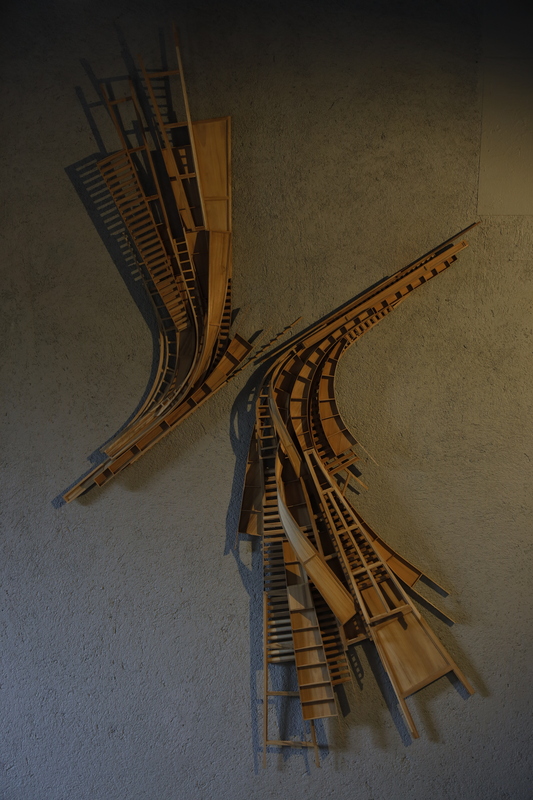
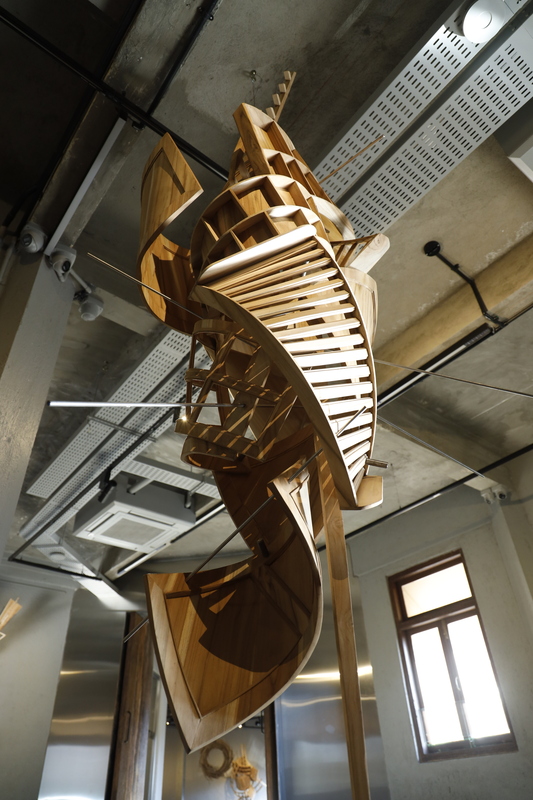
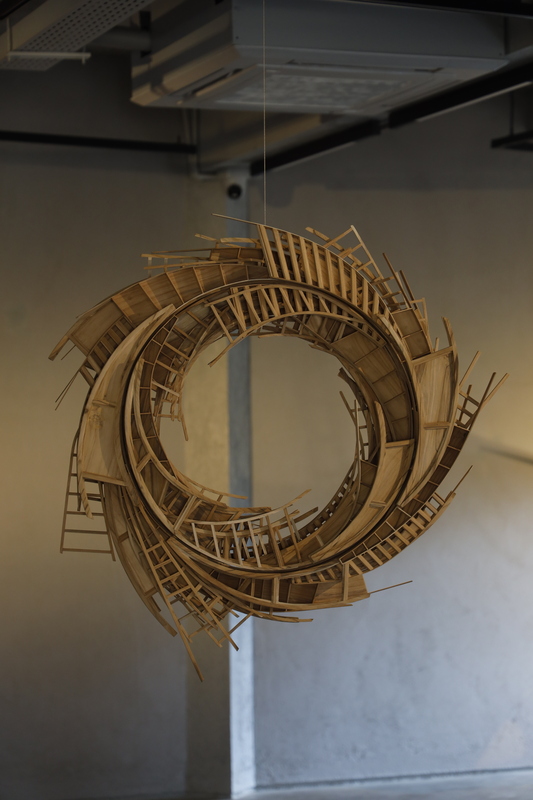
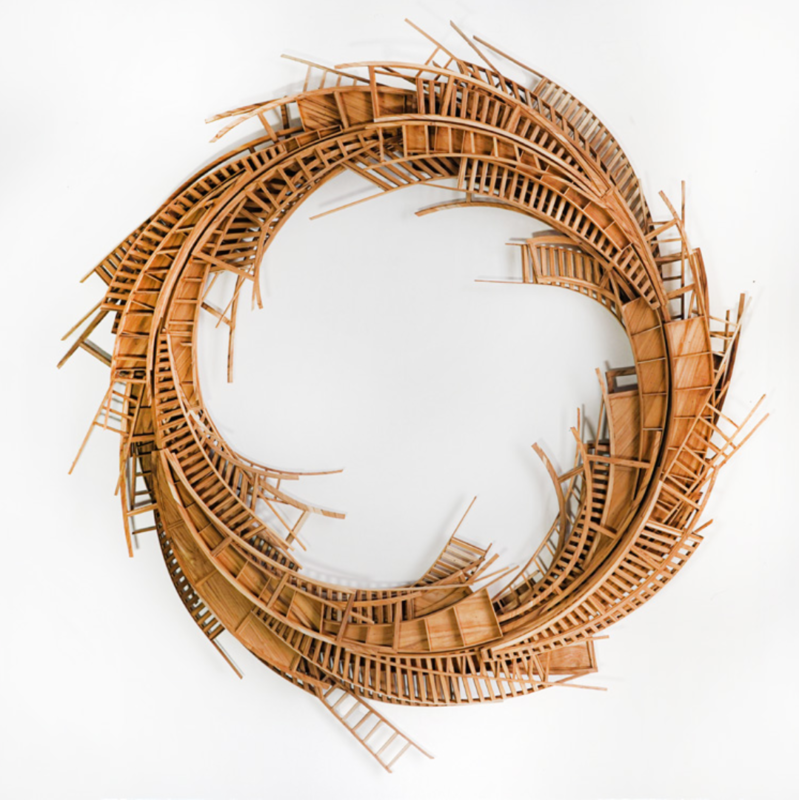
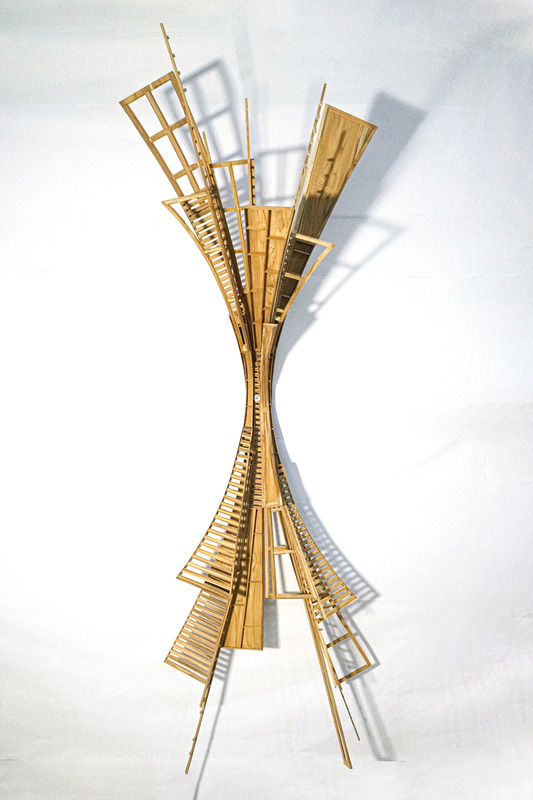
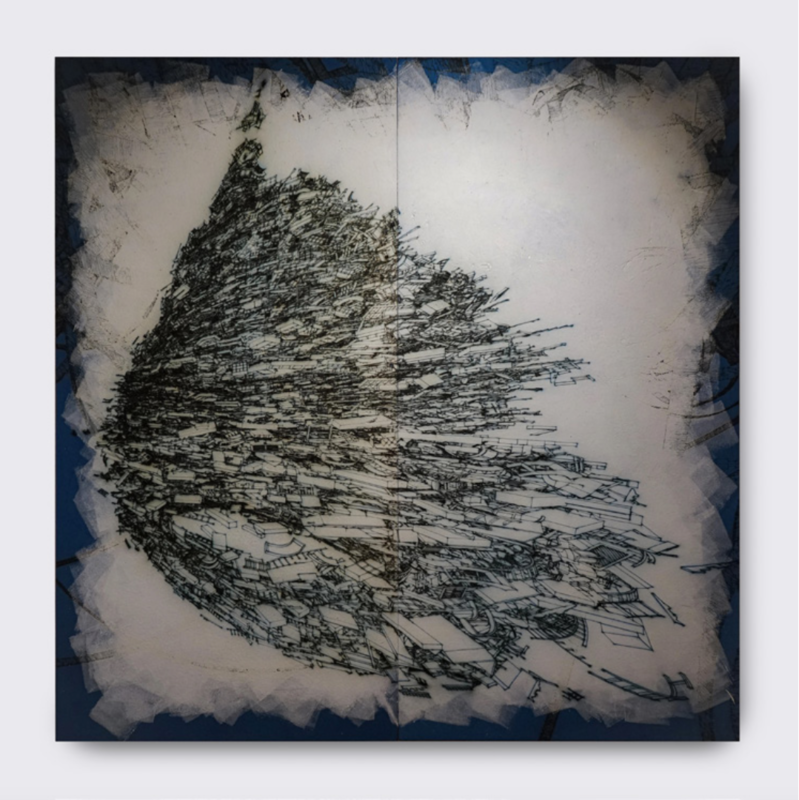
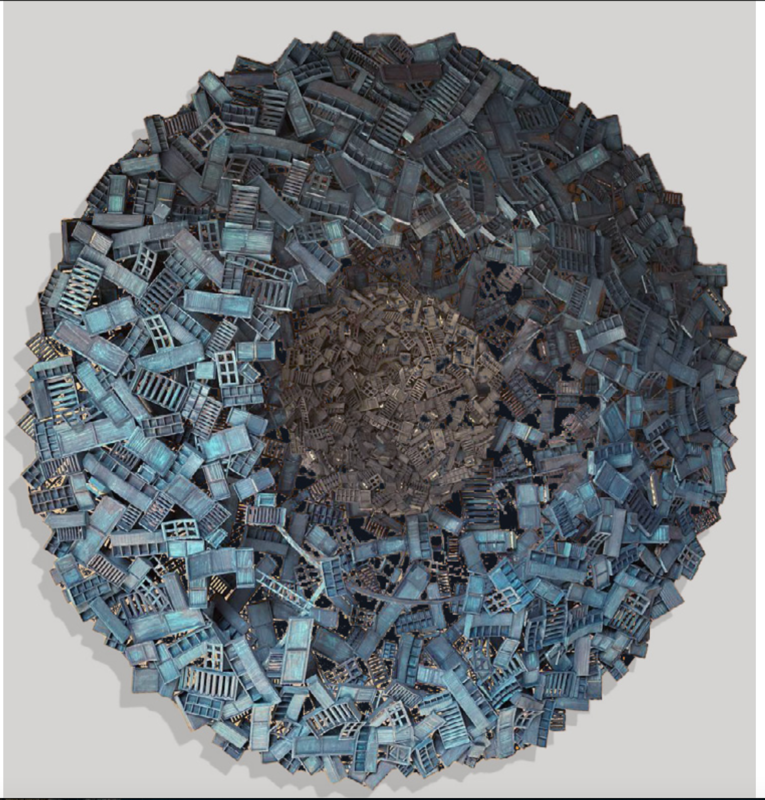
Nature Morte’s new exhibition showcases the innovative vision of Martand Khosla, an artist who seeks to redefine the ways in which spatial logics intersect with and complicate the experience of systems at multiple scales. Beginning in the 2010s, Khosla has pushed the limits of sculpture as a discrete public medium. He experiments with the ways in which one encounters his sculptures amidst rapidly changing parameters including the physical and visual. For the artist, materials, including wood and metal, are never what they seem, often speaking to broader trajectories through their bending, cutting, and even burning, processes which also speak to our own relations with each other. Form and material thus remain unfixed, boundless. While some of Khosla’s works are at once easily recognizable for their use of domestic elements, they also allude to and build upon complex transits in the world.
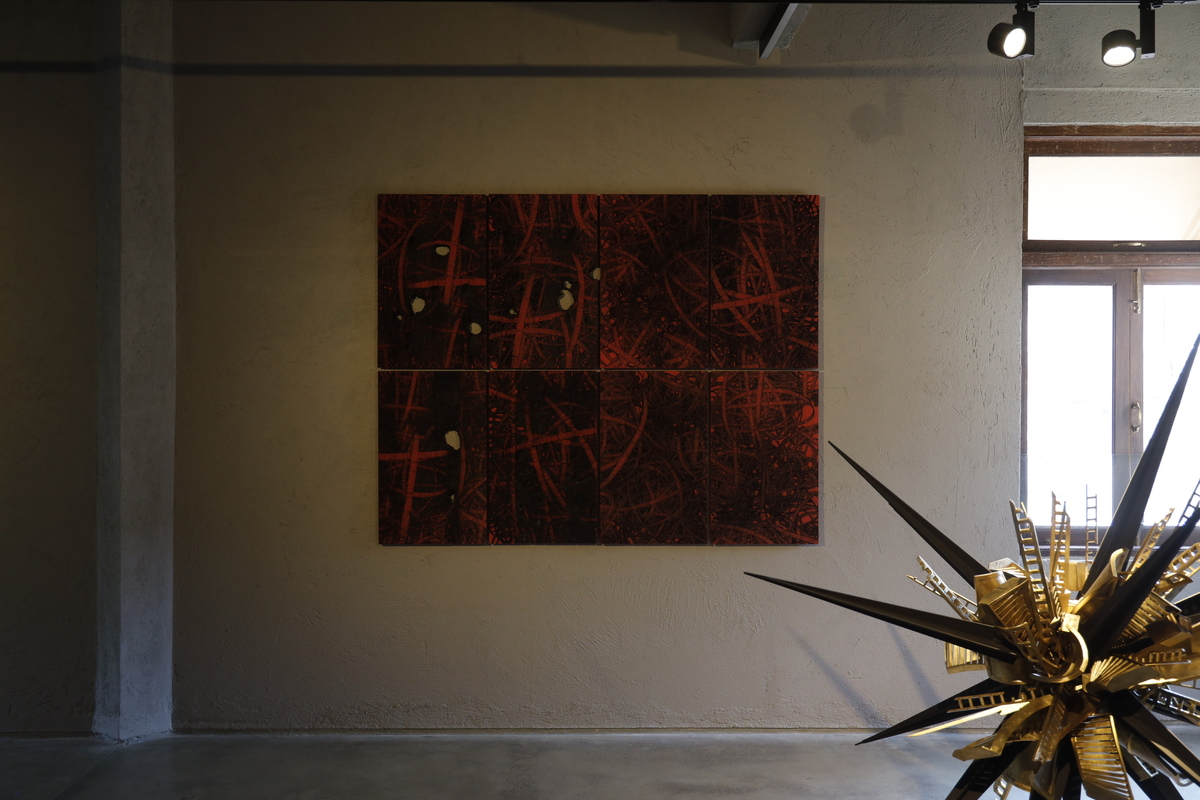
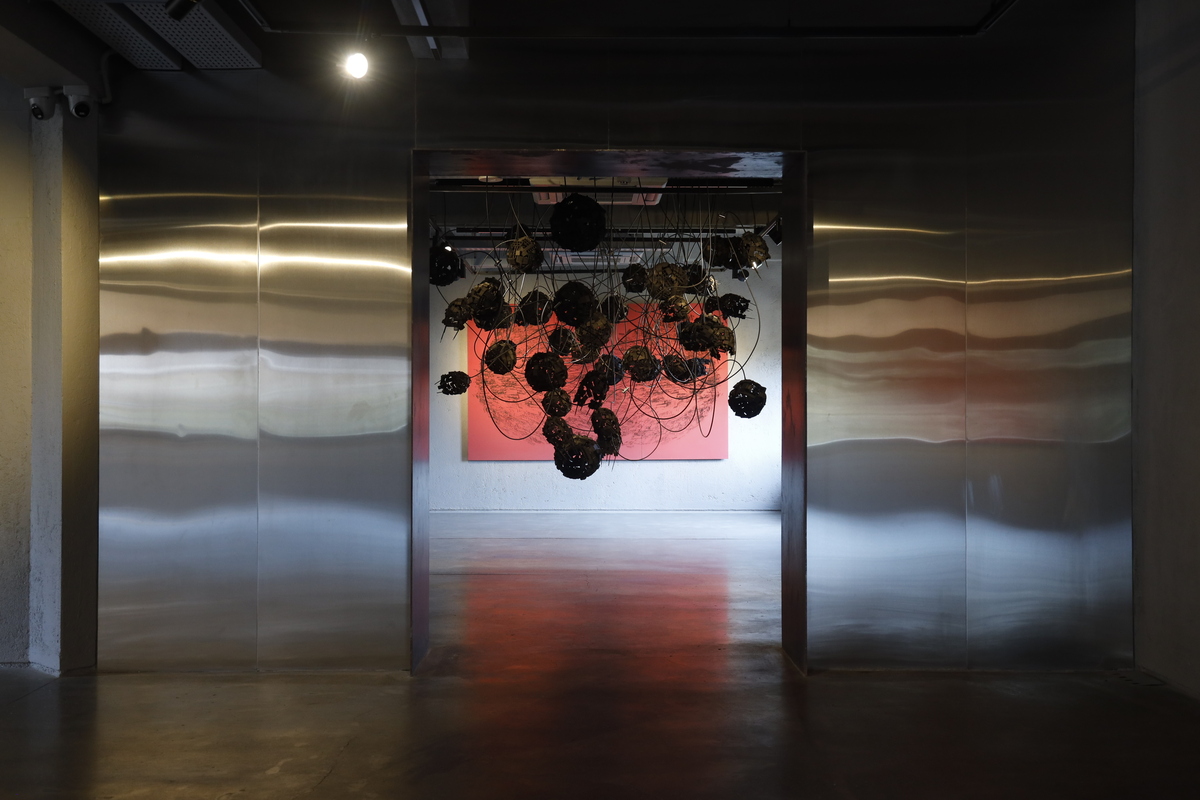
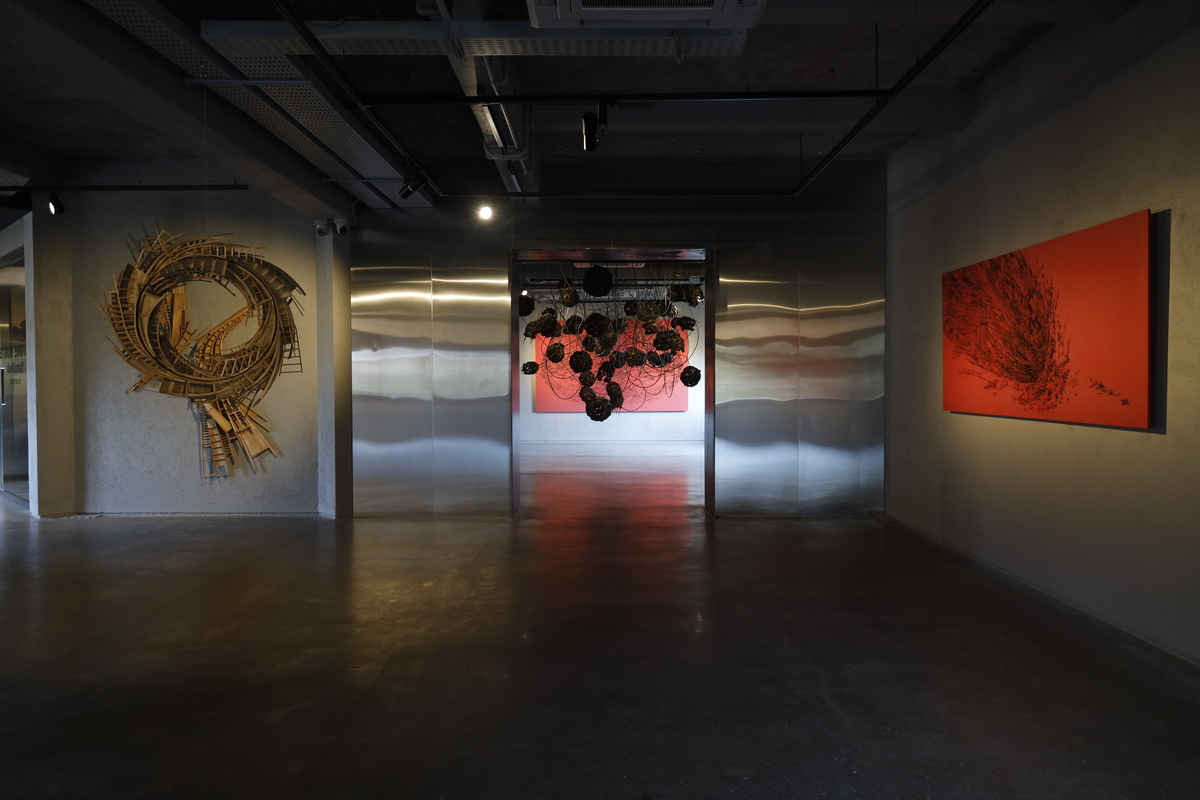
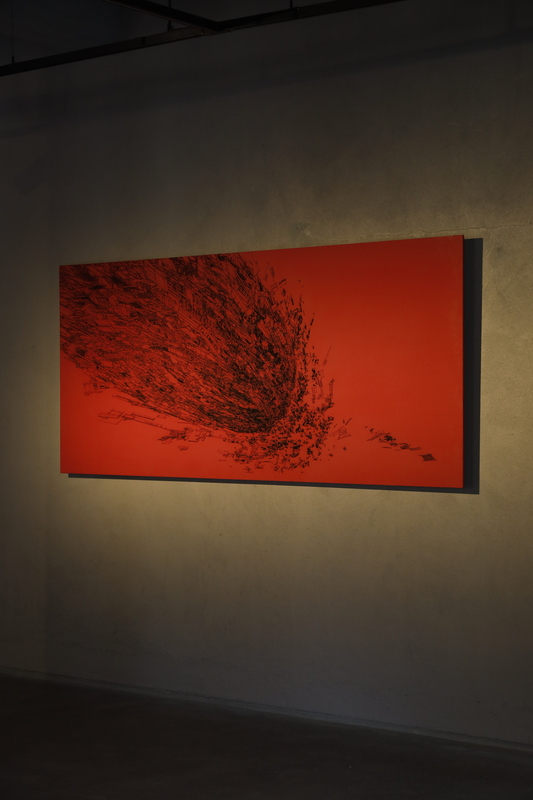
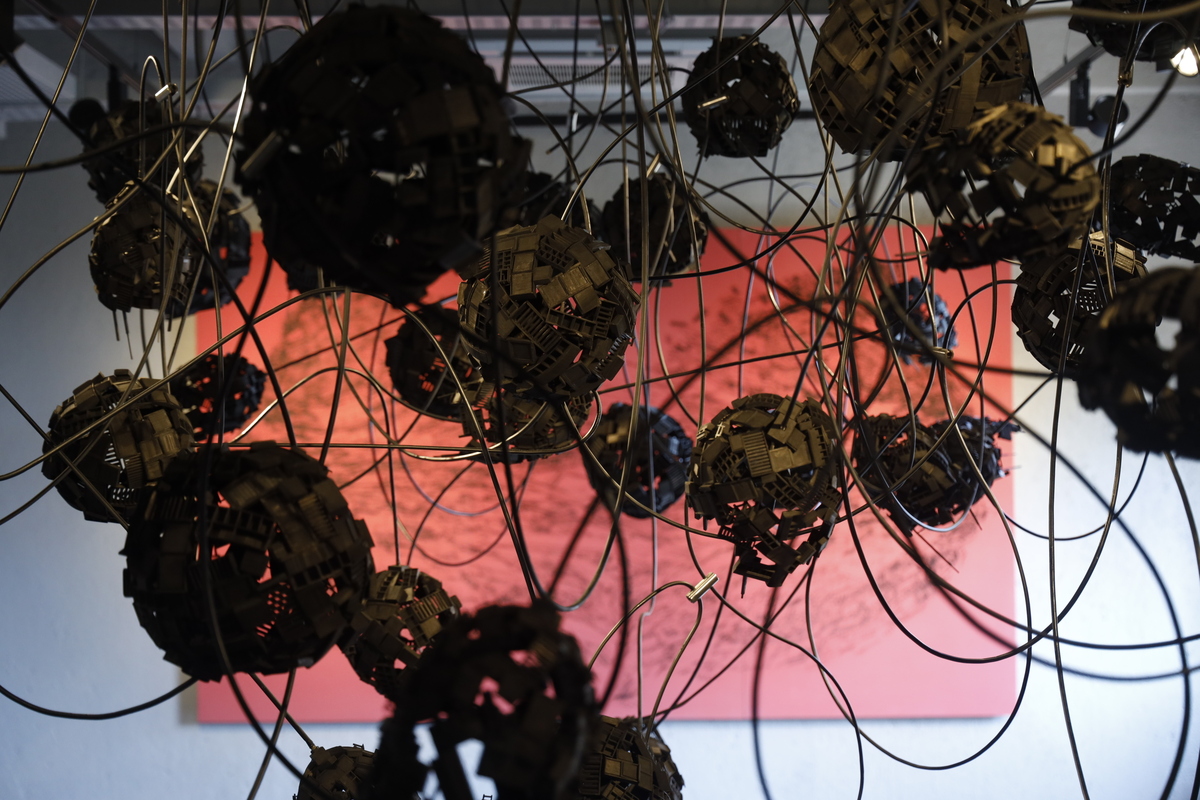
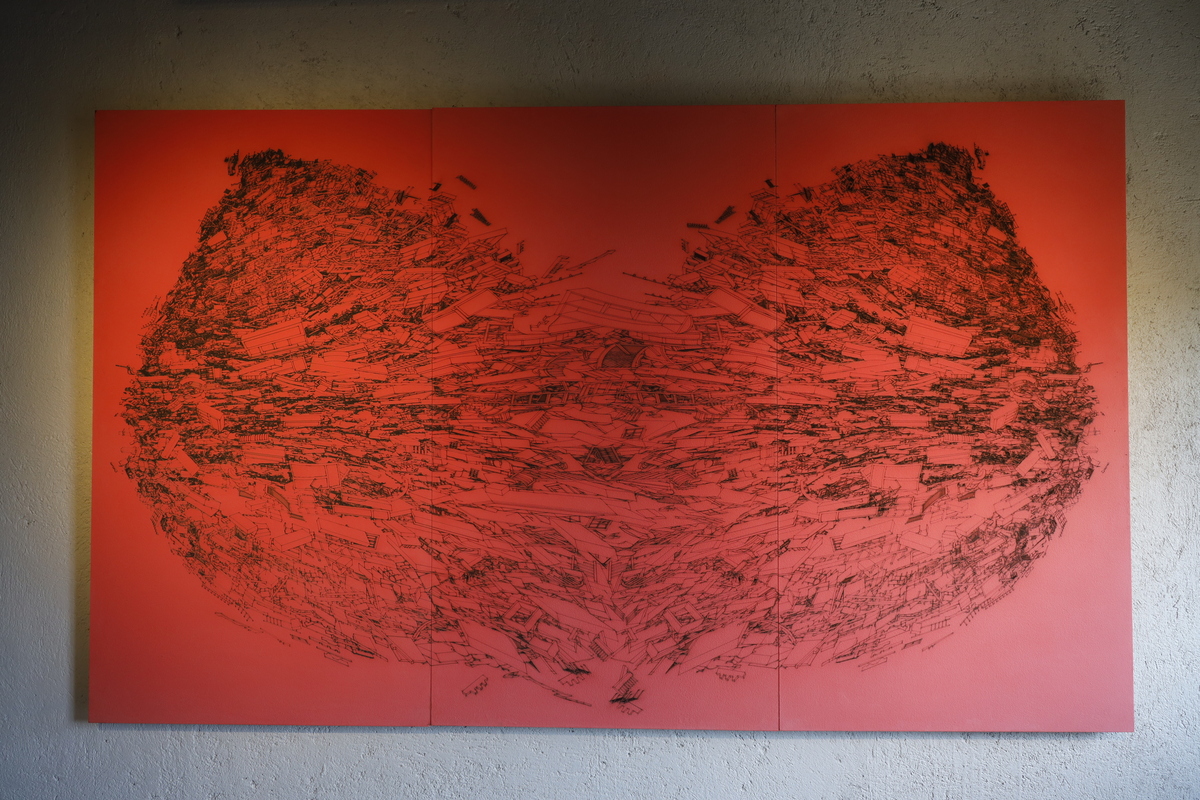
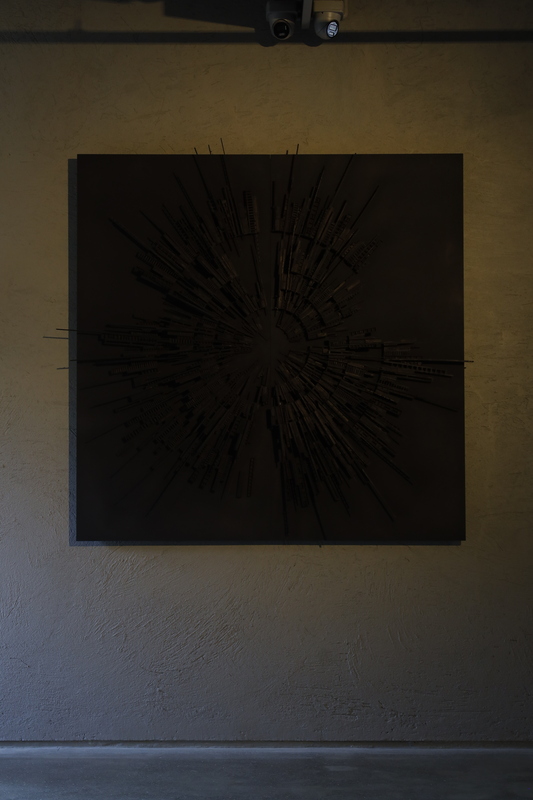
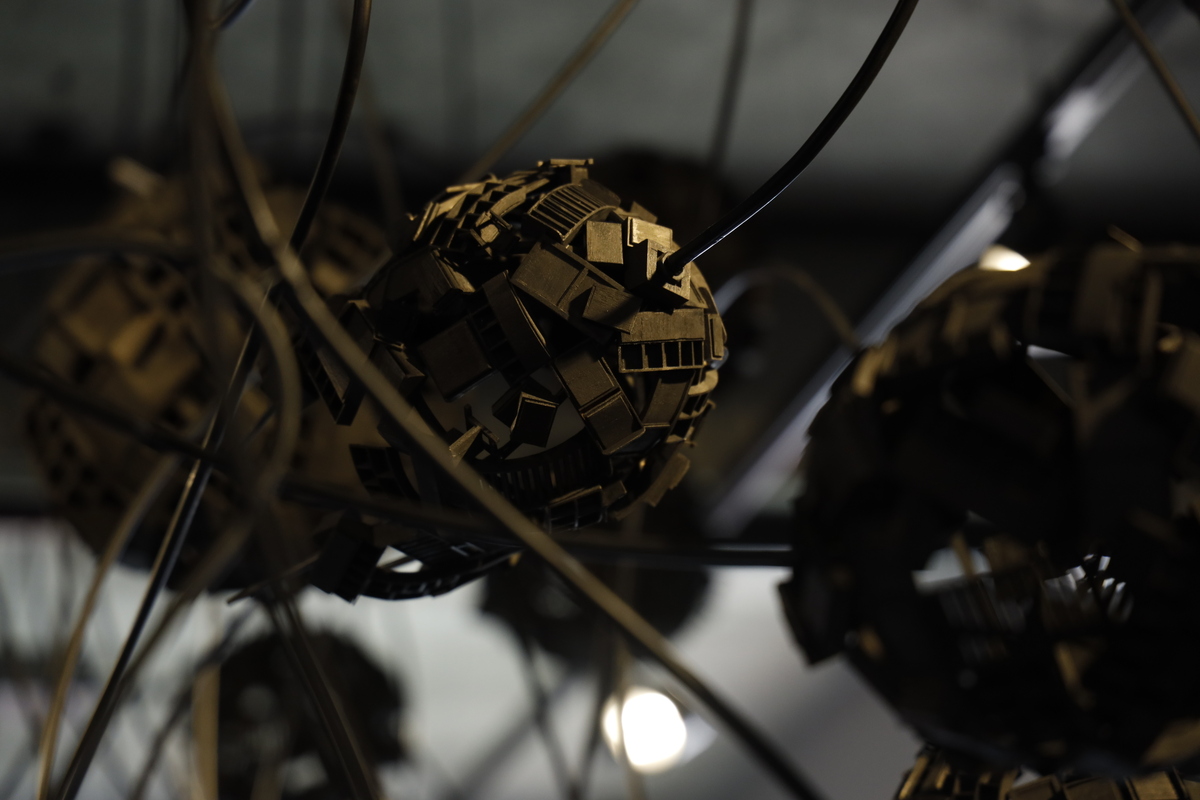
Khosla’s works in both sculpture and dimensional drawings challenge us to redefine how structures might be at once gravity-bound and simultaneously liberated from it. In this exhibition, Khosla has moved away from centering ideas within larger urban systems to reposition how such impacts affect understandings of the human and (social) bodies. Here they are at once suggestive of molecular even atomic resonances, found inside and out. The works that comprise this exhibition invoke new spaces, speeds, and materialities through which one can observe potential scenes of emergence. Removed from the walls, many of the works are to be visualized from multiple vantage points. Khosla’s sculptures suggest patterns and flows that are common across time and geographies. Even when composed of “standardized” objects such as a door, window, or chair, the works in this exhibition speak to representation, to fulfilment, rather than symbolism alone. Khosla’s unparalleled craft and precise attention to detail is always unfolding, or in the case of this exhibition, exploding across time and space.
For Martand Khosla, sculpture lies not in the assembly of materials alone, or even direct derivations of meaning through the visible, but in conceptualizing spaces within which materiality is conceived and projected into worlds that we may occupy, even if briefly. Khosla envisions and constructs accessible forms that, when assembled, make visible in their momentary coalescing, inescapable flows, and energies of which we are all part.
Martand Khosla lives and works in New Delhi, India. His art practice explores urban continuity and transformation, as both complement and counter to his experience building in contemporary India. Martand initially pursued art to explore how construction-fueled employment shapes identities and nostalgia. Situated as both participant and observer, he employed tools of the State, such as the ubiquitous rubber stamp, to render its imprint on lives within traditional definitions of power and dispossession. Brick dust collected from his construction sites became a language of tension, allowing the material to pay tribute to both the temporary and permanent, to construction and demolition.
Khosla has had solo exhibitions at Nature Morte, New Delhi (2019, 2016); Seven Art Gallery, New Delhi (2012) and Jawaharlal Nehru University, New Delhi (2012). His work was also a part of State of Architecture, curated by Rahul Mehrotra, Kaiwan Mehta, Ranjit Hoskote at the National Gallery of Modern Art, Mumbai (2016). Khosla has shown works in several group exhibitions such as 10 Chairs, Gallery Espace, New Delhi (2019); 50 Years After 50 Years of the Bauhaus 1968, Württembergischer Kunstverein, Stuttgart (2018); This Night Bitten Dawn, presented by Devi Art Foundation, New Delhi and Gujral Foundation, New Delhi (2016); In Other Rooms, GALLERYSKE, Bangalore (2015) and Food, SESC, Sao Paulo (2014) amongst others. His works have been acquired by museums and institutions like Stifung Kuntsdepot, Göschenen, Switzerland; Clarinda Carnegie Art Museum, Iowa, USA; Kiran Nadar Museum of Art, New Delhi; Devi Art Foundation, New Delhi; Gujral Foundation, New Delhi; Morgan Stanley and RMZ Foundation.
Artworks
Installation Views