

Bikaner House
Jitish Kallat
Conjectures On A Paper Sky
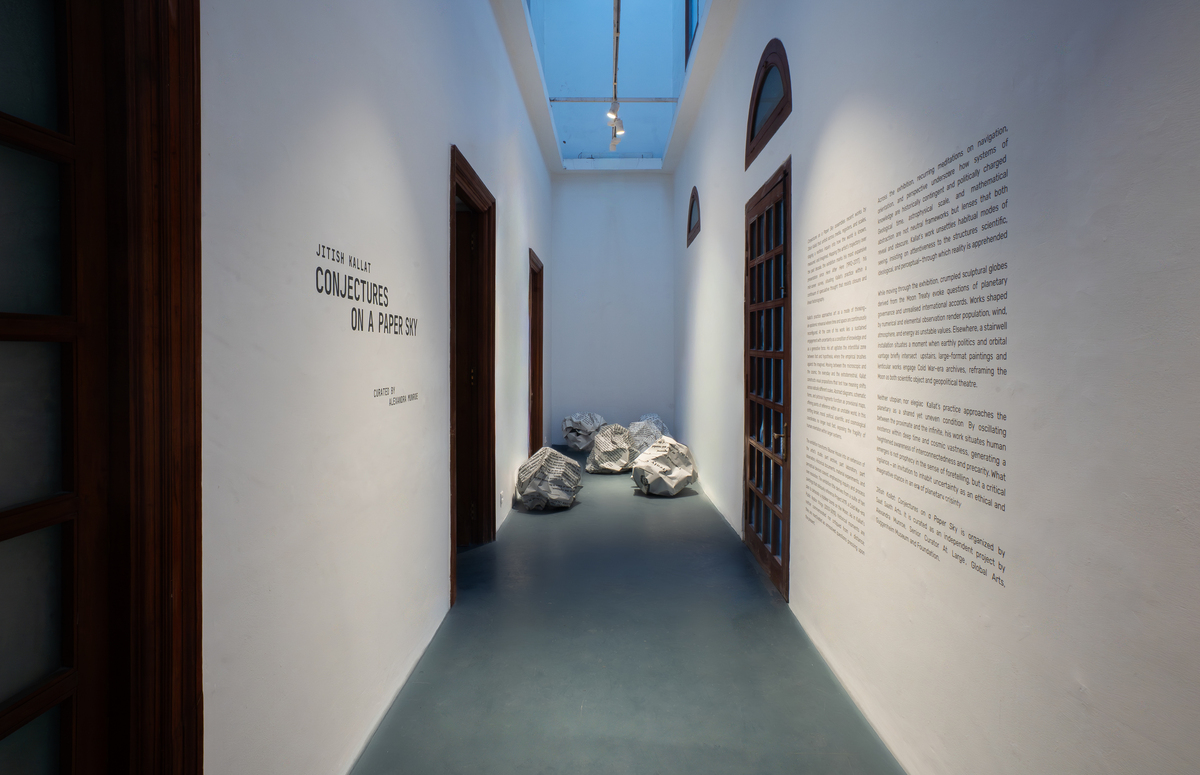
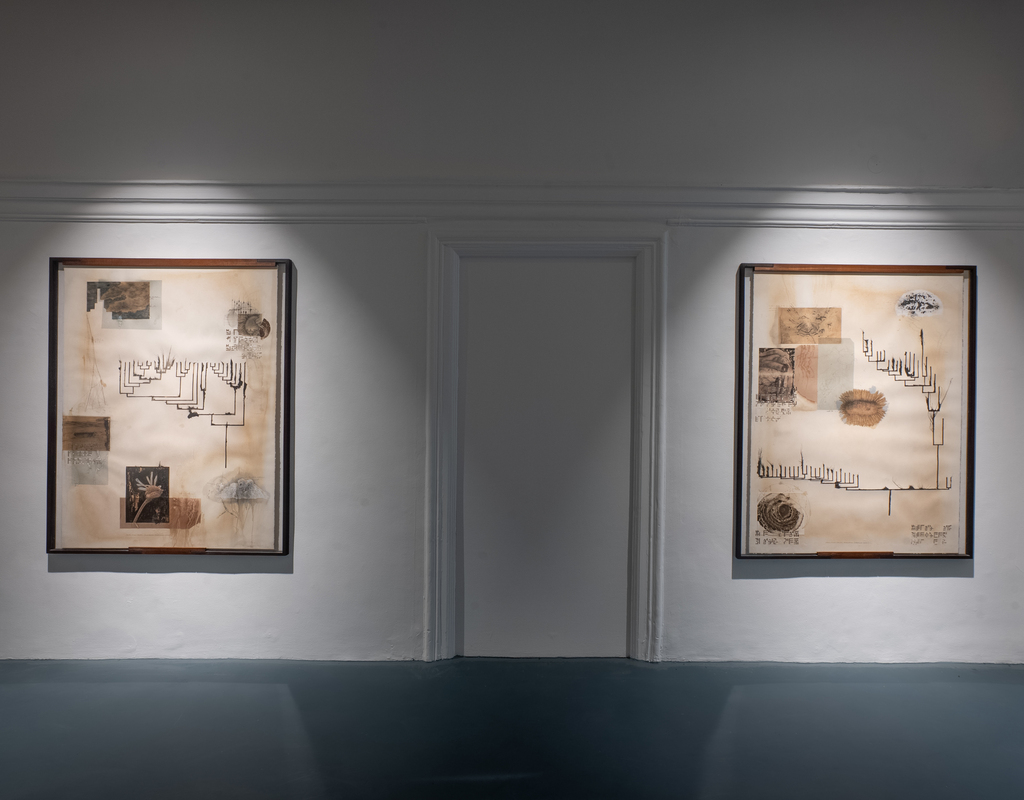
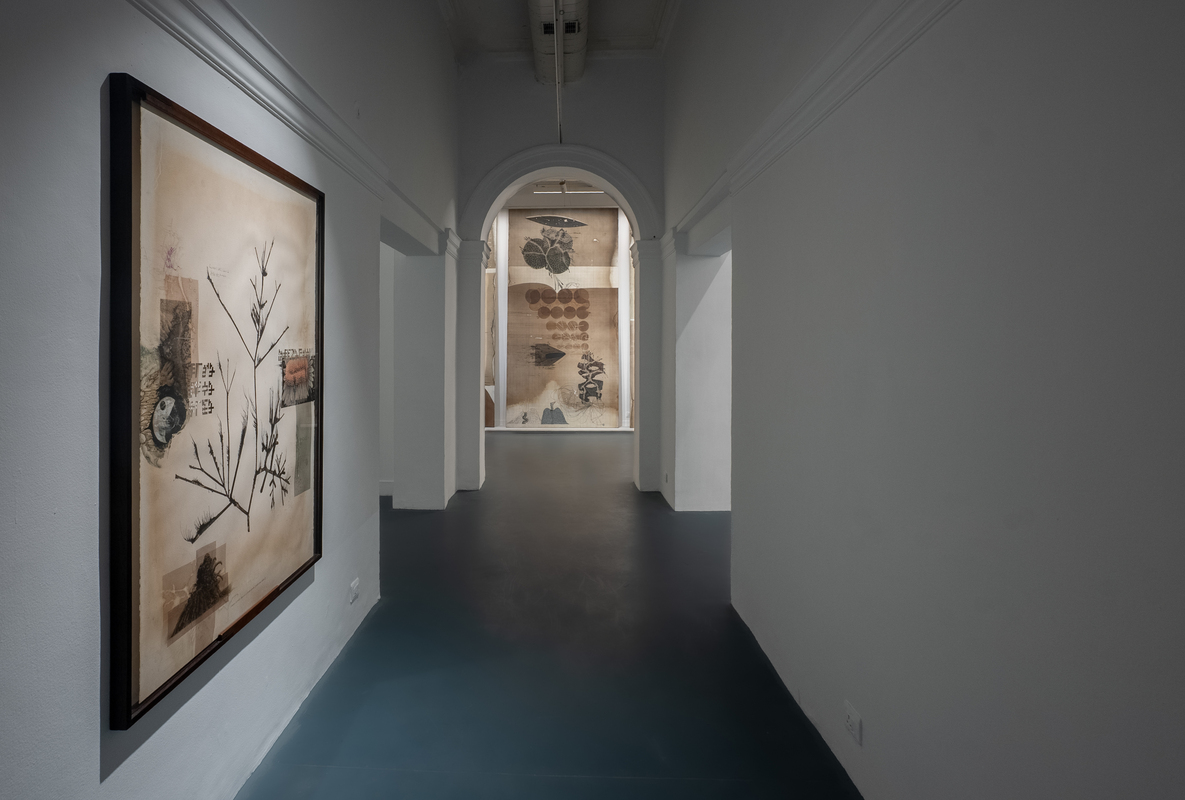
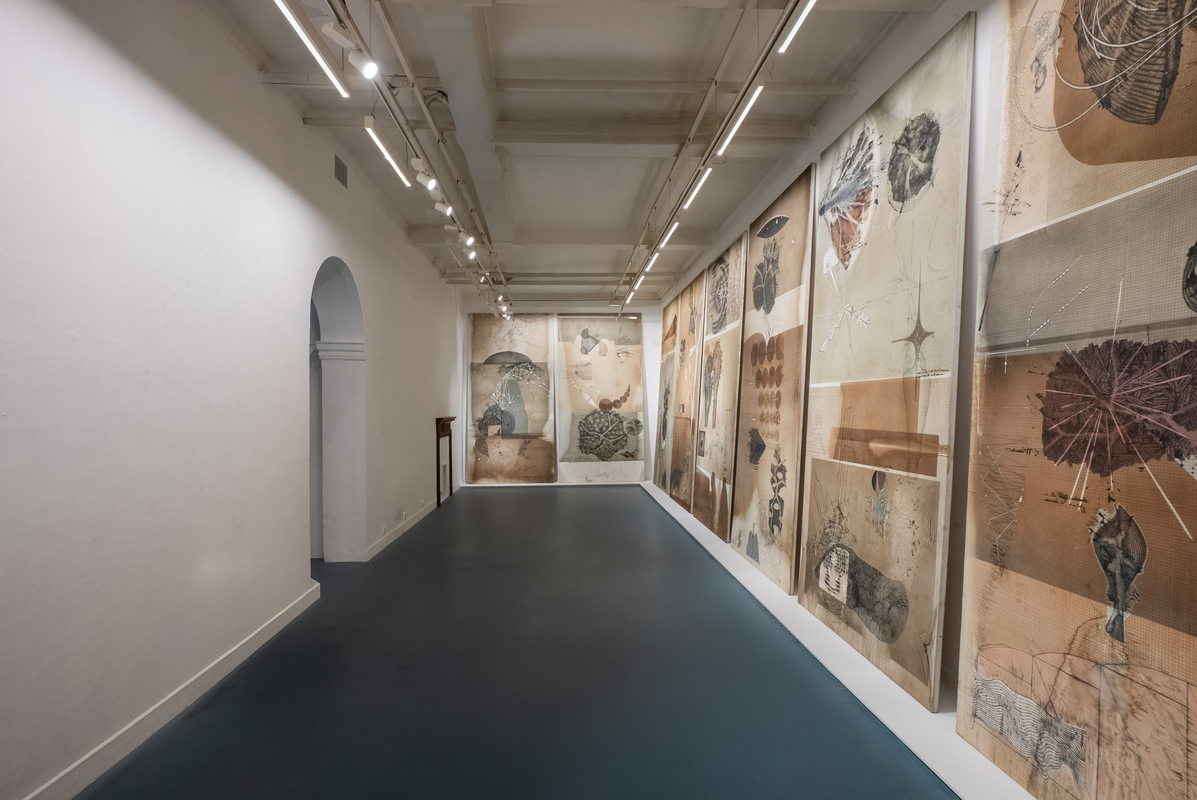
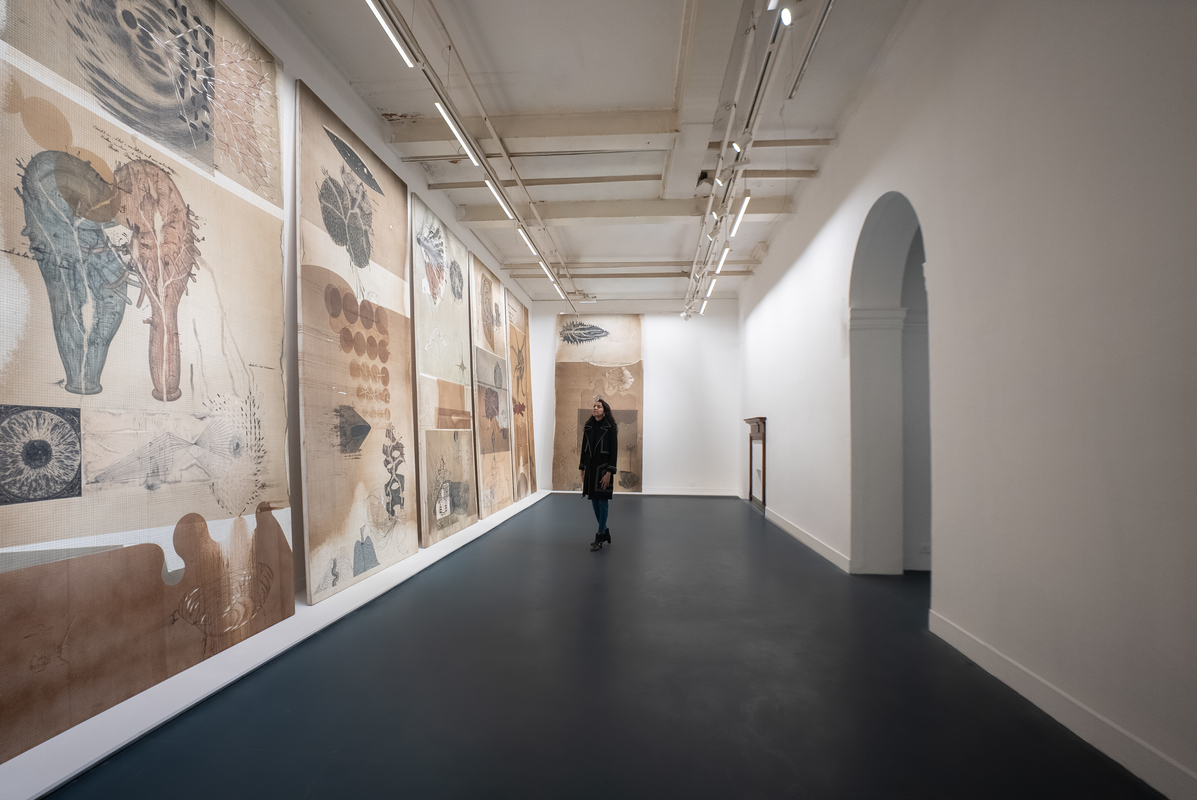
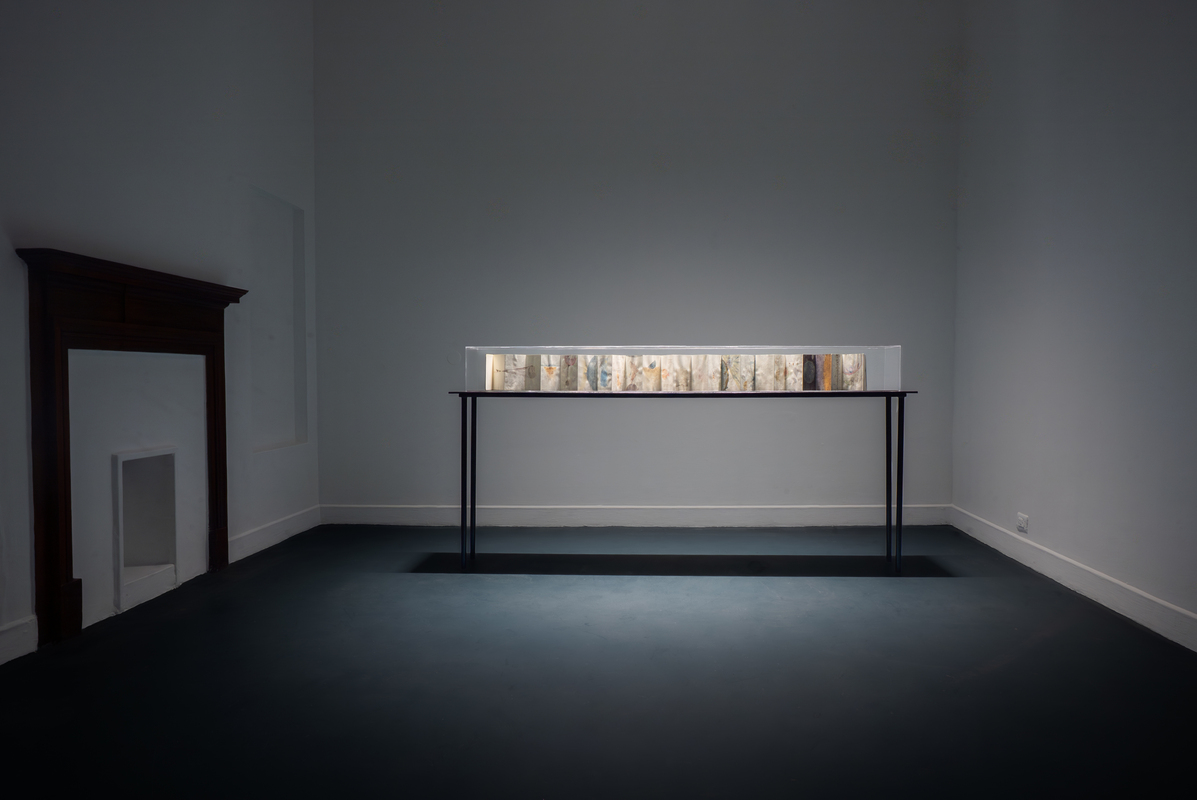
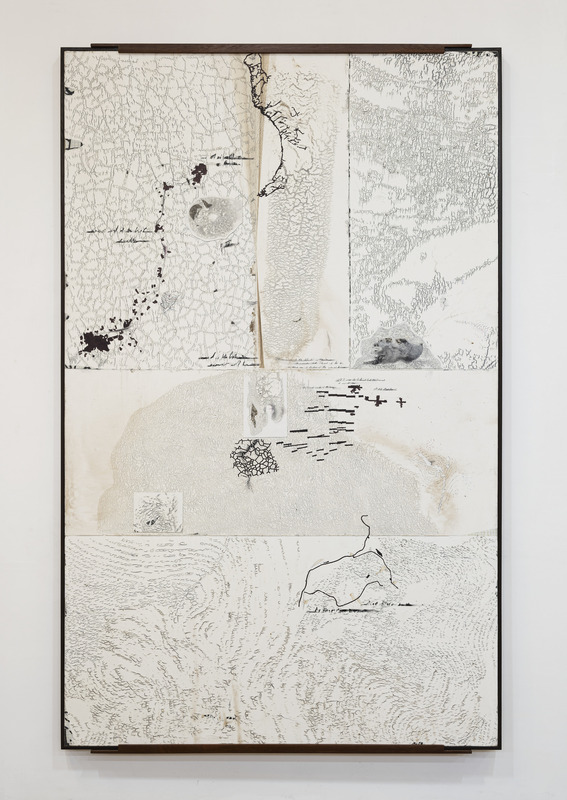
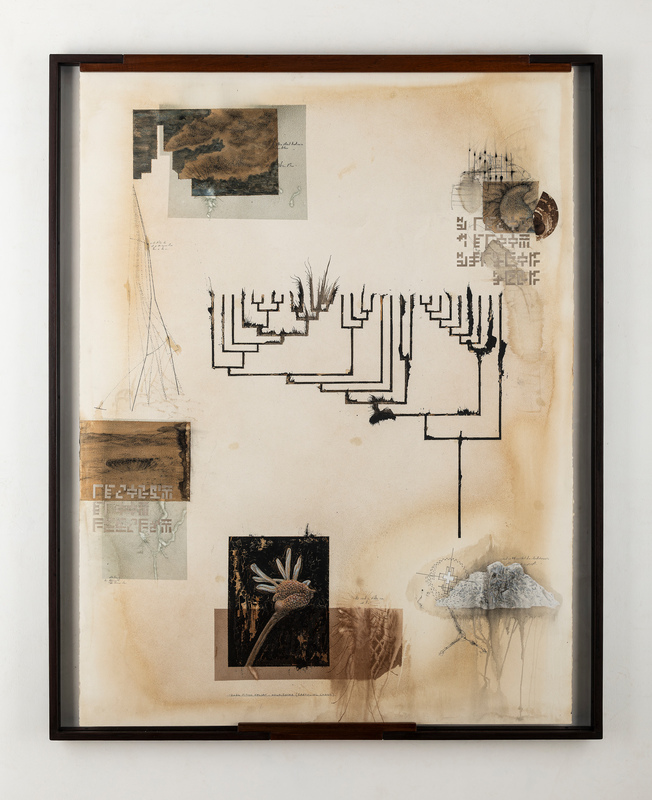
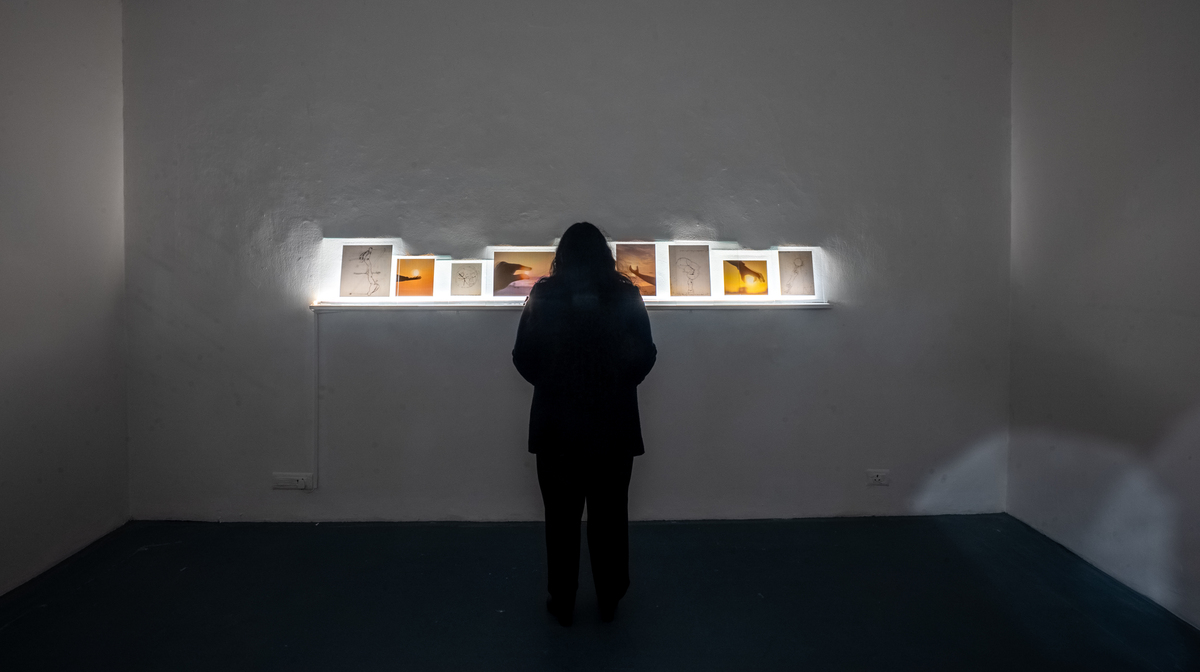
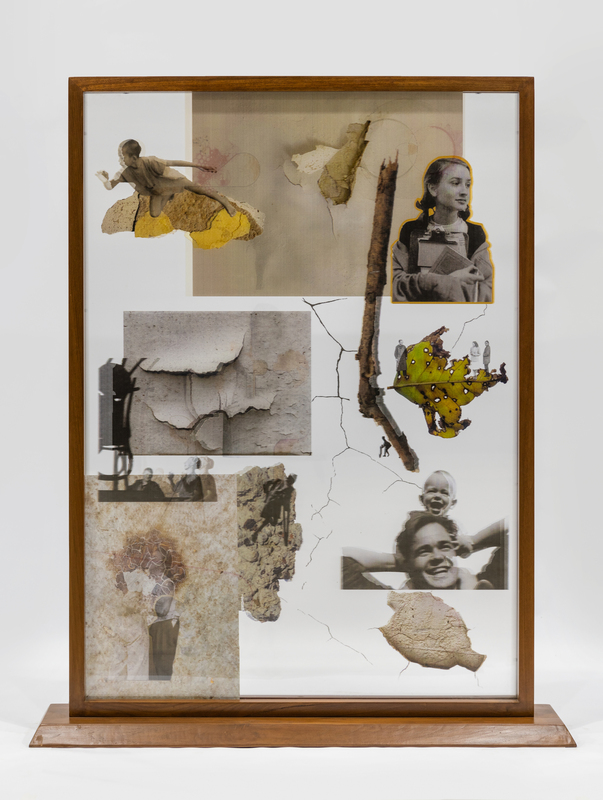
Saat Saath Arts presents a major solo exhibition of work by Mumbai-based artist Jitish Kallat, Conjectures on a Paper Sky. Bringing together recent projects across media, the exhibition traces Kallat’s trajectory over the last decade and marks his most comprehensive presentation since his mid-career survey Here After Here (1992–2017) at the National Gallery of Modern Art, Delhi, in 2018. The exhibition is curated as an independent project by Alexandra Munroe, Senior Curator at Large, Global Arts, Solomon R. Guggenheim Museum and Foundation.
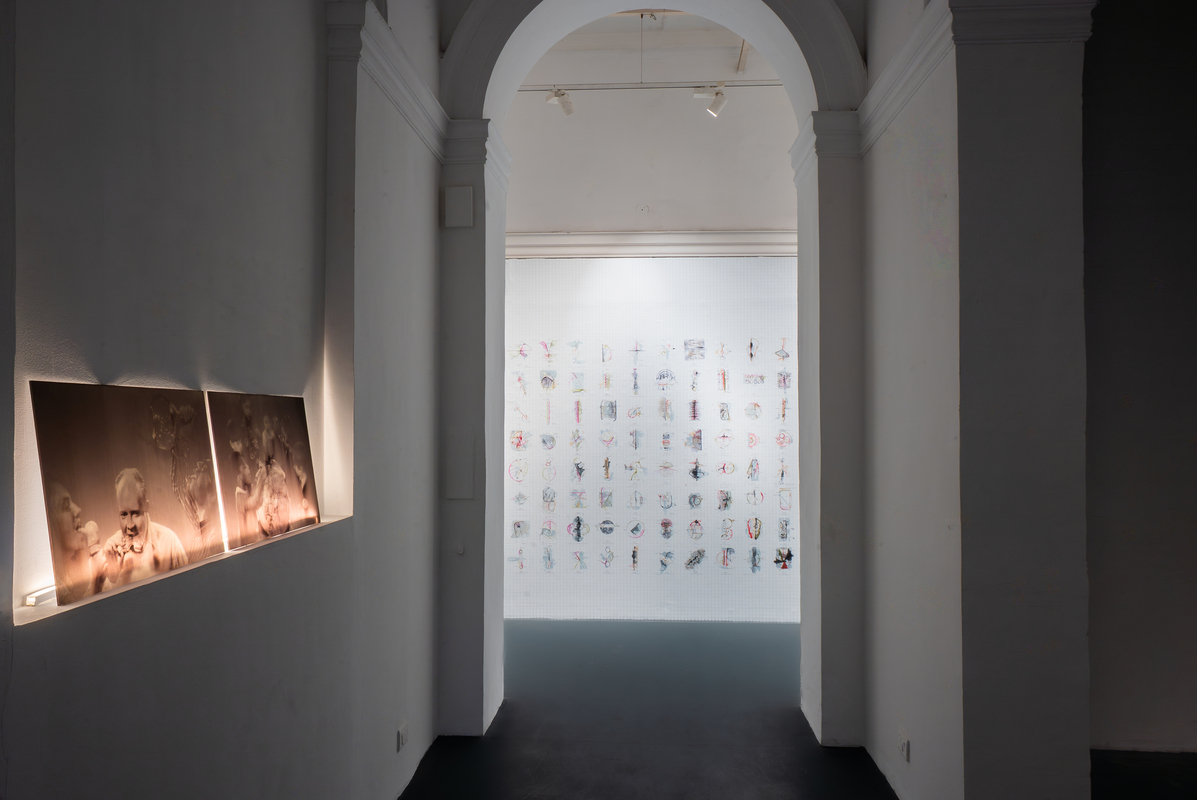
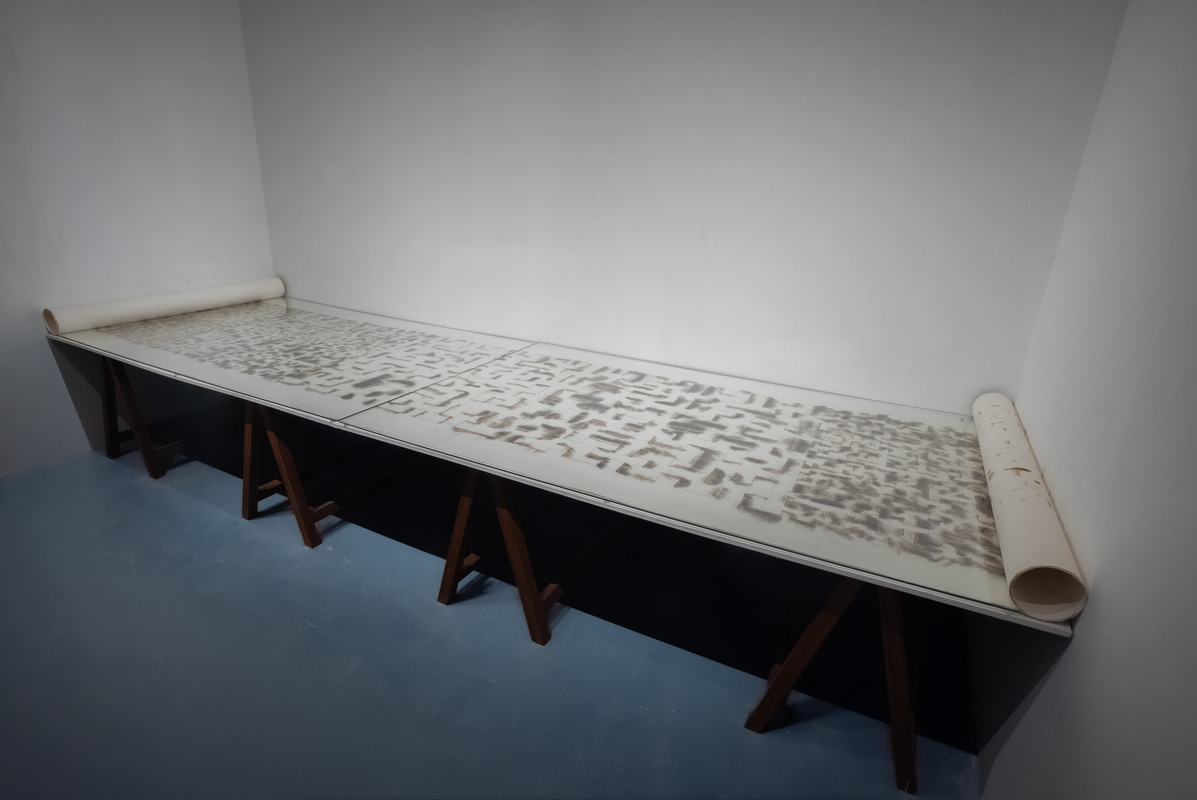
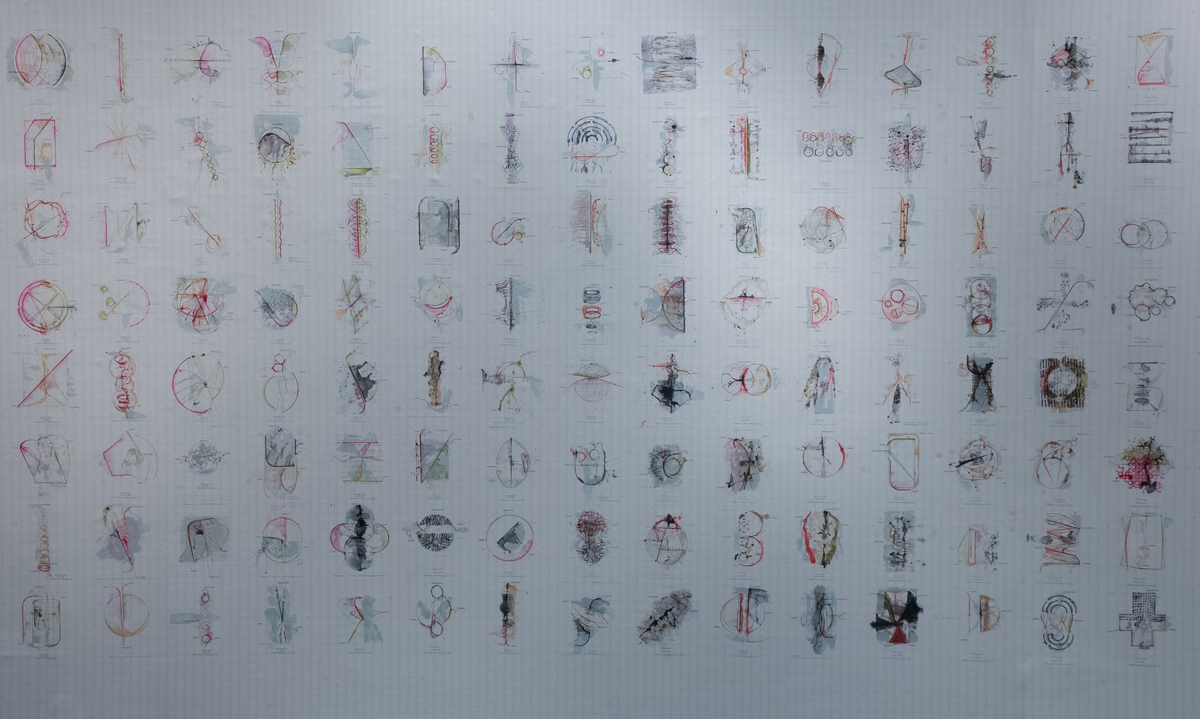
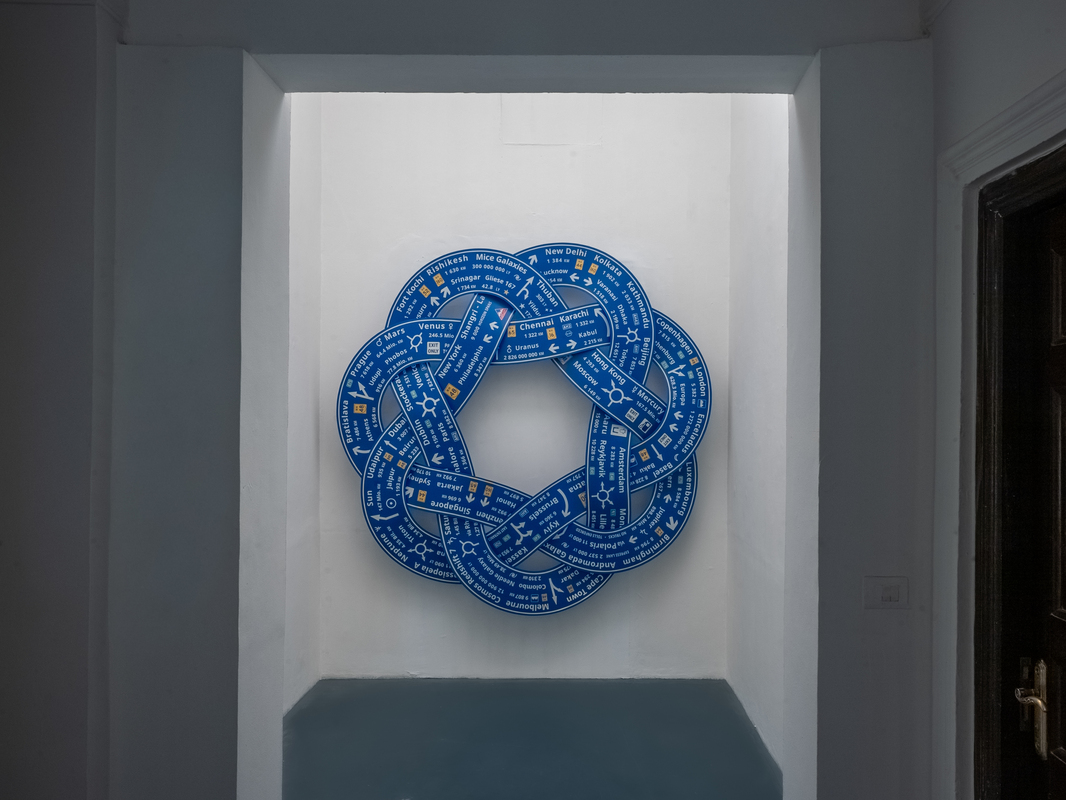
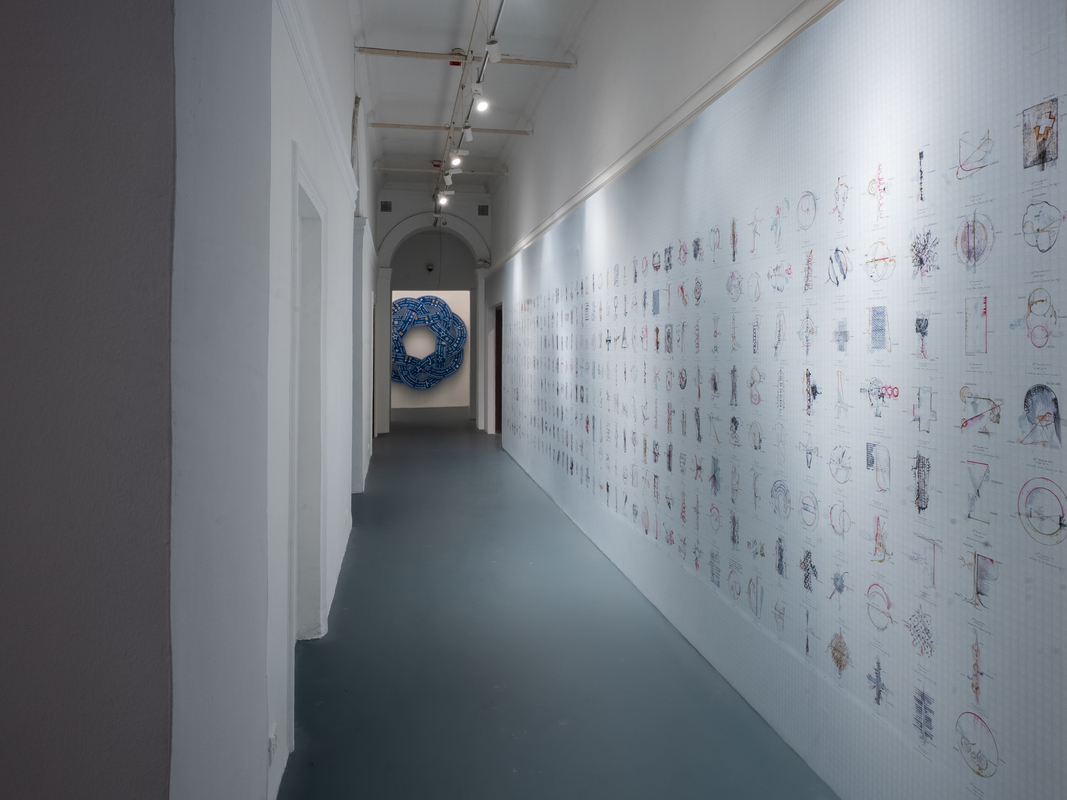
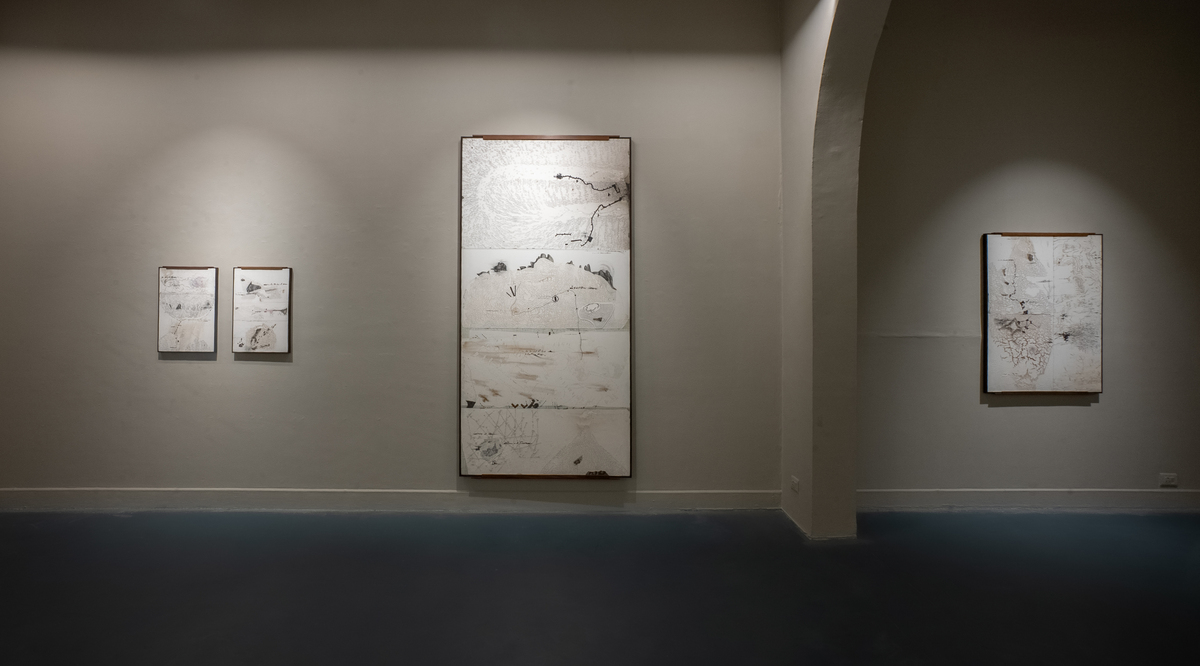
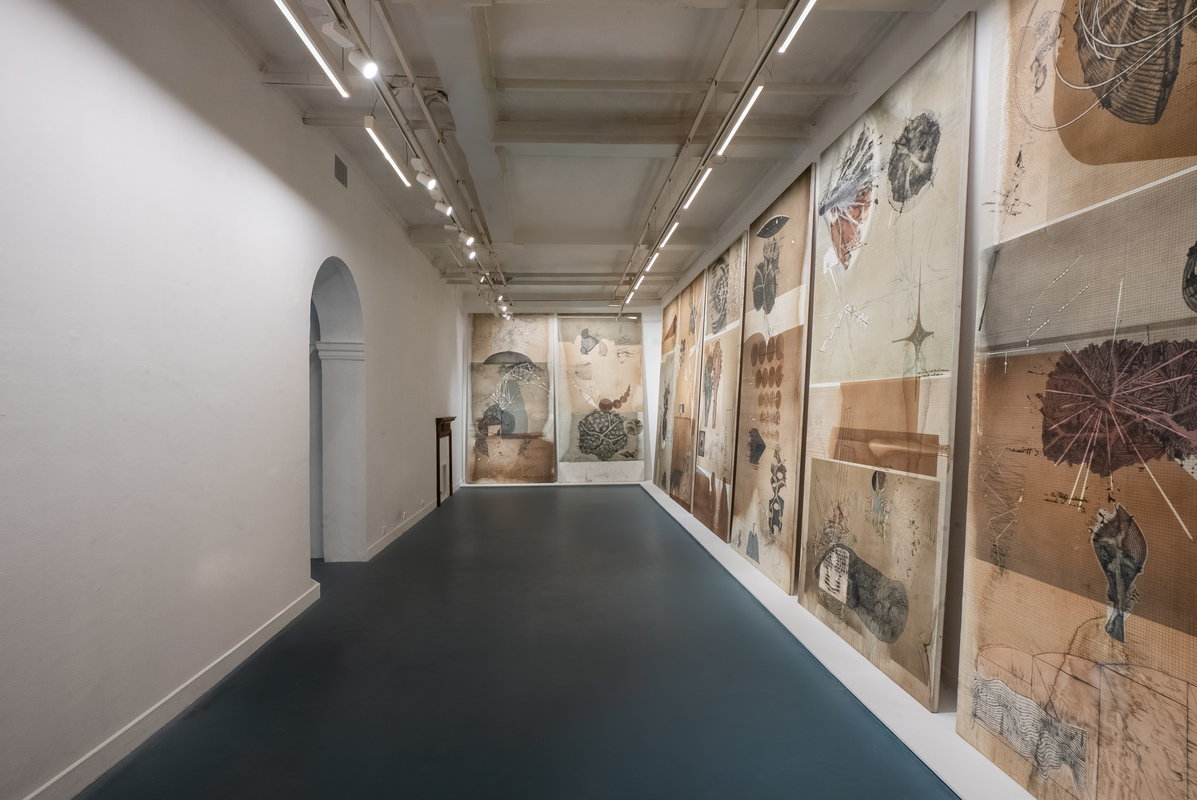
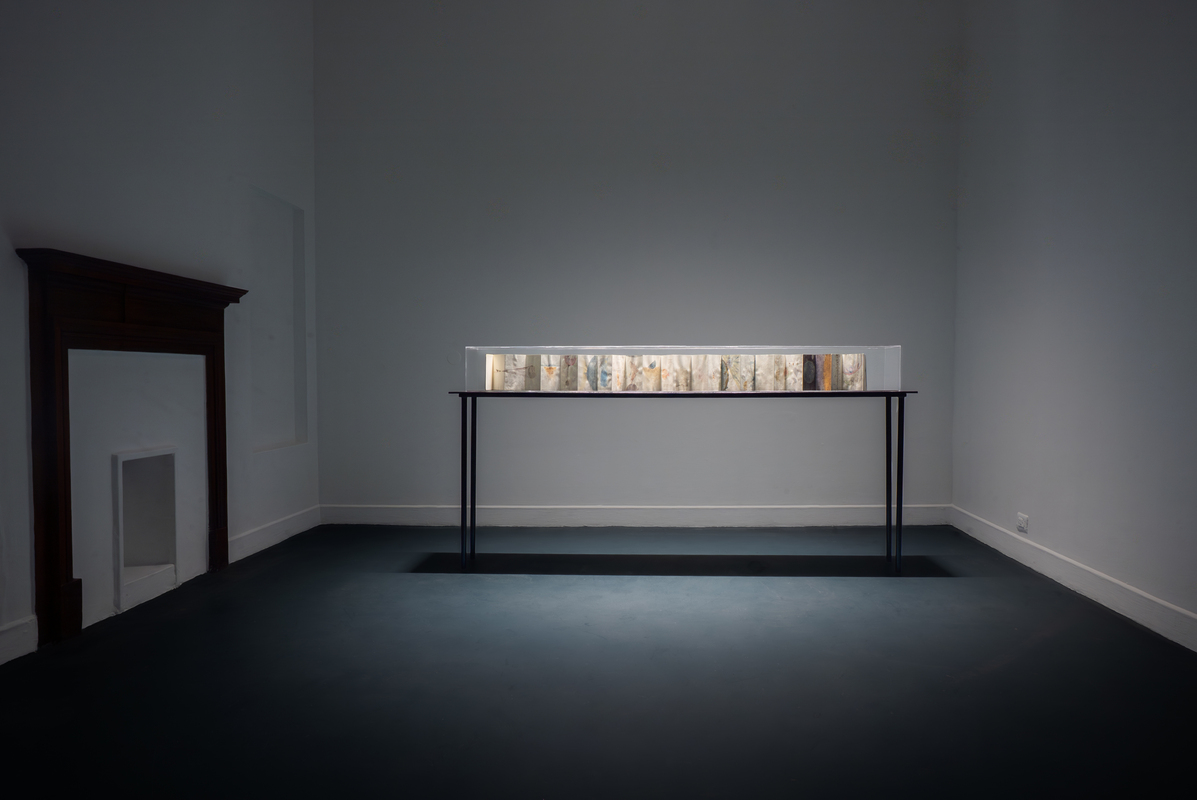
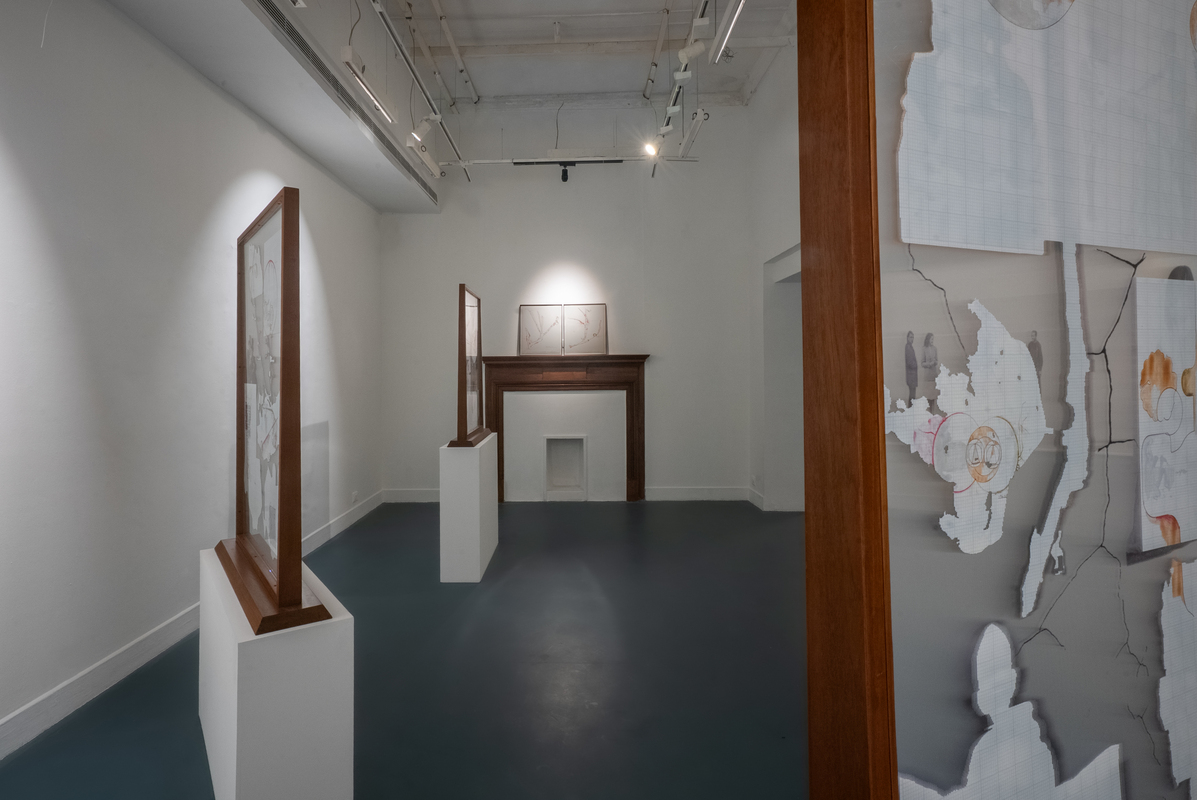
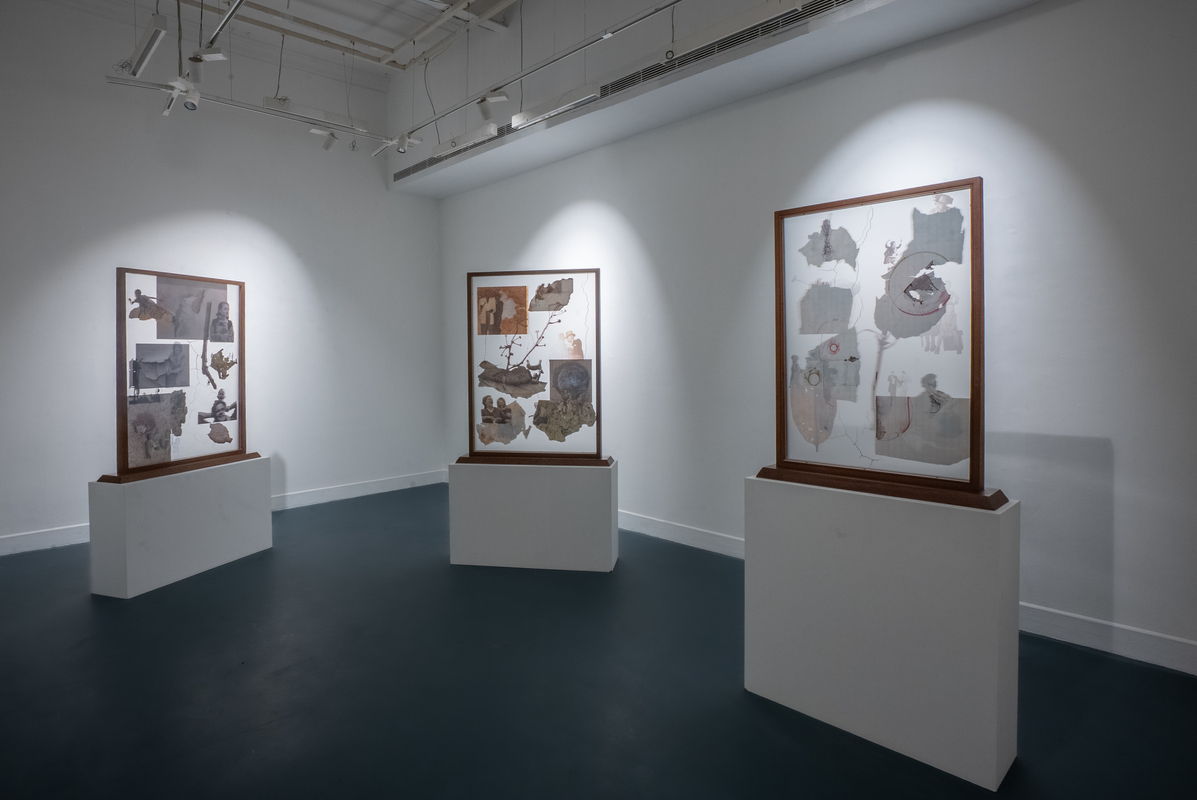
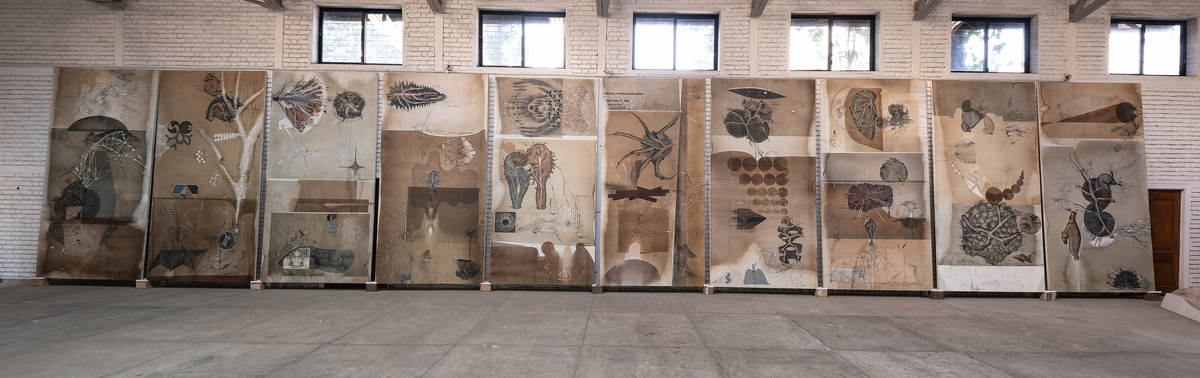
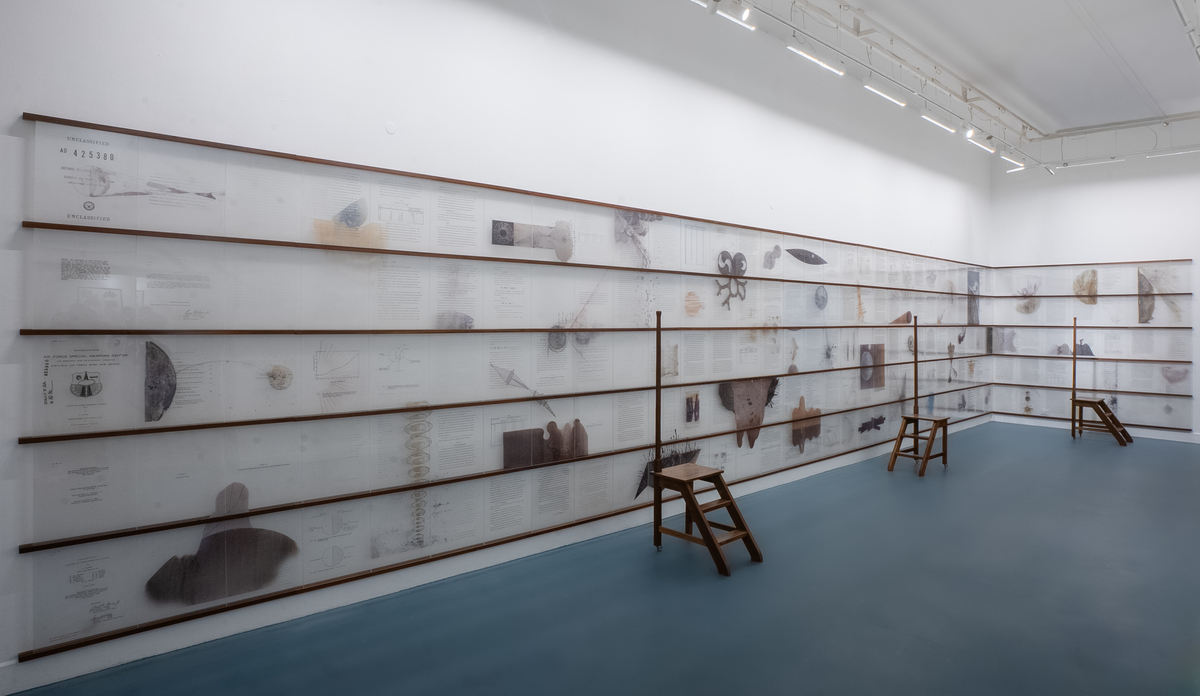
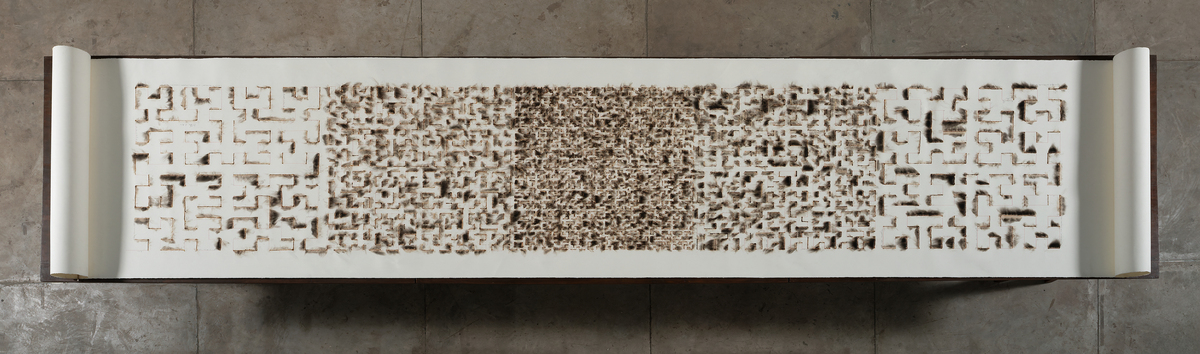
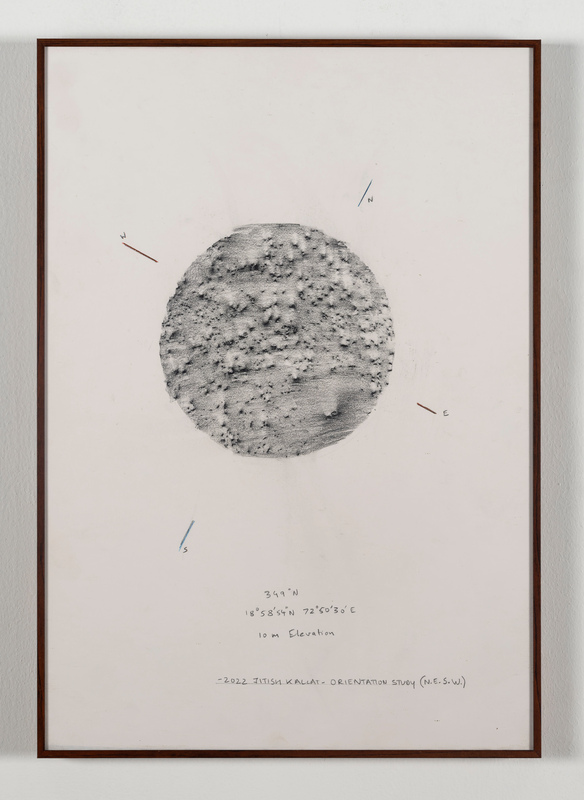
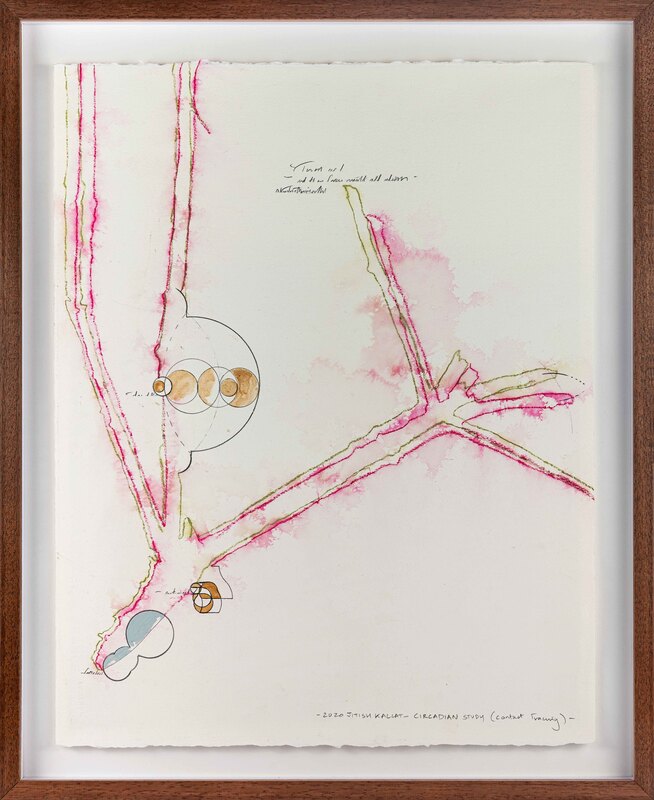
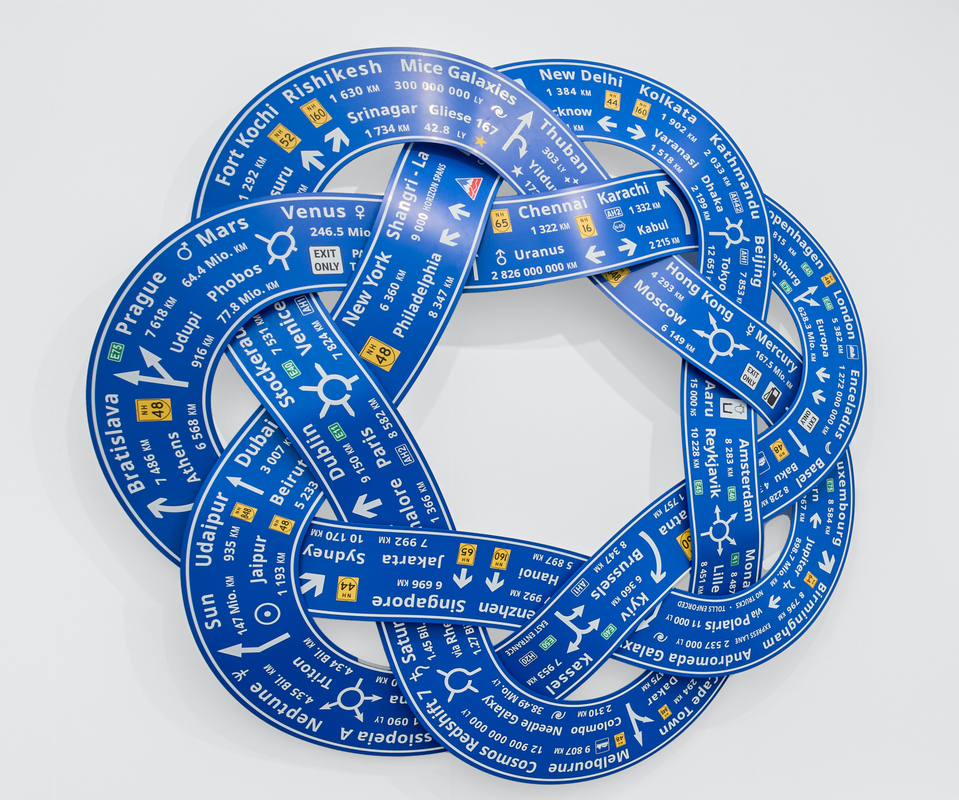
The exhibition takes its title from Conjectures on a Paper Sky (2025), a suite of paintings animated by reflections on a 1950s study to weaponise the moon as a site for a nuclear demonstration. Throughout the exhibition, the themes of orientation, measurement, and shifting perspective recur. The algorithmic birth–death ledger Integer Study and the elemental drawing Wind Study are seen alongside the Albedo paintings, where intuitions of light, temperature, reflection, and renewal weave into allegorical abstractions of Earth’s shifting energy balance. In Here After Here After Here, a continuous loop of blue highway signage twists into a sculptural, paradoxical map, tracing distances measured from the artist’s studio to terrestrial, celestial, and mythical locations.
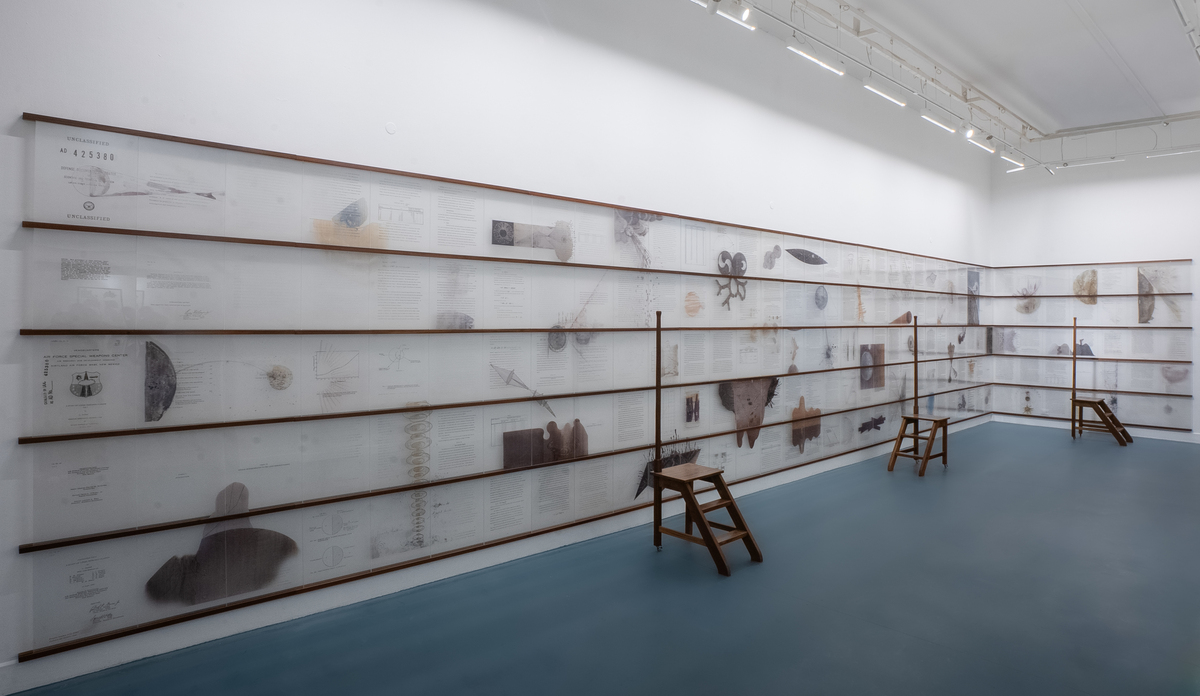
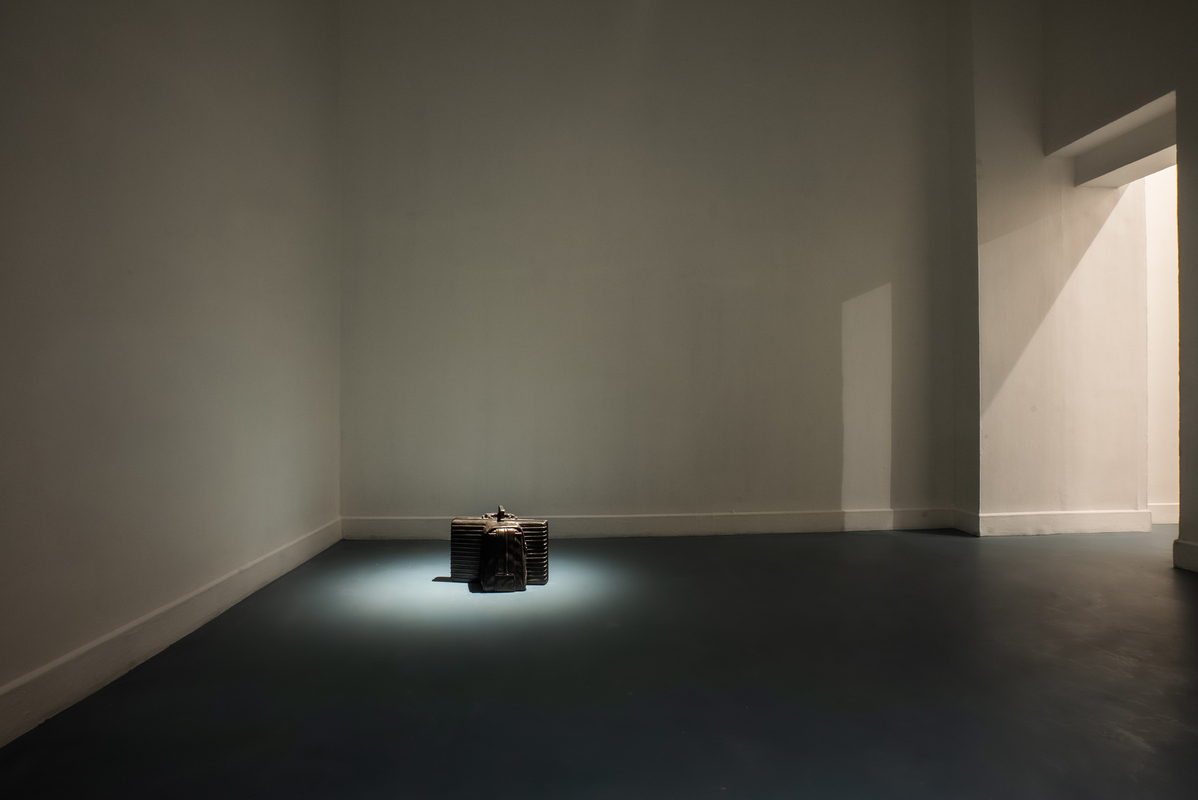
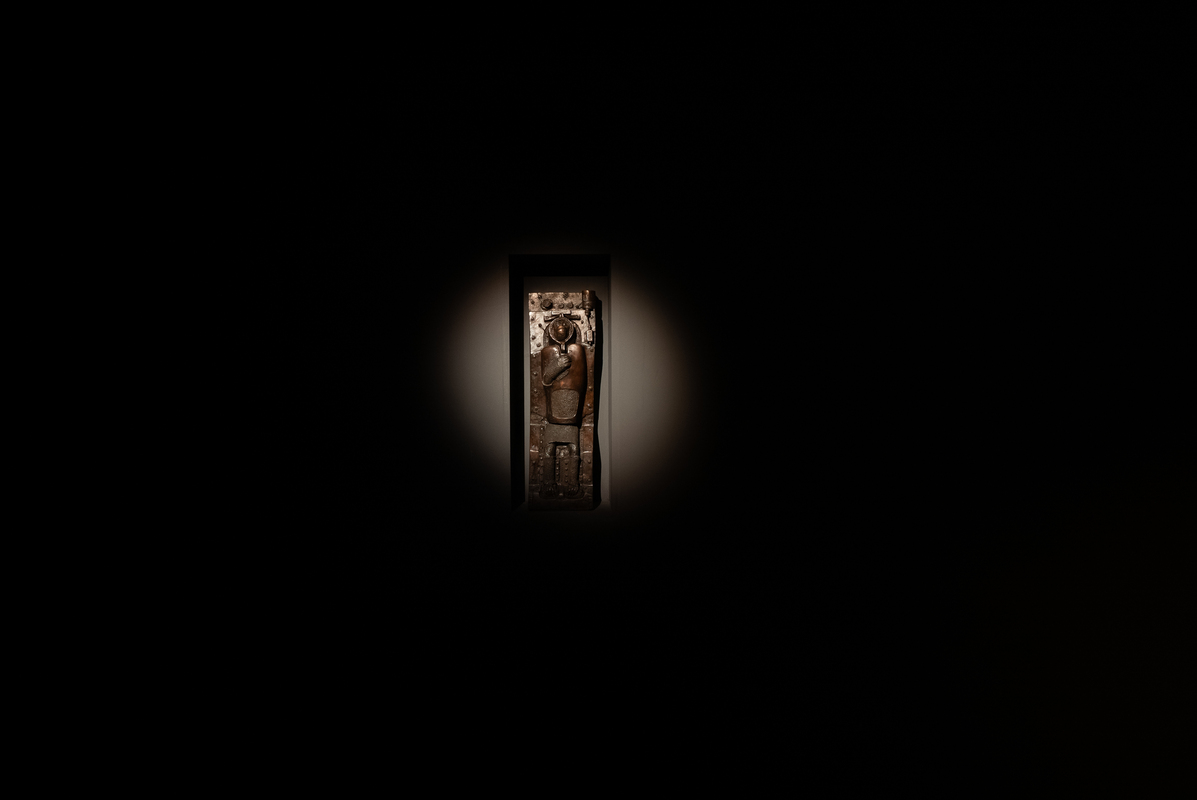
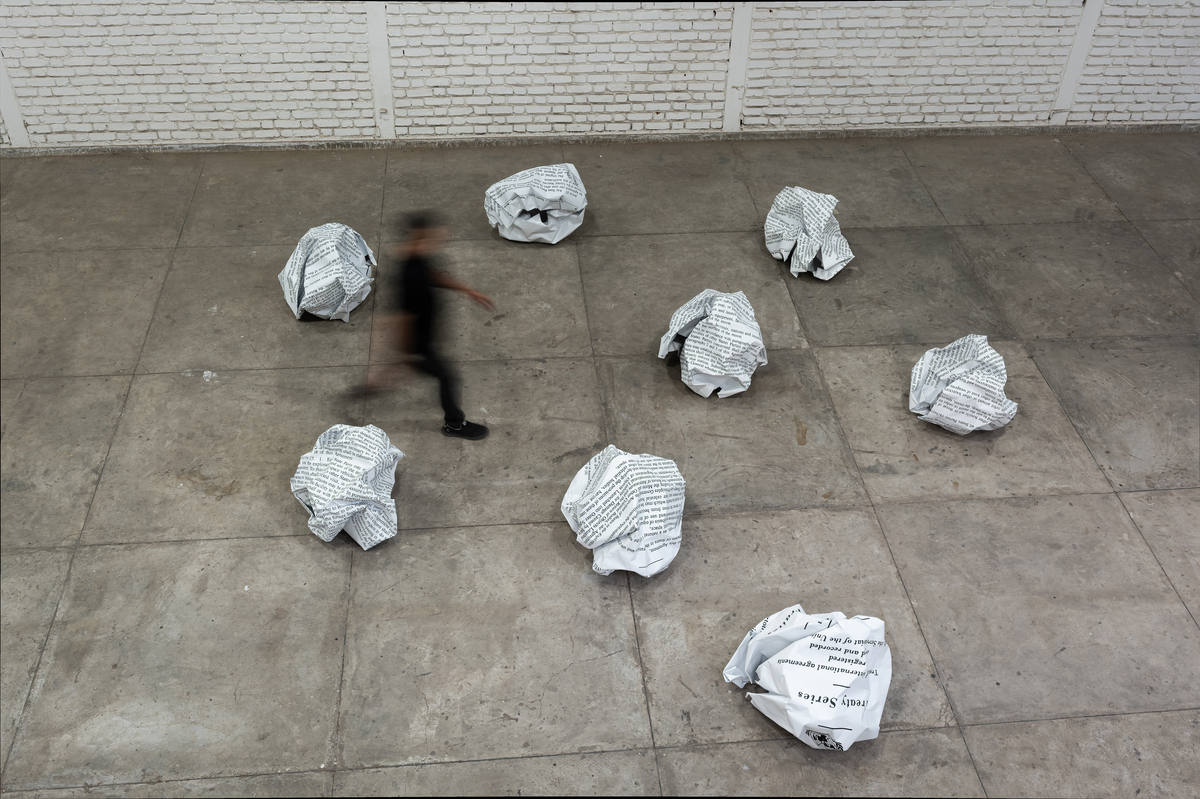
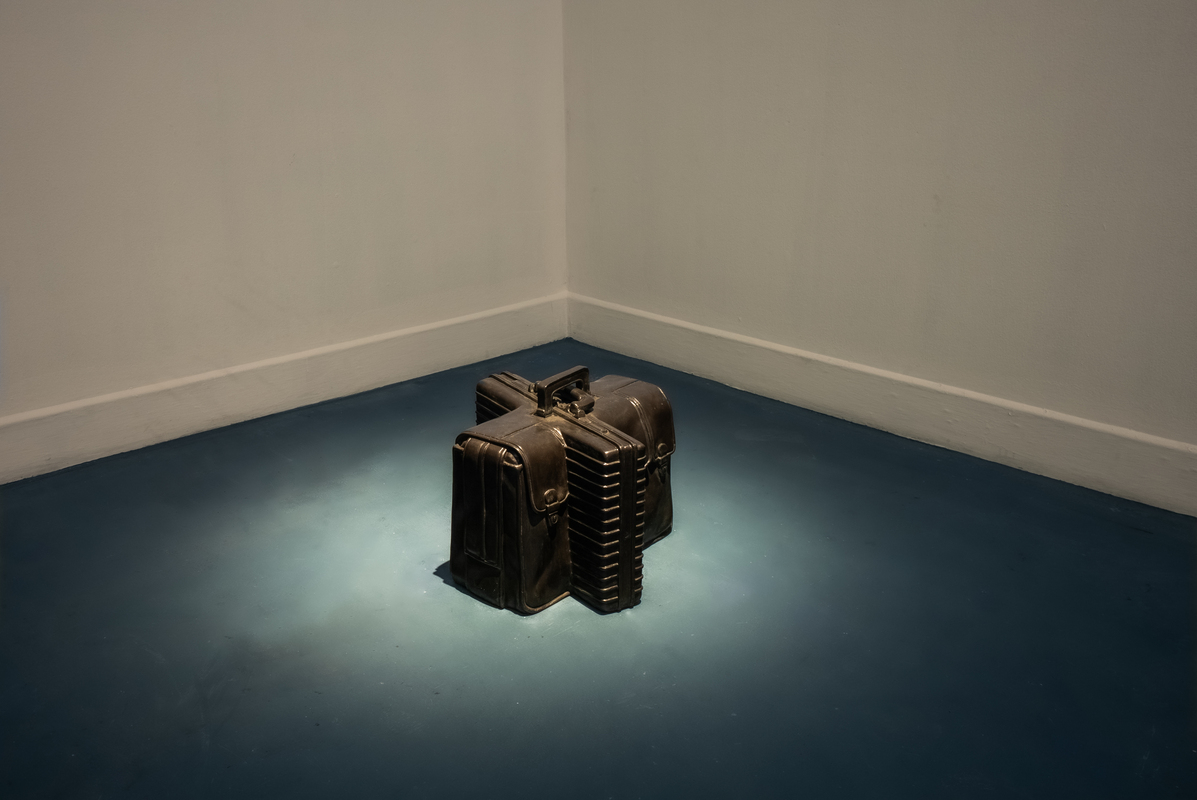
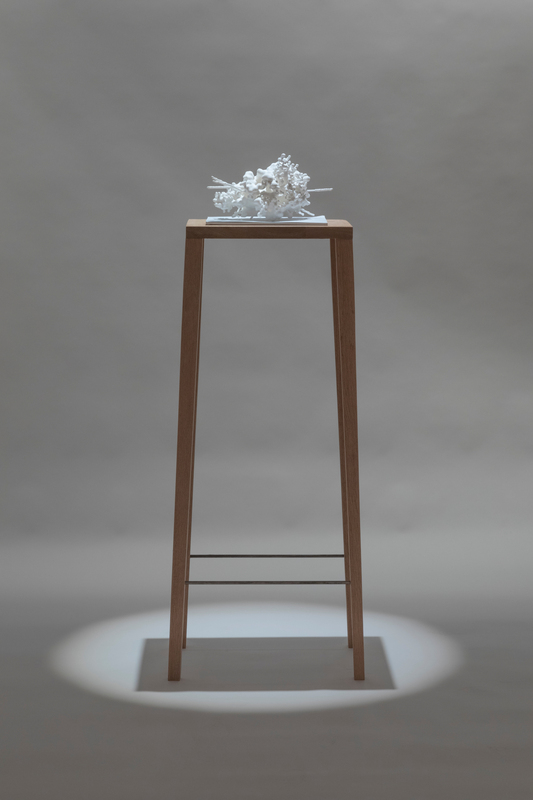
In the stairwell installation The Last Soviets, earthly politics and orbital vantage briefly intersect. It cites the moment when the citizenship of two Soviet cosmonauts effectively dissolved mid-orbit as their nation unravelled in 1991, revealing the contingency of borders when viewed from cosmic distance. Lenticular photoworks such as Epicycles and Lunar Redux reference Cold War–era archives. Epicycles returns to the diplomatic humanism of The Family of Man, set against the militaristic shadow of the declassified document known as Project A119 that forms the basis of Lunar Redux. The bronze sculpture Compass (Cheget-Nuclear Football) reframes portable command-and-control systems designed to authorize the end of the world into a meditation on orientation and planetary address. Sculptural forms derived from the unratified Moon Treaty take the shape of crumpled, discarded globes, evoking an unrealised international covenant.
About the Artist
Jitish Kallat’s artistic practice is wide ranging conceptually and materially. His work frequently shifts orders of magnitude, mediating the complexities of our world from the immediacy of the self and the city, to broader constructs of nationhood and the expansive cosmos. His work blurs the intersections of science, philosophy, history and mathematics. Over the past three decades, Kallat’s works have often critically investigated existential and ecological frameworks, exploring them through recurrent motifs of time, mortality, and sustenance. While some of Kallat’s works reflect on the transient present, others invoke the past through historical archives or citations of utterances. Using abstract, schematic, and representational languages, he engages different modes of address, viewing the ephemeral within the context of the perpetual, the everyday in juxtaposition with the historic, and the microscopic alongside the telescopic.
Kallat has exhibited widely at institutions and biennales worldwide including Somerset House (London, 2023), Tate Modern (London, 2001), Martin-Gropius-Bau (Berlin, 2008), Gallery of Modern Art (Brisbane, 2006), Kunstmuseum (Bern, 2007), Serpentine Galleries (London, 2008), Mori Art Museum (Tokyo–2008, 2009) and Pirelli Hangar Bicocca (Milan, 2007) among others. His work has been part of the Havana Biennale (2000), Gwangju Biennale (2006), Asia Pacific Triennial (2006), Fukuoka Asian Art Triennial (1999), Curitiba Biennale (2013), Guangzhou Triennial (2008) and the Kiev Biennale (2012). Kallat has also served as a curator, including for the Kochi-Muziris Biennale (2014). He curated I draw, therefore I think for the South South platform (2021) and Tangled Hierarchy 1 and Tangled Hierarchy 2 at John Hansard Gallery, Southampton and Kochi-Muziris Biennale (2022), respectively.
Artworks
Installation Views