

Vasant Vihar
Murari Jha
Baggage From 'The Longest March'
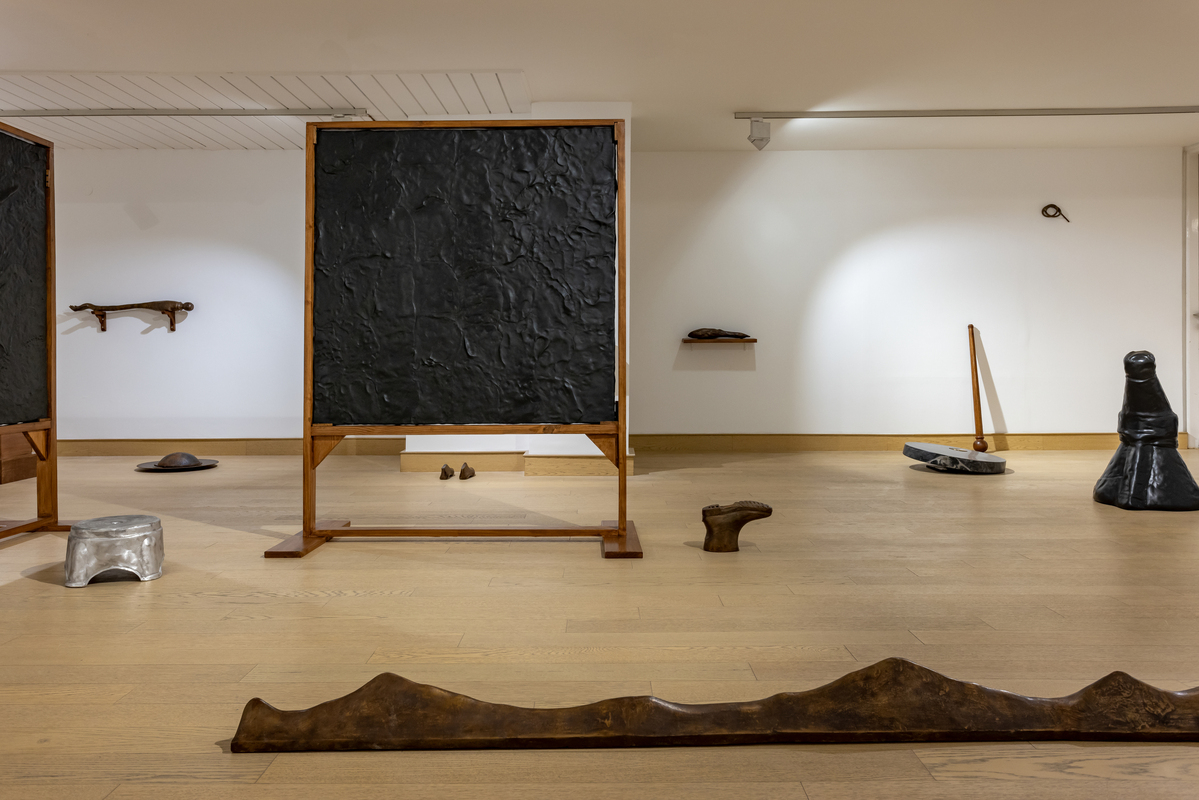
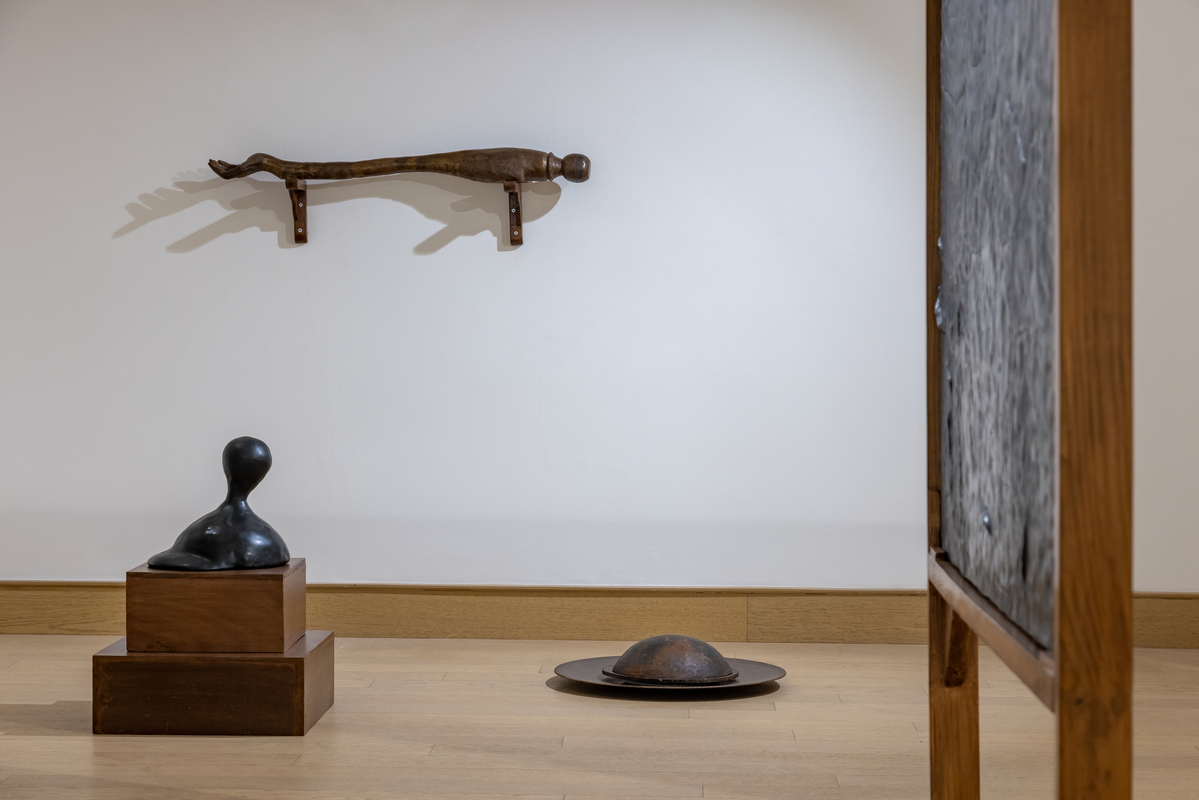
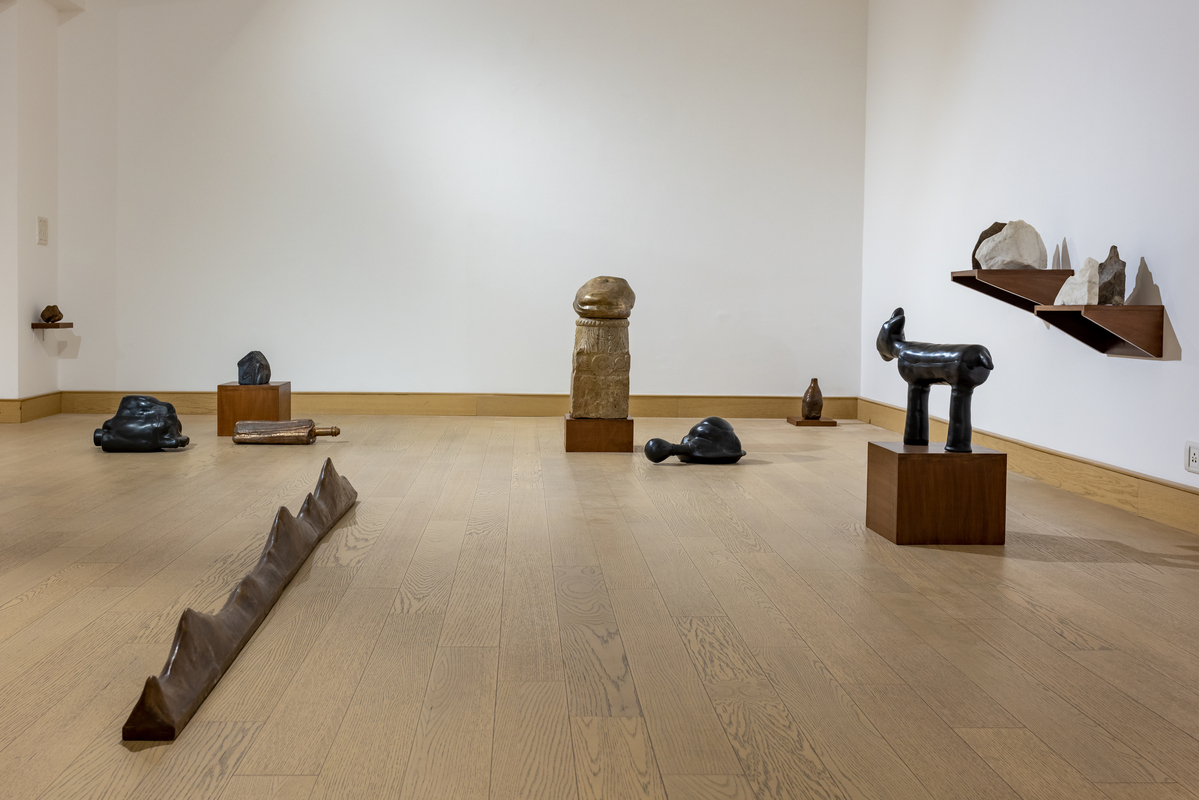
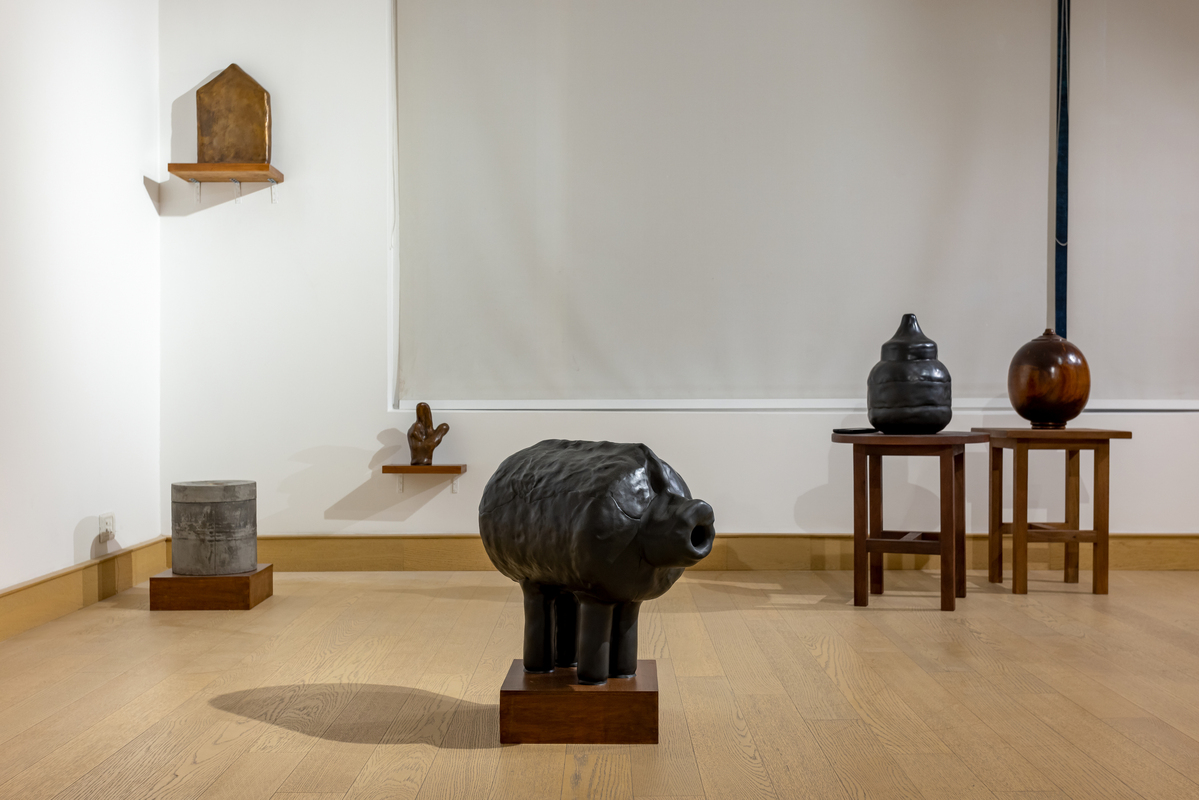
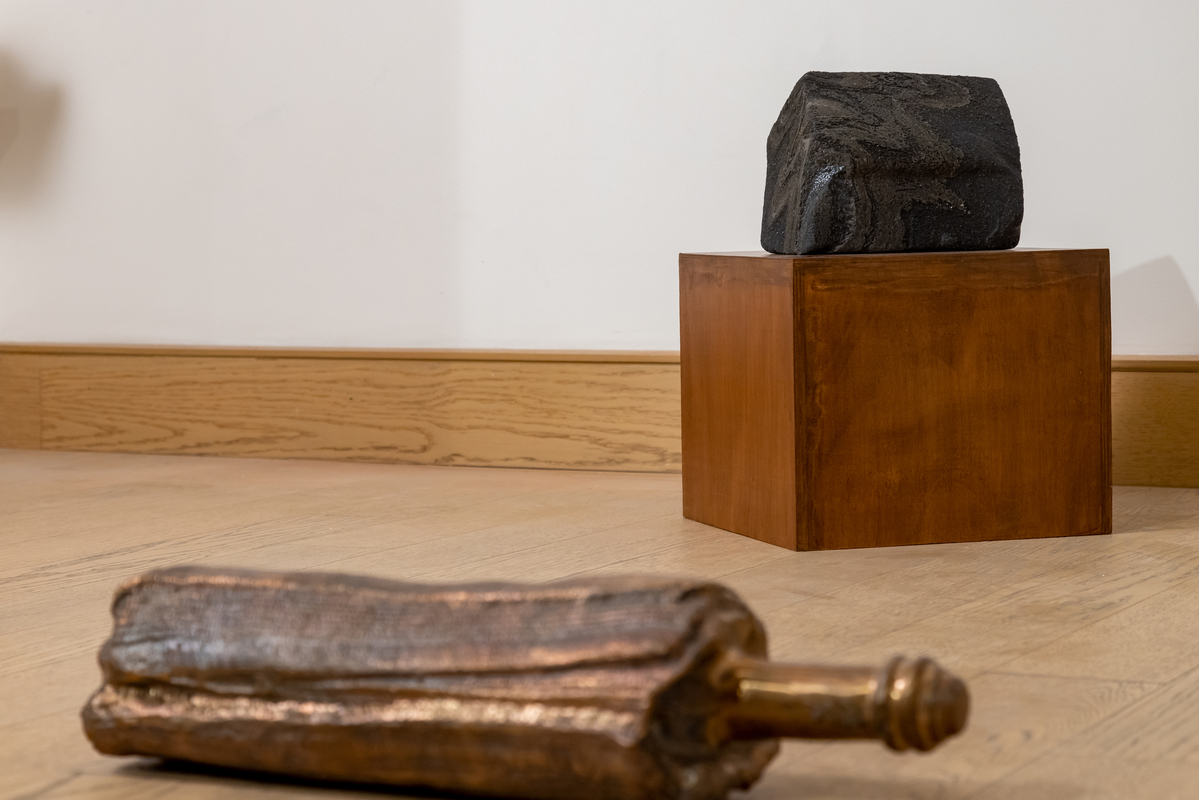
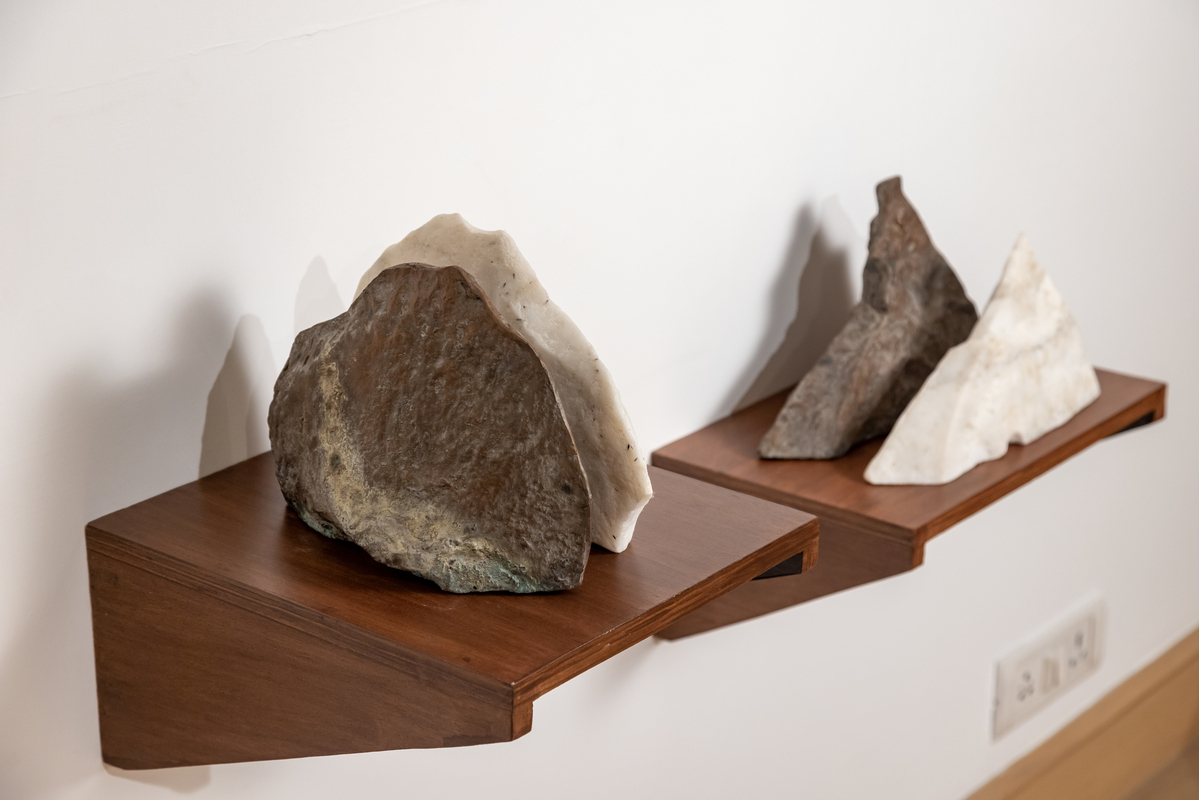
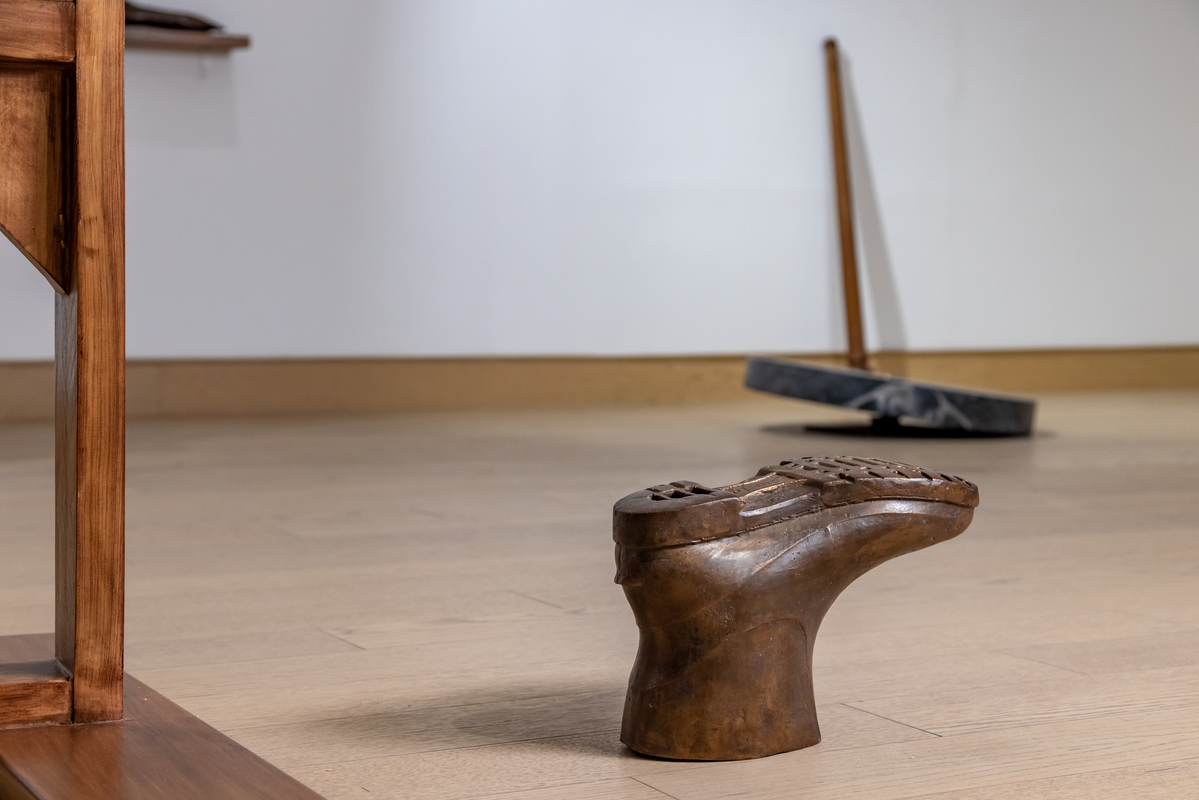
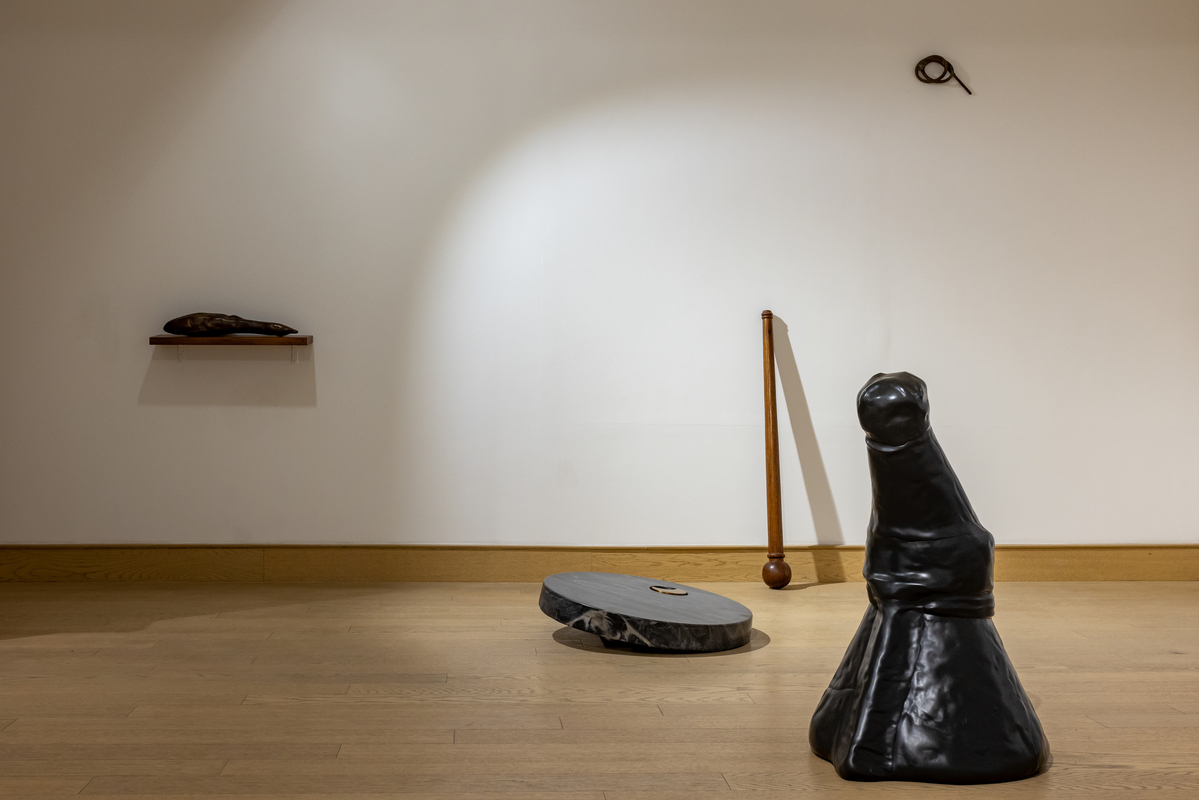
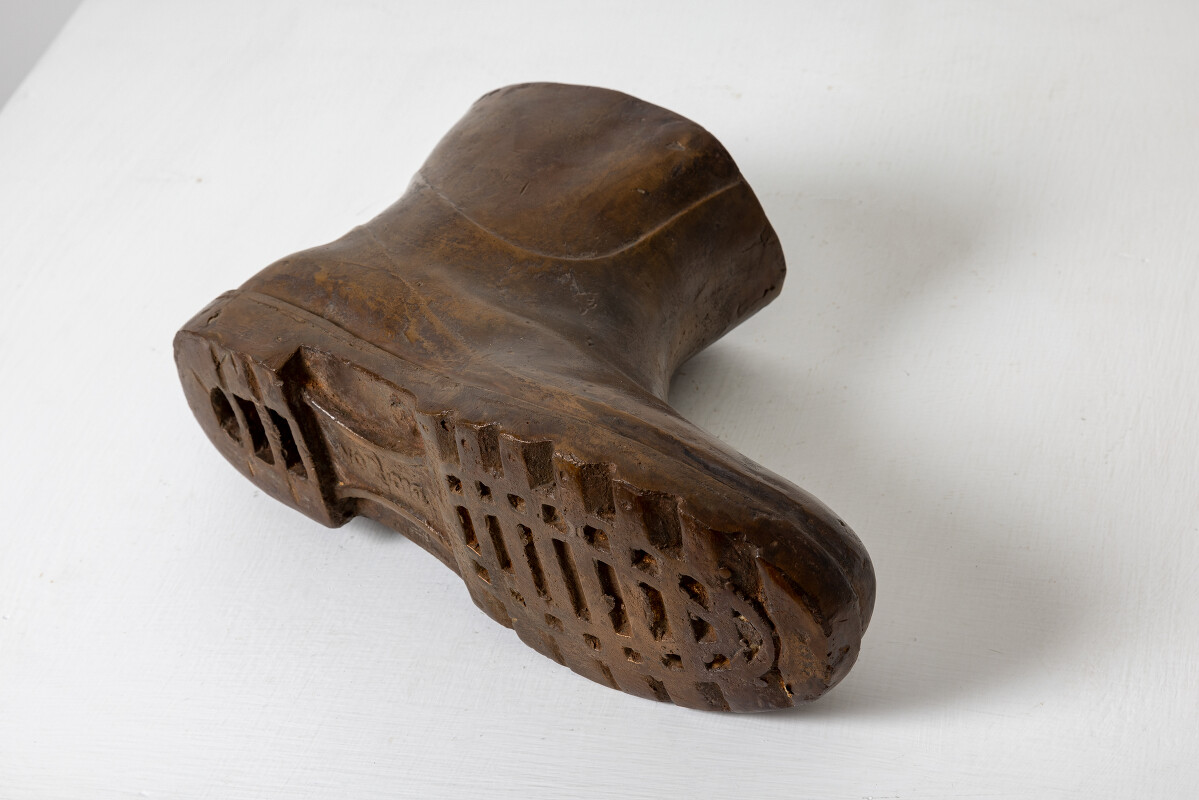
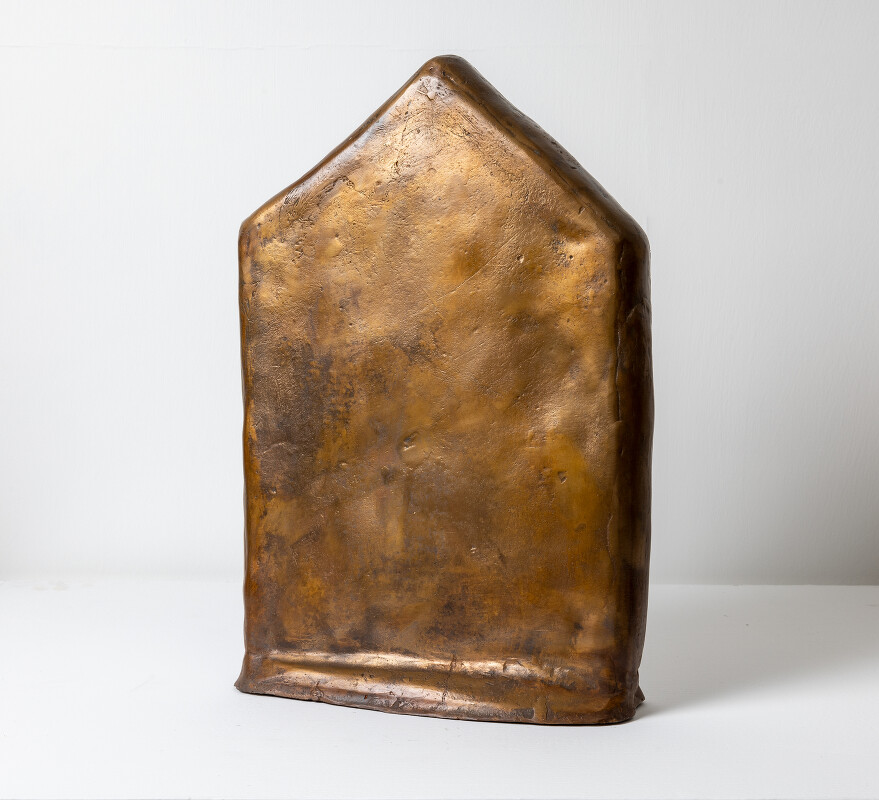
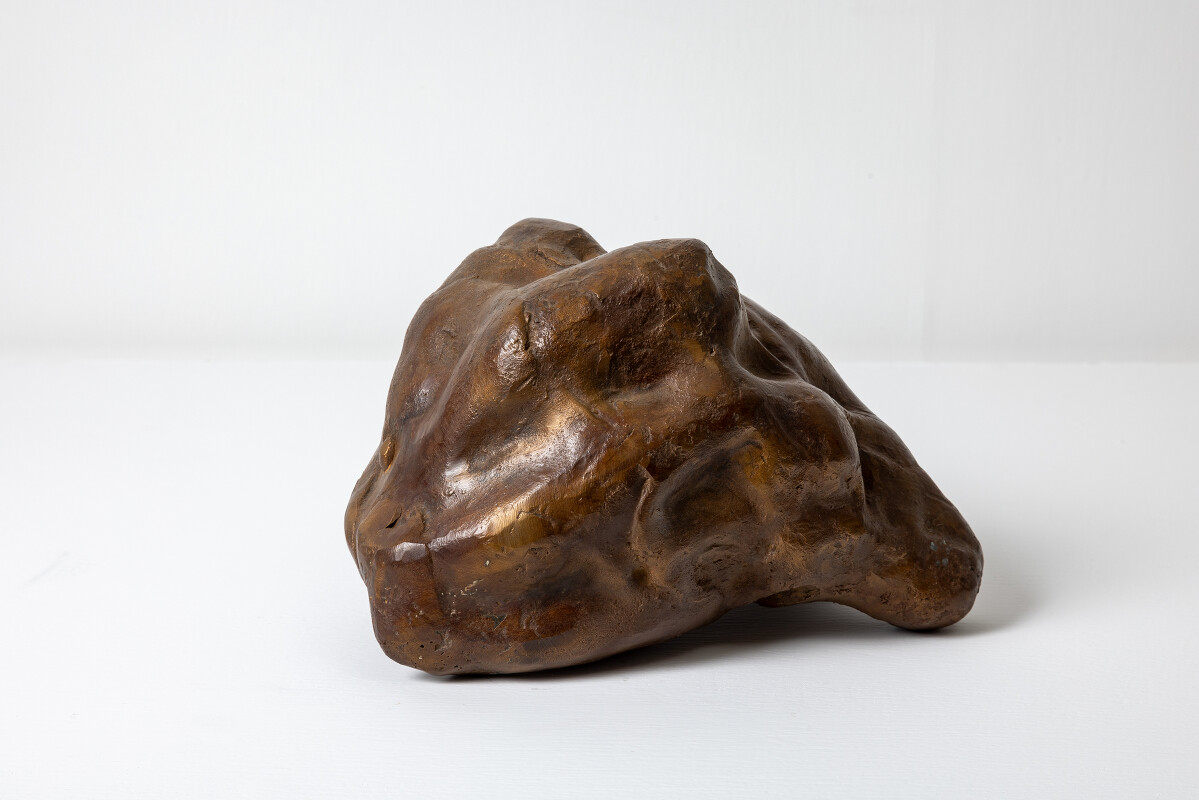
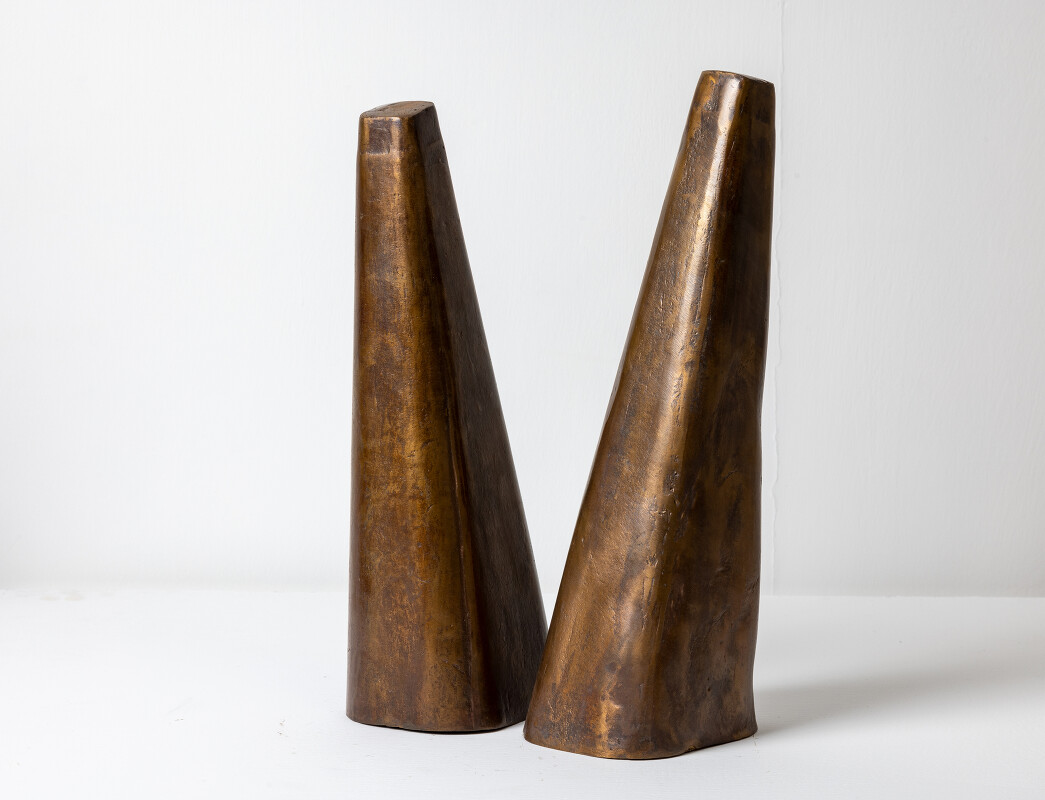
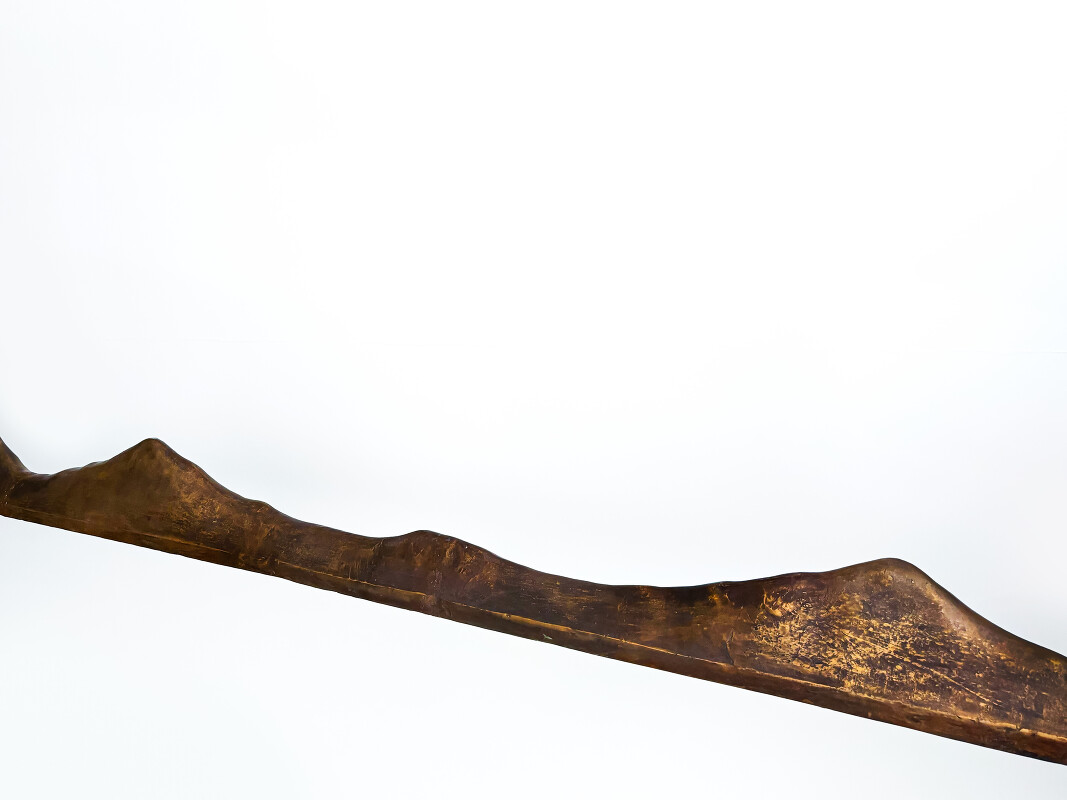
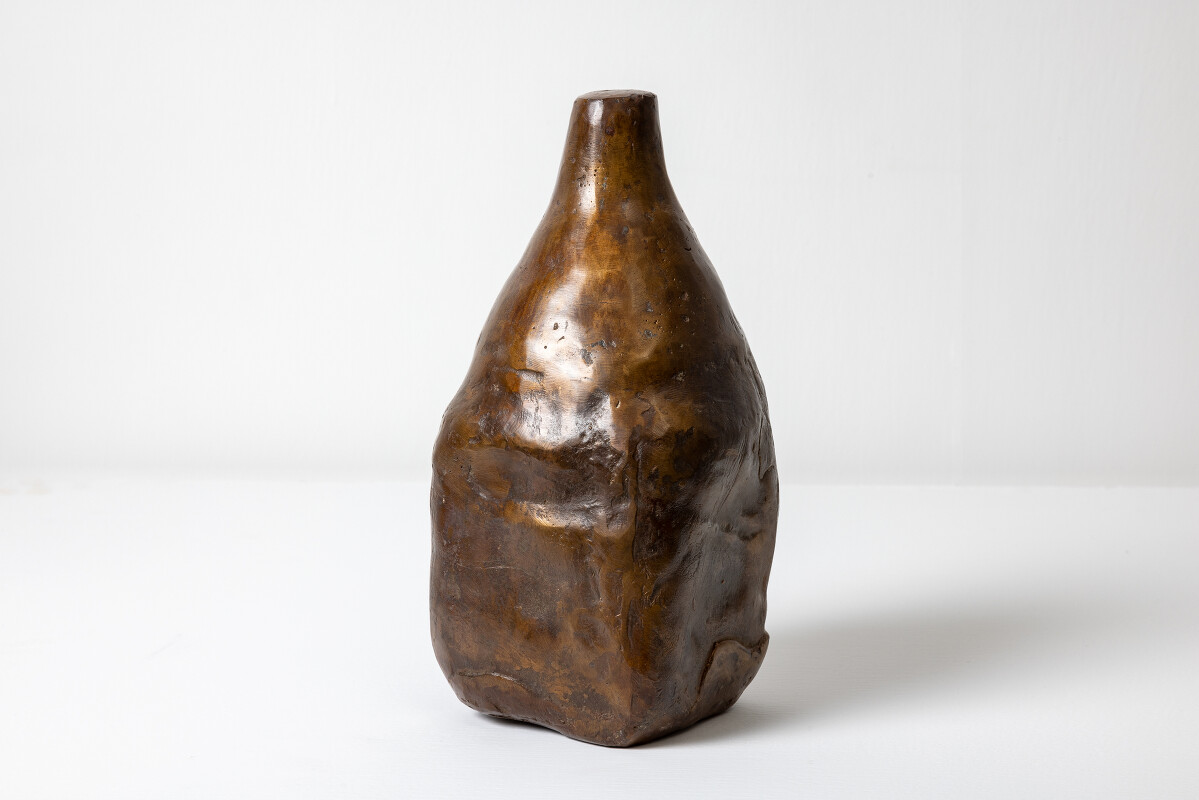
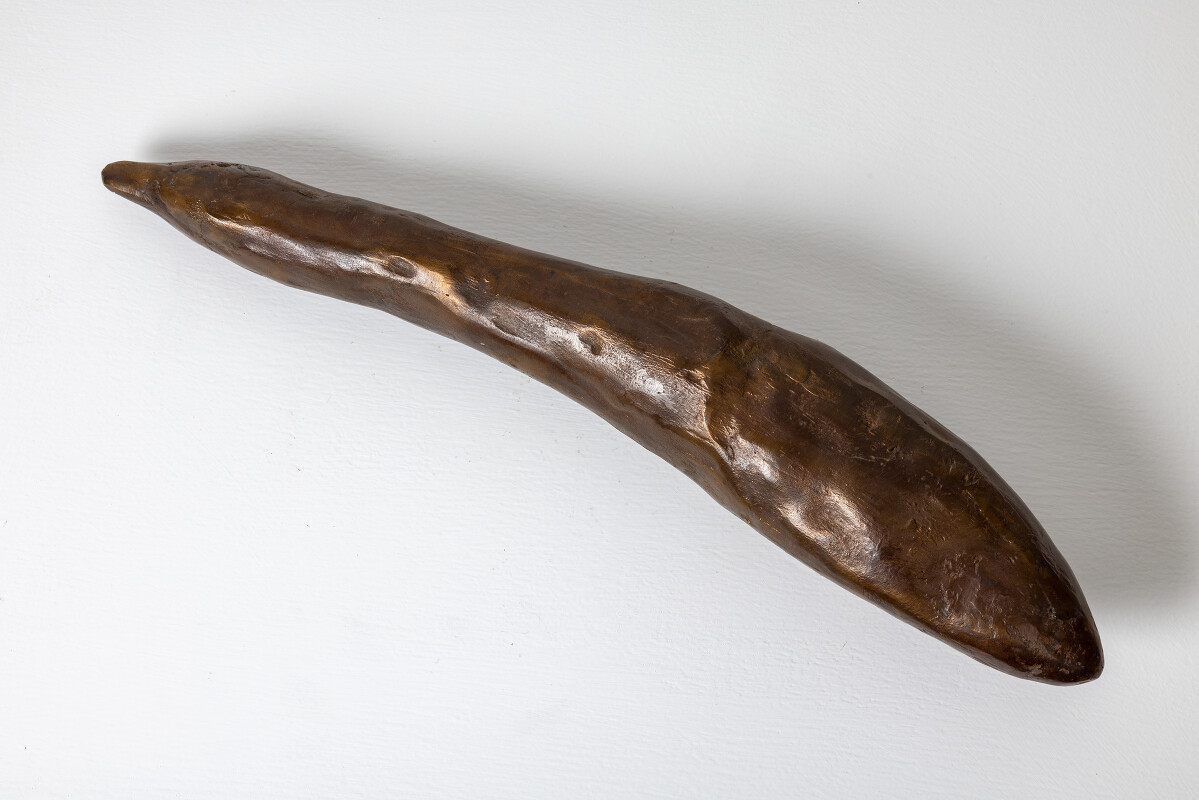
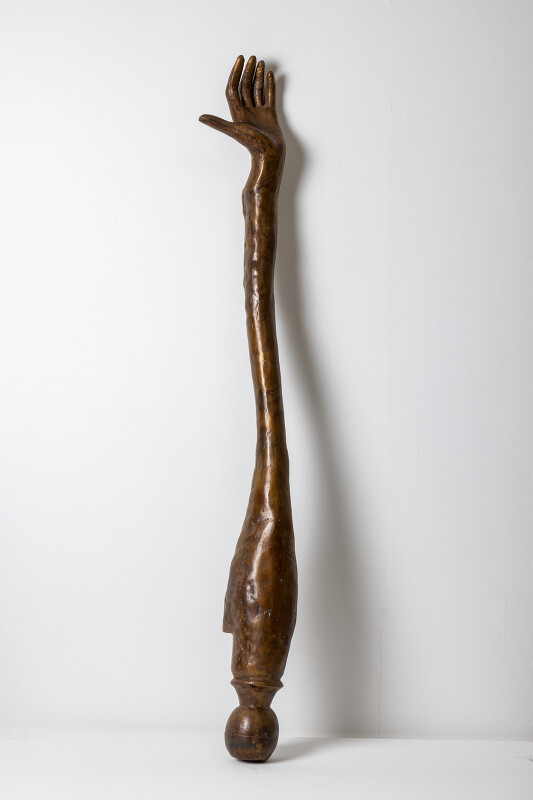
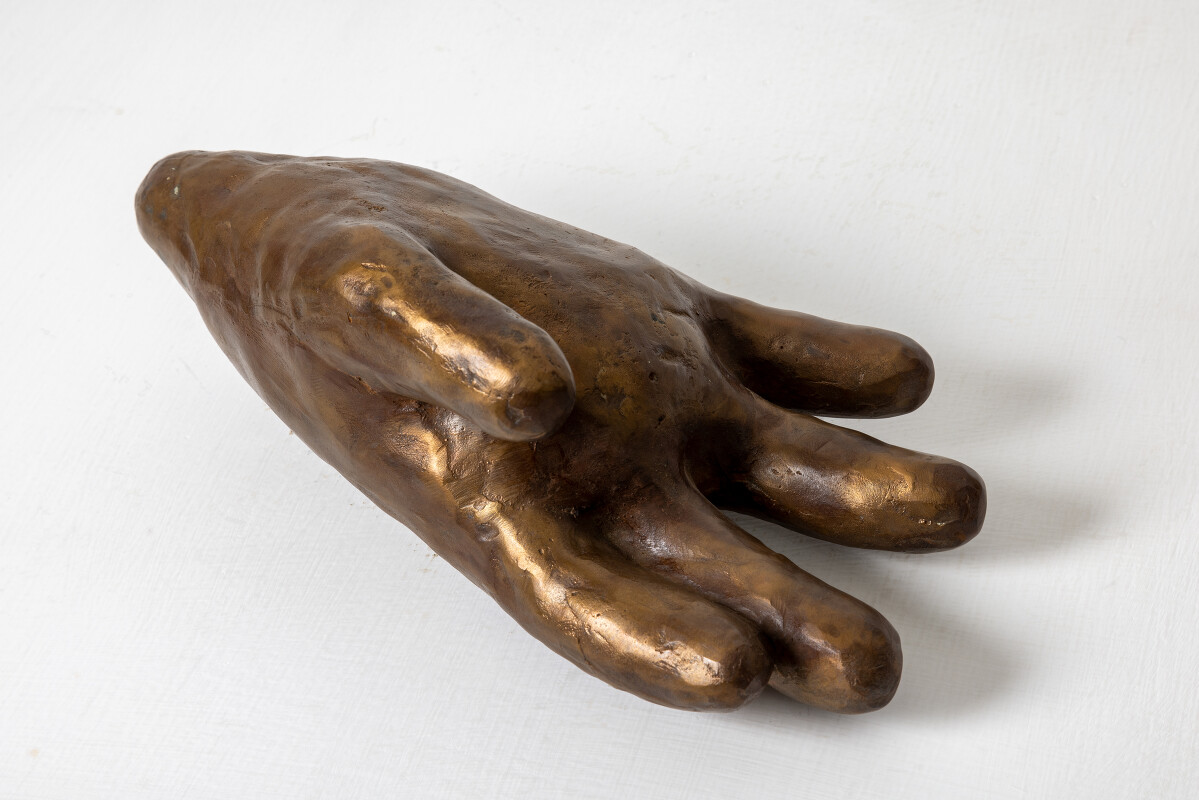
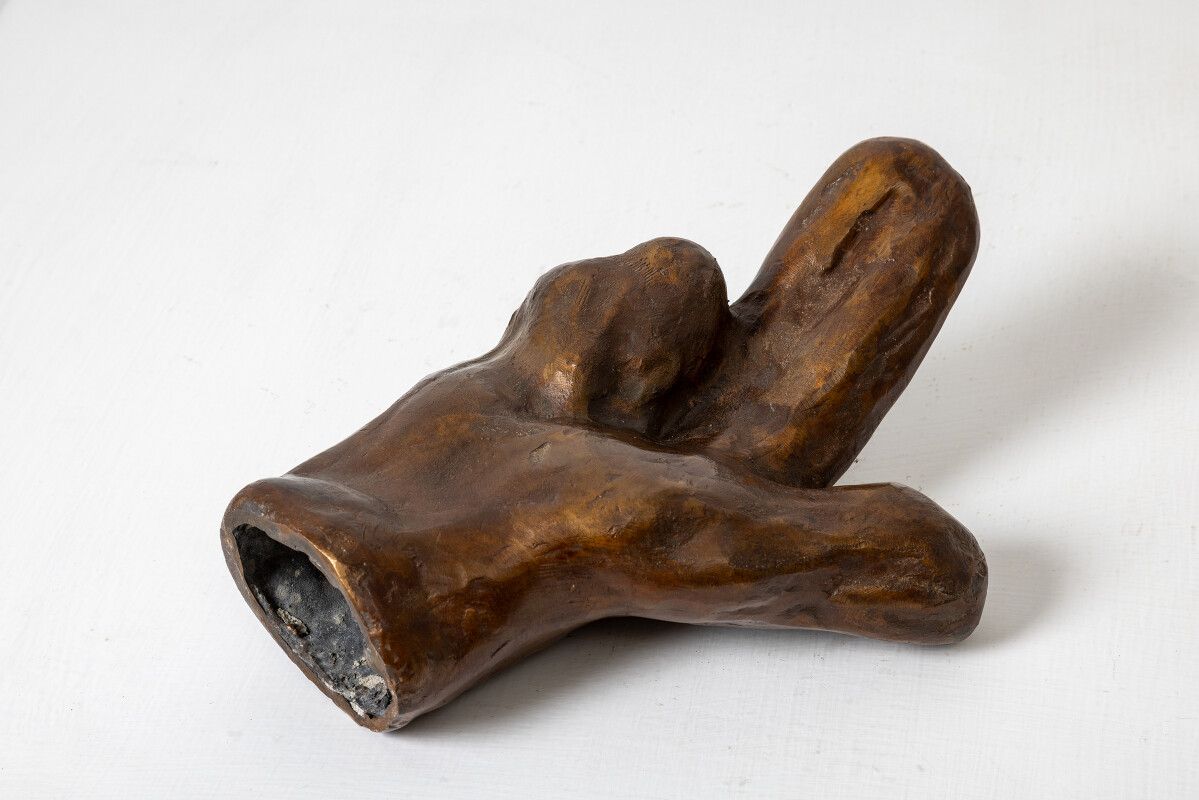
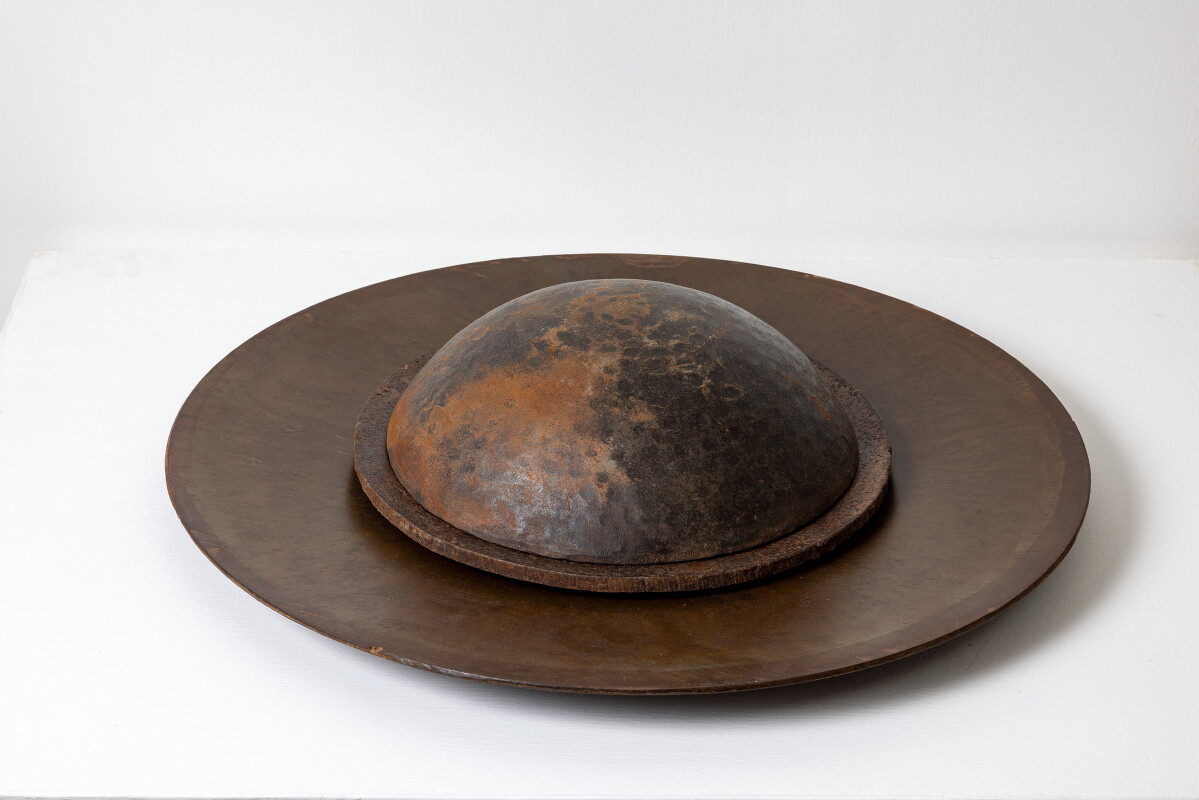
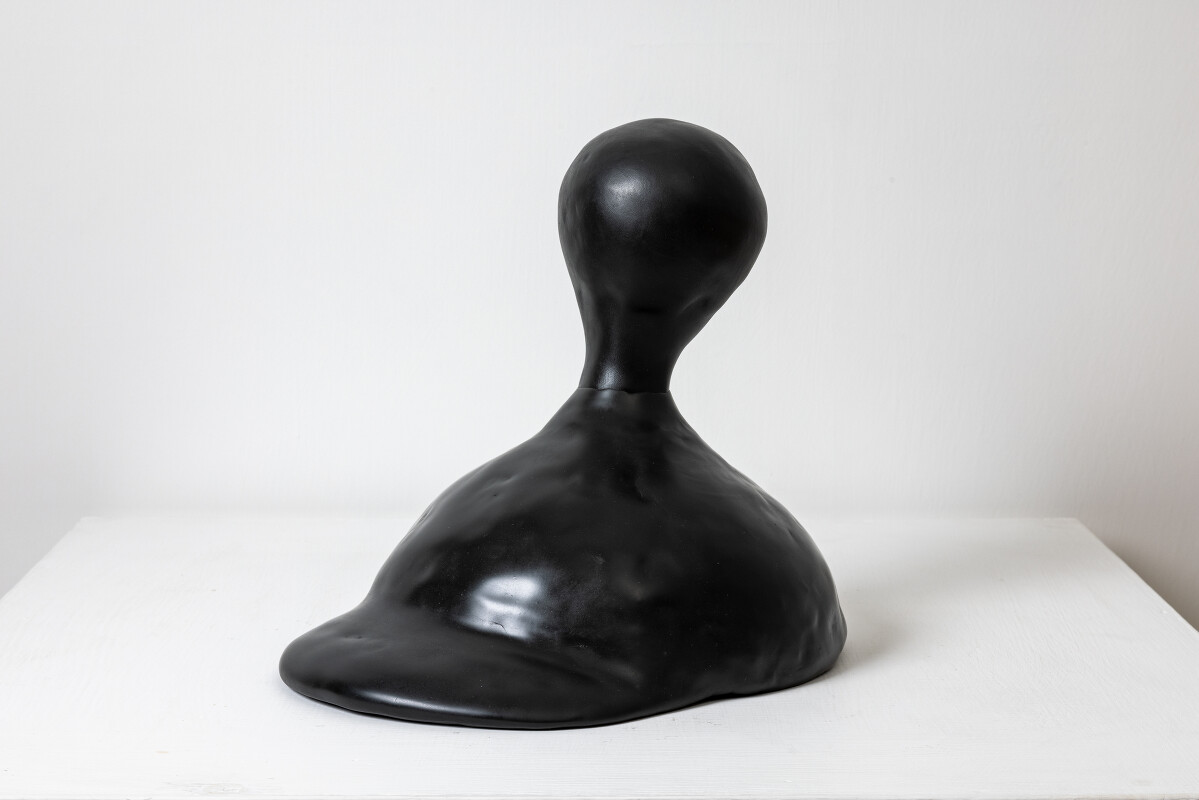
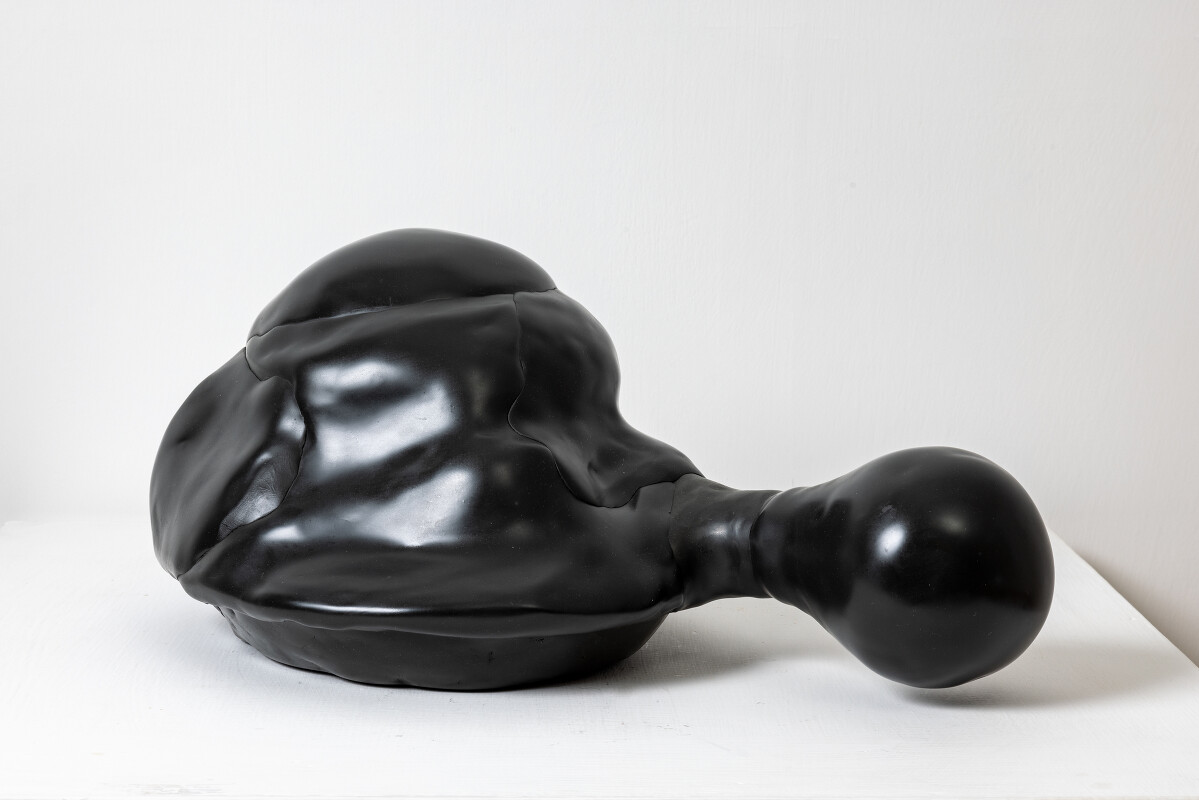
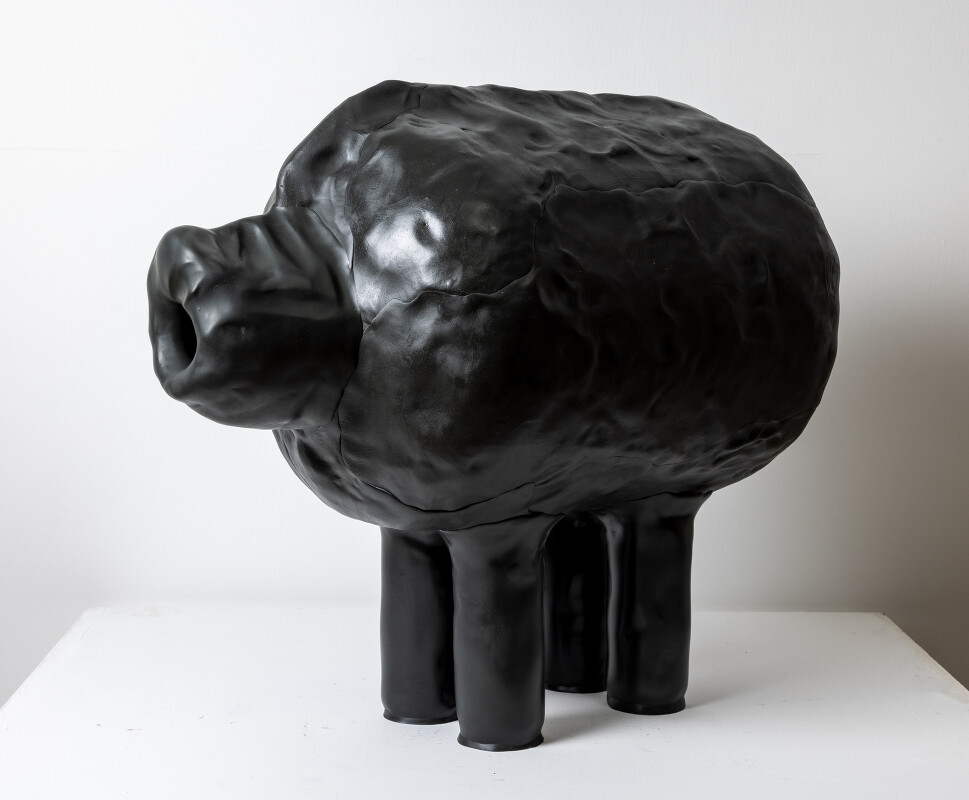
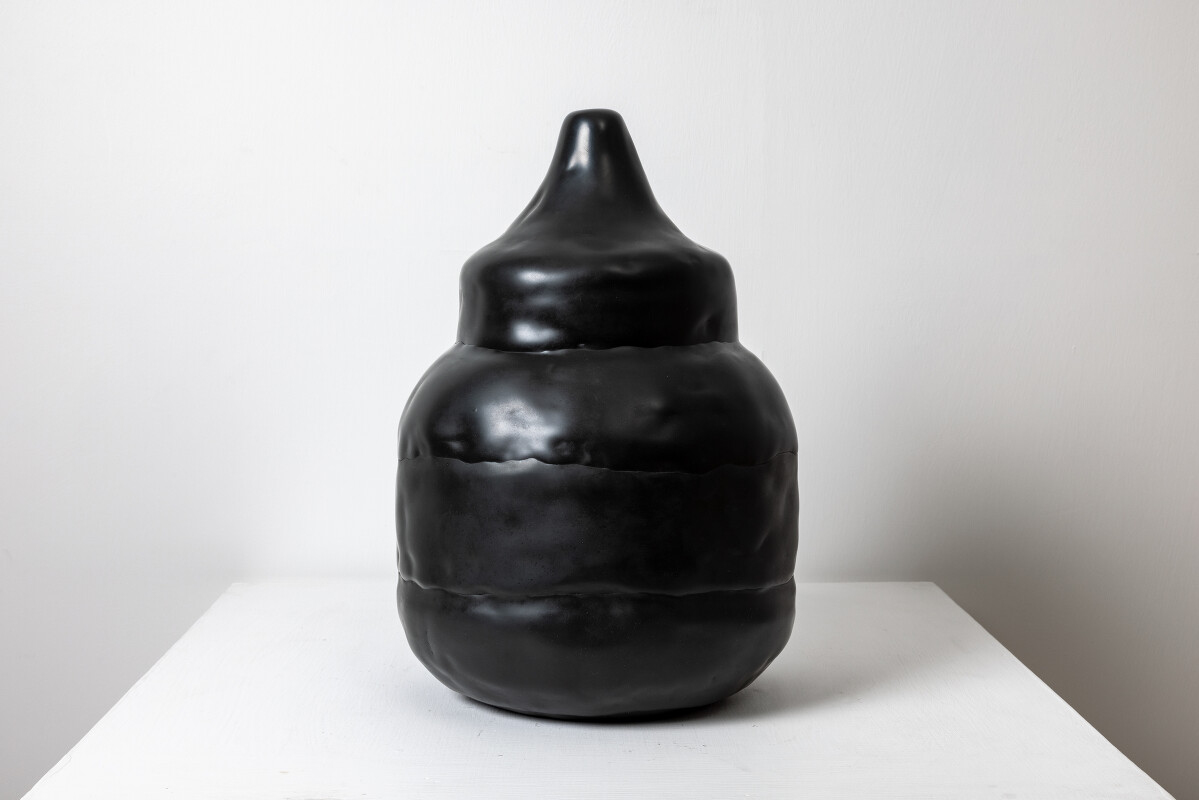
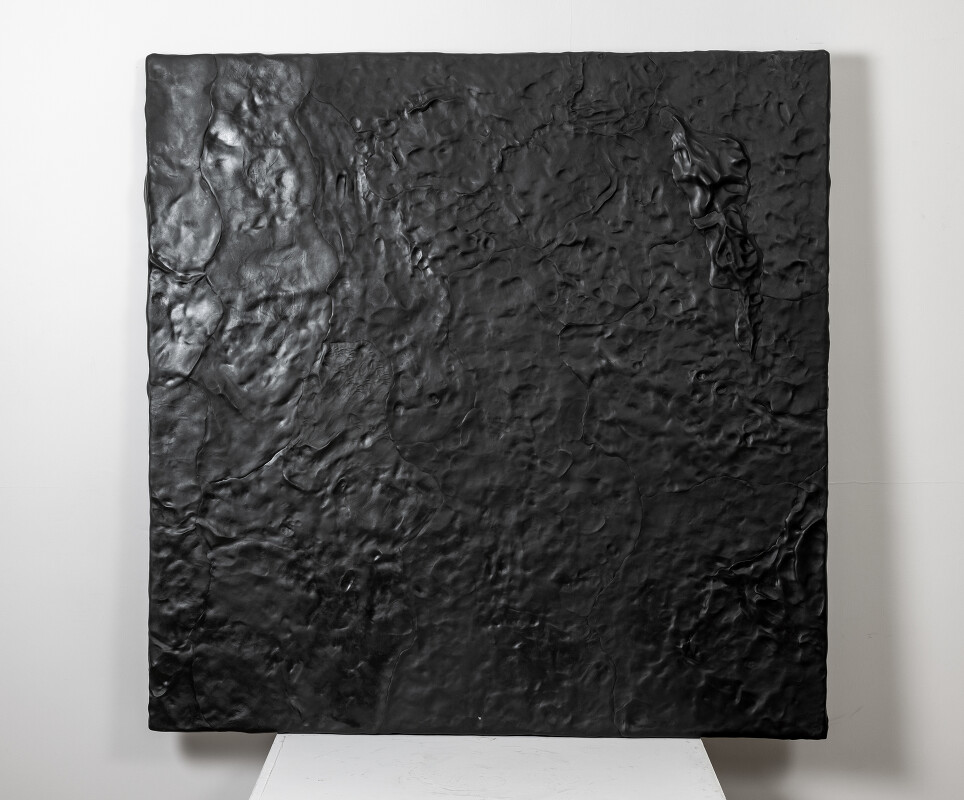
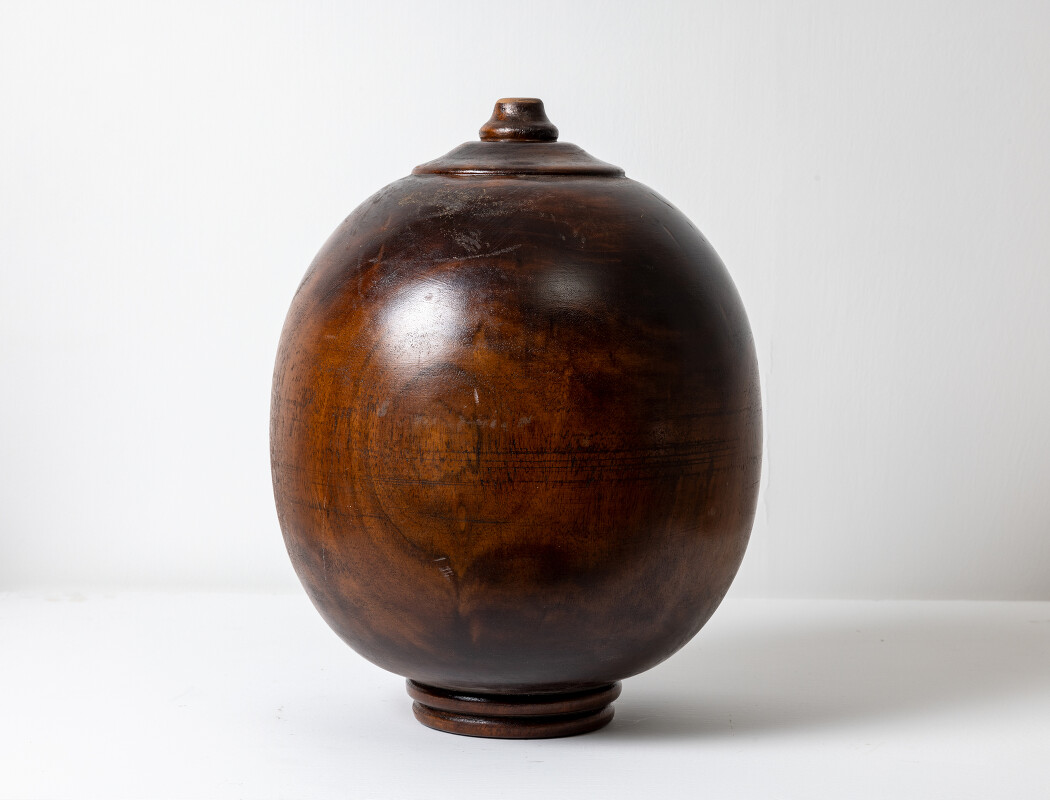
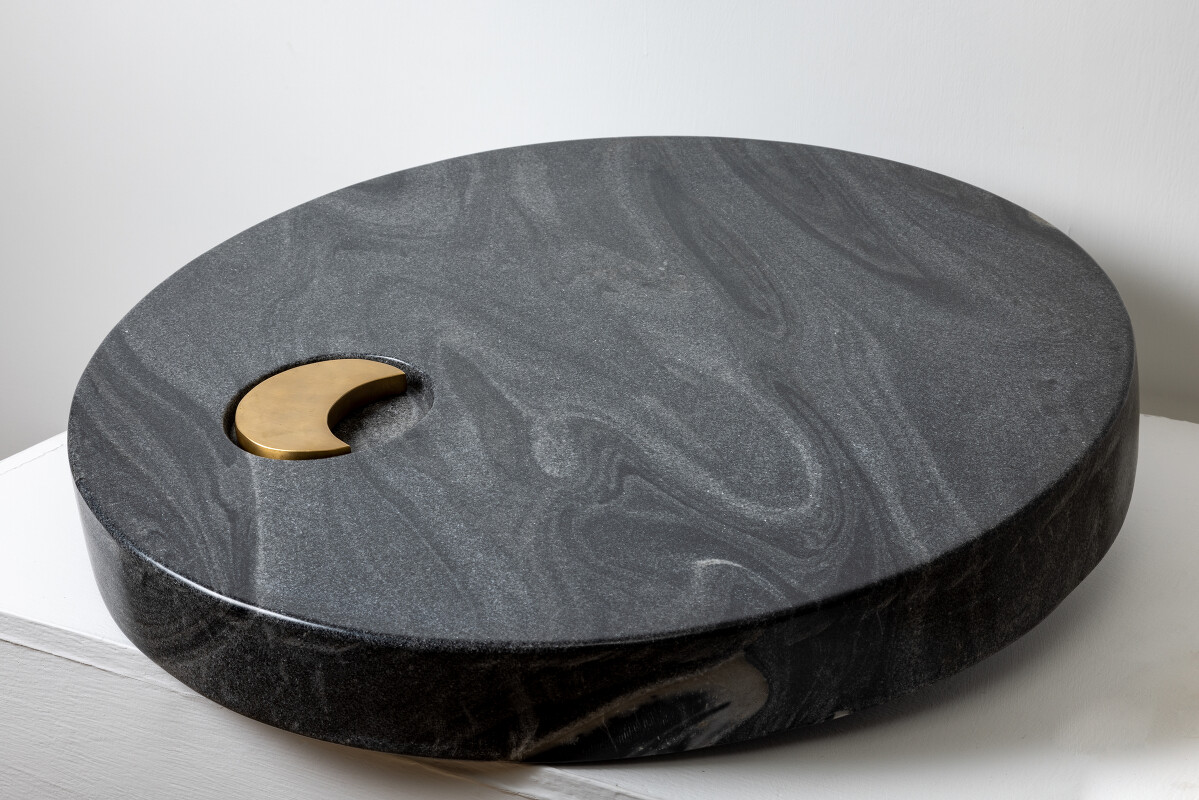
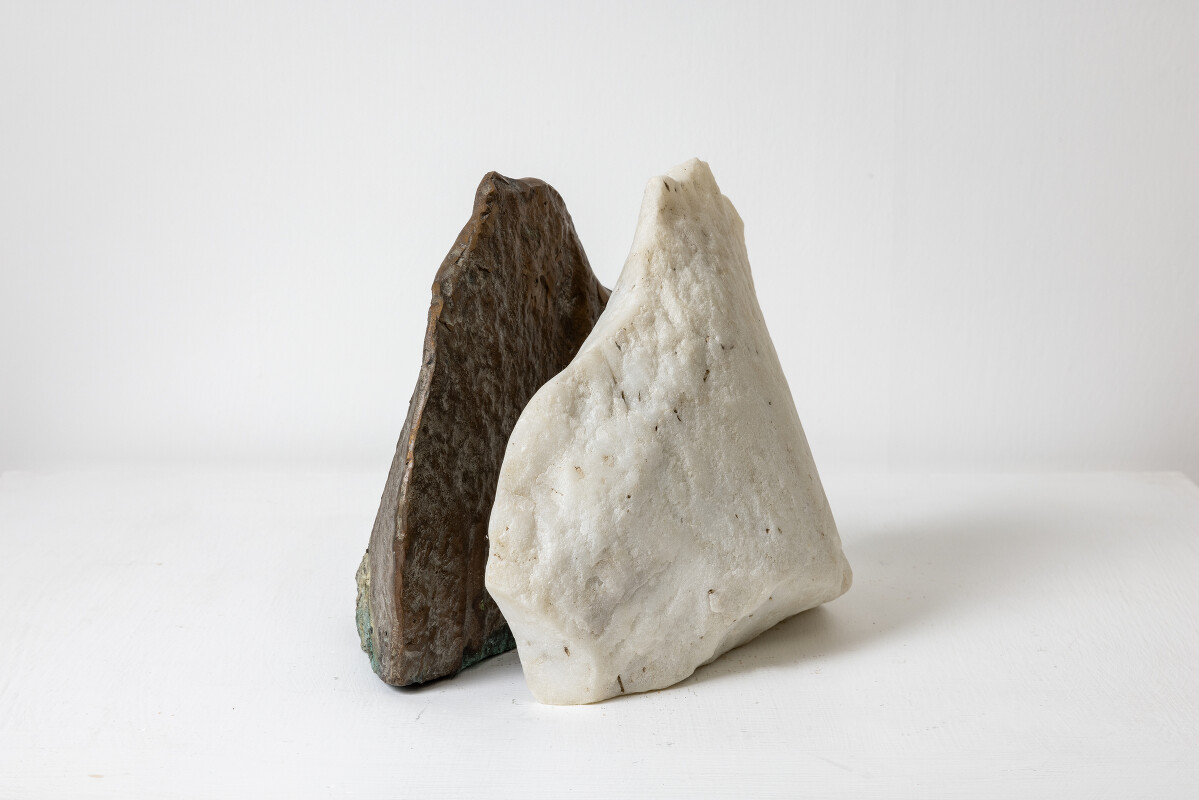
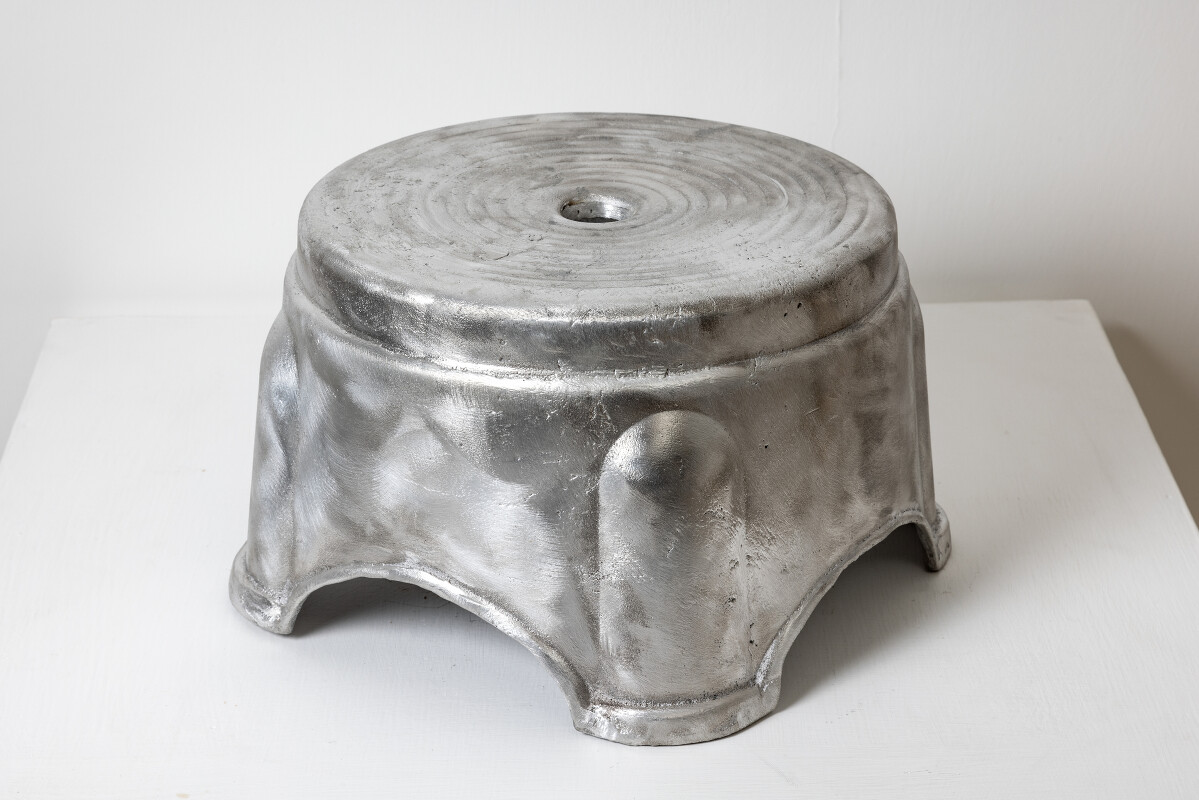
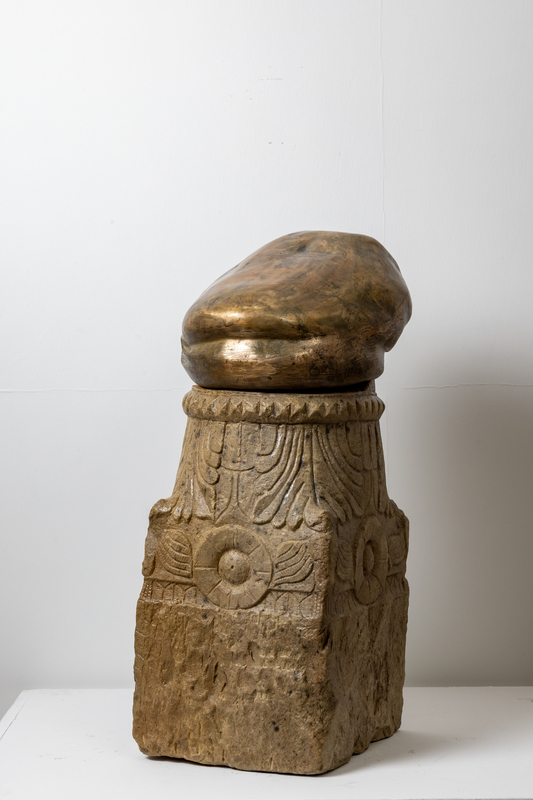
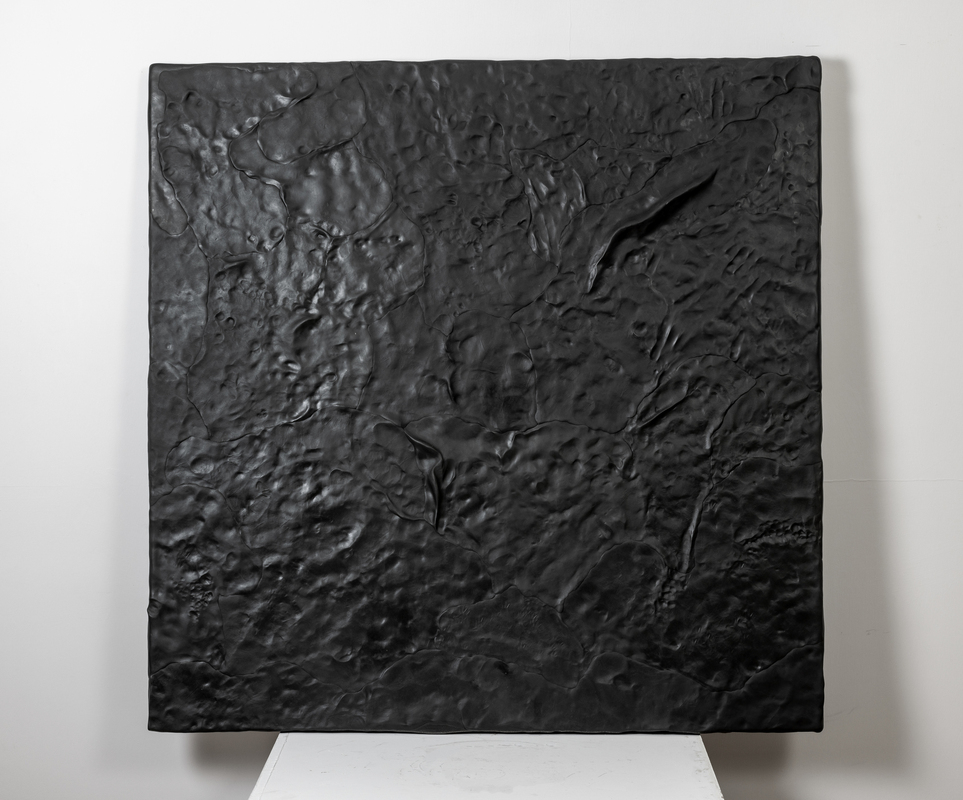
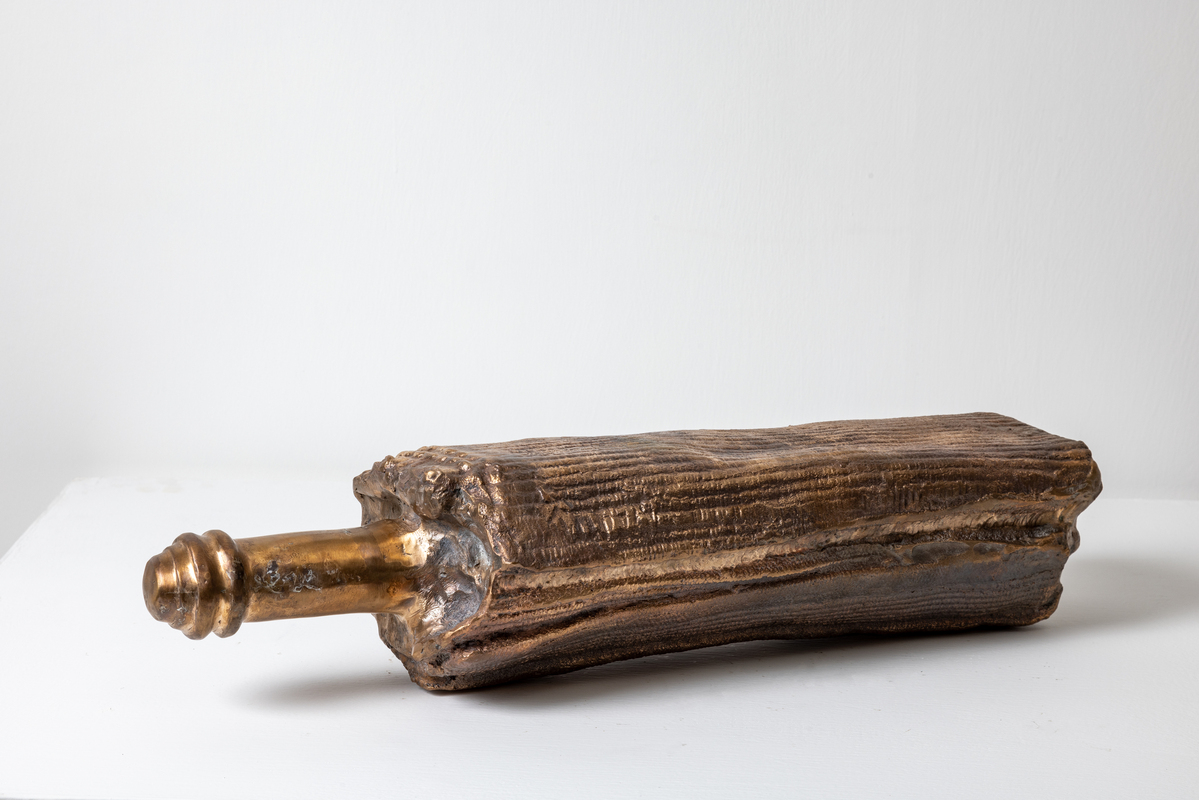
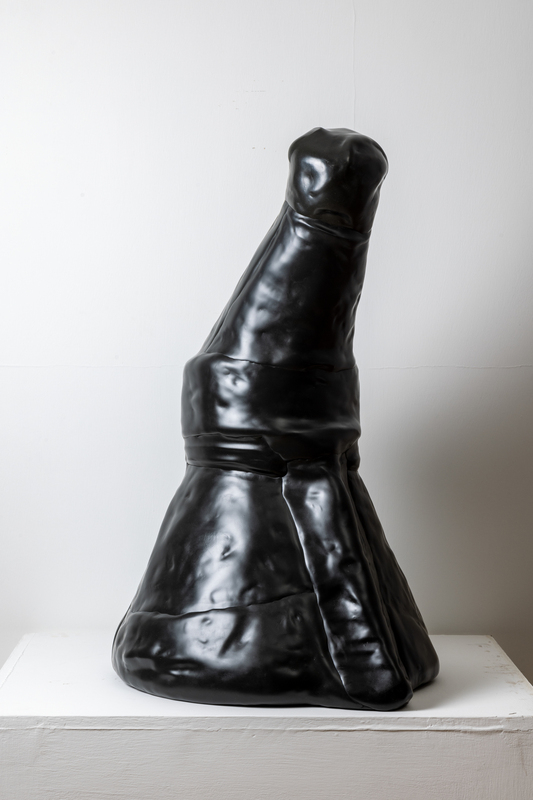
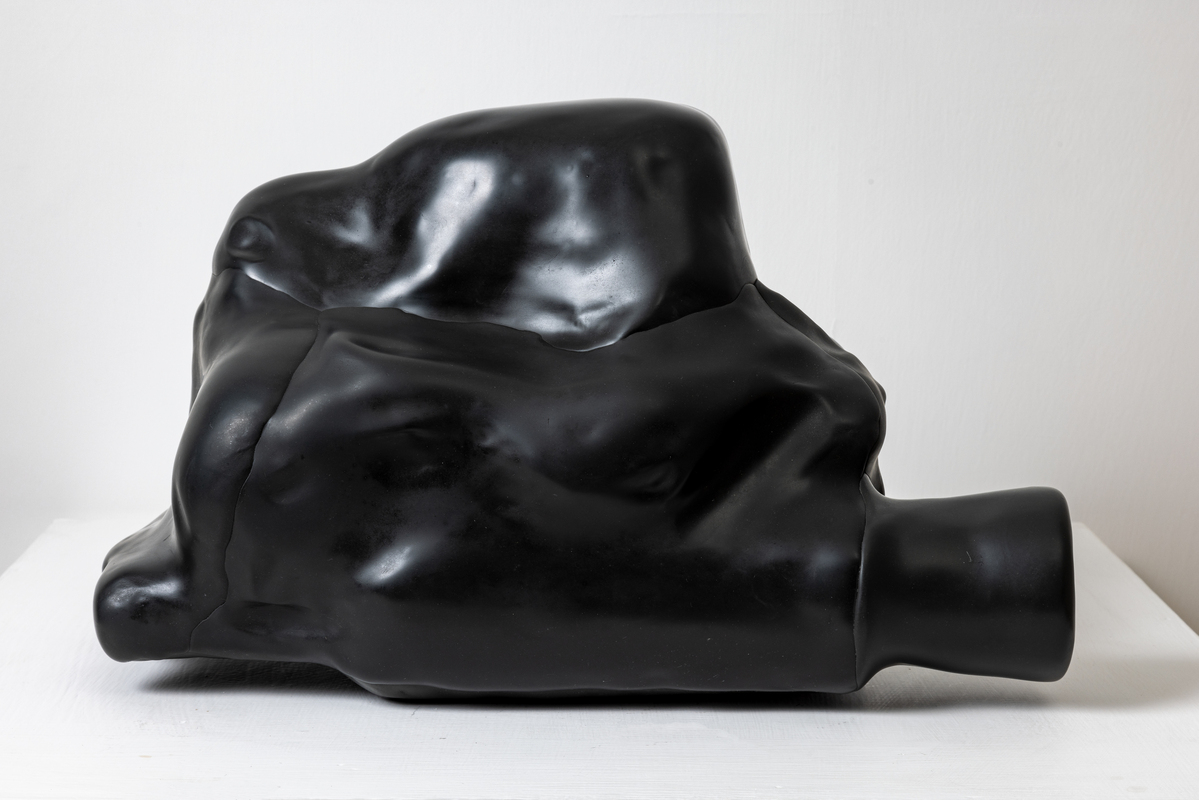
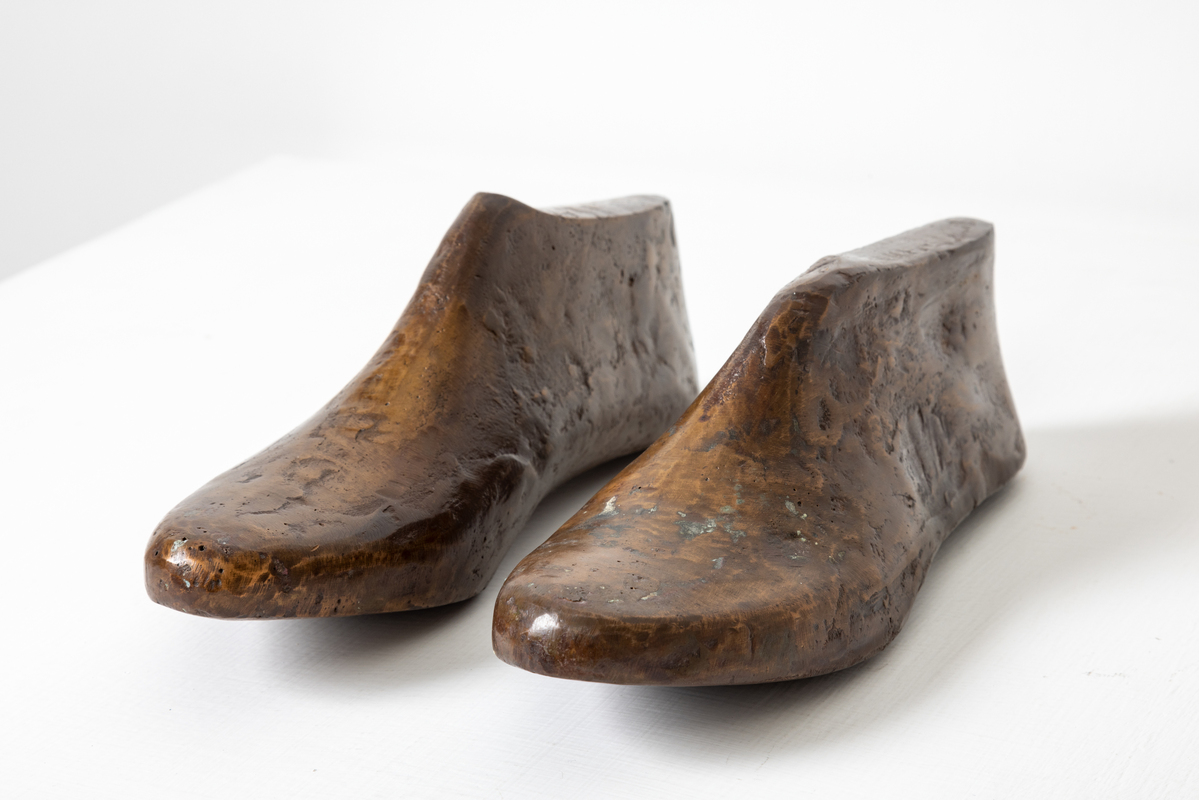
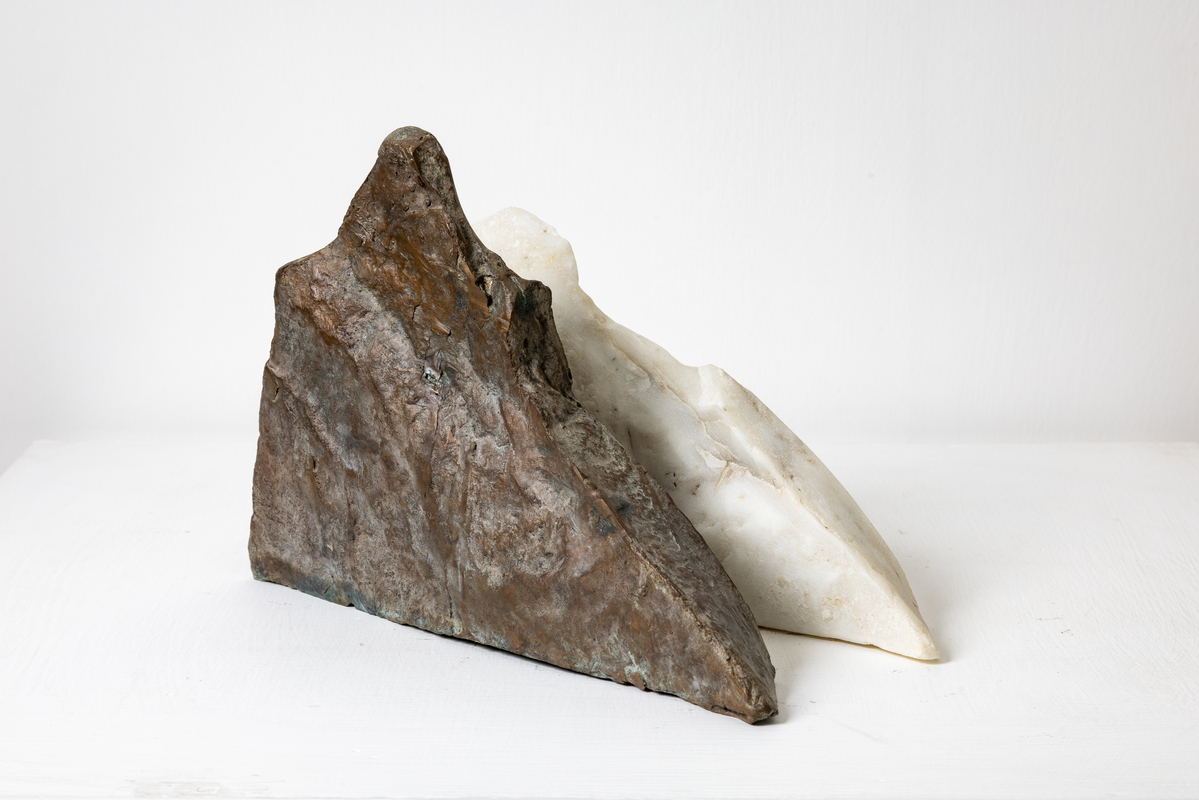
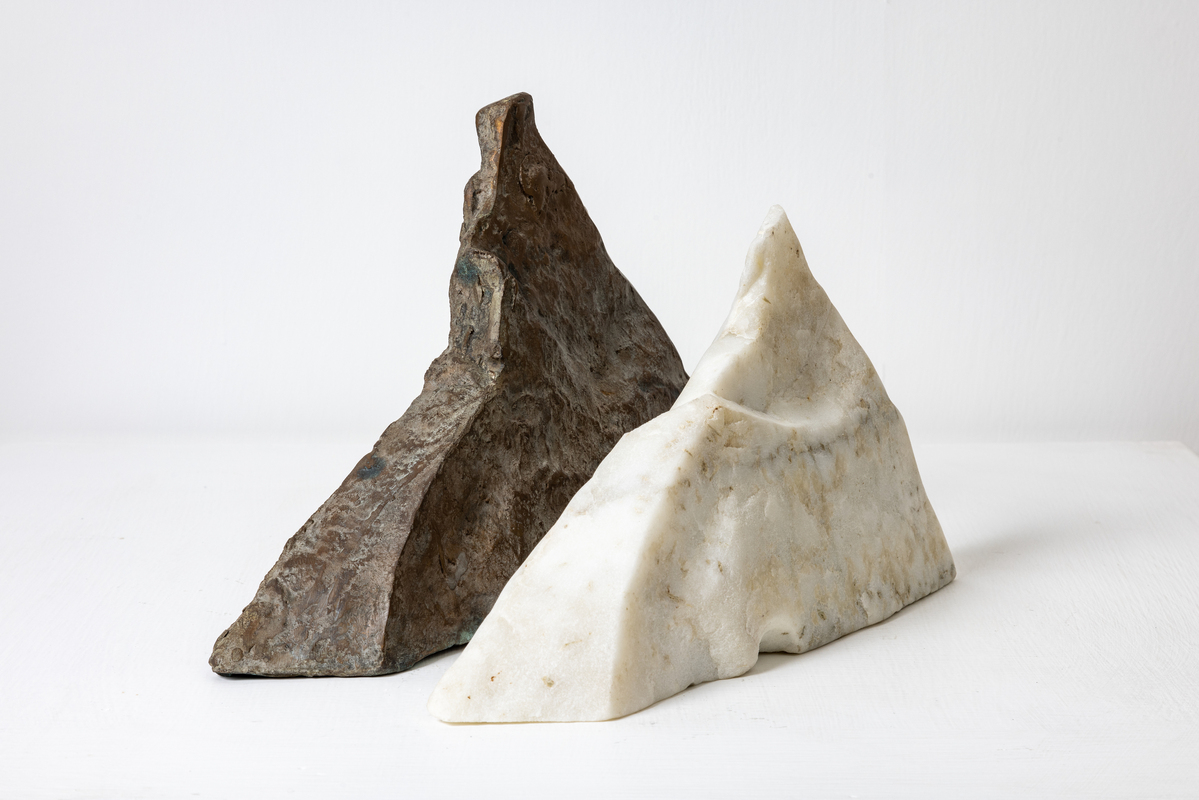
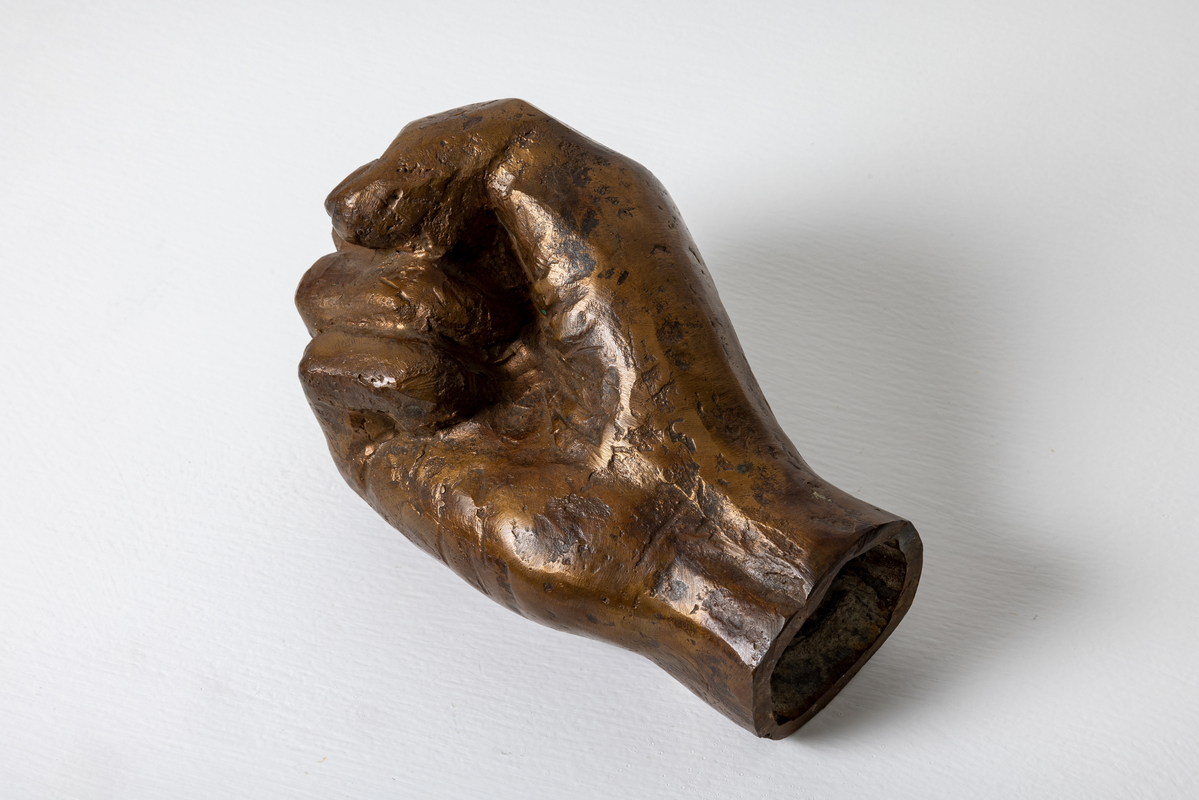
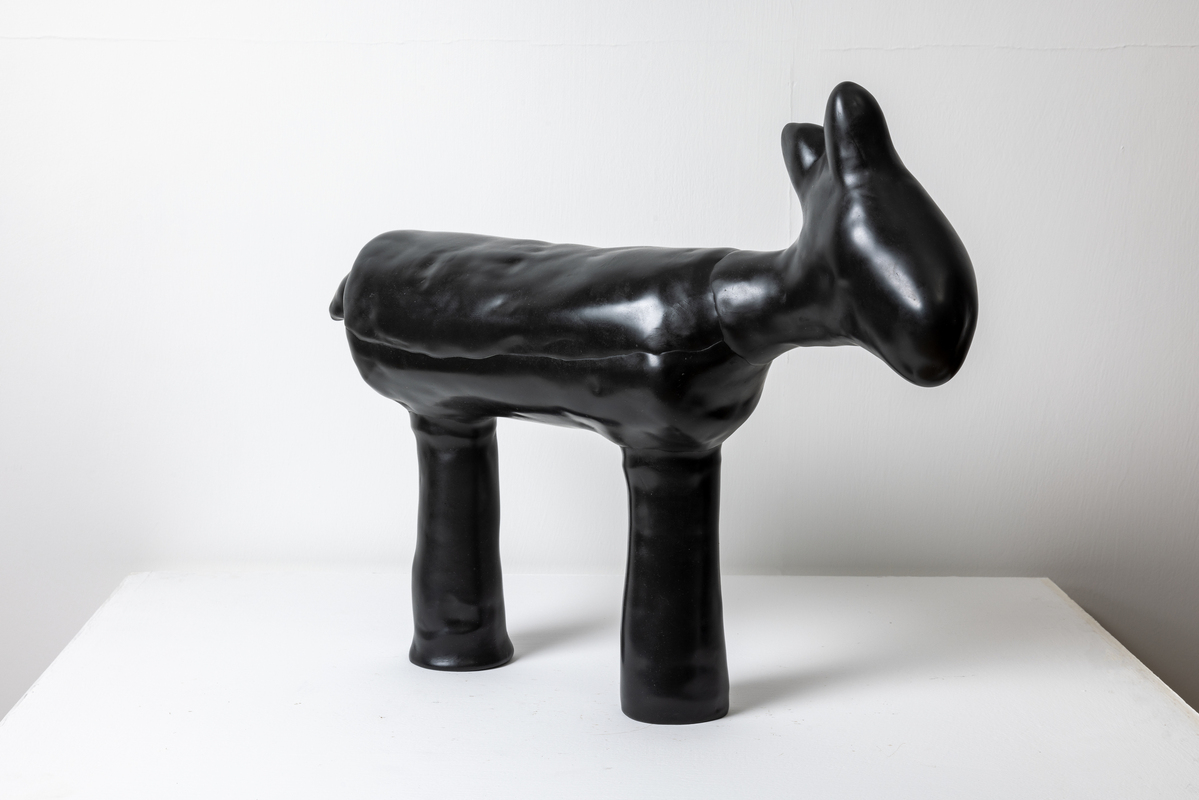
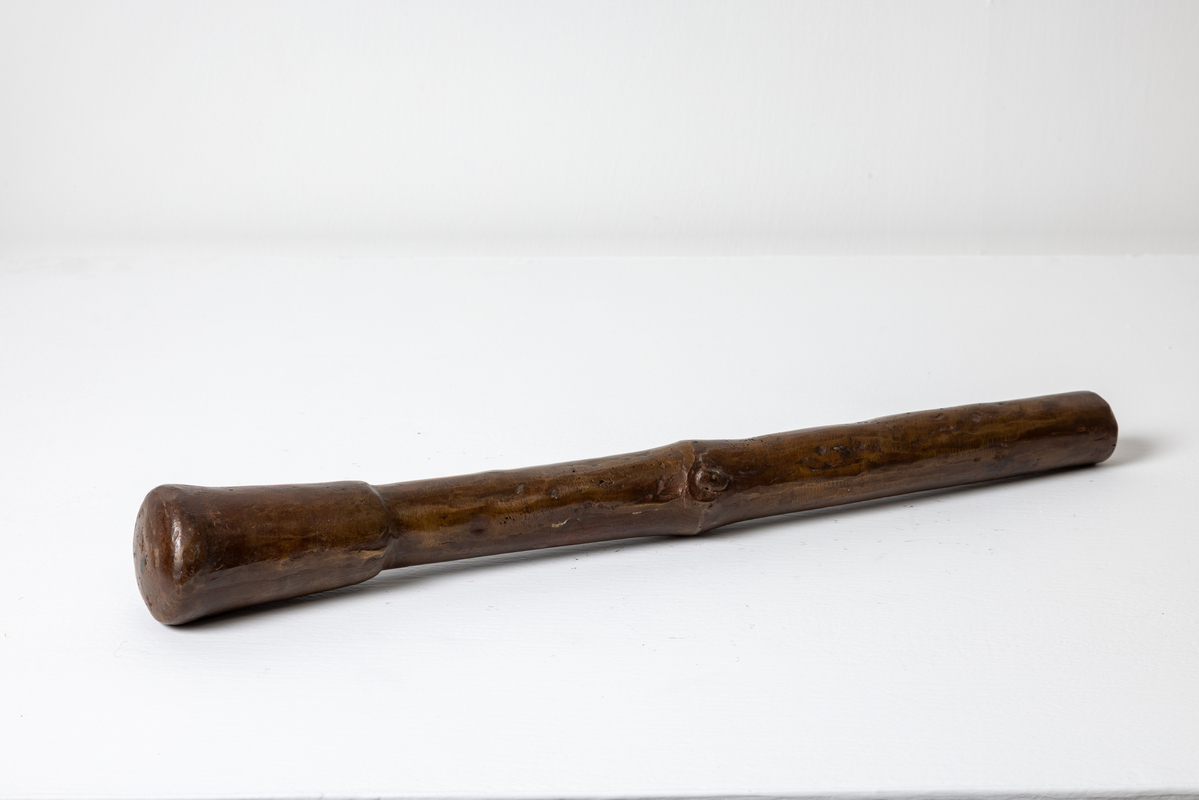
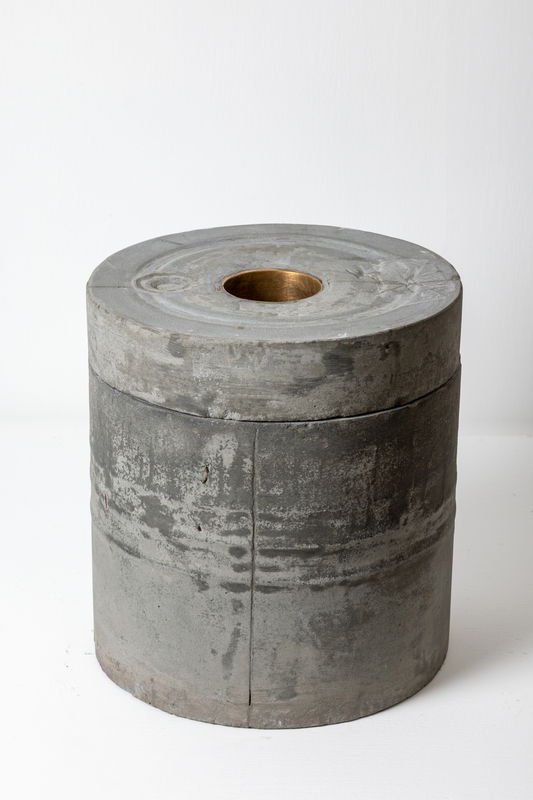
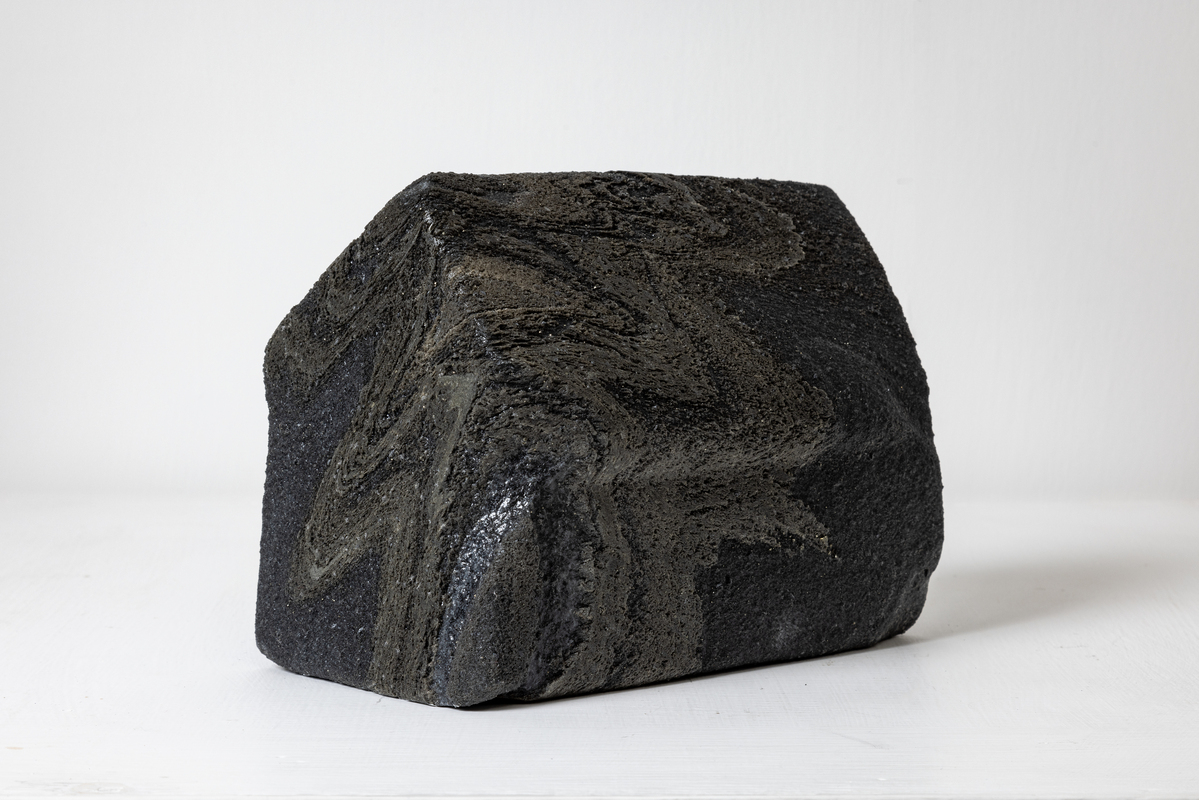
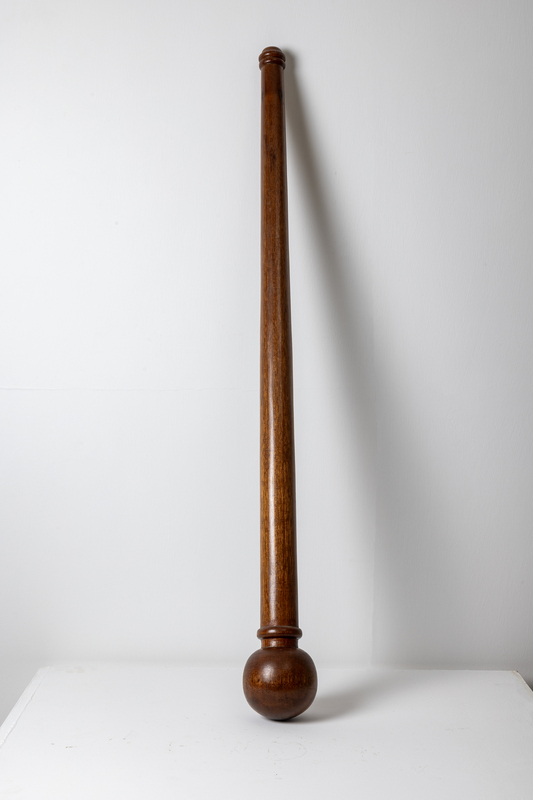
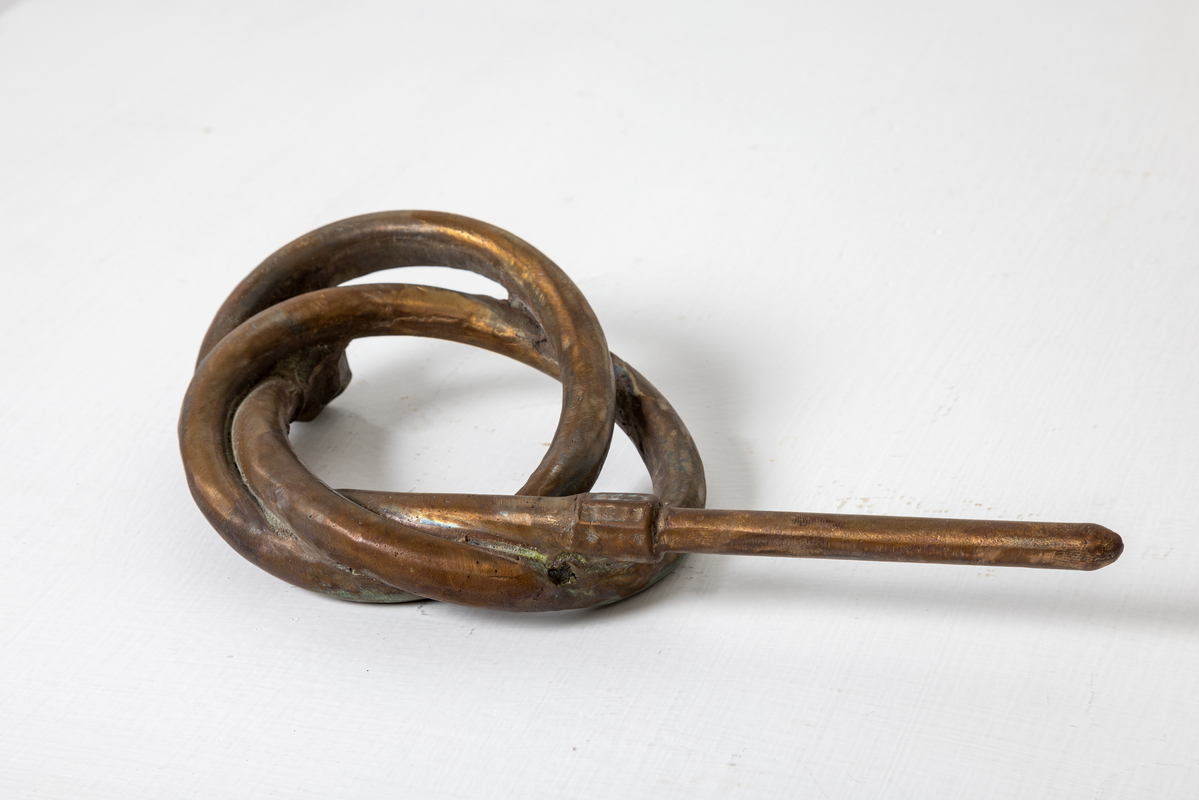
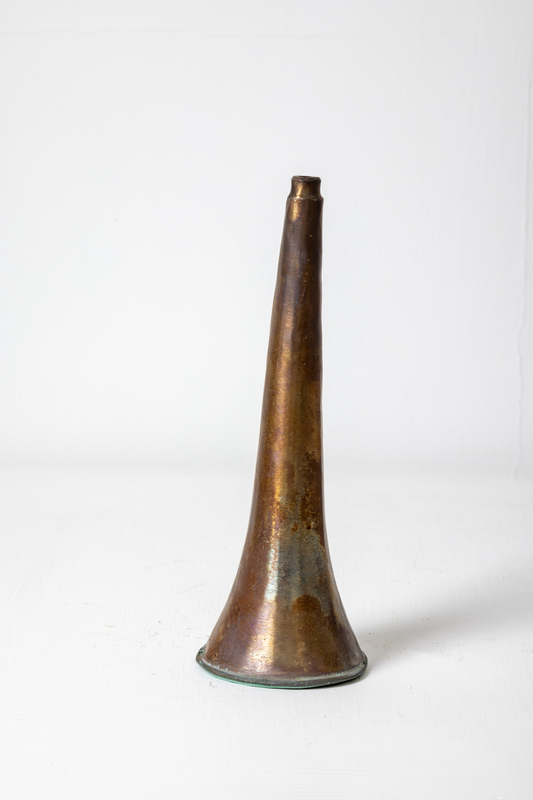
Nature Morte is pleased to present an exhibition of new sculptures by Murari Jha. The artist creates enigmatic three-dimensional objects in a variety of materials. In our exhibition will be works made from bronze, wood, stone and M-Seal, the epoxy putty used to repair objects, fill cracks, and plug leaks. Jha's sculptures resemble common objects found in daily life, yet their resemblance is fleeting and elusive. A conversation between these small-scale sculptures develops during the exhibition, allowing the viewer to reimagine their own sensorial experiences and memories. The "baggage" of the exhibition's title refers to the multiple objects we all carry, both physically and psychologically, through our lives. "The Longest March'' refers to the recent pandemic lockdown, an experience in which everyone had to reevaluate their daily lives. The artist explains that he is exploring "the language of shape" and the idea of returning in both time and space. By creating a performance within his exhibition, the artist will act as a magician who tells the stories of these multiple objects, while their shapes and sizes are continually shifting.
The exhibition follows the artist's participation in the exhibition "Very Small Feelings," which was curated by Akansha Rastogi and Diana Campbell and first appeared at the Dhaka Art Summit (February 3-11, 2023) and then the Kiran Nadar Museum of Art in New Delhi (July 4 to October 3, 2023).
Murari Jha is a visual and performing arts practitioner based out of Delhi currently. He was born in 1988 and brought up in Maunbehat in Darbhanga district, Bihar. He completed his BFA from Patna University in 2010 and then his MFA from BR Ambedkar University, Agra in 2012. Working primarily with the performance arts, Jha activates the spatial mechanics of a stage and creates performative sculptures and creatures. His transmedia practice works with the concept of the body and the self, studying how they exist as both subject and object. Thinking of personal resistance within the purview of 'micro socialism' and 'micro power', his work tries to understand the correlation between personal and collective struggle.
Artworks
Installation Views