

New Delhi
Asim Waqif
Autolysis Asim Waqif
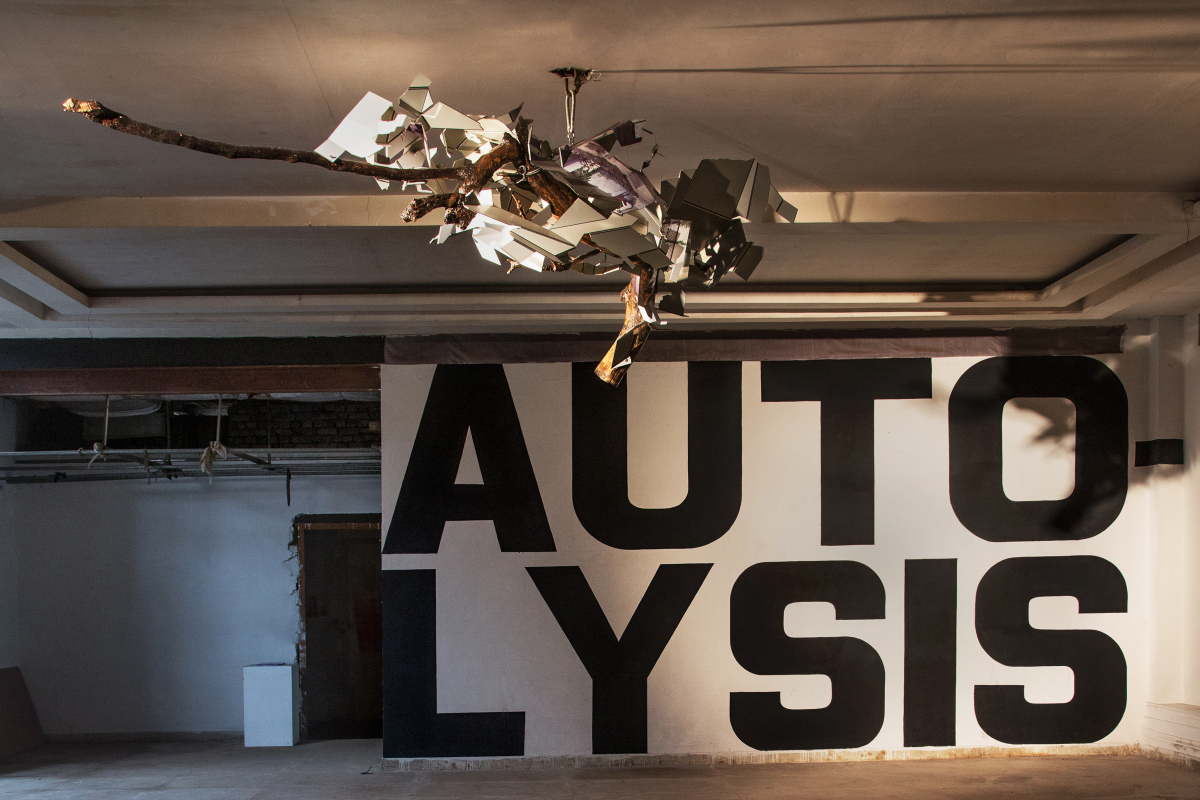
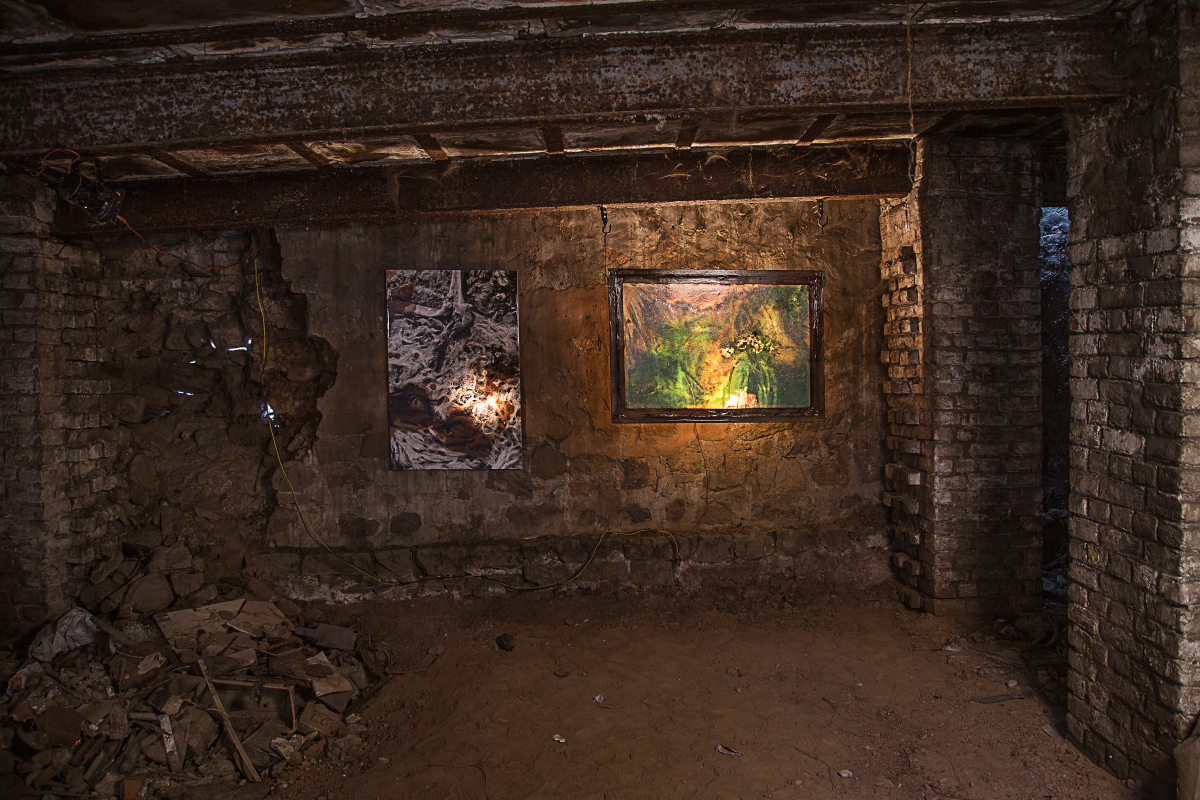
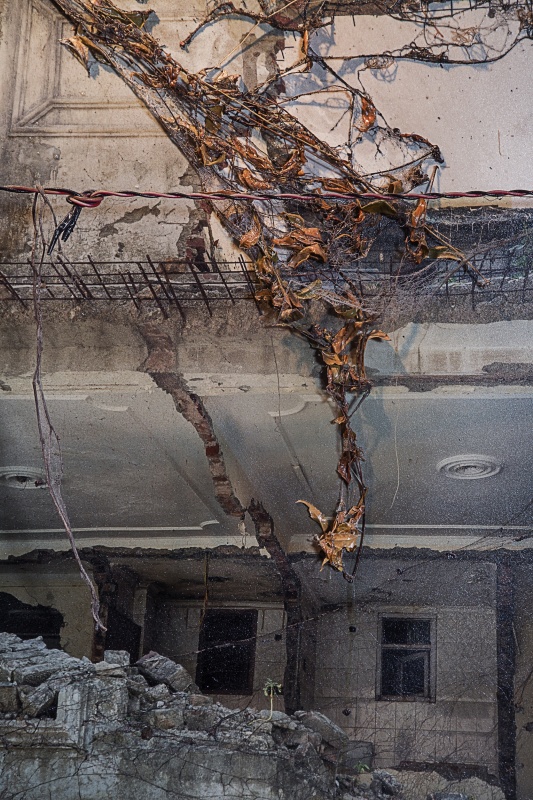
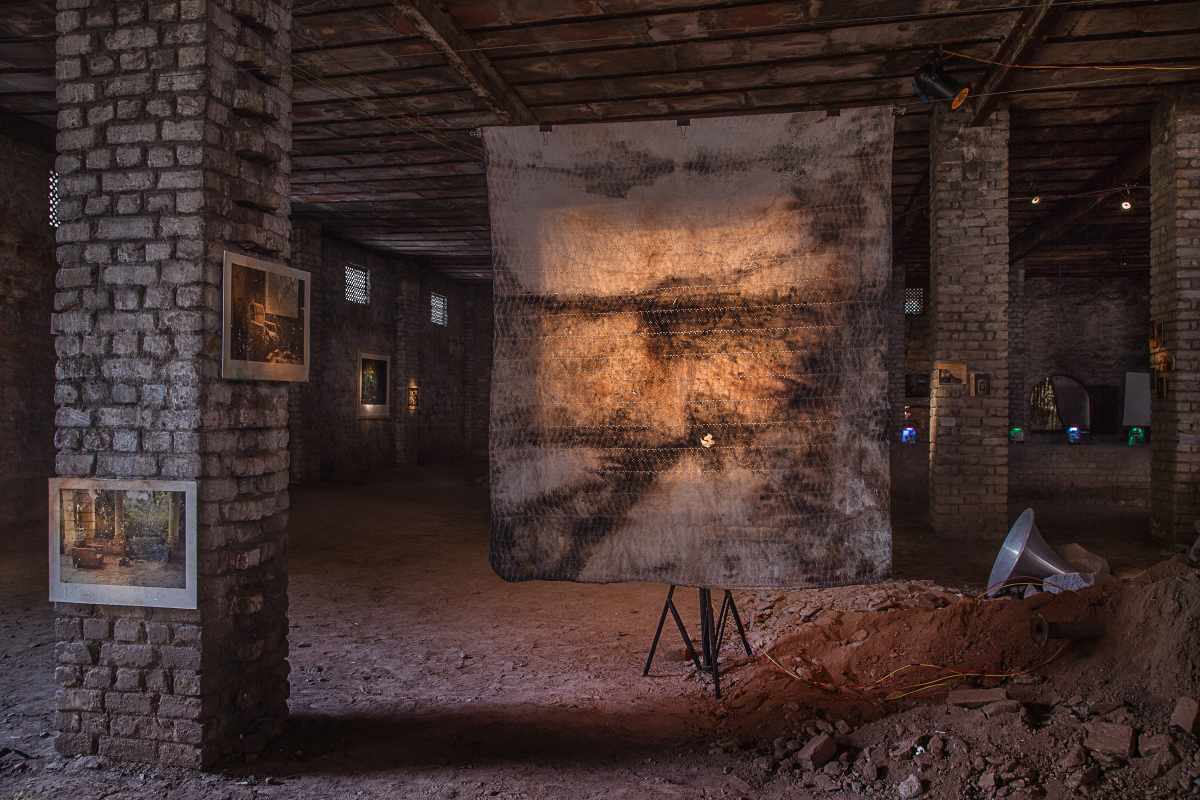
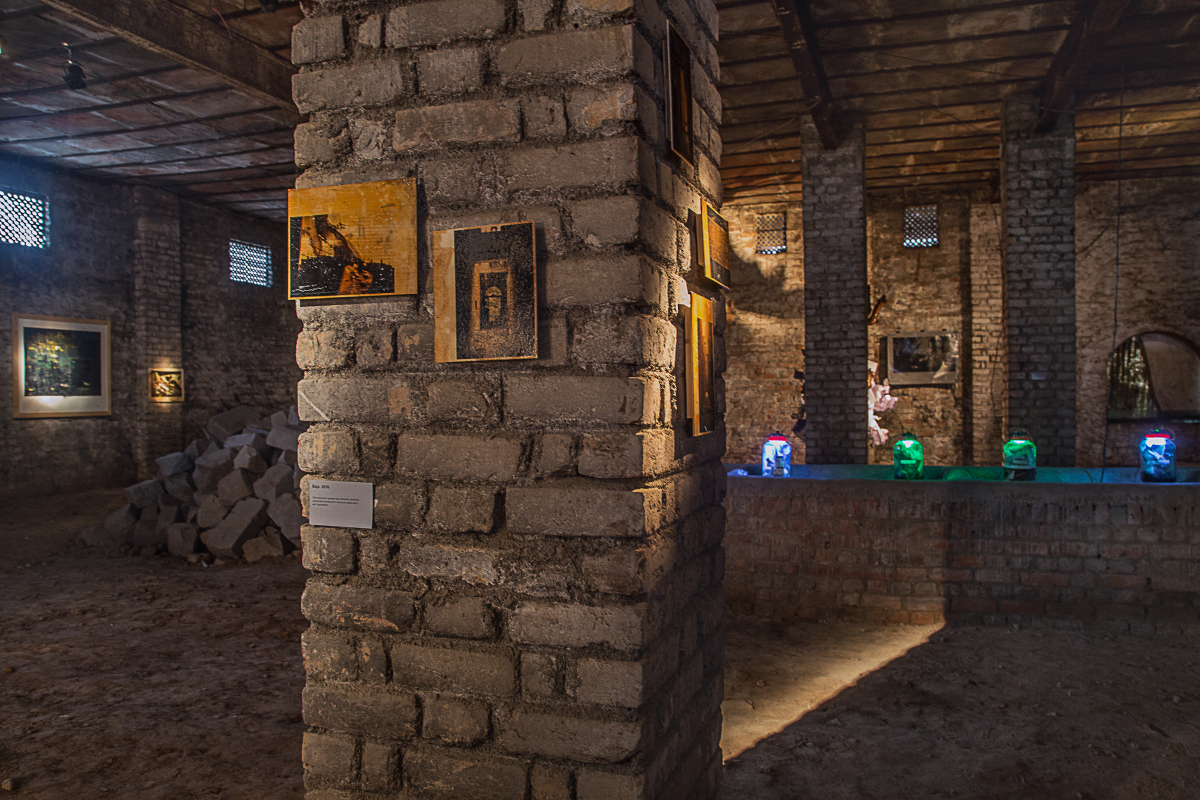
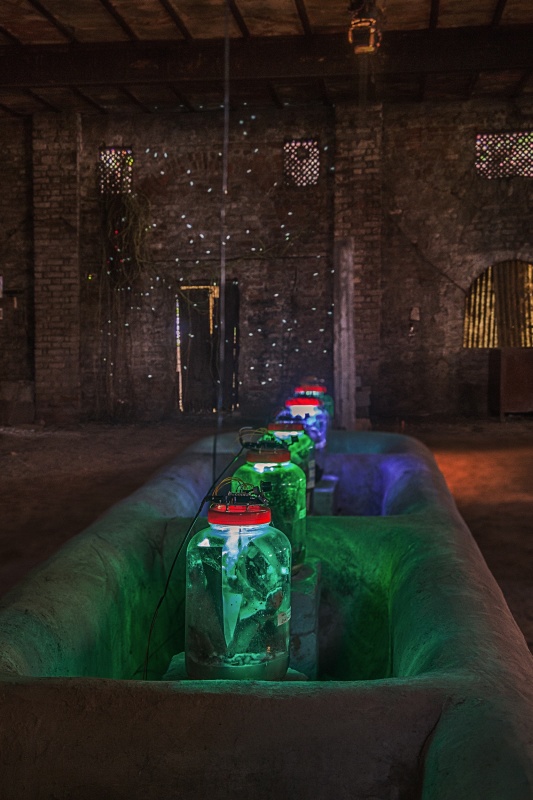
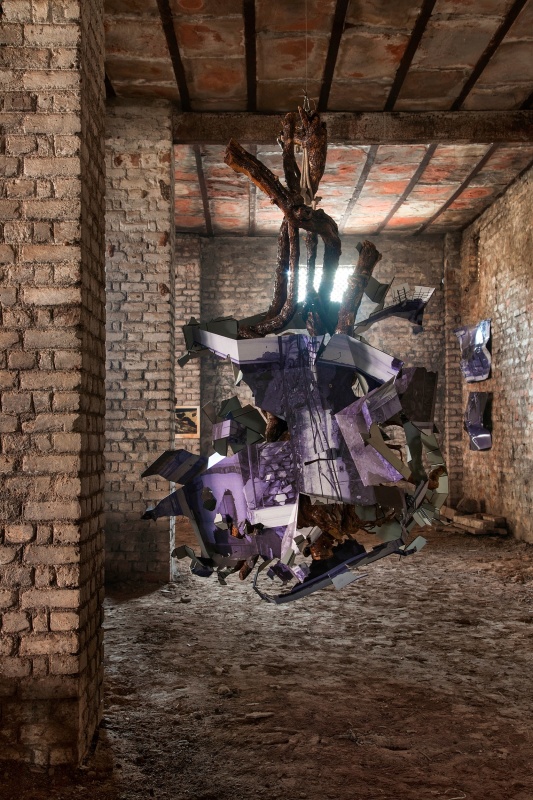
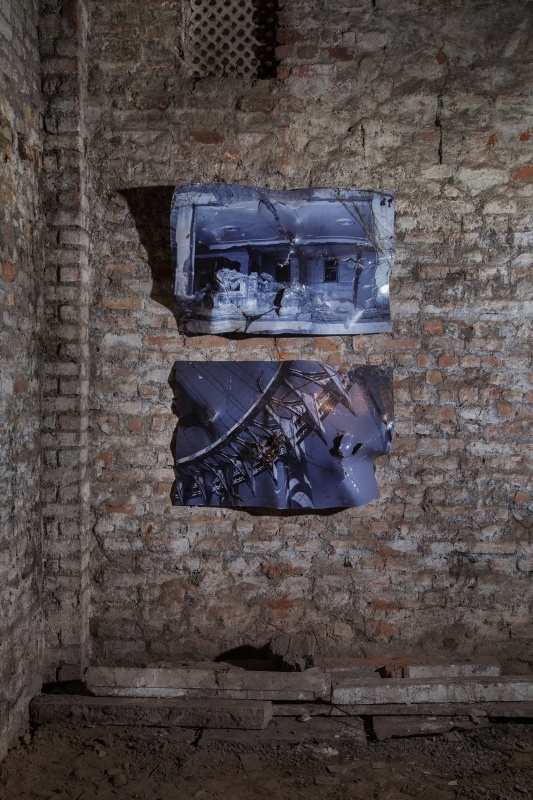
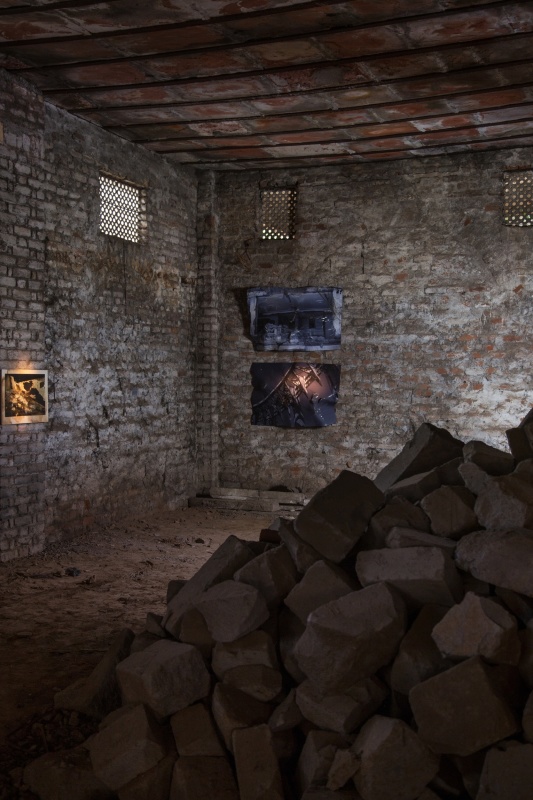
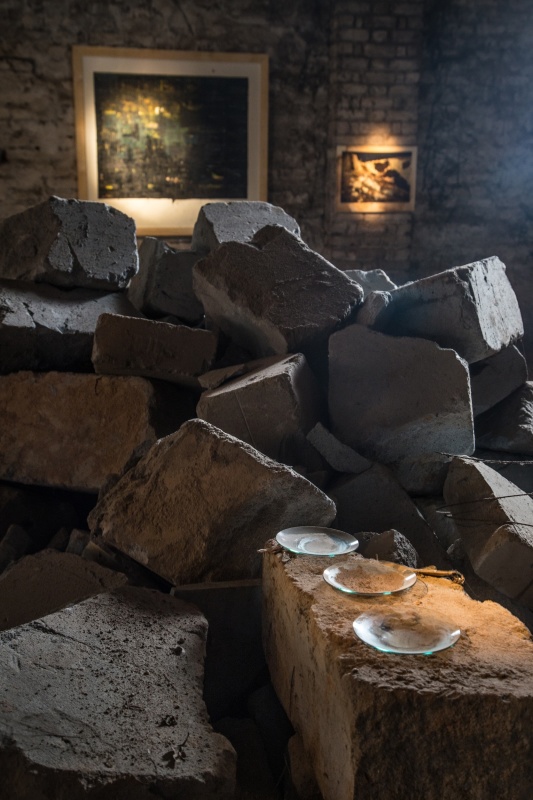
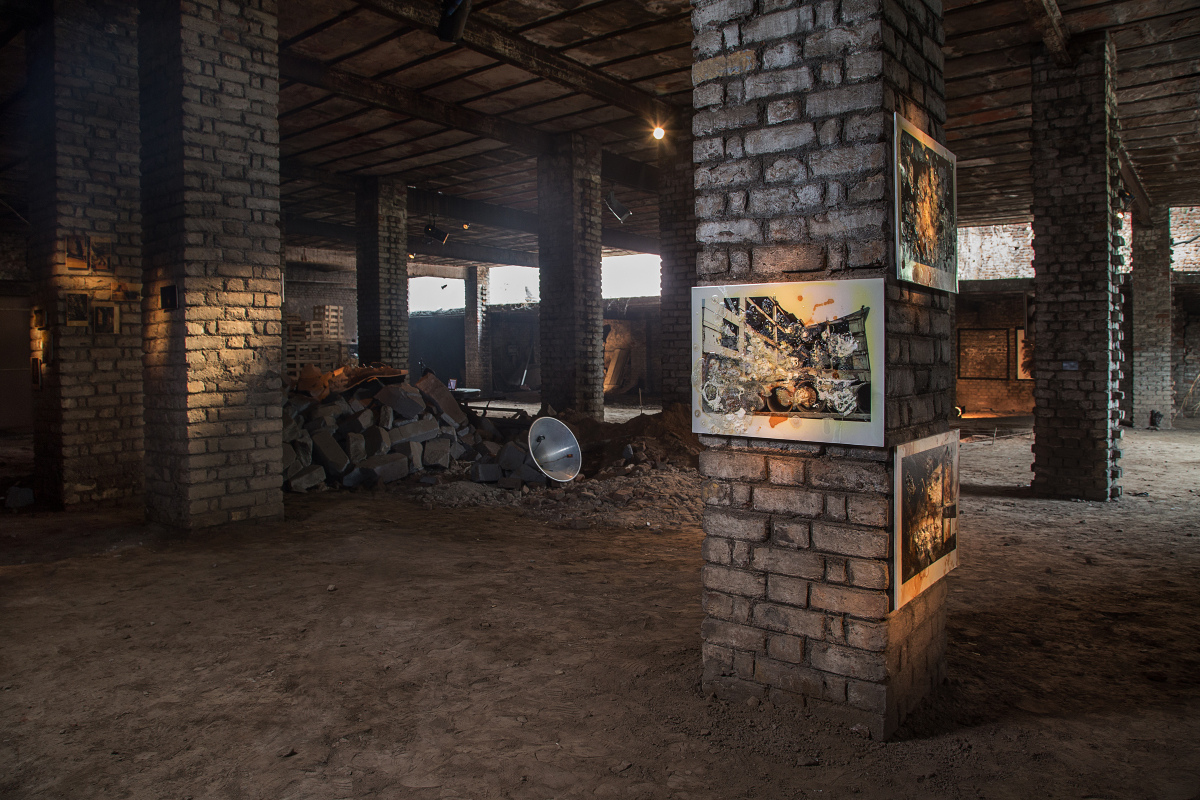
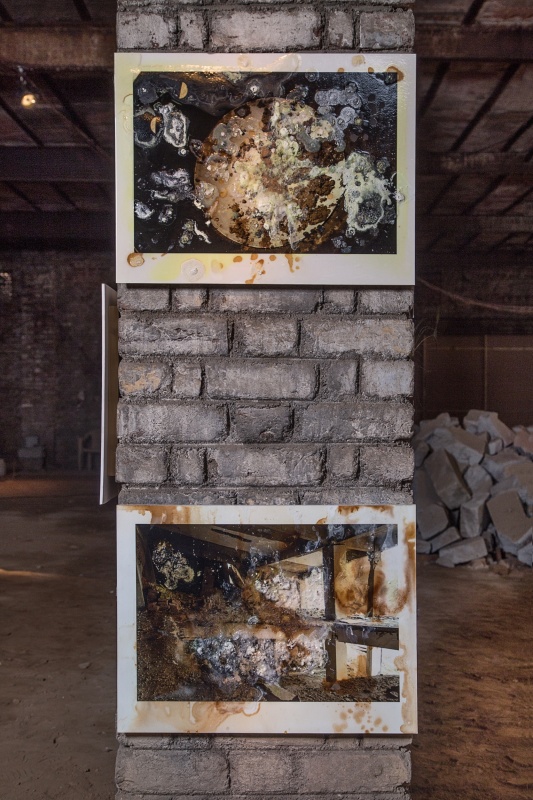
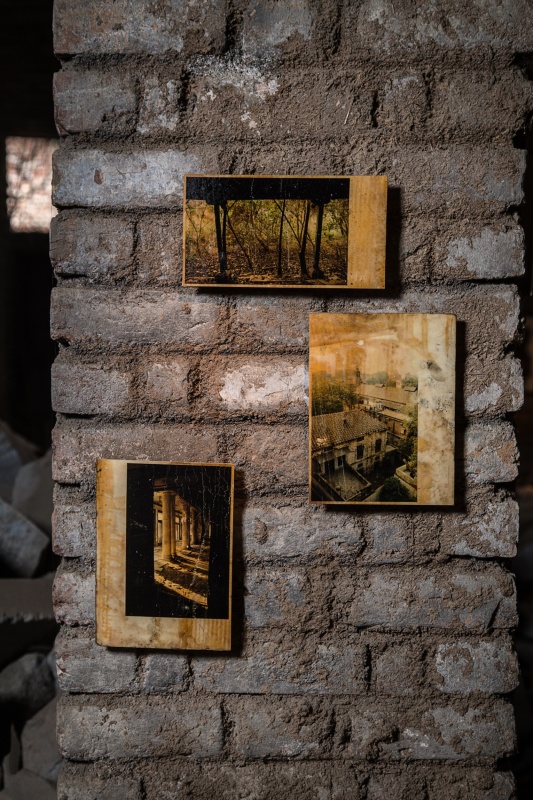
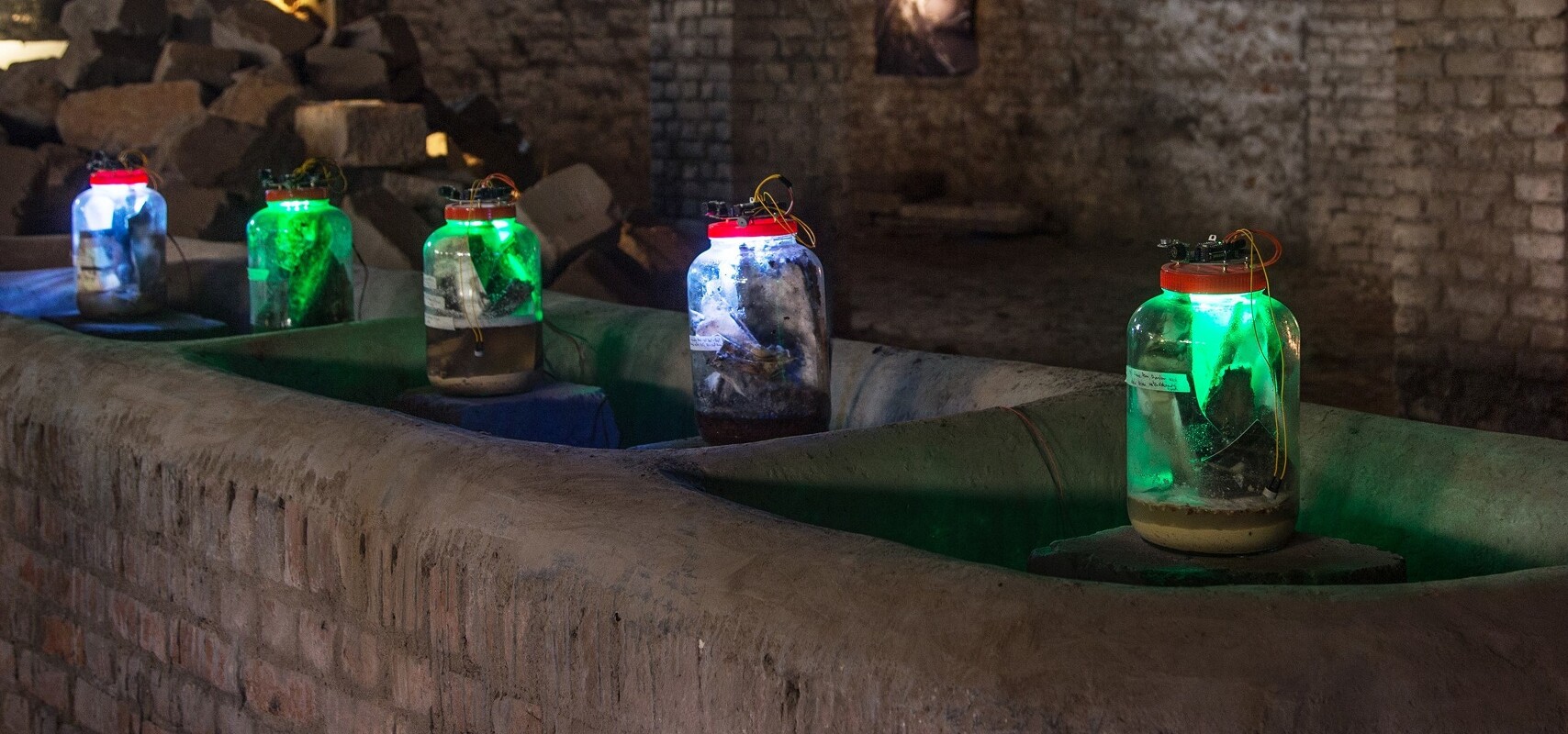
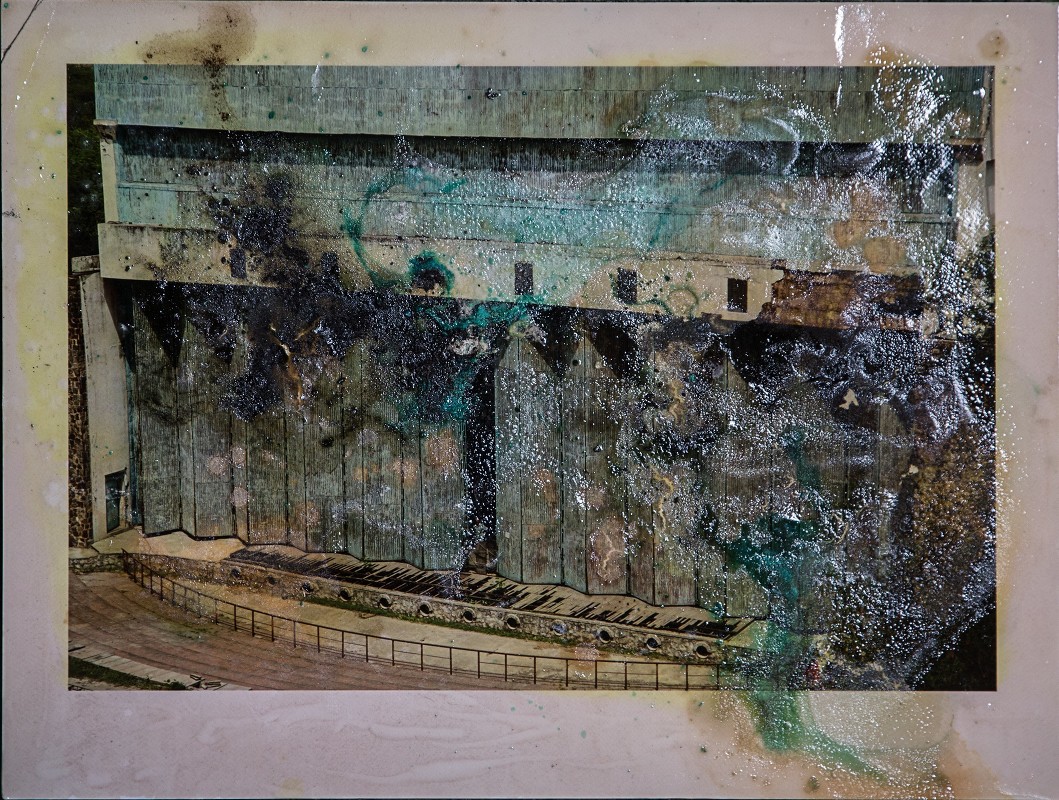
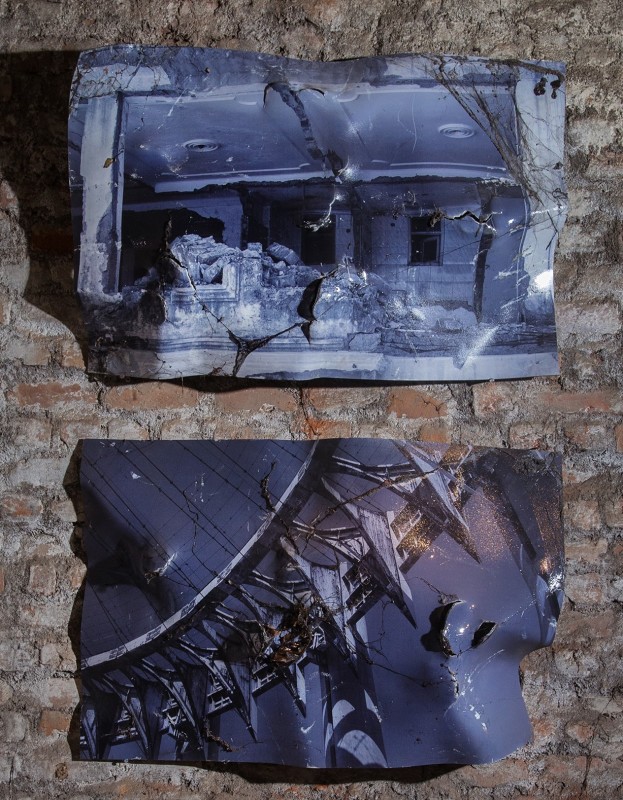
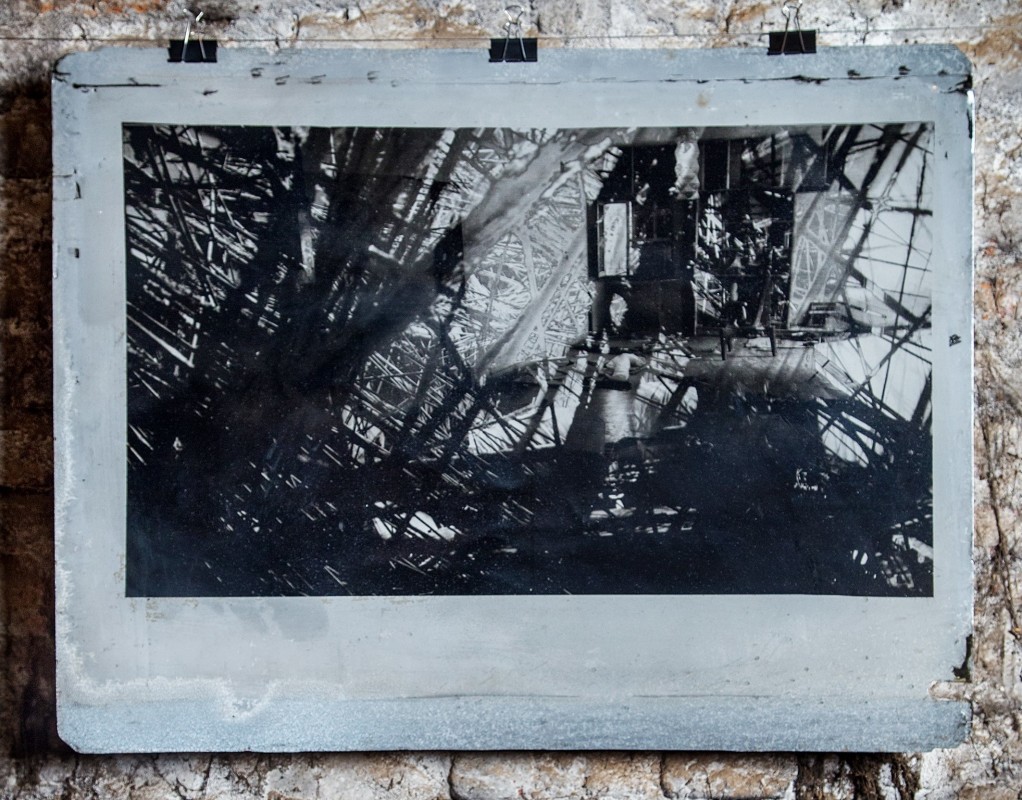
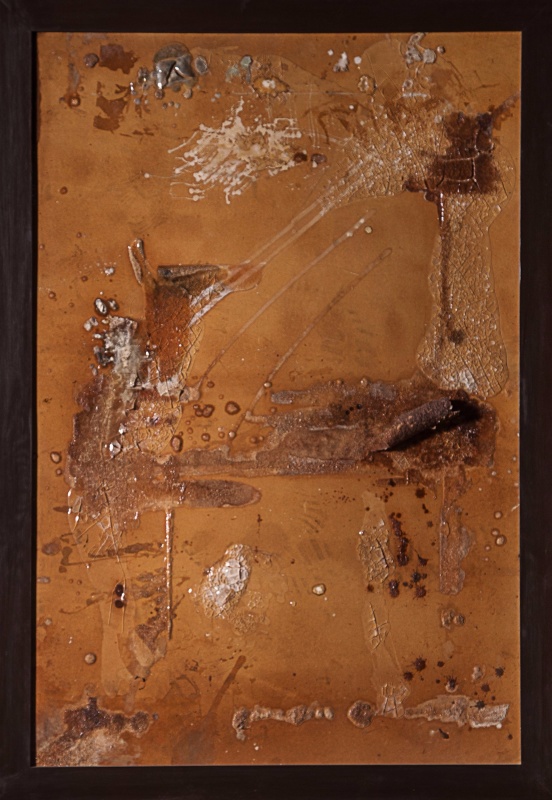
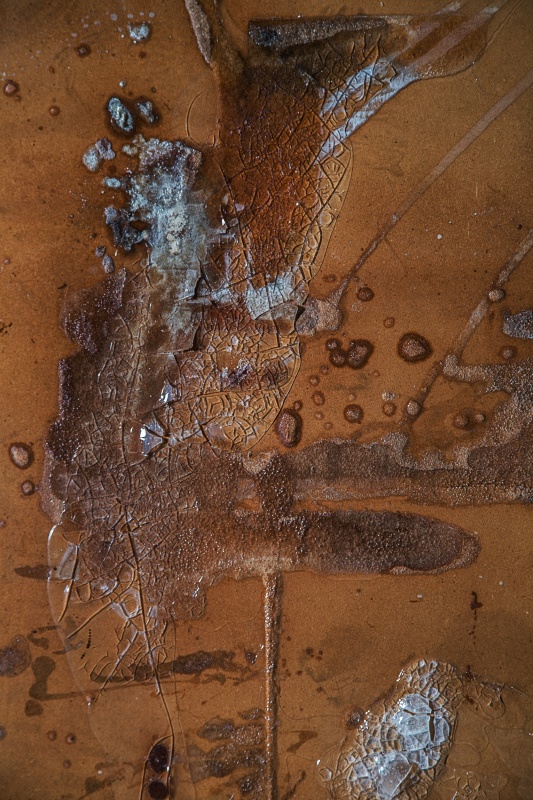
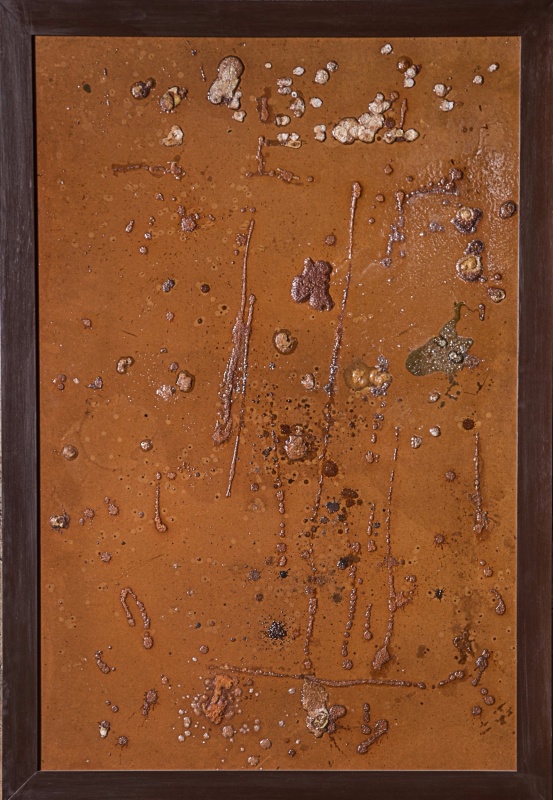
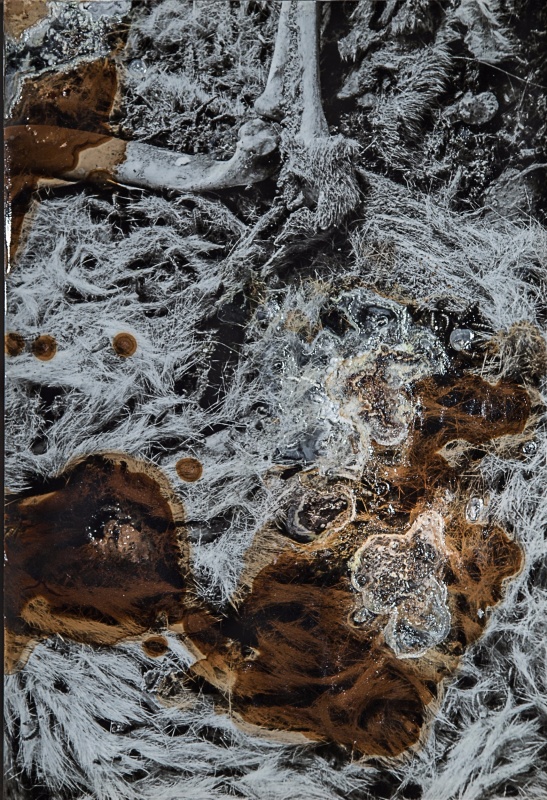
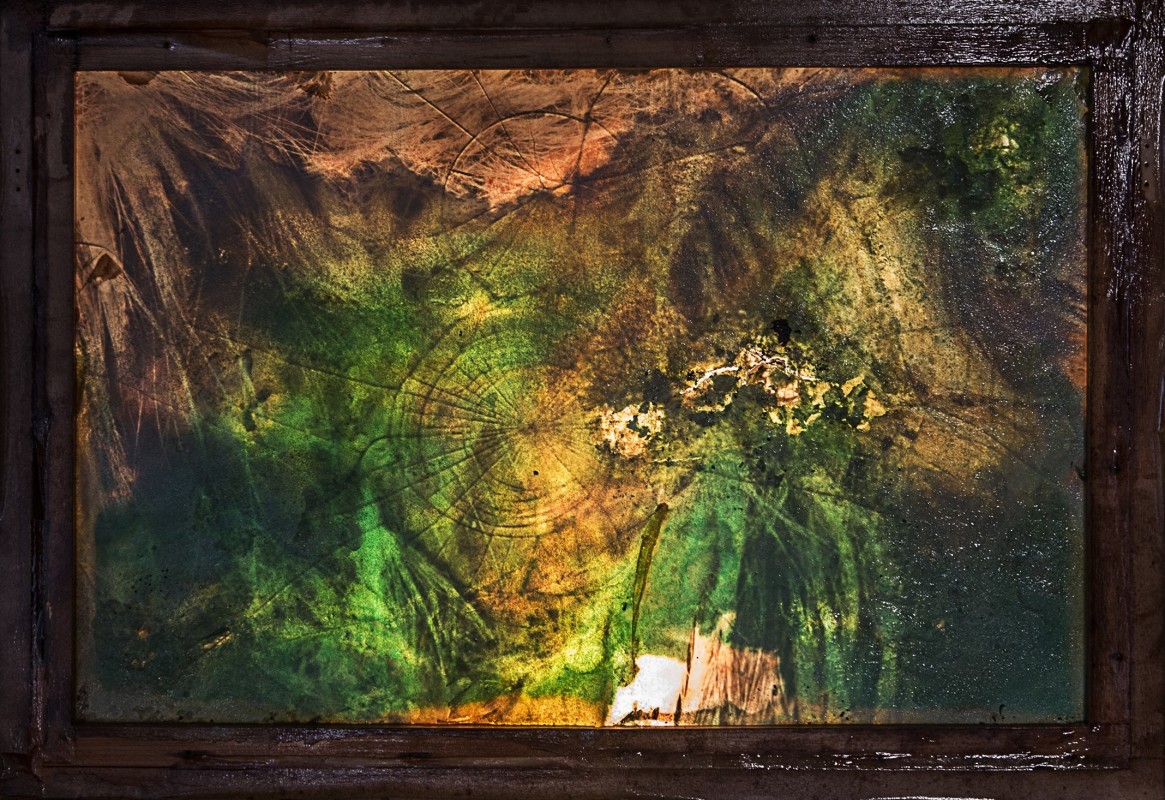
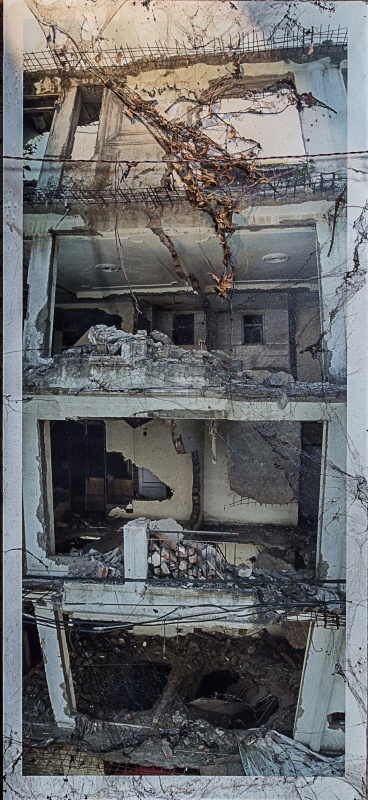
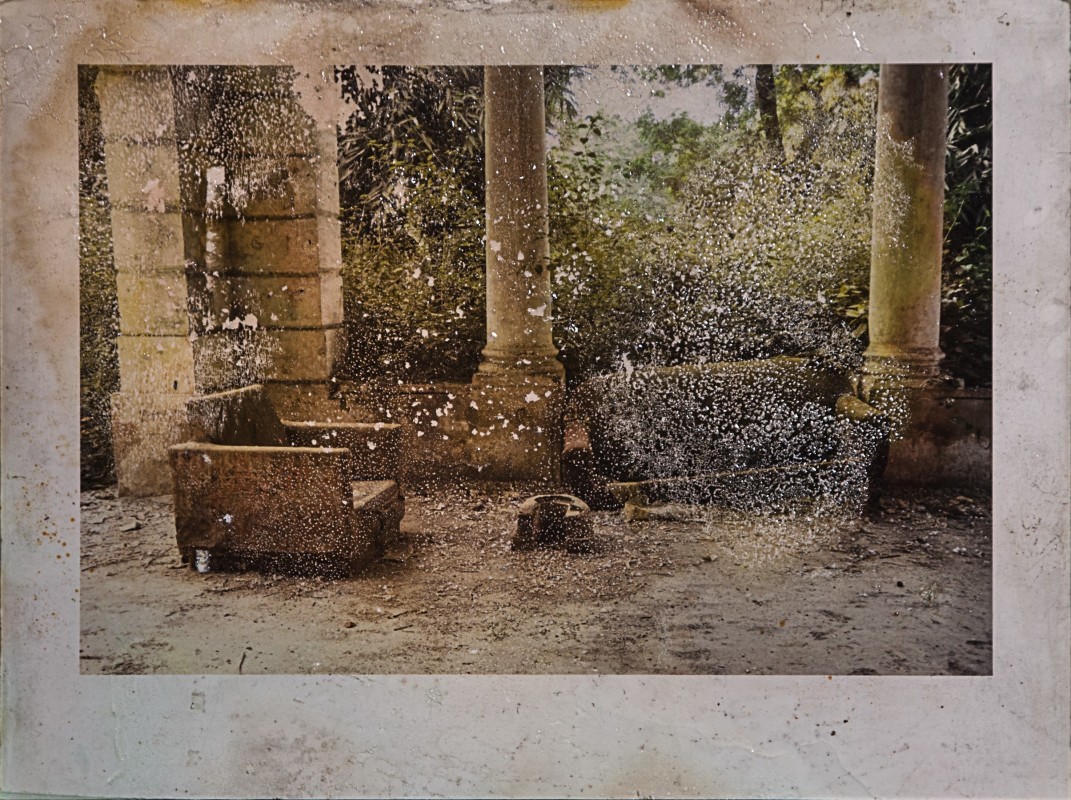
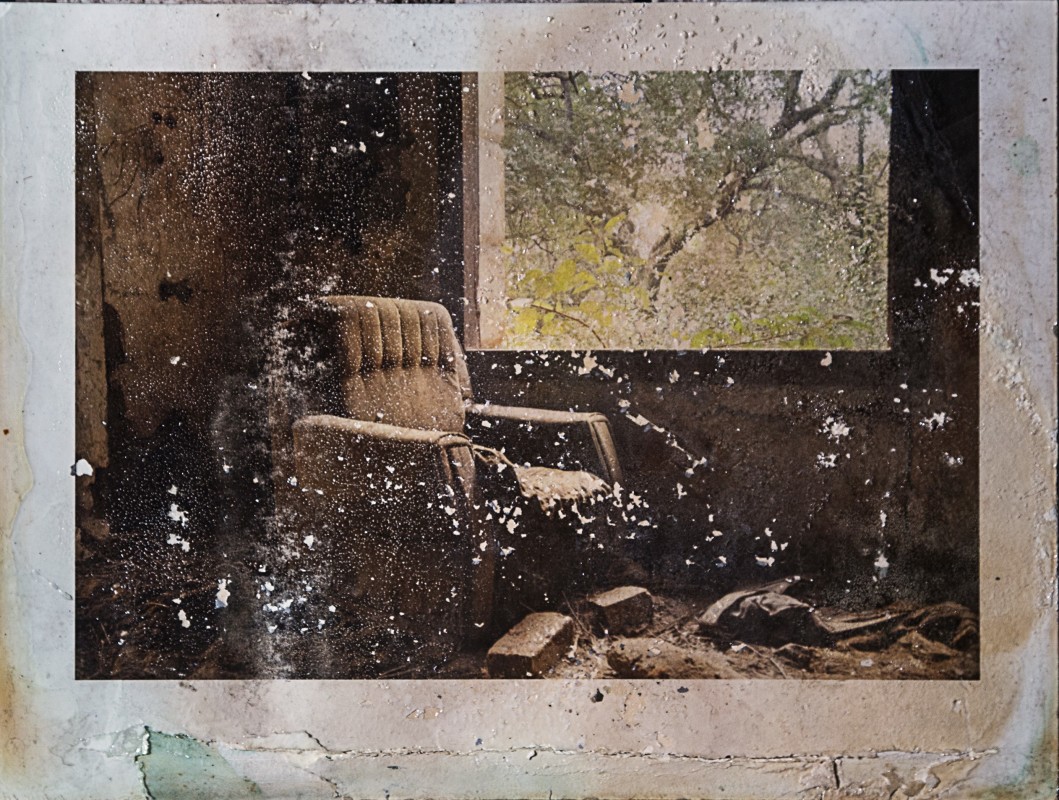
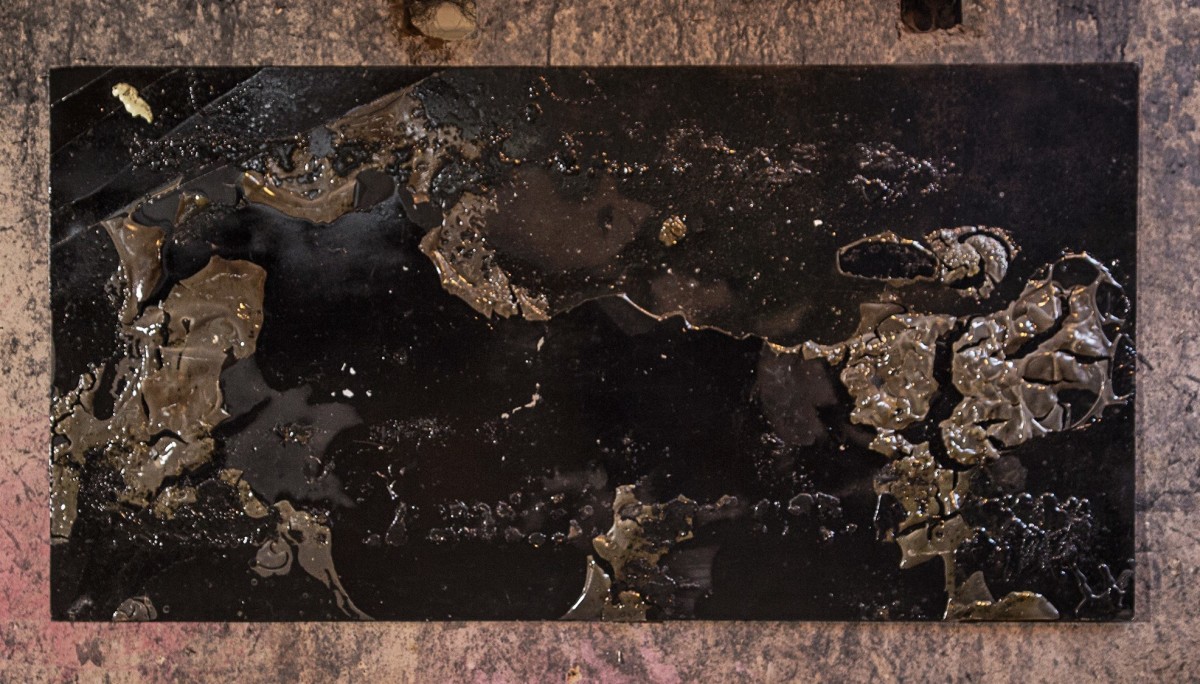
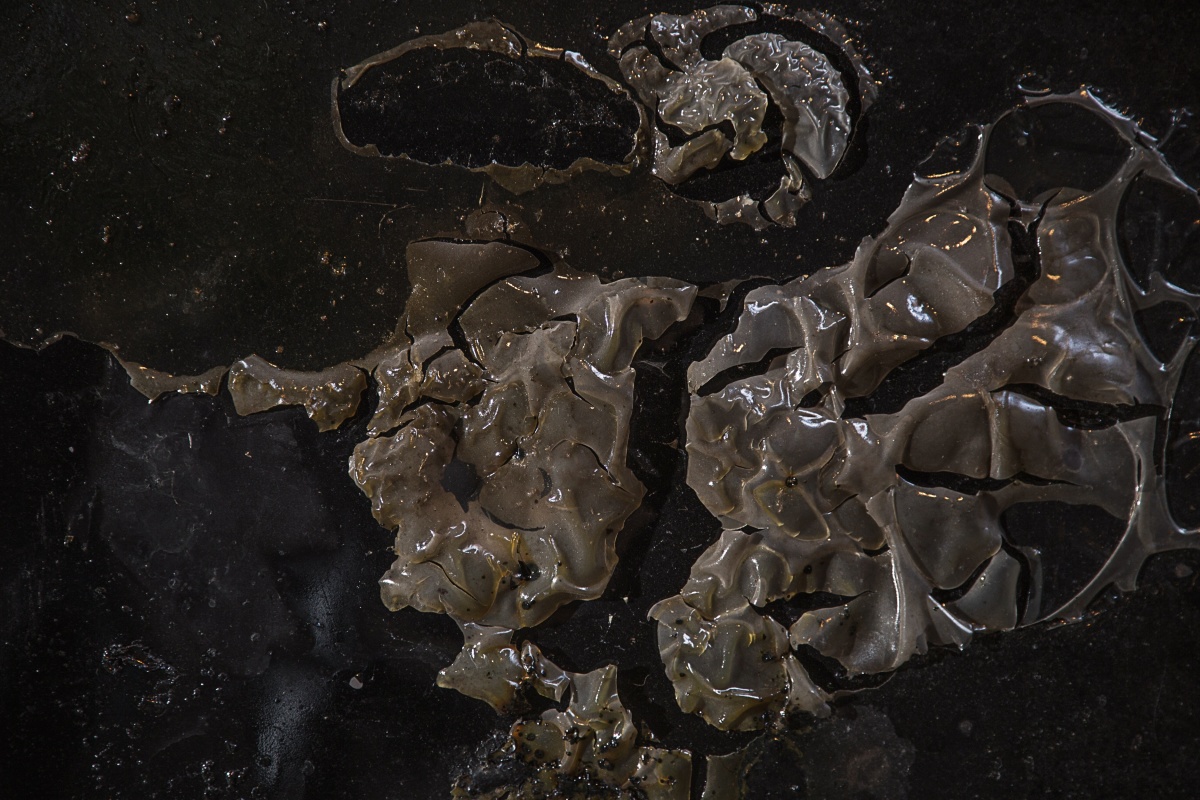
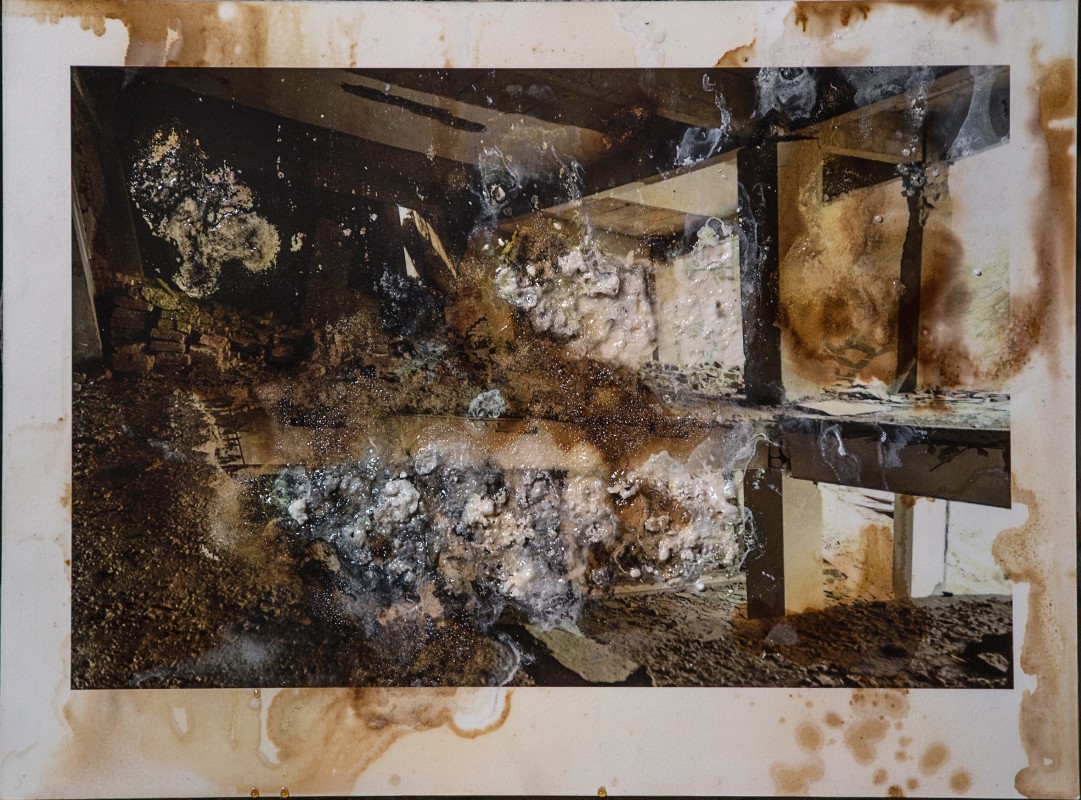
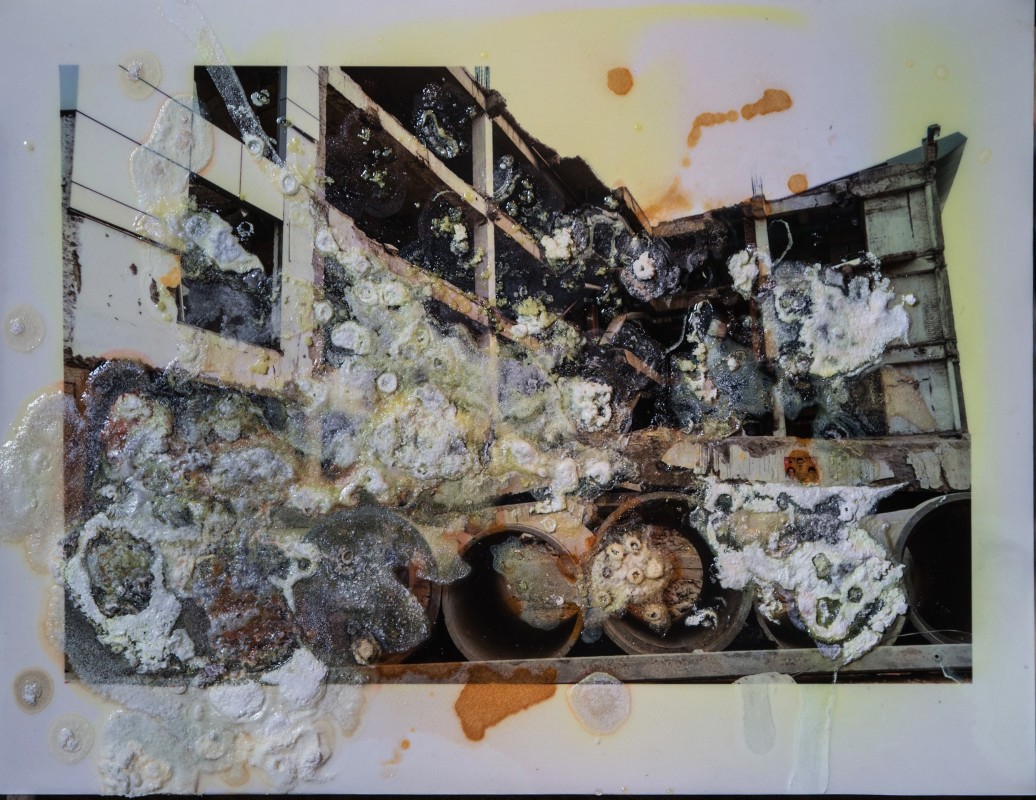
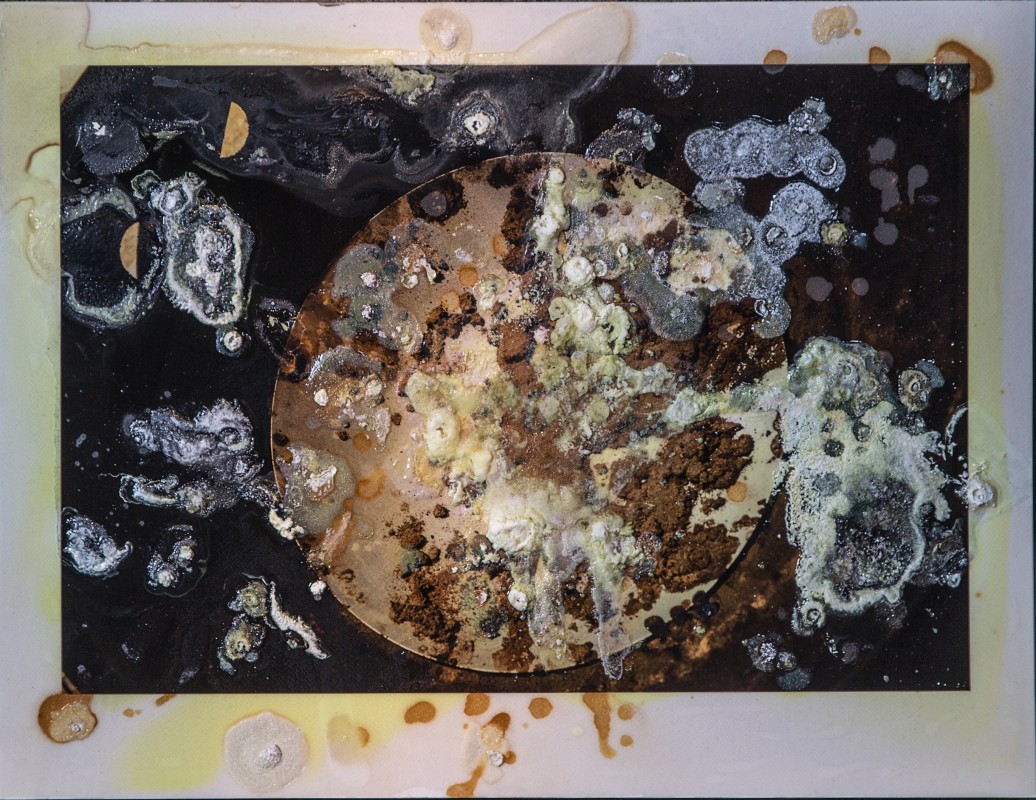
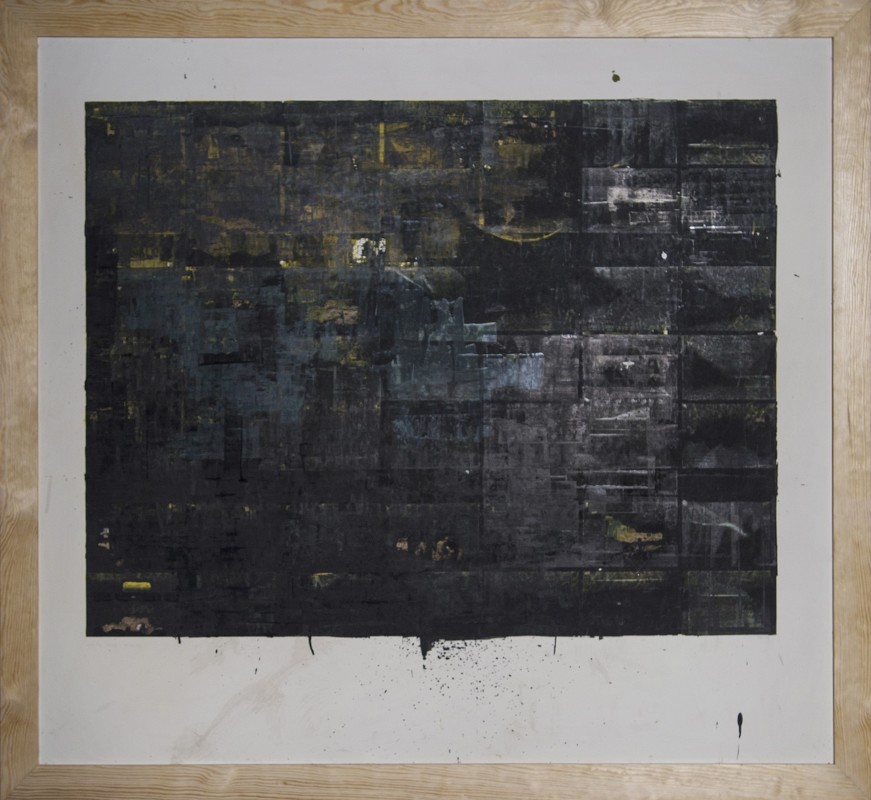
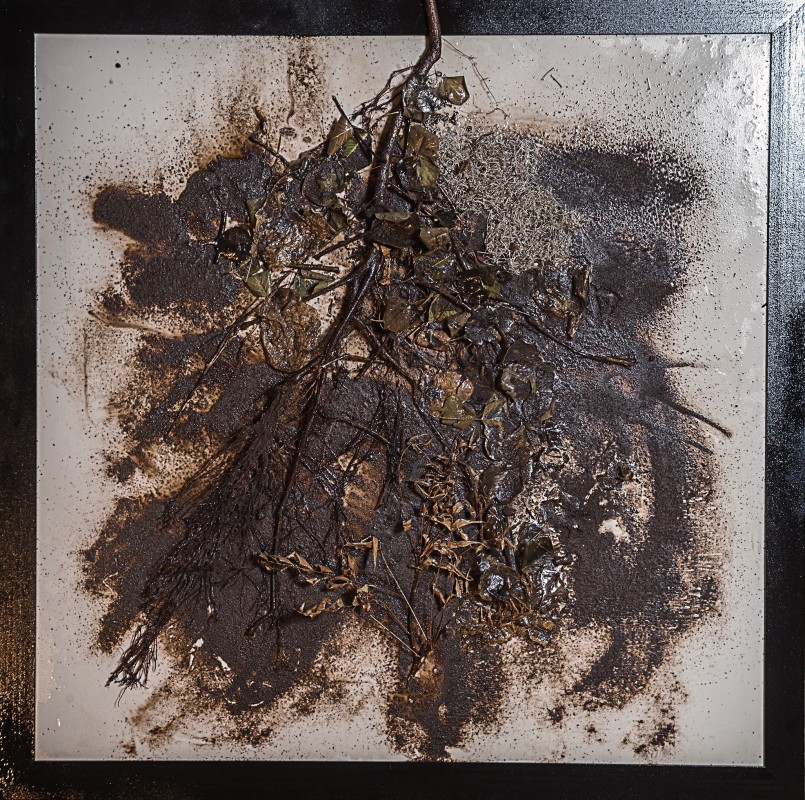
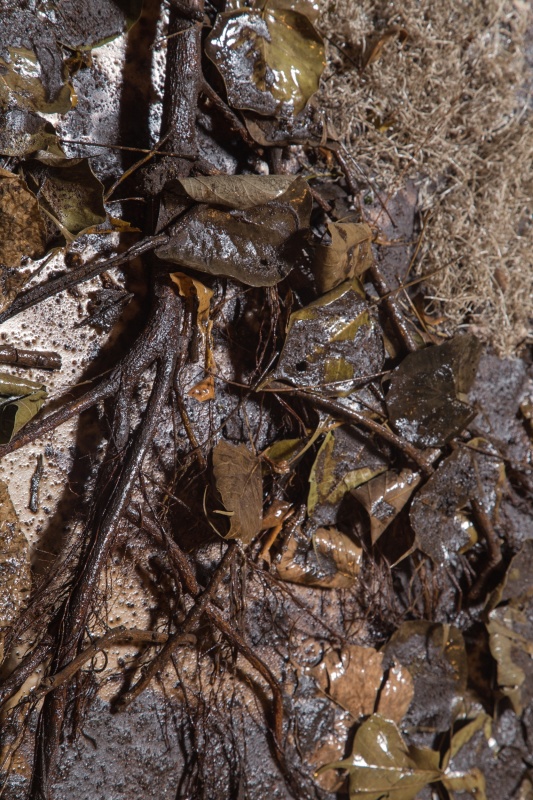
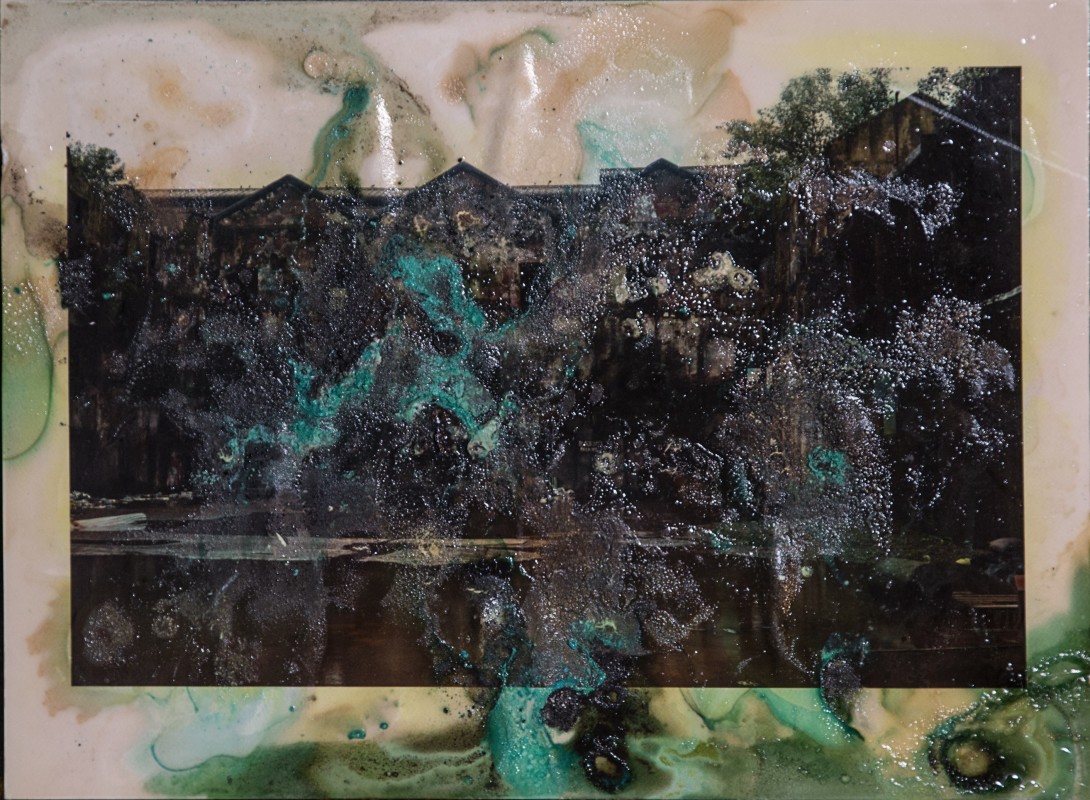
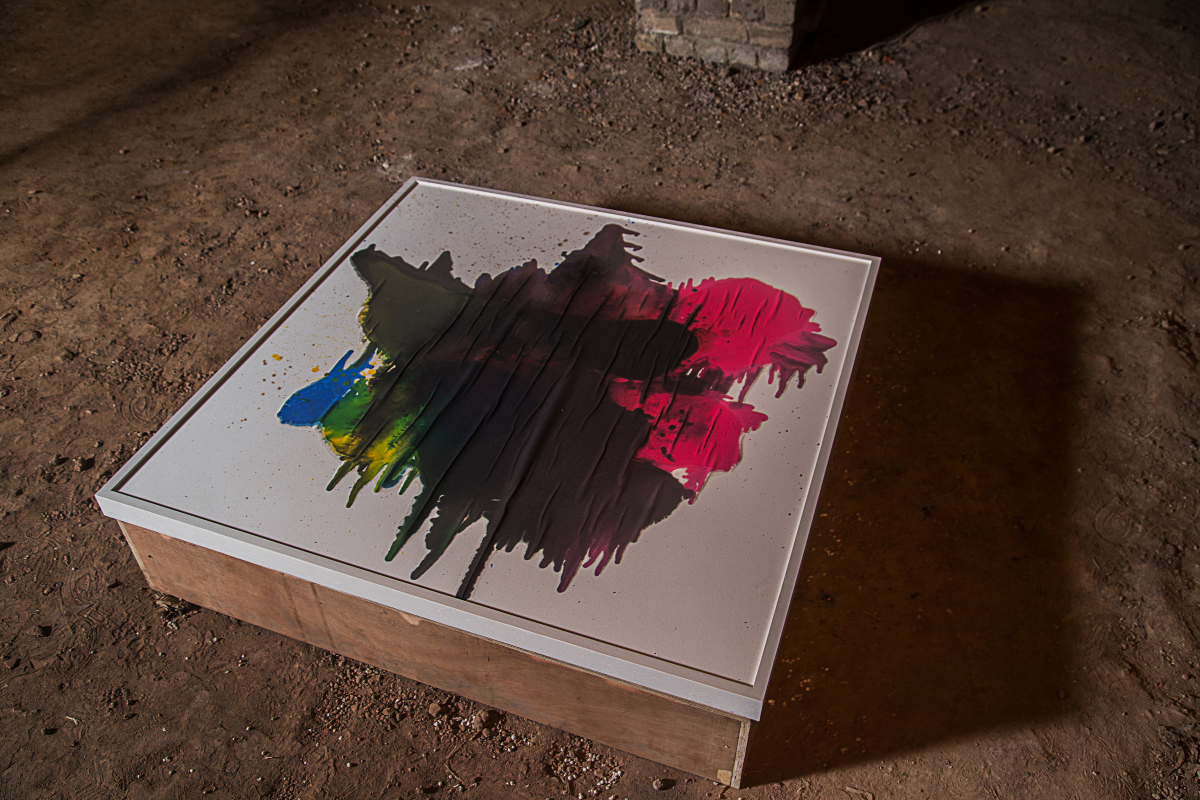
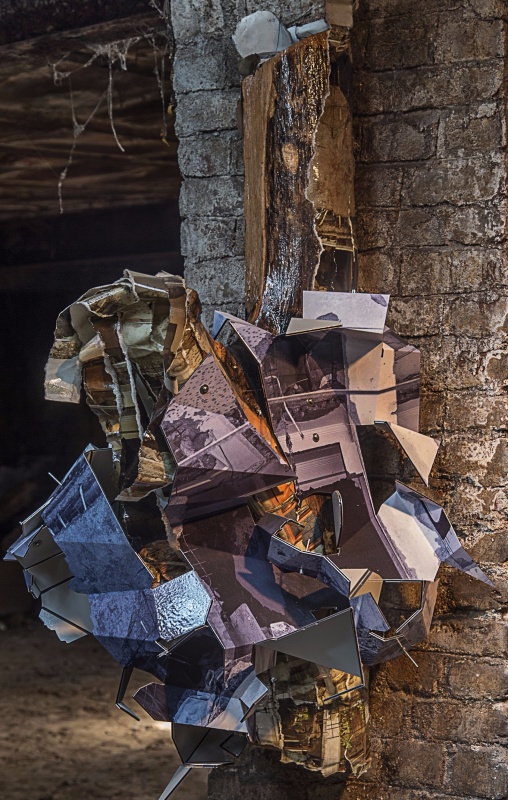
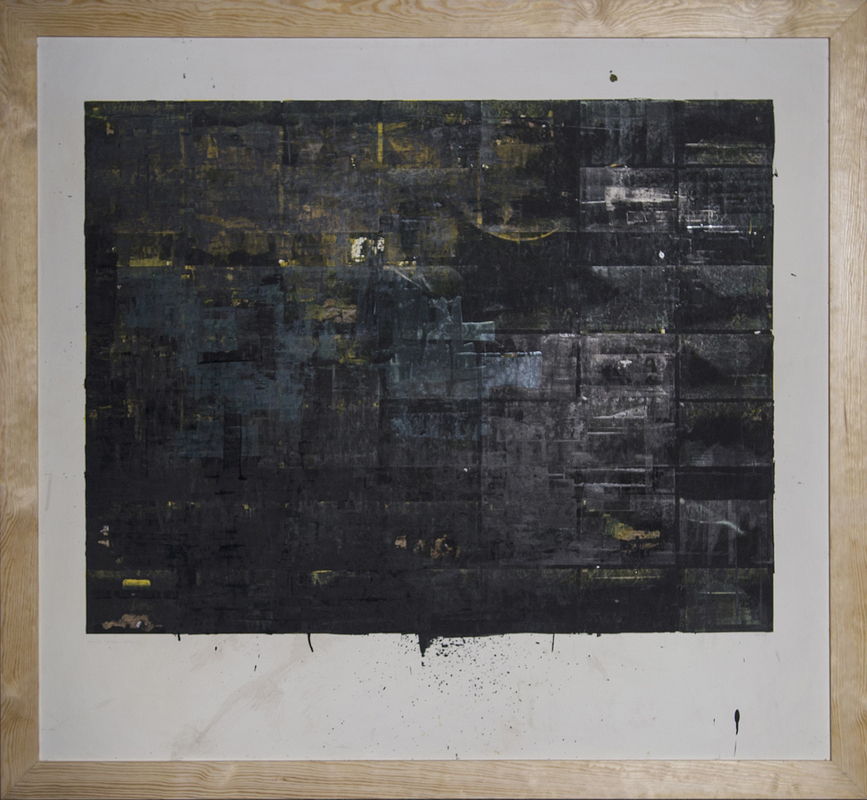
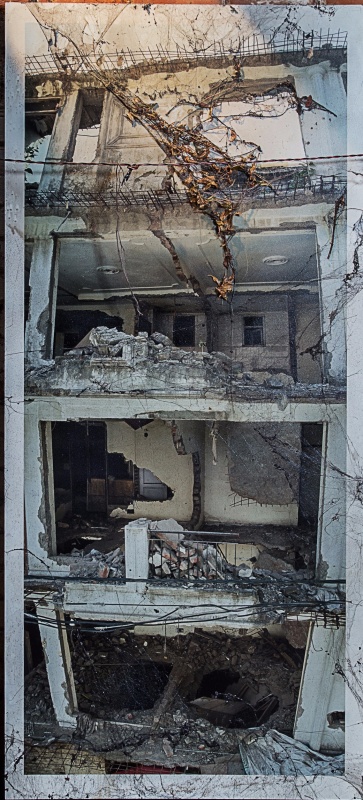
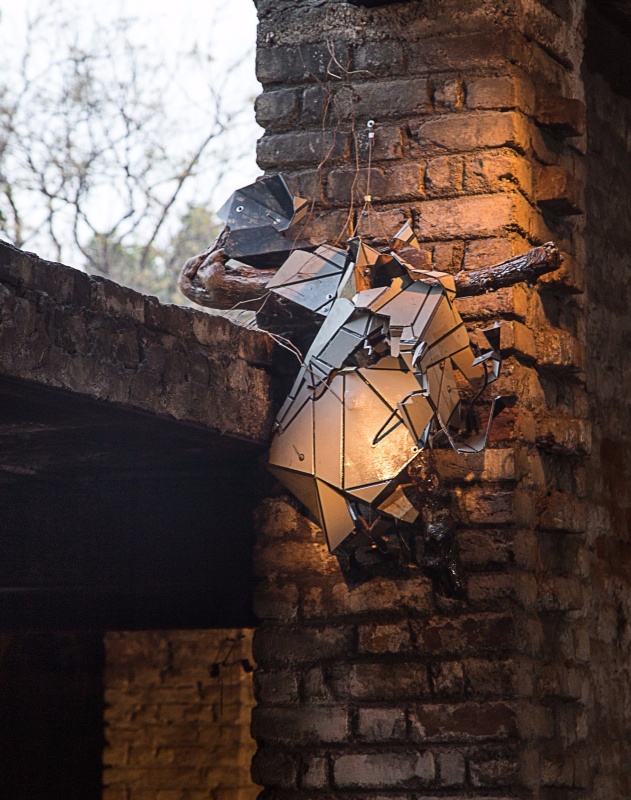
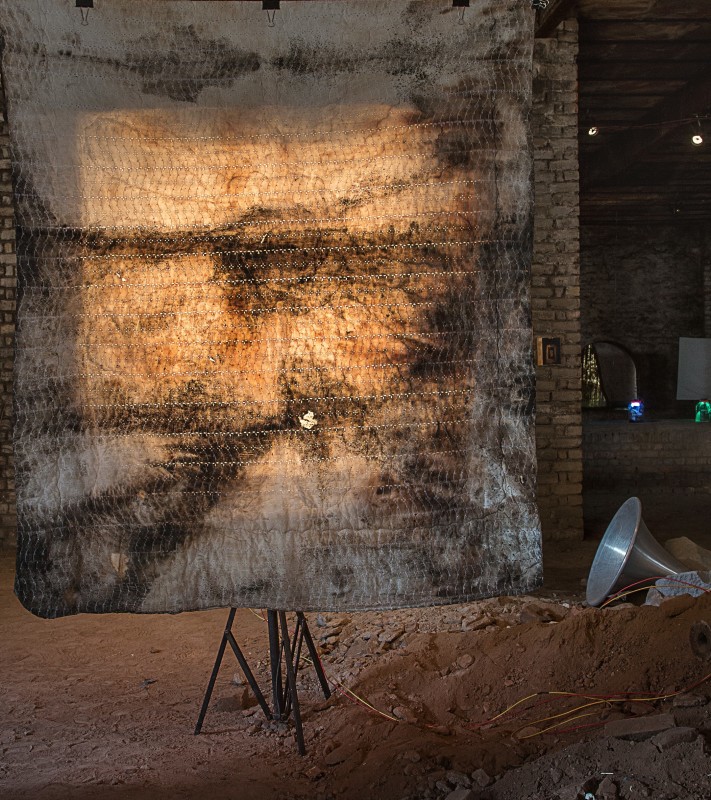
Nature Morte is pleased to present an ambitious exhibition by the Delhi-based artist Asim Waqif entitled “Autolysis.” The title refers to the breakdown of plant or animal tissues by enzymes that are present in the tissues themselves; “self-digestion” would be an apt synonym. Waqif has, for many years, fused part of his sculptural practice with chemistry, allowing works to be determined through decay, abuse, and the vicissitudes of time, his most recent such engagement with the poetics of detritus being his site-specific installation at the Asia Pacific Triennale 8 at the Queensland Art Gallery of Brisbane, entitled “All we leave behind are the memories,” a monumental assemblage of reclaimed timber from demolition sites around the city, resulting in an interactive electronic and acoustic construction.
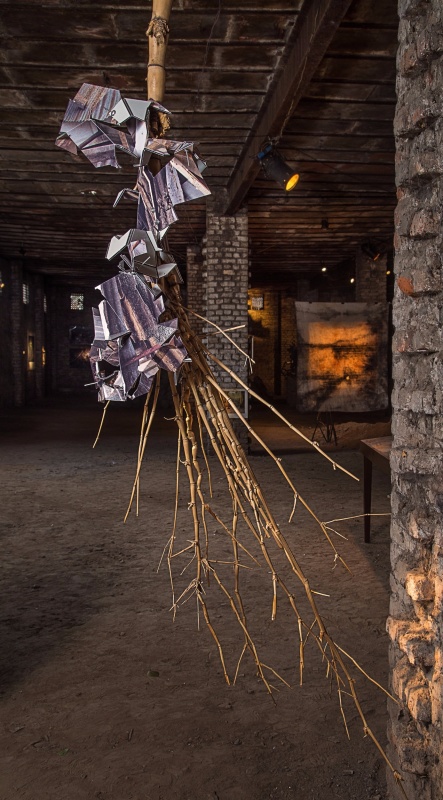
‘I am trying to promote situations and processes of decay and abuse to explore vulnerability and risk,’ says Waqif, who found himself strongly motivated to pursue the ephemeral possibilities of a work of art to subvert the market’s consumptive zeal for permanent or durable objects. ‘While installing a bamboo installation in a garden in Mumbai the art collectors were very concerned about the longevity of the artwork. They said, “We want it to be available to our grand-children,” adding “Can’t you make it out of concrete?”’ explains Waqif, who was appalled by the suggestion, considering the use of bamboo was the premise of his project. ‘I realized over time that the art market was obsessed with the archivability of artworks.’
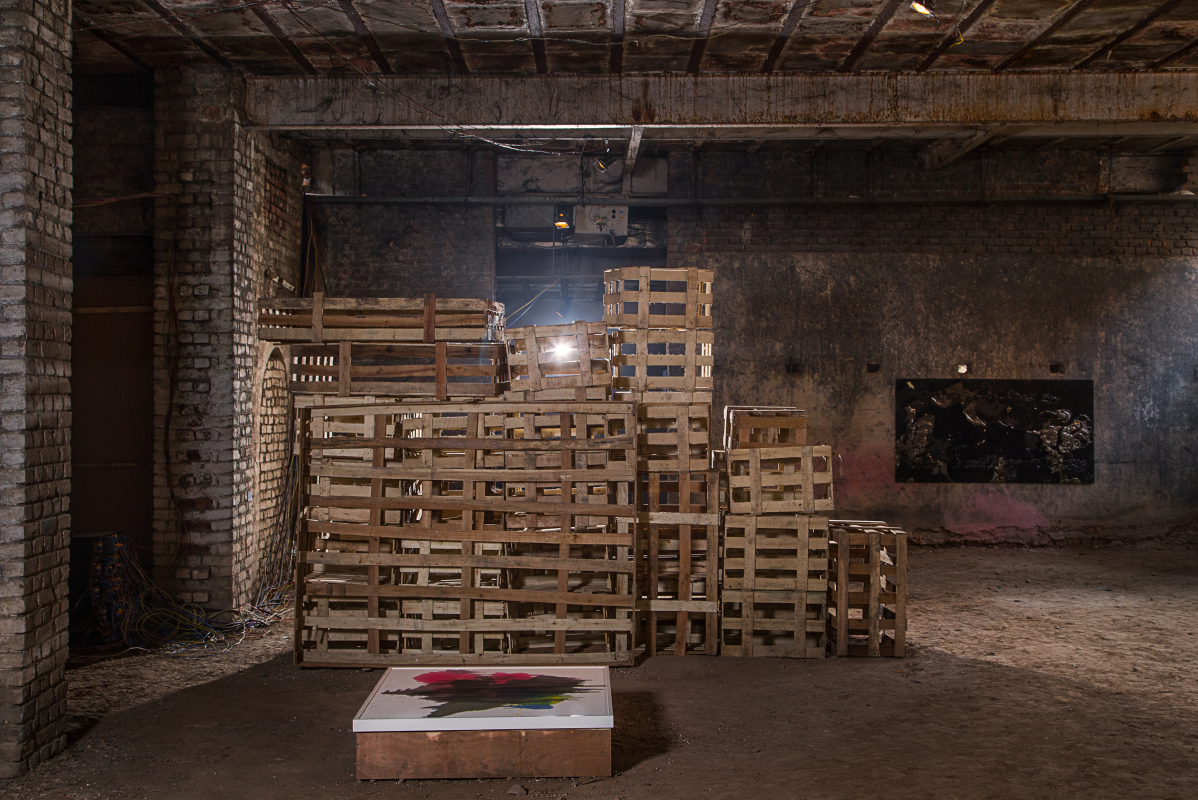
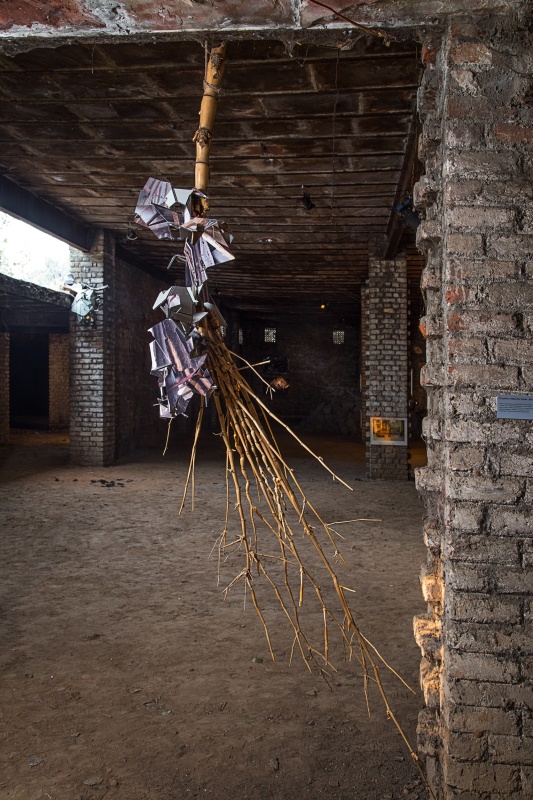
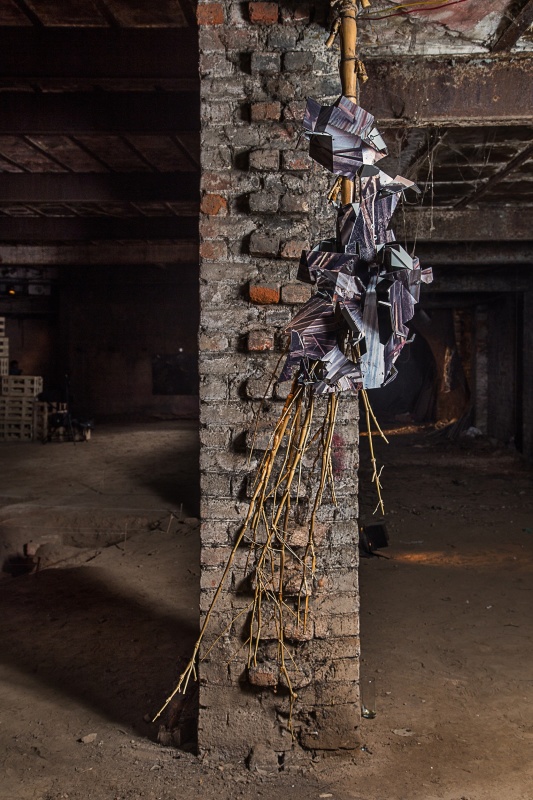
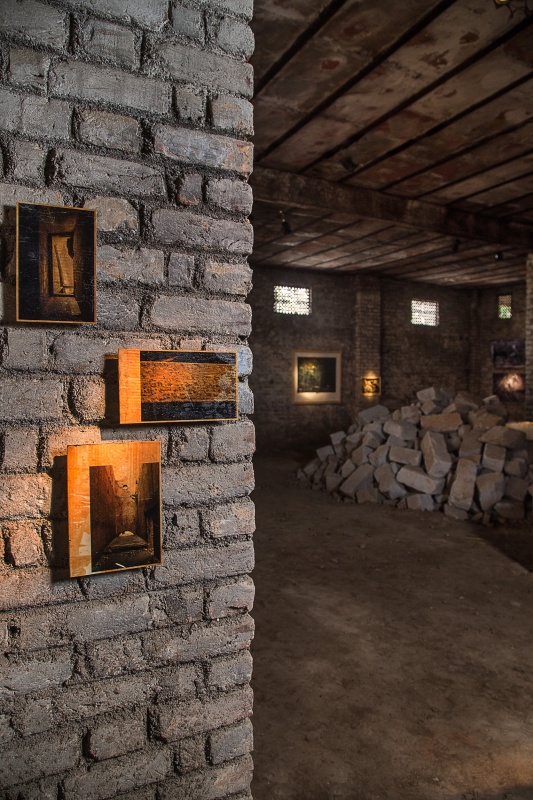
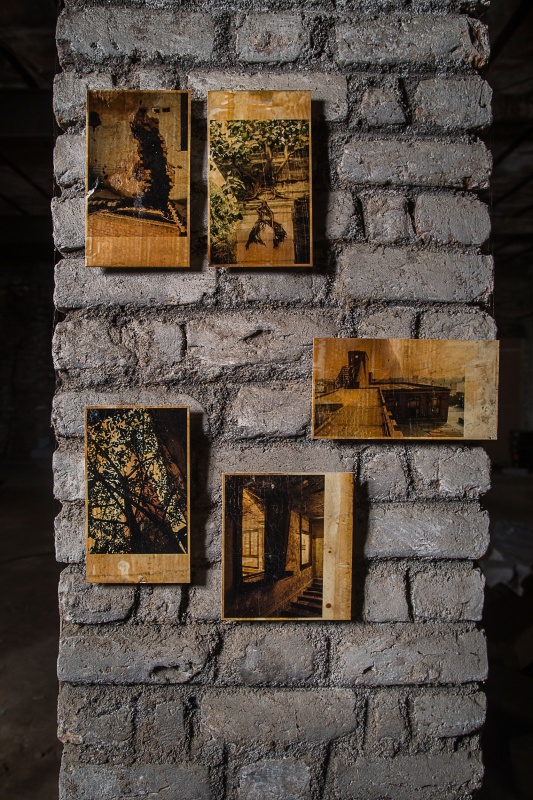
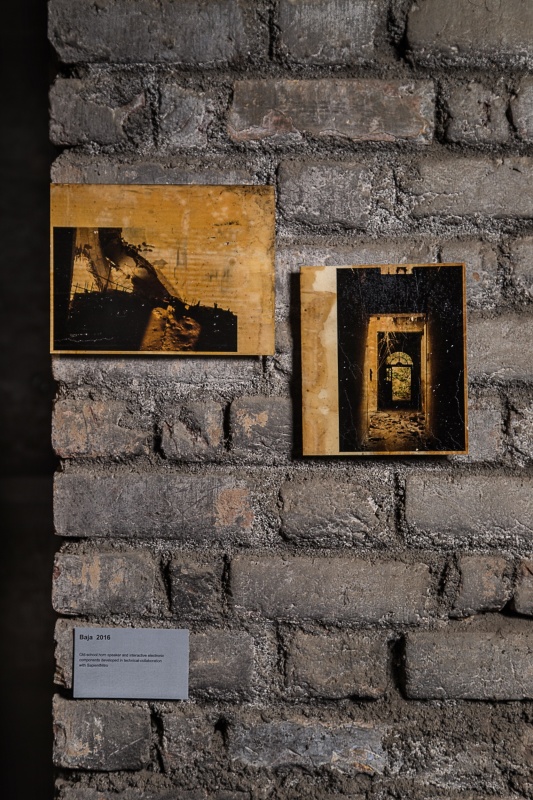
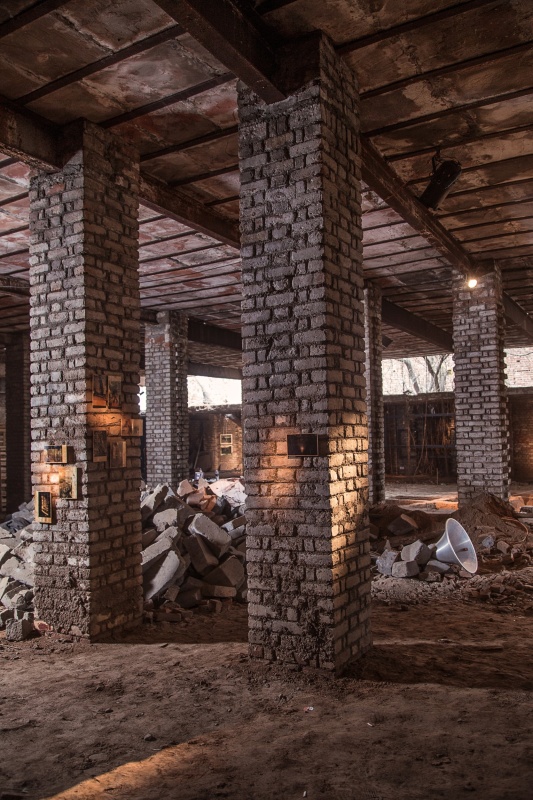
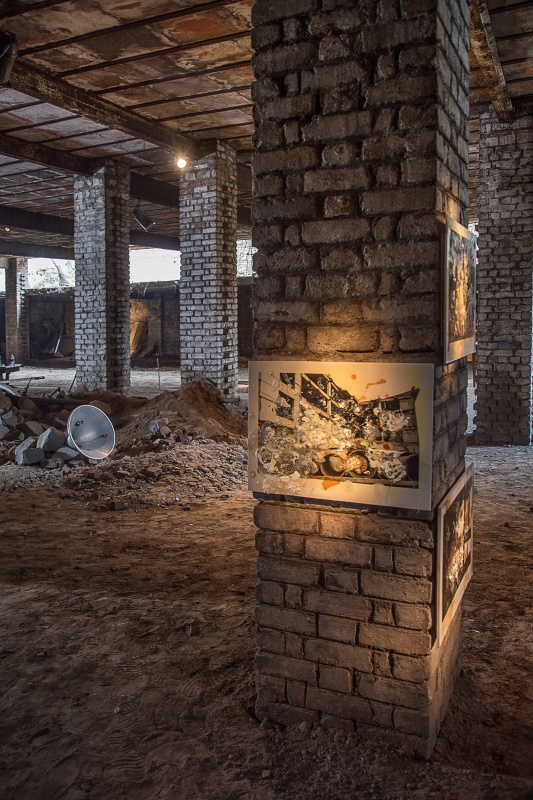
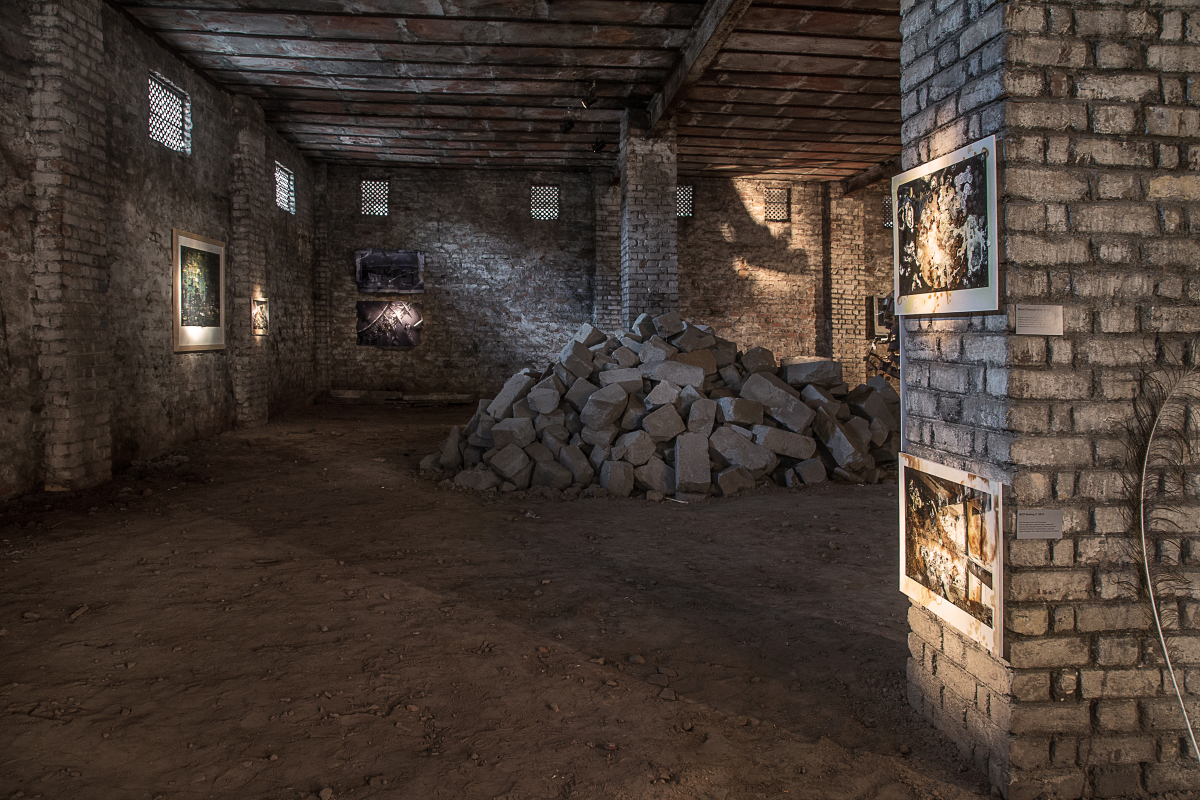
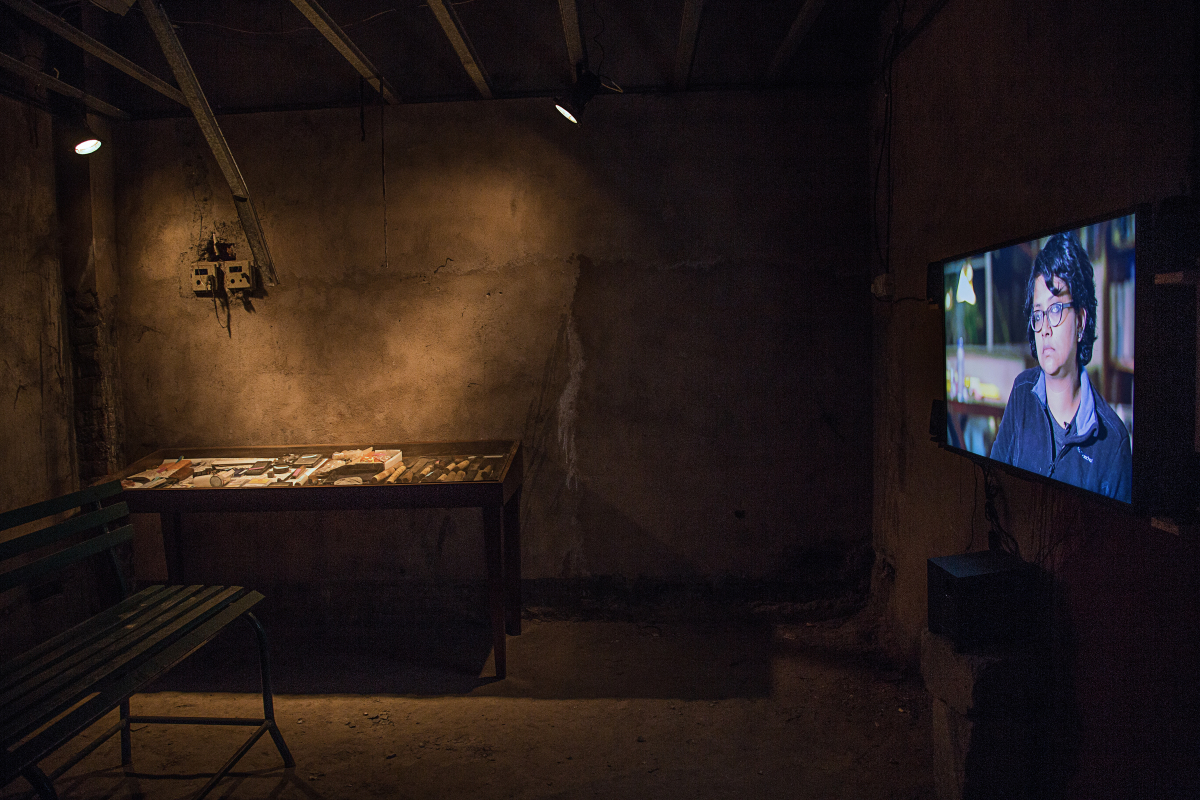
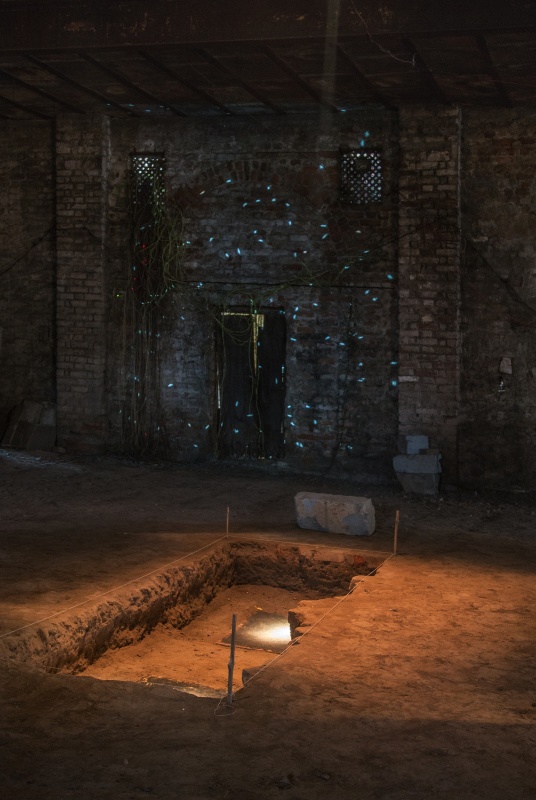
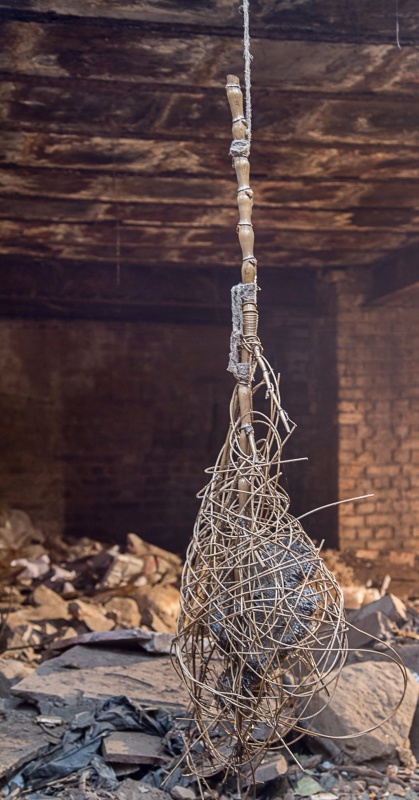
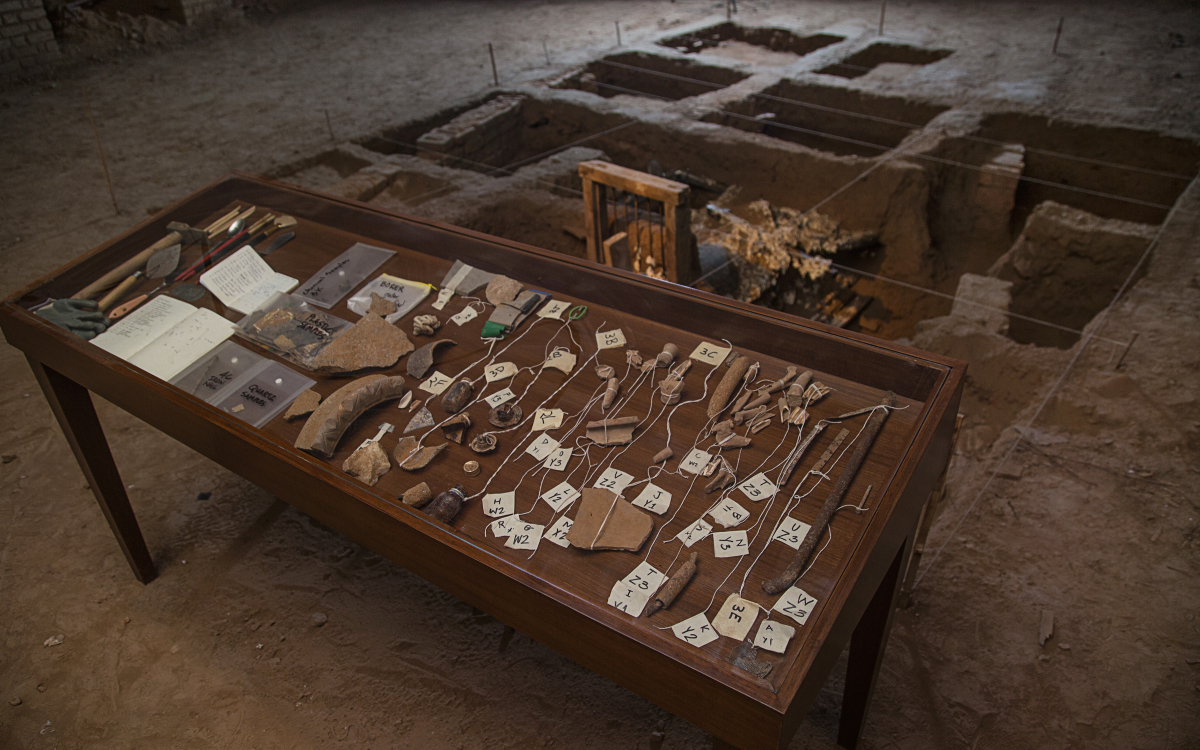
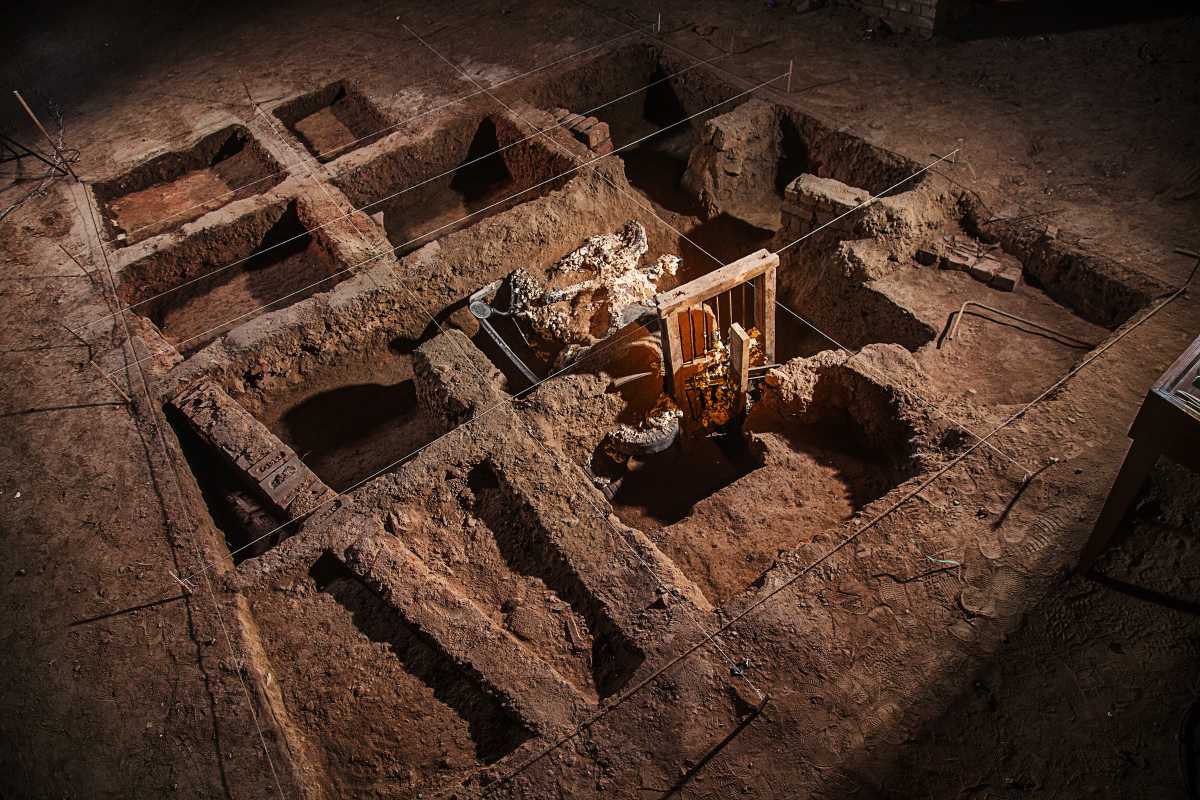
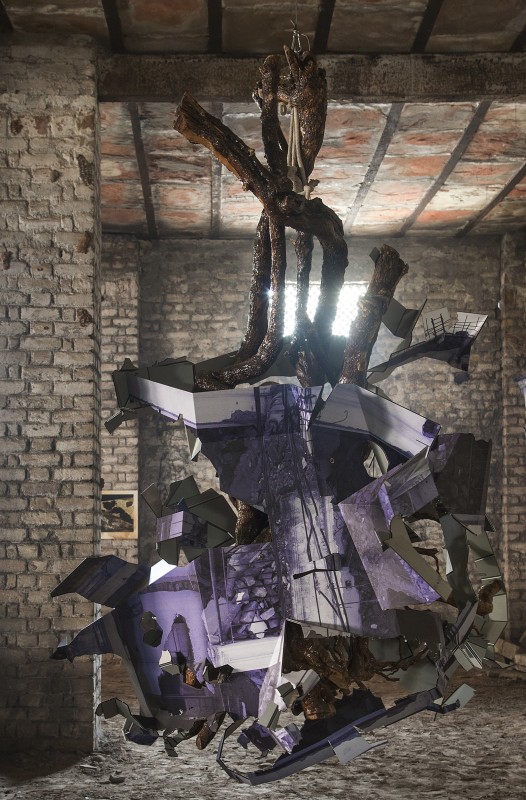
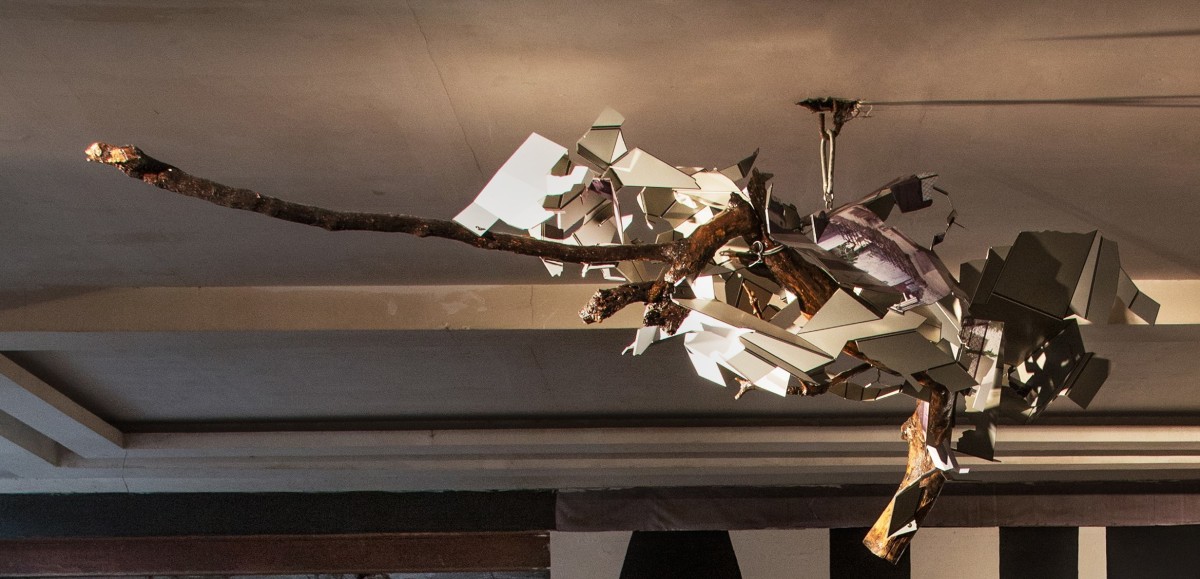
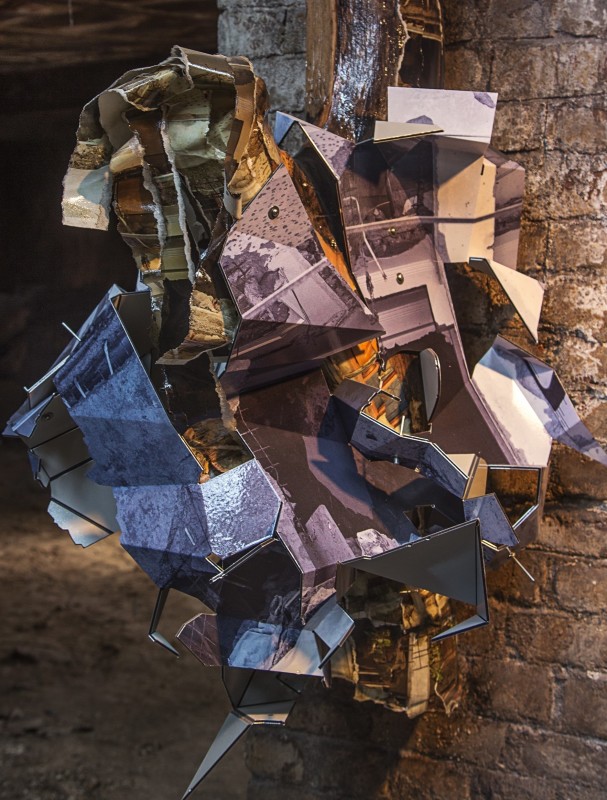
The works constituting “Autolysis” are the consequence of Waqif’s intense three-month long interaction with the historic site adjoining Olive Bar & Kitchen in Mehrauli, a 200-year-old sarai that has not been used for decades. Located in the archaeological area that was once host to one of the seven ancient cities of Delhi, the exhibition is the result of Waqif’s understanding of and collaboration with its historicity. Its iteration outside of the setup of the white-cube space of the gallery is significant, for it enables Waqif to undermine the commercial value of a work of art and instead focus on its context.
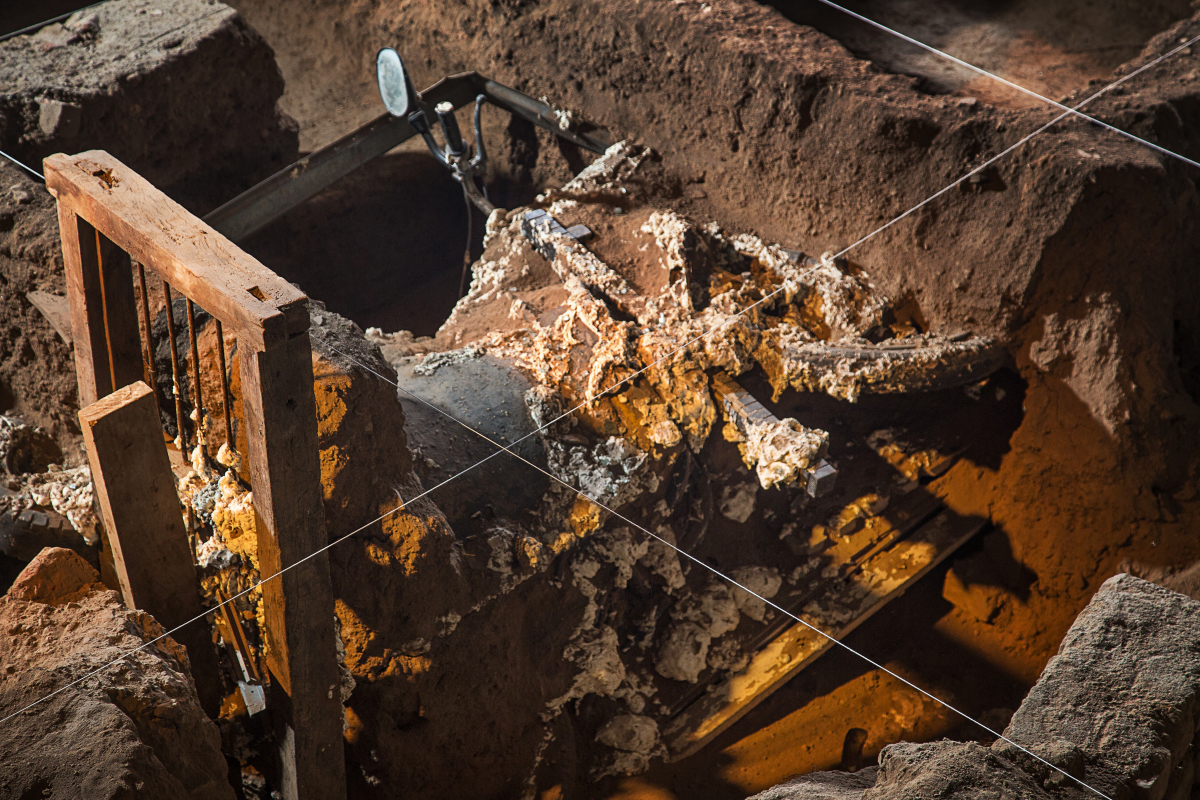
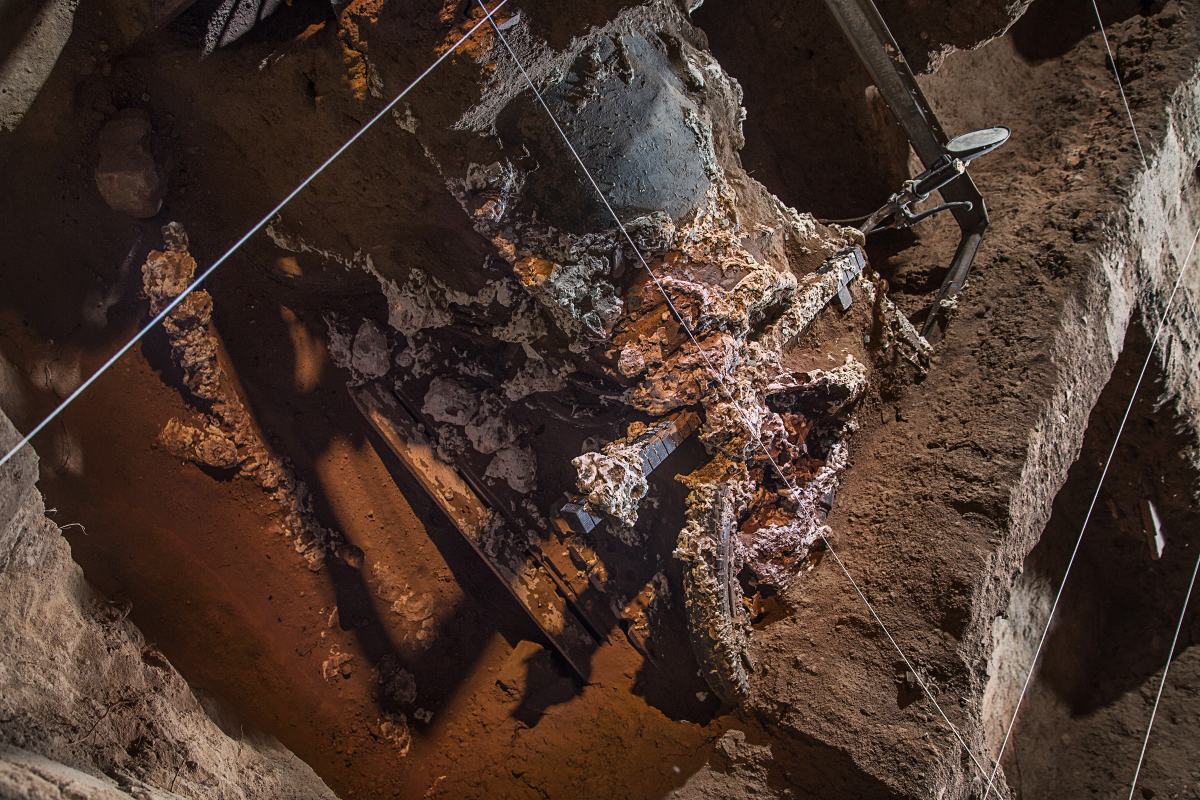
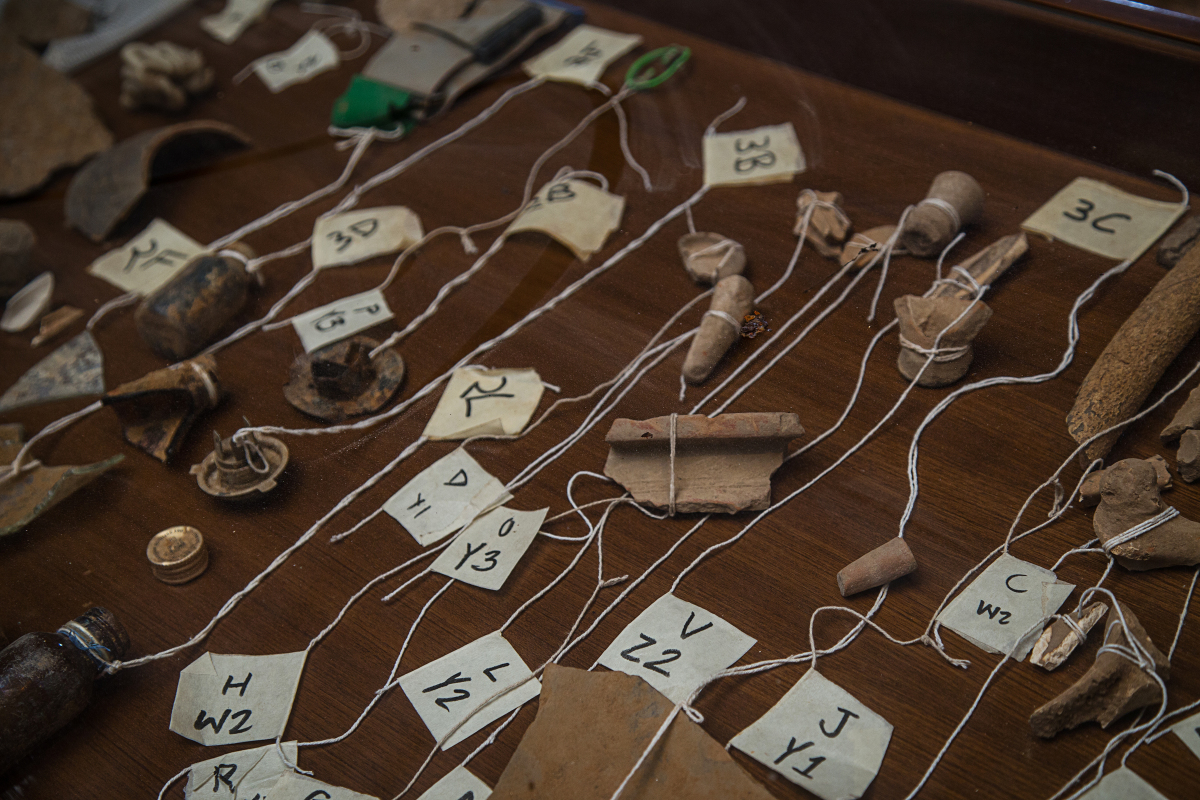
In one large pit Waqif has buried what he calls a “puzzle” for a future archaeologist that will be excavated during the opening. ‘I feel that there is a lot of potential in the memory of an object and the gesture rather than the object itself,’ says Waqif, whose artistic inclinations have long since compelled him to question the act of preservation and conservation that can often result in the fetishization of objects and their extraction from everyday utility. ‘What is the value of the amazing collection of musical instruments at the Musee du Quai Branly in Paris if no one is allowed to touch the instruments and no one knows how to make music with them anymore?’ he asks.
About Asim Waqif
Asim Waqif (born 1978, Hyderabad) studied architecture at the School of Planning and Architecture, Delhi. After initially working as an art director for film and television, he later started making independent video and documentaries before moving into a dedicated art practice.
His recent projects have attempted to crossover between architecture, art and design, with a strong contextual reference to contemporary urban planning (or the lack thereof) and the politics of occupying, intervening in, and using public spaces. Some of his projects have developed within abandoned and derelict buildings in the city that act like hidden activity spaces for the marginalized.
Concerns of ecology and anthropology often weave through his work and he has done extensive research on vernacular systems of ecological management, especially with respect to water, waste and architecture. His artworks often employ manual processes that are deliberately painstaking and laborious while the products themselves are often temporary and sometimes even designed to decay. He has worked in sculpture, site-specific public installation, video, photography, and more recently with large-scale interactive installations that combine traditional and new media technologies.
Waqif has held solo shows at Nature Morte, New Delhi and Galerie Templon, Paris in 2013, and the Palais Tokyo, Paris in 2012. His works have recently been included in the Asia Pacific Triennal 8 at the Queensland Art Gallery, Brisbane; the Queens Museum, New York; Blain/Southern Gallery, Berlin; the Devi Art Foundation, Gurgaon; and the Kiran Nadar Museum of Art, Noida.
Some of the works in “Autolysis” have been created with the technological collaboration of SapientNitroSM.
SapientNitroSM, part of Publicis.Sapient, is a new breed of advertising agency redefining storytelling for an always-on world, changing the way clients engage with today’s connected consumers by creating integrated, immersive stories across brand communications, digital engagement, and omni-channel commerce. SapientNitro’s unique combination of expertise across disciplines, perspectives and continents has benefitted clients such as Chrysler, Citibank, Coca-Cola, Lufthansa, Target, and Vodafone, in 31 cities across The Americas, Europe and Asia-Pacific. For more information, visit www.sapientnitro.com.
The performance by Talk is Cheap at the opening promises a word, sound, projection and interaction experience based on live mixed media that incorporates poetry, photography, and sound charged via manipulated effects and feelings.
The location has been generously donated by Sunrydge
Artworks
Installation Views