

New Delhi
Remen Chopra
Aurum Lazuli Remen Chopra W. Van Der Vaart
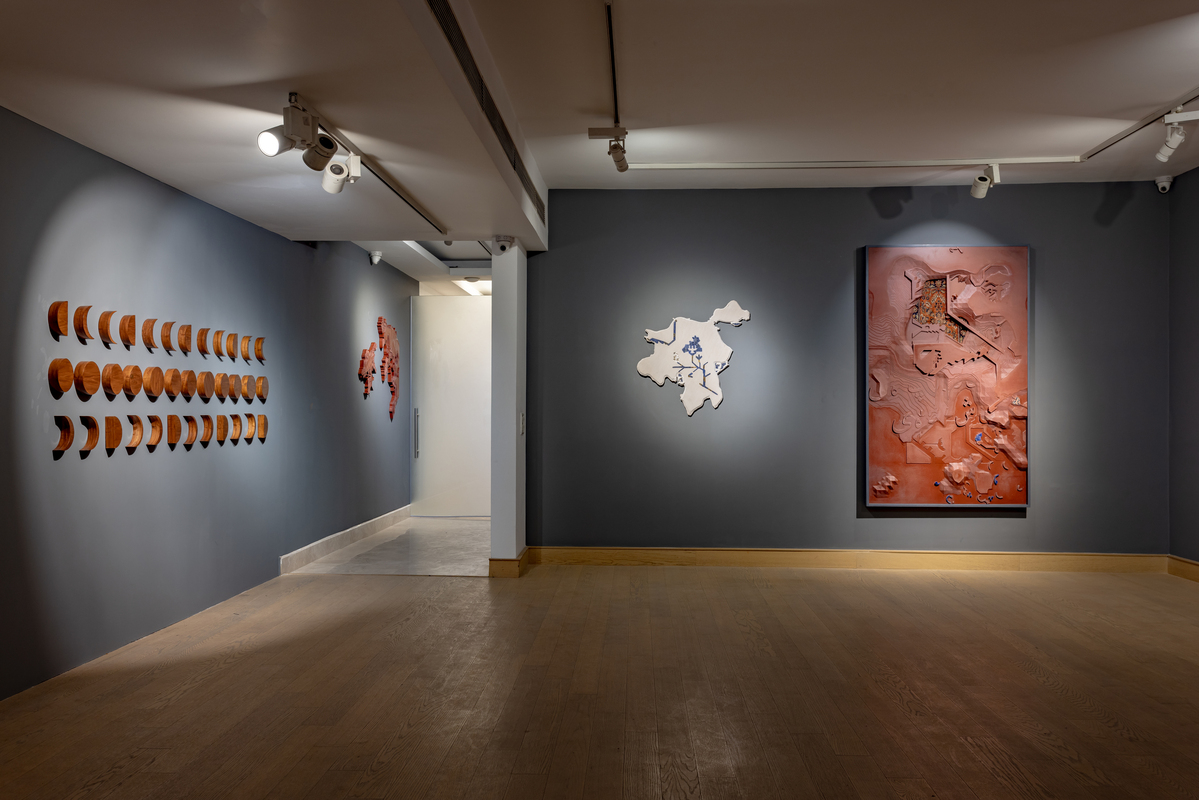
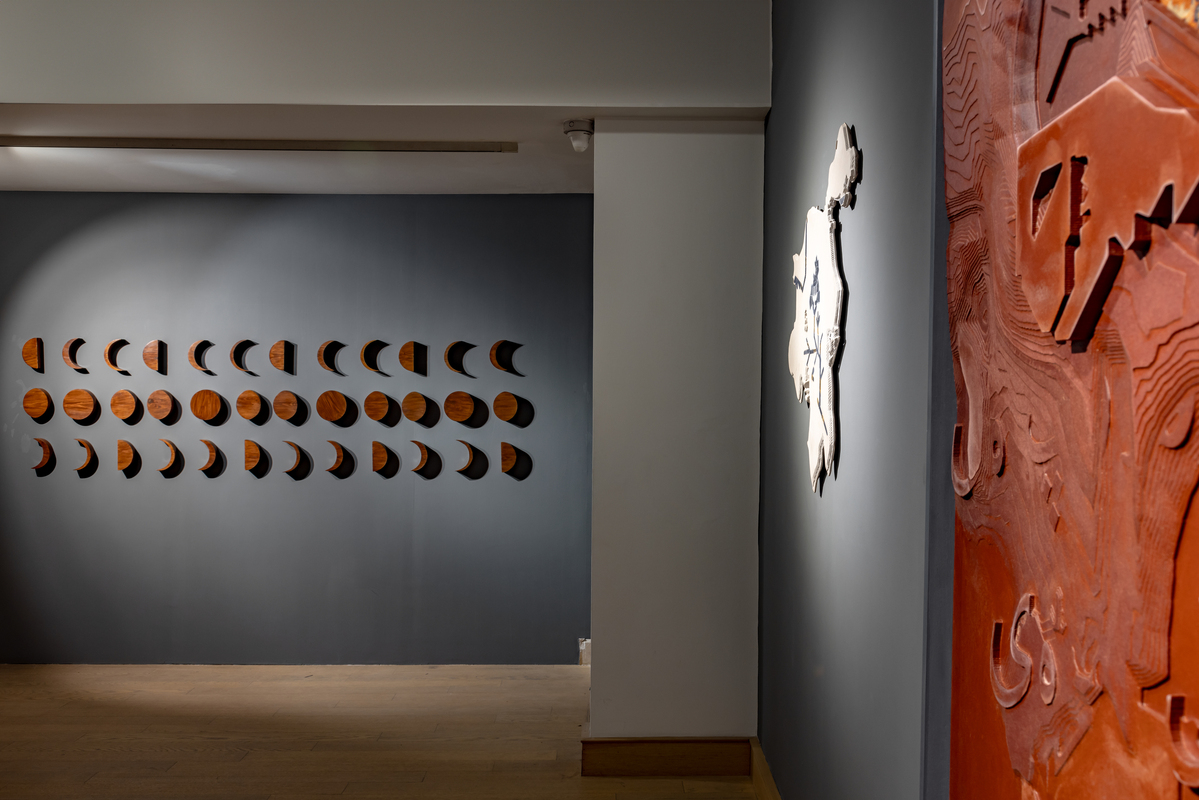
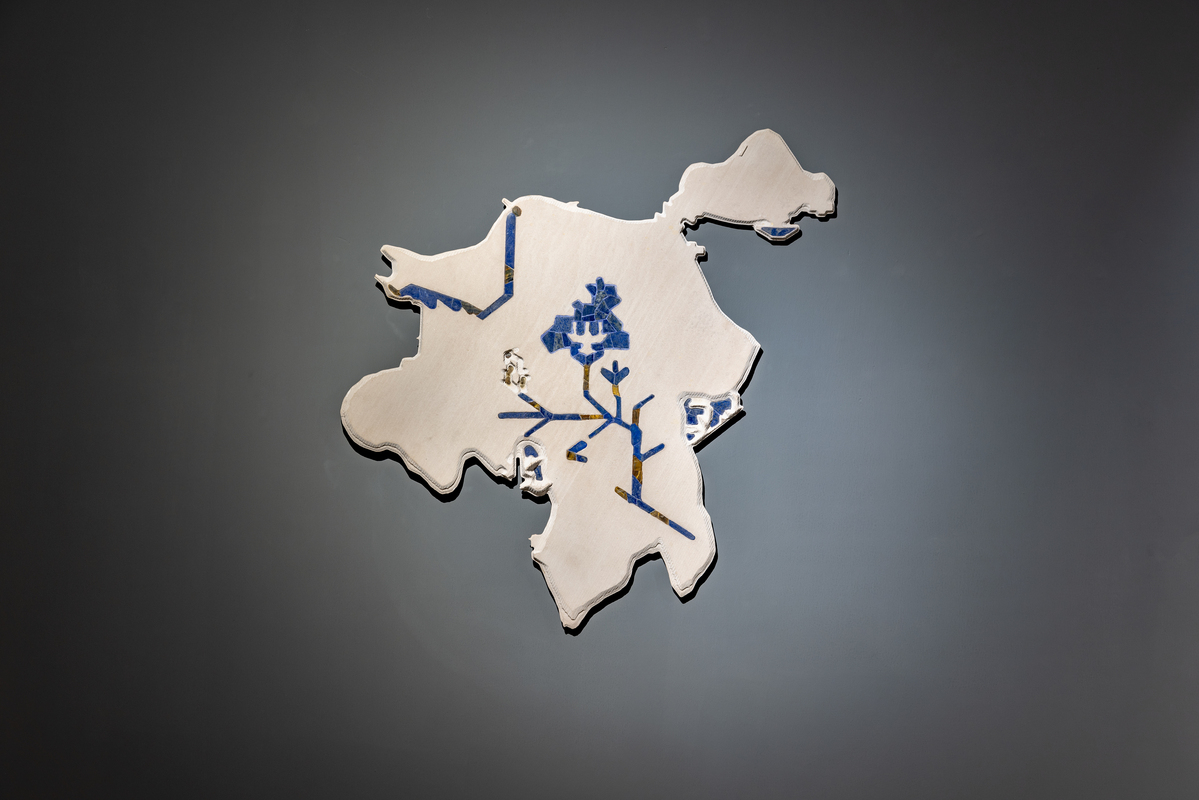
Nature Morte is pleased to present a group of new works by the multi-disciplinary artist Remen Chopra W. Van Der Vaart, the first time we are working together. The title of the exhibition, "Aurum Lazuli," describes the union of gold and lapis lazuli, symbolizes transformation, resilience, and the interplay between permanence and change. Gold represents eternal truth and enduring cultural legacies, while lapis lazuli, with its transformative nature, reflects the evolving identity and growth of the human spirit.
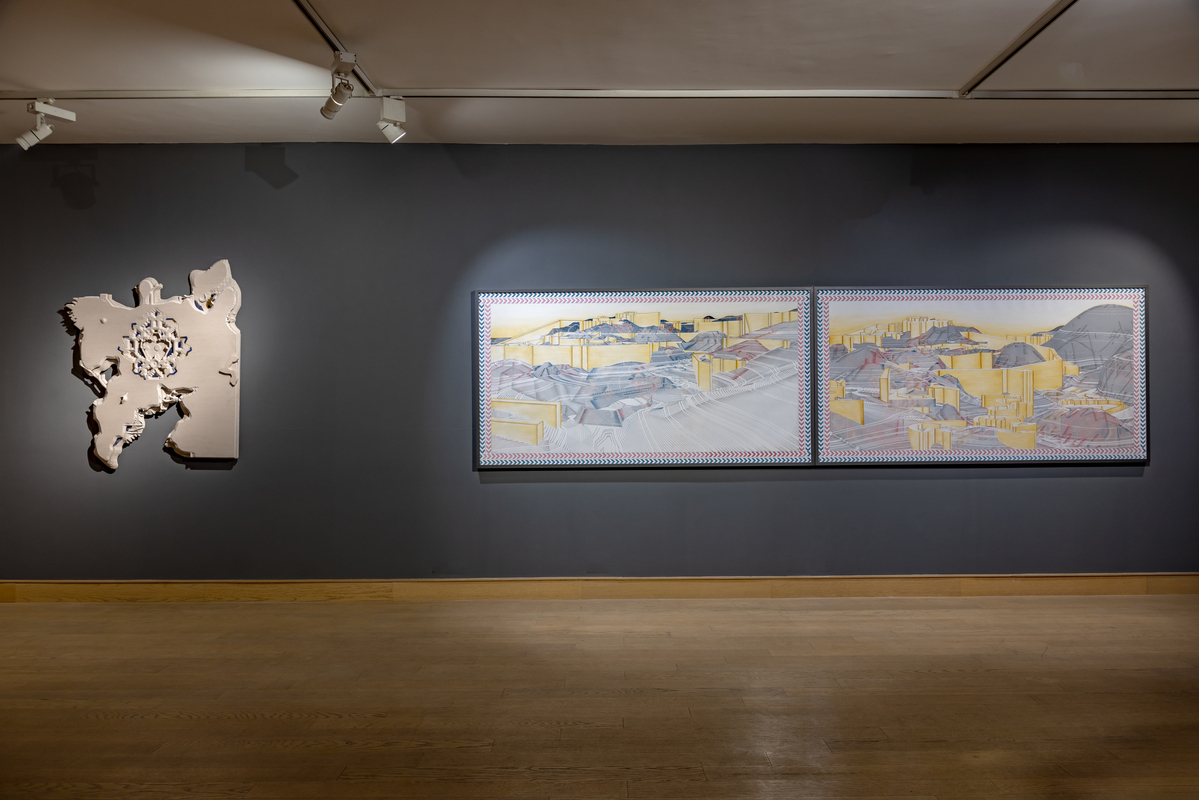
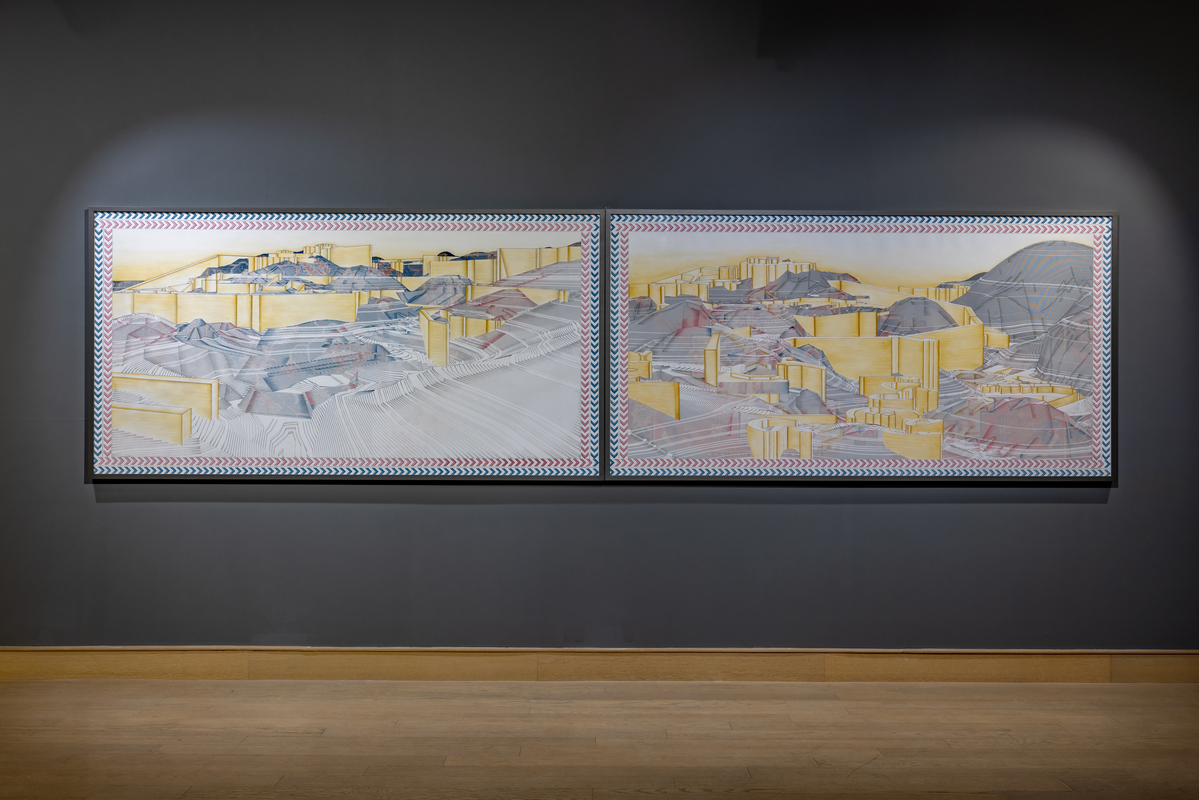
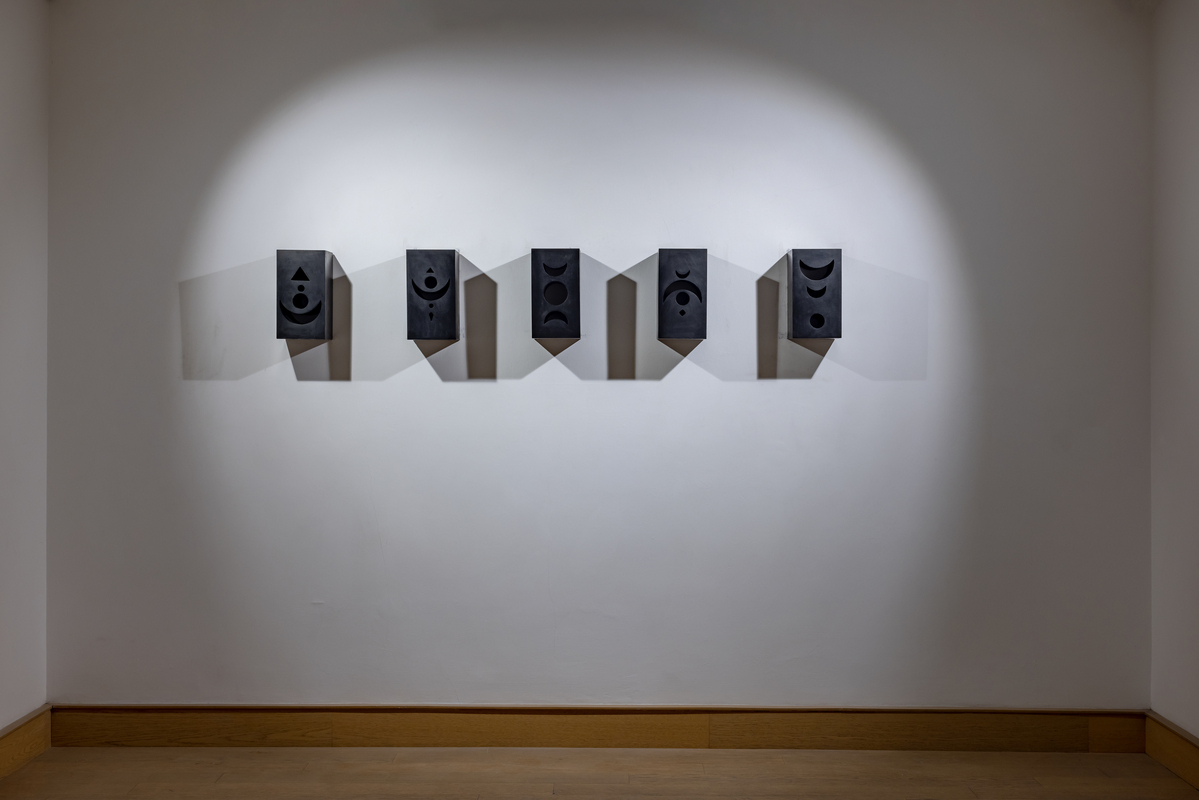
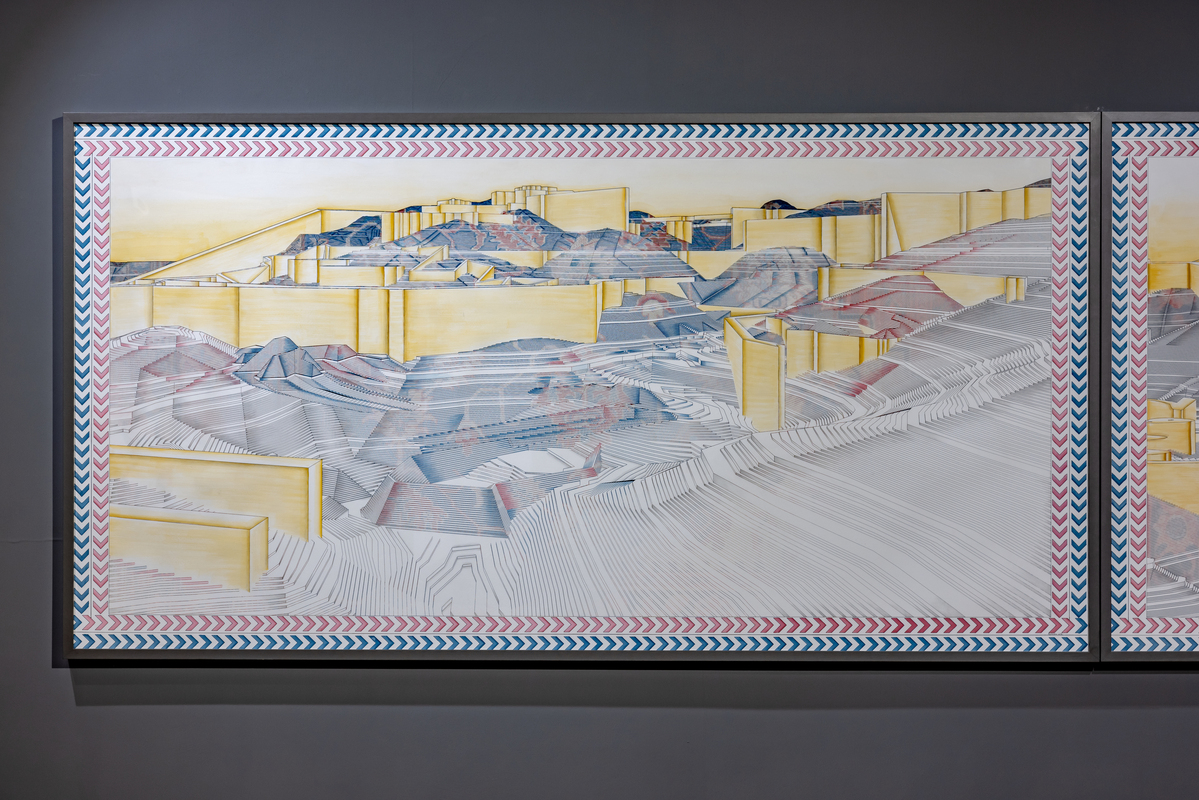
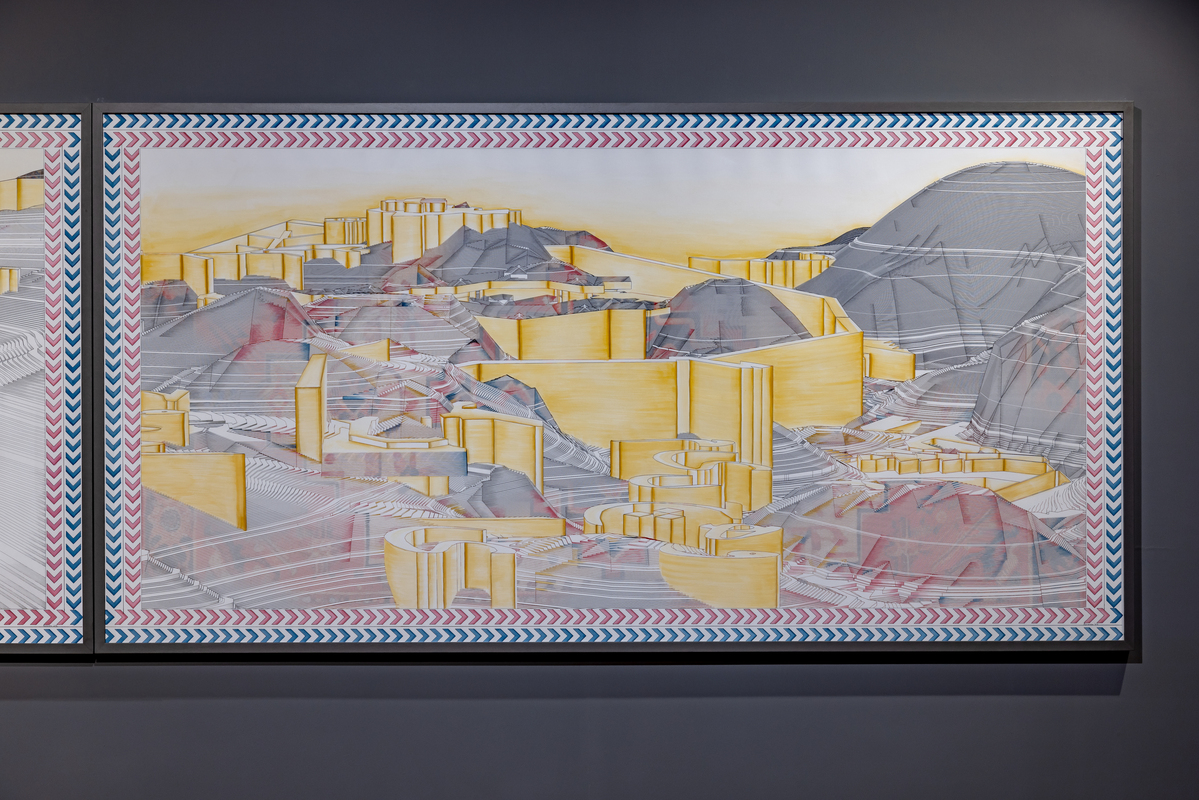
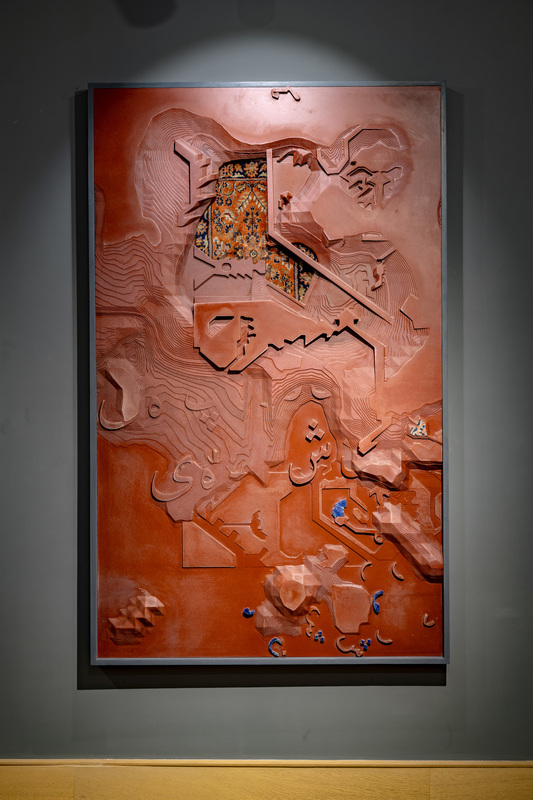
In her latest work, Remen explores these themes by weaving the symbolism of gold and lapis lazuli into her practice. Drawing inspiration from Persian and Afghani carpets, she reimagines their intricate patterns as living maps of memory—merging geometric precision with organic forms. These carpets, tied to her heritage, reflect fragility, resilience, and transformation. “I would lose myself in their maze-like designs, where each shape held meaning,” she recalls. By combining these memories , she transforms memories and traditions into layered, multimedia works that reflect fragility, resilience, and regeneration. Her art investigates the concept of home, reimagining personal and collective histories through patterns, materials, and landscapes.
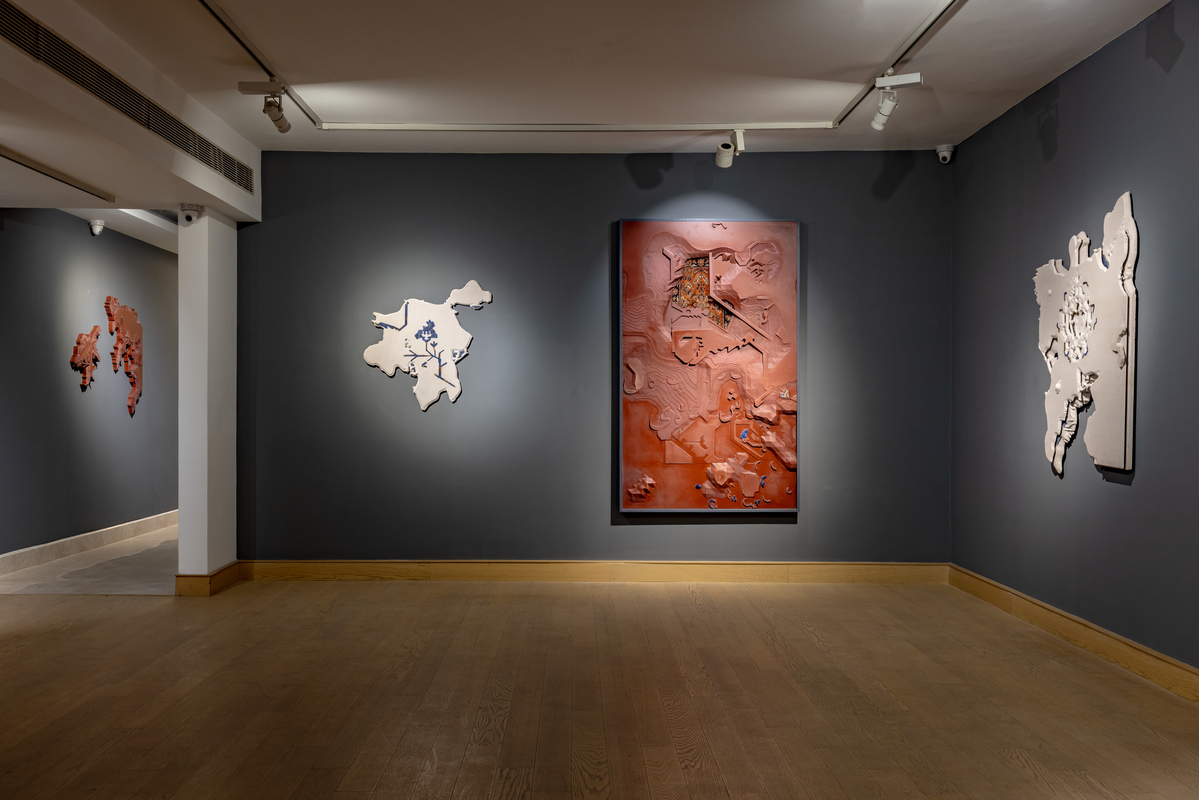
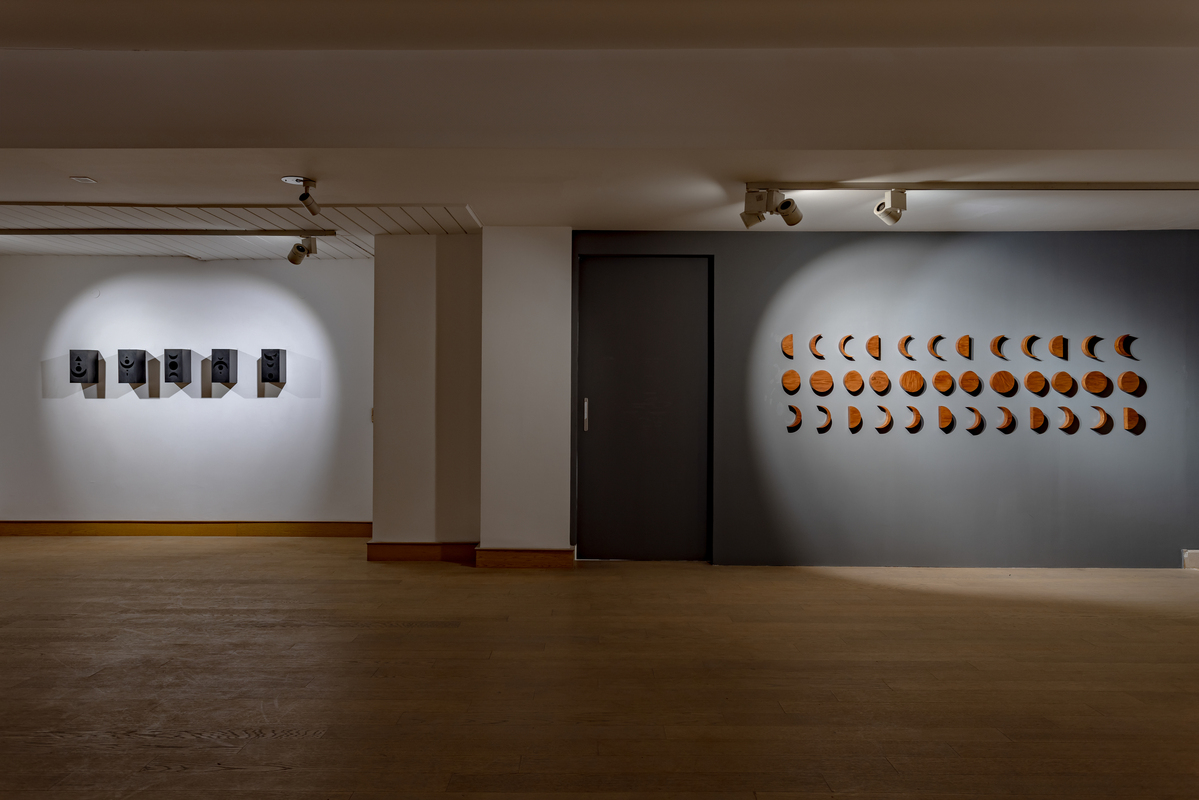
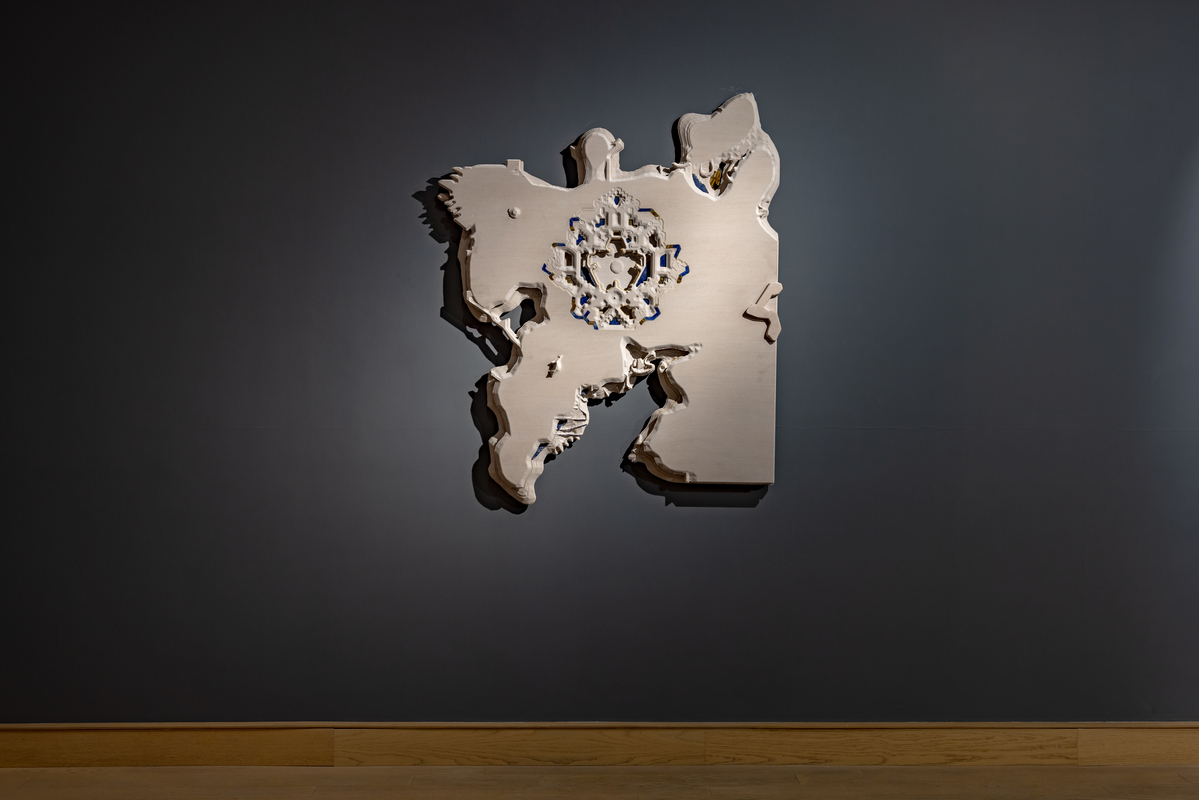
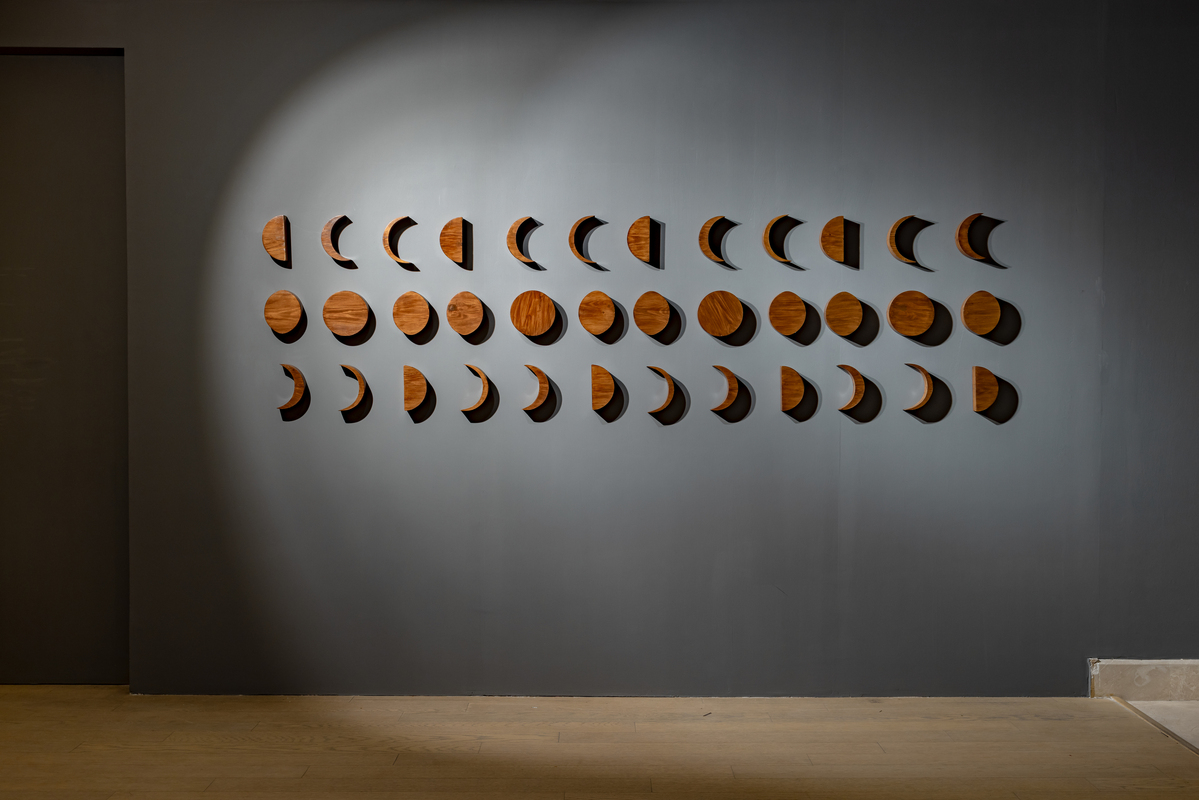
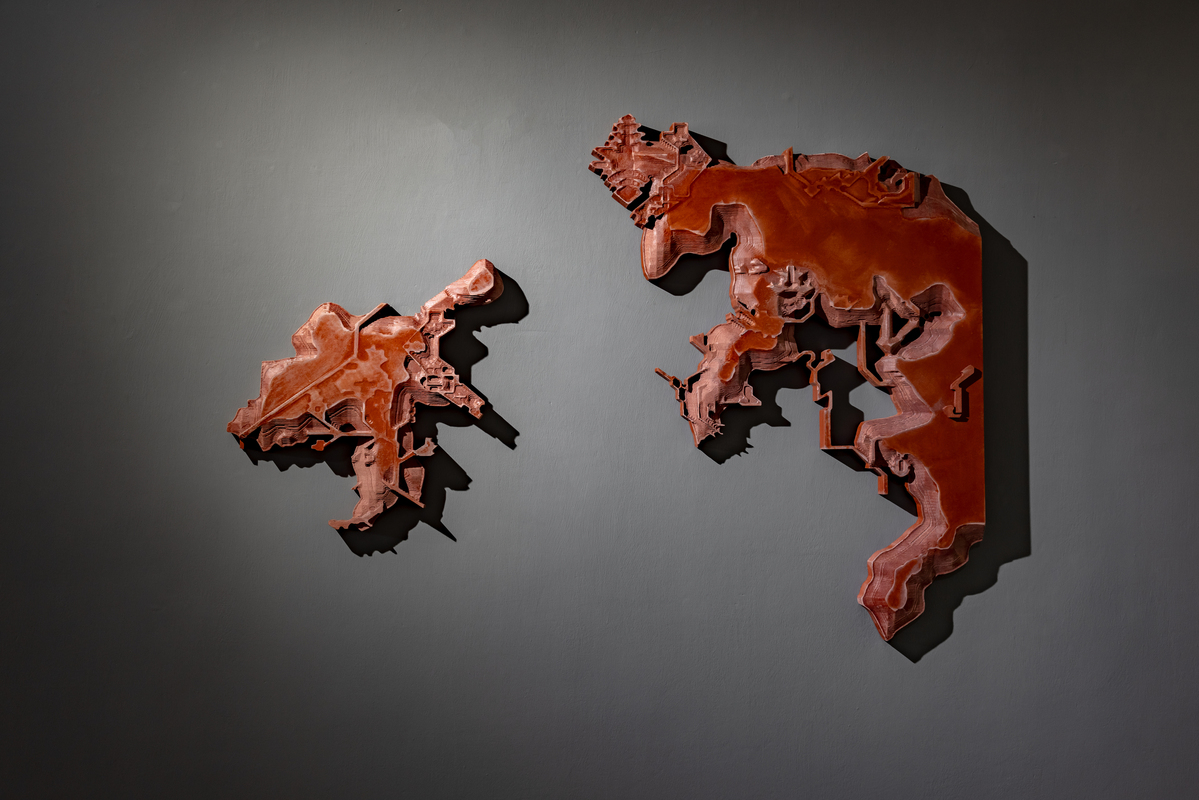
Using materials such as sandstone, recycled wood, and cement, Remen grounds fleeting memories in tactile, enduring forms. Her works are immersive and dynamic, merging past and present into evolving landscapes. Cities like Rawalpindi and Shimla, filtered through her early experiences, become abstract maps that dissolve the boundaries between geography and memory.
Remen invites viewers to reflect on the interplay of material and memory, permanence and change, and the ongoing process of transformation. Encouraging a deeper connection to the landscapes—both personal and collective—that shape us.
In this context, the symbols of the carpets emerge as a central medium of storytelling, which goes beyond its ornamental function to become a living map of memory. “Growing up, I always saw Persian and Afghani carpets in my grandmother’s home. I would lose myself in their complex, maze-like patterns. It was like a cityscape, where each shape held its own significance,” she says. She juxtaposes the patterns of these carpets on to maps from her memory of the cities she has lived in to create sculptures of landscapes that function as evolving sites where memory is continually reworked and re-imagined. It is as much a process of abstraction as it is of reconstruction.
Drawing is also an essential part of the artist's practice, one that extends beyond paper to different materials. By embedding drawn patterns into the raw textures of materials, Remen creates a space where the past and present are in constant flux. She asks the viewer to reconsider the interplay between material and memory, and to reflect on the landscapes—both external and internal—that define them.
By reworking the traditional forms of maps and symbols into an immersive, multi-material practice, Remen invites us to engage with the ongoing process of transformation, where the past is continually reshaped, reimagined, and rebuilt.
Artworks
Installation Views