

New Delhi
Abir Karmakar
As it is
Nature Morte is pleased to present Abir Karmakar’s first exhibition with the gallery.
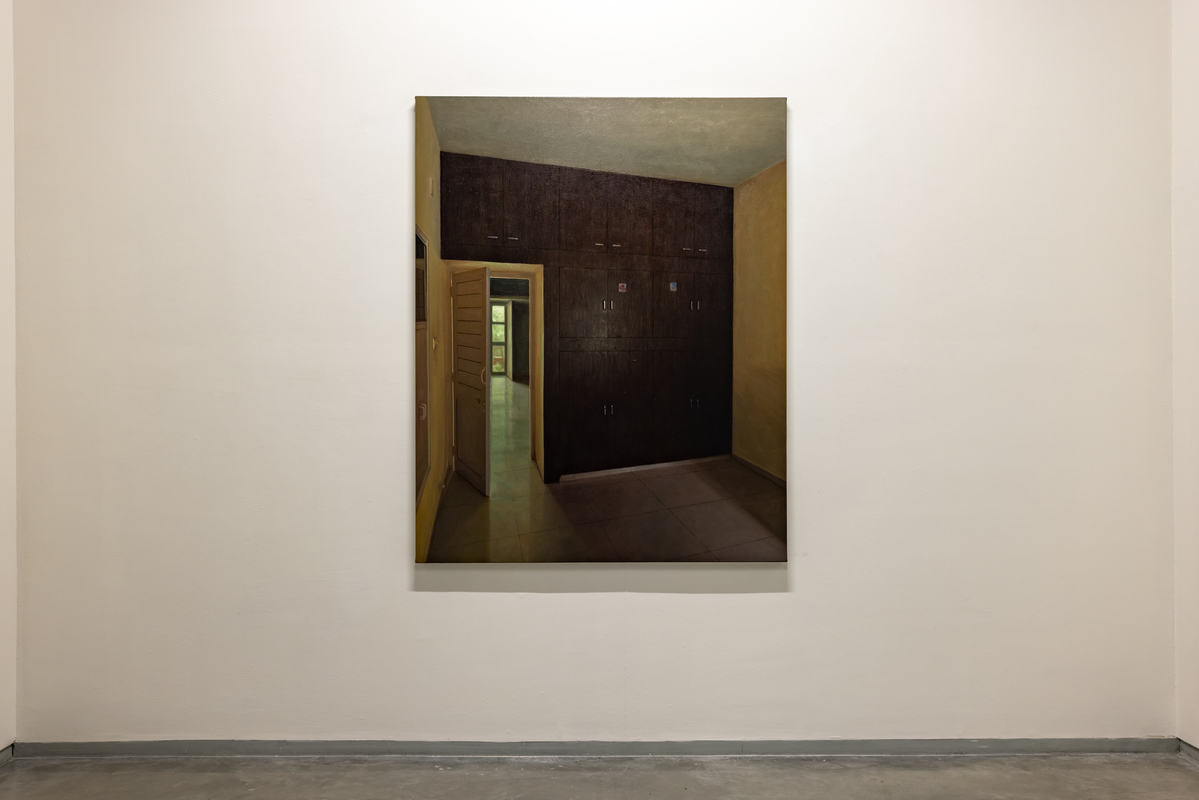
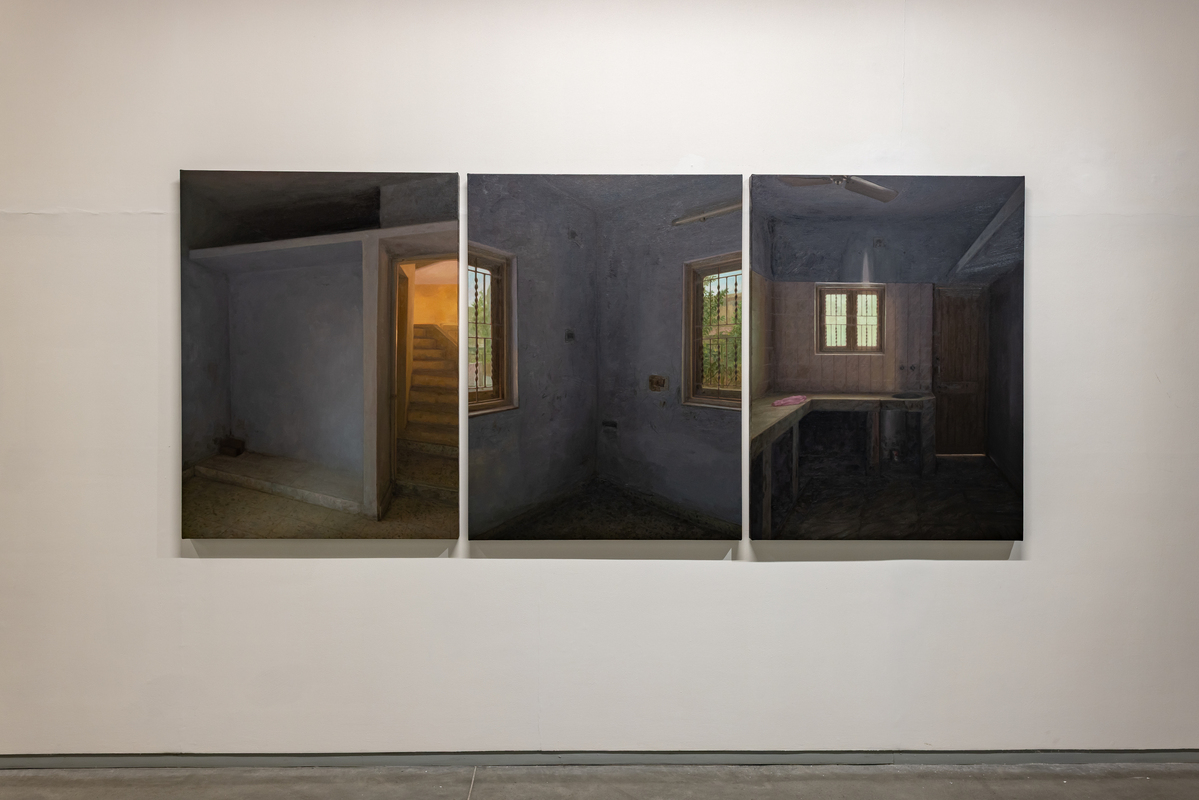
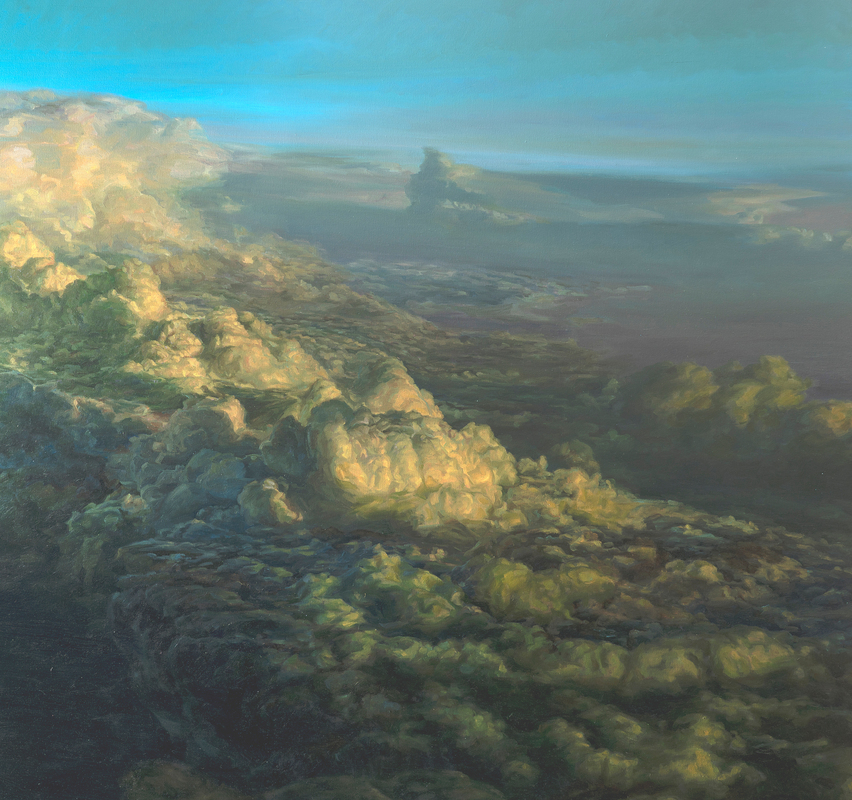
Known for a style of hyper-realistic painting that has addressed both figurative and architectonic subjects, there is a stillness in Abir Karmakar’s paintings that asks for time. At first, you see an expanse of sky, a sweep of sand, a quiet room. But the longer you look, they begin to shift. Colours deepen, light changes, and the movement of the hand emerges. His work invites you to notice the presence within absence, the human trace in places that appear empty.
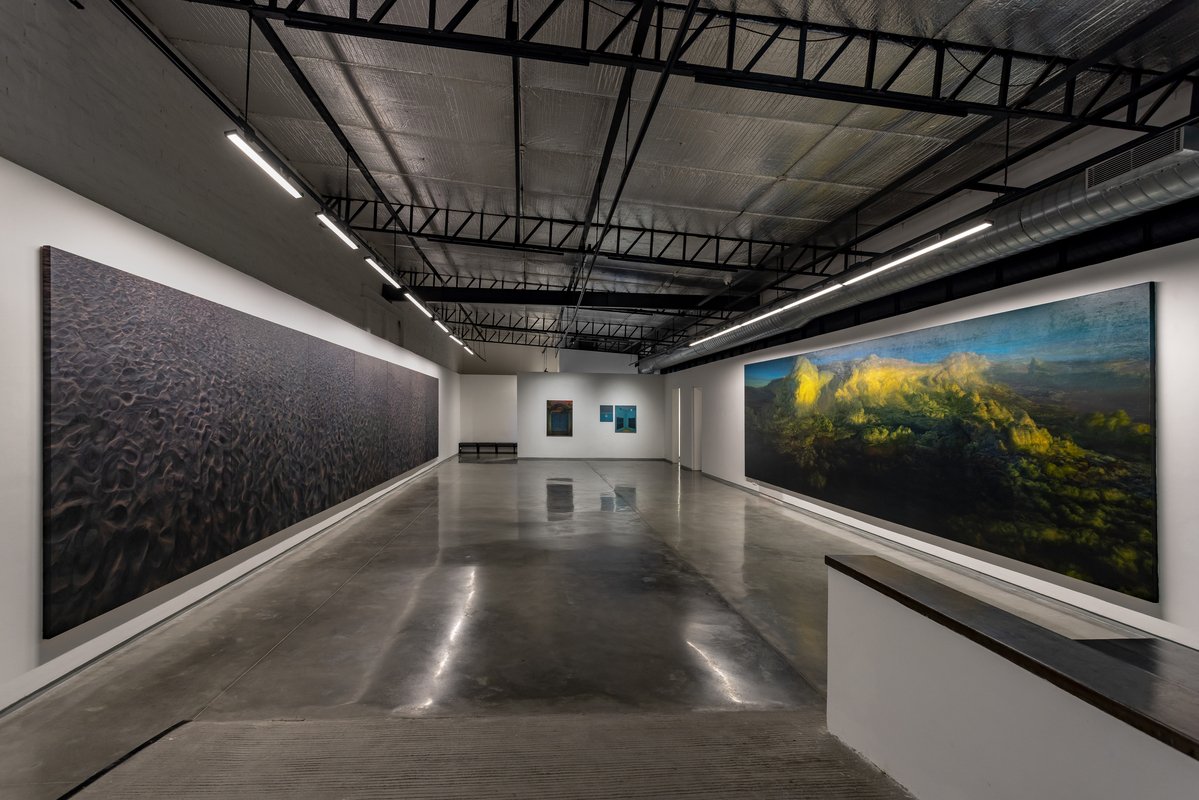
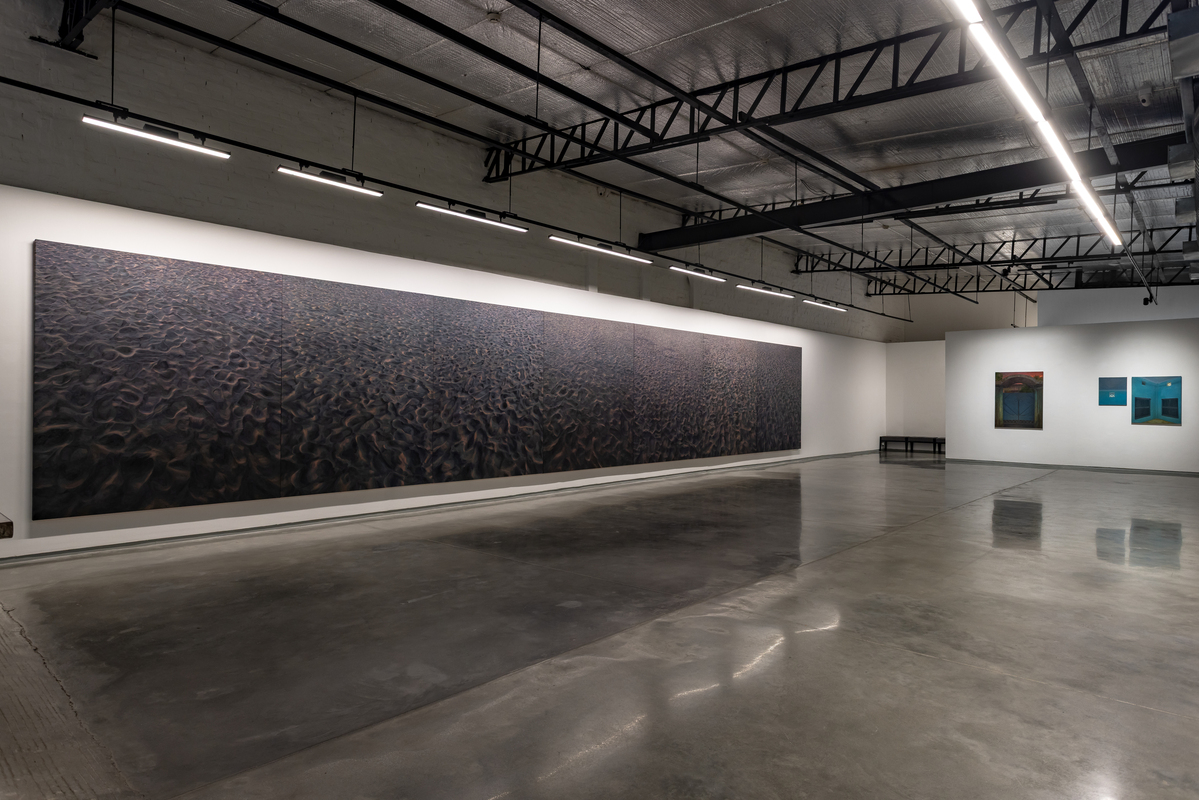
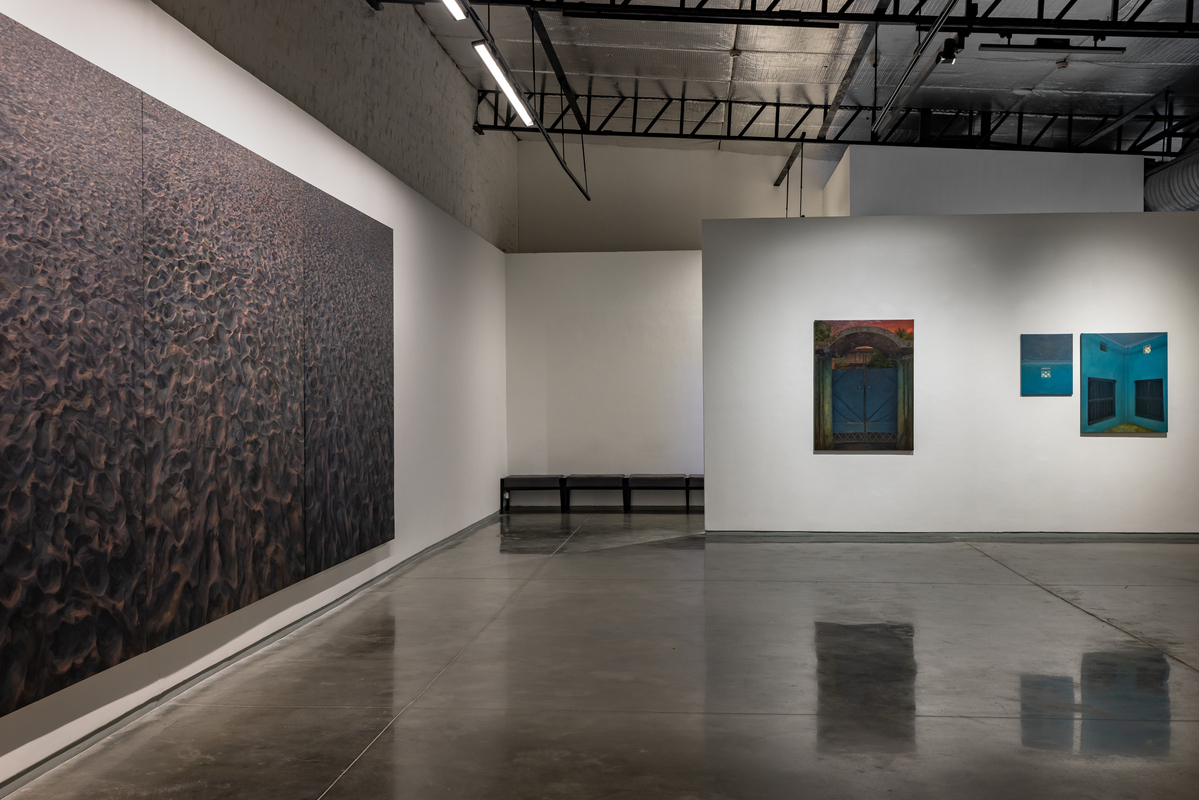
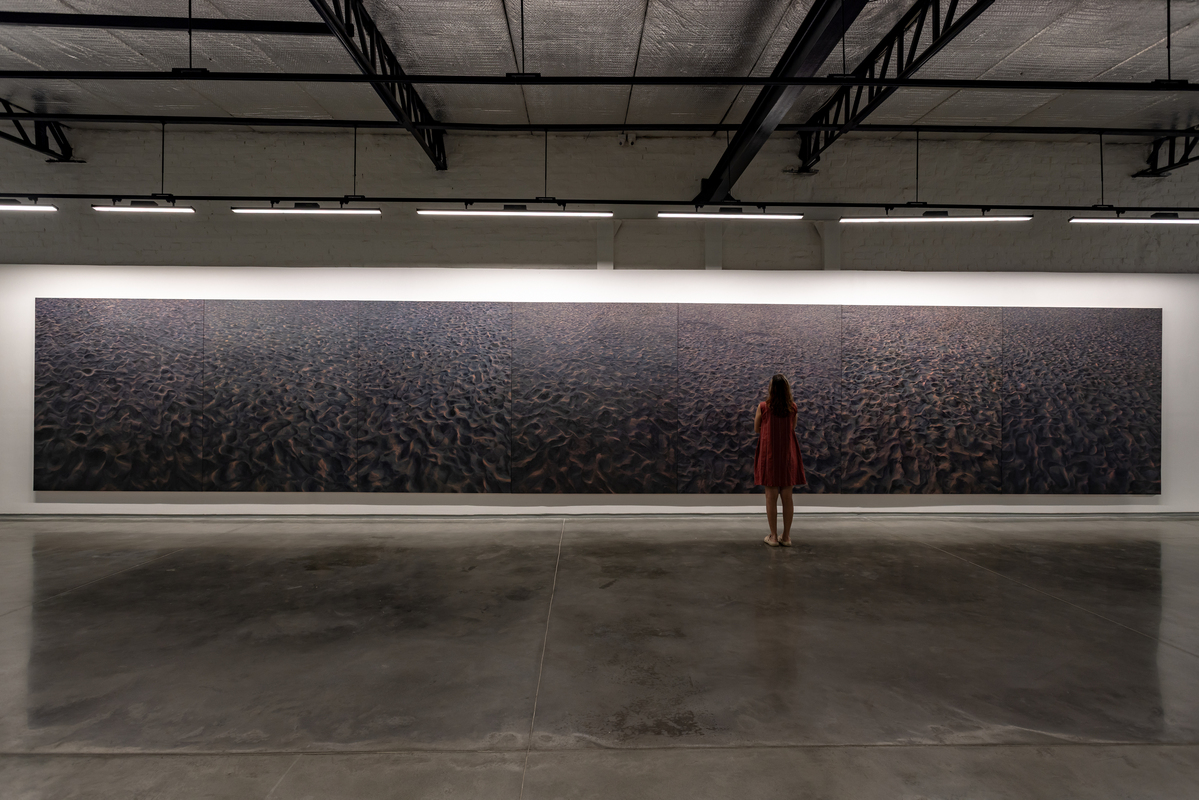
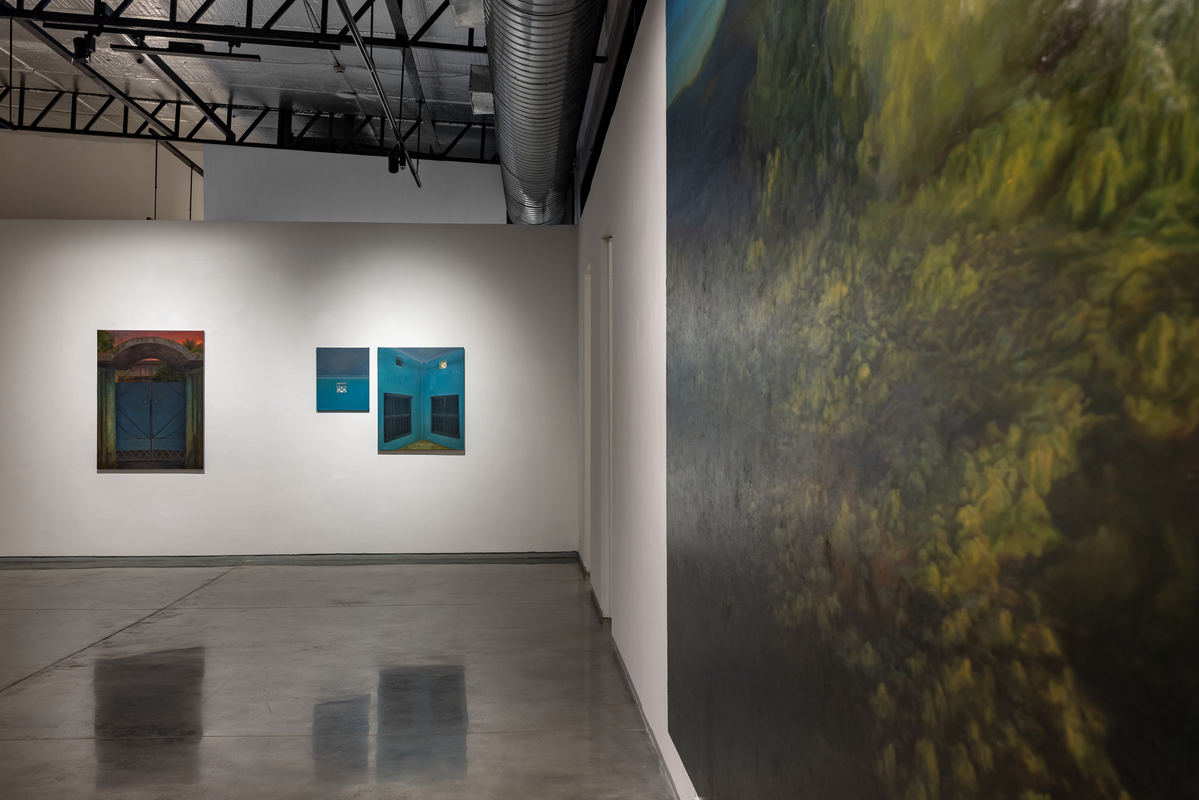
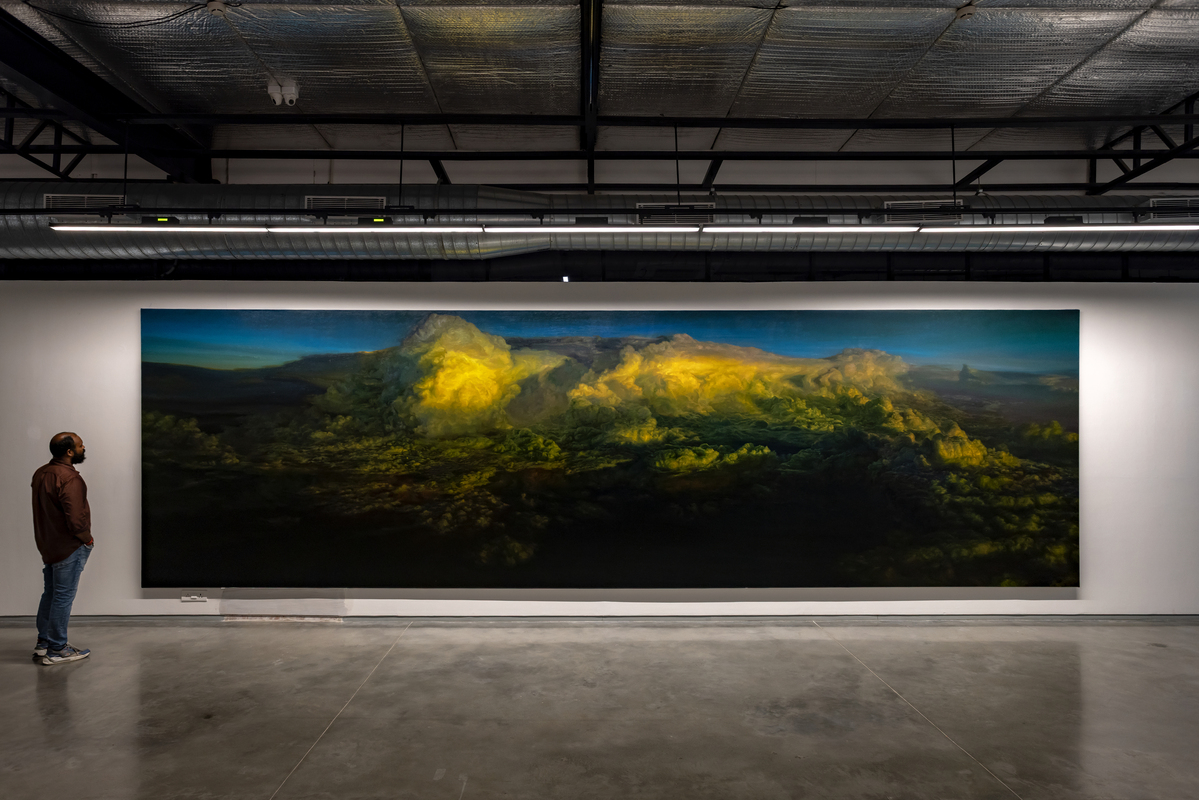
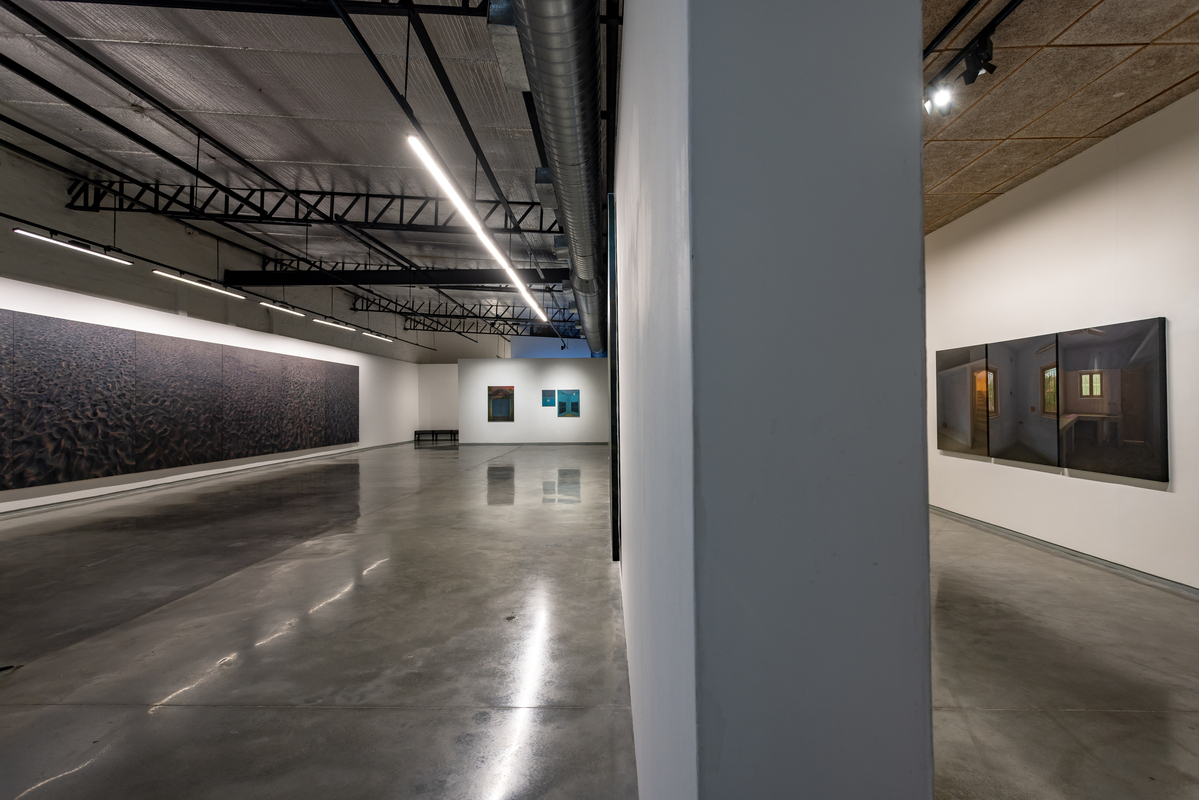
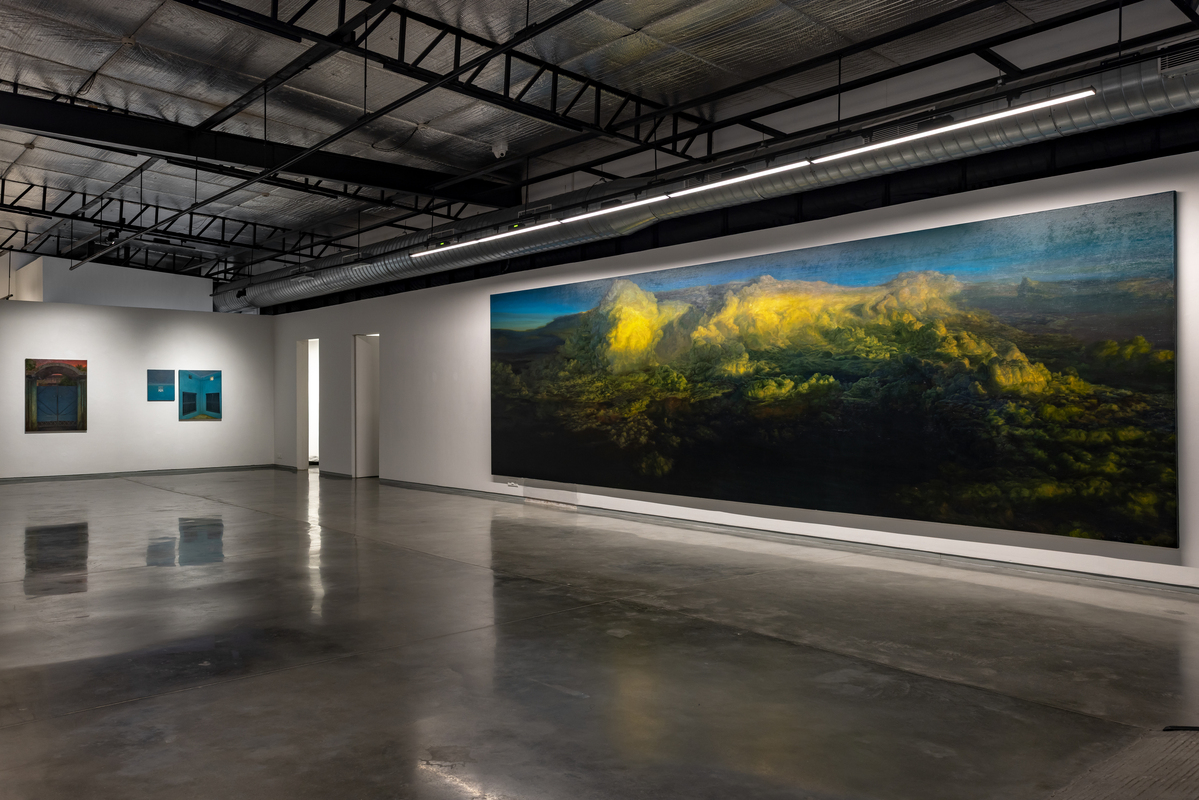
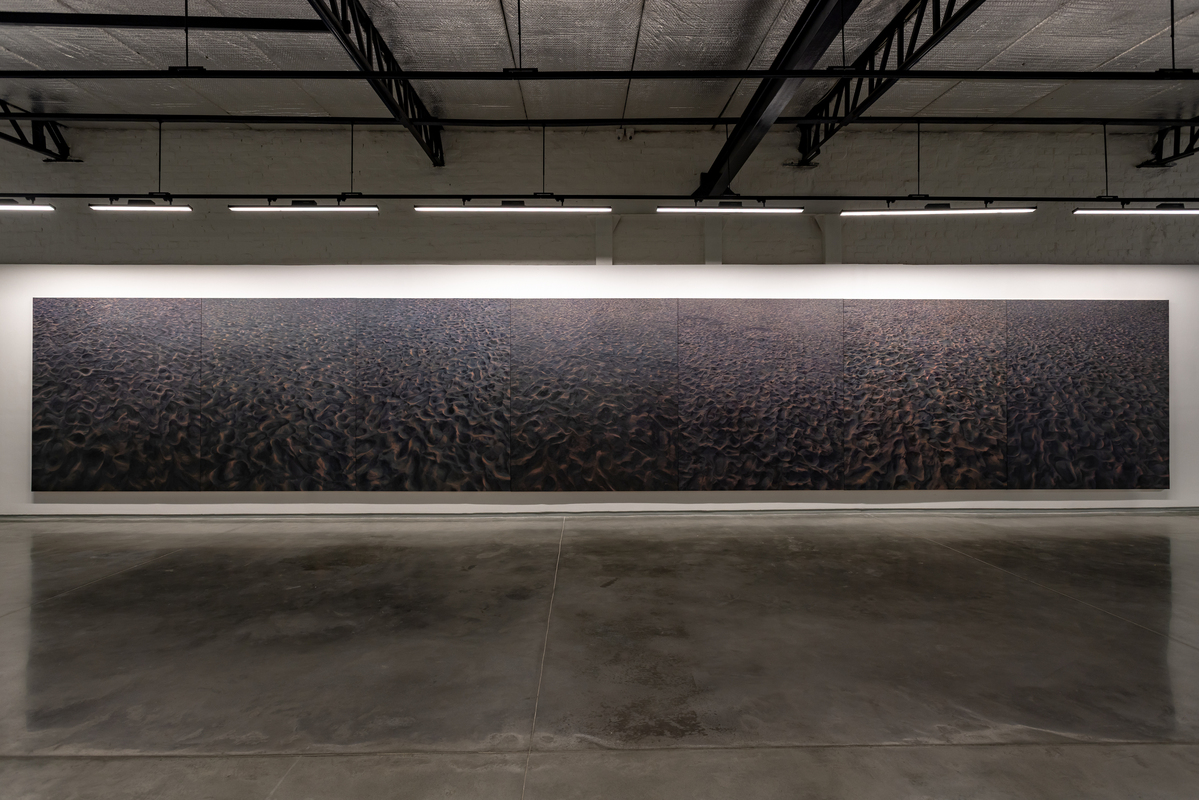
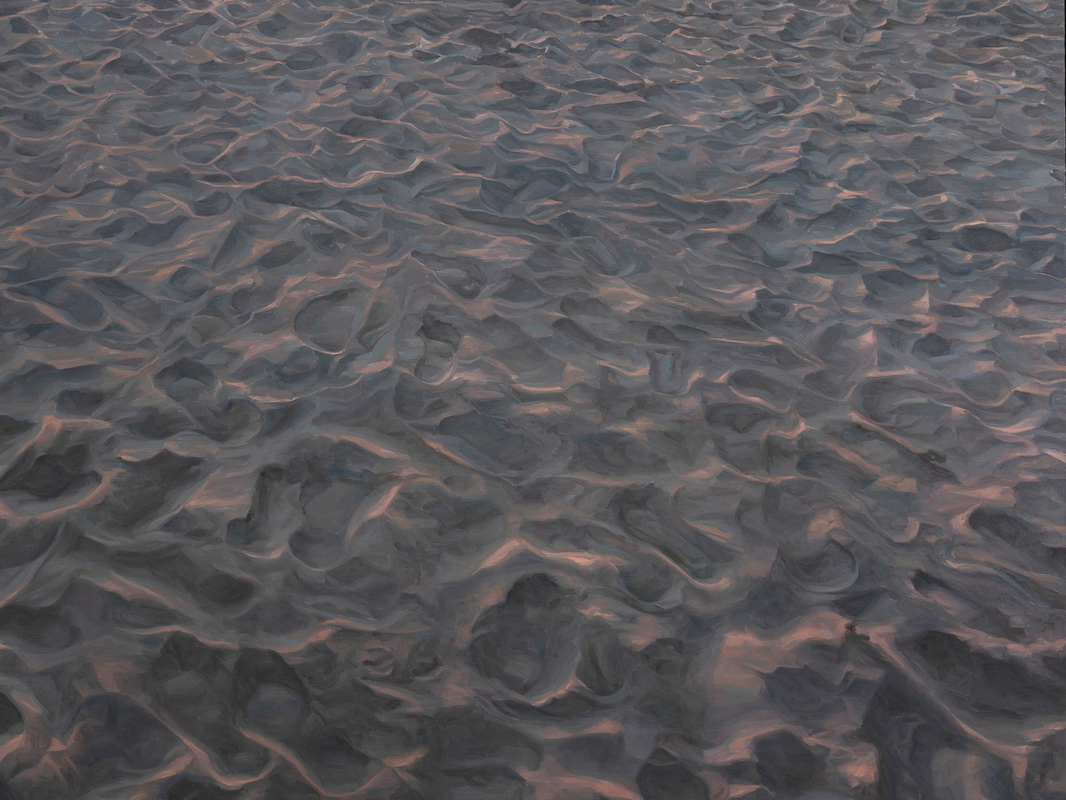
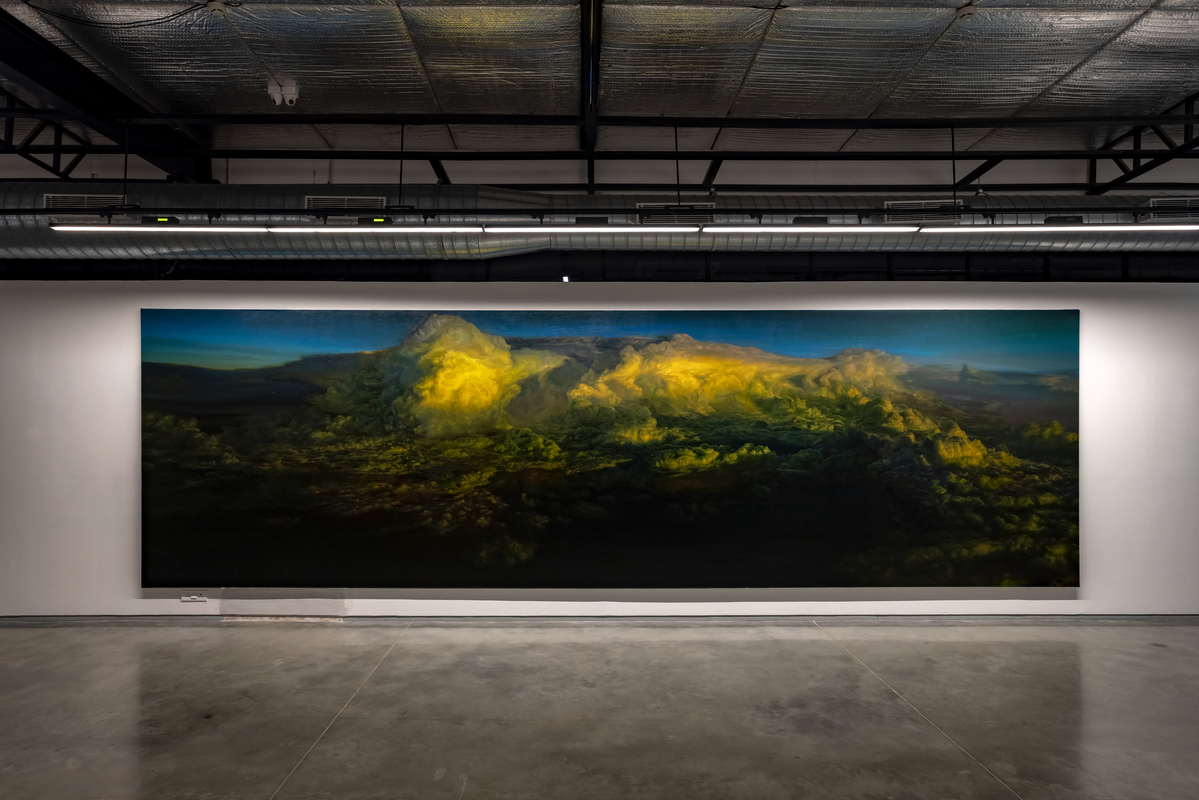
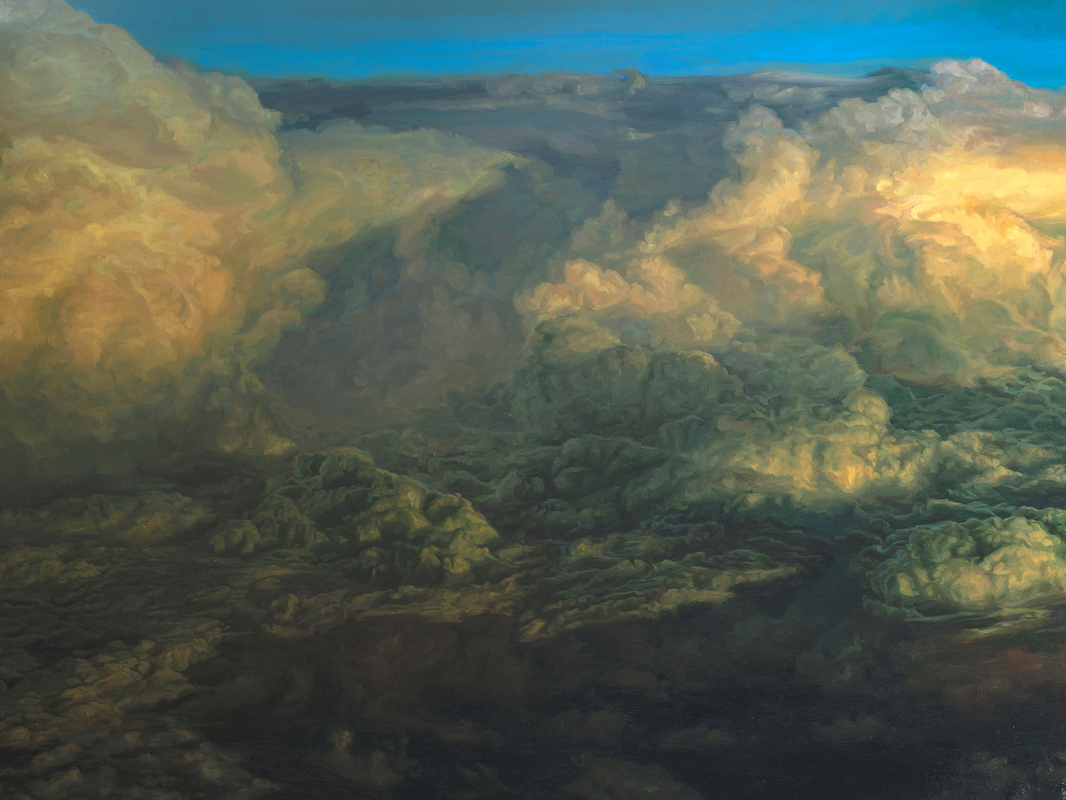
The exhibition debuts two monumental paintings: The Promised Land (oil on canvas, 8 feet high x 27 feet wide) and Ancestors (oil on canvas, 7.5 feet high x 44.5 feet wide), which extend the horizon until it becomes as much an idea as a place. In A Promised Land, a single cloud hovers like an island in an endless field of blue. Based on a view from a plane leaving New York, the image was reimagined until it felt both specific and unplaceable, a fragment suspended in the air, a form that could be arriving or dissolving. In Ancestors, undulating sand is caught in a half-light where colour and shadow mark the passing of time. One looks upward, the other down; one holds the stillness of air, the other the shifting weight of earth. Together, they frame a passage between states of being, speaking to each other in their shared scale, horizon, and sense of transience. The scale of these paintings envelopes the viewer, contradicting our now normal experience of viewing everything in the palm of our hand.
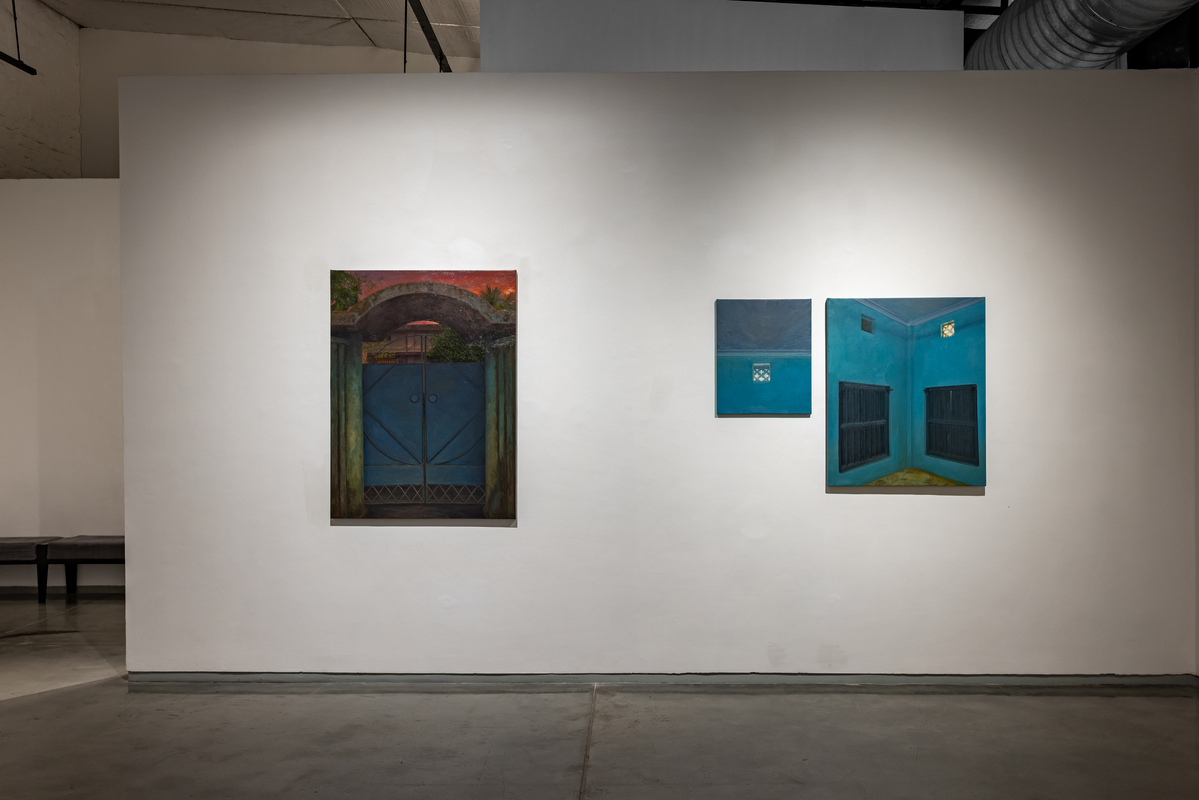
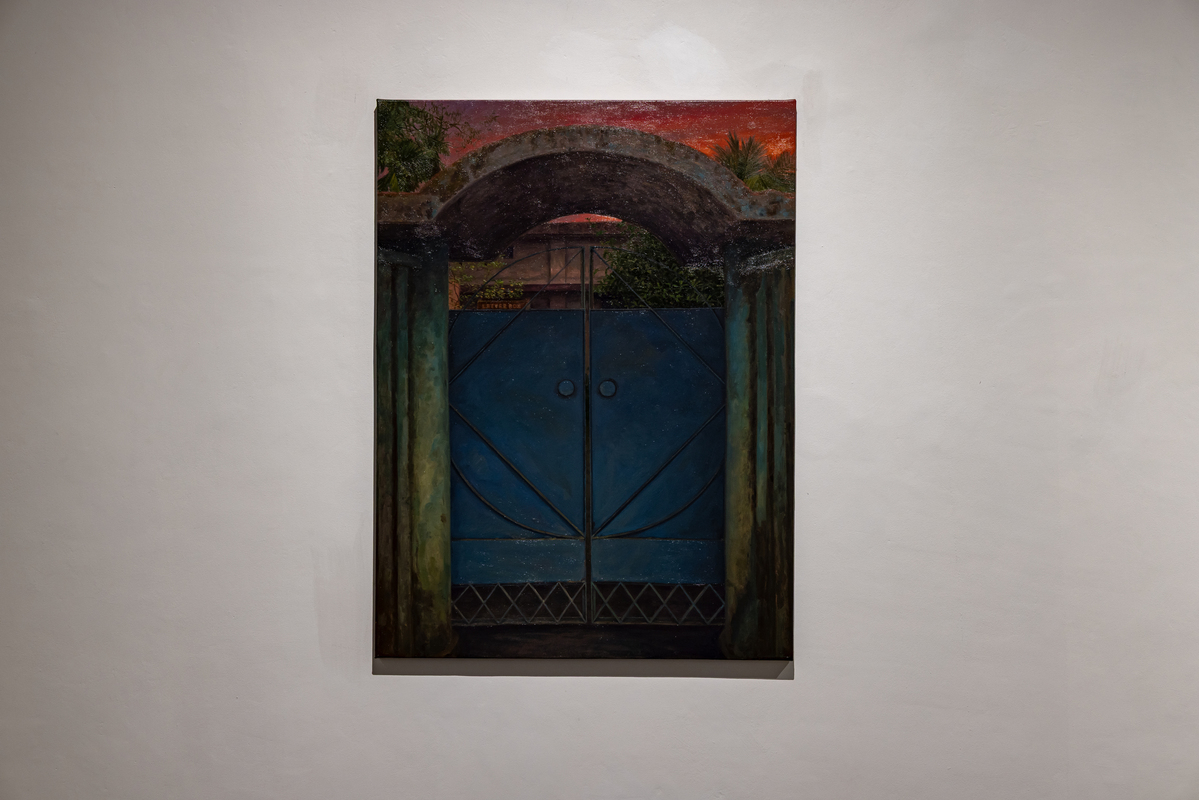
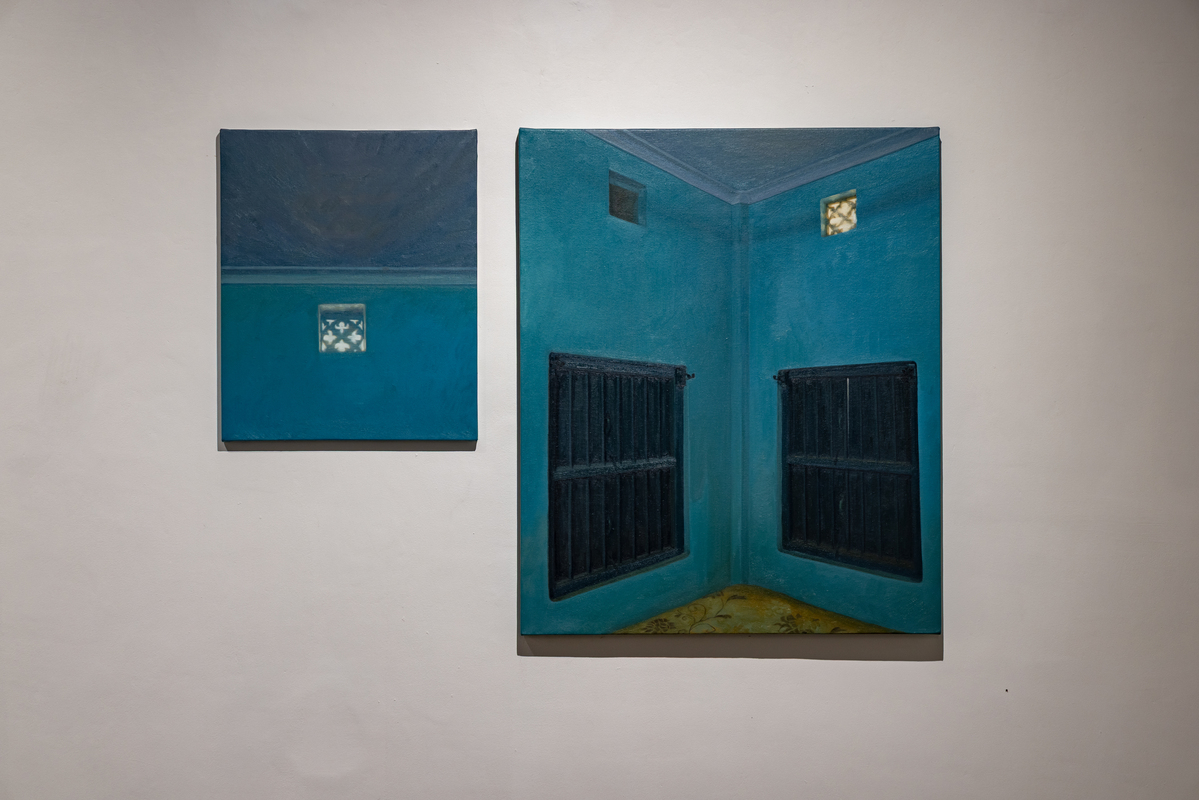
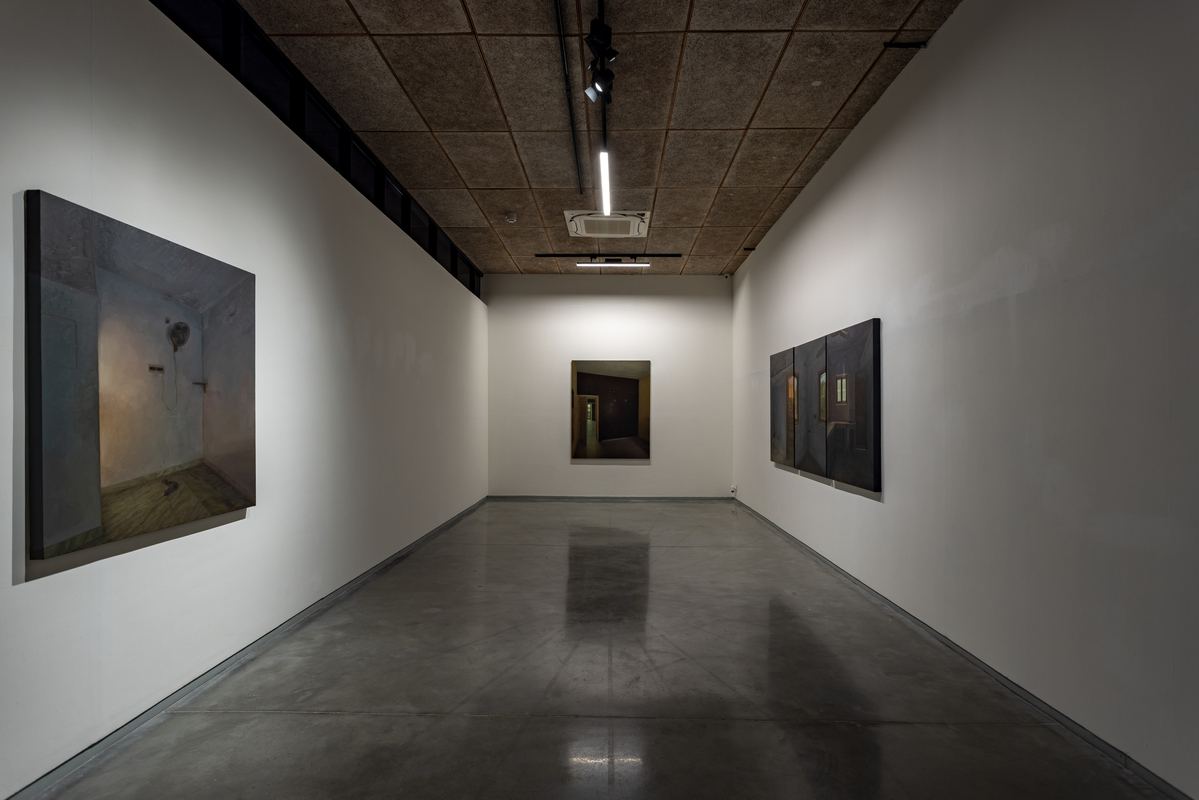
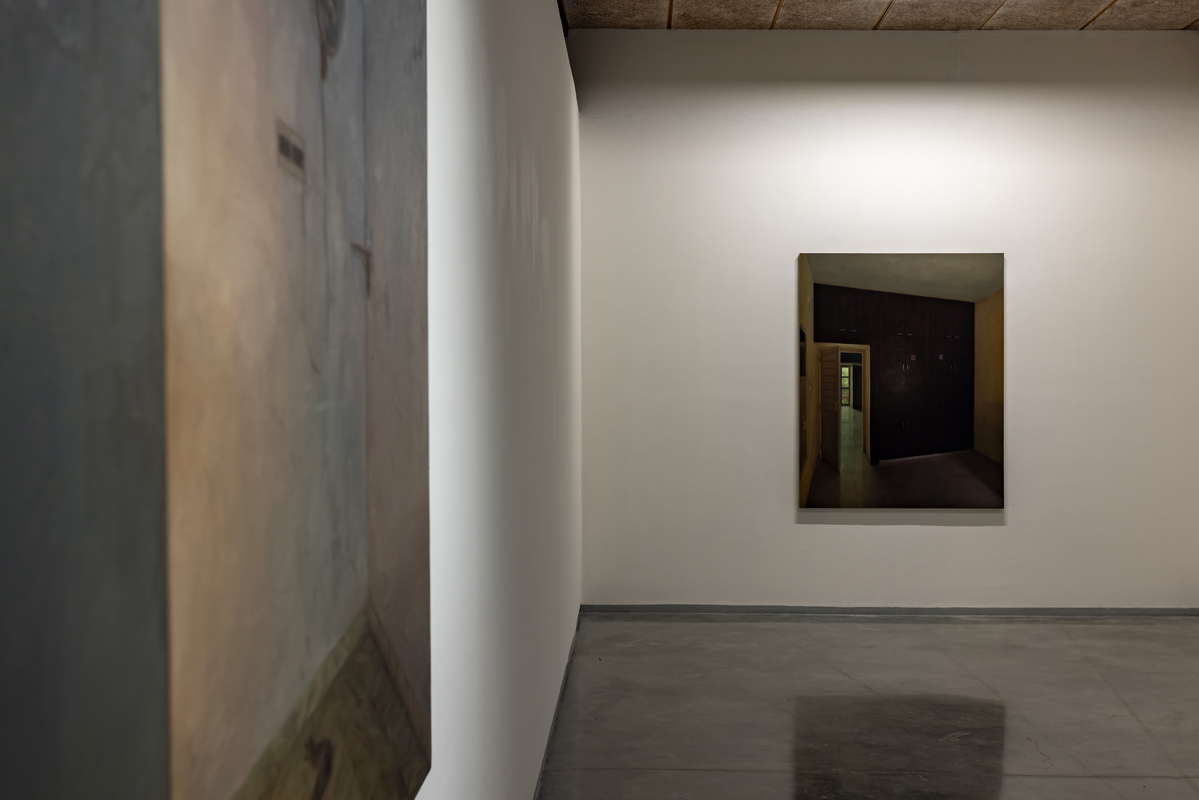
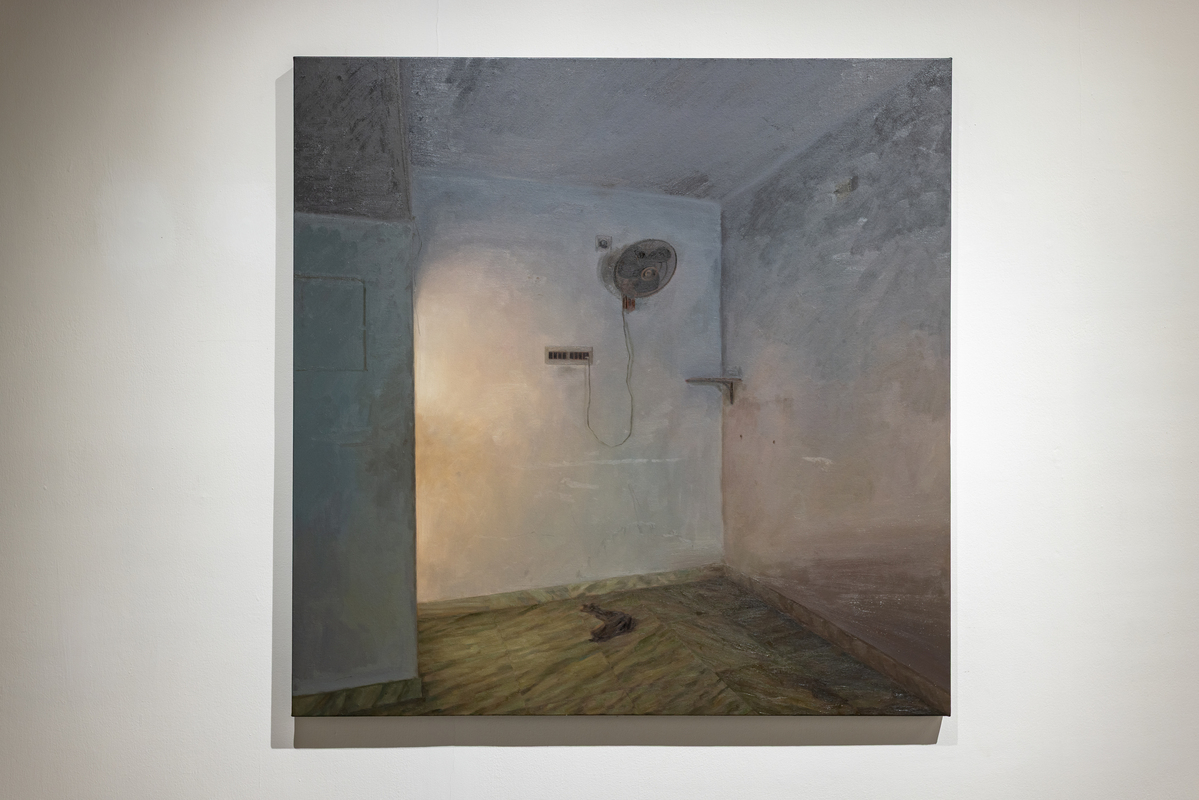
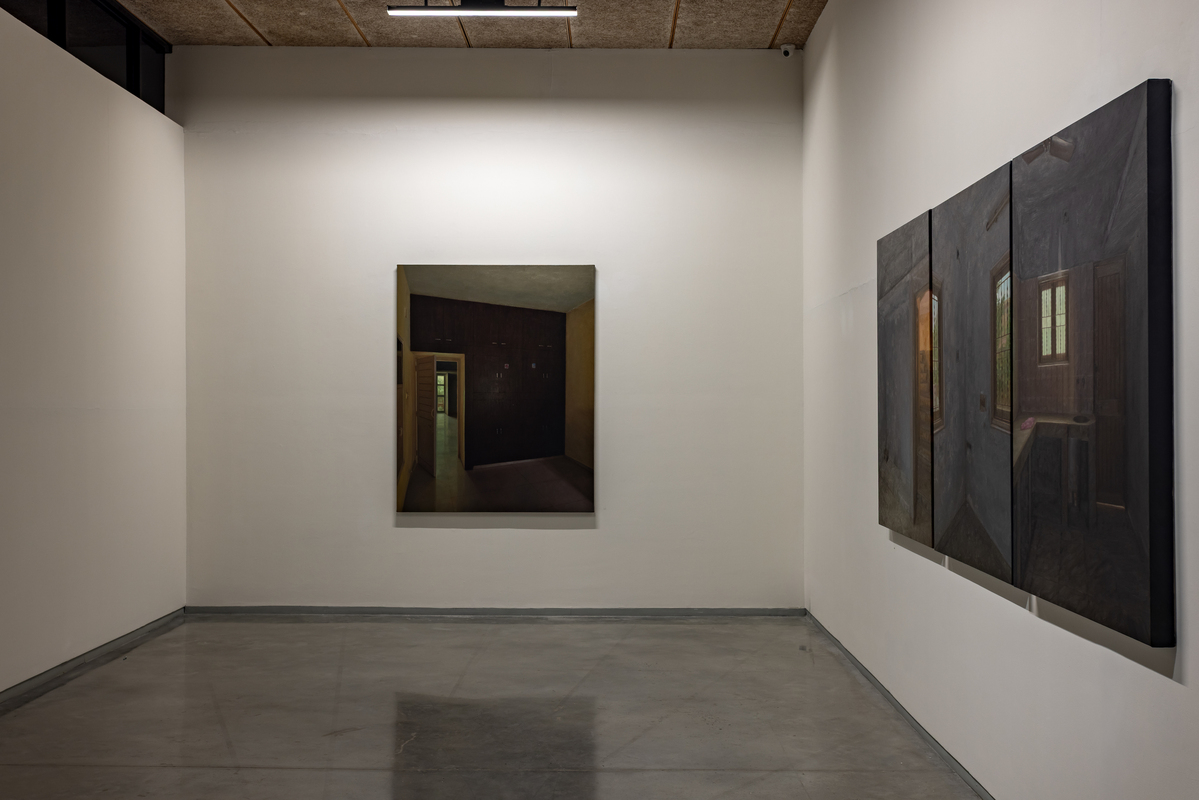
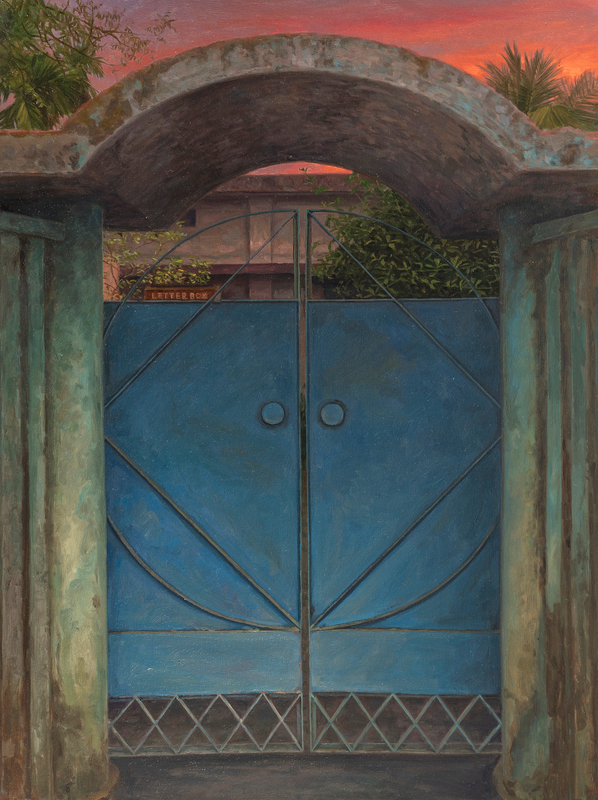
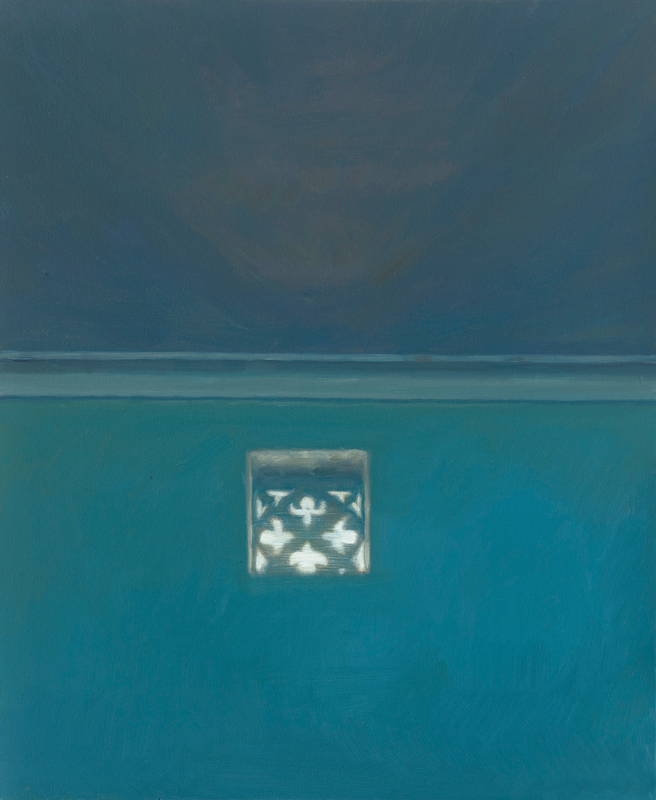
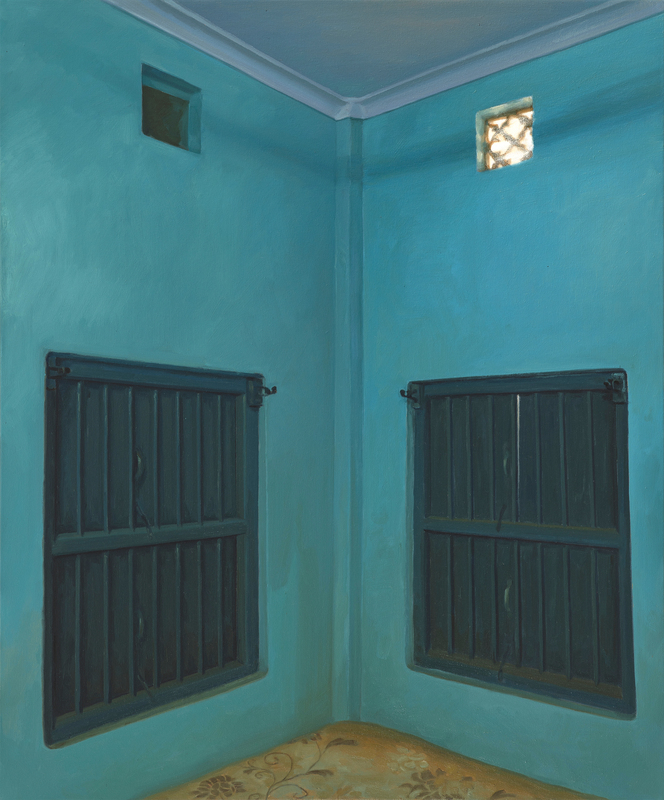
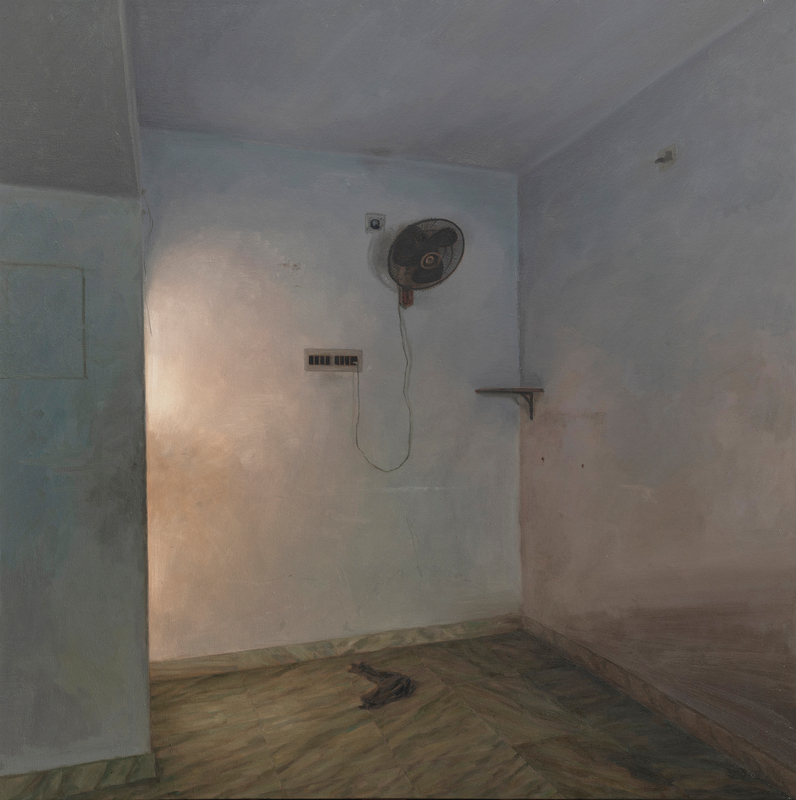
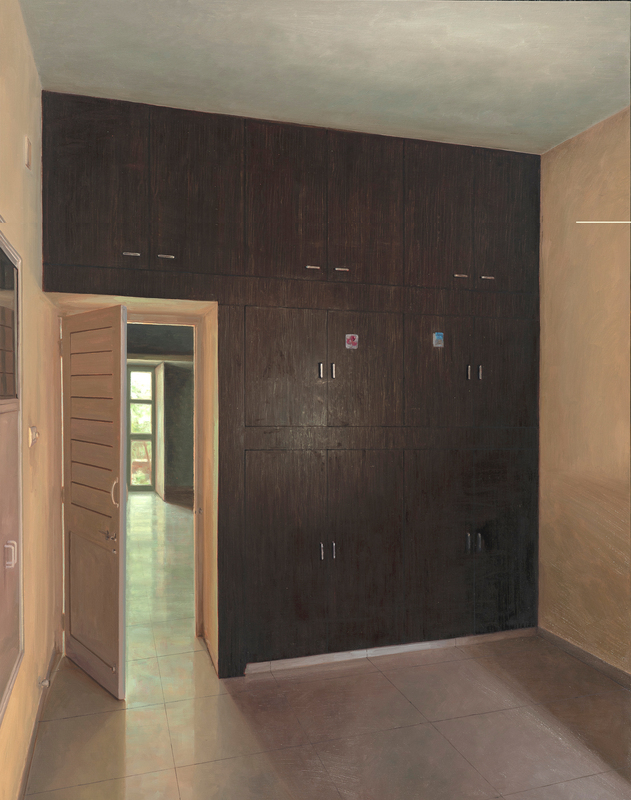
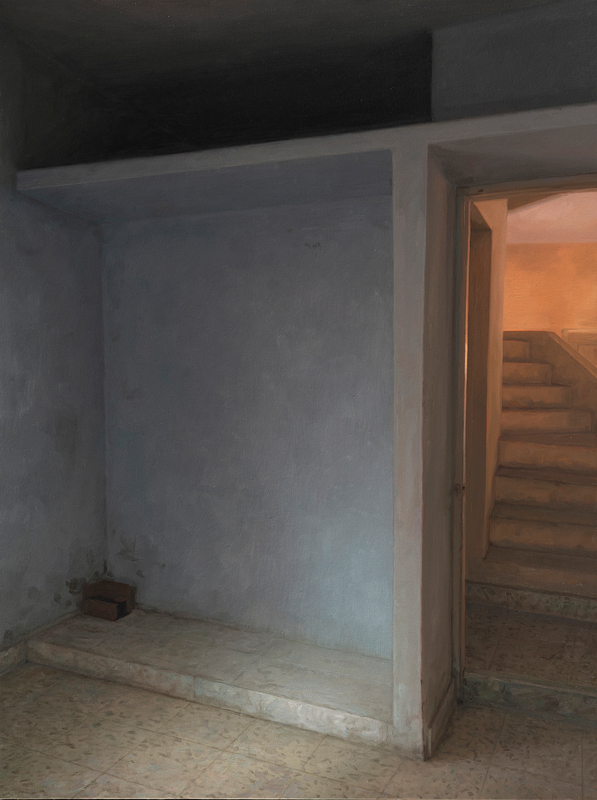
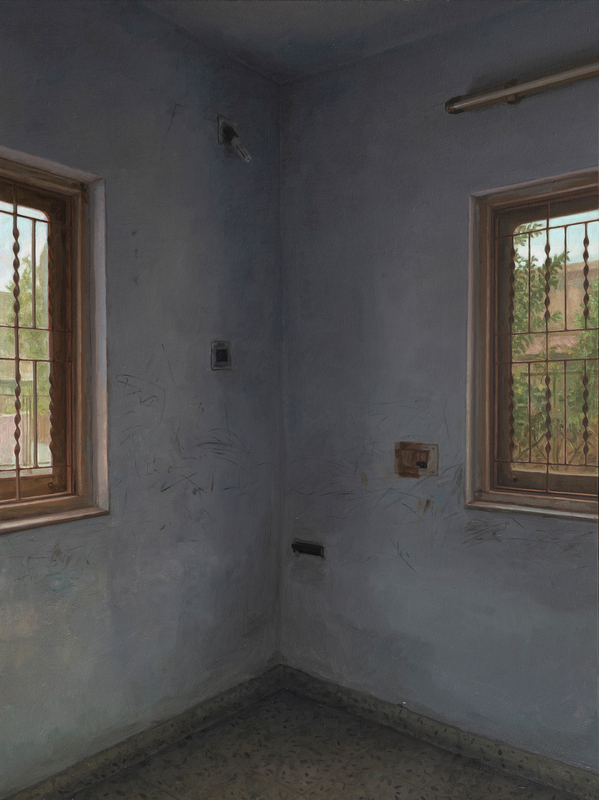
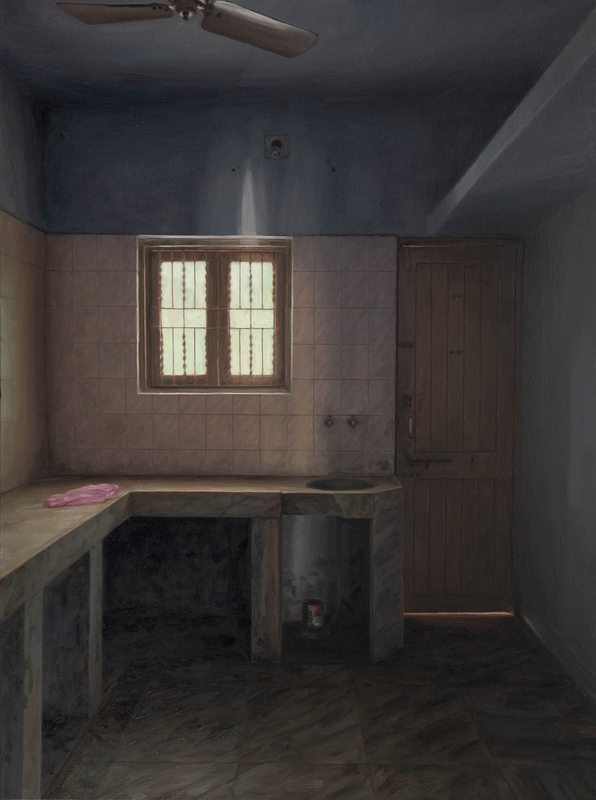
Another group of paintings bring the focus indoors. Room (oil on canvas, various dimensions) returns to the blue-walled interiors of Karmakar’s childhood home in Siliguri, painted partly from image and partly from memory so that clarity and distortion coexist. It Was Home (oil on canvas, various dimensions) depicts a rented house once inhabited by an elderly man and his daughter. Karmakar never lived there, but uses it to reflect on his own years in rented spaces that are marked by personal milestones, yet layered with the lives that came before and after. He calls it “the carcass of a memory,” evoking the dislocation of revisiting a place after time has passed.
For Karmakar, painting is a deliberate act against speed. “The land can be a witness,” he says, “and the horizon a silent archive.” In an age when images vanish in an instant, he sees painting as an act of endurance: each brushstroke a way of remaining with a place, holding it still against the slow erosion of time. These three bodies of work together hold traces of those who have passed through, whether in the weight of shared history or the intimacy of private memory, in both space and time.
About the artist
Abir Karmakar (b. 1977, Siliguri, India) is a painter whose practice explores identity, aspiration, and the uncanny dynamics of interior spaces. Initially known for his opulent self-portraits set in richly detailed interiors, Karmakar later shifted to depopulated spaces, emphasizing the materiality, perspective, and emotional resonance of the environments themselves. His meticulous attention to detail interrogates notions of self, otherness, and the social constructions of aspiration and belonging, while maintaining an underlying sense of voyeurism and psychological tension.
Karmakar studied painting at Rabindra Bharati University, Kolkata (BVA) and Faculty of Fine Arts, Maharaja Sayajirao University, Baroda (MFA). His work has been presented at international institutions including the Asia Society Triennial, New York (2021) and the 3rd Kochi-Muziris Biennale, Kerala (2016). Solo exhibitions include Passage (Galerie Mirchandani + Steinruecke, Mumbai, 2023), Nightjar (Aicon Contemporary, New York, 2023), Everyday (Galerie Mirchandani + Steinruecke, Mumbai, 2022), and Here Everything is Fine (Galleryske, New Delhi, 2019–20). Nature Morte has been working with Karmakar since 2024, presenting his recent exhibition As It Is at the Dhan Mill Gallery, New Delhi.
Karmakar was awarded the inaugural Asia Society Future Artist Award in 2017.
He currently lives and works in Baroda, India.
Artworks
Installation Views