

New Delhi
Ai Weiwei
Ai Weiwei
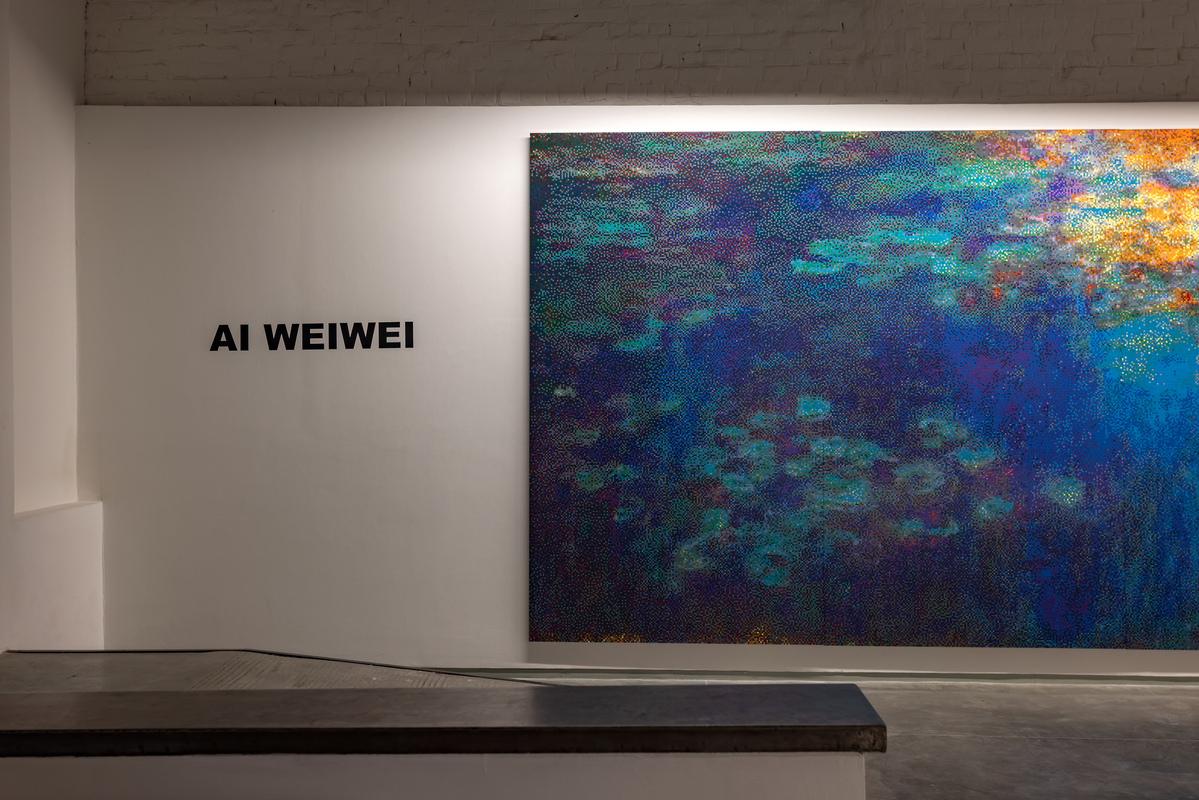
Nature Morte is pleased to present Ai Weiwei, the artist’s first solo exhibition in India, on view from 15 January to 22 February 2026 at the gallery in New Delhi as a part of the India Art Fair parallel program. The exhibition has been organised in collaboration with Galleria Continua, San Gimignano, Italy.
World-renowned artist Ai Weiwei works across sculpture, installation, film, photography, ceramics, painting, writing and social media, often fusing traditional craftsmanship with a conceptual approach shaped by his activism and advocacy for human rights.
“Bringing Ai’s work to India isn’t about creating a spectacle — for us, it is about urgency. His work speaks to the present moment with total clarity: history, power, borders, memory. India is a place where these questions are lived, not abstract, and this exhibition invites that conversation without flinching.” said Aparajita Jain, Co-Director, Nature Morte
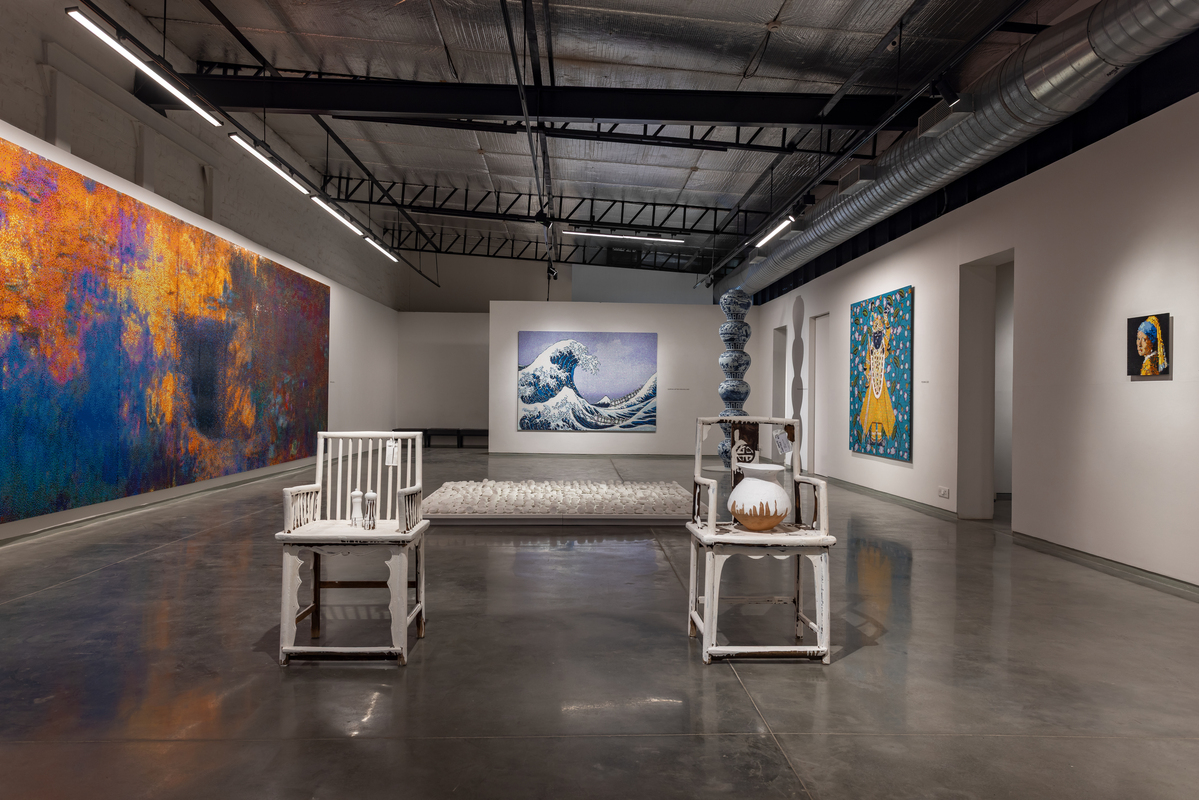
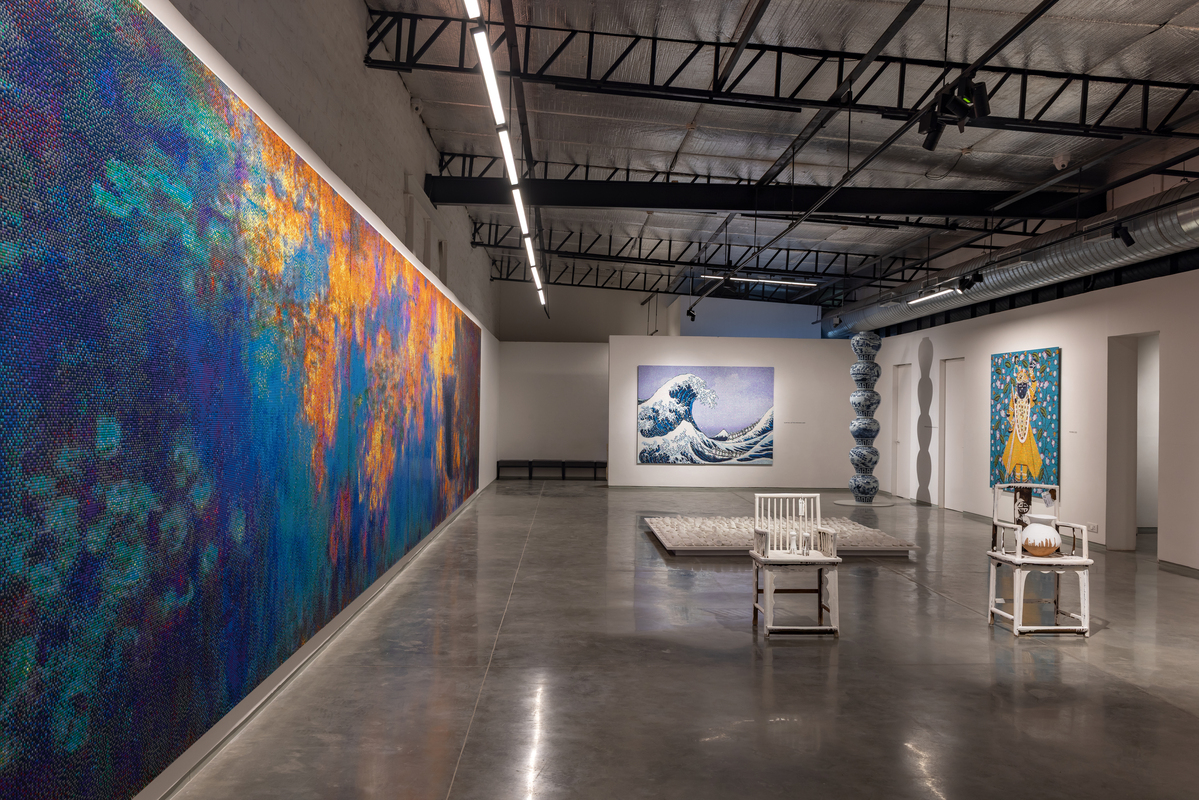
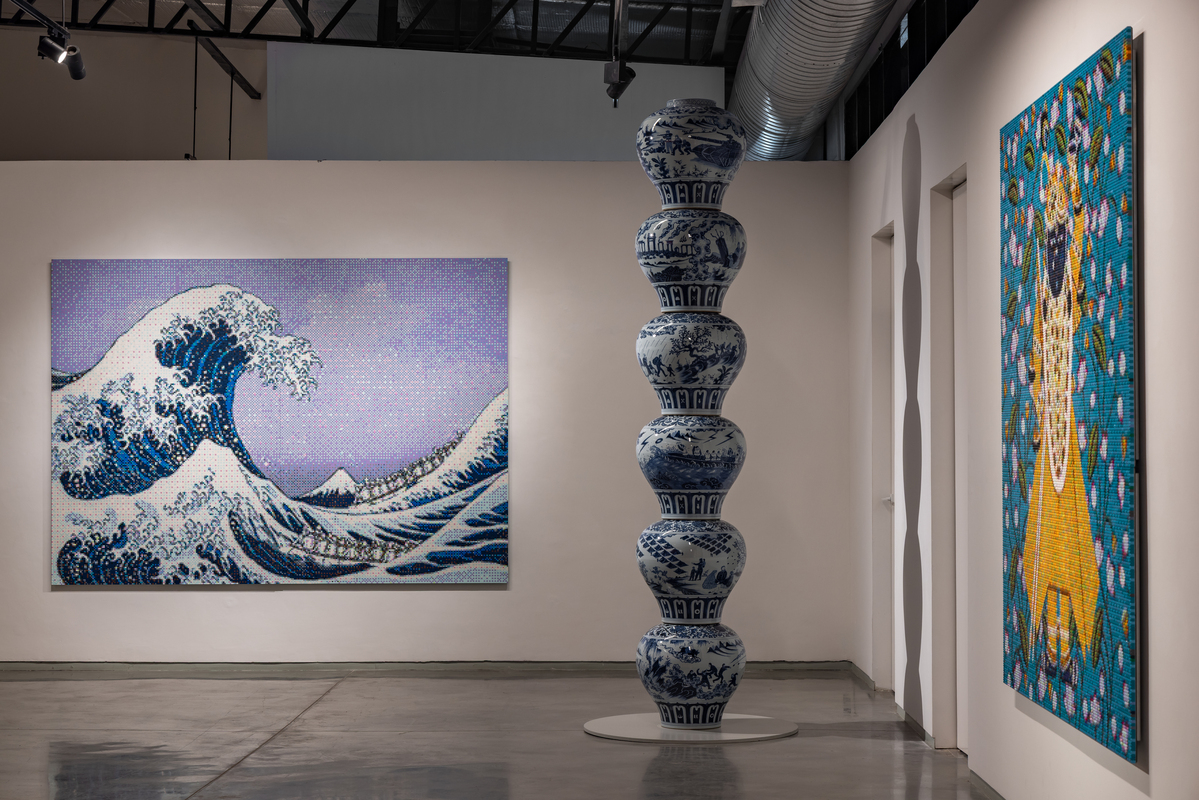
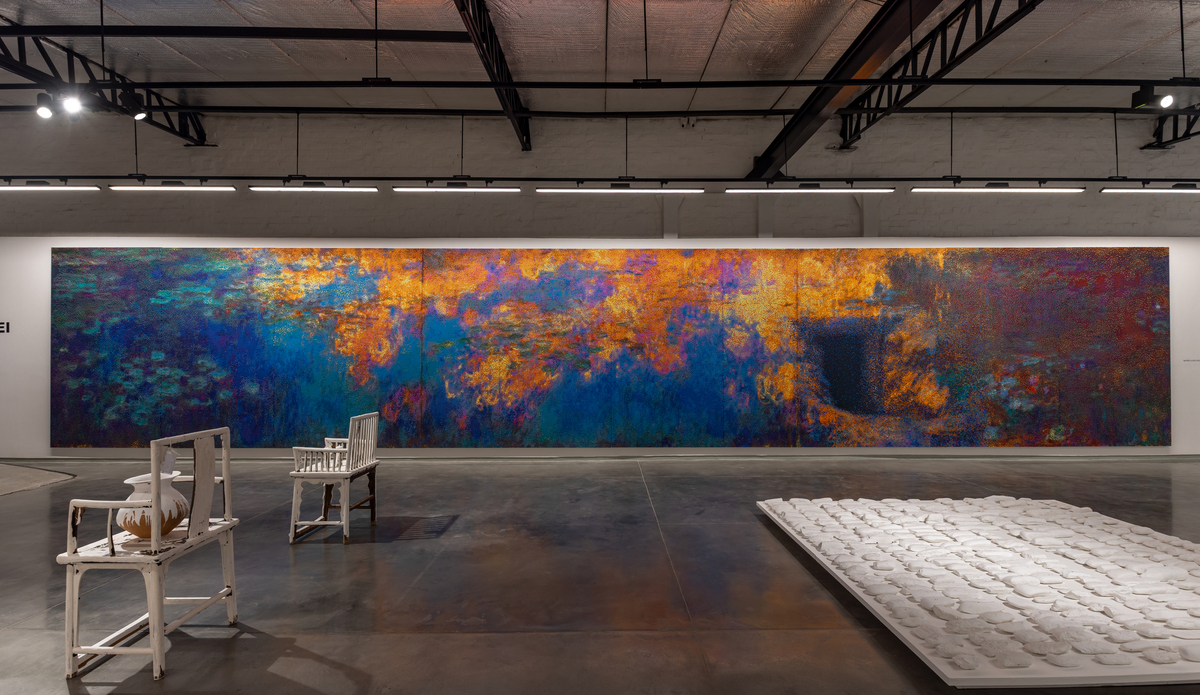
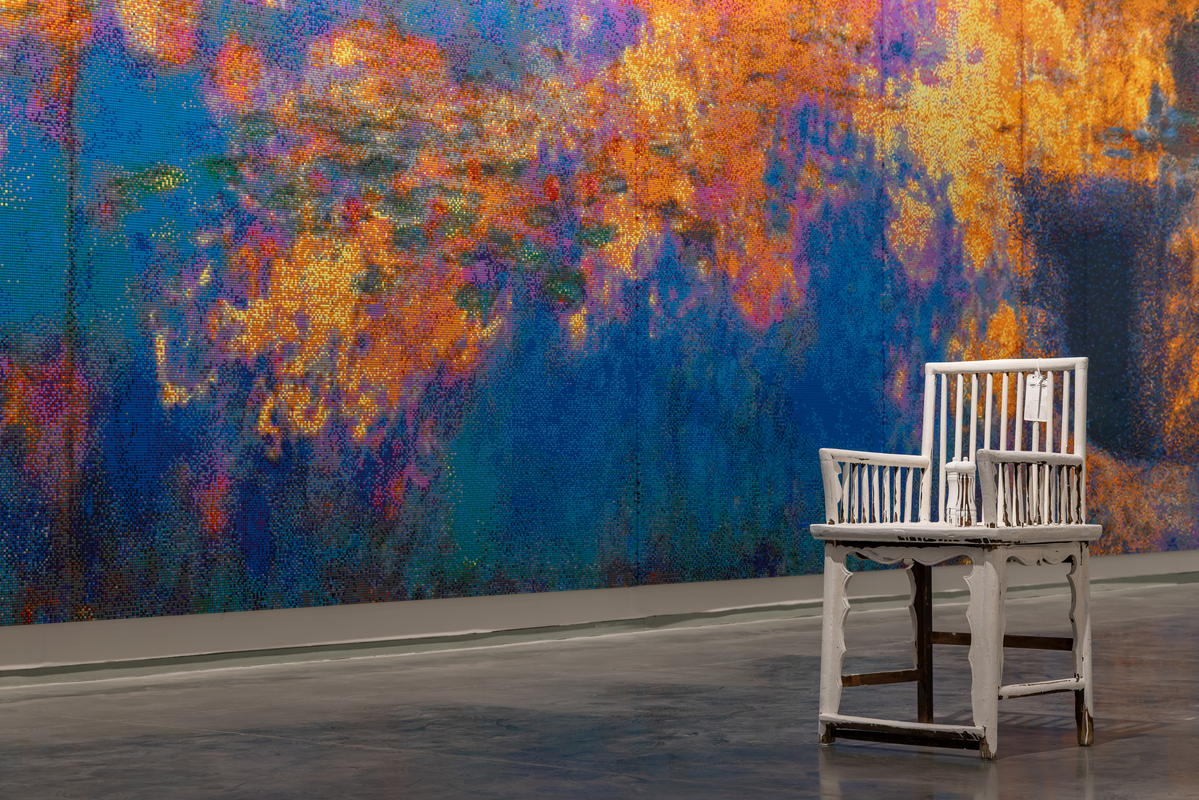
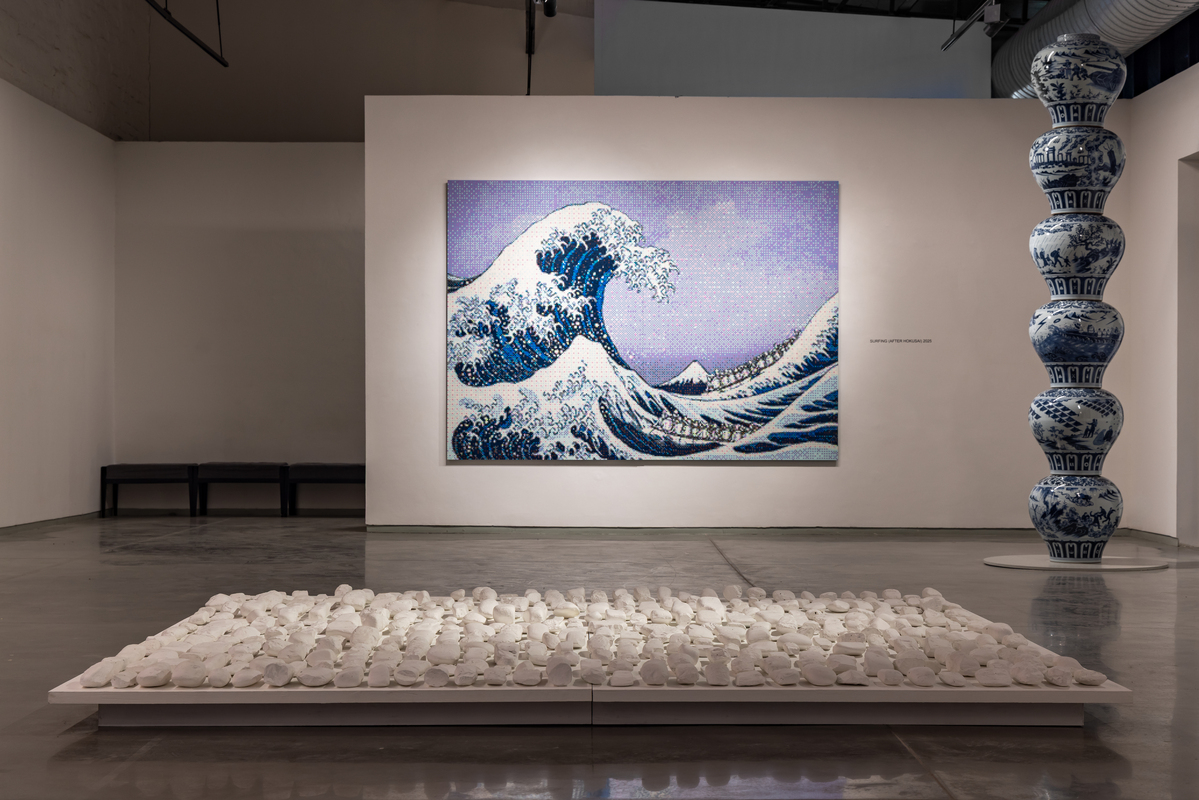
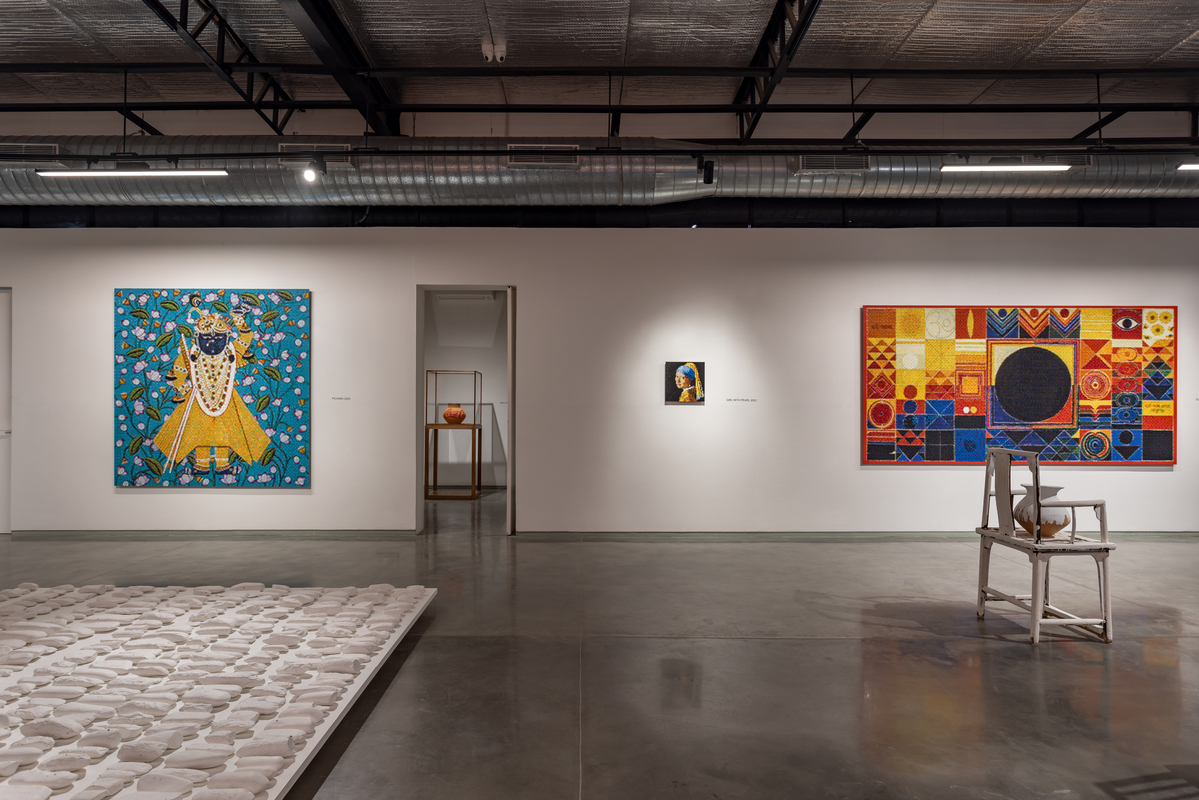
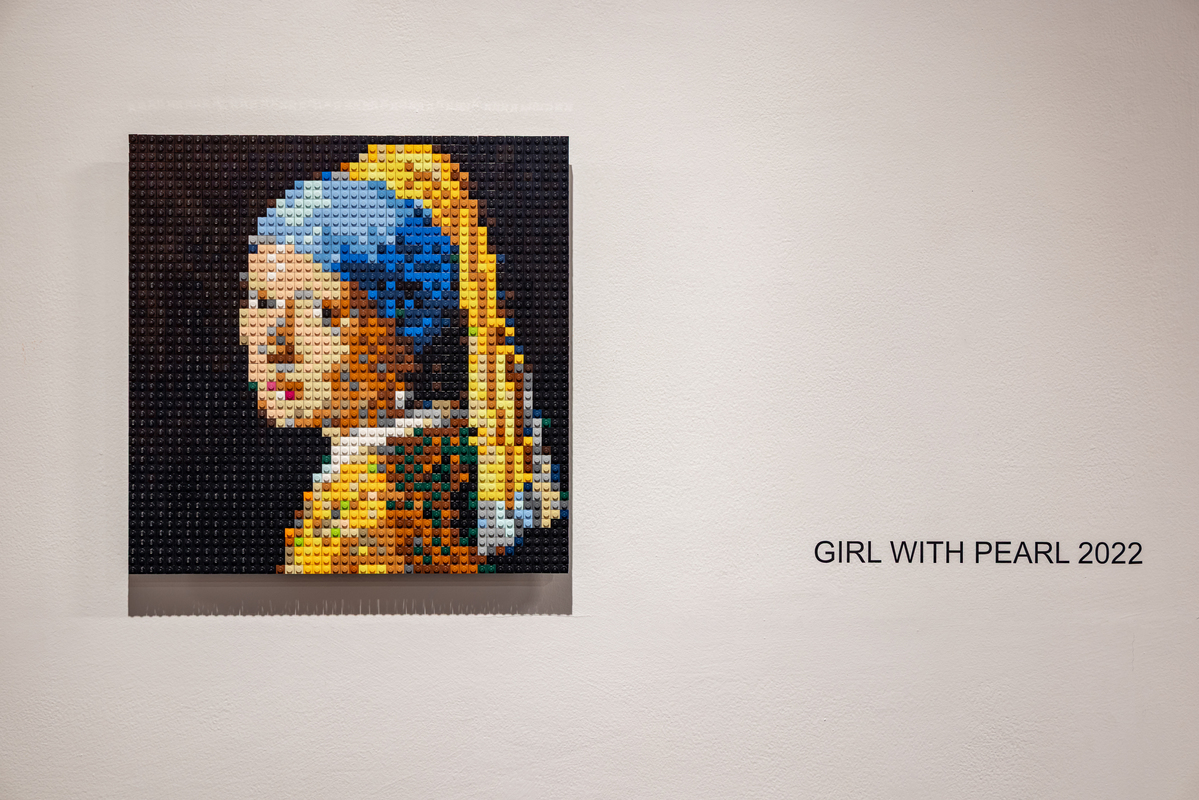
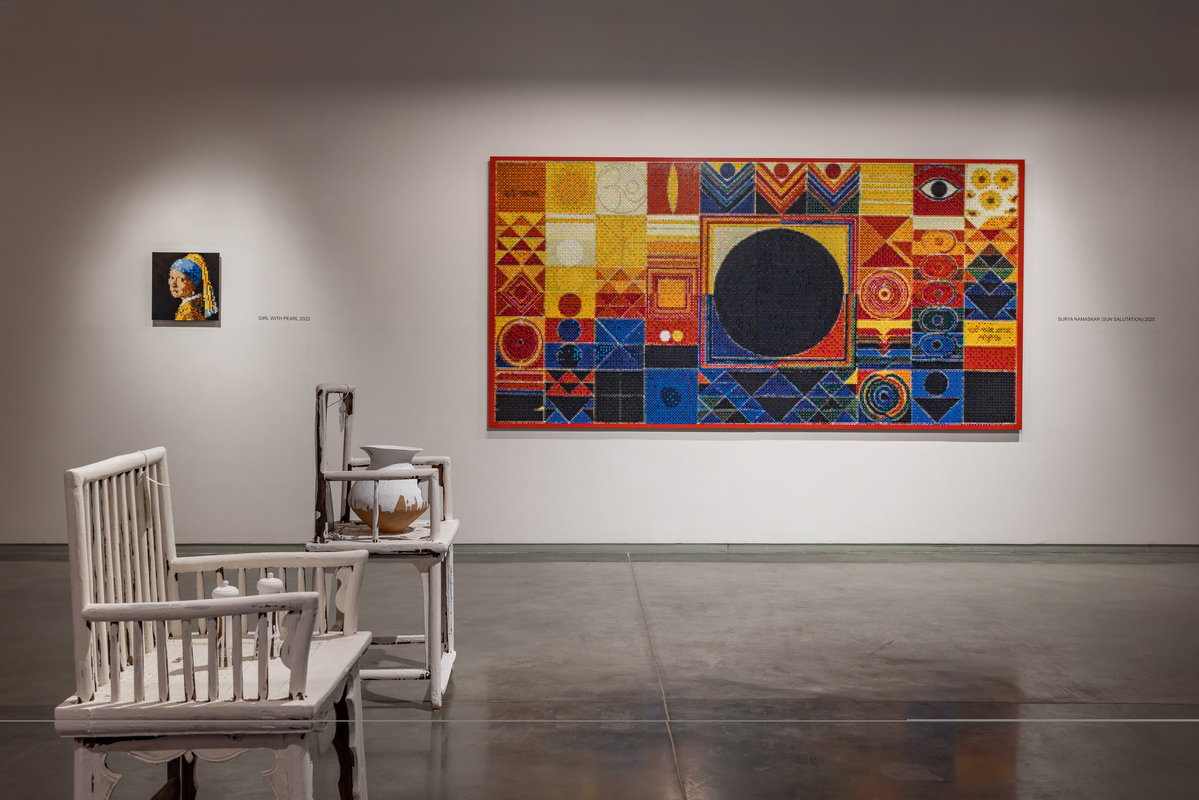
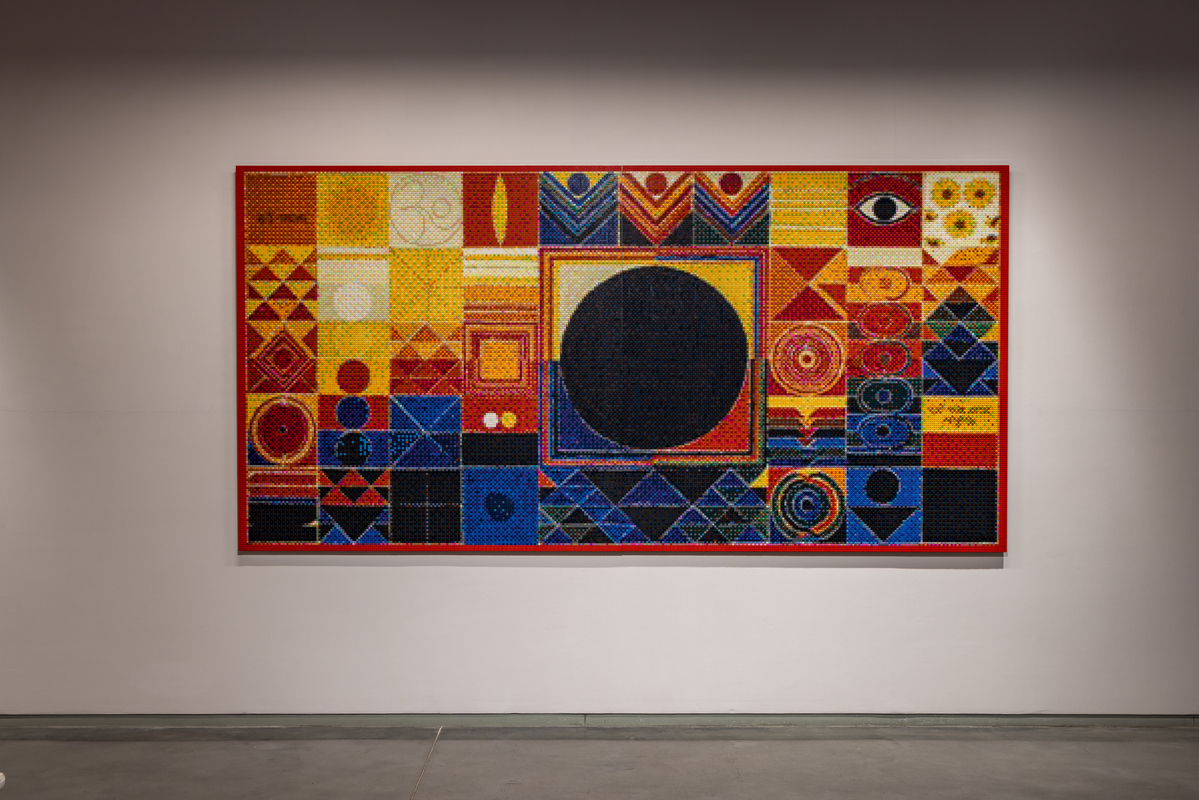
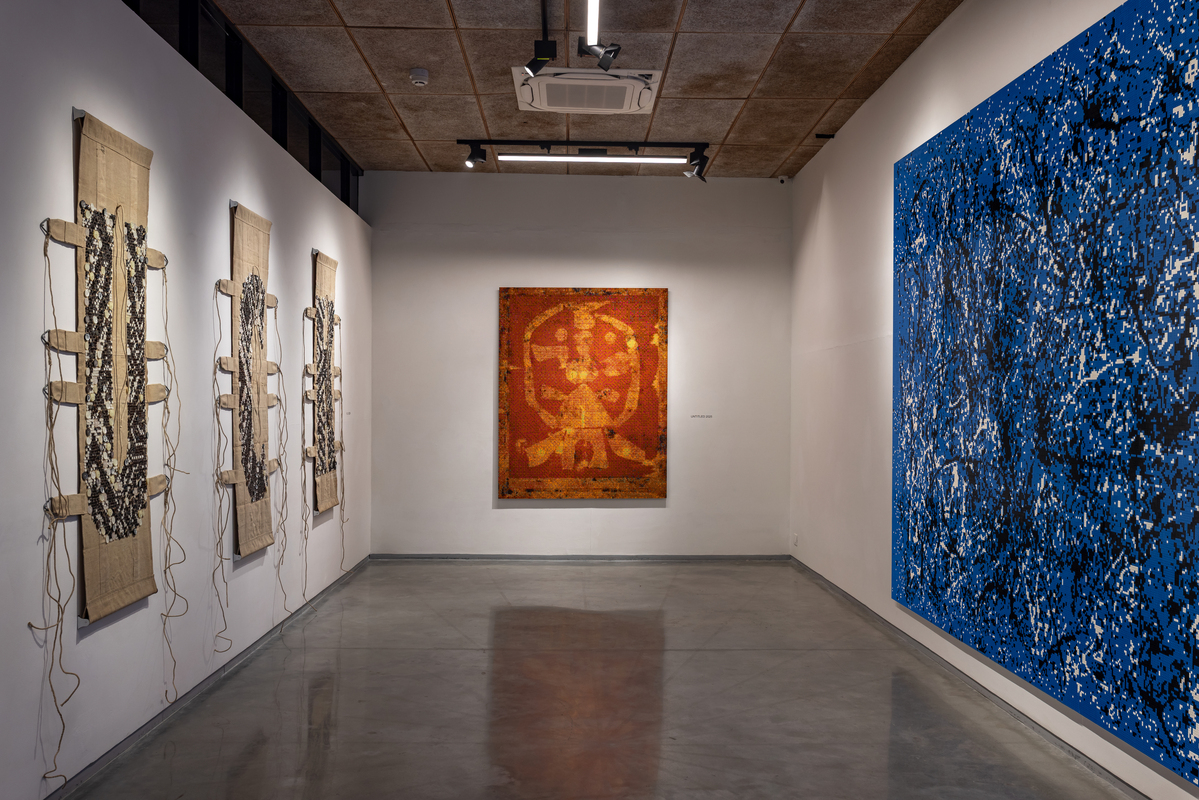
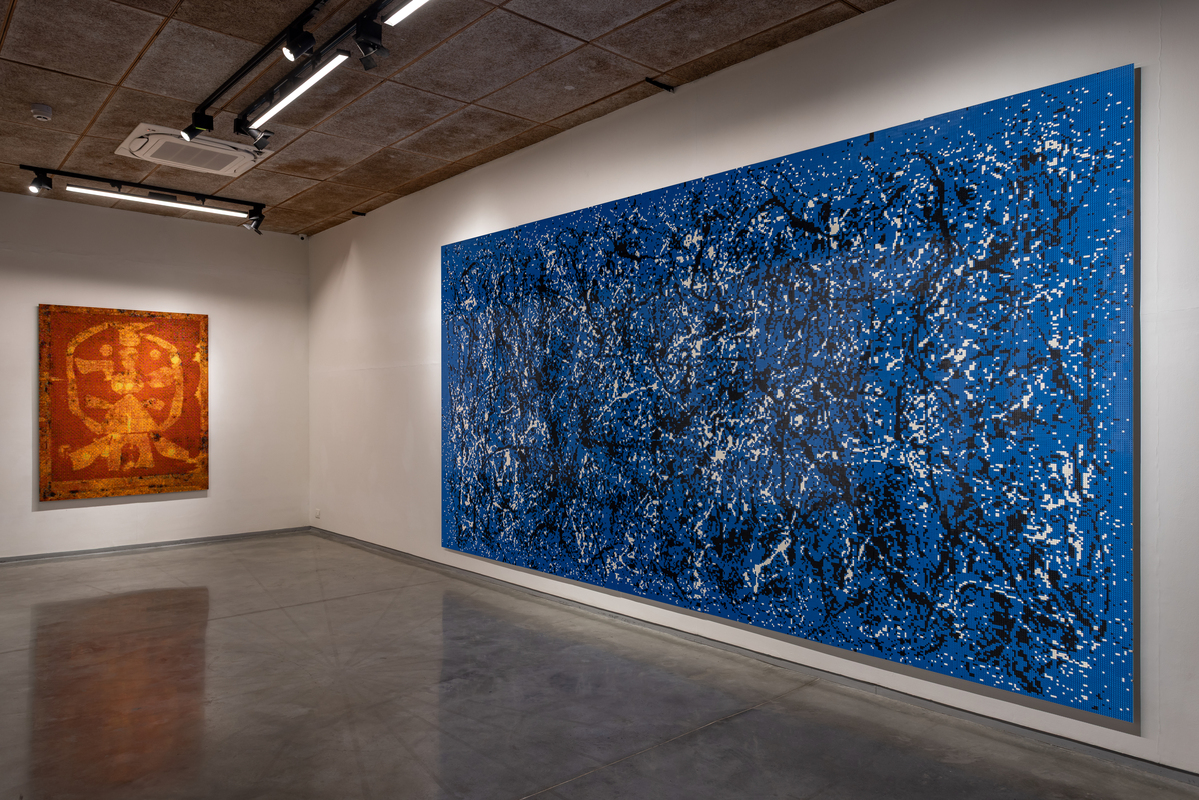
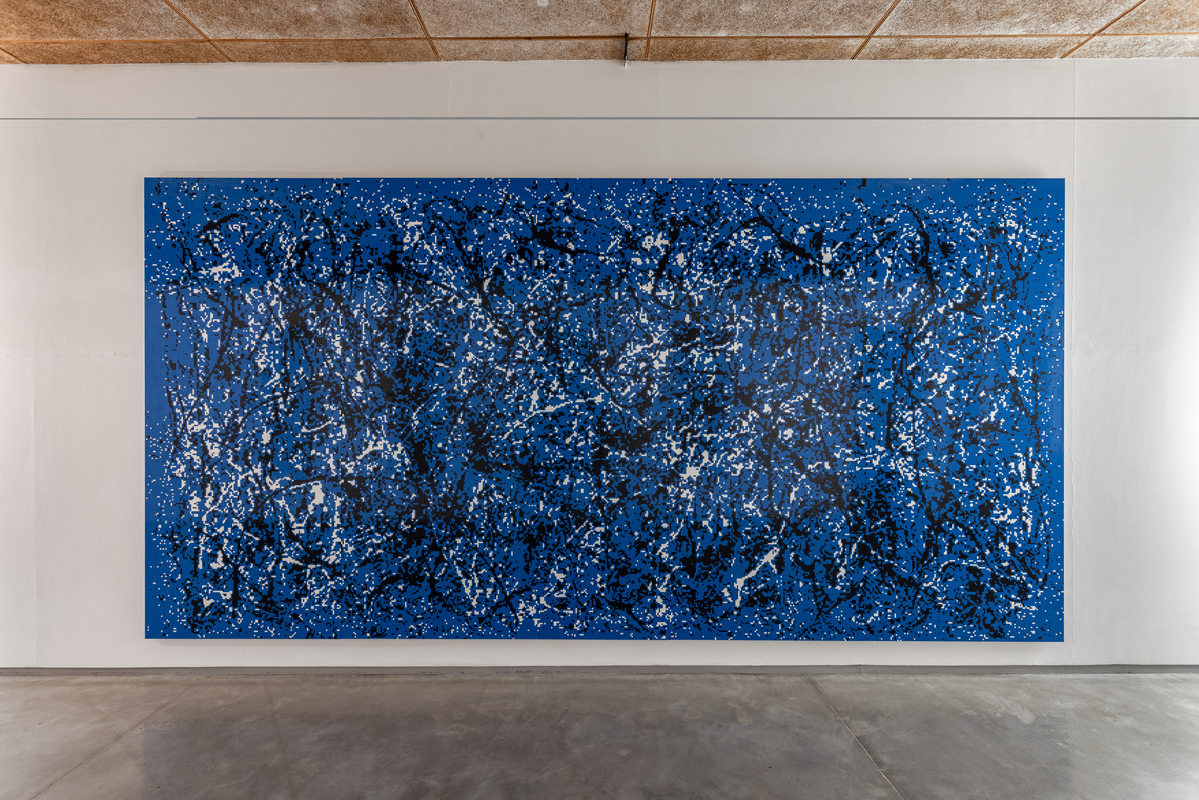
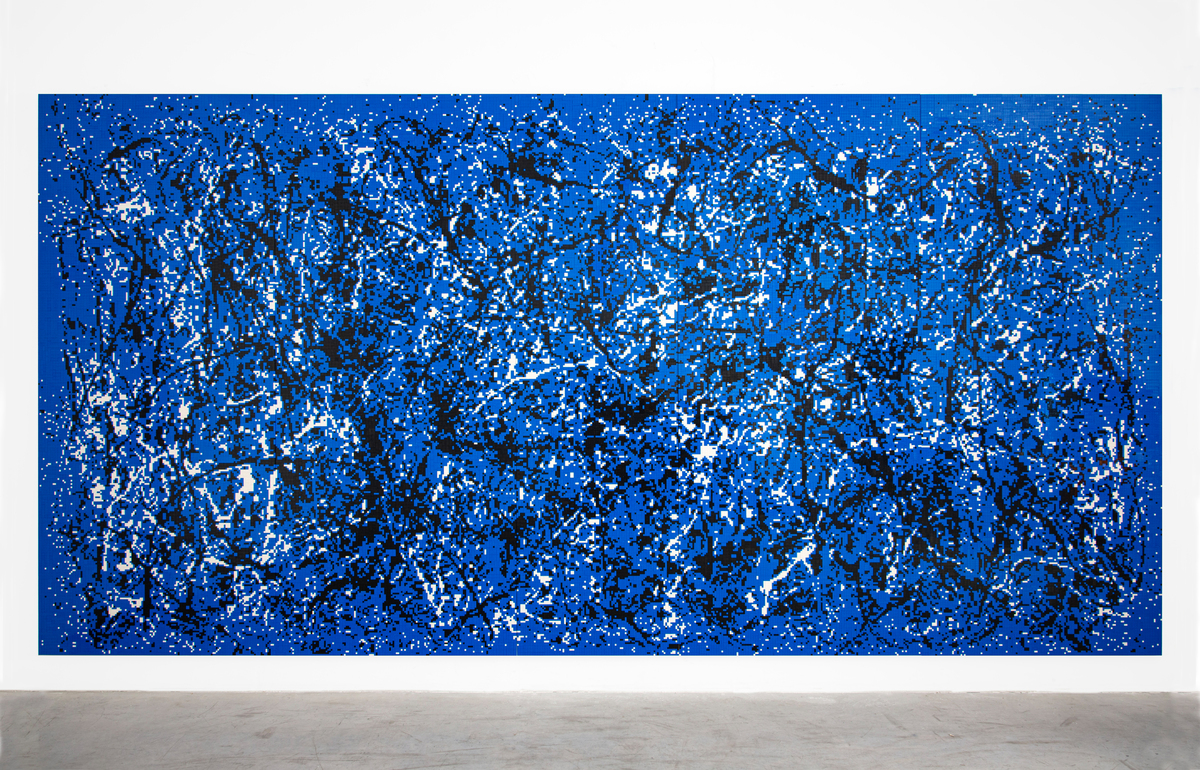
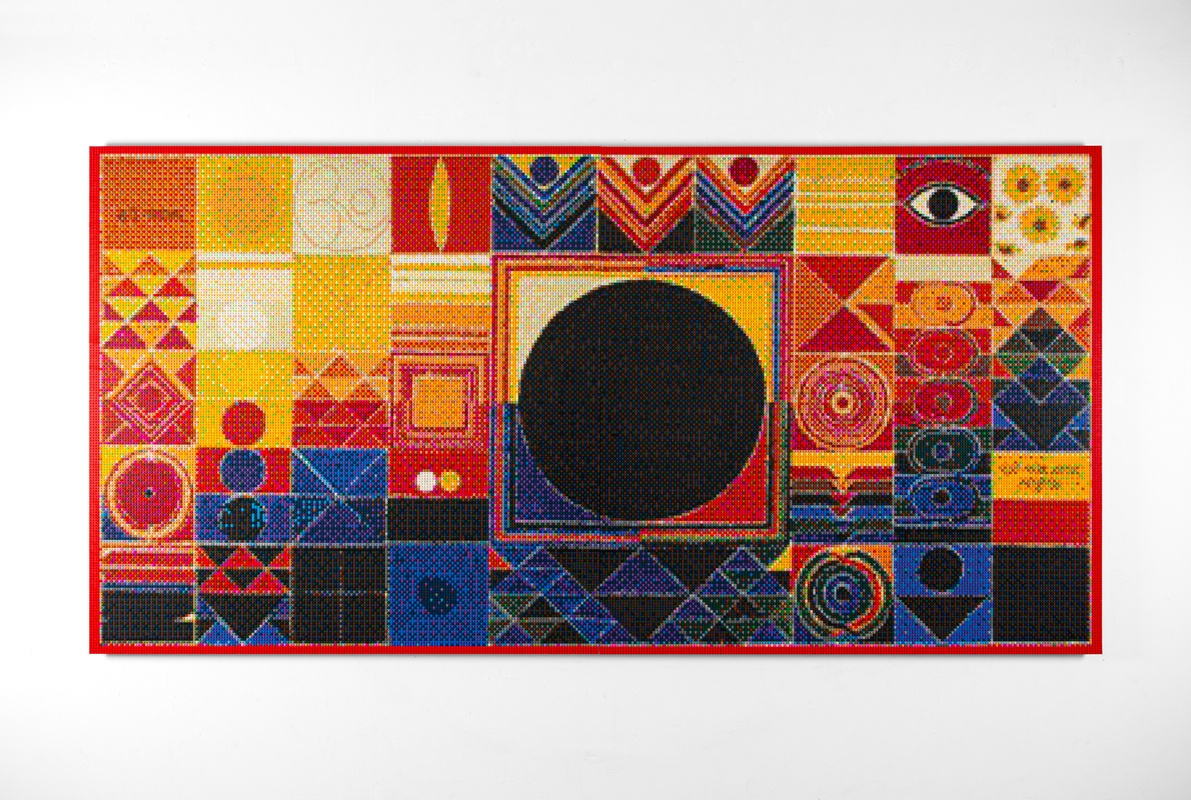
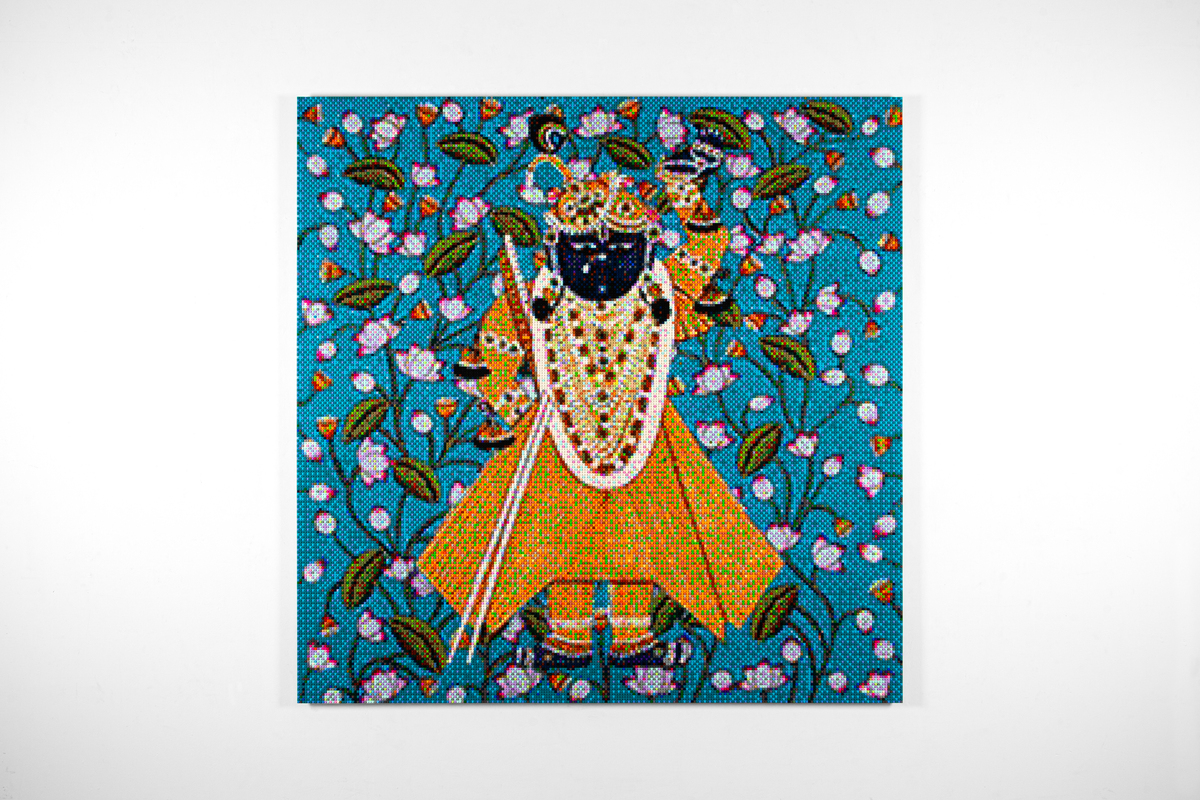
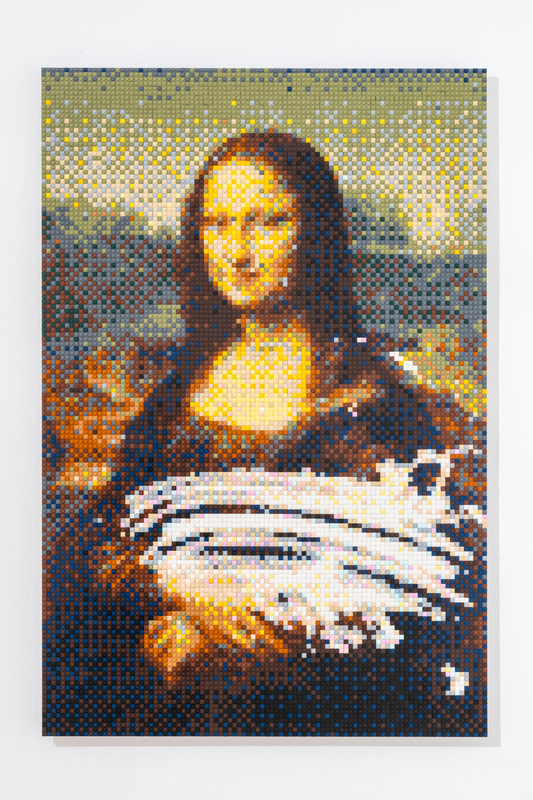
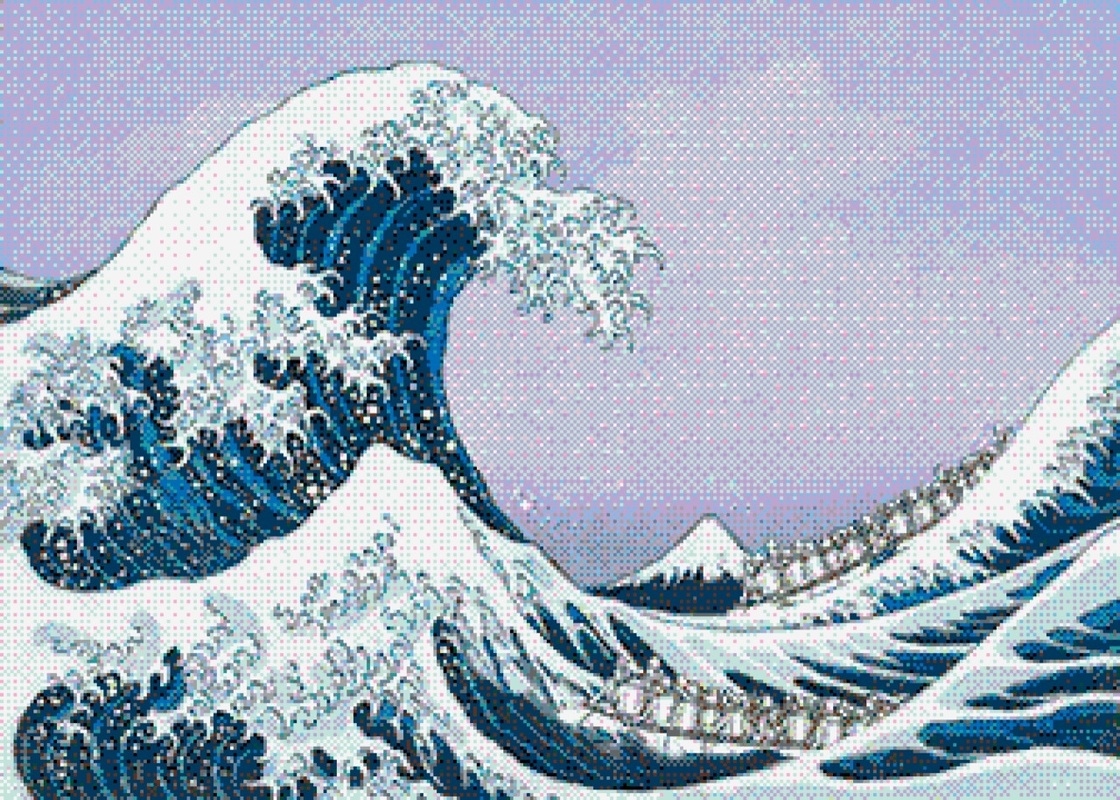
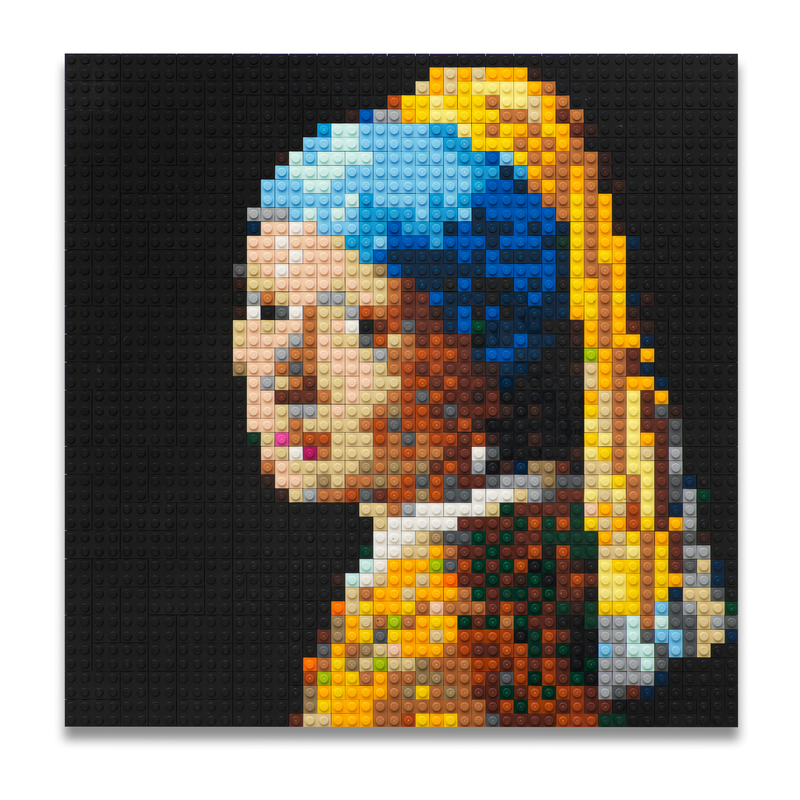
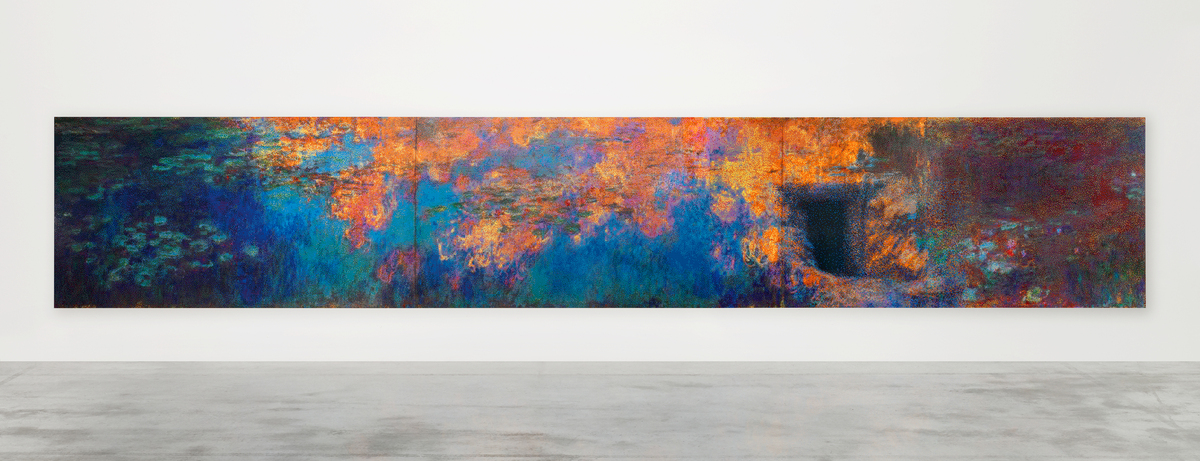
Bringing together a focused selection of works across mediums, the exhibition includes Ai Weiwei’s large-scale toy-brick compositions Surfing (After Hokusai) and Water Lilies, alongside works that reflect his long-standing investigation into material evidence, cultural memory, and the politics of images.
“This is my first exhibition in India... although there are only a dozen of my artworks, it covers several key points that trace more than 20 years—and almost 30 years—of my creative activity,” says Ai Weiwei.
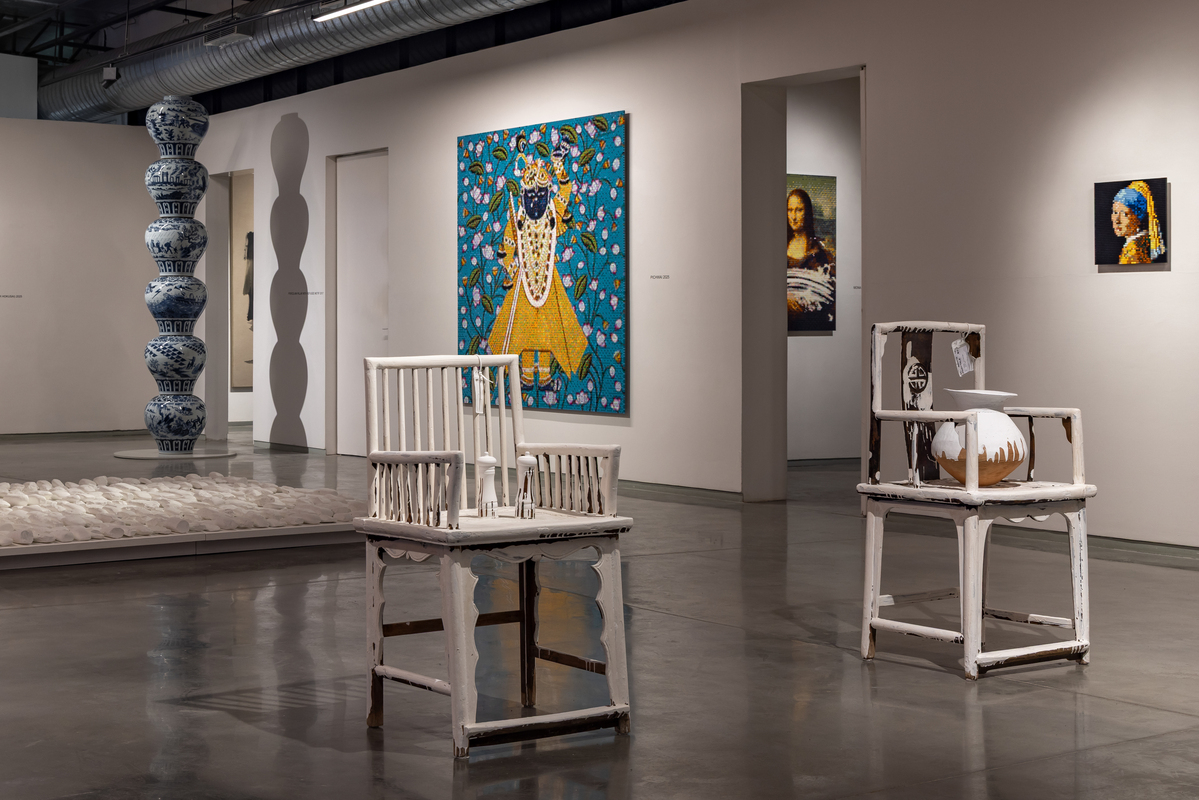
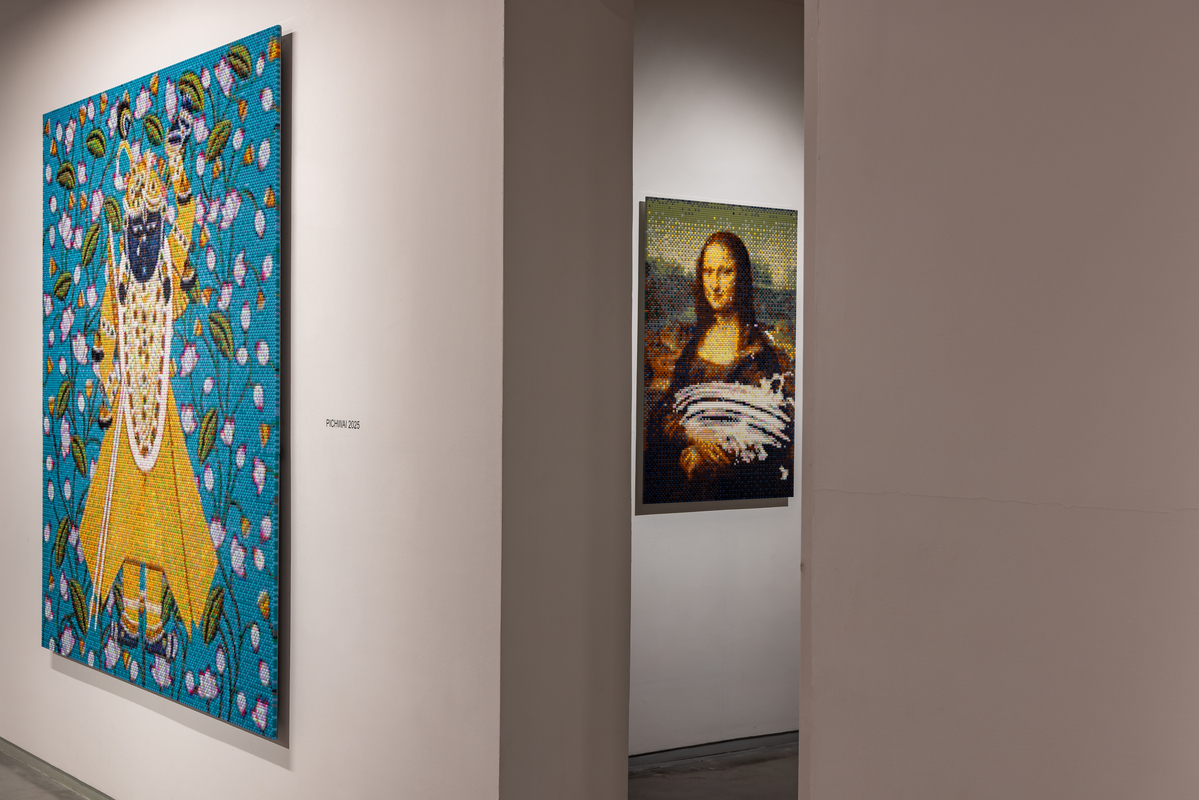
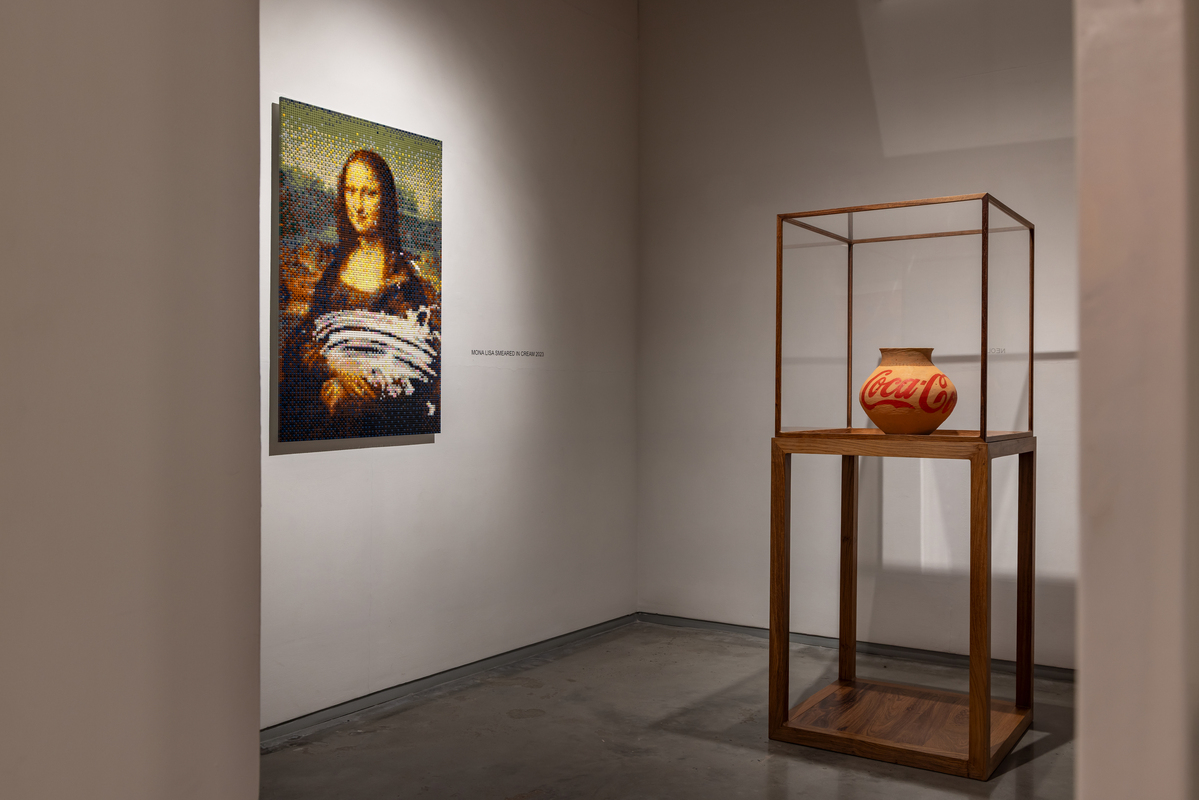
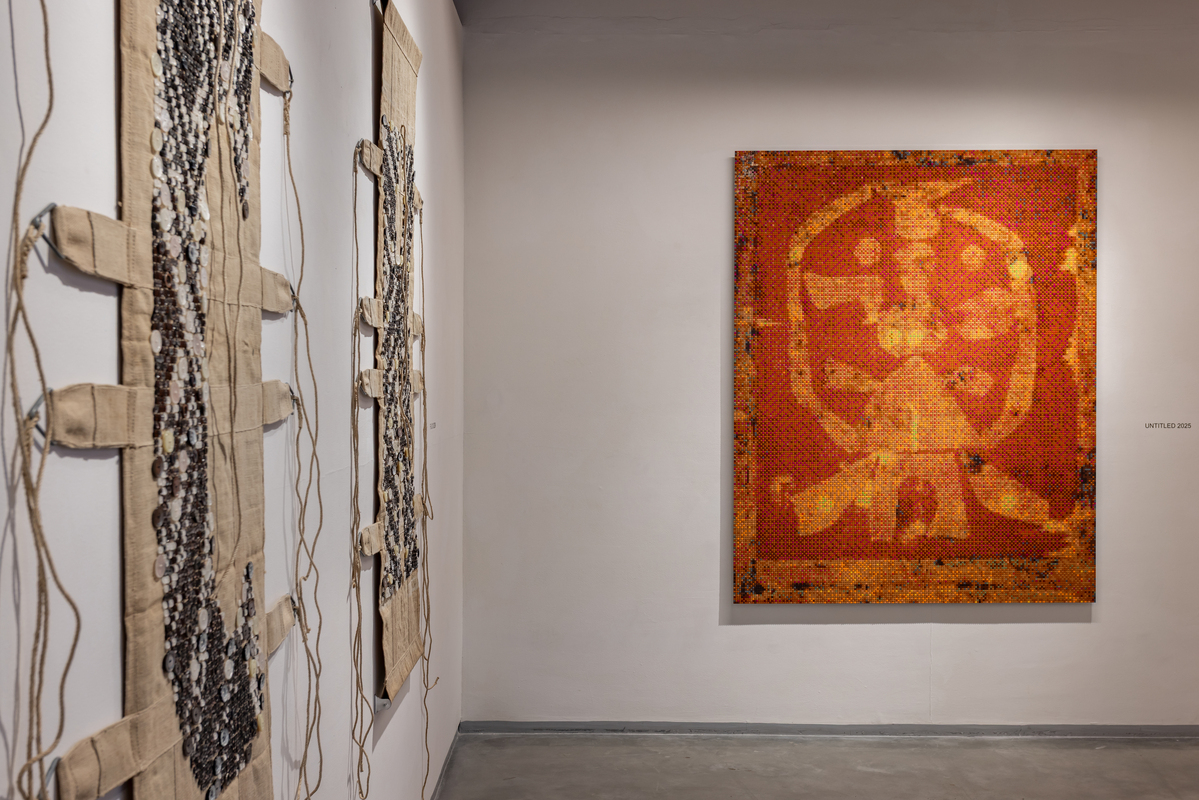
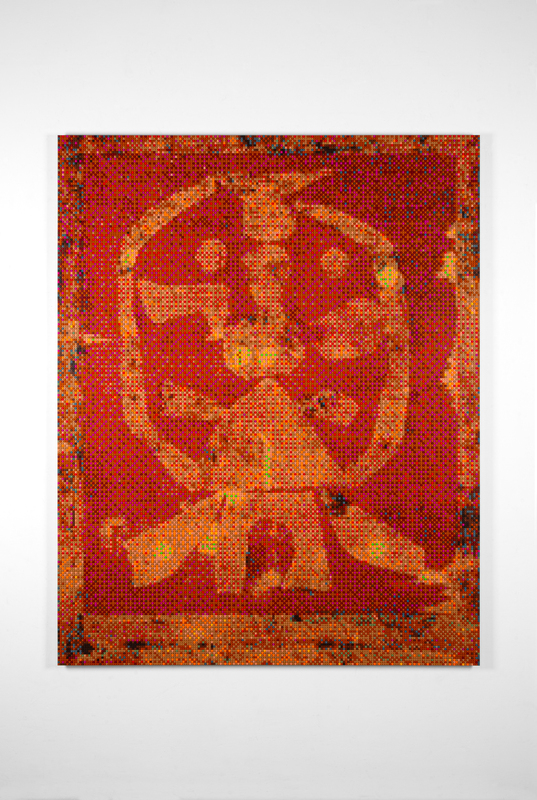
Across the presentation, Ai’s use of materials—from iron, wood, porcelain and buttons to toy bricks—becomes a language for thinking about time, labour, inheritance, and power. A key highlight is the India debut of three new toy-brick works based on historic Indian paintings, extending Ai’s engagement with reproduction and fragmentation into a South Asian context.
Peter Nagy, Co-Director, Nature Morte, says, “Ai Weiwei has an unmatched ability to hold the ancient and the contemporary in the same frame — craft and critique, beauty and blunt truth. Presenting his first solo show in India feels both overdue and essential, especially now, when the politics of images, movement, and belonging are shaping lives everywhere — including here.”
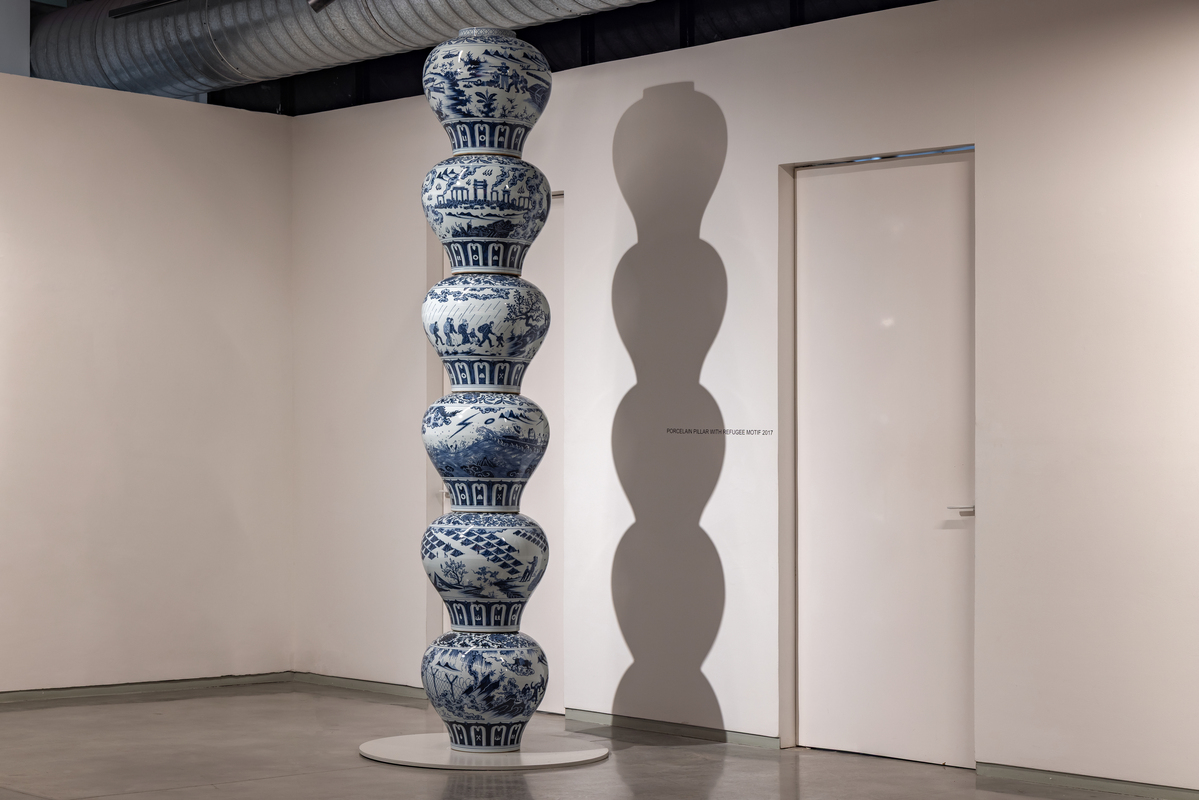
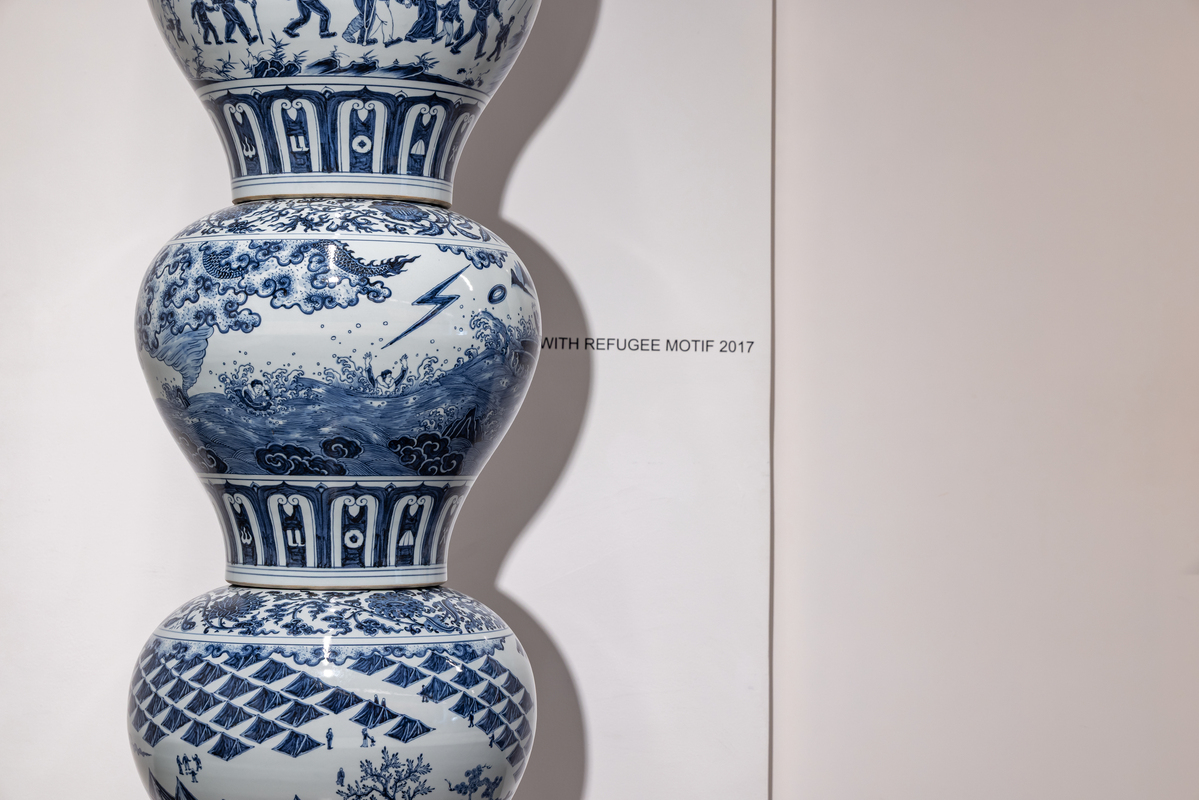
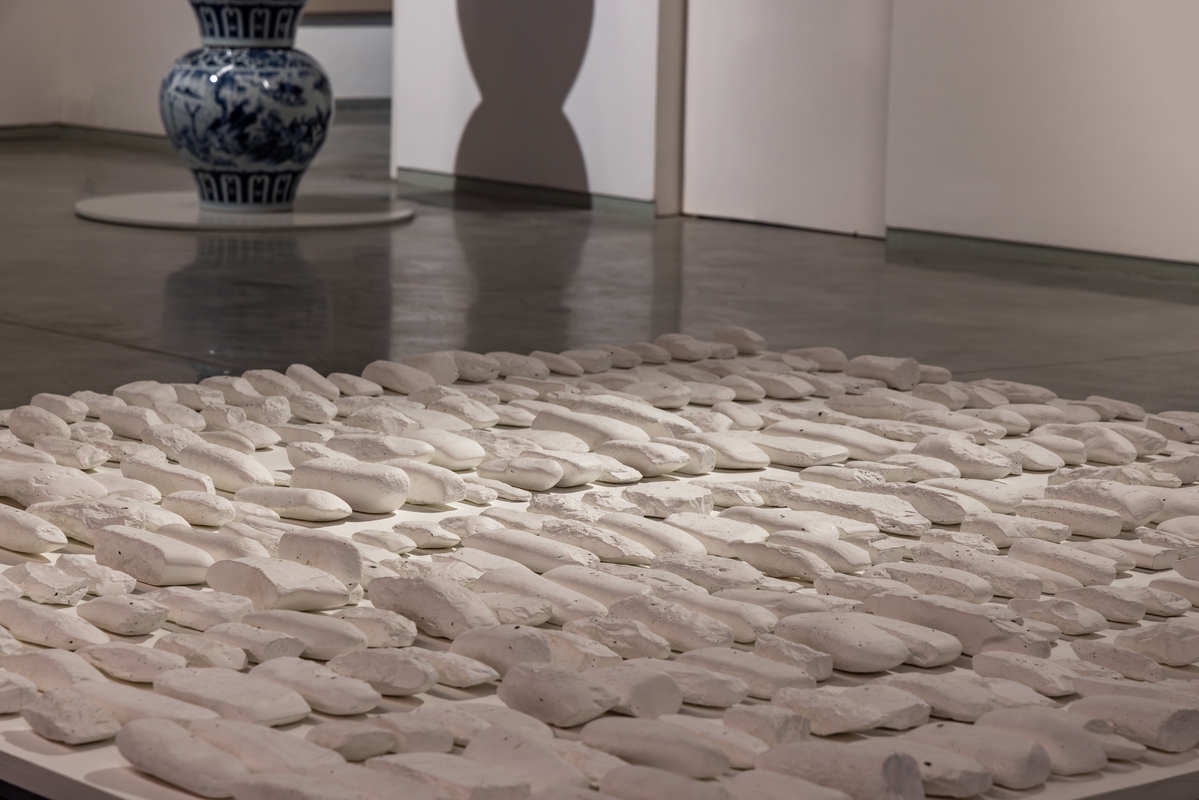
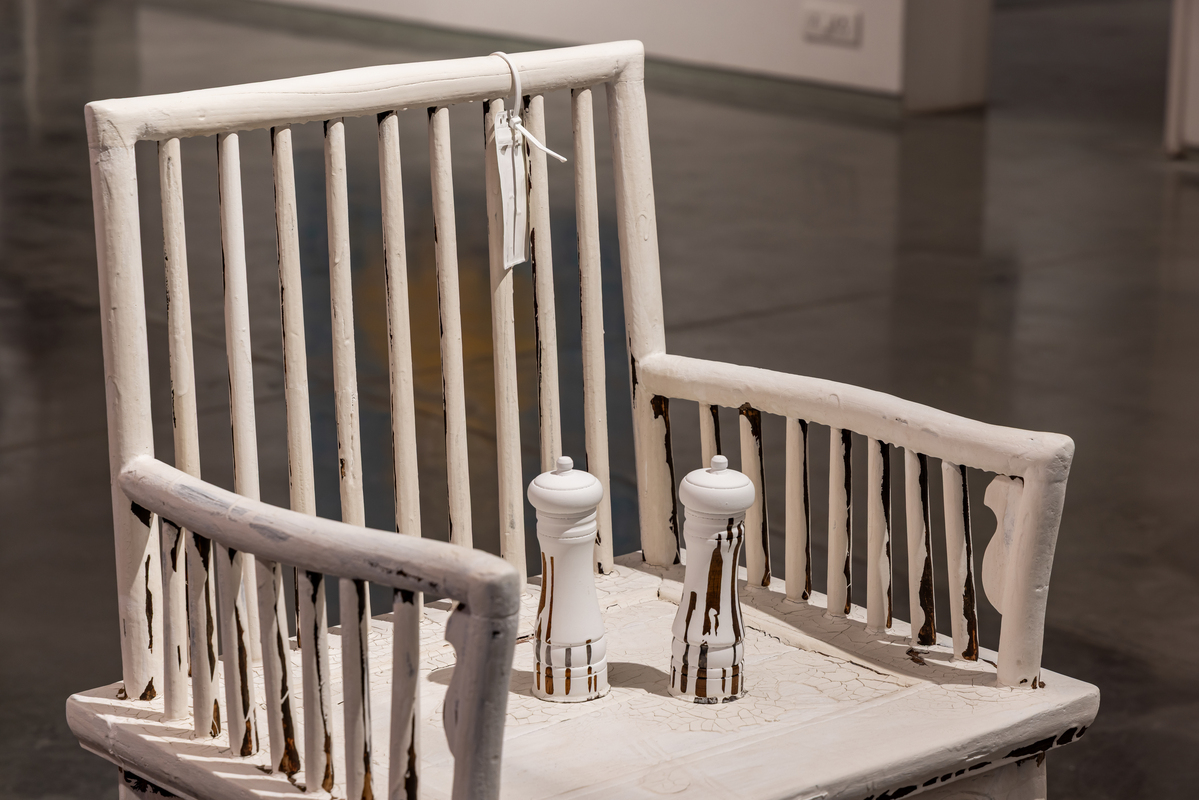
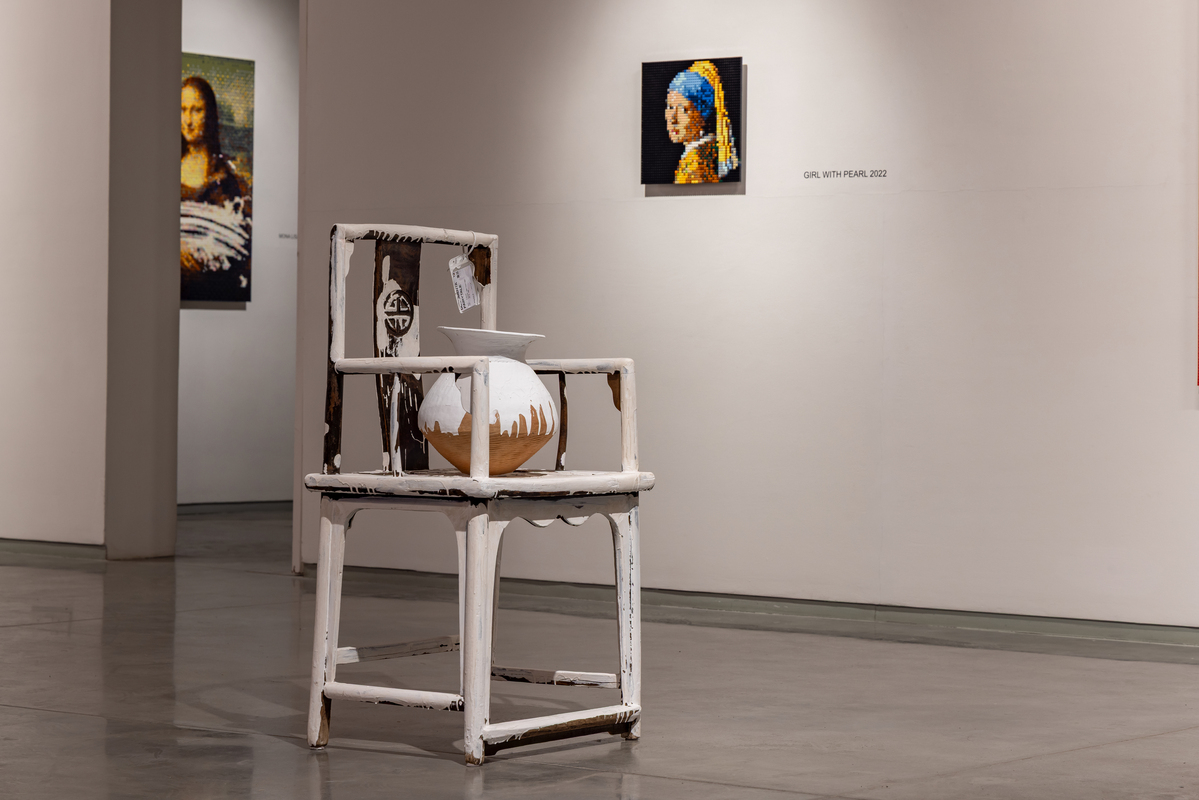
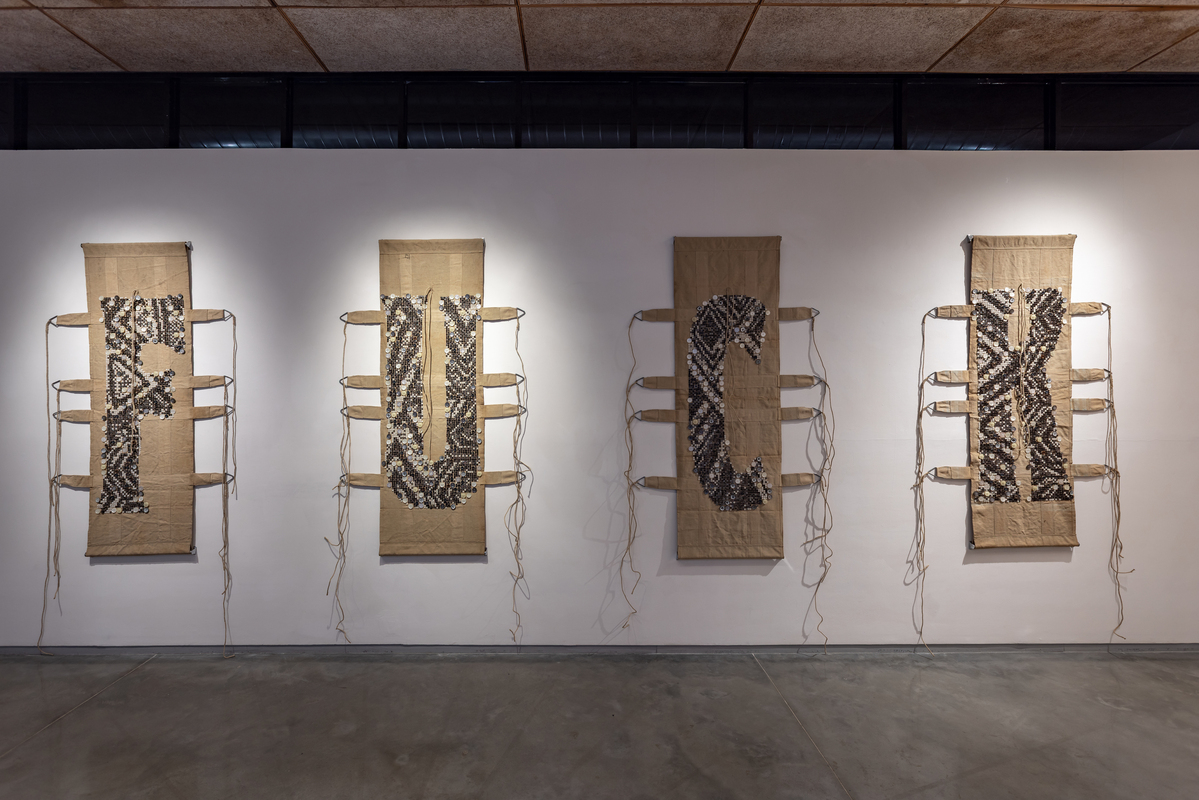
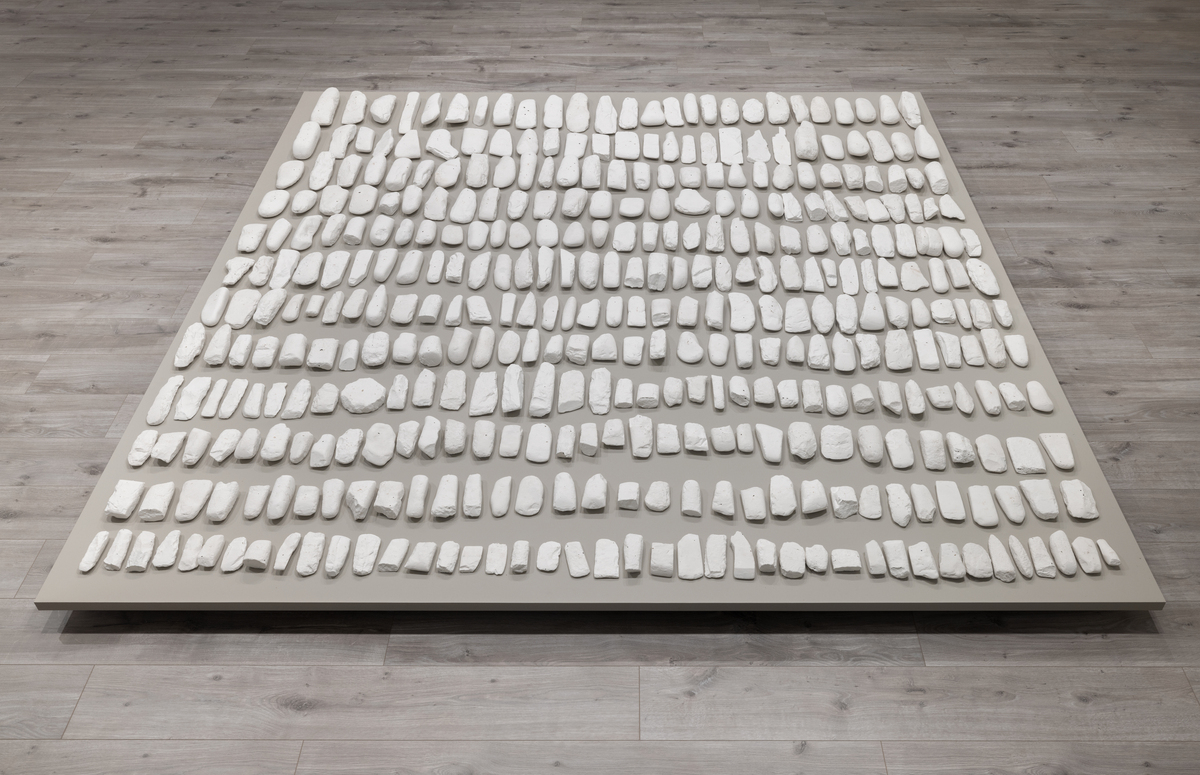
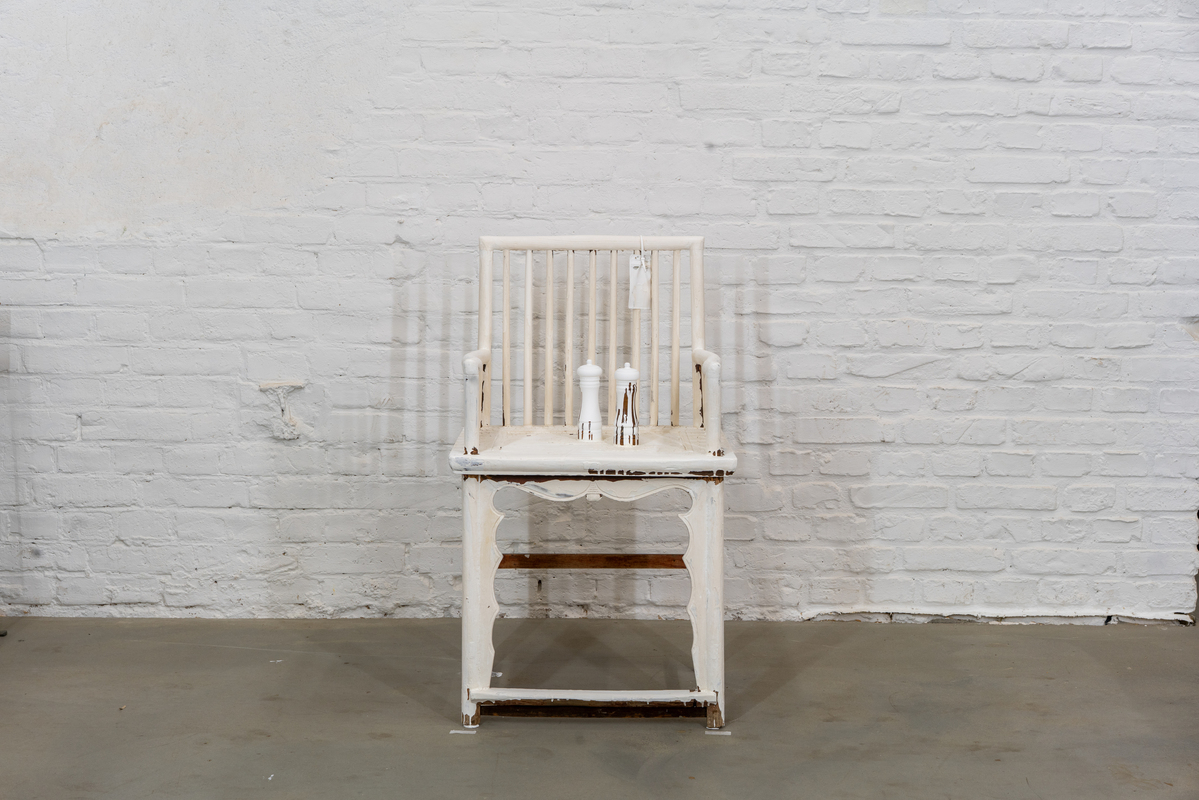
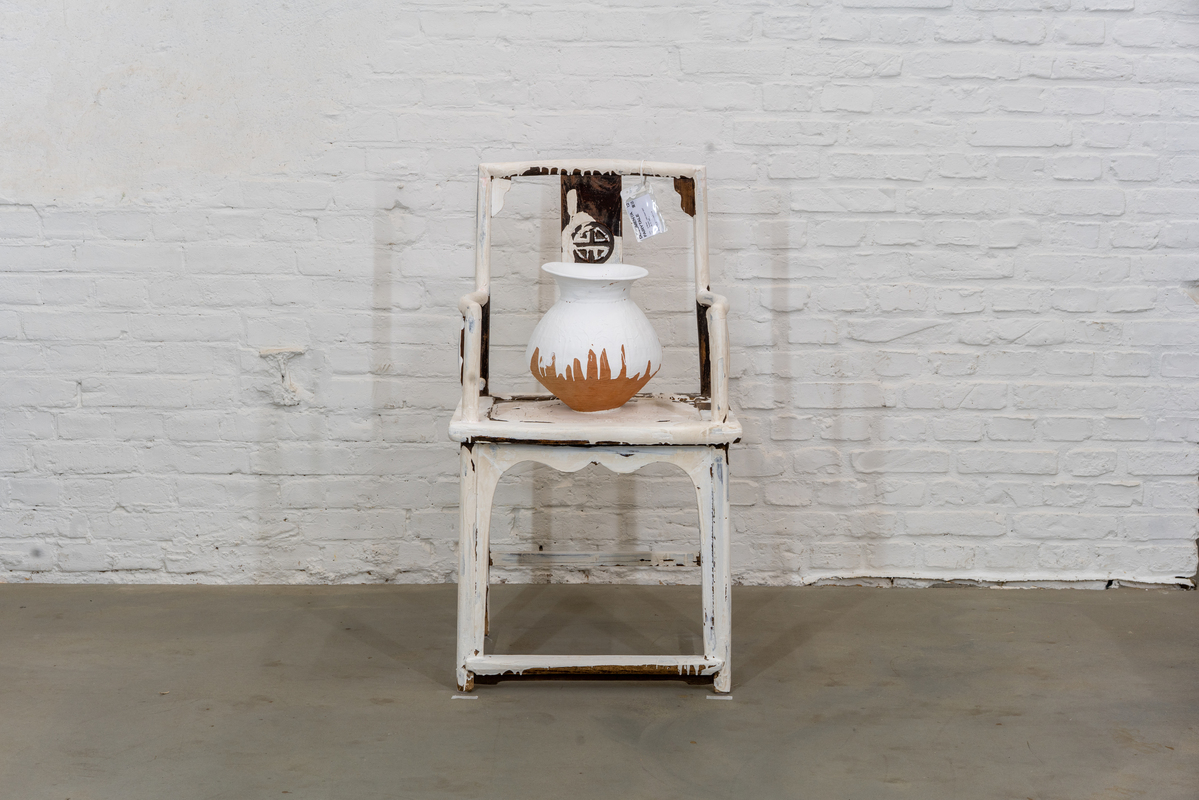
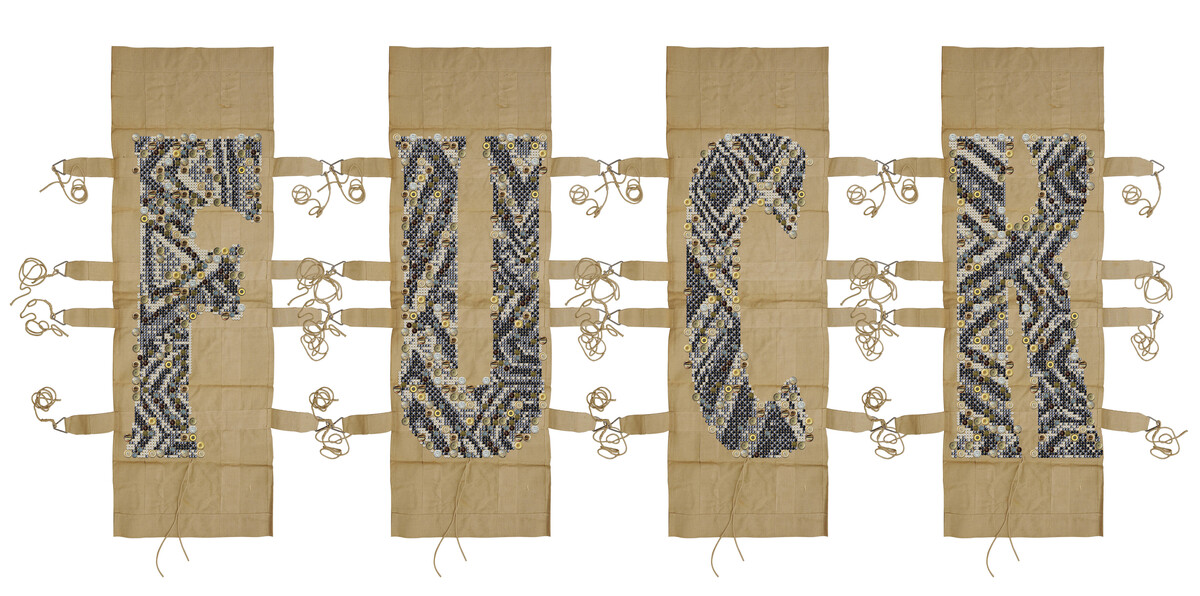
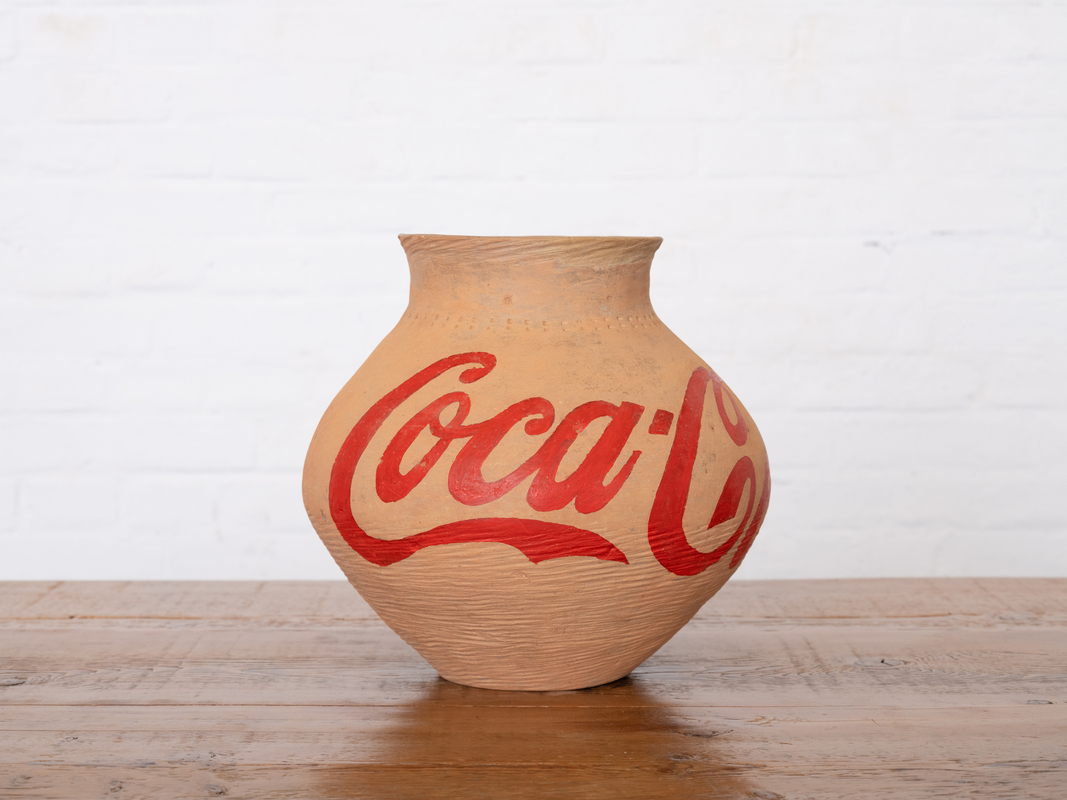
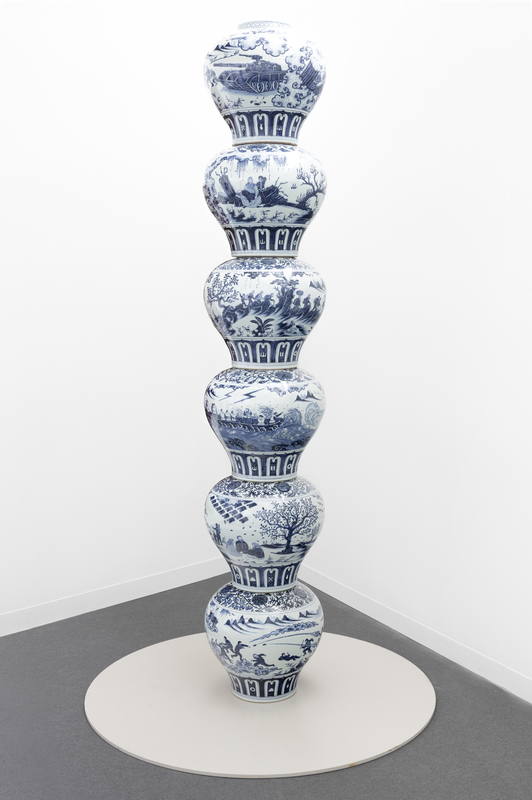
The exhibition also brings together works that move between the ancient and the contemporary: Stone Axes Painted White (with Neolithic stone axes), Porcelain Pillar with Refugee Motif (addressing migration), and new works including F.U.C.K. (made in buttons) and Whitewashed Remnants of History of the State of Emerging Future Works (shown for the first time).
Installation Views